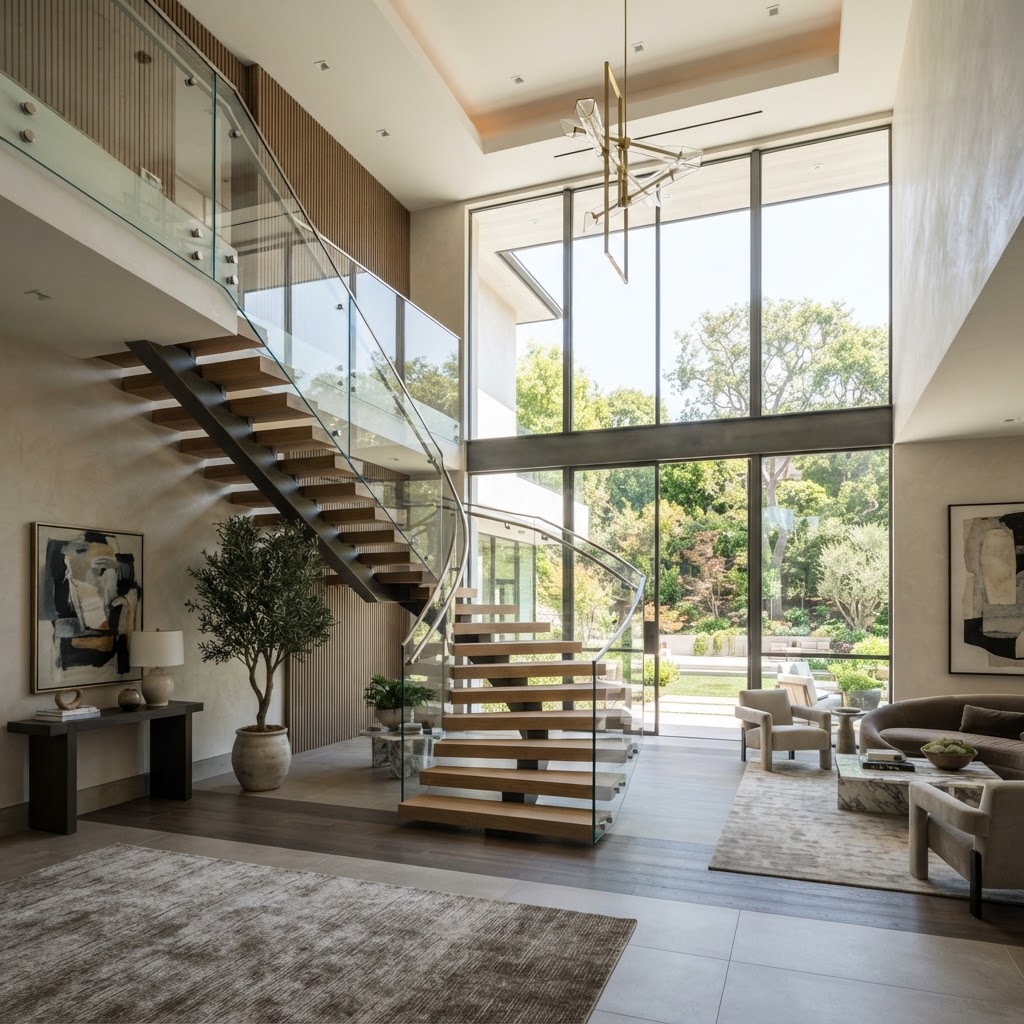
5 Stunning Staircase Designs That Will Transform Your Home
A staircase is often the first thing guests see when they enter your home. These five creative designs prove that your stairs can be the ultimate statement piece in your interior design.
1. The Floating Timber Wonder
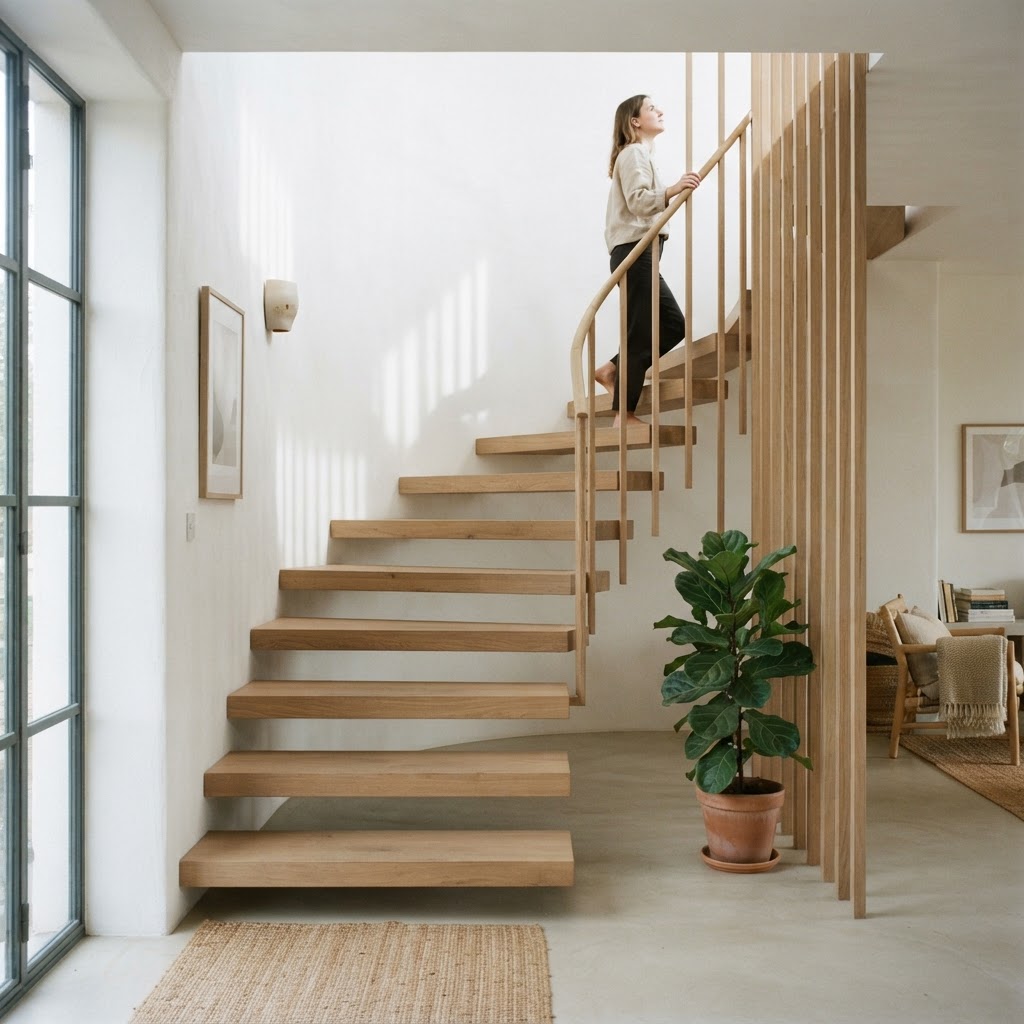
Honestly, if there's one staircase style that's been completely dominating the interior design world over the last decade and still hasn't lost its shine, it's the floating timber staircase. There's something almost magical about it. You walk into a home and your eyes go straight up. The treads seem to hover in mid-air, defying gravity in this quiet, confident way. It never gets old.
Here's the thing about floating timber stairs: they work because of what they don't have. No bulky stringer. No closed risers blocking the light. Just clean, beautiful slabs of wood anchored into the wall, each one cantilevering out like it's got nothing to prove. The negative space underneath is where all the magic lives. Light travels through. The room breathes. Even in a smaller home, this design trick makes your entry hall feel twice as generous.
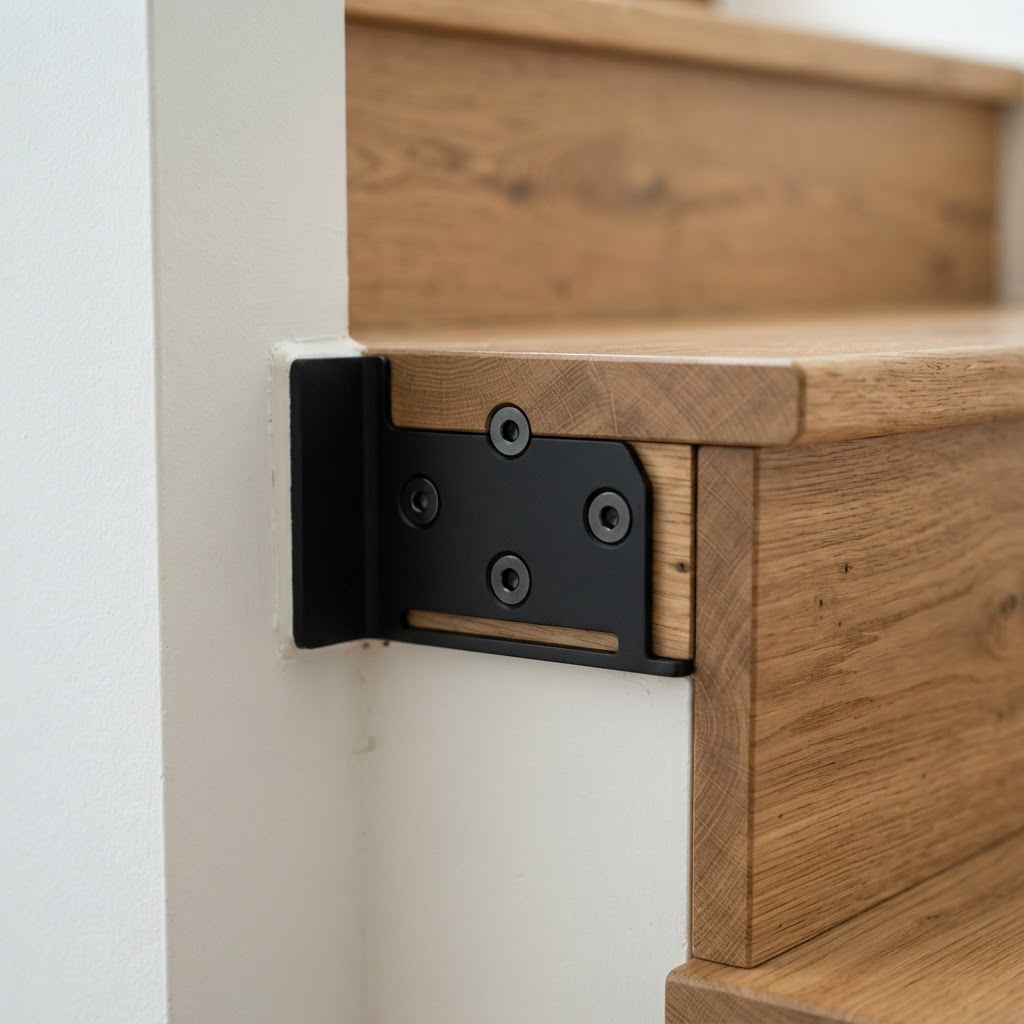
The timber choice matters a lot here, and this is where people often get tripped up. You want something with real structural integrity since these treads are doing a lot of work without the support of a closed structure beneath them. Engineered oak is a popular pick, and for good reason. It's stable, it handles moisture fluctuations better than solid timber, and it comes in gorgeous finishes from pale Scandinavian blonde to rich, dark walnut. Real talk, a deep smoked oak tread against a white wall is one of the most satisfying combinations in residential design right now.
- Cable or glass balustrades complement floating stairs perfectly, keeping the open and airy aesthetic intact.
- LED strip lighting installed beneath each tread creates a stunning effect at night and adds a layer of safety.
- Consistent tread depth of at least 280mm is non-negotiable for both comfort and building code compliance.
- Wall fixings must be engineered properly, especially in older homes where the wall structure might need reinforcement.
If you're renovating and you've got a staircase that's eating up light and making your downstairs feel cave-like, this is the upgrade worth every penny. Just make sure you're working with a structural engineer alongside your architect or designer. The floating look is effortless, but the engineering behind it definitely isn't.
2. Sculptural Spiral Elegance
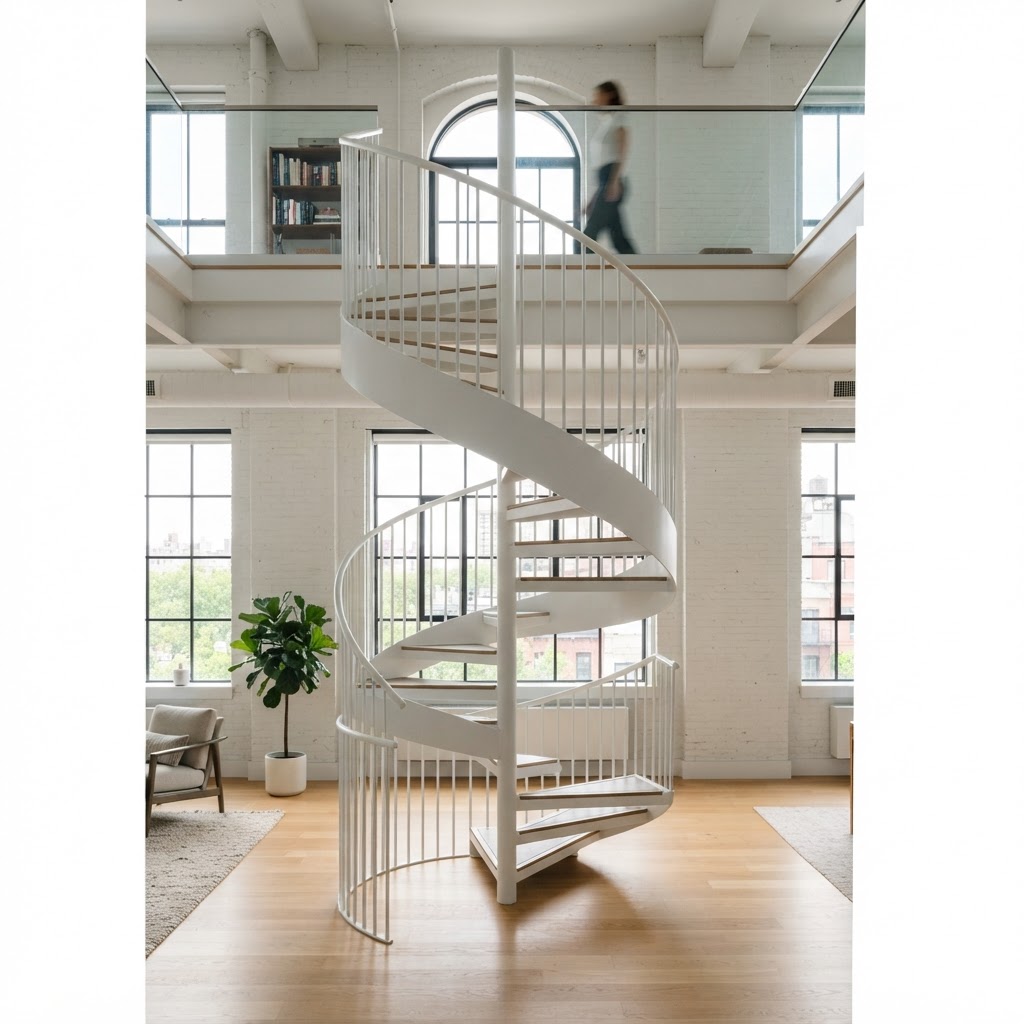
Look, spiral staircases have a bit of a reputation problem. For a long time they were associated with cramped beach shacks and loft conversions where space was tight and budget was tighter. But the modern sculptural spiral? It's a completely different animal. When it's done well, it stops people in their tracks. It becomes the centerpiece of the entire home.
What separates a sculptural spiral from the utilitarian versions is intention. It's designed to be looked at, not just climbed. The proportions are generous, the materials are chosen with obsessive care, and the whole thing has this organic, flowing quality that feels more like art than architecture. Think sweeping curves in raw concrete, or a helical form wrapped in hand-finished plaster with a solid brass handrail tracing the curve. These aren't staircases you squeeze past. They're staircases you pause to admire.
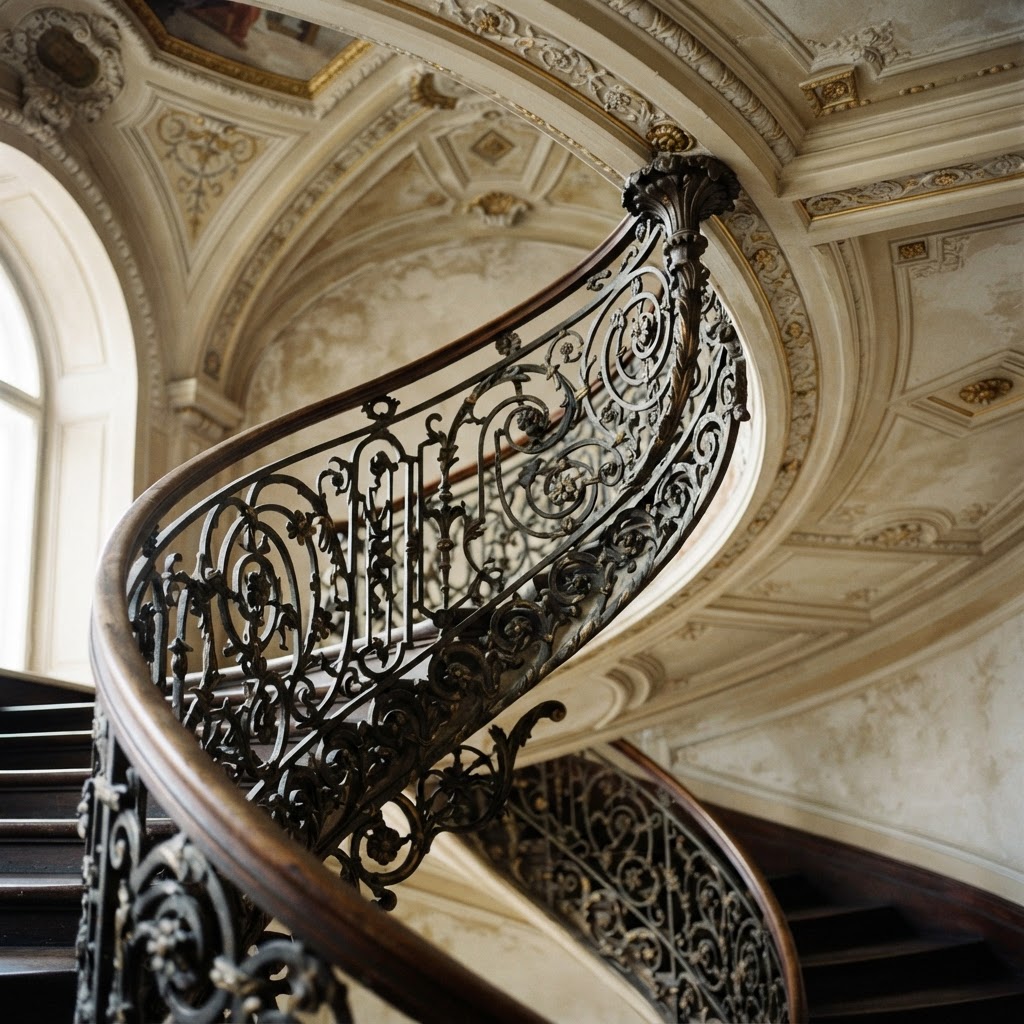
And honestly, one of the underrated benefits of a well-designed spiral is how it handles the vertical connection between floors in open-plan homes. A straight staircase can feel like it cuts a room in half. A spiral, positioned thoughtfully, actually draws the eye upward and creates this sense of vertical drama without dividing your living space awkwardly.
"A great spiral staircase isn't just a way to get from one floor to another. It's the thing guests remember about your home long after they've left."
The main practical consideration is tread width. Building codes in most regions require a minimum usable tread width on a spiral, and you really want to go beyond the minimum if this is a primary staircase. Wider diameter spirals, usually starting around 1.6 meters, feel comfortable and easy to navigate even with furniture or groceries in your arms. Tighter spirals are fine as secondary access but shouldn't be your only route between floors in a family home.
3. The Artistic Glass Case
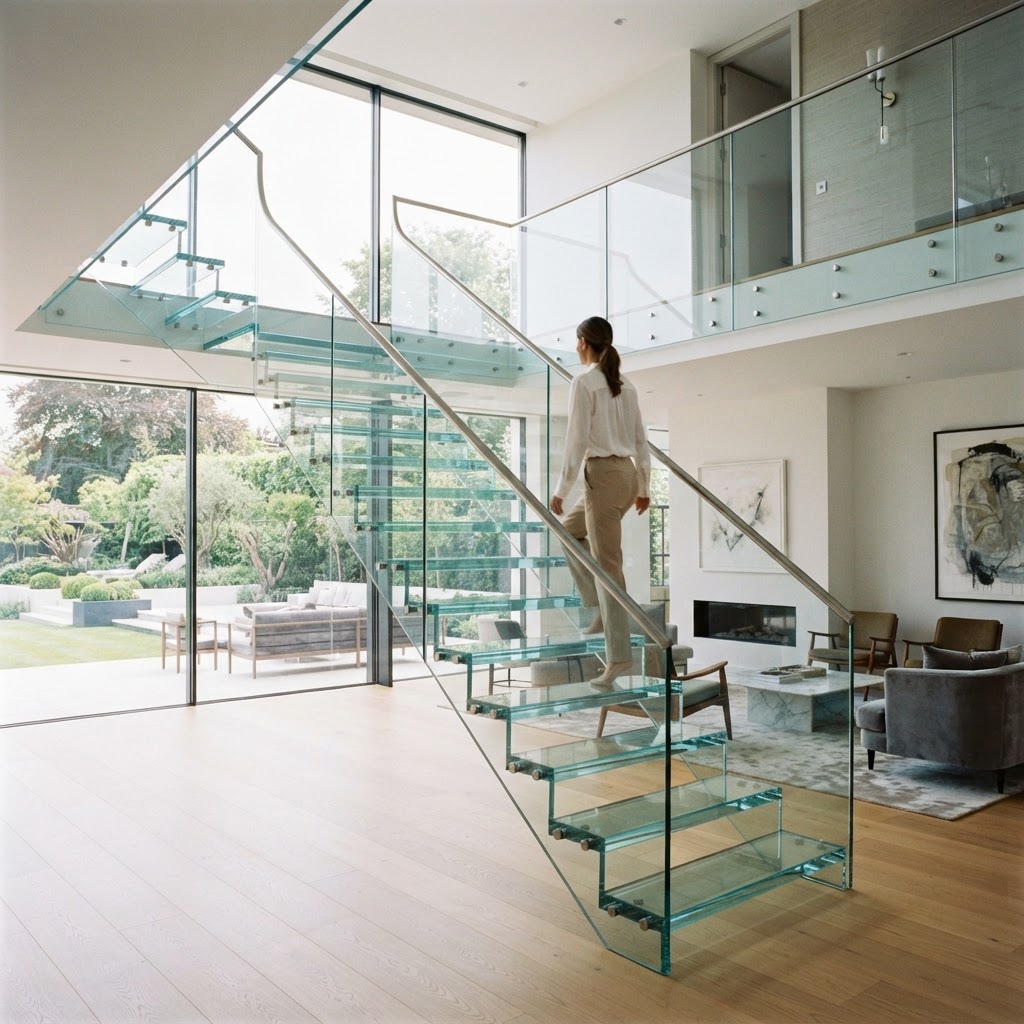
If floating timber is the minimalist hero, the all-glass staircase enclosure is the showstopper. We're talking full glass balustrades, sometimes glass treads, and in the most dramatic versions, a fully glazed staircase enclosure that turns the entire stair tower into a lantern of light. It's the kind of design choice that makes an architectural statement the moment someone walks through your front door.
The glass case concept works especially well in homes that have a strong connection to their outdoor surroundings. Imagine a staircase enclosed in structural glass panels that looks directly out onto a garden or a view. Every time you walk up or down, you're moving through this luminous, transparent volume. It doesn't feel enclosed at all. It feels like floating through light. That's a pretty extraordinary thing to experience in your own home, trust me on this.
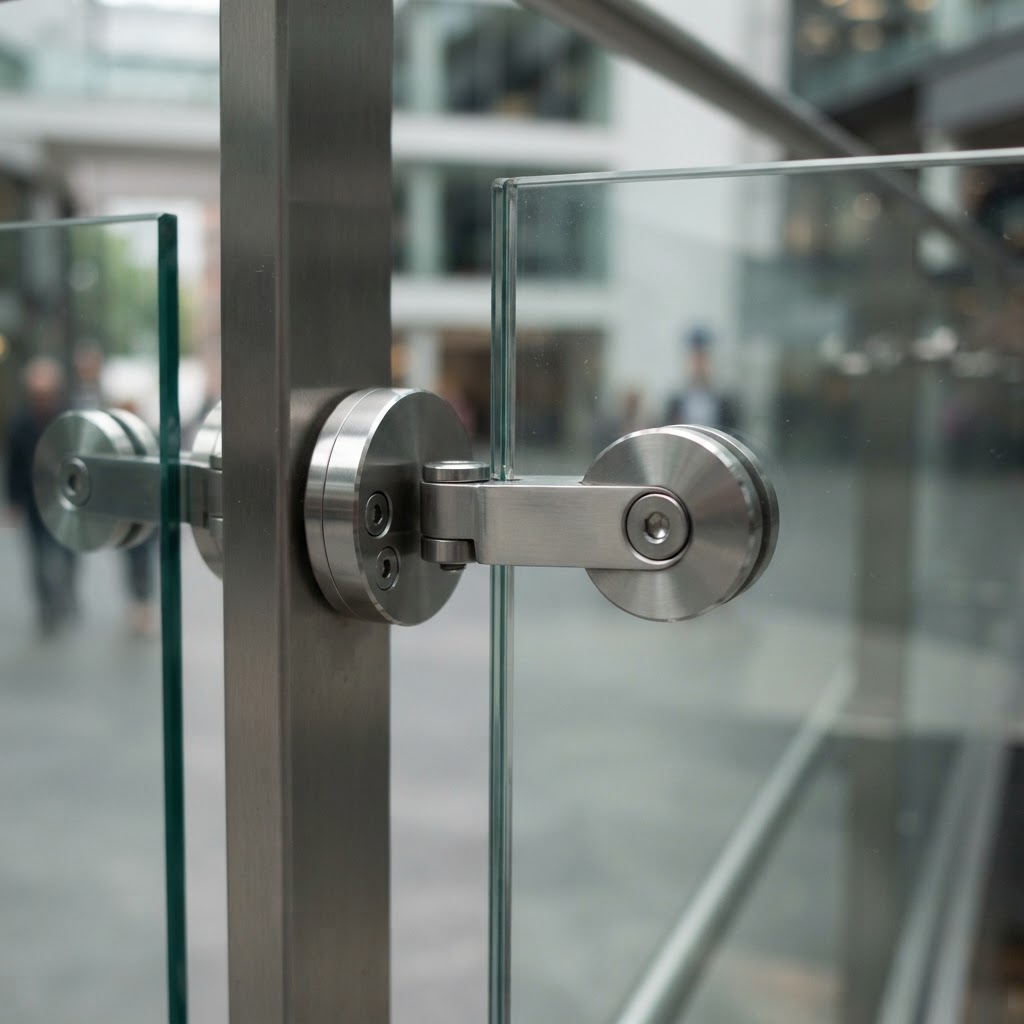
There are practical things to think through carefully with glass staircases. Frameless glass panels require toughened or laminated safety glass, usually at least 12mm thick for balustrades, and the fixings need to be beefy and properly engineered. The cleaning situation is also real. Fingerprints and smudges show up on glass like they're auditioning for a leading role. If you've got kids or pets, factor in the time you'll spend wiping things down, or look at slightly textured or frosted glass options that are a bit more forgiving.
- Laminated safety glass is the standard for treads since it holds together even if it cracks under impact.
- Anti-slip treatments or etched patterns on glass treads are essential and can actually look really elegant.
- Point-fixed glass balustrades give a cleaner look than framed systems but require more precise installation.
- Integrated lighting within glass treads or along the base of glass panels creates an incredible nighttime effect.
The investment is significant. Glass staircases sit at the premium end of the market. But if your home has the bones to support this kind of feature, the payoff in terms of light, openness, and sheer visual impact is hard to argue with.
4. Dramatic Black Steel Industrial
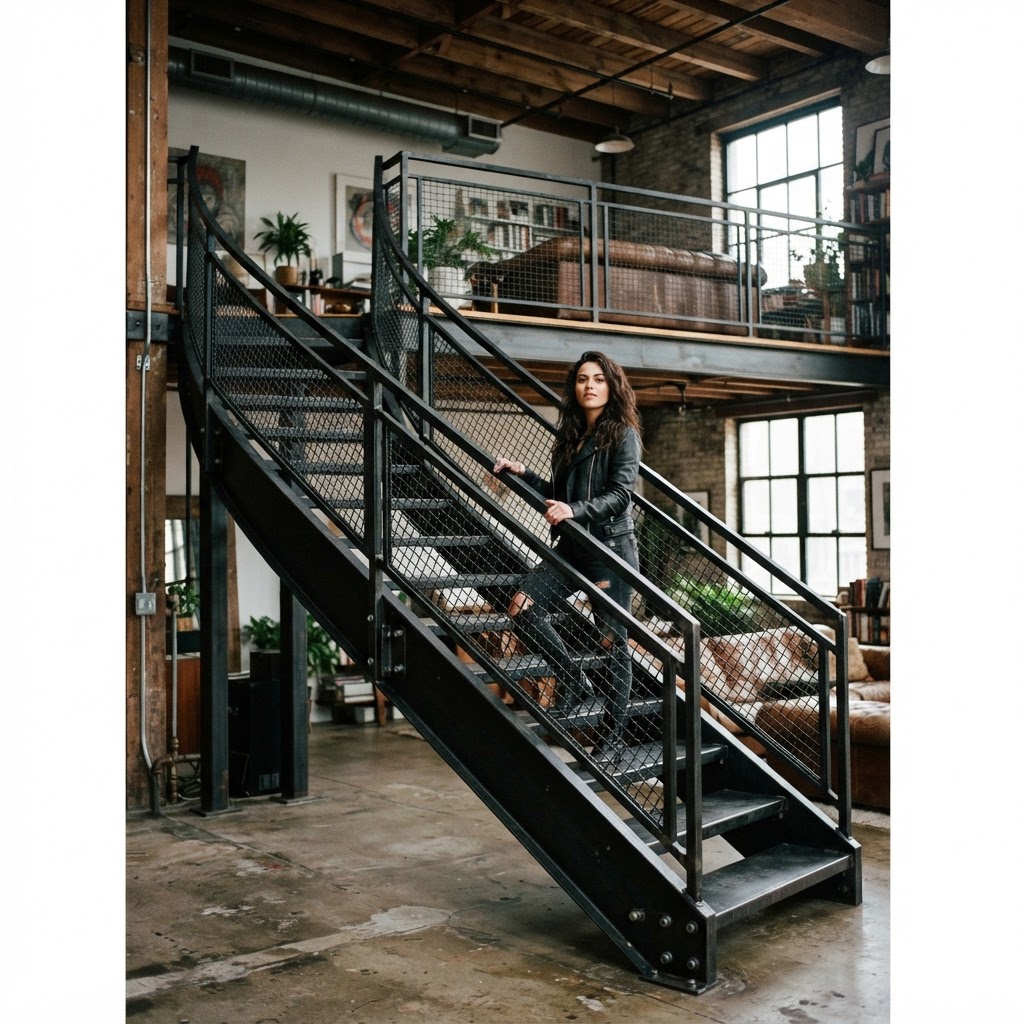
Okay, here's where things get a little edgier. The black steel industrial staircase has been having a serious moment, and honestly, I don't see it fading anytime soon. There's a rawness and confidence to it that other styles just don't have. It says something about the people who live in the home. It's not trying to be quiet or understated. It walks into the room and owns the space.
The beauty of black steel is how it plays with contrast. Against white walls, polished concrete floors, or whitewashed brick, the dark metal reads almost like a line drawing, bold and graphic. Pair it with raw timber treads and you've got that perfect balance of industrial grit and organic warmth that so many people are going for right now. It's the staircase equivalent of a loft apartment in the best possible way.
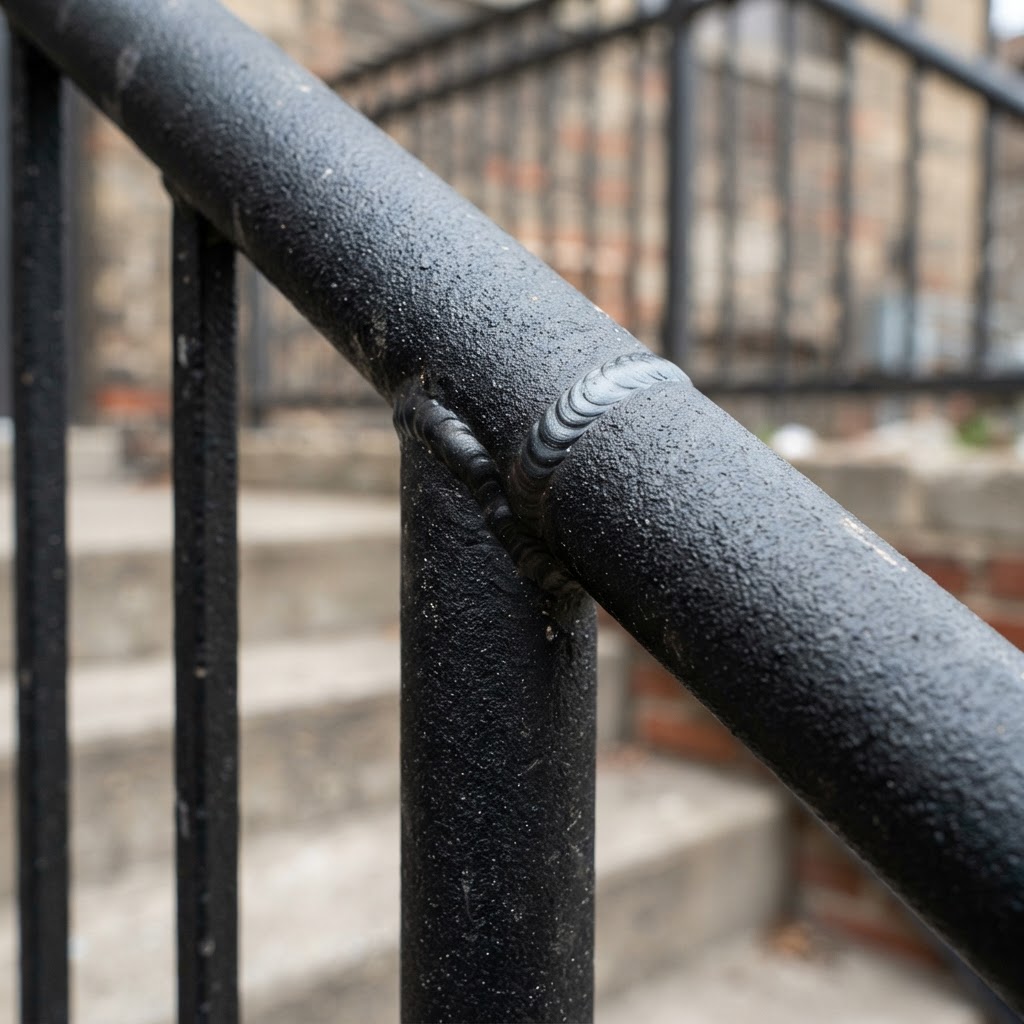
What I love about steel as a structural material is its versatility in form. A skilled fabricator can work with it to create open risers, intricate balustrade patterns, or sweeping curved stringers that would be prohibitively expensive in timber or concrete. You can go full geometric and precise, or you can push into more organic territory with hand-forged elements that have real artisan character. The finish options are also worth exploring beyond standard black. Matte charcoal, dark bronze, and even a raw mill finish sealed with a clear coat each bring a different personality to the design.
From a practical standpoint, powder-coated steel is extremely durable and low maintenance compared to painted finishes. It resists chipping and scratching under normal use and generally holds its color well over time. For the treads, a hardwearing timber like American white oak or spotted gum handles the daily traffic beautifully and develops a lovely patina over the years. Real talk, this combination ages better than almost anything else on this list.
5. Built-In Storage Mastery
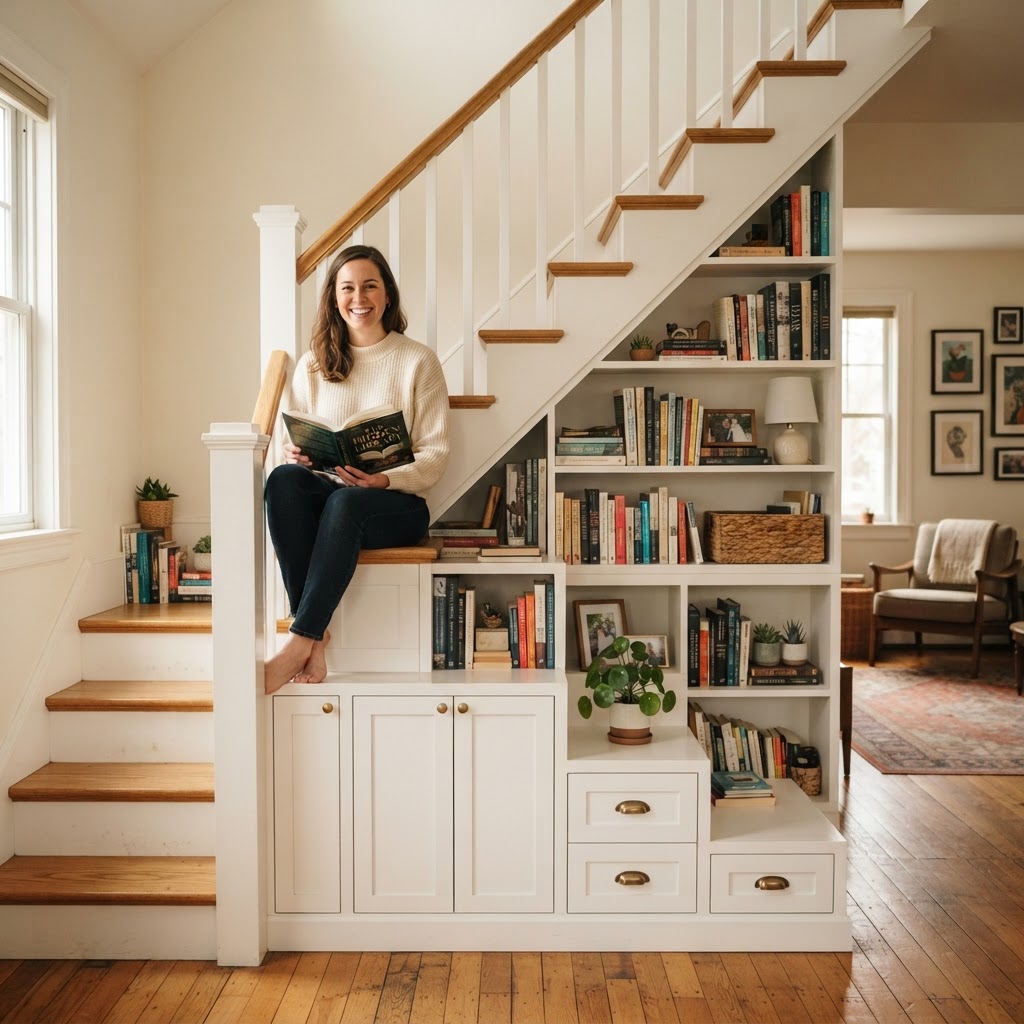
This one is for the people who live in the real world. Not everyone has a sprawling home with dedicated storage rooms and walk-in wardrobes on every floor. For the rest of us, the space under and within a staircase is genuinely one of the most valuable cubic meters in the entire house, and the built-in storage staircase treats it with the respect it deserves.
Here's the thing: done badly, under-stair storage looks like an afterthought. A cupboard door shoved under the treads with a dodgy hinge. But done well, it is genuinely transformative. We're talking bespoke joinery that integrates seamlessly with the staircase structure itself, where each tread becomes a drawer, each riser conceals a cubby, and the whole thing is designed as one cohesive piece of furniture that happens to also connect your floors. It's incredibly satisfying to look at and even more satisfying to use every day.
The design possibilities within this category are enormous. You can go full Japandi with handleless push-to-open drawers in a pale matte finish. You can lean into a more traditional aesthetic with painted shaker-style cabinetry and brass hardware. Or you can go completely bespoke with custom compartments sized for specific things, a shoe drawer at the bottom, wine storage mid-way, books and display items towards the top. The staircase becomes genuinely functional architecture rather than just a way to change levels.
- Deep drawers under lower treads are perfect for seasonal items, bedding, or toys that need to be accessible but not on show.
- Open shelving niches built into the side of the staircase create display opportunities without eating into floor space.
- A compact home office tucked under the upper section of the stairs is one of the cleverest space-saving moves in a smaller home.
- Consistent joinery finishes across the staircase and adjacent cabinetry make the whole thing read as one intentional design.
- Soft-close mechanisms on all drawers and doors are worth the upgrade, especially in a family home where things get used hard.
And honestly, this design category is one of the most budget-conscious options on this list too. You're not adding cost for the sake of aesthetics alone. You're genuinely replacing other storage furniture you would have had to buy anyway. A well-designed staircase storage system can eliminate the need for a hallway console, a boot room bench, a separate bookcase. When you frame it that way, the investment makes a lot of practical sense.
Final Thoughts
A staircase is one of those elements that most people underestimate when they're planning a home or a renovation. It gets treated as a utility, a way to get from A to B, rather than the architectural moment it can genuinely be. But every single design on this list proves that when you give a staircase proper attention and proper investment, it repays you tenfold in terms of how your home looks, feels, and functions every single day.
Whether you're drawn to the light and openness of floating timber, the artistry of a sculptural spiral, the luminous drama of glass, the confident boldness of black steel, or the smart practicality of built-in storage, there's a staircase design here that can genuinely transform your home. The key is finding the one that fits not just your aesthetic but your lifestyle, your budget, and the specific architecture of your space. Get that right, and you'll have something worth climbing every single day.
More in Interior
Stay Inspired
Subscribe for new essays on architecture, design, and the spaces that shape us.