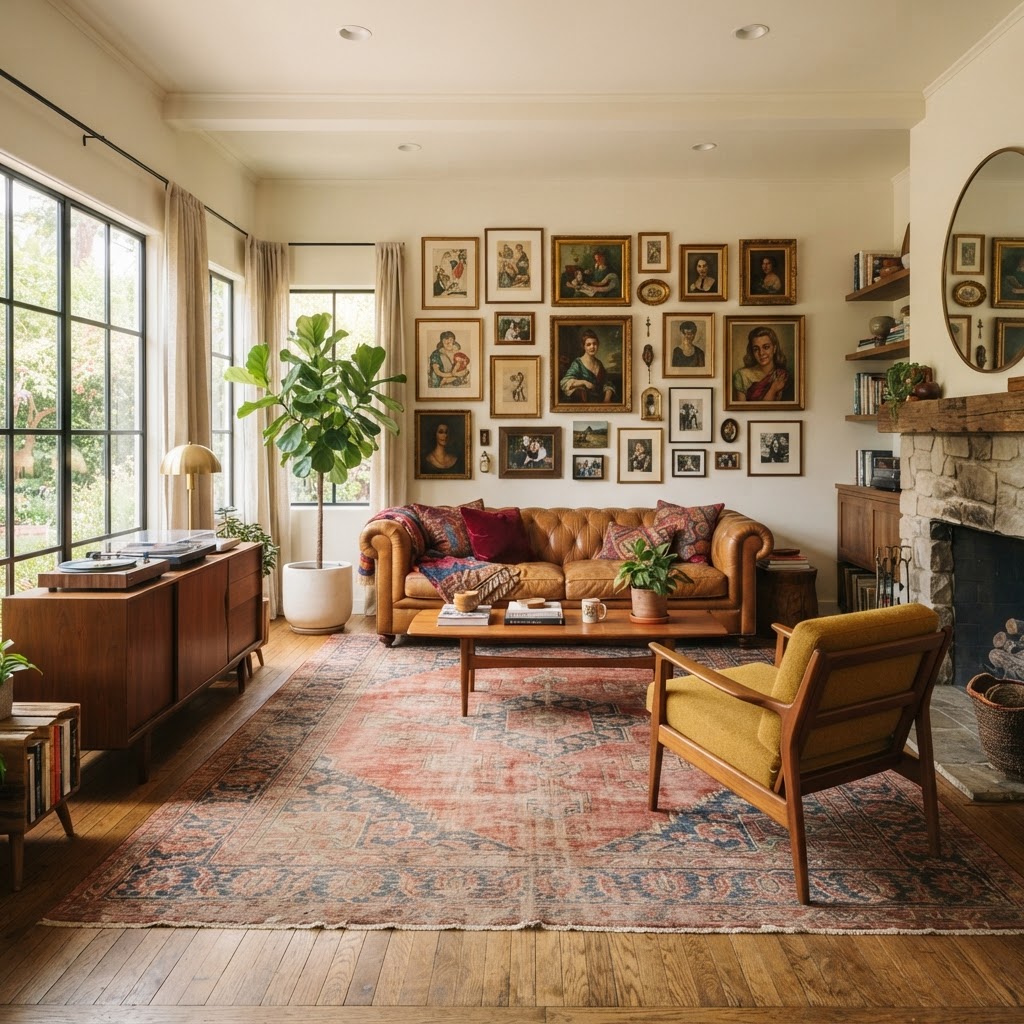
Why Your Home Needs a Story: The Case for Vintage and Secondhand Decor
Curating a home full of character is easier than you think when you embrace the charm of preloved items. Discover why shopping vintage adds depth and personality to your living space while being kind to the planet.
The Art of Collecting Character
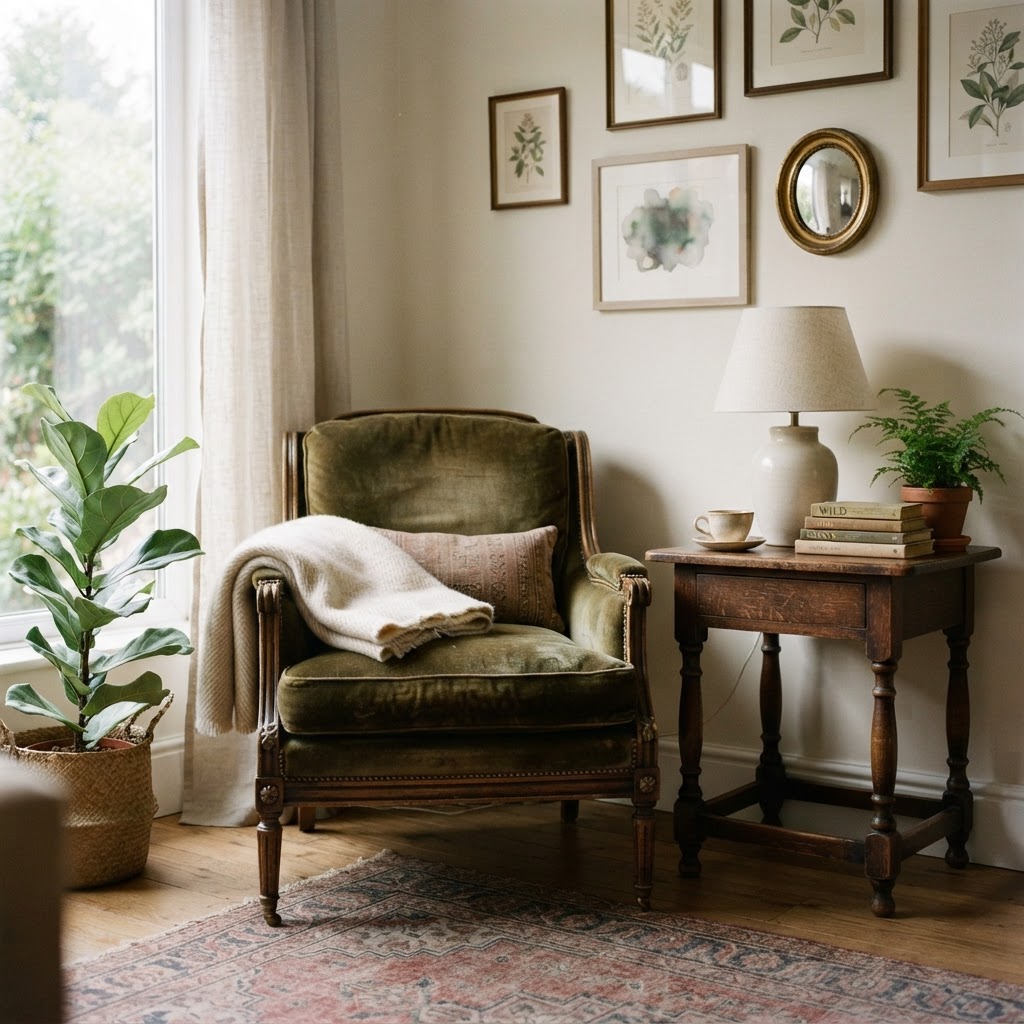
Here's the thing about most modern interiors: they look great in photos but feel weirdly hollow in person. You walk into a room that looks like it was assembled in an afternoon from a single store, and everything matches a little too perfectly. Nothing has a nick or a history or a reason for being there beyond "it was on sale." And honestly, that's a problem.
Your home should feel like you. Not like a showroom. The way you get there is by bringing in pieces that have already lived a little. A side table with a scratch that gives it character. A lamp that someone clearly loved in the 1970s. A ceramic bowl that came from a market in Portugal, or a thrift shop two towns over, and now sits on your kitchen counter like it belongs there. These things have weight to them, both literally and figuratively.
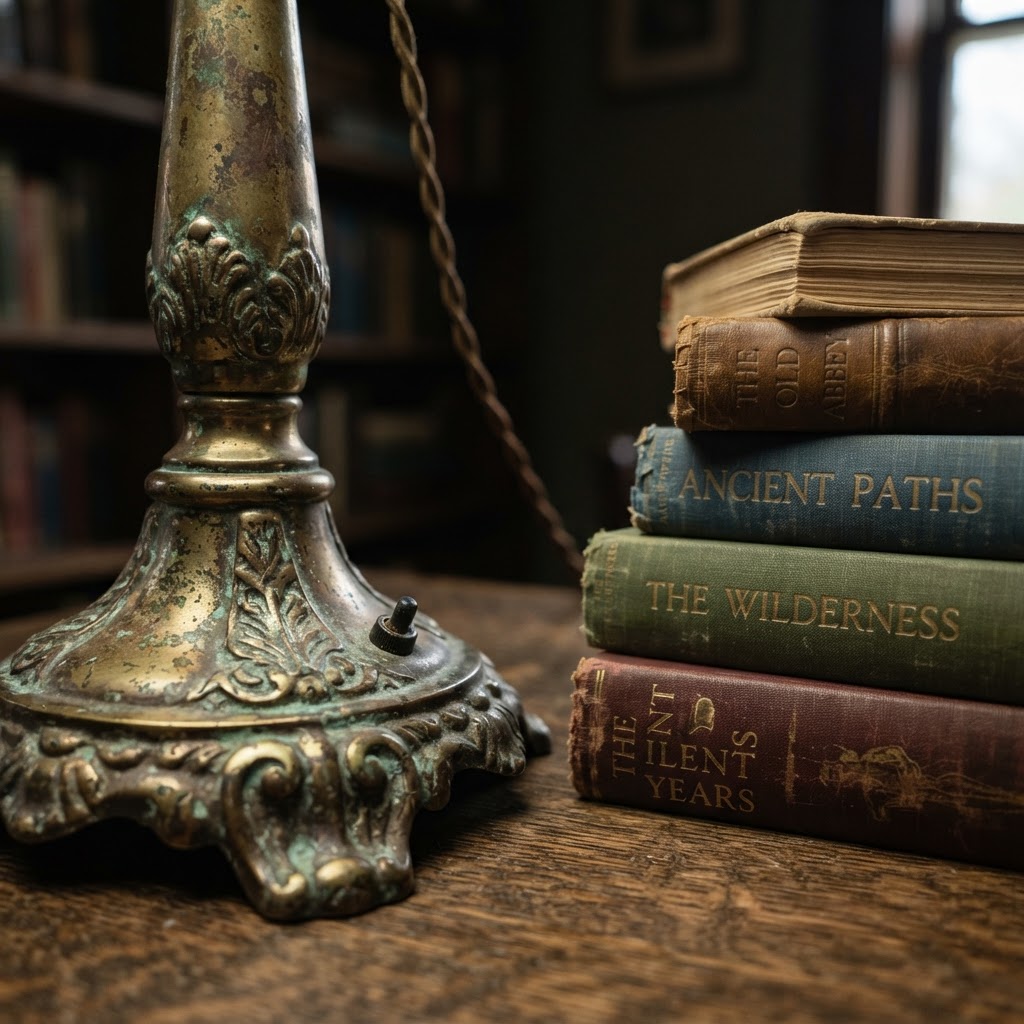
Collecting character is genuinely an art form. It requires you to slow down, trust your gut, and stop buying things just because they fit a color palette. When you walk into a flea market or an estate sale and something catches your eye, that instinct is worth listening to. The best interiors I've ever seen are filled with objects that their owners could tell you a story about. Not a made-up one, a real one. "I found that at a barn sale in Vermont." "That belonged to my neighbor before she moved." Those stories are what transform a house into a home.
Real talk: you don't need to be a seasoned antique dealer to collect with intention. You just need to start paying attention to what you're actually drawn to, rather than what you think you should want.
Sustainability Meets Personal Style
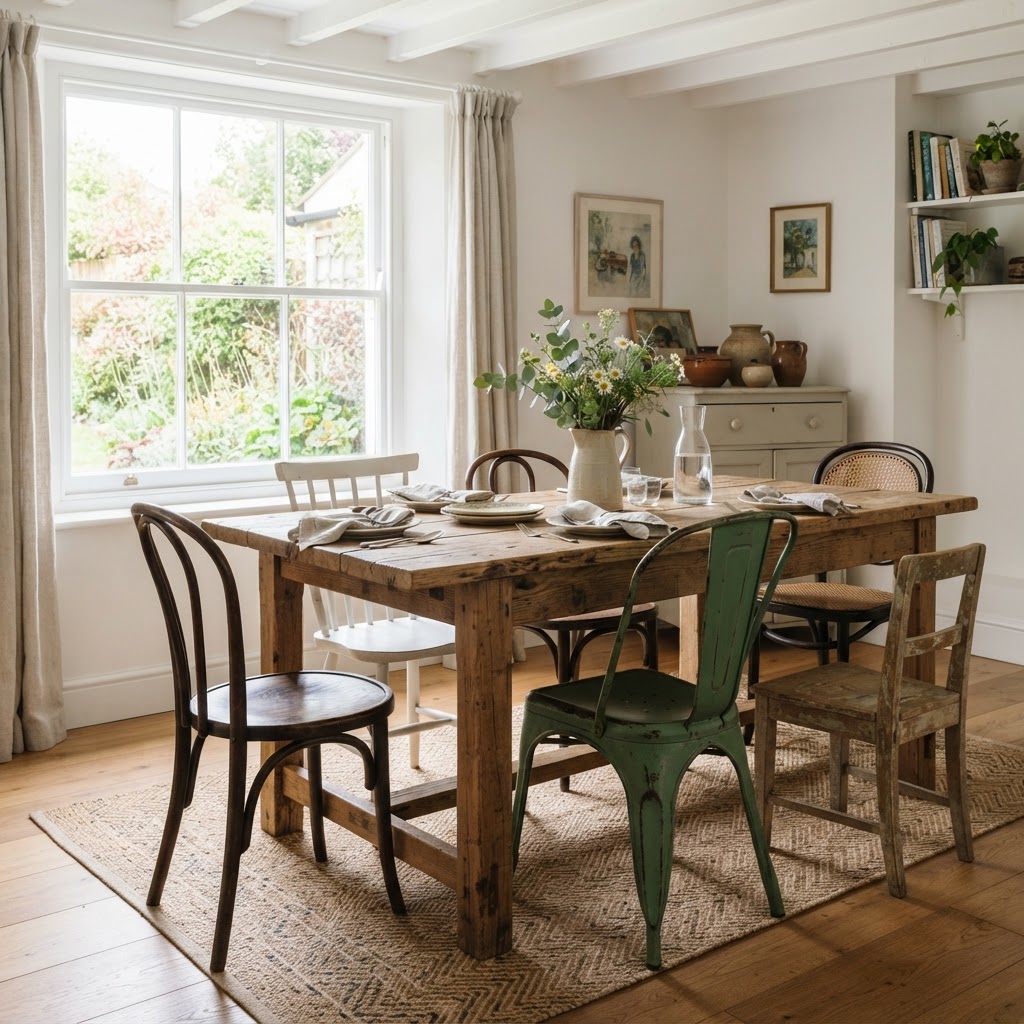
Look, the sustainability conversation around home decor has gotten pretty loud lately, and for good reason. Fast furniture is a real issue. Pieces made from cheap particleboard that fall apart in three years, shipped across the ocean wrapped in a mountain of plastic packaging, produced in factories with questionable practices. That's the reality behind a lot of what fills big box stores. And honestly, we can do better without sacrificing style at all.
Buying vintage and secondhand is one of the most genuinely sustainable choices you can make for your home. You're giving something a second life instead of sending it to a landfill. You're opting out of the demand cycle that drives overproduction. And here's the bonus that nobody talks about enough: older furniture is often made significantly better than its modern equivalents. A solid wood dresser from the 1950s will outlast almost anything you can buy new today at the same price point. The joinery is tighter. The materials are denser. They were built to last because that's what furniture was supposed to do.
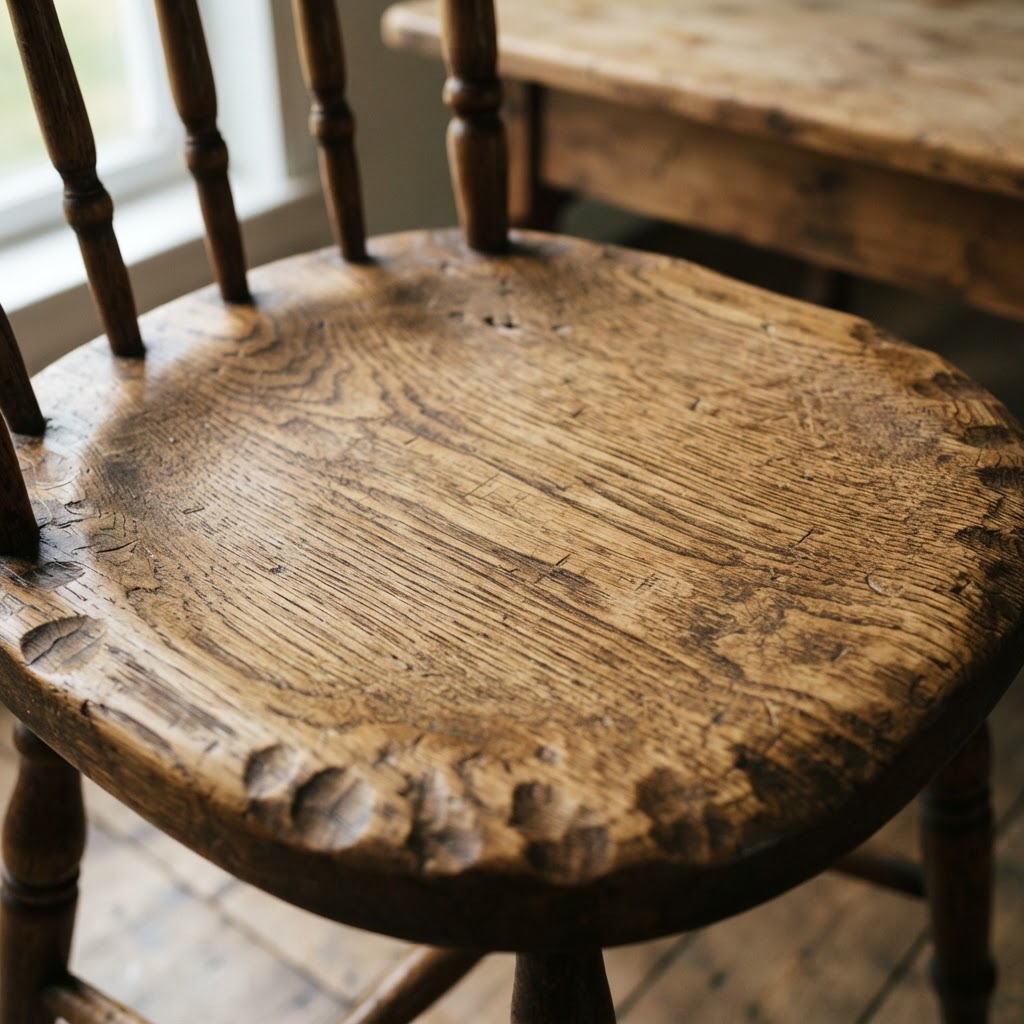
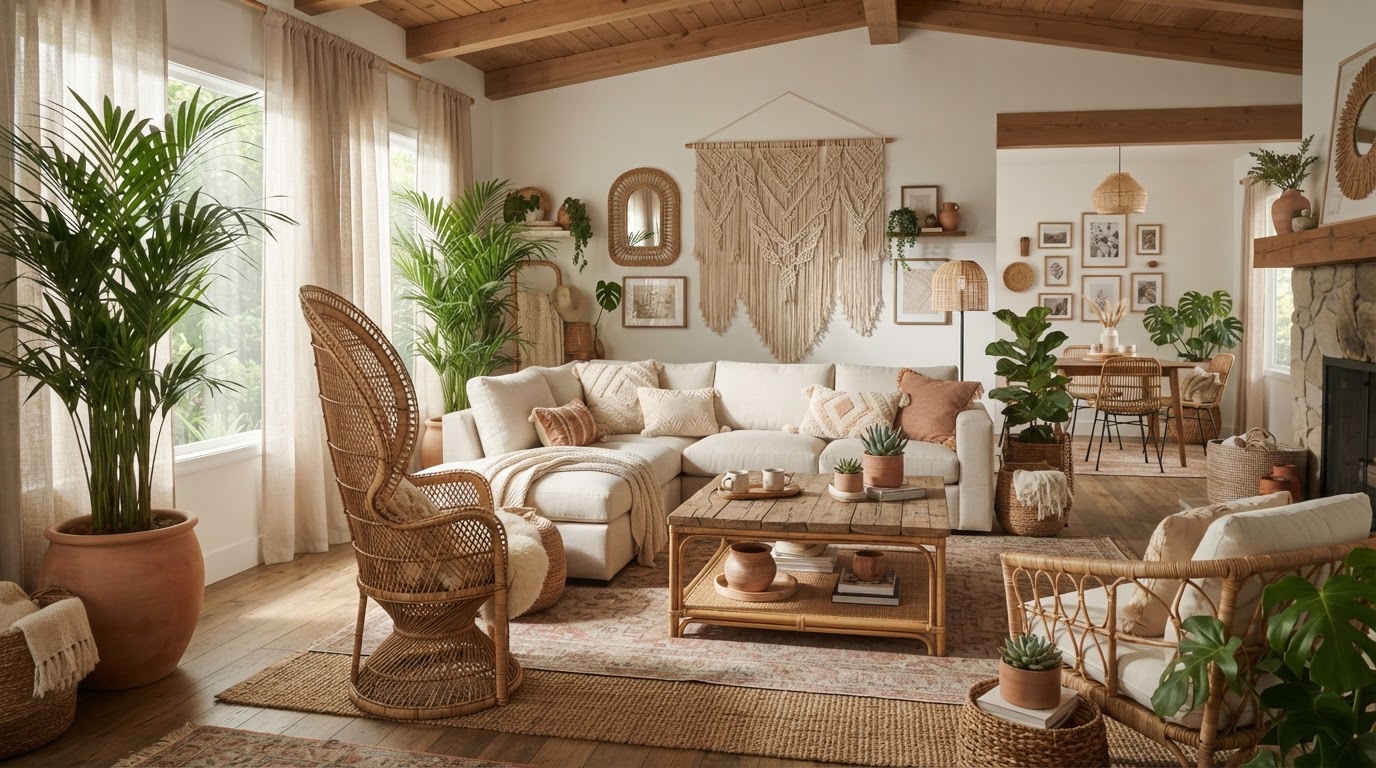
But beyond the environmental argument, there's a deeply personal one. When you decorate with secondhand finds, your home stops looking like everyone else's. That's not a small thing. In an era where everyone has access to the same online stores and the same algorithm-recommended aesthetics, having a home that feels genuinely individual is kind of radical. Your vintage rattan chair isn't going to show up in your neighbor's living room. Your grandmother's tapestry isn't going to be on trend and then suddenly feel dated. It just exists, as itself, as part of your story.
Personal style and sustainability used to feel like a trade-off. Honestly, with secondhand decorating they're the same thing. You get both, wrapped up together.
Mixing Eras for a Timeless Look
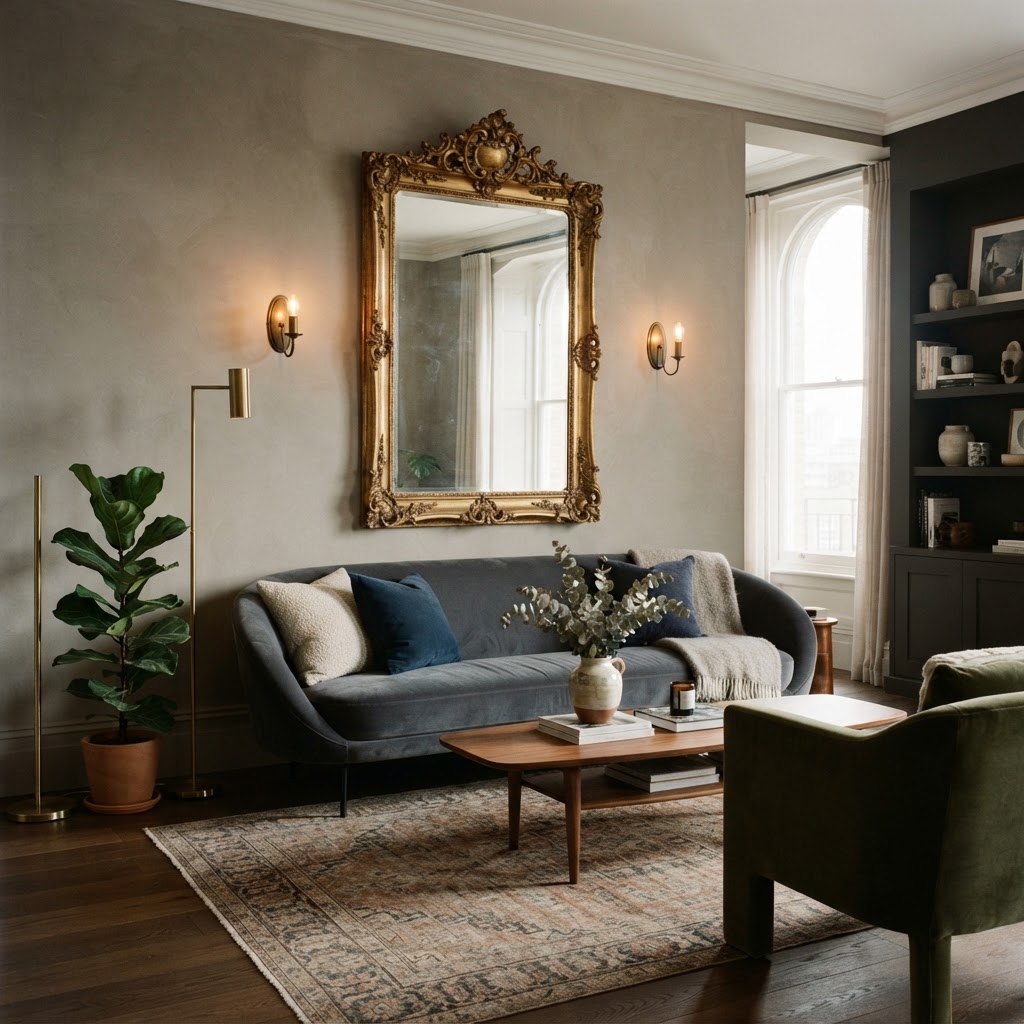
One of the biggest misconceptions I come across is that vintage decor means your whole room has to look like a time capsule. Like you're either fully committed to a 1960s aesthetic or you're not doing it right. That is completely wrong, and it's also kind of boring. The most interesting, livable rooms are the ones that mix eras without apology.
Think about a clean, modern sofa in a warm neutral, paired with a heavily carved Victorian side table and a sleek 1970s arc floor lamp. That combination shouldn't work on paper, but in practice it creates this layered, collected feeling that no single-era room can achieve. The key is finding a common thread, whether that's a color palette, a material like wood or brass, or just a consistent level of visual weight in the pieces you choose. You don't need everything to match. You need everything to belong together, which is a different thing entirely.
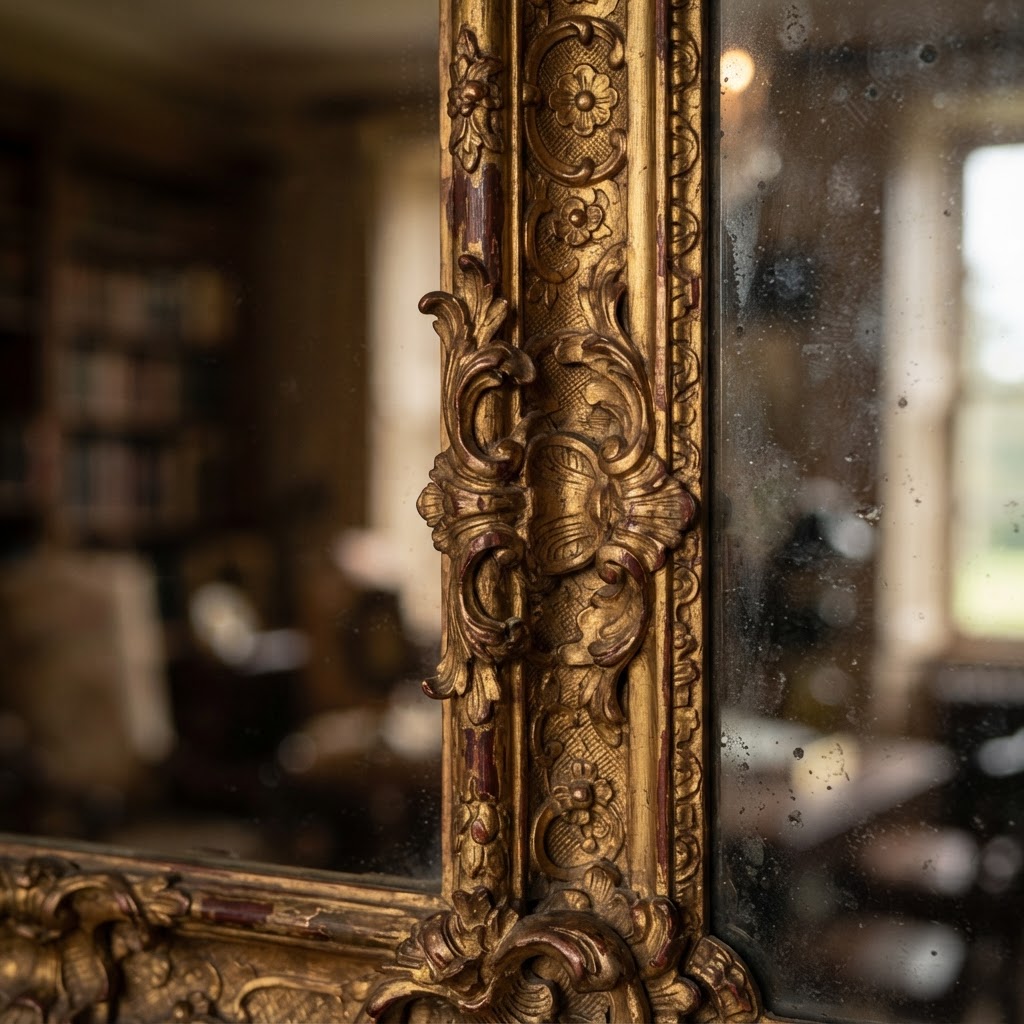
Trust me on this: a room decorated entirely in one decade's style will start to feel like a costume eventually. It reads as a theme rather than a home. But when you pull from multiple eras, the room starts to feel like it evolved naturally over time, like the people living there have had full lives and collected things along the way. That's the feeling we're going for.
Some of the best pairings are genuinely unexpected. Mid-century modern furniture plays beautifully with antique textiles. Industrial pieces from the early 20th century sit surprisingly well alongside contemporary art. Baroque mirrors look incredible above minimalist consoles. Don't be afraid to experiment. The worst that happens is you move something around.
Where to Find Your Next Treasure
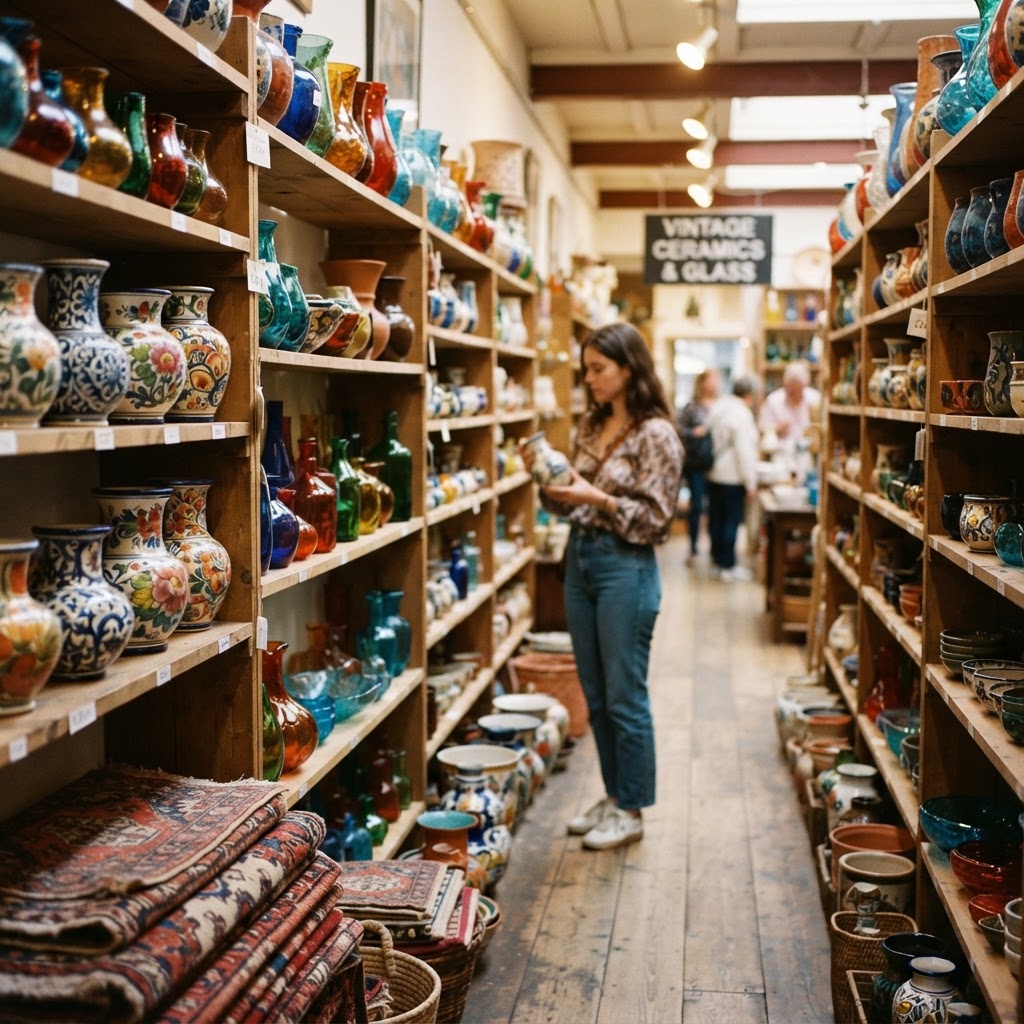
Okay, so you're convinced. Where do you actually go? Honestly, the options have never been better. The vintage and secondhand market has exploded over the last decade, and you can find incredible things without ever leaving your couch, though getting out and hunting in person is a completely different and very worthwhile experience.
Estate sales are my personal favorite. They're usually held when a family is clearing out a home, and the prices are often more reasonable than antique shops because the sellers are motivated to move things quickly. You can find everything from furniture to art to kitchen items, all in one place, with a story attached. Flea markets are another goldmine, especially if you go early. The good stuff moves fast, and sellers are often open to negotiation. Thrift stores like Goodwill or Salvation Army are great for smaller decorative objects, though you have to be willing to dig.
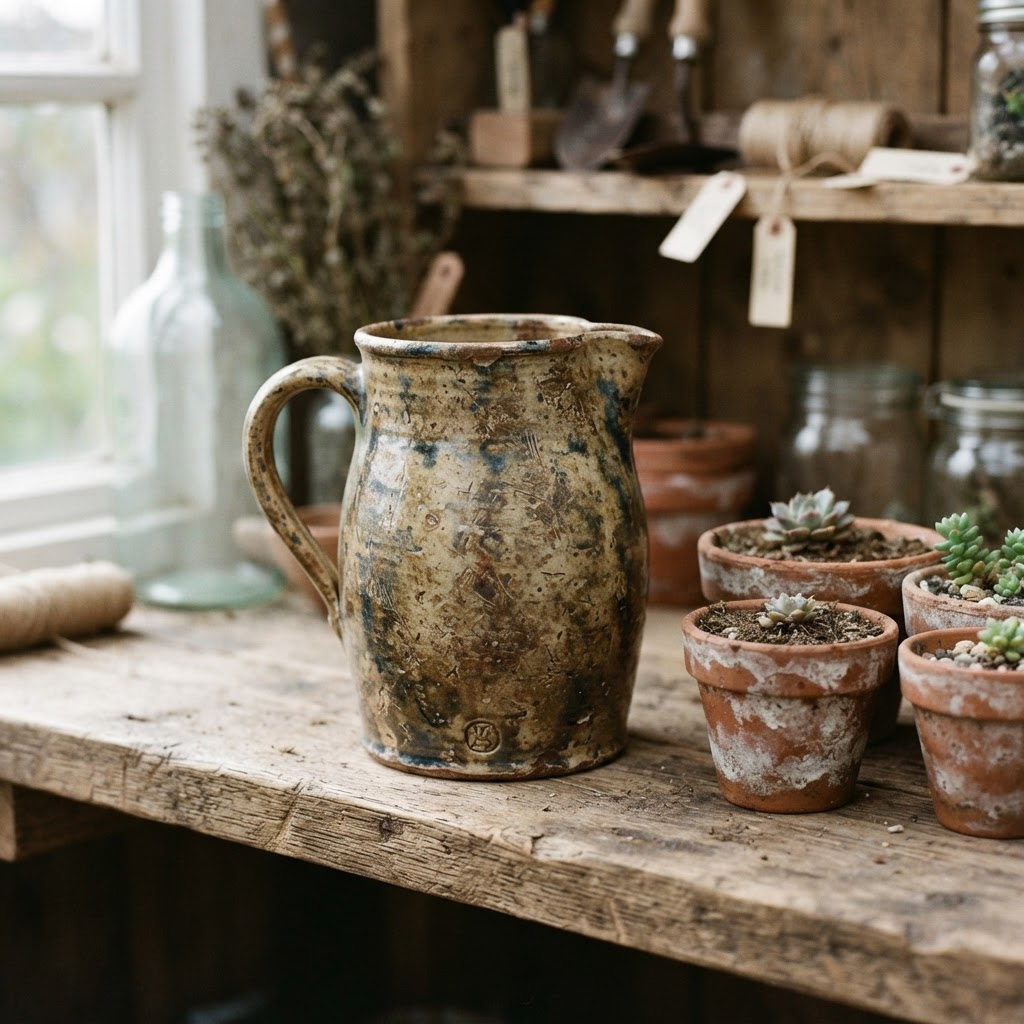
Online, platforms like Chairish, 1stDibs, and Facebook Marketplace have genuinely changed the game. Chairish skews higher end and more curated. Facebook Marketplace is chaotic and wonderful and you will find absolute steals if you're patient and check it regularly. eBay is still surprisingly strong for specific categories like vintage ceramics, glassware, and lighting. Etsy has a massive vintage section that's worth exploring for smaller decorative items.
- Estate sales: Best for furniture, art, and full room assemblages at reasonable prices
- Flea markets: Great variety, negotiable prices, arrive early for the best finds
- Thrift stores: Affordable smaller items, requires patience and regular visits
- Chairish and 1stDibs: Curated, higher quality, easier to search by style or era
- Facebook Marketplace: Local, often very cheap, requires sorting through a lot to find gems
The hunt itself becomes part of the joy. When you find something great after looking for a while, it feels genuinely exciting in a way that clicking "add to cart" simply does not.
Tips for Styling Secondhand Finds
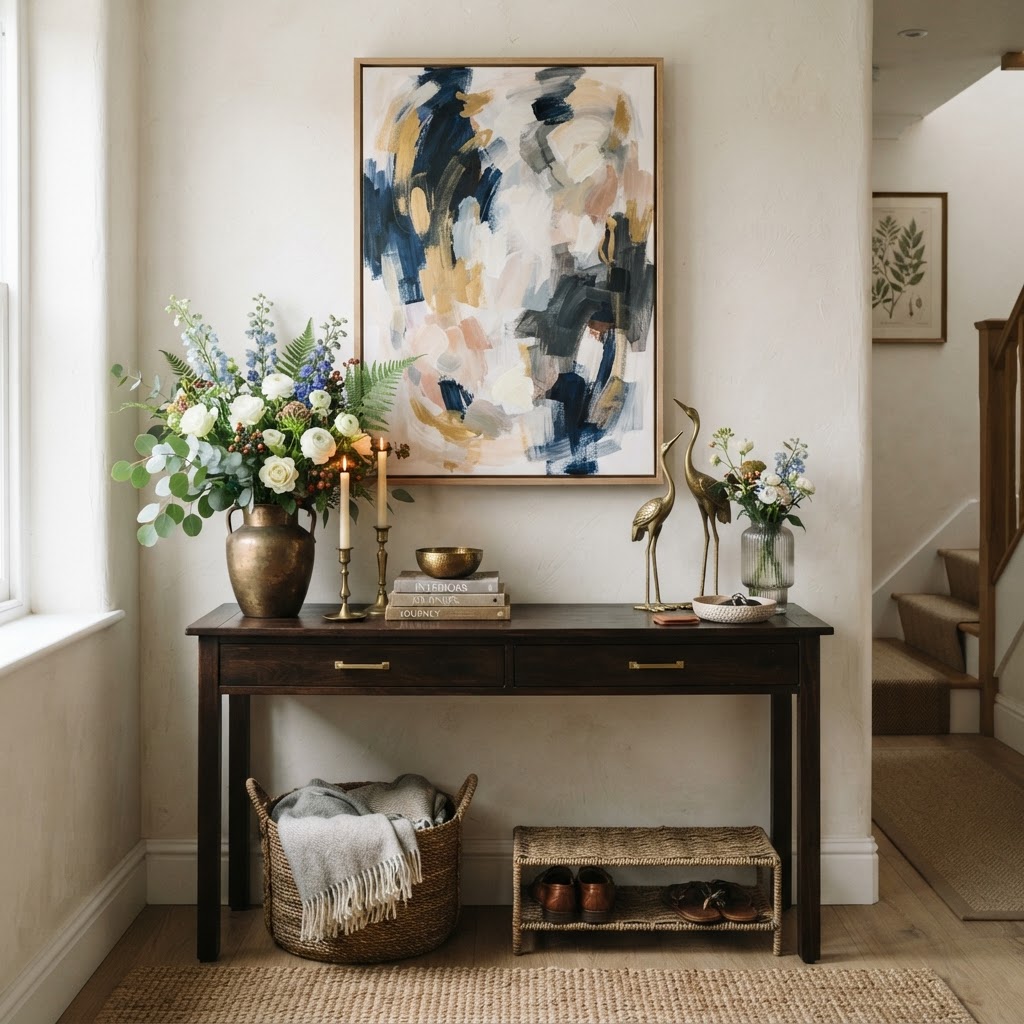
Finding the pieces is one thing. Styling them well is where a lot of people get stuck. They bring home something beautiful and then it just sort of sits there looking lost, or they pile too many things together and the room starts to feel cluttered rather than collected. There's a real skill to this, but honestly it's a learnable one.
First rule: edit ruthlessly. Just because something is vintage doesn't mean it has to stay. If a piece isn't working in a space, move it or let it go. The goal isn't to accumulate, it's to curate. There's a big difference. Some of the most stunning vintage-forward rooms I've seen are actually quite spare, with a handful of truly exceptional pieces rather than every surface covered.
Give your finds some breathing room. A beautiful old ceramic vase needs space around it to be seen properly. Group objects thoughtfully by creating vignettes with varying heights and textures, but keep the groupings intentional rather than random. Odd numbers tend to work better visually than even ones. Three objects of different heights on a shelf will almost always look better than two of the same size.
- Clean and restore pieces before styling them. A little lemon oil on old wood goes a long way.
- Mix textures deliberately: rough linen with polished brass, aged wood with smooth ceramics.
- Use lighting to highlight your best vintage pieces. A warm lamp next to a beautiful object does more than any styling trick.
- Don't be afraid of negative space. Let things breathe.
- Repeat a color or material across the room to tie disparate vintage pieces together visually.
And look, don't overthink it too much. At the end of the day, you're styling a home, not a museum. Pieces can move around. Things can change. That's actually one of the best parts of decorating with secondhand finds, the room stays flexible and alive in a way that a perfectly planned, all-new interior never quite does.
Final Thoughts
Here's what it all comes down to: your home deserves more than what an algorithm recommends. It deserves objects with history, rooms with personality, and a story that is actually yours. Vintage and secondhand decorating isn't a trend, it's a way of living thoughtfully and surrounding yourself with things that genuinely mean something.
Start small if you need to. Pick up one secondhand lamp, one vintage bowl, one old mirror at a flea market. See how it feels to bring something with a past into your present. I'm willing to bet you'll get hooked pretty quickly. And honestly, your home will be better for it.
More in Interior
Stay Inspired
Subscribe for new essays on architecture, design, and the spaces that shape us.