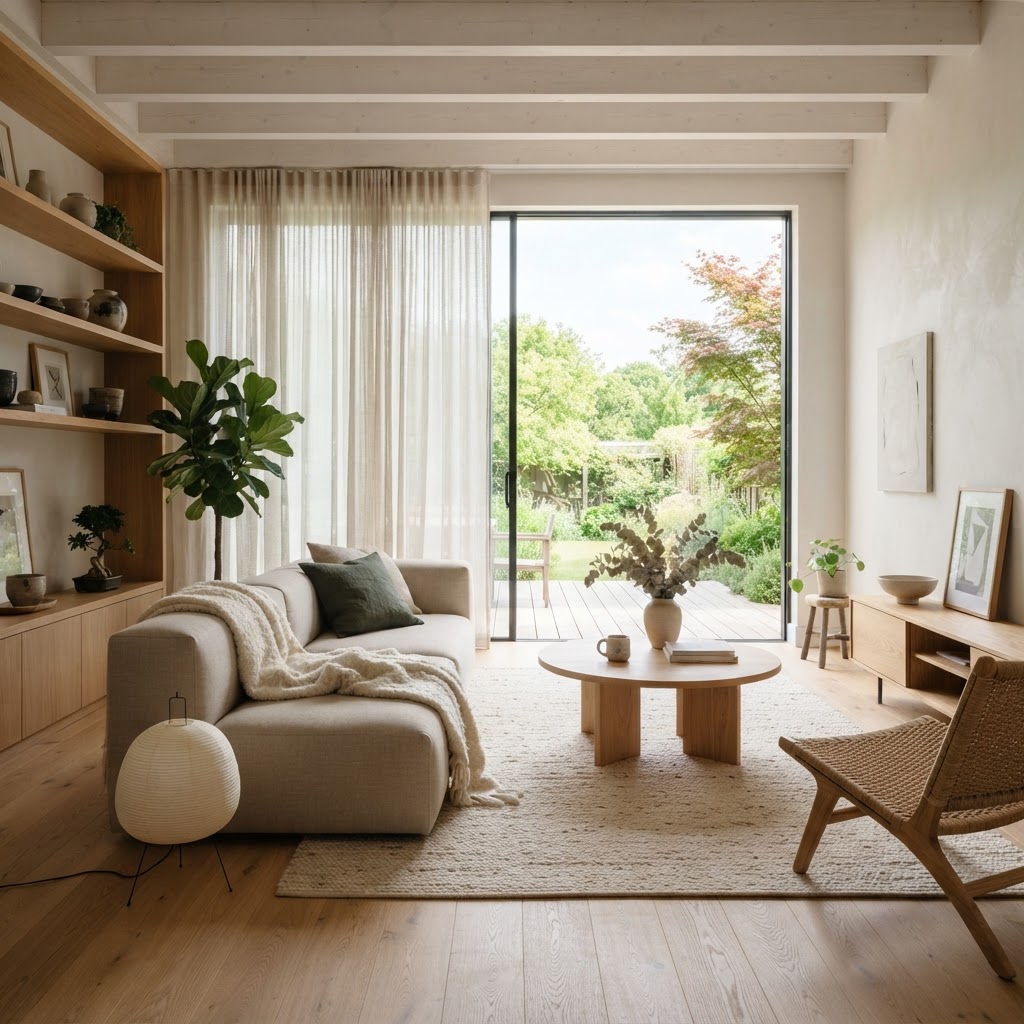
The Ultimate Guide to Japandi Style: How to Create a Calming Scandi-Japanese Home
Discover how to blend the functionality of Scandinavian design with the rustic minimalism of Japanese aesthetics. This guide helps you create a serene and clutter free living space that feels both cozy and sophisticated.
The Core Principles of Japandi Design
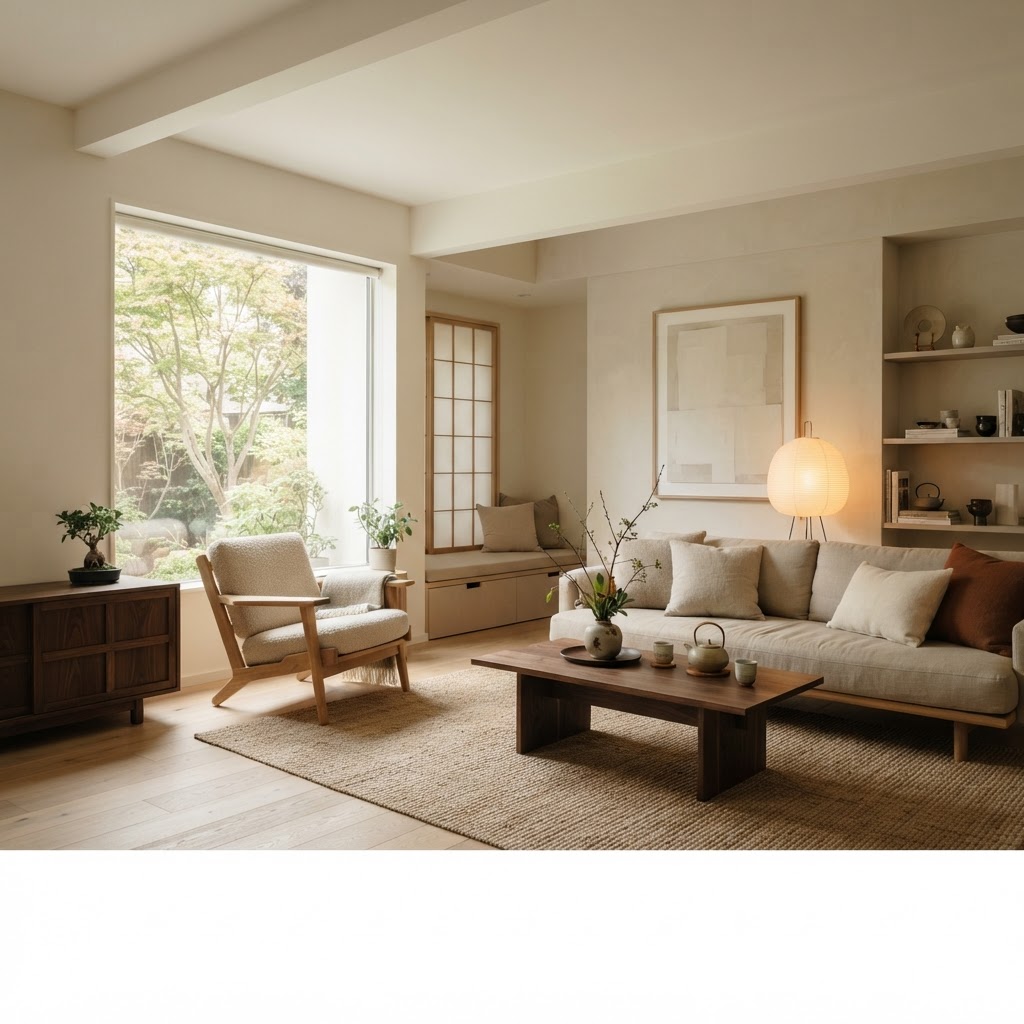
Okay, so if you haven't heard of Japandi yet, where have you been? It's honestly one of the most compelling design movements to come out of the last decade, and once you understand it, you'll start seeing it everywhere. At its core, Japandi is a hybrid style that blends Japanese wabi-sabi philosophy with Scandinavian hygge sensibility. Two cultures that are geographically miles apart but share a deep, almost spiritual appreciation for simplicity, craftsmanship, and the quiet beauty of everyday life.
Here's the thing about Japandi that makes it different from just "minimalism with plants": it has philosophical depth. Japanese design is rooted in wabi-sabi, which is the acceptance of imperfection and transience. A slightly uneven ceramic bowl isn't a flaw, it's a feature. It tells a story. Scandinavian design, on the other hand, leans into functionality and the idea that beautiful design should be accessible and liveable. When you combine these two worldviews, you get interiors that feel both intentional and warm. Not cold and sterile like bad minimalism can be.
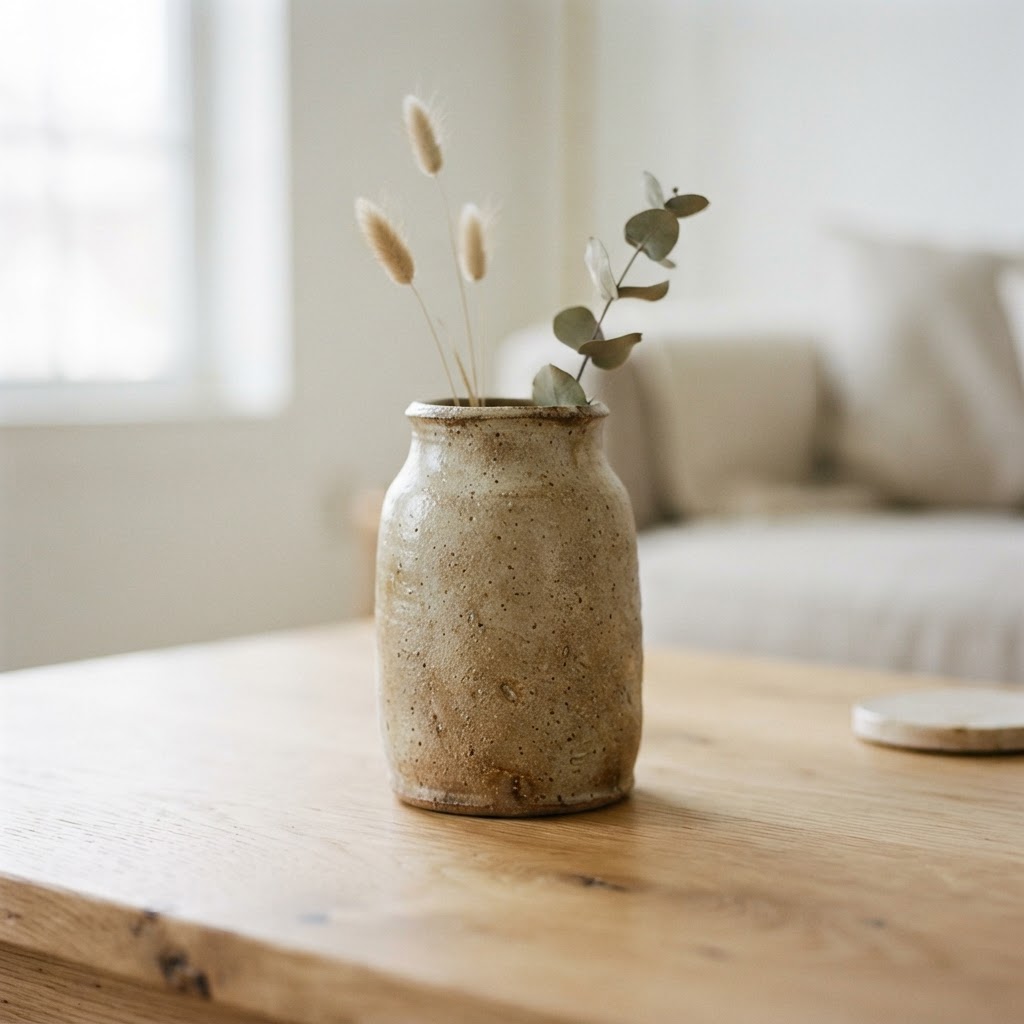
The principles you need to hold onto are these: simplicity, natural materials, functionality, and calm. Every single object in a Japandi space earns its place. There's no decorating for the sake of filling a shelf. And honestly, that restraint is harder than it sounds, especially if you're used to maximalist spaces or you just really love buying stuff at HomeGoods. Trust me on this, the editing process is where Japandi actually happens.
One more thing worth noting: Japandi isn't a rigid rulebook. It's more of a feeling. You're aiming for a home that feels like a slow Sunday morning. Quiet, considered, and genuinely restorative. Keep that feeling in mind as your north star and you'll make the right calls.
Choosing the Perfect Color Palette
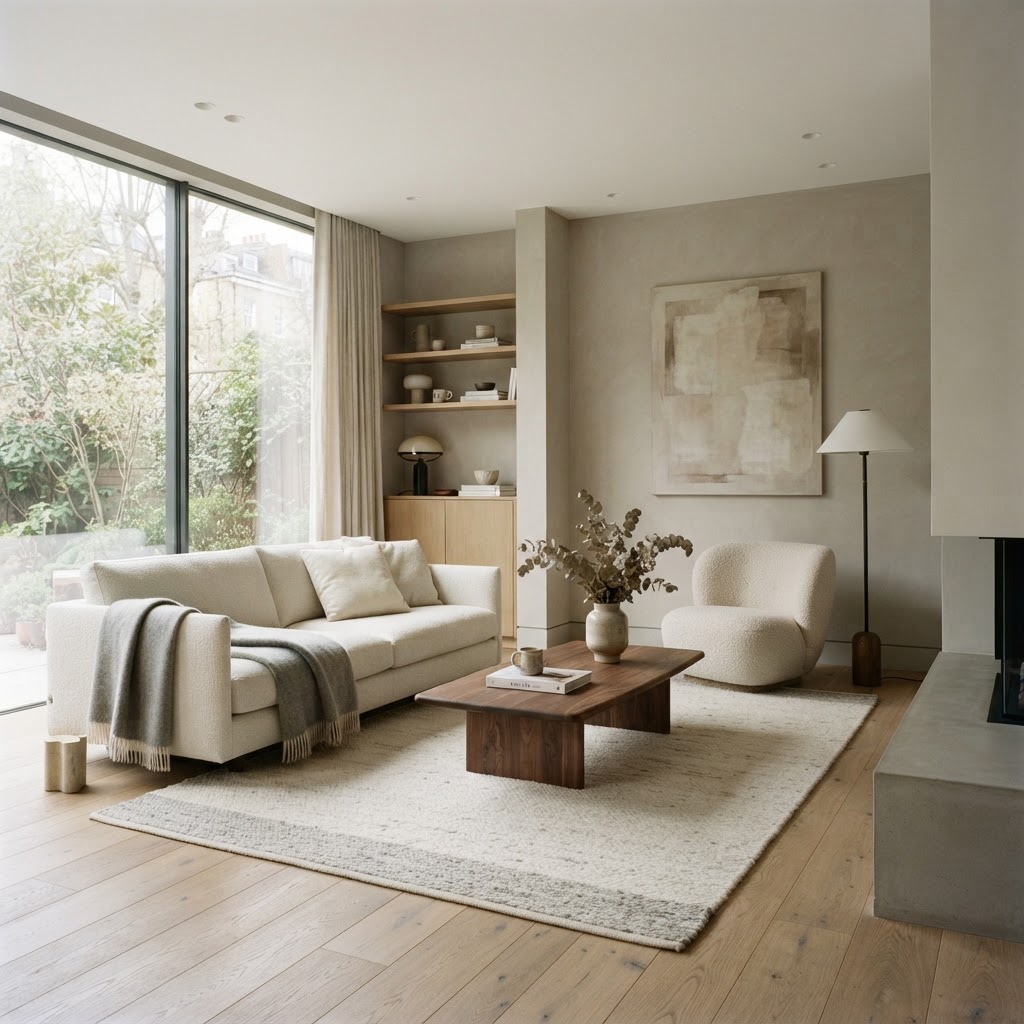
Color is where a lot of people go wrong with Japandi, and I get it. The temptation is to just paint everything white and call it a day. But real talk, that's Scandi-lite, not Japandi. The color palette here is warmer, earthier, and a little more complex than stark white walls. Think warm greys, dusty sage greens, deep charcoal, soft terracotta, and muted clay tones. These are colors that feel like they've been borrowed from a forest floor or a riverbed. Organic, a little bit moody, and deeply calming.
The Japanese side of the palette tends to pull in deeper, more contemplative shades. Ink black, mossy green, the kind of deep navy that almost looks black in low light. The Scandinavian side lightens things up with off-whites, birch-wood beiges, and soft linen tones. In a well-executed Japandi space, you're layering these together so the room has depth without feeling heavy.
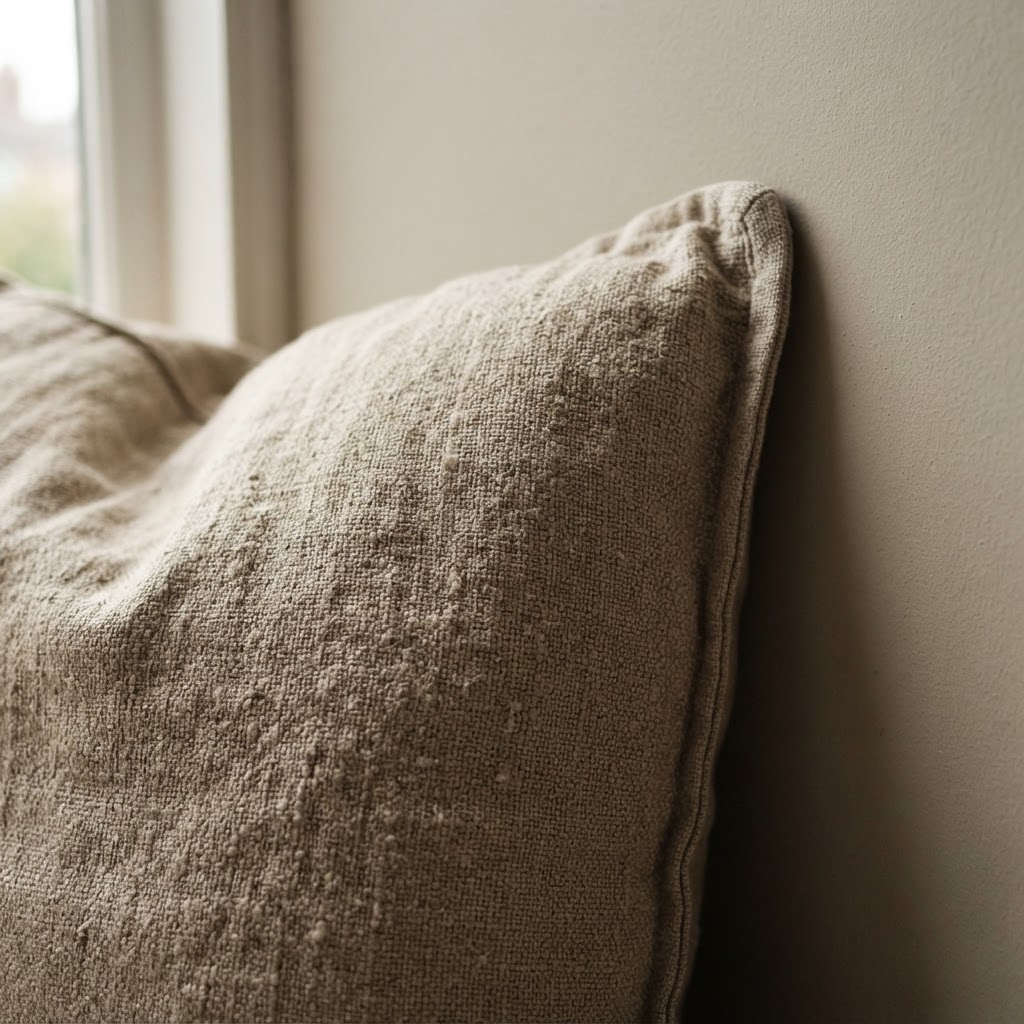
Here's a practical approach that honestly works really well. Pick one dominant neutral for your walls and large surfaces, then add one or two deeper accent tones through furniture, textiles, or ceramics. Don't introduce more than three or four colors total. The restraint is the point. A room with seventeen "neutral" colors is not a neutral room, it's just a confused one.
- Walls: Warm white, soft greige, or pale clay
- Large furniture: Charcoal, deep walnut brown, or slate grey
- Textiles: Natural linen, oatmeal, dusty sage
- Accents: Matte black, aged terracotta, mossy green
One thing I'd encourage you to do is test your paint colors in different lighting throughout the day. Japandi spaces often rely on natural light to do a lot of the heavy lifting, and a color that looks perfect at noon might feel completely off at 7pm. Take your time with this step. It matters more than most people realize.
Must-Have Furniture Pieces
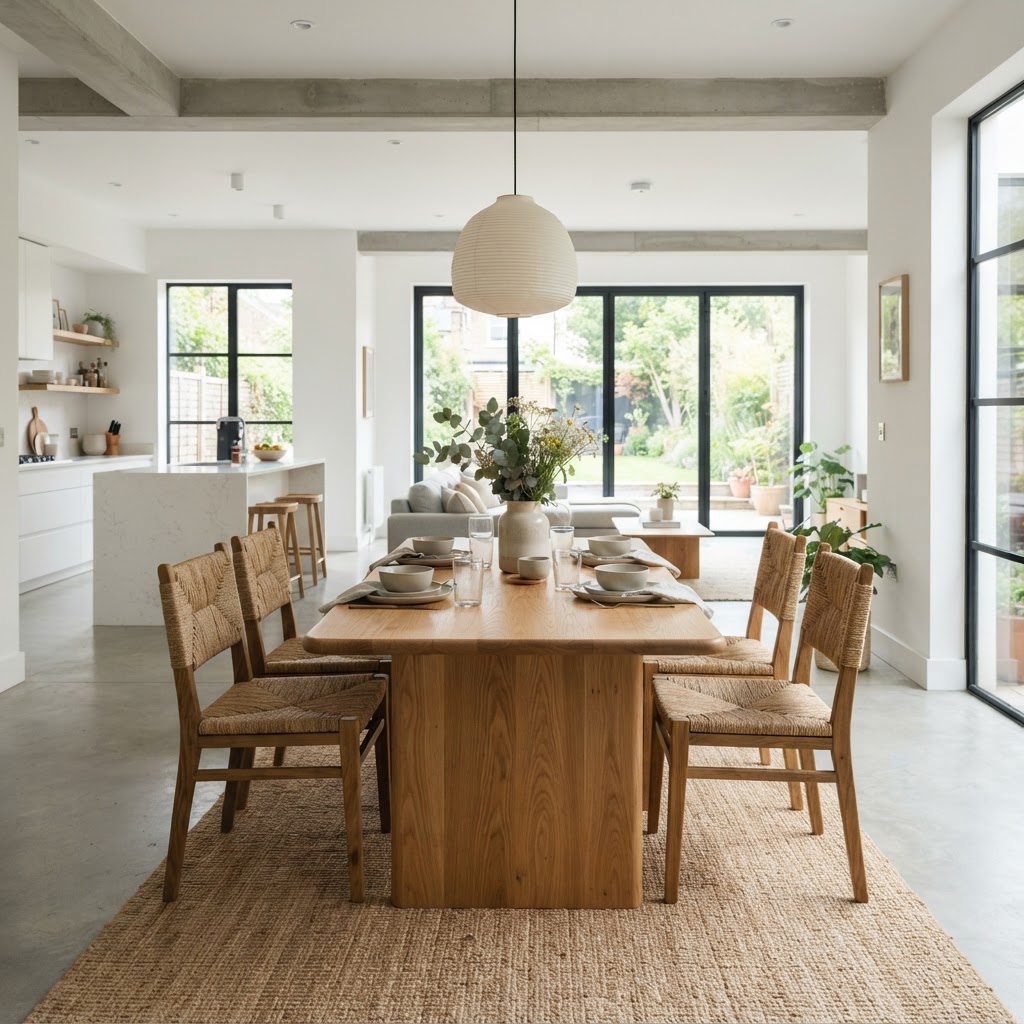
Furniture is where Japandi gets really satisfying to shop for, honestly. The aesthetic calls for pieces that sit low to the ground, have clean lines, and are made from natural materials. Think solid wood, bamboo, rattan, and linen upholstery. You're not going for ornate or fussy. You're going for the kind of furniture that looks like it took real skill to make but doesn't need to announce itself.
On the Japanese side, low platform beds, floor cushions (called zabuton), and simple tansu-style storage chests are all iconic. These pieces keep the visual weight of a room close to the ground, which creates that sense of calm and groundedness that Japandi is known for. On the Scandinavian side, you've got your classic tapered legs, functional shelving, and that beautiful blonde wood that Danish and Swedish furniture does so well. Together, they create a furniture language that's cohesive and quietly beautiful.
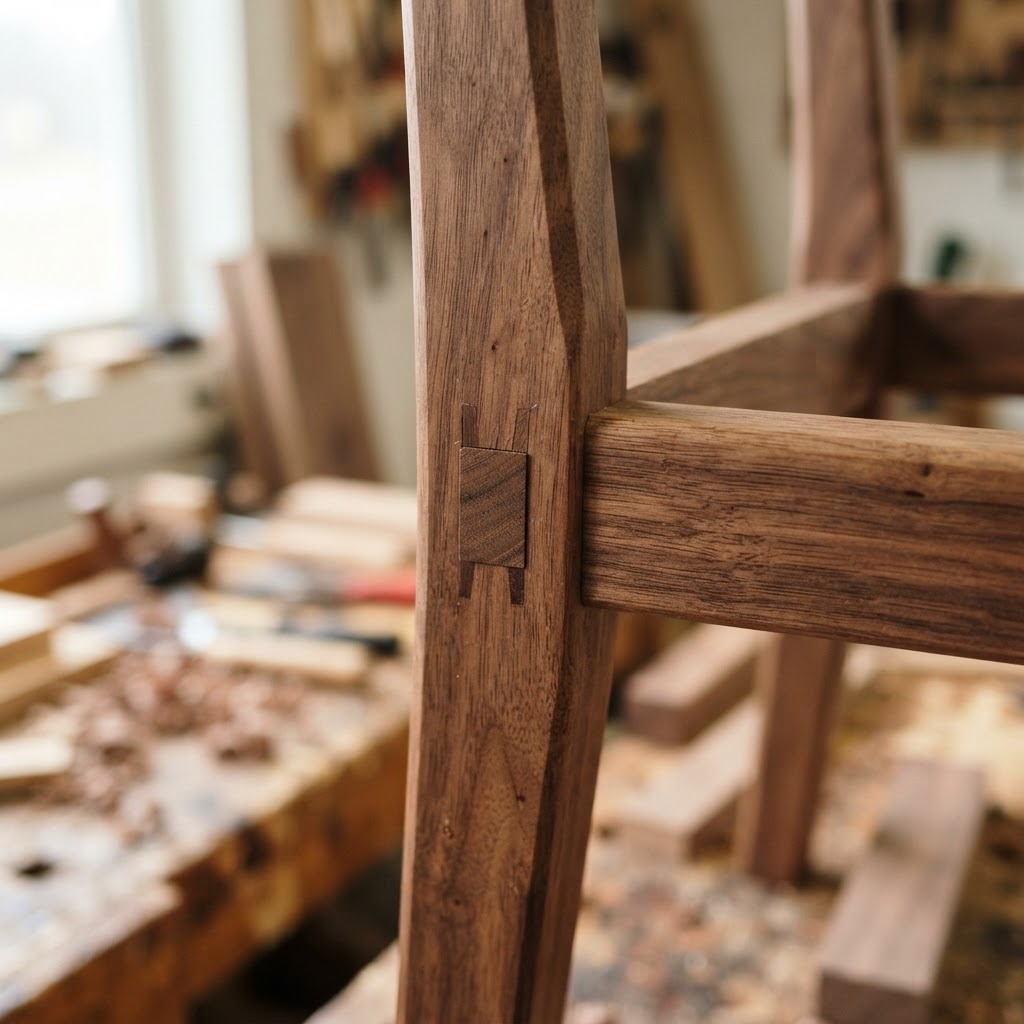
Some specific pieces worth investing in:
- A low platform bed frame in solid oak or walnut, nothing too chunky
- A simple wooden dining table with slim legs, no ornate detailing
- A linen or bouclé sofa in a neutral tone, keep the silhouette clean
- Open shelving in light wood for display, but with very deliberate styling
- A handmade ceramic accent stool or side table that doubles as decor
Look, you don't need to buy everything at once. Japandi actually rewards a slower, more intentional approach to furnishing. Buy fewer things and buy better things. One genuinely beautiful handcrafted chair beats six mediocre ones every single time. And honestly, the imperfections in handmade furniture, the slight variation in grain, the uneven glaze on a ceramic, that's very much on brand.
"In Japandi design, furniture isn't just functional. It's a quiet expression of values: craftsmanship, patience, and respect for natural materials."
The Art of Minimalist Decor
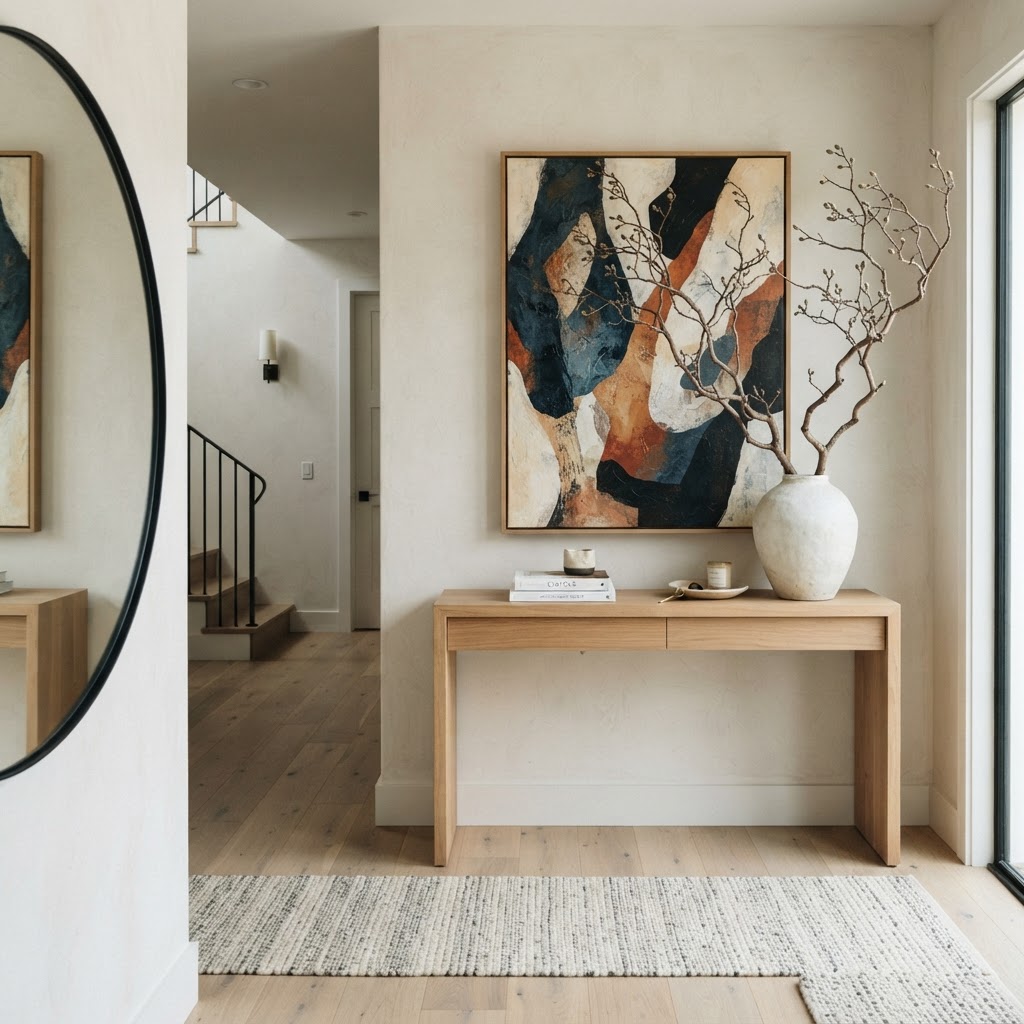
Here's where people either nail Japandi or completely miss the mark. Minimalist decor doesn't mean no decor. It means deeply considered decor. There's a real difference. A Japandi space might have a single ceramic vase, one piece of framed art, and a small stack of books on a shelf. But those three things will be absolutely perfect. The vase will have a beautiful imperfect glaze. The art will be something simple and evocative, maybe a single brushstroke or a quiet landscape. The books will be genuine, not staged.
The Japanese concept of ma is super relevant here. Ma refers to negative space, the intentional emptiness between objects. It's the idea that the space around something is just as important as the thing itself. In practical terms, this means resisting the urge to fill every surface. A bare corner isn't sad, it's breathing room. Your eyes need somewhere to rest, and so does your brain.
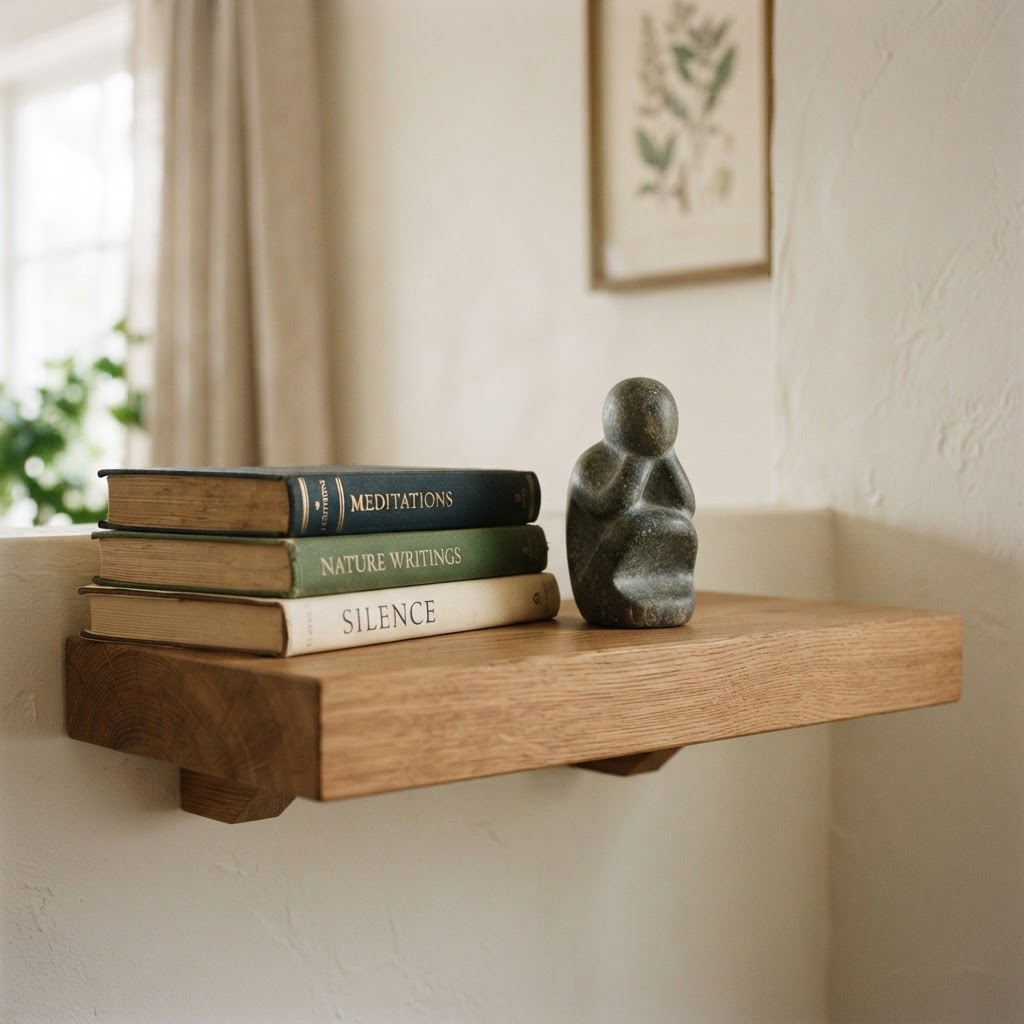
When it comes to actual decor items, here's what tends to work beautifully in a Japandi space:
- Handthrown ceramics in muted, earthy glazes
- Simple line art or ink wash paintings, framed in thin black or natural wood frames
- Woven textiles like a chunky throw or a flat-woven rug in natural fibers
- Candles and incense in minimal holders, because scent is part of the atmosphere
- A single sculptural object that has personal meaning, a smooth stone, a wooden figure, a piece of driftwood
Honestly, the hardest part of Japandi decor is learning to let go. Go through your current decor and ask yourself: does this genuinely make me feel calm when I look at it, or am I just used to seeing it? Be ruthless. The stuff you remove often does more for a space than anything you add.
Bringing Nature Inside
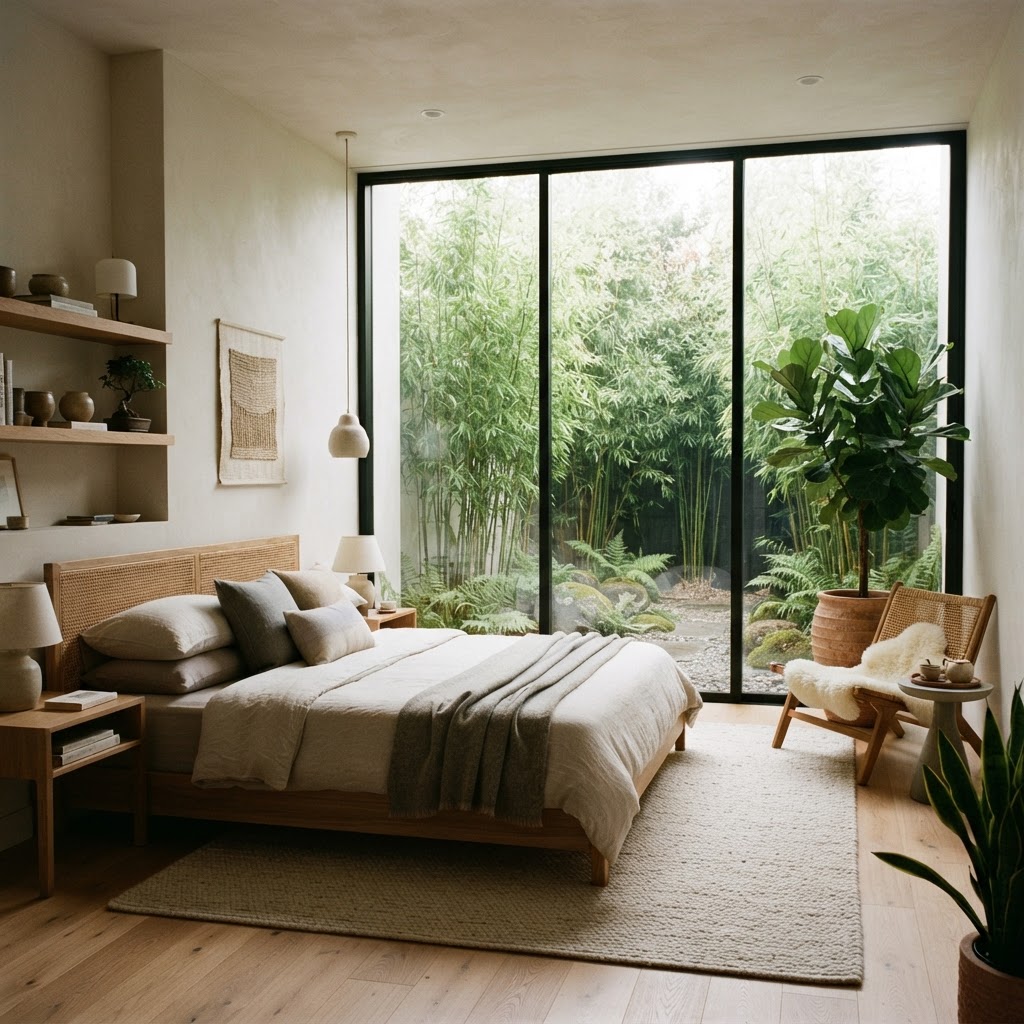
Both Japanese and Scandinavian design have a profound relationship with nature, which makes this aspect of Japandi feel genuinely effortless. Nature isn't an afterthought here, it's a core ingredient. And I'm not just talking about throwing a few plants in the corner. I mean deliberately bringing in textures, materials, and living elements that make the inside feel connected to the outside world.
Plants are obviously a big part of this, but choose them thoughtfully. Japandi spaces tend to favor plants with architectural shapes and restrained beauty. Think bonsai trees, single-stem arrangements, snake plants, or a simple branch of dried pampas grass. A big, lush tropical plant can work if the rest of the space is pared back, but the overall effect should feel curated, not like a jungle. The Japanese art of ikebana, floral arrangement based on minimalist principles and asymmetry, is a beautiful reference point here.
Beyond plants, nature comes into a Japandi space through materials. Raw linen curtains that let light filter through softly. A jute rug underfoot. Unfinished wood on shelving. A smooth river stone used as a paperweight. These tactile, organic elements are what give Japandi its warmth and stop it from feeling clinical. Real talk, a room full of natural materials just feels different. There's a sensory quality to it that synthetic materials simply can't replicate.
Light is also a form of nature, and Japandi spaces use it brilliantly. Keep window treatments minimal so natural light can move through the space throughout the day. In the evenings, warm-toned bulbs and candles replace the harshness of overhead lighting. The goal is to mirror the rhythms of natural light as closely as possible. It sounds like a small thing but it genuinely transforms how a space feels to be in.
Final Thoughts
Japandi isn't a trend that's going to feel dated in three years. It's rooted in philosophies that are centuries old and speaks to something genuinely human: our need for calm, beauty, and connection to the natural world. In a time when everything feels louder and more overwhelming, coming home to a space that is quiet and considered is a real gift you can give yourself.
Start small if you need to. Swap out a few decor pieces, repaint a wall in a warmer neutral, invest in one really good handmade ceramic. You don't need to overhaul everything overnight. Japandi is, fittingly, a patient style. It rewards slow and thoughtful choices over quick fixes. And honestly, that patience is kind of the whole point.
The best Japandi homes don't look like they came out of a catalog. They look like they were built over time by someone who knows what they love and isn't in a rush to fill every corner. Aim for that, and you'll get there.
More in Interior
Stay Inspired
Subscribe for new essays on architecture, design, and the spaces that shape us.