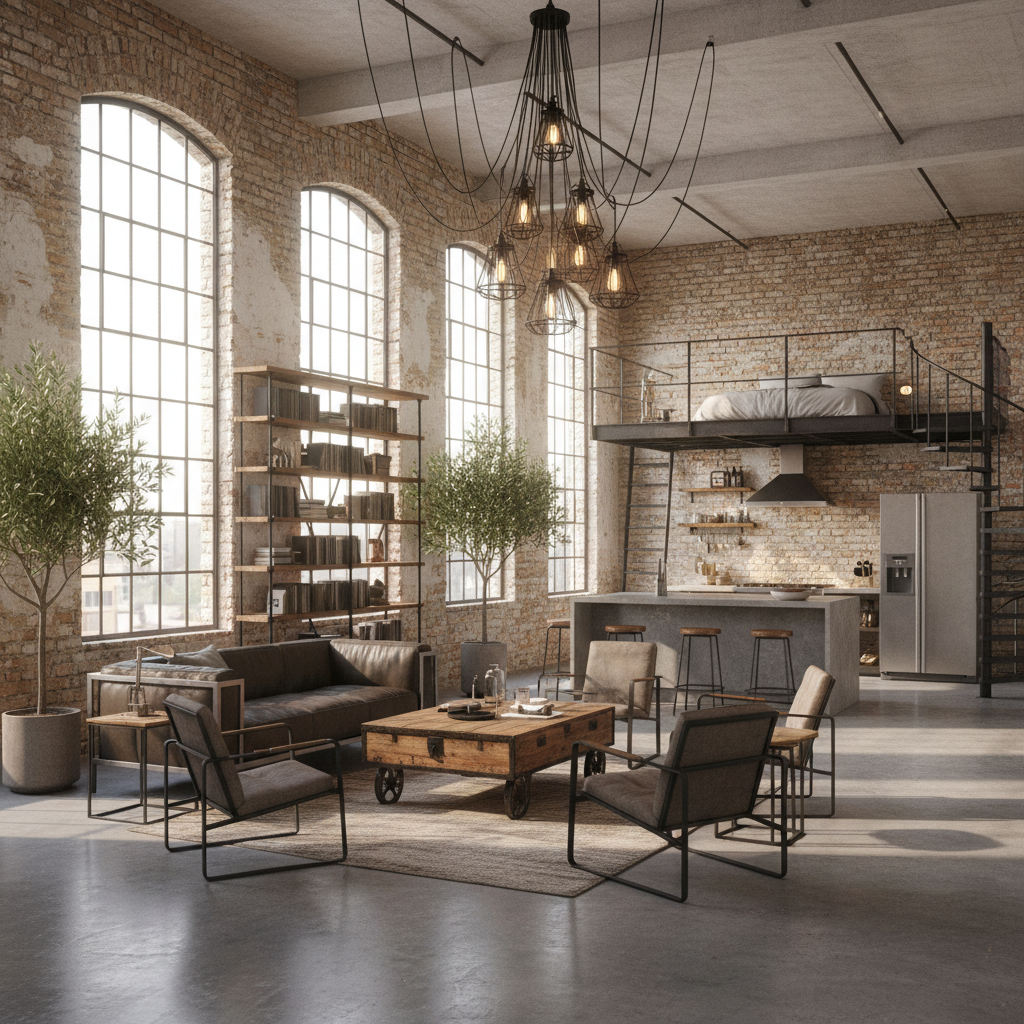
Unleash Your Inner Urbanite: The Ultimate Guide to Industrial Interior Design
Ready to transform your space with the edgy charm of industrial design? This comprehensive guide covers everything from key elements to styling tips, making it easy to infuse your home or office with that chic, metropolitan vibe. Dive in and discover how to create an atmosphere that reflects both style and substance.
Key Elements of Industrial Design
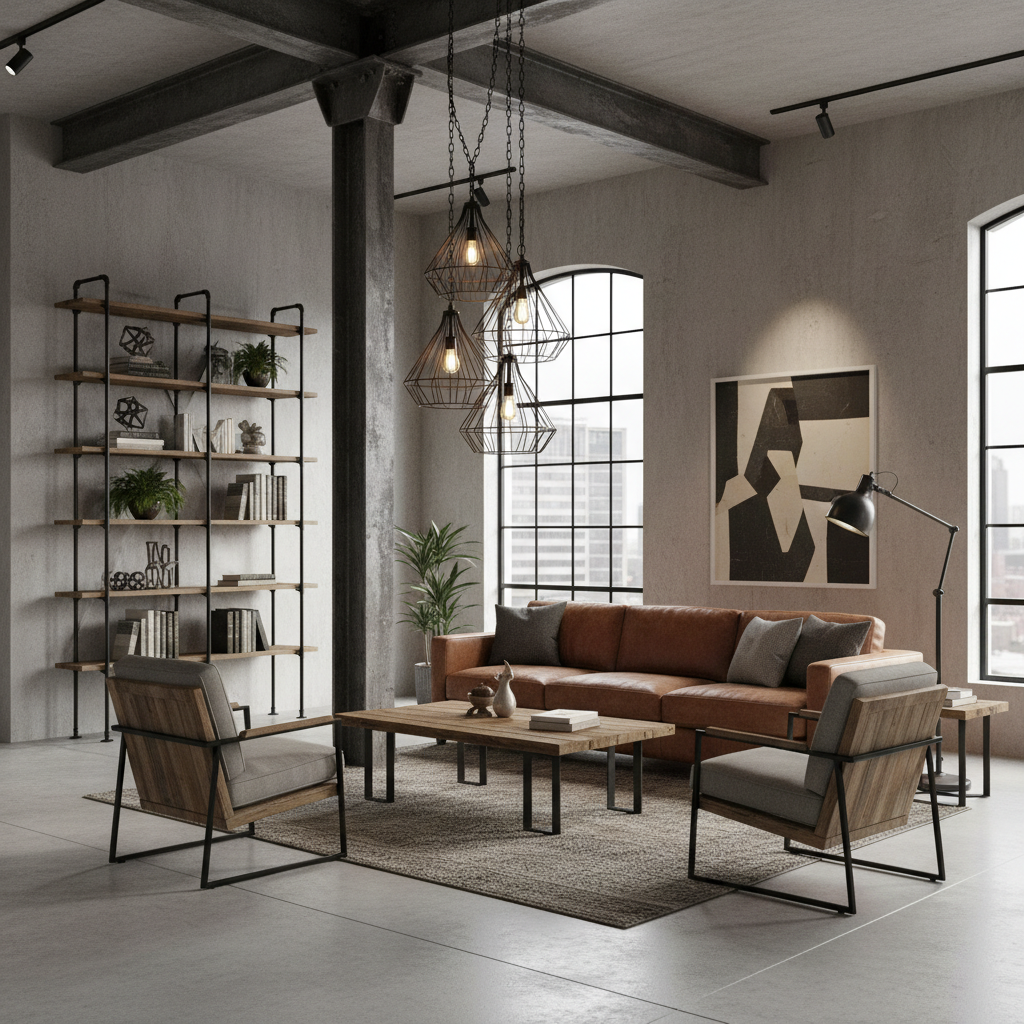
Okay, let's start at the very beginning. Industrial design is one of those styles that looks effortlessly cool but actually takes a bit of thought to pull off well. It's rooted in the aesthetic of old factories, warehouses, and urban lofts, and honestly, that's exactly what makes it so appealing. There's a gritty authenticity to it that you just can't fake with a coat of paint and a few Edison bulbs.
The foundation of any industrial interior is exposed structural elements. We're talking raw brick walls, unfinished concrete floors, visible ductwork on the ceiling, and steel beams left completely bare. The whole philosophy here is that the bones of the building ARE the decor. You're not hiding anything. Instead, you're celebrating the architecture itself, and that shift in mindset is really what separates industrial design from every other style out there.
Raw materials are non-negotiable in this style. Think reclaimed wood, weathered metal, concrete, and glass. These textures work together to create depth and character. A room that uses only one material tends to feel flat. But when you layer rough concrete against worn leather against brushed steel? That's when things get really interesting. The contrast is the whole point.
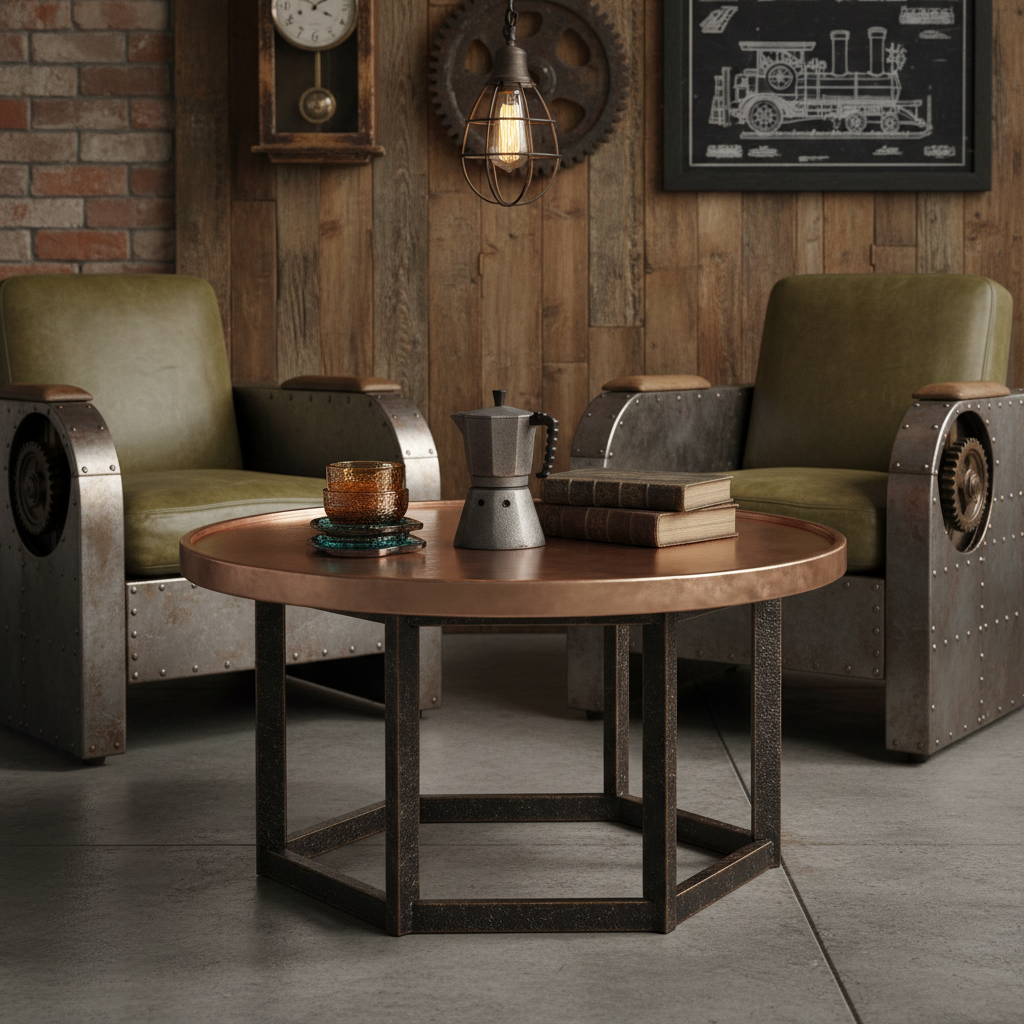
Here's the thing a lot of people get wrong: industrial doesn't mean cold or uncomfortable. Yes, the materials are raw. Yes, there's a certain starkness to it. But a well-designed industrial space feels incredibly livable. The key is balance. Soften those hard surfaces with a chunky wool throw, a worn leather sofa, or a oversized area rug with some texture. The warmth comes from the contrast between the hard and the soft, the old and the new.
Some core elements to keep in mind as you plan your space:
- Open floor plans with minimal walls or partitions
- High ceilings, ideally with exposed beams or ductwork
- Large windows that flood the space with natural light
- Functional, utilitarian furniture with clean lines and no fuss
- A neutral, restrained color palette as your base
Trust me on this: if you get these foundational elements right, everything else you add to the space will fall into place naturally. Industrial design is incredibly forgiving once you understand its core DNA.
Color Palettes to Consider
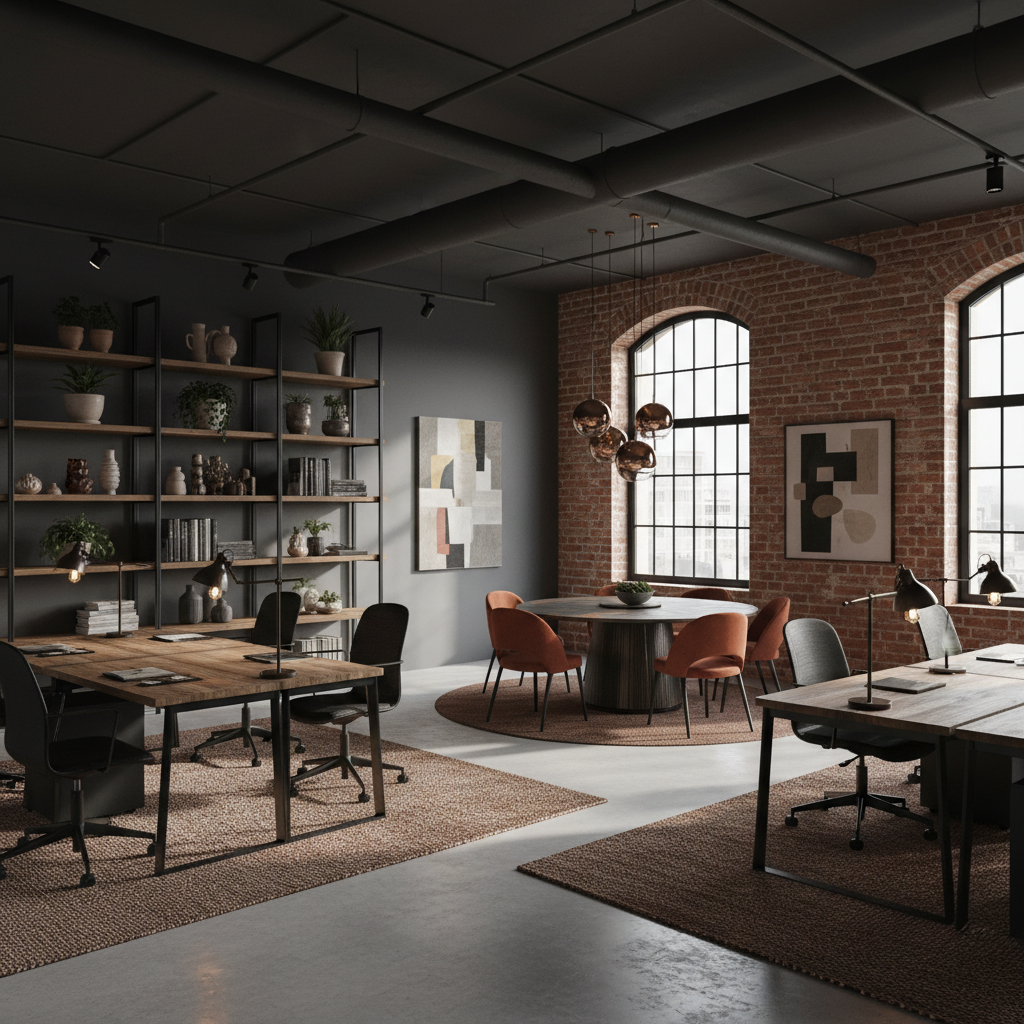
Color is where a lot of people freeze up when they're planning an industrial interior. And look, I get it. The style is so strongly associated with gray concrete and black metal that it can feel like you're locked into a pretty limited range. But honestly, you have way more freedom here than you might think, as long as you understand the underlying logic of the palette.
Your base colors should always stay grounded. Charcoal, warm gray, off-white, and deep black are your workhorses. These are the colors that show up in your structural elements anyway, so you're really just leaning into what's already there. Painting your walls a warm off-white or a soft greige, for example, will make your exposed brick or concrete pop without competing with it. The goal is to let those raw materials do the heavy lifting visually.
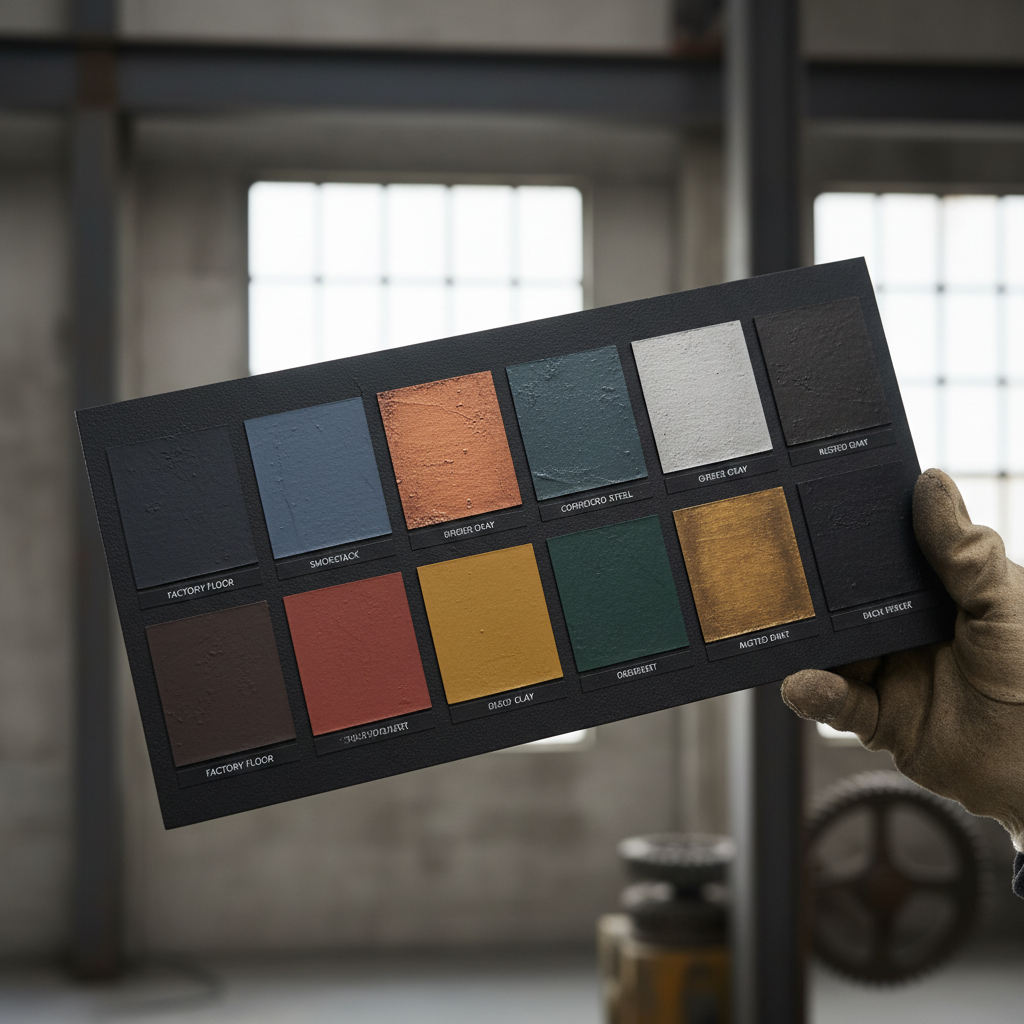
Now, here's where it gets fun. Accent colors. Real talk: a well-placed accent color can completely transform an industrial space from feeling like an abandoned building to feeling like an incredibly curated, intentional home. Deep forest green, rust orange, navy blue, and even a dusty rose can all work beautifully against the neutral base. The trick is restraint. Pick one accent color and use it deliberately, maybe in your upholstery, your plants, or a single painted wall.
"Industrial design isn't about stripping everything back until the space feels empty. It's about letting the honest beauty of raw materials speak for themselves, then adding just enough warmth to make it feel like home."
Warm browns and tans are incredibly underrated in industrial spaces. A cognac leather couch, a honey-toned reclaimed wood coffee table, or warm caramel tones in your rugs and textiles will bring an incredible sense of coziness to a space that might otherwise feel a little austere. These earthy, warm tones have a natural affinity with aged metal and exposed brick, which makes them a genuinely foolproof choice.
And don't sleep on the power of plants in an industrial interior. A lush, trailing pothos or a dramatic fiddle leaf fig introduces organic green tones that feel completely at home in the space and provide a beautiful counterpoint to all that hard-edged metal and concrete. Plants are honestly one of the easiest and most affordable ways to add both color and life to an industrial room.
Incorporating Vintage and Modern Pieces
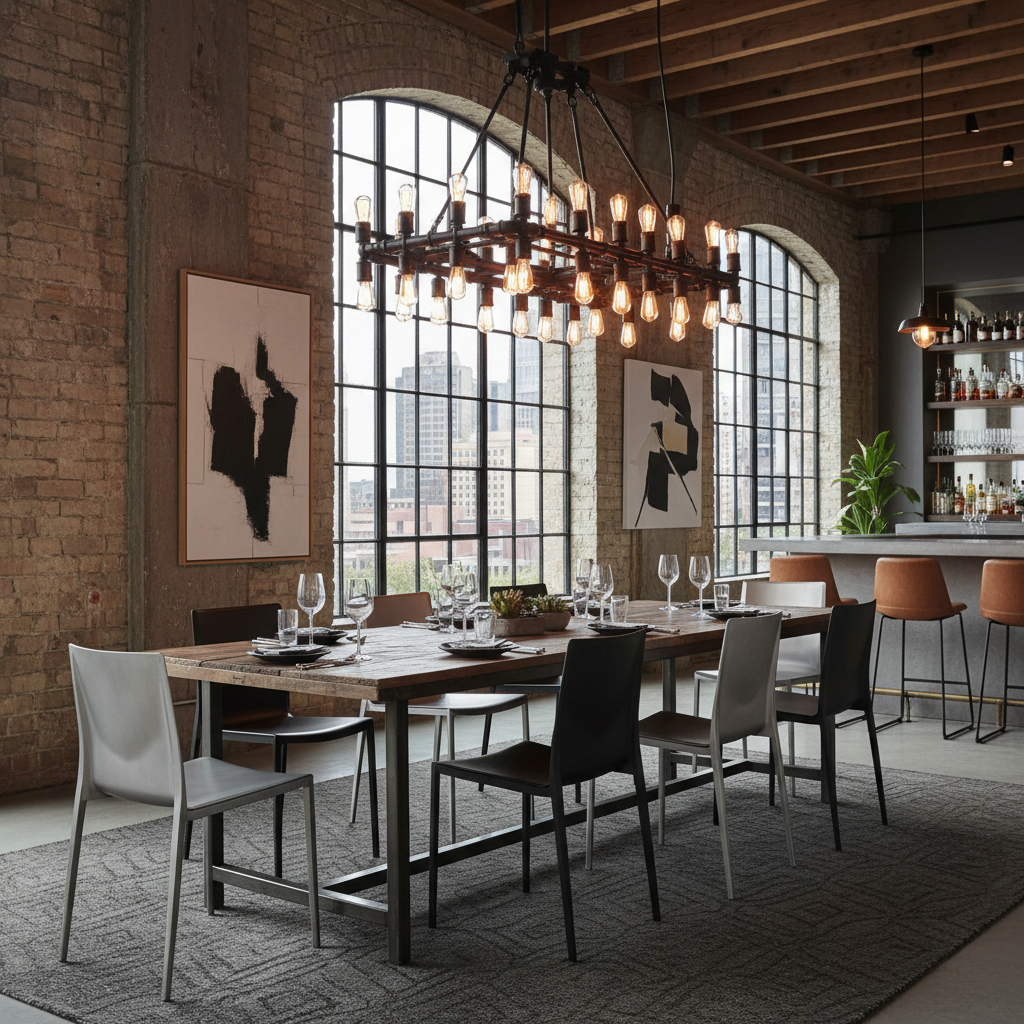
This is honestly my favorite part of industrial design to talk about, because getting the mix of old and new right is what separates a genuinely great industrial space from one that just looks like a catalog photo. Industrial style lives and breathes in the tension between vintage and contemporary, and learning to navigate that tension is a real skill worth developing.
Start with your anchor pieces. A vintage factory cart repurposed as a coffee table, an old metal locker turned into a wardrobe, or a reclaimed factory stool used as extra seating, these kinds of pieces bring an immediate authenticity to the space that no new furniture can replicate. They carry history with them. They have character. And in a style that's fundamentally about honoring the past, that matters a lot.
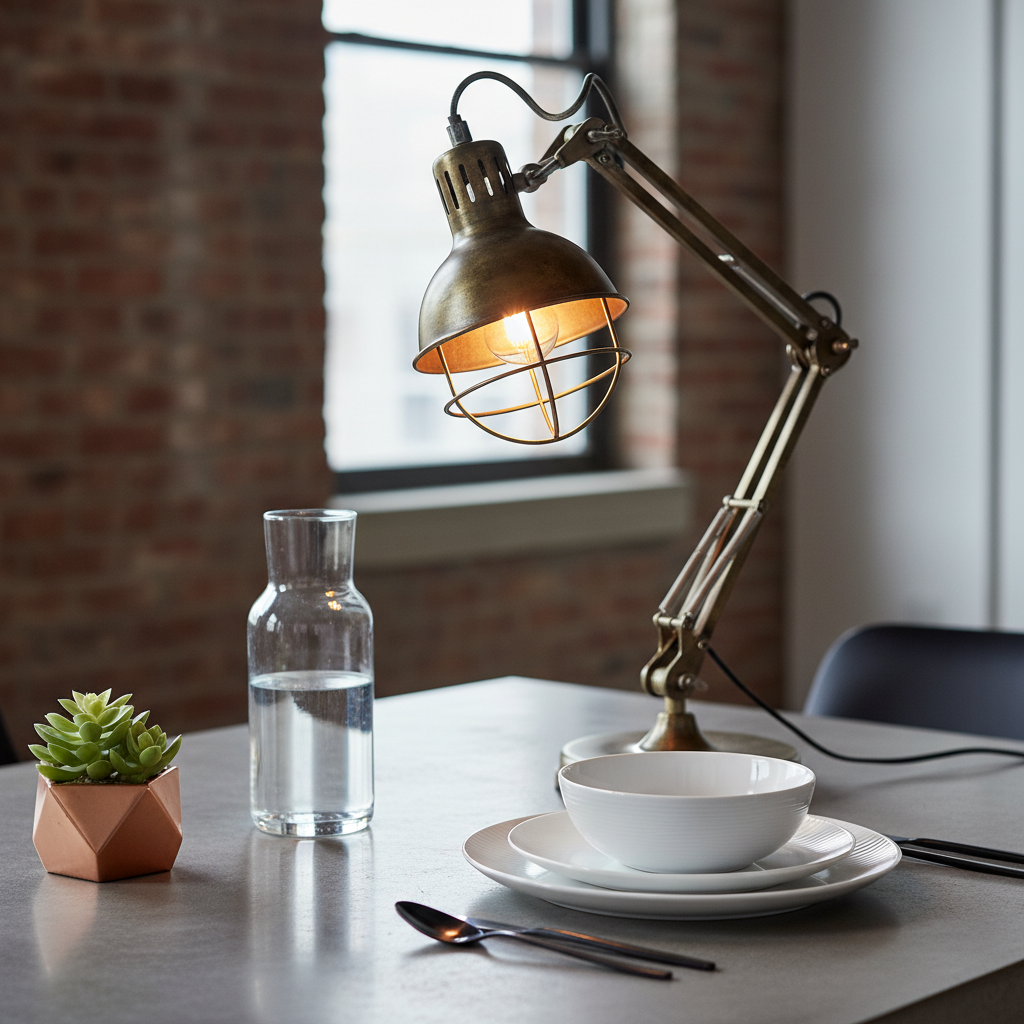
But here's the thing: going all-vintage will make your space feel more like a museum than a home. You need the sharp lines and clean finishes of contemporary pieces to keep things feeling fresh and livable. A sleek, modern sofa with simple lines looks incredible against exposed brick. A contemporary kitchen with handle-free cabinetry in matte black feels completely at home in an industrial loft. The modern pieces act as a kind of visual anchor that prevents the space from tipping over into nostalgia overload.
Flea markets, estate sales, and architectural salvage yards are your best friends here. Honestly, some of the best finds I've ever come across were from estate sales where old factories and workshops were being cleared out. You can find incredible metal shelving, vintage signage, old industrial machinery repurposed as sculpture, and all kinds of fascinating objects with genuine provenance. These pieces will give your space a story that simply can't be bought at a big box furniture store.
When you're mixing eras, pay attention to scale and proportion. A massive vintage industrial dining table needs chairs that can hold their own visually, even if those chairs are brand new. And don't be afraid to mix materials either. A modern glass side table next to a vintage cast iron radiator? Absolutely works. It's that push and pull between old and new, rough and refined, that gives industrial interiors their unmistakable energy.
Creative Lighting Solutions
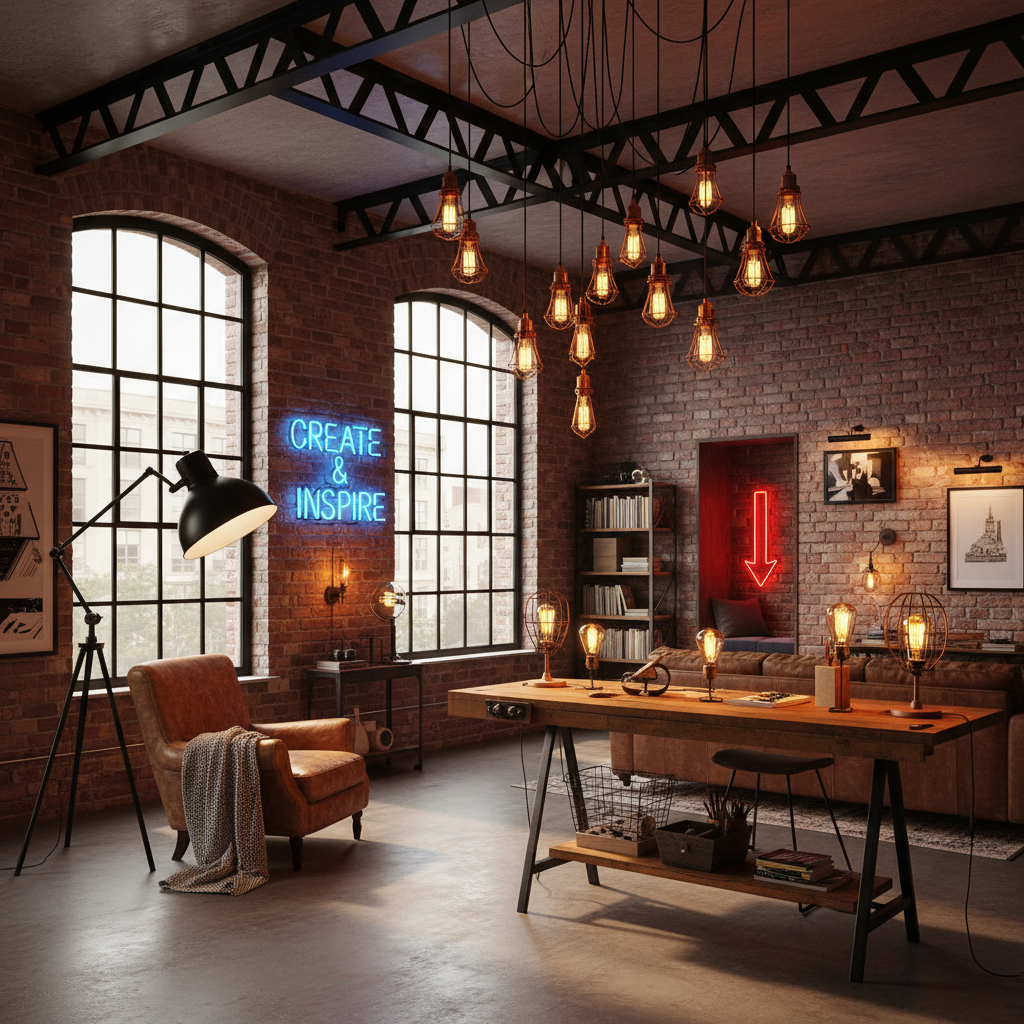
Lighting in an industrial interior is not an afterthought. It is, without question, one of the most important design decisions you'll make. Get it right and your space feels warm, dramatic, and incredibly intentional. Get it wrong and all that beautiful raw texture just disappears into a flat, lifeless room. Trust me on this one, lighting deserves your full attention.
The go-to choice for industrial lighting is the exposed filament bulb, and honestly, it's popular for good reason. That warm amber glow does something magical to raw brick and weathered wood that cooler LED lighting just can't replicate. Pair those bulbs with cage pendants, pipe-style fixtures, or vintage-inspired metal shades and you've got a combination that feels genuinely authentic to the style. These fixtures celebrate their own mechanics in the same way that exposed ductwork celebrates the building's structure.
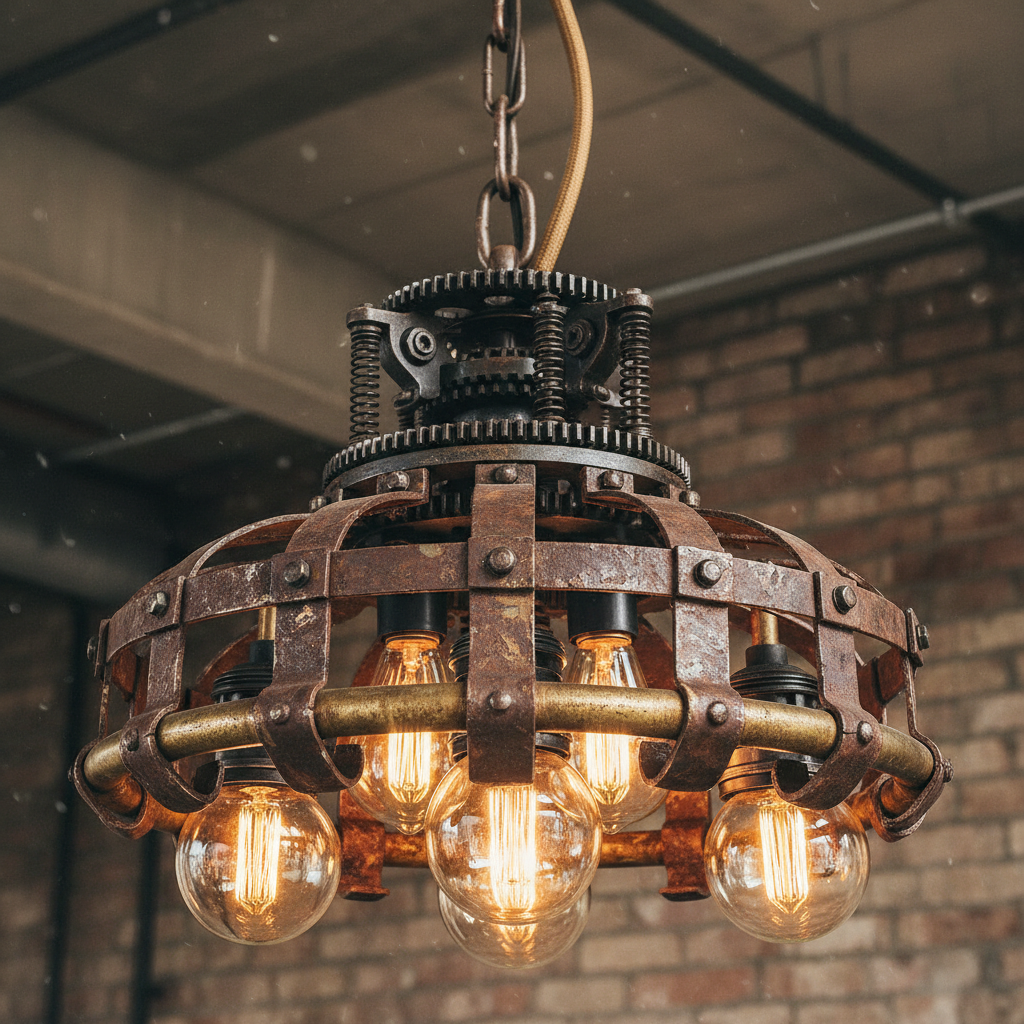
Layering your light sources is essential. Relying on a single overhead fixture in a large industrial space is a recipe for disaster. Instead, think in terms of ambient light, task light, and accent light working together. An oversized pendant over the dining table handles your ambient needs. An articulated metal floor lamp next to the reading chair handles task lighting. And a few strategically placed spotlights or wall sconces can highlight your best architectural features, like that incredible exposed brick wall or a particularly beautiful piece of reclaimed wood shelving.
Track lighting is another fantastic option for industrial spaces, and it's one that doesn't get enough credit. A black metal track light system mounted to an exposed ceiling gives you incredible flexibility to direct light exactly where you need it, while also looking genuinely great as a design element in its own right. It's practical, it's adjustable, and it fits the industrial aesthetic perfectly.
One more thing: dimmer switches are absolutely worth the investment. The ability to shift your lighting from bright and functional to warm and atmospheric transforms how you experience the space at different times of day and for different activities. An industrial interior at full brightness for a dinner party looks completely different from the same room lit low and warm for a quiet evening at home, and both can be incredible.
DIY Industrial Decor Ideas
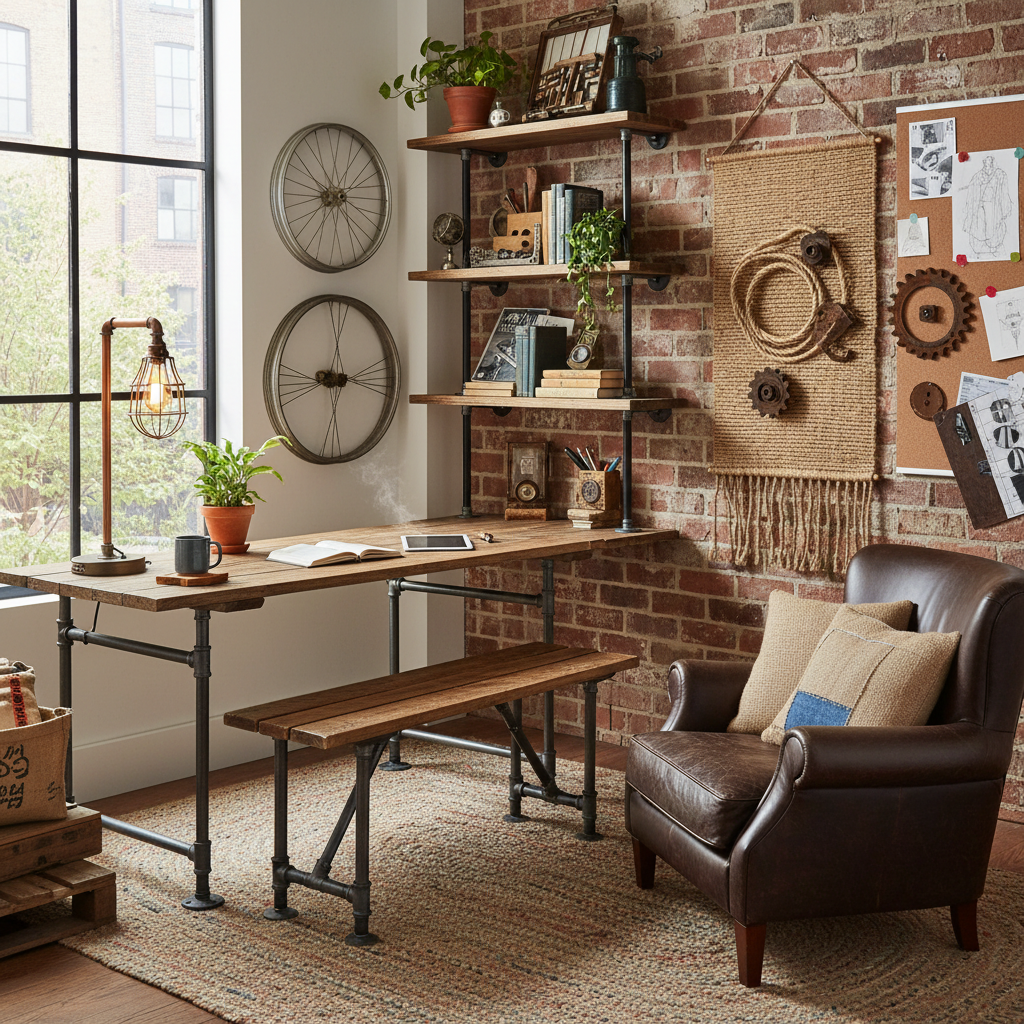
Look, one of the things I genuinely love about industrial design is how incredibly DIY-friendly it is. This isn't the style where you need to spend a fortune on bespoke custom pieces to get the look right. In fact, some of the most beautiful industrial interiors I've seen were put together on a seriously tight budget by people who were willing to get their hands a little dirty. The raw, handmade quality of DIY projects fits perfectly with the industrial ethos.
Pipe shelving is probably the most iconic DIY project in the industrial design world, and for good reason. Black iron pipe from the hardware store, a few pipe fittings, some reclaimed wood boards, and you've got a genuinely stunning shelving system for a fraction of what you'd pay for a similar piece at a furniture store. The assembly is straightforward, the materials are cheap and widely available, and the results look like they came straight out of a high-end design studio. Honestly, this single project can completely transform a room.
Here are some other DIY projects that work incredibly well in an industrial space:
- Concrete planters: Pour your own concrete into simple molds for minimal, modern plant pots that look like they cost way more than they did
- Pallet wood accent wall: Sand and seal old pallet wood, then mount it directly to the wall for a warm, textured feature that adds instant character
- Wire basket storage: Repurpose large wire baskets as storage solutions for blankets, magazines, or firewood, functional and beautiful
- Upcycled metal pipe clothing rack: A few pipe fittings and some wall flanges give you a clothing rack that looks fantastic and costs almost nothing
- Vintage crate shelving: Stack old wooden crates or wine boxes to create modular, flexible storage and display units with immediate vintage appeal
Real talk: the beauty of DIY in an industrial context is that imperfection is part of the aesthetic. You don't need to be a master craftsman. A slightly uneven concrete pour, a visible seam in your pallet wood wall, a small dent in your pipe shelving, these things don't detract from the look. They add to it. They make it feel real and handmade and human, which is exactly what this style is all about at its core.
And one final thought on DIY: don't limit yourself to furniture and shelving. Think about the smaller decorative objects too. An old glass bottle collection arranged on a shelf, a wall display of vintage tools, a cluster of industrial gears mounted as sculptural wall art, these kinds of details are inexpensive, easy to put together, and they add layers of visual interest that really bring an industrial interior to life.
Final Thoughts
Industrial design is one of those styles that rewards boldness. If you commit to it, if you really lean into the raw materials, the honest architecture, the mix of old and new, it will give you back a space that feels genuinely alive with character and personality. And honestly, that's a rare thing in interior design.
The most important thing to remember is that rules are really just guidelines here. Industrial style has a clear DNA, but within that framework there's enormous room for personal expression. Your space should feel like yours, full of pieces you love, objects with meaning, and a palette that makes you feel at home the moment you walk through the door.
Start with the bones, get your materials and lighting right, mix your vintage finds with some sharp contemporary pieces, and don't be afraid to roll up your sleeves and make a few things yourself. Industrial design rewards the curious and the adventurous. So go ahead and unleash that inner urbanite. Your space is waiting.
More in Interior
Stay Inspired
Subscribe for new essays on architecture, design, and the spaces that shape us.