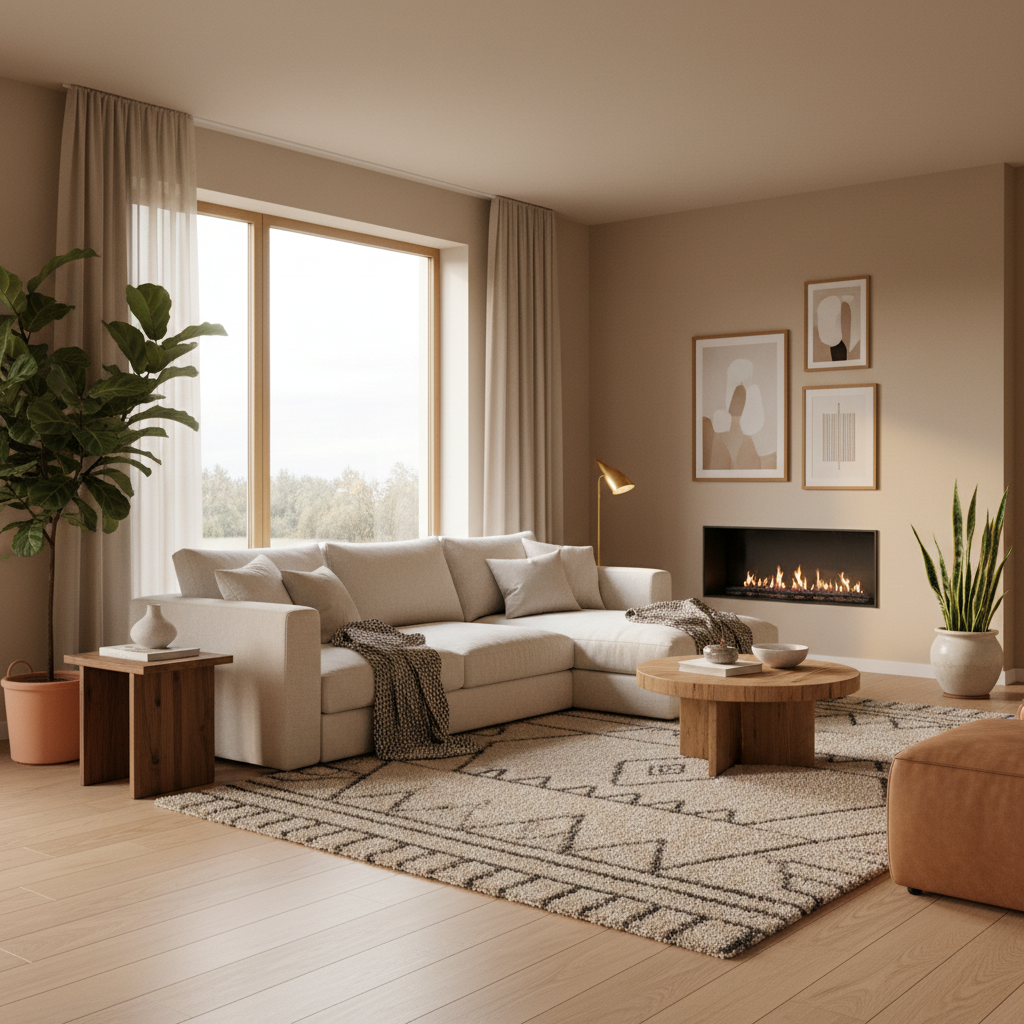
7 Cozy Tricks to Warm Up Your Cold Modern Space
Is your modern home feeling a bit too chilly? We’ve got you covered with fantastic decor ideas that infuse warmth and comfort into your sleek spaces. Discover how simple touches can transform your interior into a cozy haven.
Layer Textures for Comfort
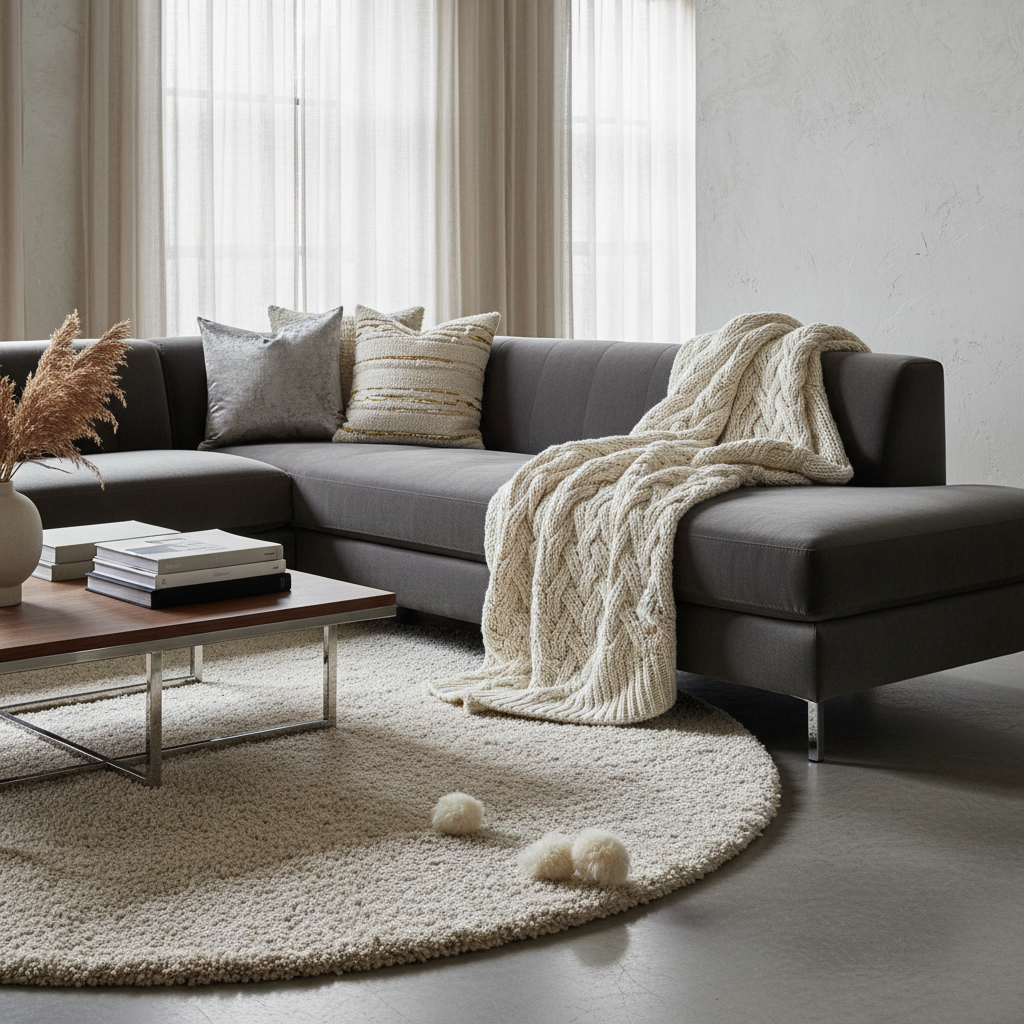
Honestly, this is where most people go wrong with modern interiors. They see a sleek, minimal room in a magazine, they replicate the furniture and the clean lines, and then they move in and wonder why it feels like a dentist's waiting room. The answer, almost always, is texture. Or rather, the lack of it.
Modern design has this reputation for being cold, and that's not really the fault of the aesthetic itself. It's that people forget to layer. Think about it this way: a room with a smooth concrete floor, a leather sofa, glass coffee table, and painted drywall has exactly zero textural variation. Everything your hand or eye touches is hard and flat. Of course it feels cold. Your brain literally registers smooth, hard surfaces as less welcoming than soft, varied ones.
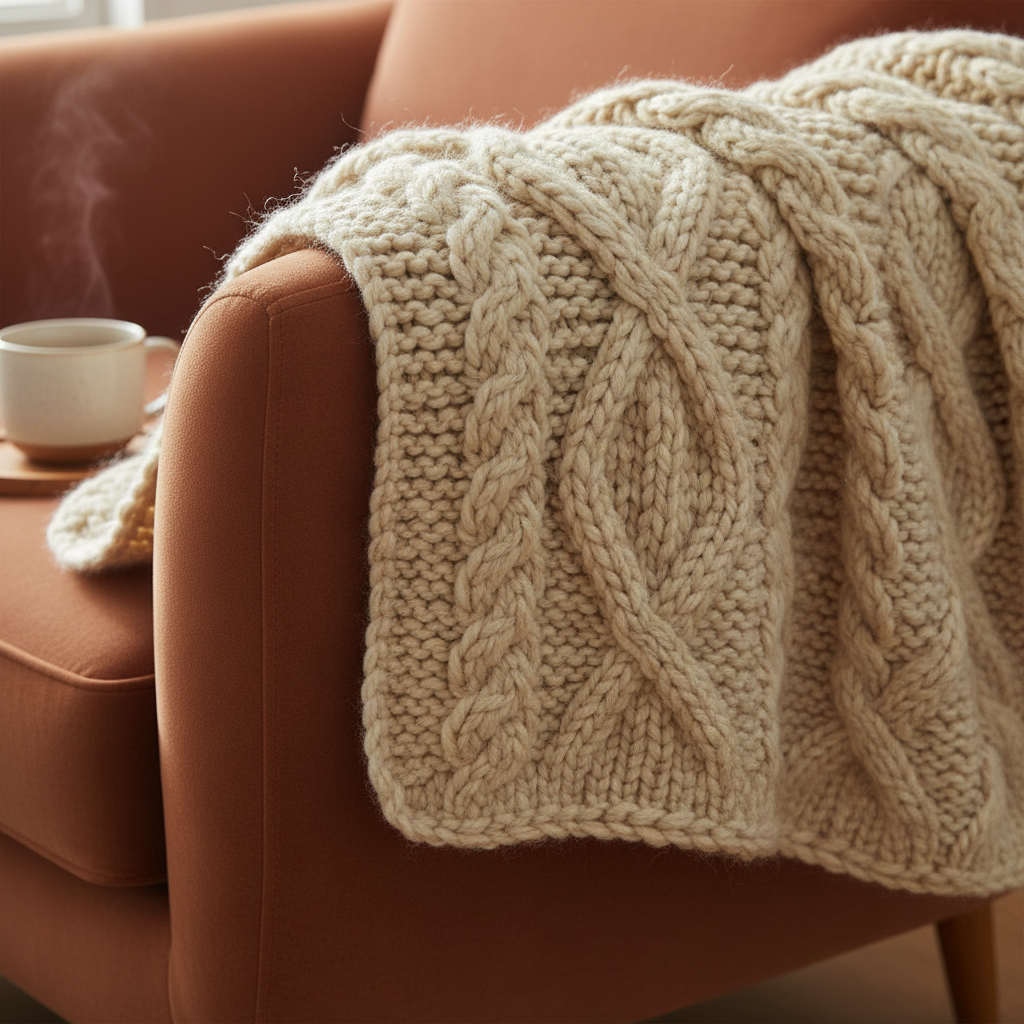
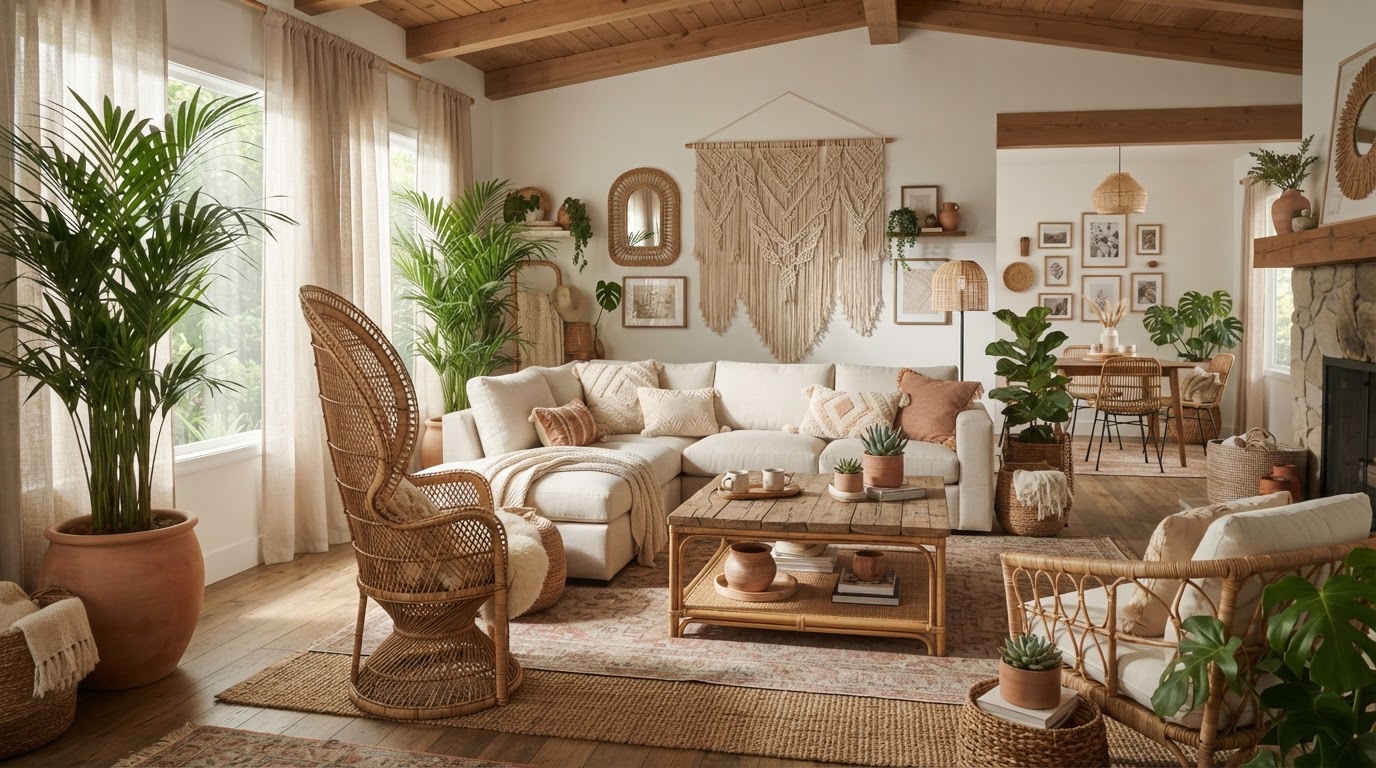
Here's the thing: you don't have to abandon the modern look to fix this. You just need to add layers of contrast. Throw a chunky knit blanket over that leather sofa. Put a jute or wool rug on that concrete floor. Add a linen cushion next to the leather ones. Suddenly the room has something to offer every sense, and it stops feeling like a showroom and starts feeling like somewhere a real person actually lives.
- Mix hard and soft: Pair smooth surfaces with textured ones deliberately, not accidentally.
- Think in threes: Try to have at least three different textures visible from any seated position in the room.
- Don't match, layer: A velvet cushion, a linen throw, and a wool rug can all coexist beautifully even if they don't "match" in the traditional sense.
- Tactile art matters too: Woven wall hangings, ceramic vessels, and textured lampshades all add to the sensory richness of a space.
The goal isn't to make the space look busy. It's to make it feel alive. There's a huge difference. Trust me on this, once you start thinking in textures, you'll never look at a room the same way again.
Incorporate Warm Lighting
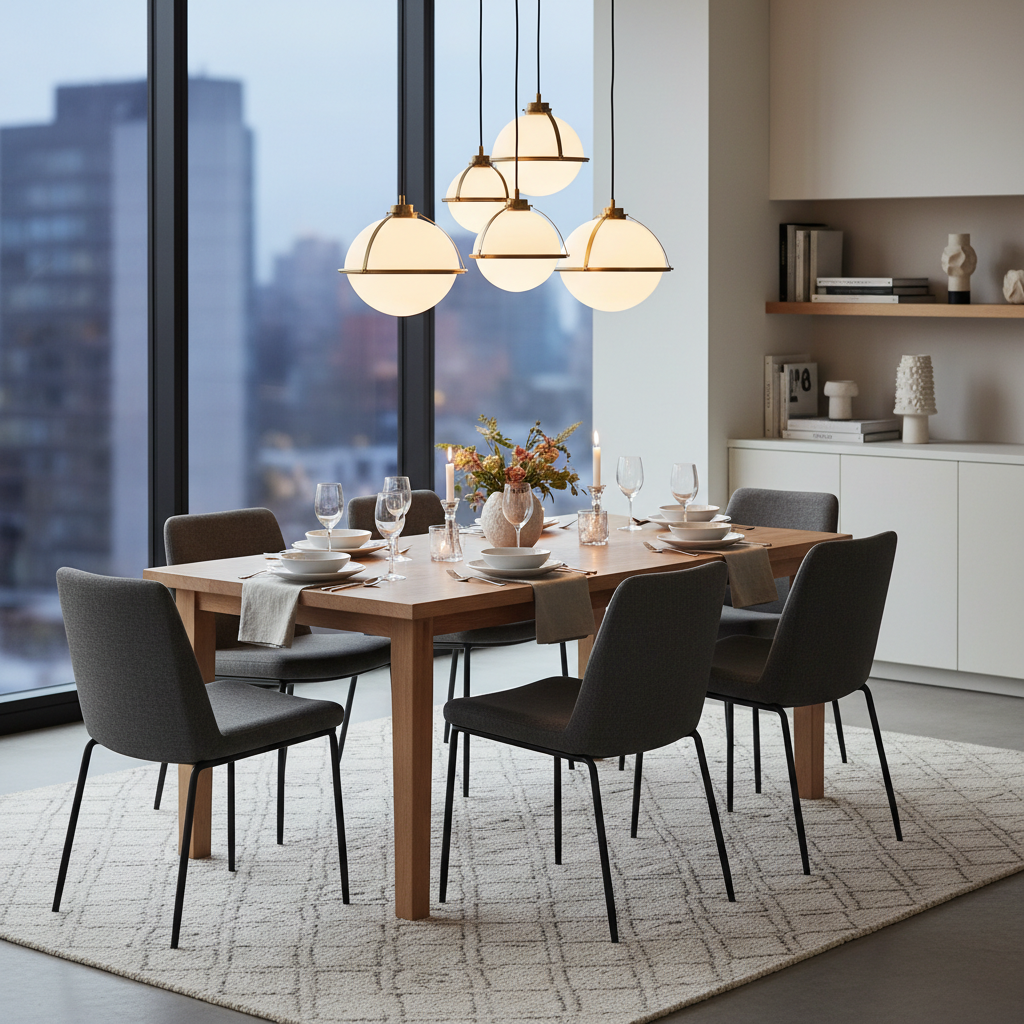
Look, lighting is probably the single most underestimated tool in interior design. People spend thousands on furniture and then light the whole room with one overhead fixture that makes everything look like a hospital hallway. It's genuinely heartbreaking. If your space feels cold and uninviting and you haven't addressed the lighting yet, start there. Right now, before you buy anything else.
The color temperature of your bulbs matters enormously. Anything above 4000K starts to read as cool and clinical. What you want for a cozy, warm atmosphere is somewhere in the 2700K to 3000K range. That's the golden, amber-toned light that makes everyone look like they're sitting next to a fireplace. It's not just flattering for people, it's flattering for rooms. It softens edges, warms up cool-toned materials, and makes even the starkest modern space feel more human.
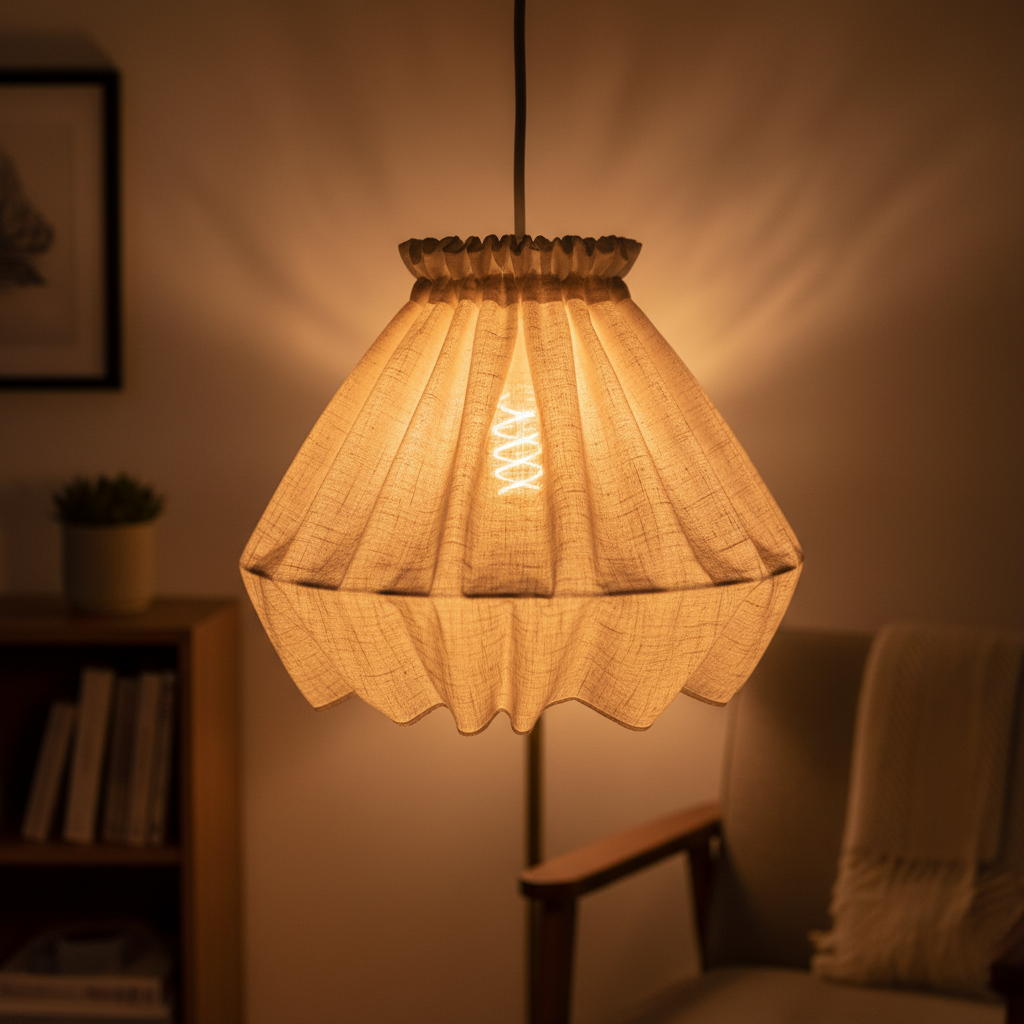
But it's not just about the bulbs. It's about layering your light sources. Designers talk about this constantly, and honestly, they're right to. A well-lit room has ambient light (your general overhead source), task lighting (lamps near reading spots, pendants over the kitchen island), and accent lighting (a spotlight on a piece of art, LED strips under a shelf). When you layer these properly, you can turn overhead lights off entirely in the evening and let the room glow with a collection of warmer, lower sources. That shift alone is transformative.
- Dimmers are non-negotiable: Install them everywhere. Being able to drop the light level in the evening changes everything about how a room feels.
- Candles still count: Real flames have a flicker that no LED can fully replicate. A few candles on the coffee table or dining table make an immediate difference.
- Go low: Floor lamps and table lamps at seated eye level create intimacy. Overhead light pushes you out of a space, lower light pulls you in.
And honestly, if you're renting and can't rewire anything, battery-operated sconces and plug-in pendant lights are genuinely great now. There's no excuse to keep living under cold, flat light.
Bring in Natural Elements
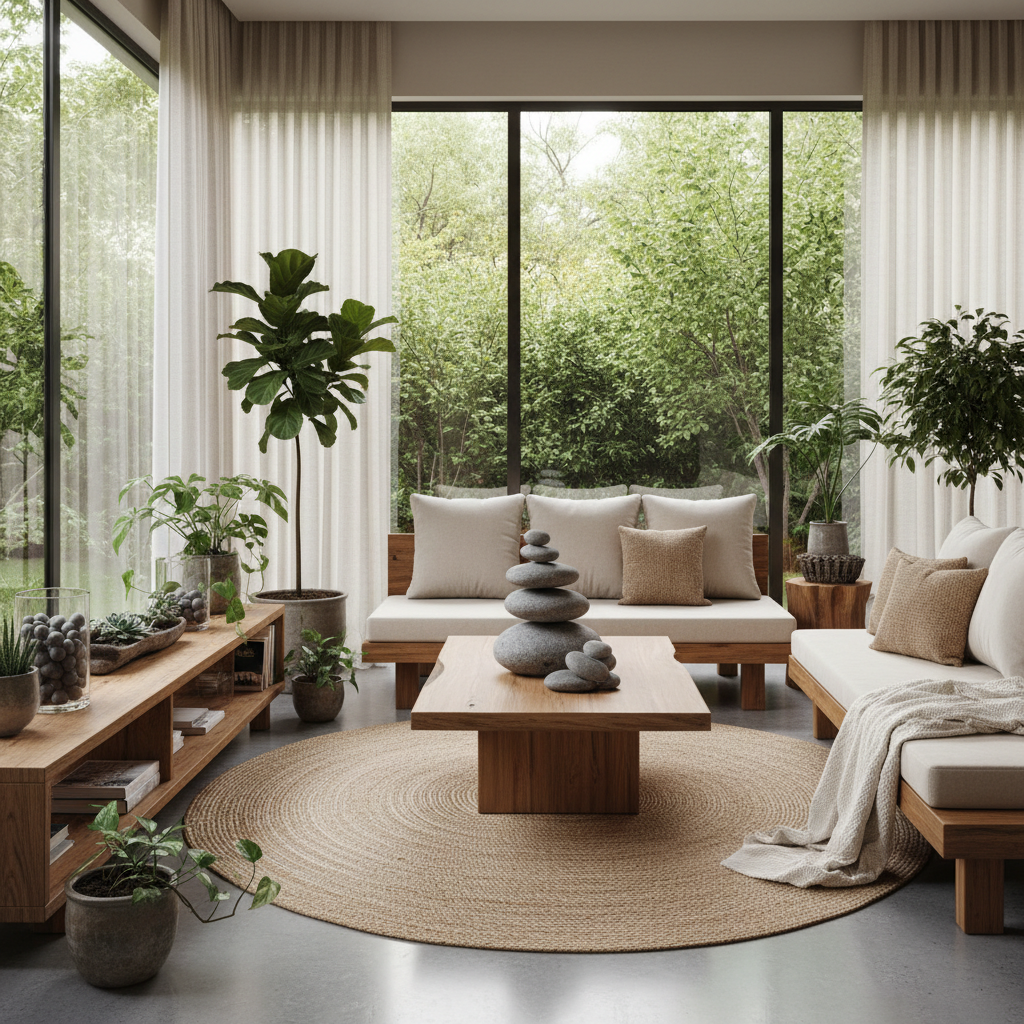
Real talk: no manufactured material has ever made a room feel as warm and grounded as natural ones. Wood, stone, linen, leather, clay, rattan, plants. These things have been around humans for thousands of years and we are hardwired to respond to them. When a modern space feels especially cold, it's often because it's been built almost entirely of synthetic or processed materials. Glass, metal, lacquered MDF, and synthetic textiles. None of these things breathe or age or feel alive. And that's exactly the problem.
The good news is you don't need to rip out your kitchen and replace the cabinets with reclaimed wood (though, honestly, if you're renovating, consider it). You can introduce natural elements in smaller, more intentional ways. A solid walnut cutting board left out on the counter. A large leafy plant in the corner. A stone bowl on the coffee table. A rattan pendant light. These additions cost relatively little compared to a renovation but they do a disproportionate amount of work in making a space feel human and warm.
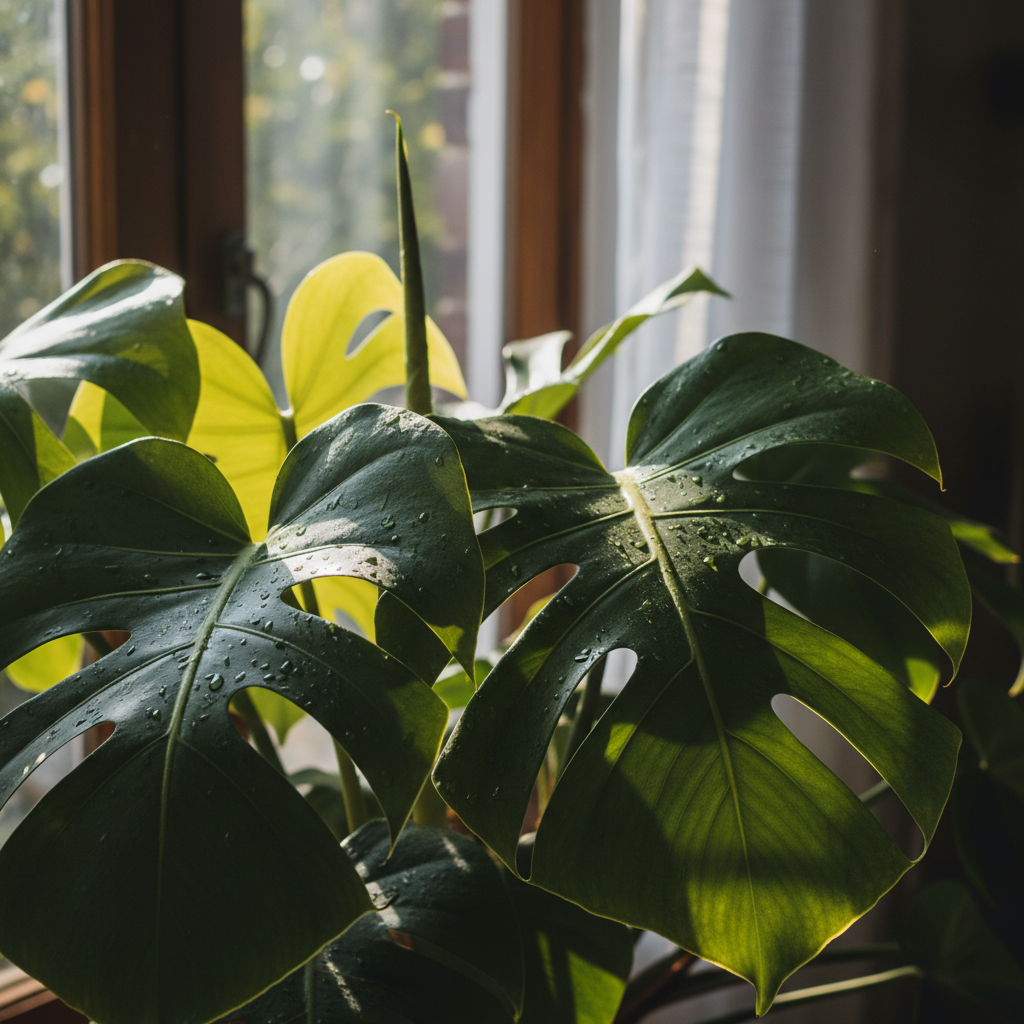
Plants deserve their own special mention here. They do something that no other decor element does: they grow and change over time. They require care. They live. And that living quality gives a room an energy that's hard to put into words but immediately felt when you walk in. A room with healthy, thriving plants feels cared for. It feels inhabited. If you've been avoiding plants because you think you'll kill them, start with a pothos or a snake plant. These things are basically unkillable and they look genuinely beautiful in modern spaces.
Beyond plants, look for wood furniture with visible grain, ceramics with imperfect glazes, woven baskets for storage, and natural fiber rugs. The imperfections in natural materials are features, not flaws. They're what makes a space feel real rather than staged.
Warm Up with Color
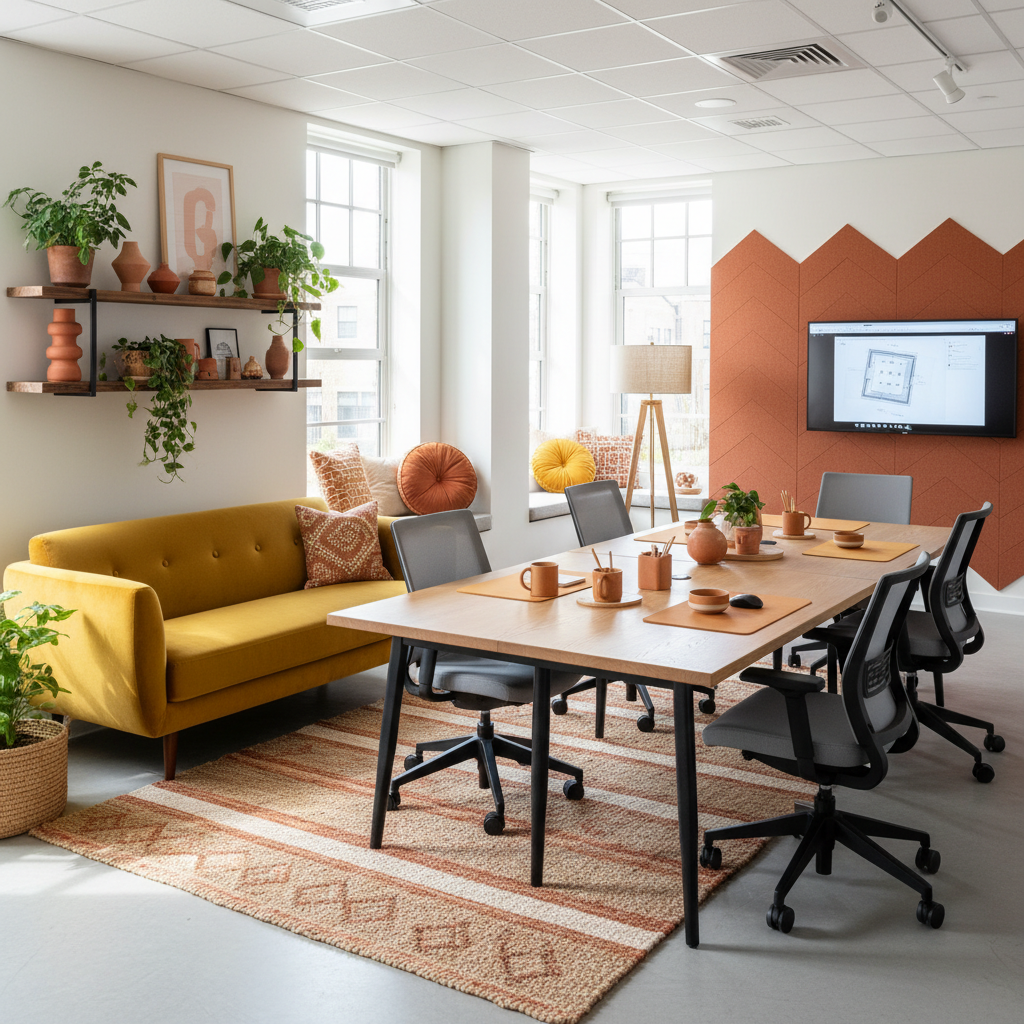
Here's the thing about modern design and color: they have a complicated relationship. A lot of people interpret "modern" as "neutral," which very quickly becomes "beige, white, and grey, everywhere, always." And look, I love a good neutral as much as the next person. But when your entire space is cool-toned neutrals, it can start to feel less like a home and more like a very clean, empty box.
The fix isn't to go wild and paint everything terracotta (although, honestly, terracotta is having a very well-deserved moment right now). It's to understand the difference between cool neutrals and warm ones, and to start shifting your palette in the right direction. Warm whites with yellow undertones. Greige with a hint of sand. Dusty rose. Muted ochre. Rust. Sage green. Clay. These colors all work beautifully within a modern framework, and every single one of them will make your space feel warmer and more inviting than straight cool grey ever will.
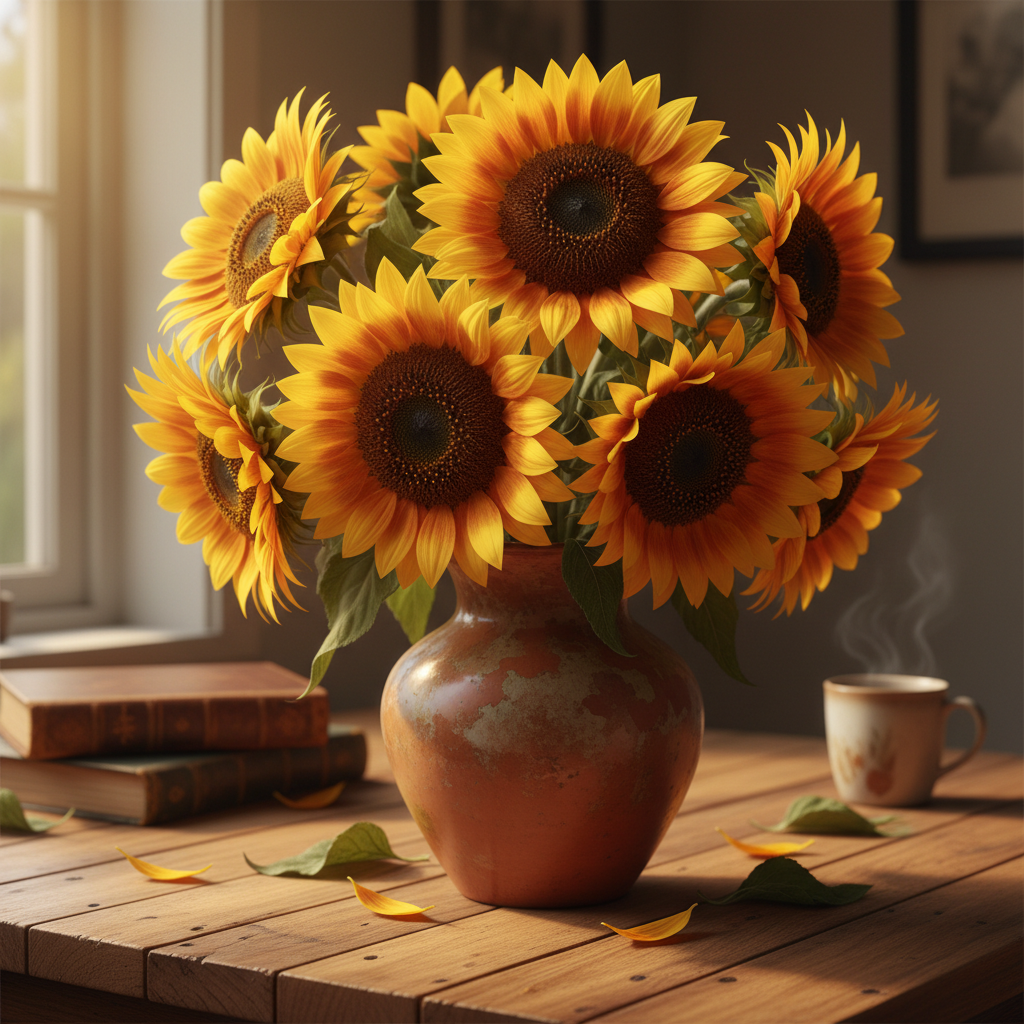
You don't have to repaint your walls if that feels too overwhelming. Color can come in through accessories, art, textiles, and furniture. A deep terracotta throw. A piece of warm-toned abstract art above the sofa. A mustard yellow cushion. A rust-colored ceramic vase. These small injections of warmth can shift the entire feeling of a room without you having to commit to a major change.
- Check your undertones: Look at your existing neutrals in natural light and figure out if they're reading cool (blue, grey, green undertones) or warm (yellow, red, beige undertones). Then adjust accordingly.
- Accent walls still work: A single wall in a warm, deep tone can anchor a whole room without overwhelming it.
- Art is underrated: A large print with warm tones can shift the temperature of an entire room's palette. It's one of the most cost-effective color moves you can make.
Soft Furnishings Make a Difference
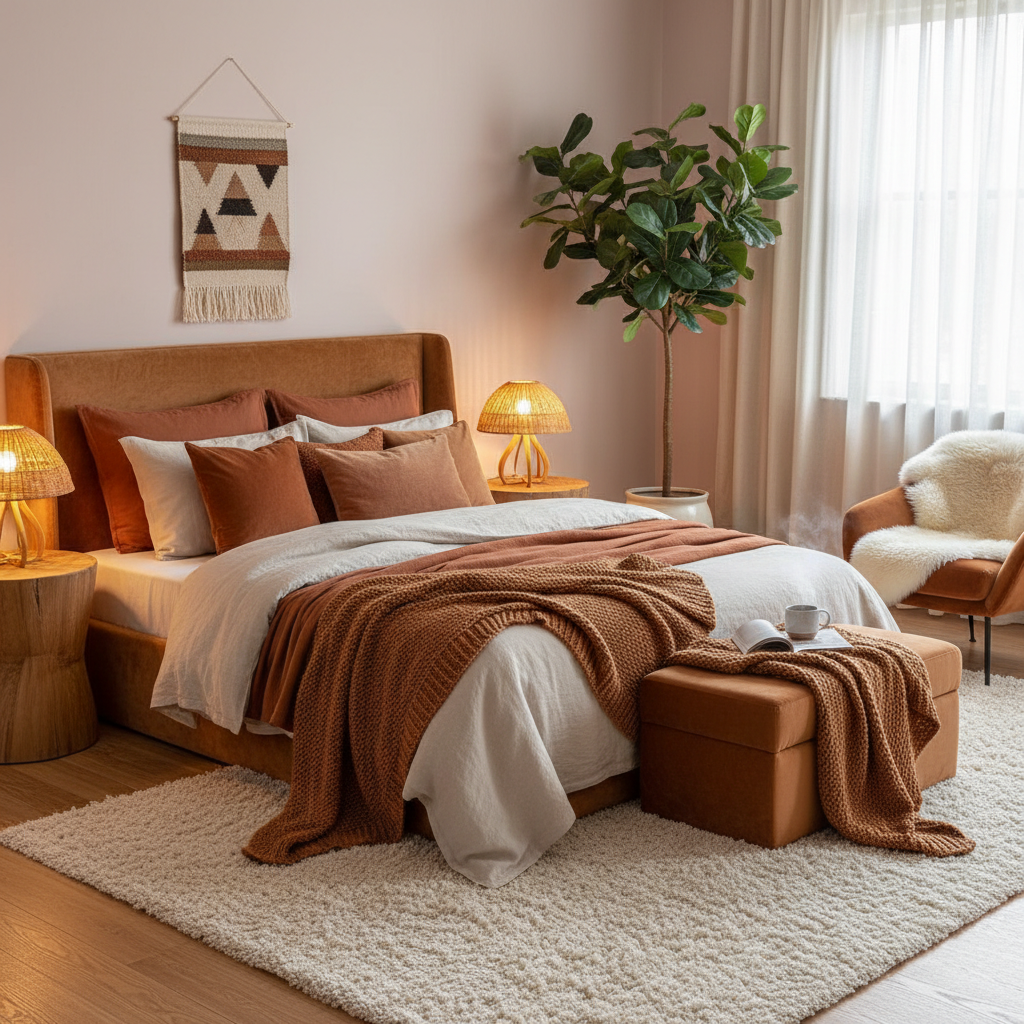
This might sound obvious, but stay with me because I think a lot of people underestimate just how dramatically soft furnishings can transform a space. We're talking curtains, cushions, throws, rugs, and upholstered furniture. These are the elements that physically and visually soften a room. In modern interiors where so much of the structure is hard, angular, and minimal, soft furnishings aren't just decorative. They're doing essential work.
Let's start with rugs because honestly, a bare floor in a modern space is one of the fastest ways to make it feel cold and echo-y. A large rug anchors a seating area, absorbs sound, adds color and texture, and quite literally makes the space feel warmer underfoot. The key word there is large. Most people buy rugs that are too small. Your sofa legs should ideally sit on the rug, not float in front of it. A properly sized rug changes the entire proportion of a room and makes the furniture feel like it belongs together rather than like individual pieces scattered on a floor.
Curtains are another area where I see a lot of people going wrong. Bare windows look great in design photos but in real life they feel cold, exposed, and unfinished. Hang curtains high and wide, closer to the ceiling than the window frame, and let them pool slightly on the floor. Use fabric with some weight and warmth, think linen, velvet, or even a cotton-linen blend. The visual effect of floor-to-ceiling curtains is enormous. It makes ceilings feel higher, windows feel larger, and the whole room feel more enveloped and cozy.
- More cushions than you think you need: A modern sofa with three cushions reads as minimal. Six cushions in varying sizes and textures reads as intentional and inviting. There's a sweet spot, but most people err on the side of too few.
- An upholstered bed frame: If your bedroom feels cold, switching from a metal or wood frame to a fabric-upholstered one is one of the most impactful changes you can make.
- Layer your rugs: Yes, you can do this. A smaller textured rug layered over a larger flatweave is a designer trick that adds incredible depth and warmth.
- Don't skip the window seat cushion: If you have a window bench or ledge, a cushion there is an invitation to sit, relax, and look out. It turns an architectural feature into a cozy moment.
Soft furnishings are also the easiest and most reversible way to update a space seasonally. Swap out your lighter linen cushions for heavier velvet ones in autumn. Pull out the chunky knit throws when the temperature drops. These small seasonal shifts keep a home feeling current and cared for without any real effort or expense.
Final Thoughts
Making a modern space feel warm and cozy isn't about compromising the aesthetic. It's about understanding that the best design isn't just beautiful to look at, it's comfortable to live in. Clean lines and minimal clutter can absolutely coexist with soft textures, warm lighting, natural materials, and the kind of layered richness that makes you want to kick your shoes off and stay a while.
The spaces that really get this right are the ones that feel effortless. Where everything is considered but nothing feels labored over. You achieve that by paying attention to how a room feels, not just how it photographs. And honestly, once you start making these changes, even small ones, you'll feel the difference immediately. Not just visually. Actually, physically feel it. That's when you know you've got it right.
Start with one thing. Maybe it's swapping your bulbs for warmer ones tonight. Maybe it's finally buying that rug you've been deliberating over for six months. Whatever it is, just start. Your home should be a place that genuinely feels good to be in. And with a few thoughtful adjustments, it absolutely can be.
More in Interior
Stay Inspired
Subscribe for new essays on architecture, design, and the spaces that shape us.