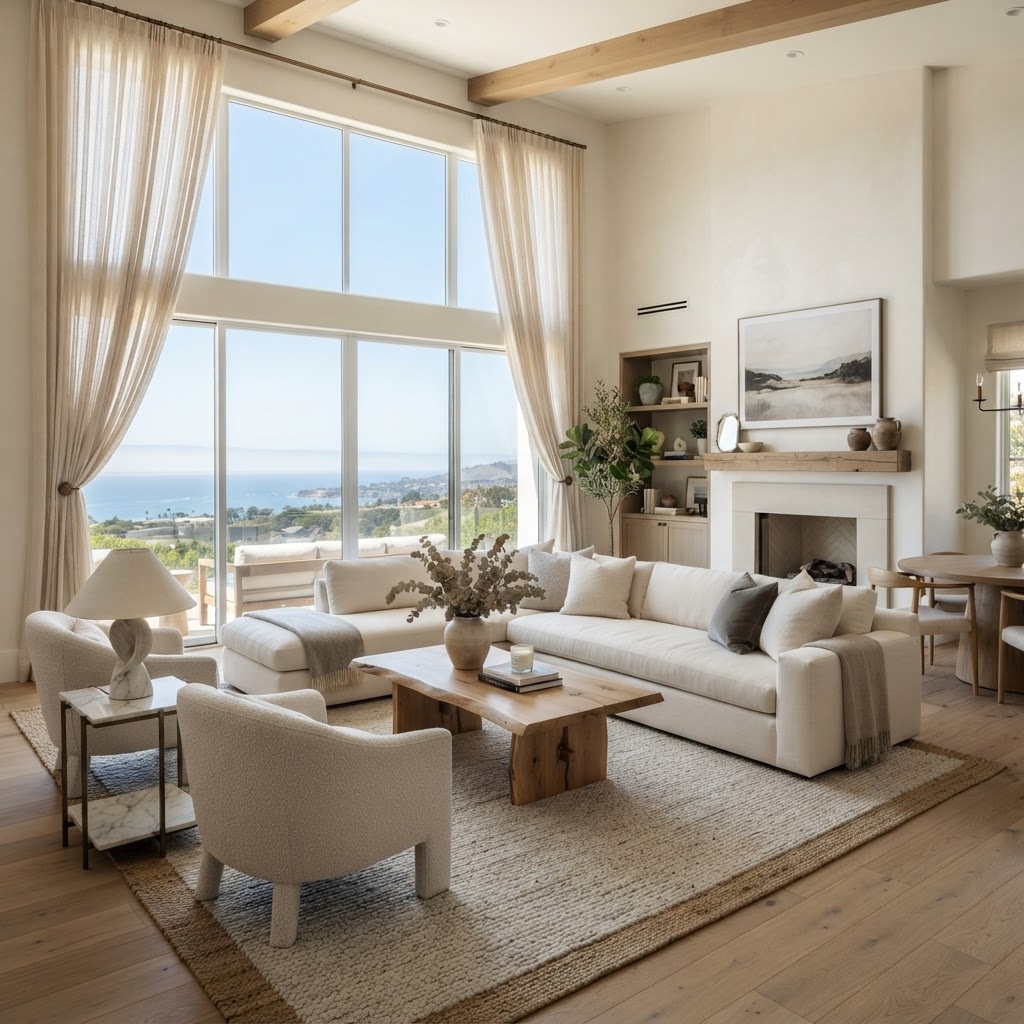
Transform Your Space with These 5 Clever Window Treatment Ideas
Changing your curtains or shades is the fastest way to give your room a complete makeover. Discover how the right window dressings can add texture and sophistication to any space in your home.
Layered Textures for a Custom Look
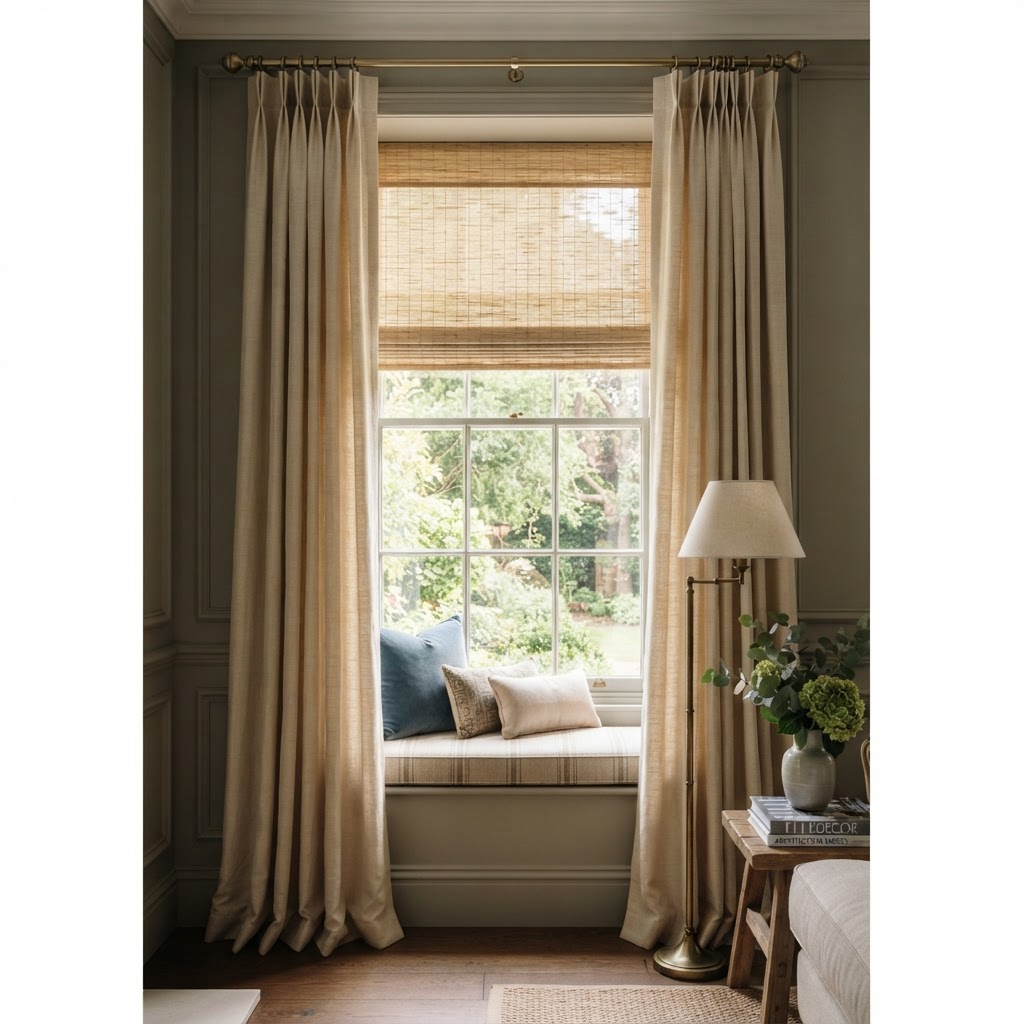
Honestly, layering window treatments is one of those tricks that separates a thoughtfully designed room from one that just kind of happened. When you combine different fabrics and materials at the same window, something almost magical occurs. The space starts to feel intentional, warm, and genuinely curated rather than pulled together on a Saturday afternoon at the big box store.
The classic combo is a sheer curtain paired with a heavier drape. The sheer does the daytime work, letting in soft light while keeping some privacy, and the heavier panel comes into its own at night or when you want to block out the world entirely. But here's the thing, you don't have to stop there. Adding a Roman shade underneath both layers gives you three separate levels of light control, and that kind of flexibility is genuinely underrated in everyday living.
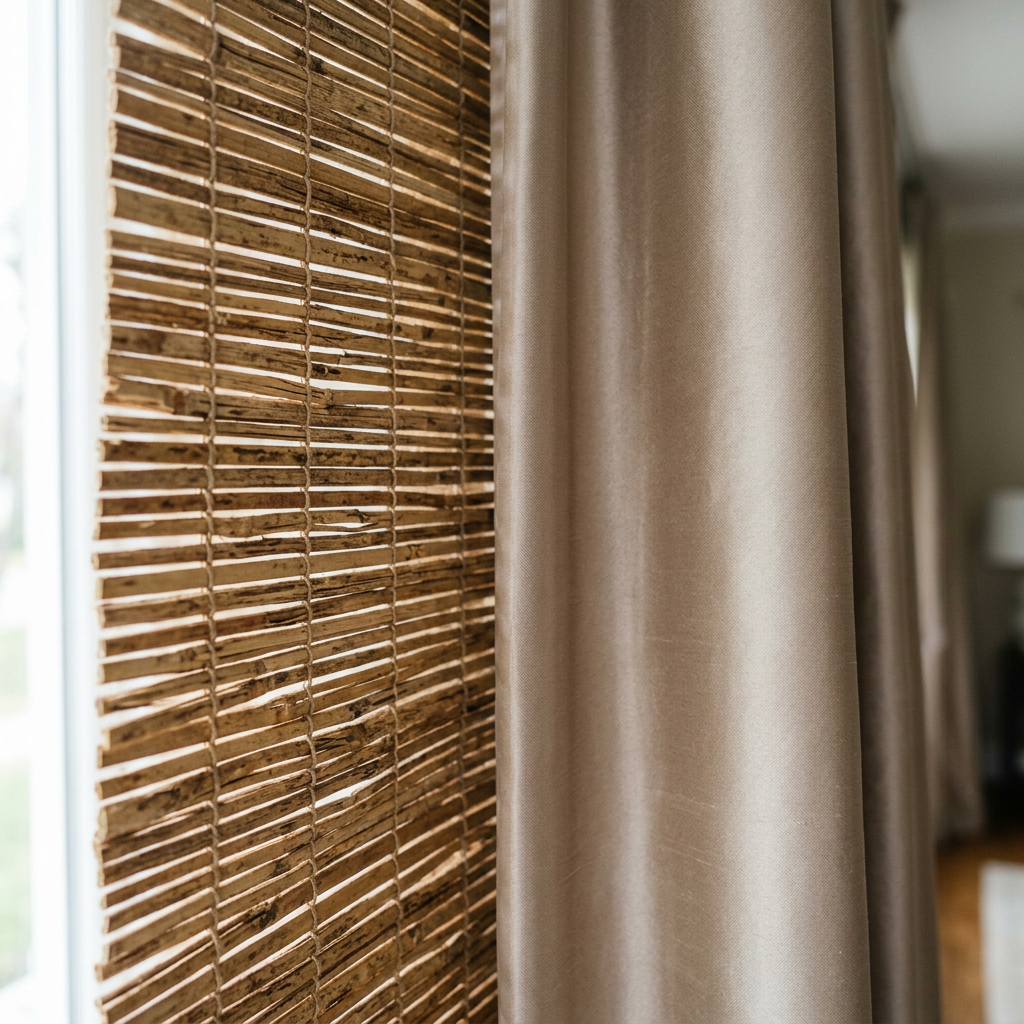
Texture contrast is where this idea really sings. Try pairing a nubby linen sheer against a smooth velvet panel. The roughness against the silkiness catches light differently throughout the day, and your window becomes almost like a living piece of art. It sounds a bit extra, but trust me on this, once you experience it in person you'll wonder why you ever hung a single lonely panel and called it done.
When shopping for layered treatments, keep your color palette tight. You don't need to match everything exactly, but working within the same tonal family keeps things cohesive. Think warm whites and creams, or deep navies and greys. The texture provides all the visual interest you need without things feeling chaotic. And honestly, this approach works in pretty much any room, from a formal living space to a cozy bedroom.
- Start with a sheer base layer for diffused daytime light
- Add a mid-weight panel in a contrasting texture like linen or cotton twill
- Finish with a heavier outer drape in velvet or blackout fabric for evening privacy
- Keep hardware consistent across all layers for a pulled-together look
Going High with Ceiling Mounted Curtains
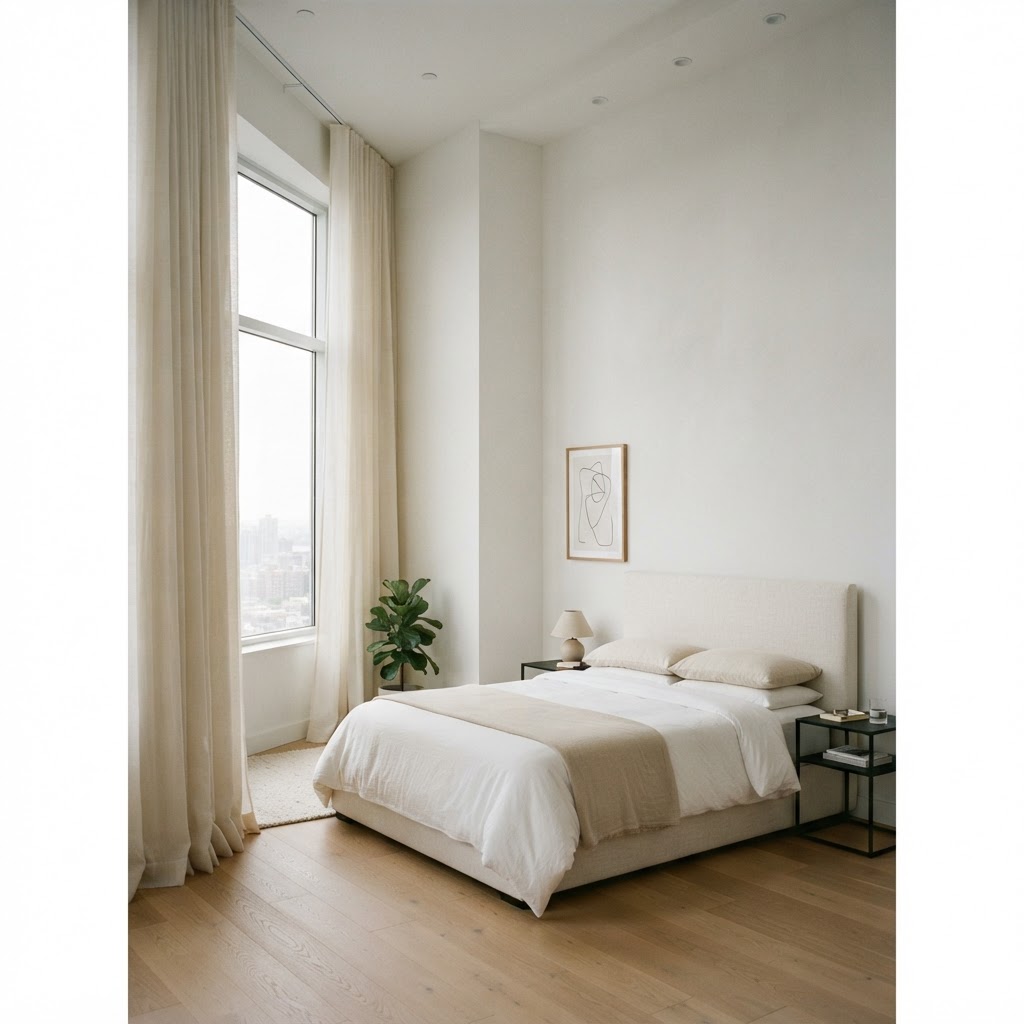
Real talk, if there's one window treatment tip that interior designers have been quietly using for decades while the rest of us hung our curtain rods four inches above the window frame, it's this one. Mounting your curtain rod at or very near the ceiling is hands down one of the easiest ways to make a room feel bigger, taller, and more luxurious. No renovation required. Just different hardware placement.
The psychology behind it is pretty simple. When your eye follows a curtain panel all the way from the ceiling to the floor, your brain registers the full height of the room. When the rod sits just above the window, your eye stops there and the space feels truncated, boxed in. Raising the rod is essentially a visual illusion that costs you almost nothing extra, maybe just a bit more fabric length.
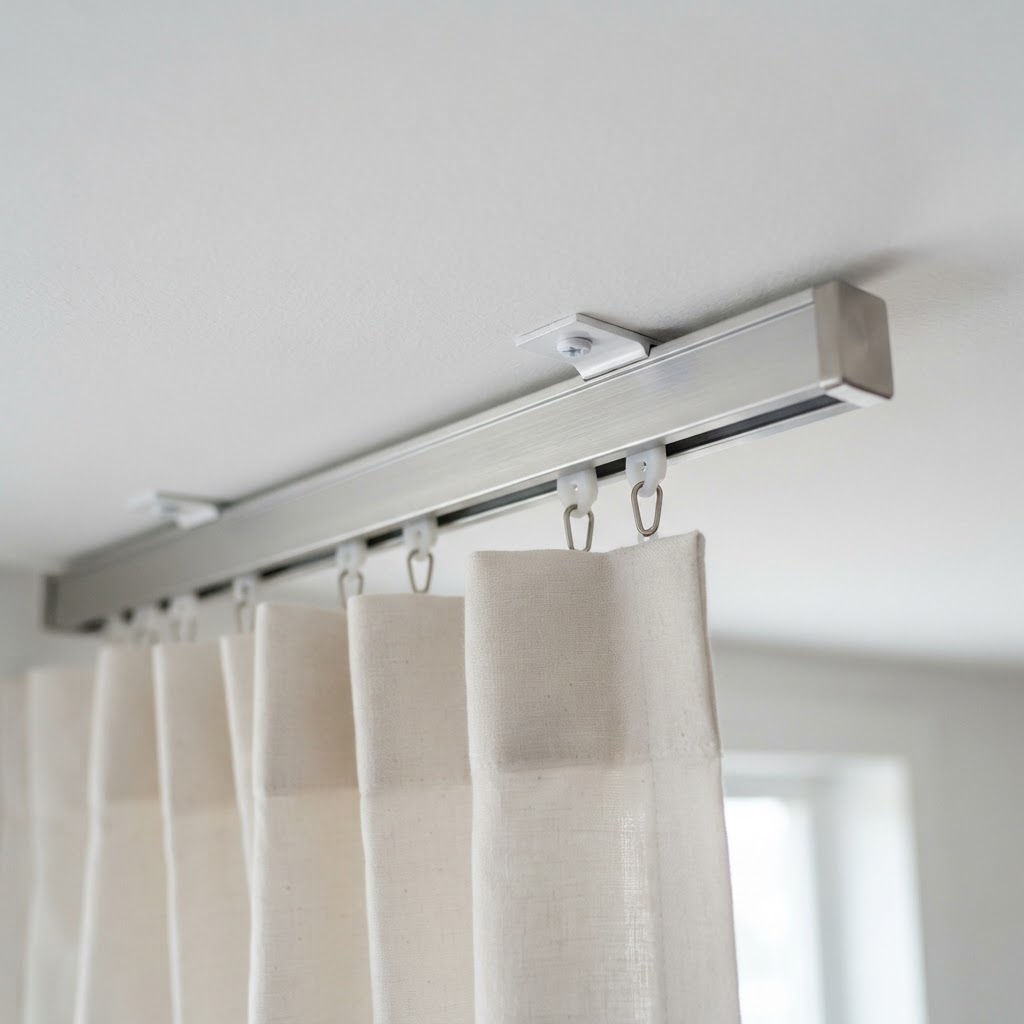
Here's the thing though, the width matters just as much as the height. Extend your rod well beyond the sides of the window frame, ideally 10 to 16 inches on each side. This does two things. First, it lets you pull the panels completely clear of the glass when open, maximizing your light. Second, it makes the window itself look wider and more grand than it actually is. You're essentially creating the illusion of a much more impressive architectural feature than you actually have.
For this look to work its best, you need floor-length panels, and I mean genuinely floor-length. A slight puddle on the floor looks intentional and luxurious. Panels that hover an inch or two above the floor look like a mistake. If you're going ceiling to floor, commit to it fully and let that fabric breathe all the way down. Heavier fabrics like velvet or thick linen work particularly well because they hang with real weight and drama.
"Mounting curtain rods at ceiling height is the single most impactful, low-cost change you can make to transform the perceived scale of a room."
Roman Shades for Clean Lines
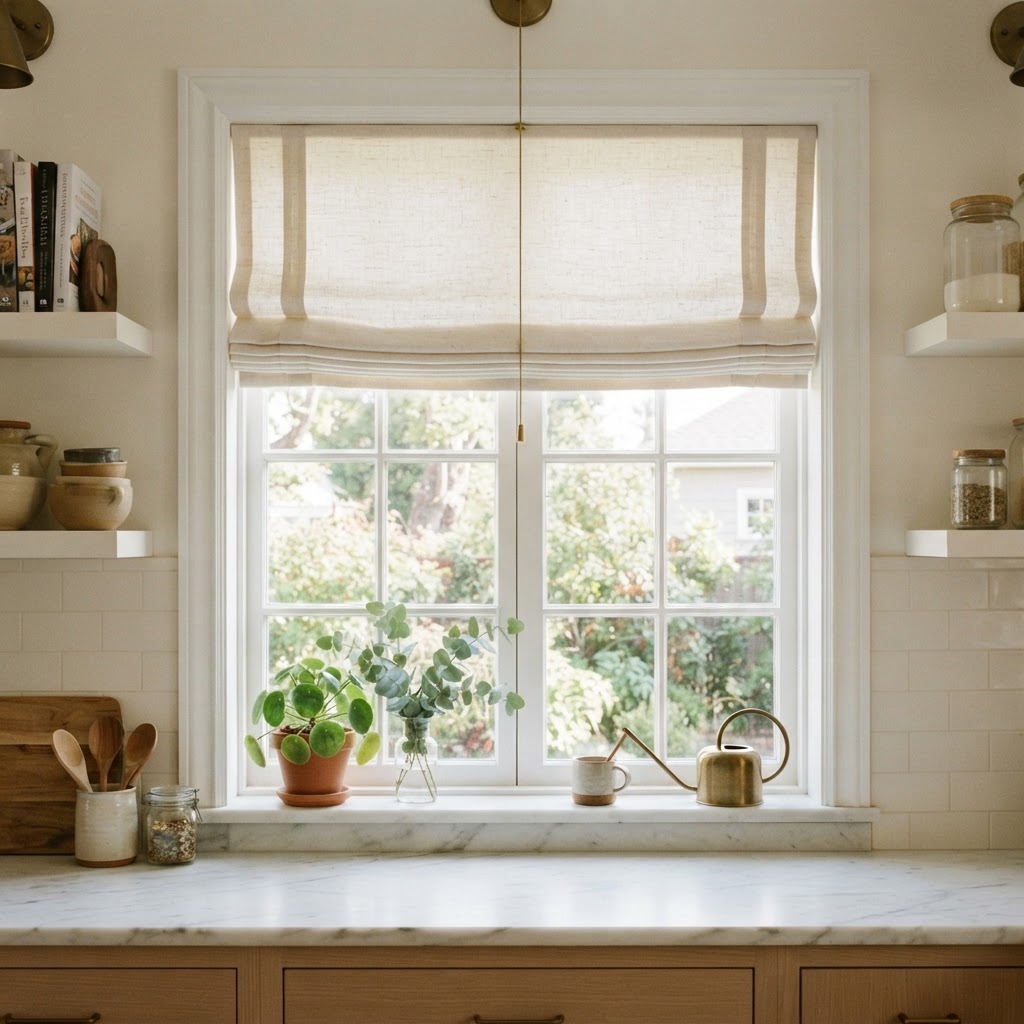
If layered curtains feel like too much for your taste, and look, that's a completely valid design preference, Roman shades might be exactly what you've been looking for. They're the tidy, architectural option that works beautifully in spaces where you want window coverage without a lot of visual noise. Kitchens, home offices, bathrooms, even minimalist living rooms all benefit enormously from a well-made Roman shade.
The beauty of a Roman shade is in its structure. When raised, it folds into neat horizontal pleats that sit cleanly at the top of the window. When lowered, it lies flat against the glass in a smooth, tailored panel. There's no bunching, no swaying in the breeze, no rings or hooks to fuss with. It's just a clean, controlled rectangle of fabric doing exactly what you need it to do.
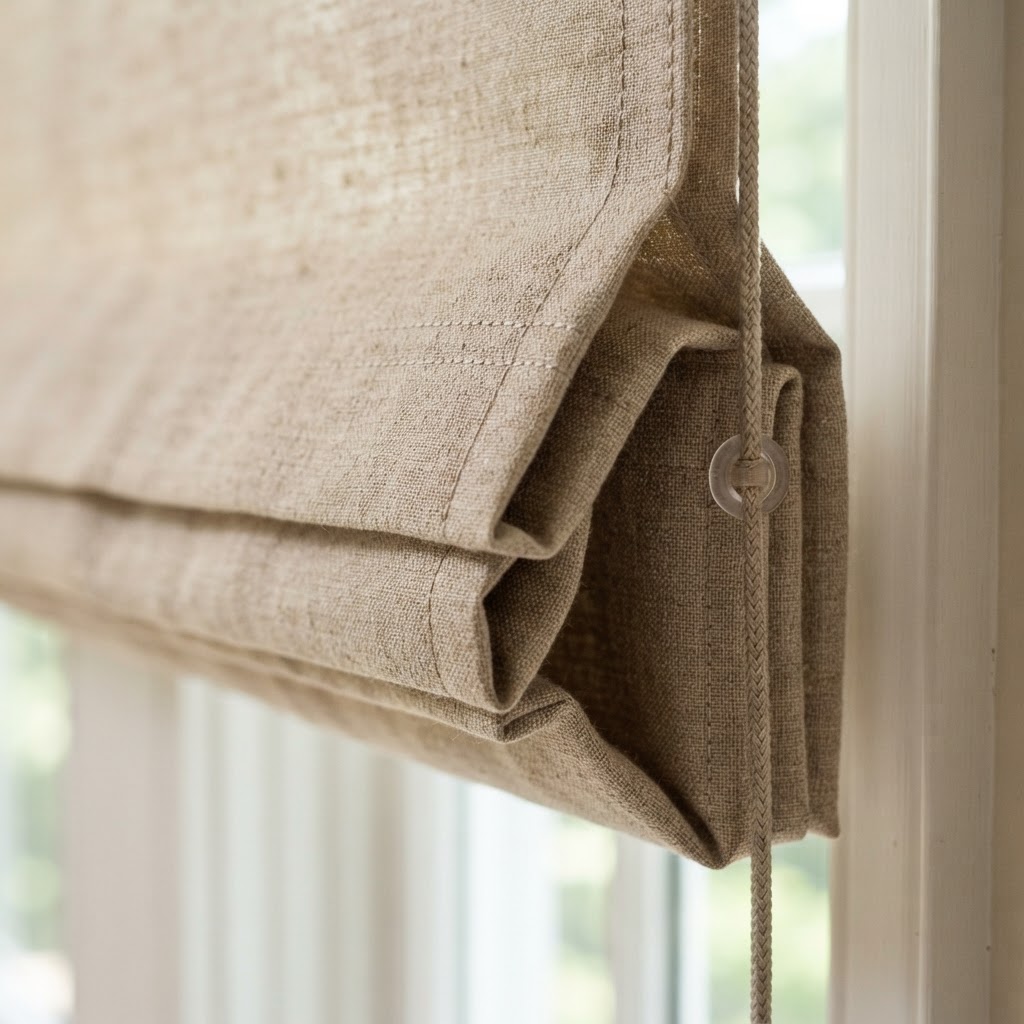
Fabric selection is critical here. A flat Roman shade in a patterned fabric is an absolute showstopper, and we'll get into bold patterns in a moment, but for the clean lines look, stick with solid linens, cotton canvas, or textured weaves in neutral tones. Ivory, warm grey, soft sage, these all feel fresh and current. The texture of the fabric does the decorative work so you don't need a pattern to make things interesting.
One thing people often overlook with Roman shades is the mount type. Inside mounts, where the shade fits within the window frame, look incredibly crisp and modern. Outside mounts, where the shade covers the frame entirely, give you more privacy and light blockage. For a truly polished result, pair an inside mount Roman shade with a simple wood or metal curtain rod and a lightweight sheer panel on either side. You get the clean lines of the shade plus a soft frame from the panels. It's a combo that works in almost any style home.
- Inside mount shades highlight the window architecture and look especially sharp in modern homes
- Flat fold style gives the cleanest, most contemporary silhouette
- Lining matters, always line your Roman shades for better drape and light control
- Custom sizing is worth the investment since off-the-shelf sizes rarely fit windows perfectly
Bold Patterns and Statement Colors
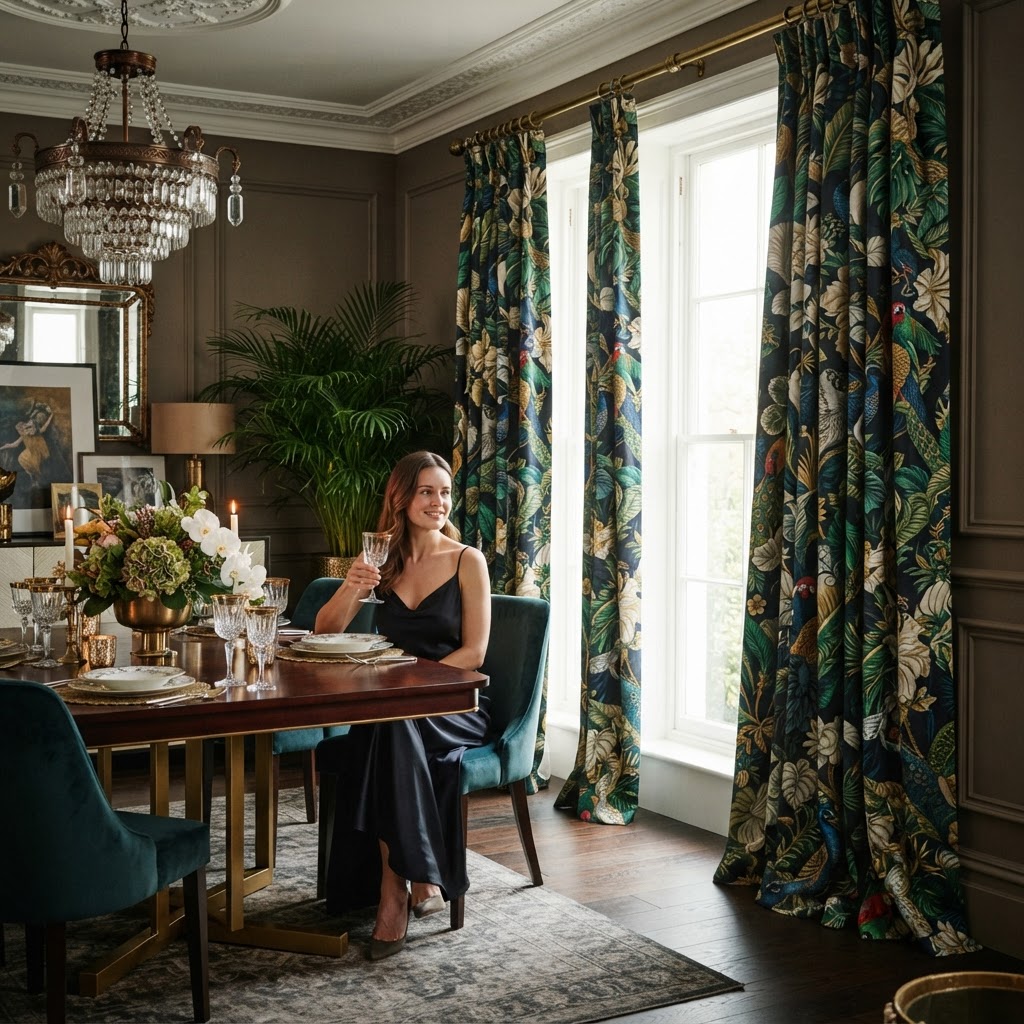
Okay, here's where things get really fun. Most people play it so safe with window treatments, defaulting to white, cream, or beige because they don't want to mess things up. And honestly, I get it. Curtains are a commitment. But treating your window treatments as a place to inject personality and color is one of the most effective and reversible ways to completely change the energy of a room.
Think about it this way. Curtains cover a significant vertical surface area in any room. When you hang floor-to-ceiling panels in a saturated color like deep forest green, terracotta, navy, or even a warm rust, you're essentially adding an accent wall without touching the paint. The color frames the window, grounds the room, and gives your eye a place to land. It's impactful in a way that a neutral treatment simply can't achieve.
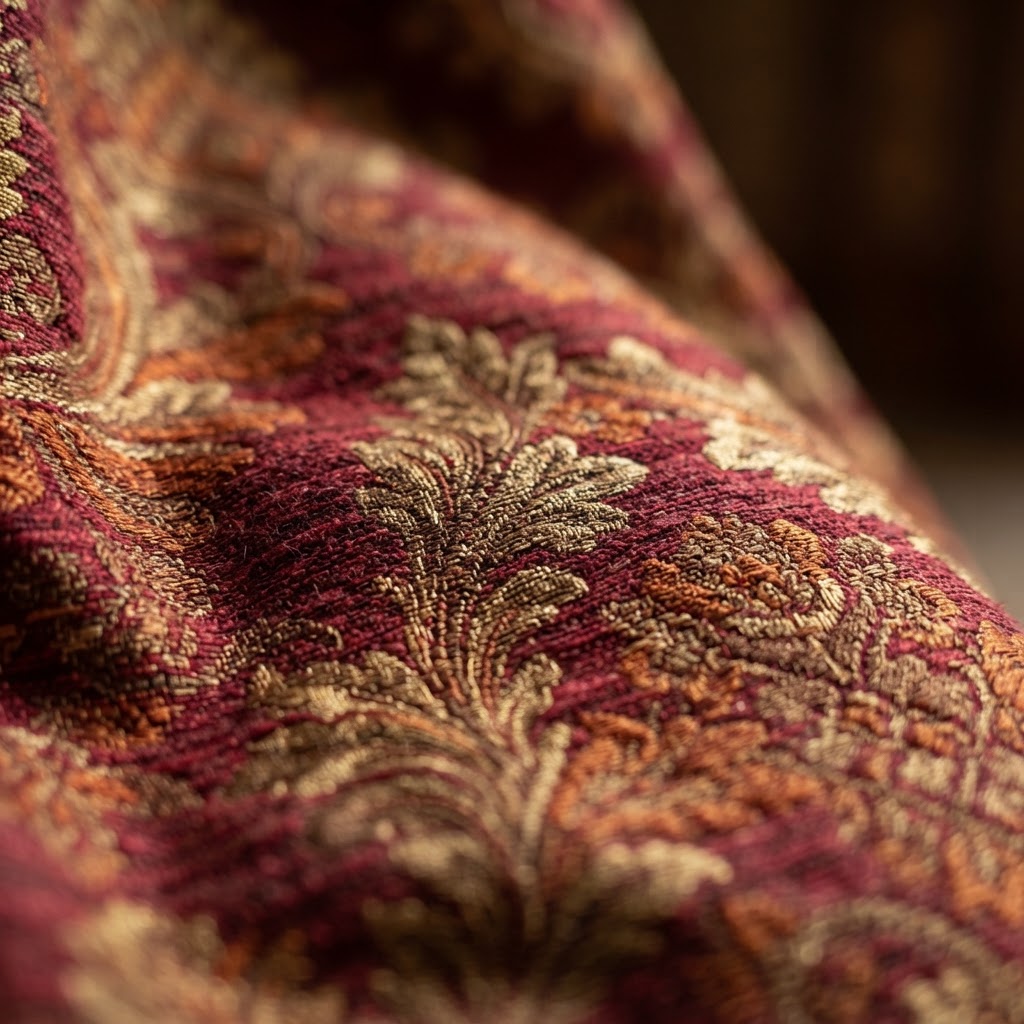
Patterns work on a similar principle but add movement and complexity. A large-scale botanical print, a graphic geometric, or even a classic stripe in an unexpected colorway can turn a plain window into the focal point of the whole room. The key with bold patterns is scale. Large prints work better on tall, wide windows and in rooms with higher ceilings. In a small room with low ceilings, a large repeat pattern can feel overwhelming, so scale down to a smaller print or use the pattern as an accent with solid panels flanking it.
Don't be afraid to mix pattern with your existing room decor either. The rule used to be that you couldn't mix patterns, but that's pretty outdated thinking. What you do need is a common color thread running through everything. If your sofa has a subtle stripe in ochre and your rug has a warm terracotta tone, curtains with a print that picks up both of those colors will feel cohesive even if the pattern itself is bold. It's about connection, not matchy-matchy sameness.
"Window treatments are one of the easiest places to be brave with color and pattern. Unlike paint, you can swap them out without a weekend of prep work."
Sheer Elegance for Diffused Light
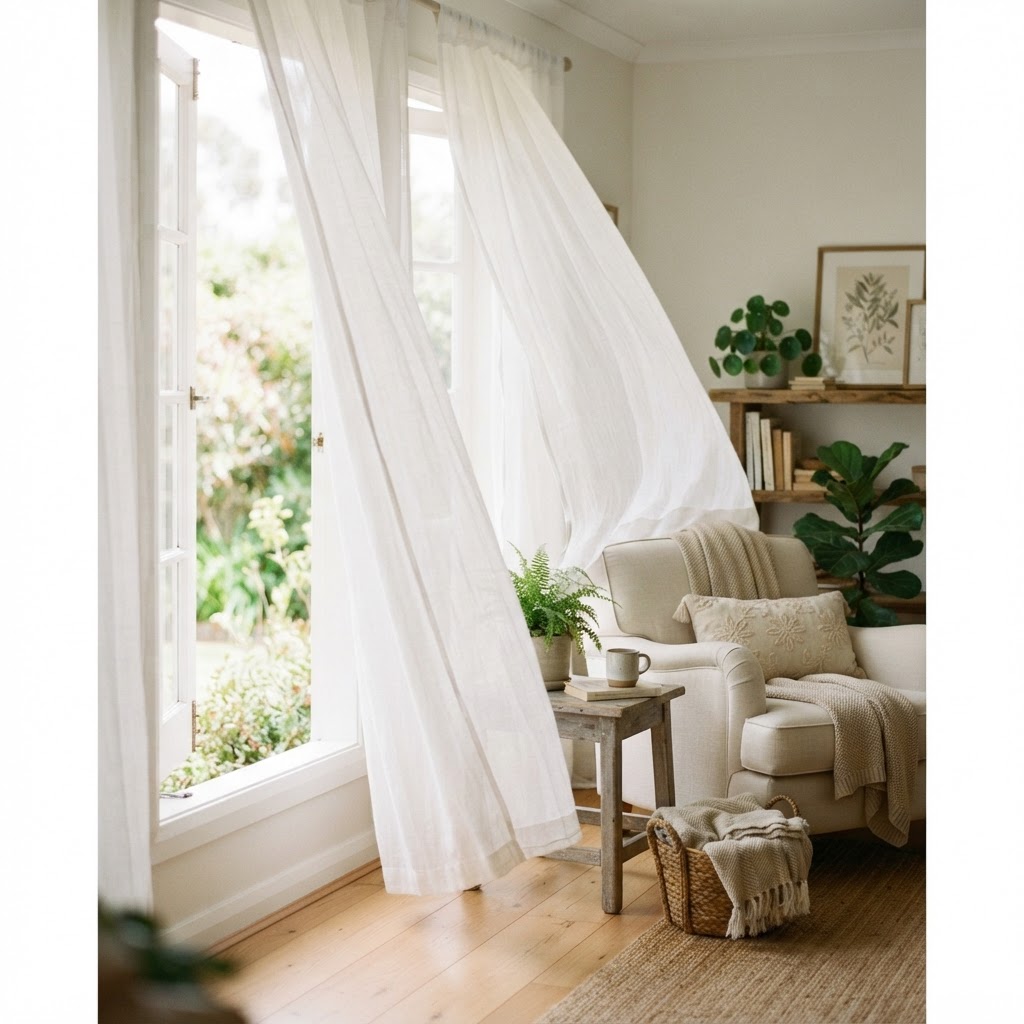
There's something genuinely romantic about a room filled with soft, diffused light filtering through sheer curtains. It feels like a Sunday morning all day long. Sheers are often dismissed as a starter option or something you add because you don't have a better idea yet, but honestly, when used with intention, sheer window treatments are incredibly sophisticated and hard to improve on.
The secret is in the weight and weave of the fabric. Cheap sheers have a synthetic, plastic-like quality that looks flat and slightly sad. But a beautiful linen sheer, or a fine cotton voile, or even a silk organza panel, these catch light in a way that feels alive. They move gently with air circulation, they glow warmly when the sun hits them in the afternoon, and they create a soft barrier between you and the outside world without making you feel walled in.
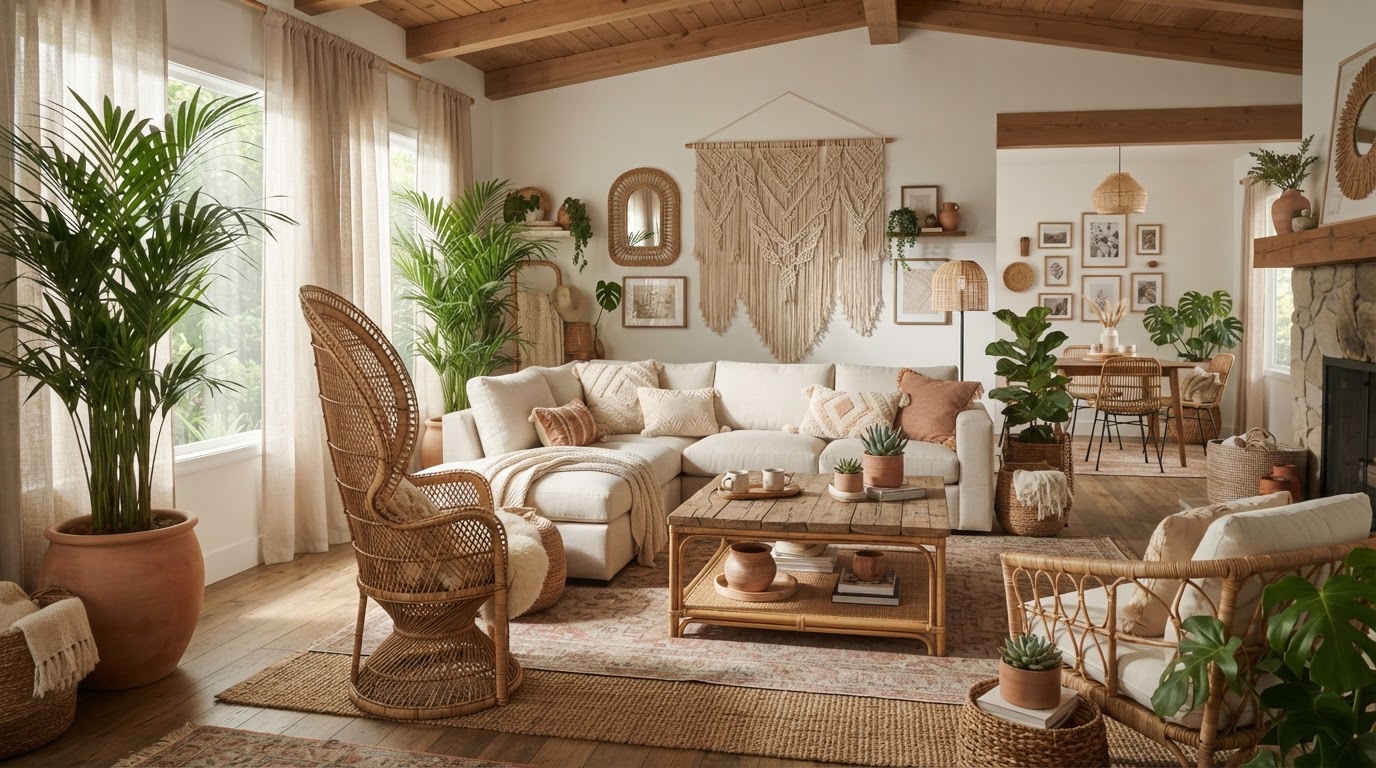
For maximum impact, hang your sheers ceiling to floor, just like we talked about with heavier drapes. The difference is that sheers in this configuration feel ethereal rather than dramatic. They soften the whole room rather than commanding attention. This works especially well in bedrooms, sunrooms, dining rooms, and any space where you want to feel comfortable and unhurried. A room full of soft light has a genuinely calming effect on the nervous system, and good sheers are the simplest way to achieve that.
Practically speaking, sheers work beautifully on their own in rooms where you don't need heavy privacy, like a street-facing living room during the day or a bedroom that doesn't face a neighbor. For spaces requiring more control, layering them with blackout panels behind gives you all the flexibility you need. Use the sheers during the day for that gorgeous diffused glow and pull the blackout panels closed at night. You get the best of both worlds without sacrificing the dreamy daytime atmosphere that made you want sheers in the first place.
- Choose natural fiber sheers like linen or cotton voile over synthetic alternatives for better light quality
- Use generous fullness, at least double the window width in fabric so panels look lush rather than skimpy
- Keep hardware minimal with simple slim rods in matte brass, black, or white
- Layer with blackout panels when privacy is a priority at night
- Let them puddle slightly on the floor for a soft, relaxed feel in bedrooms and lounges
Final Thoughts
Window treatments are one of those design elements that people tend to put off or underestimate, and I completely understand why. There are so many options, the sizing can be tricky, and it feels like a big commitment. But here's the thing, the right window treatment genuinely transforms how a room feels to live in. It affects your light, your privacy, your sense of scale, and your overall mood in the space more than almost any other single element.
Whether you go for the layered texture approach, commit to ceiling-height drama, keep things clean with Roman shades, go bold with color and pattern, or embrace the gentle beauty of sheers, the most important thing is to make an intentional choice. Pick something that suits how you actually live in the room and what you want to feel when you're in it. Trust your instincts on this one. Your windows deserve better than an afterthought, and so does the room they're in.
More in Interior
Stay Inspired
Subscribe for new essays on architecture, design, and the spaces that shape us.