
Silence is Golden: The Ultimate Guide to Acoustic Design in Your Home
Turn your home into a peaceful sanctuary by mastering the art of sound control. This guide covers everything from choosing the right materials to clever layout tricks that stop unwanted noise for good.
Understanding Sound Absorption Basics
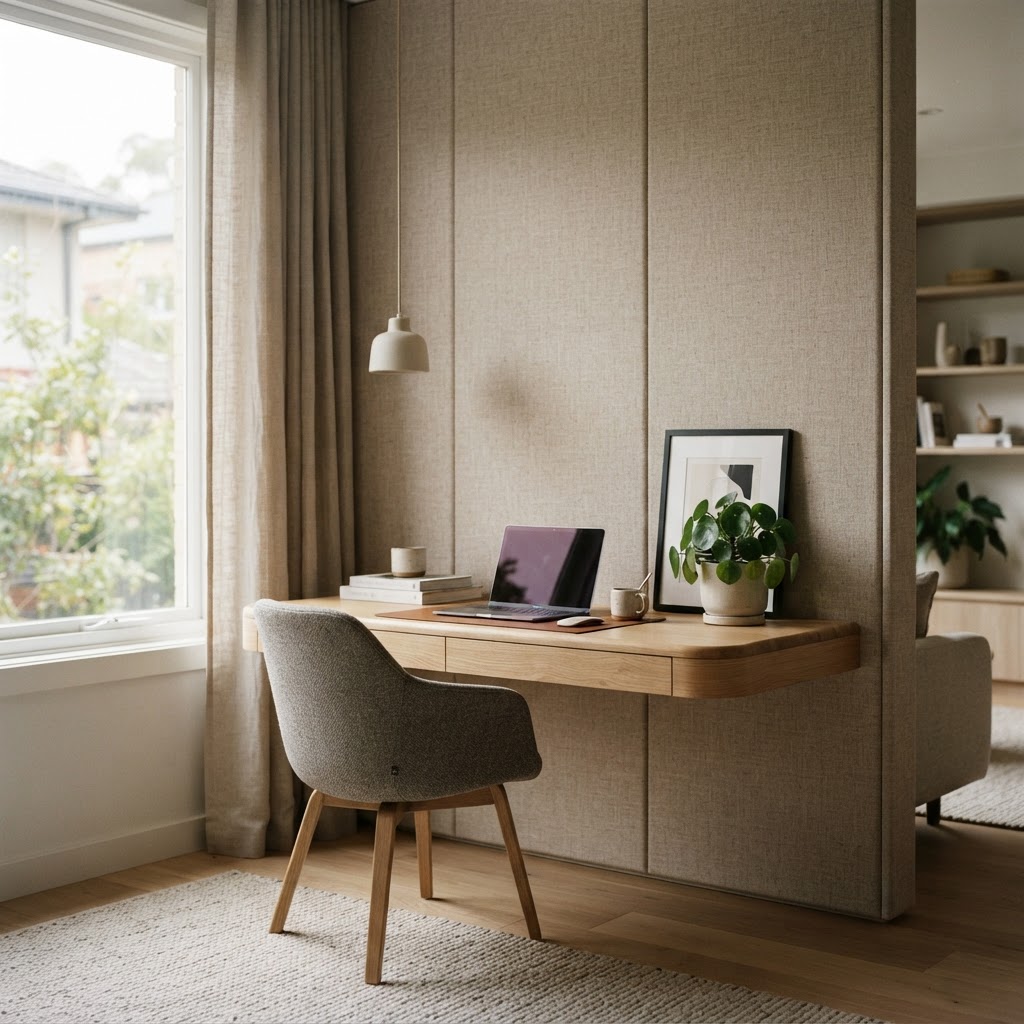
Before you start buying foam panels and thick curtains, you need to actually understand what you're fighting against. Sound, at its most basic, is just energy moving through the air as waves. When those waves hit a hard surface, like a bare concrete wall or a glass window, they bounce right back. That bouncing is what creates echo, reverberation, and that awful hollow feeling you get in an empty room. It's also what lets your neighbor's TV seep through your walls at 11pm.
Here's the thing: there's a real difference between sound absorption and sound blocking, and mixing them up is one of the biggest mistakes people make when trying to fix noise problems at home. Absorption is about reducing echo and reverberation inside a room. Blocking, or soundproofing, is about stopping sound from traveling between spaces. Most interior design solutions address absorption, not blocking. Honestly, true soundproofing requires construction-level changes like adding mass to walls, decoupling structures, and sealing every single air gap. That's a different conversation entirely.

What most of us are actually dealing with is room acoustics, and that is something you can absolutely improve through thoughtful design choices. Sound absorption works by converting sound energy into heat through friction inside porous materials. Soft, fibrous, and textured surfaces absorb sound waves rather than reflecting them. Think fabric, foam, cork, wool, and dense upholstery. The more of these materials you layer into a space, the calmer and quieter it will feel.
Architects and acoustic engineers use a measurement called the NRC (Noise Reduction Coefficient) to rate how well a material absorbs sound. An NRC of 0 means total reflection, and a 1.0 means total absorption. Most materials fall somewhere in between. Heavy velvet curtains might score around 0.35 to 0.55. A thick carpet with padding can hit 0.30 to 0.55. Bare hardwood floors? Often less than 0.05. These numbers matter when you're making decisions, so keep them in the back of your mind as we go through each design element.
Real talk: you don't need to turn your home into a recording studio to make a meaningful difference. Even modest changes, layering a few rugs, adding some upholstered furniture, hanging soft window treatments, can dramatically reduce the acoustic harshness of a room. The goal is to create a balanced space where sound is controlled without feeling suffocating or over-padded.
Choosing Flooring and Rugs for Noise Reduction
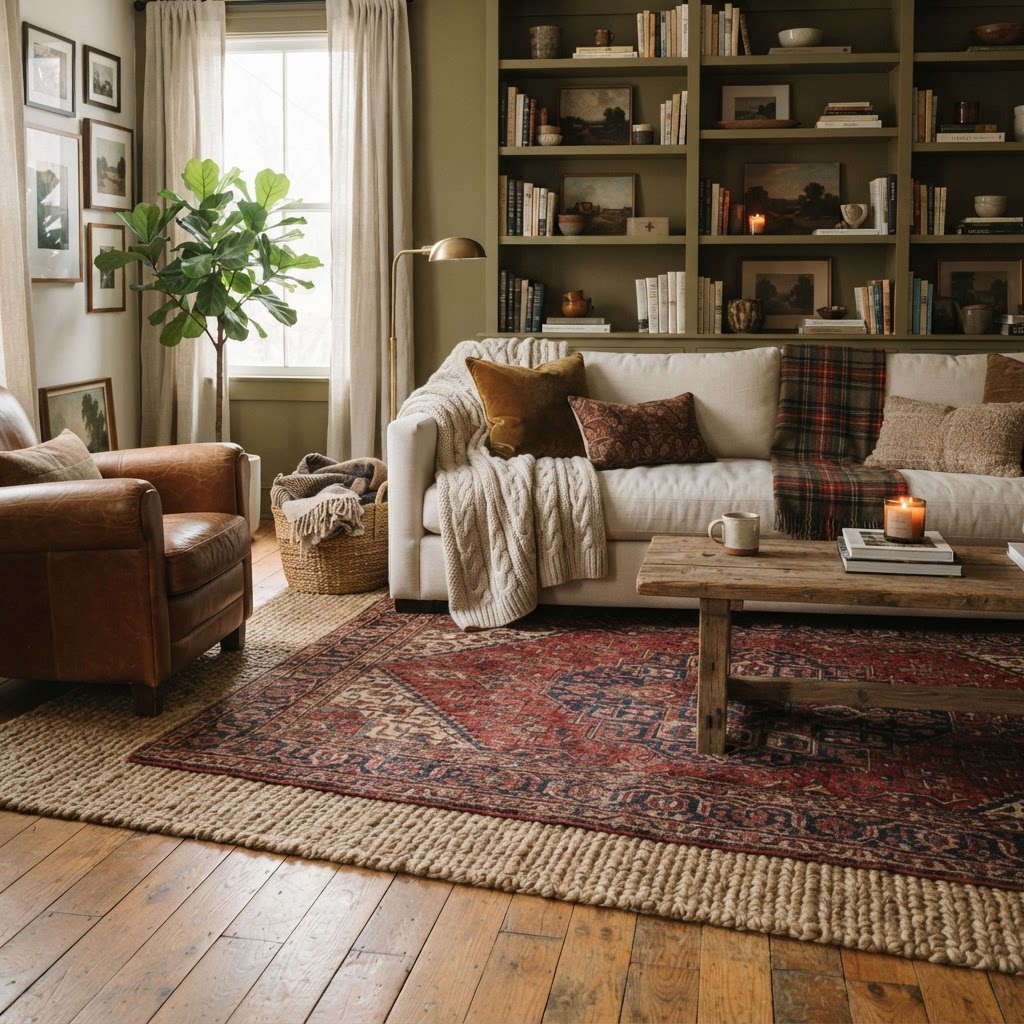
Let's be honest, flooring is probably the single biggest acoustic lever you have in your home. The floor accounts for a massive surface area in every room, and the difference between a bare hardwood floor and a well-padded area rug is staggering in terms of sound control. If you live in an apartment building, this is also a matter of being a decent neighbor, because impact noise like footsteps travels directly through floor structures and into the unit below.
Hard flooring materials like hardwood, tile, polished concrete, and laminate all have very low NRC ratings. They look incredible, and I'm not telling you to rip them out, but you need to layer them with soft textiles to compensate. Cork flooring is genuinely one of the most underrated options out there. It's naturally porous, has a decent NRC rating on its own, and honestly looks quite beautiful in the right space. Carpet, especially with a thick underlay, is still the gold standard for acoustic performance. Wall-to-wall carpet with a dense rubber or foam pad underneath is about as good as it gets for impact noise reduction.
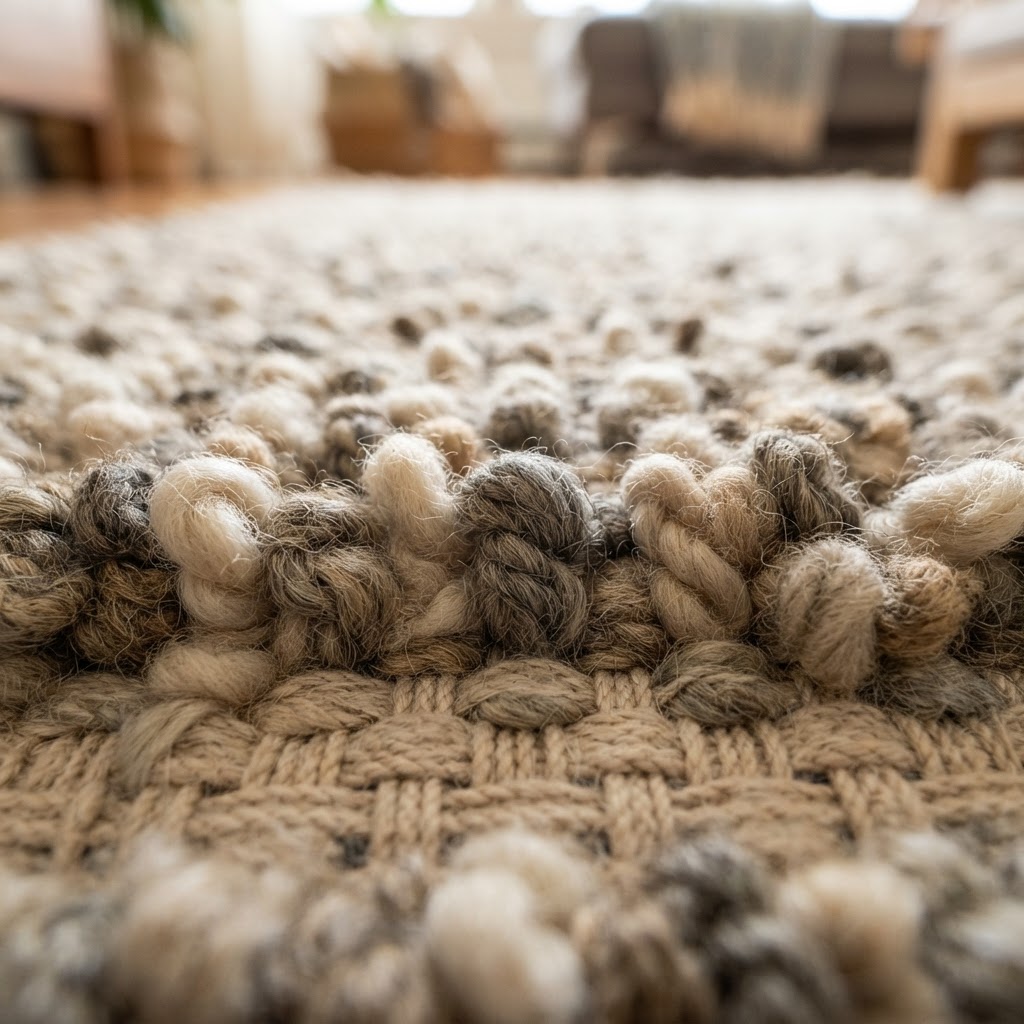
Now, if you're keeping your hardwood or tile, here's what you should do. Invest in area rugs, big ones, with quality rug pads underneath. The rug pad is not optional. A cheap thin rug on bare floor does almost nothing acoustically. But that same rug sitting on a 10mm thick felt and rubber rug pad? Completely different story. The pad adds mass and cushioning that the rug alone simply can't provide. Look for rug pads made from dense felt, natural rubber, or a combination of both.
When choosing the rug itself, prioritize pile height and density over visual pattern. A thick, high-pile wool rug will always outperform a thin flatweave cotton rug acoustically, regardless of how pretty that flatweave looks. For living rooms and bedrooms, go as large as your layout allows. A rug that actually sits under your sofa legs and extends a good foot beyond your seating arrangement does far more work than a decorative accent rug in the middle of the room. And honestly, it looks better too. Layering two rugs, a flatweave base with a plush topper, is a design trend right now that doubles as legitimate acoustic strategy.
The Role of Window Treatments in Sound Blocking
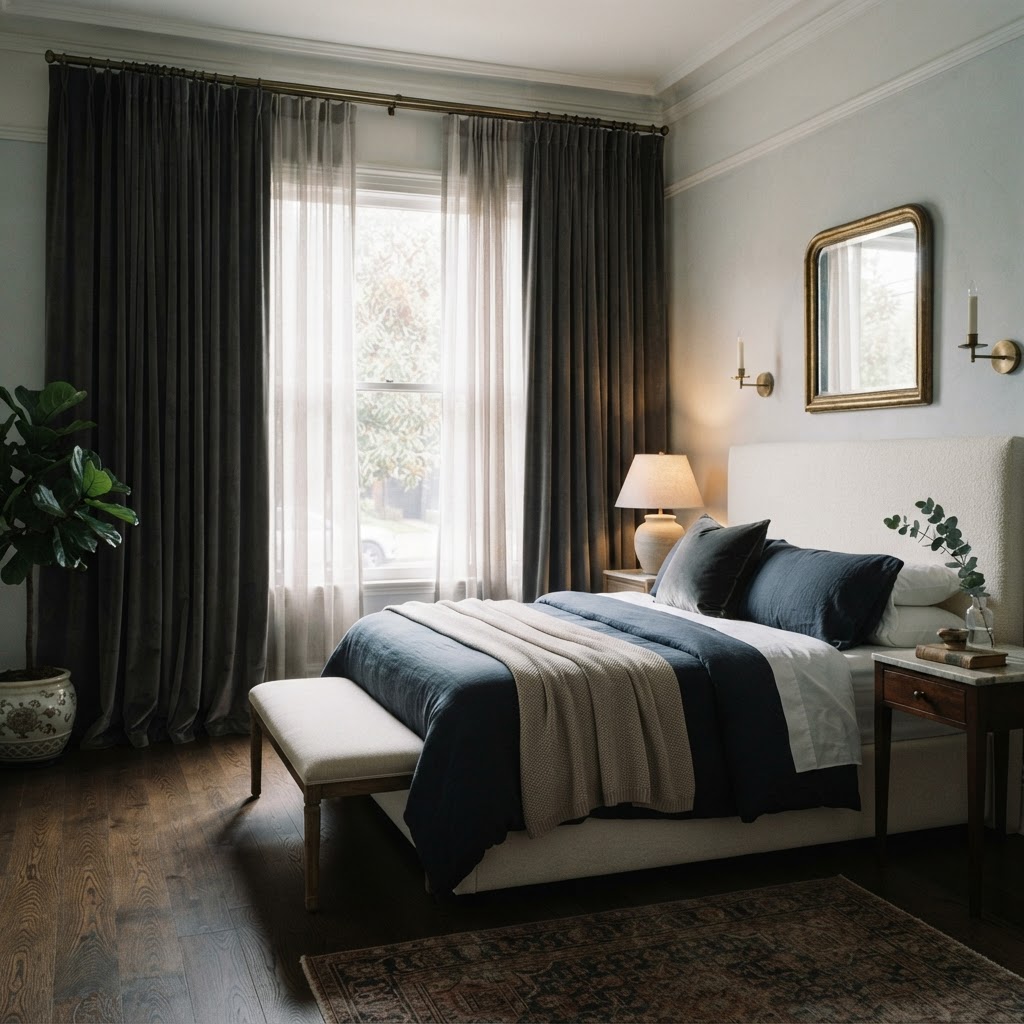
Windows are basically holes in your wall. Acoustically speaking, that's exactly what they are. Even double-glazed windows let in a significant amount of exterior noise compared to a solid wall, and single-pane windows are almost laughably ineffective. The glass vibrates, the frame gaps let air through, and air is the medium that carries sound. So if you live near a busy road, a train line, or you just have noisy neighbors, your windows are probably the main culprit.
The most effective window treatments for sound are heavy, floor-length curtains with a tight weave. We're talking about acoustic curtains or sound-dampening curtains, which are specifically designed with multiple layers of dense fabric and sometimes a mass-loaded inner layer. They won't eliminate exterior noise the way replacing your windows with acoustic glass would, but they make a genuinely noticeable difference, especially for higher-frequency sounds like traffic and voices.

Here's a trick that interior designers and acoustic specialists both swear by: hang your curtain rod as close to the ceiling as possible, and let your curtains pool slightly on the floor. This maximizes the fabric coverage and also creates a small air gap between the curtain and the wall that actually helps trap sound energy. Avoid mounting your rod just above the window frame. It looks awkward, and it does far less acoustic work.
Roman blinds and honeycomb cellular shades are also worth mentioning. Cellular shades, especially double or triple cell designs, trap air in their fabric cells, and that trapped air acts as insulation for both sound and temperature. They're not as effective as heavy curtains for noise, but they're a great secondary layer or a good solution when heavy drapes feel too formal for the space. Layering sheer curtains beneath heavier drapes also adds an extra acoustic barrier while giving you flexibility with light control throughout the day.
Furniture Placement and Layout Tricks

This is the part that most people completely overlook, and honestly it's a shame because furniture placement is a free acoustic upgrade. The way you arrange your furniture directly affects how sound moves through a space, where it reflects, where it gets absorbed, and how much of it sneaks through to adjoining rooms. It's not magic, but it's real, and when you combine it with the other strategies in this guide, it adds up.
Start with your bookshelves. A large, fully loaded bookshelf placed against a shared wall between your apartment and your neighbor's is genuinely one of the best things you can do for sound transmission. The books themselves are dense and irregular in shape, which means they scatter and absorb sound rather than reflecting it cleanly. The mass of the bookshelf adds a secondary barrier against the wall. Floor-to-ceiling bookshelves on party walls are a classic architect's trick, and they look spectacular too. Win-win, honestly.

Upholstered furniture, your sofas, armchairs, ottomans, headboards, all absorb sound. The more upholstery in a room, the less reverberation you'll experience. This is why a furnished room always sounds dramatically different from an empty one. When placing your sofa, avoid pushing it flat against a reflective wall. Pull it a few inches forward, and if possible, place it perpendicular to the sound source you're trying to dampen. This slight separation allows sound energy to get absorbed by the back of the sofa rather than bouncing cleanly off the wall behind it.
Also think about the ceiling. Tall ceilings are beautiful but acoustically brutal. If you have a high-ceiling space that echoes terribly, consider a large pendant light with a fabric shade, hanging textile art, or even a canopy-style fabric installation. Sound hitting a soft surface above you gets absorbed instead of bouncing back down. It's also just a visually cozy thing to do. Layering soft elements at multiple heights, floor, mid-level, and ceiling, creates an acoustic buffer in three dimensions rather than just one.
Modern Decorative Acoustic Solutions

Okay, here's where things get genuinely exciting, because the acoustic product market has had a glow-up in recent years that is honestly impressive. Gone are the days when acoustic treatment meant ugly grey foam wedges that made your living room look like a budget recording studio. Today's decorative acoustic solutions are legitimately beautiful, and many of them are designed by serious architects and product designers who understand that a panel you're embarrassed to look at is a panel you'll never actually install.
Acoustic wall panels are probably the most talked-about category right now. You can get them in fabric-wrapped formats in hundreds of colors and textures, in felt that can be cut into geometric shapes and compositions, in perforated wood veneer that looks like high-end cabinetry, and even in natural cork with beautiful grain patterns. Many brands now offer modular systems that let you create custom configurations. The visual effect is somewhere between art installation and architecture, and the acoustic performance is genuinely excellent. Look for panels with NRC ratings printed on the spec sheet. Anything above 0.70 is solid for a residential application.
Acoustic ceiling clouds and baffles are worth serious consideration if you're dealing with a large open-plan space or a room with very high ceilings. These are suspended panels or hanging forms that intercept sound waves before they can fully develop into reverberation. Some of them are genuinely sculptural, hanging in layered formations that look intentional and architectural. Companies like Autex, Baux, and Abstracta make products that honestly belong in the pages of an architecture magazine, and they work.
- Acoustic art panels: You can commission or purchase artwork printed onto high-performance acoustic substrate. These hang like regular art but absorb sound. The acoustic layer is hidden behind the printed surface, so they look completely normal to any visitor.
- Felt tile systems: Modular felt tiles in geometric patterns have become incredibly popular for accent walls, home offices, and nurseries. They're easy to install, renter-friendly, and available in beautiful color palettes.
- Upholstered headboards and wall panels: A large upholstered headboard does double duty as bedroom acoustic treatment and design centerpiece. Extending upholstered panels along the wall on either side amplifies this effect significantly.
- Textile wall hangings: Macrame, woven tapestries, and large-format textile art all provide meaningful sound absorption. This is ancient wisdom dressed up in modern design language, and it works just as well now as it did in medieval tapestry-lined halls.
- Plants: Dense, leafy plants offer a small but real acoustic benefit, particularly for mid and high-frequency sounds. A wall of potted plants or a large fiddle leaf fig in a corner isn't going to transform your room acoustically, but it contributes to the layered approach, and it looks incredible.
Trust me on this: the best acoustic treatment strategy is one that you actually implement, which means it has to look good enough that you want it in your home. The functional acoustic products available today are genuinely on par with decorative design products, so there's no reason to settle for anything that feels like a compromise.
Final Thoughts
Acoustic design is one of those areas where a little knowledge goes a really long way. You don't need to gut your home or spend a fortune to make meaningful improvements. Start with your floors, add rugs with proper pads. Work your way up to window treatments, then look at your walls and furniture arrangement. Layer in dedicated acoustic products where you need the most help, whether that's a noisy home office, a lively open-plan kitchen and living area, or a bedroom that faces a busy street.
The quieter and more controlled your acoustic environment, the better you'll sleep, the clearer your conversations will feel, and the more genuinely relaxed you'll be in your own home. Sound affects us emotionally and physiologically in ways we often don't consciously register until the noise is gone. And once you experience a properly tuned, acoustically balanced room, you won't want to go back. It's one of those invisible design upgrades that changes everything about how a space feels to live in.
So start somewhere, anywhere, and build from there. Your ears will thank you.
More in Sustainable



Stay Inspired
Subscribe for new essays on architecture, design, and the spaces that shape us.