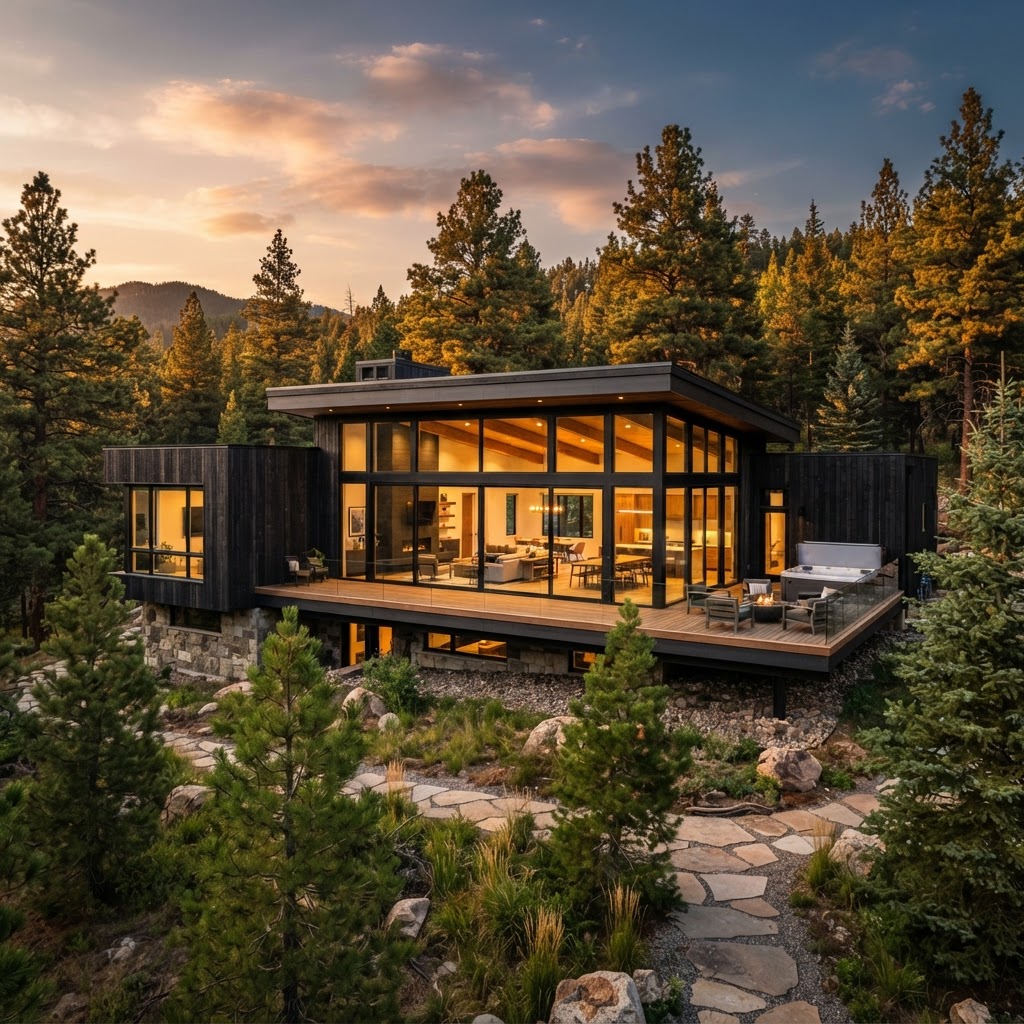
Modular Architecture 101: Why Prefab is the Future of Stylish Living
Modular homes are shaking up the world of residential design with their blend of efficiency and modern aesthetics. This guide explains how prefabricated structures offer a sustainable and stylish solution for contemporary living without sacrificing quality.
What Exactly is Modular Architecture?
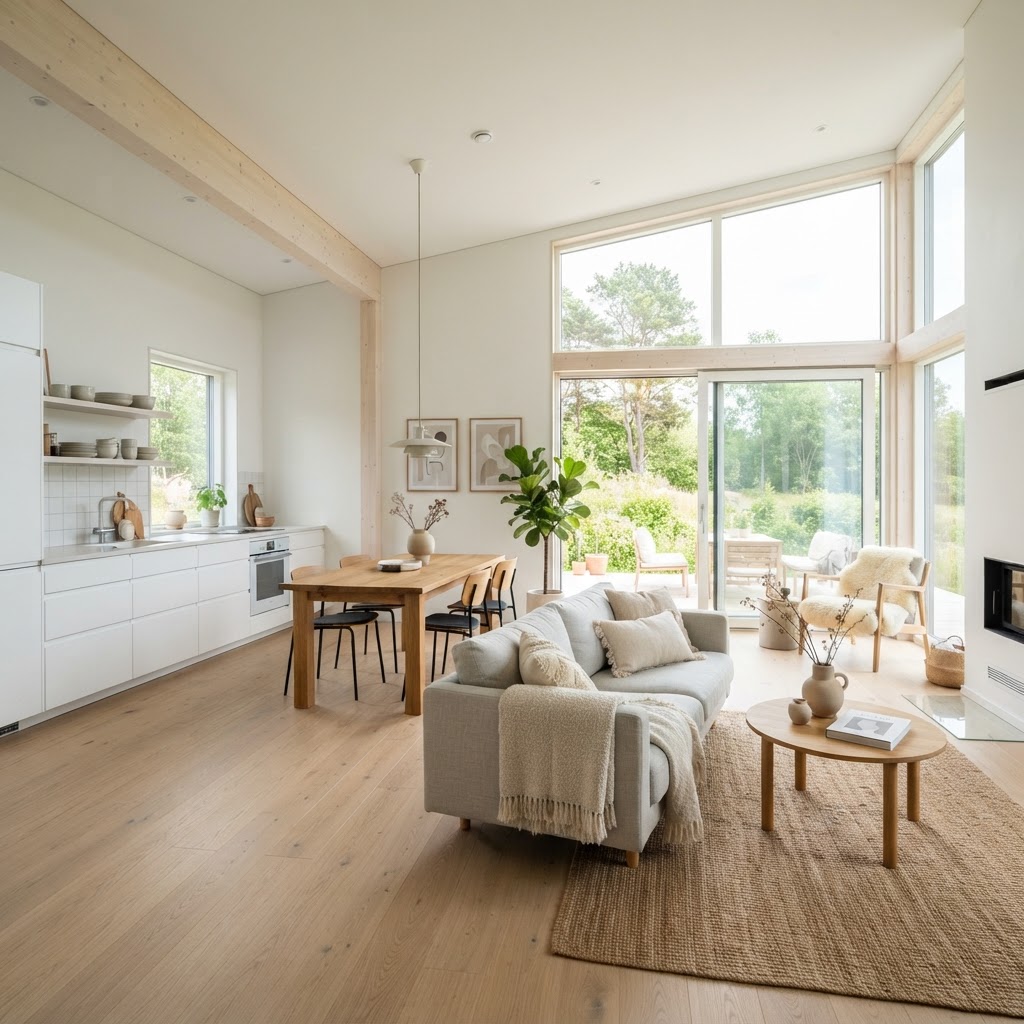
Okay, so let's start at the beginning because there's actually a lot of confusion around this term. Modular architecture, sometimes called prefab or prefabricated construction, refers to buildings that are made in sections, or "modules," inside a controlled factory environment. Those modules are then transported to a site and assembled together. That's really the core of it. But honestly, that simple description doesn't even begin to capture how sophisticated and genuinely beautiful these homes have become.
Here's the thing a lot of people don't realize: modular doesn't mean mobile. This is probably the biggest misconception floating around. A modular home sits on a permanent foundation, just like any site-built house. It's not a trailer, it's not a manufactured home in the traditional sense. It's a real, permanent structure that just happens to have been built in a smarter, more efficient way. The modules themselves are typically built to the same, or in many cases stricter, building codes as traditional construction because they have to survive transportation on top of everything else.
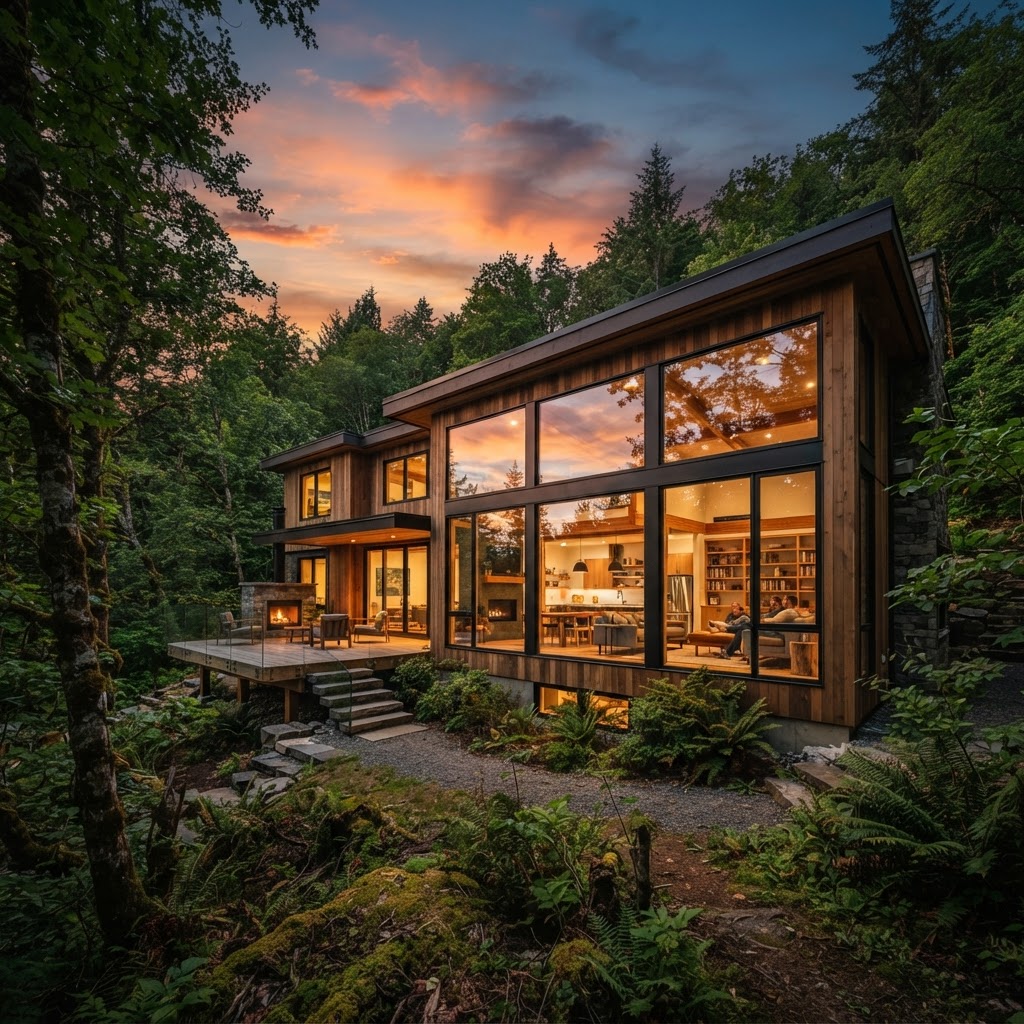
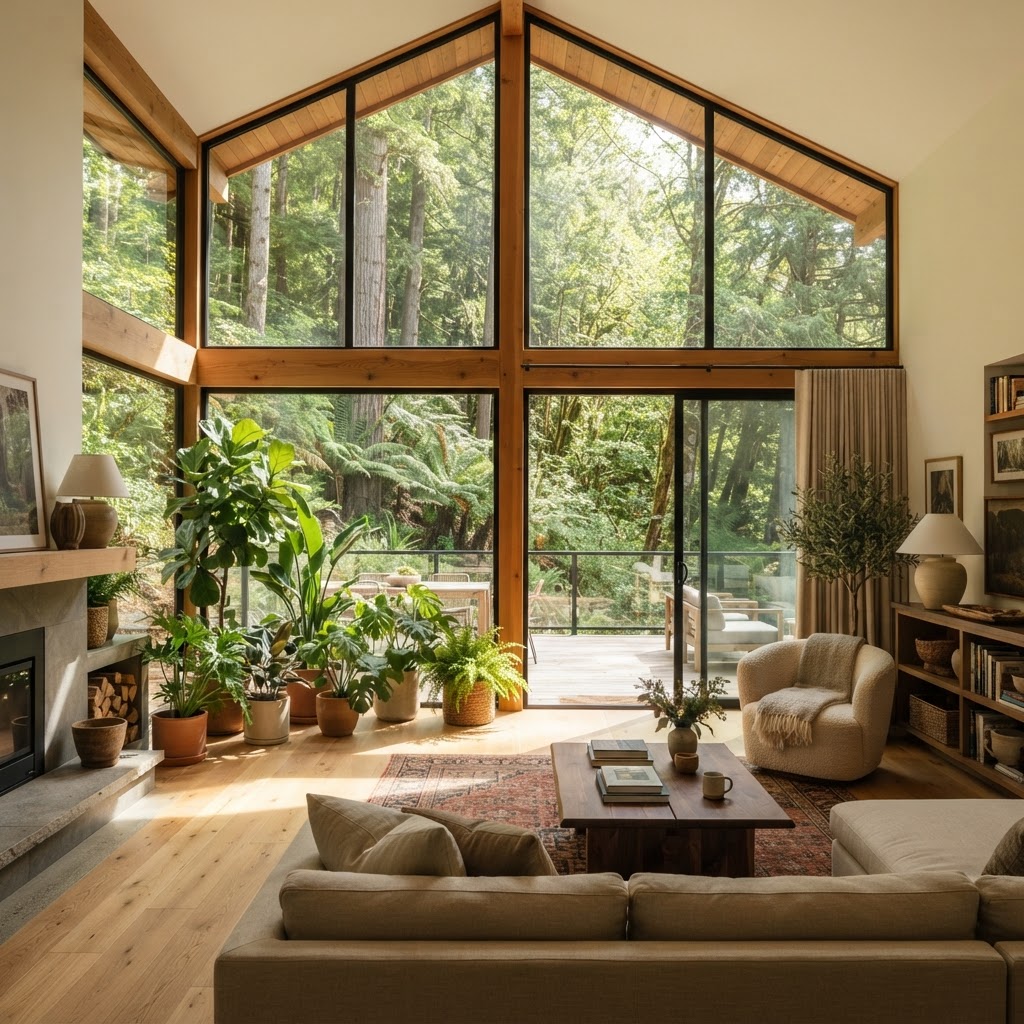
The design possibilities have exploded in the last decade or so. We're talking open floor plans, double-height ceilings, floor-to-ceiling glazing, cantilevered sections, the works. Architects like Resolution: 4 Architecture and companies like Blu Homes have been pushing the boundaries of what prefab can look like, and the results are genuinely stunning. It's not cookie-cutter anymore, not even close.
What really gets me excited about modular as a design concept is the inherent logic of it. You're essentially thinking about a building as a collection of well-crafted parts, each one purposeful, each one considered. There's something deeply satisfying about that approach. It forces a kind of design discipline that, honestly, traditional construction sometimes lacks. Every square foot has to earn its place.
Modules can be stacked, arranged side by side, offset, or combined in all sorts of configurations. A single-module structure might be a sleek studio retreat. Stack four modules in an L-shape and you've got a generous family home with real architectural presence. The flexibility is genuinely one of the most compelling things about this approach, and it's something we'll keep coming back to throughout this guide.
Create your own architectural concepts
Generate personalized architectural images and develop your own concepts independently with AI, shaped around your space, needs, and style.
Powered by next-generation AI trained specifically for architecture and interior design.
Be the first to hear when the Studio opens.
The Speed and Efficiency of Factory Construction
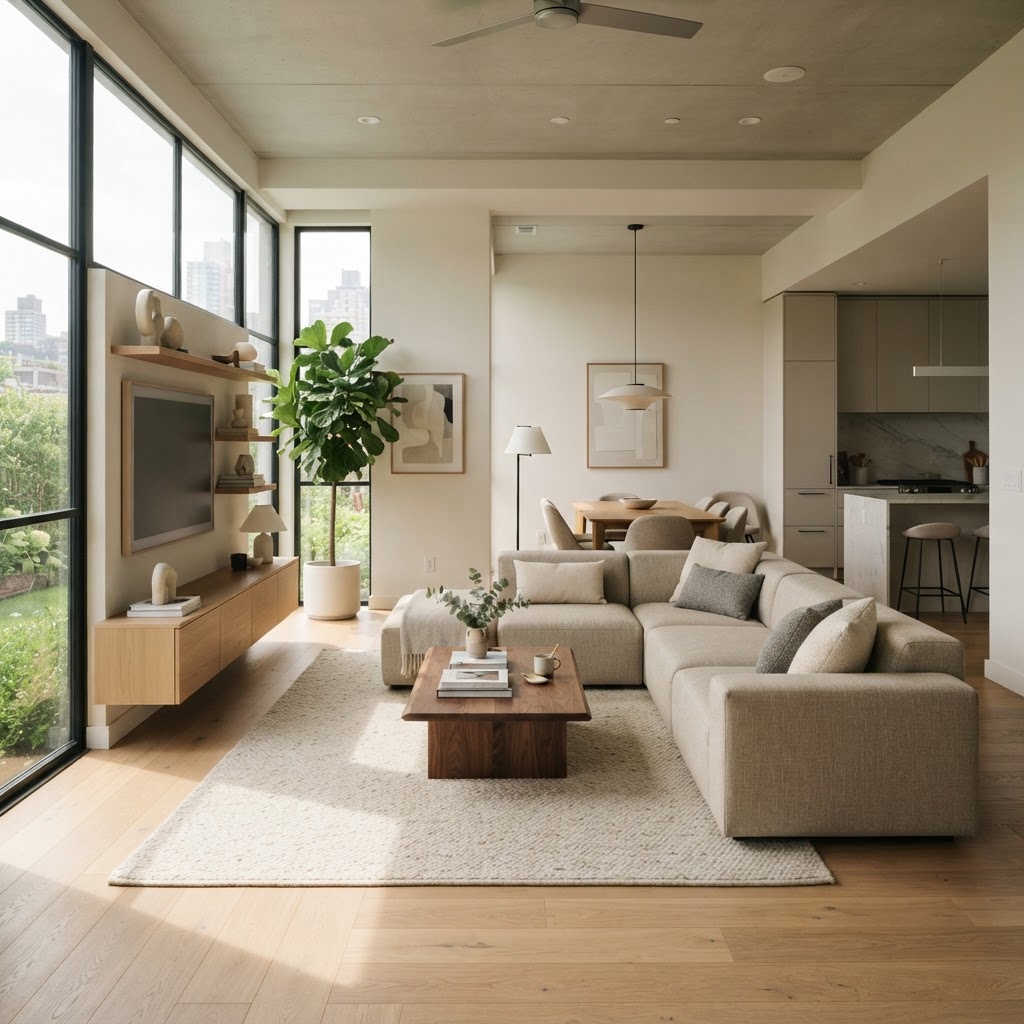
Real talk: if you've ever been through a traditional home build, you know the pain. Delays because of rain. Delays because a subcontractor didn't show up. Delays because the lumber order got messed up. It's genuinely one of the most stressful experiences a person can go through. Modular construction basically rewrites that whole script, and it does it in a way that's almost hard to believe until you see it happen.
Because modules are built inside a climate-controlled factory, weather is essentially removed from the equation. No rain delays, no frozen ground, no heat waves slowing down your crew. The factory environment also means that workers are doing the same tasks repeatedly, in the same conditions, with the same tools nearby. That consistency translates directly into quality. Cuts are more precise. Framing is tighter. Everything fits together the way it's supposed to.
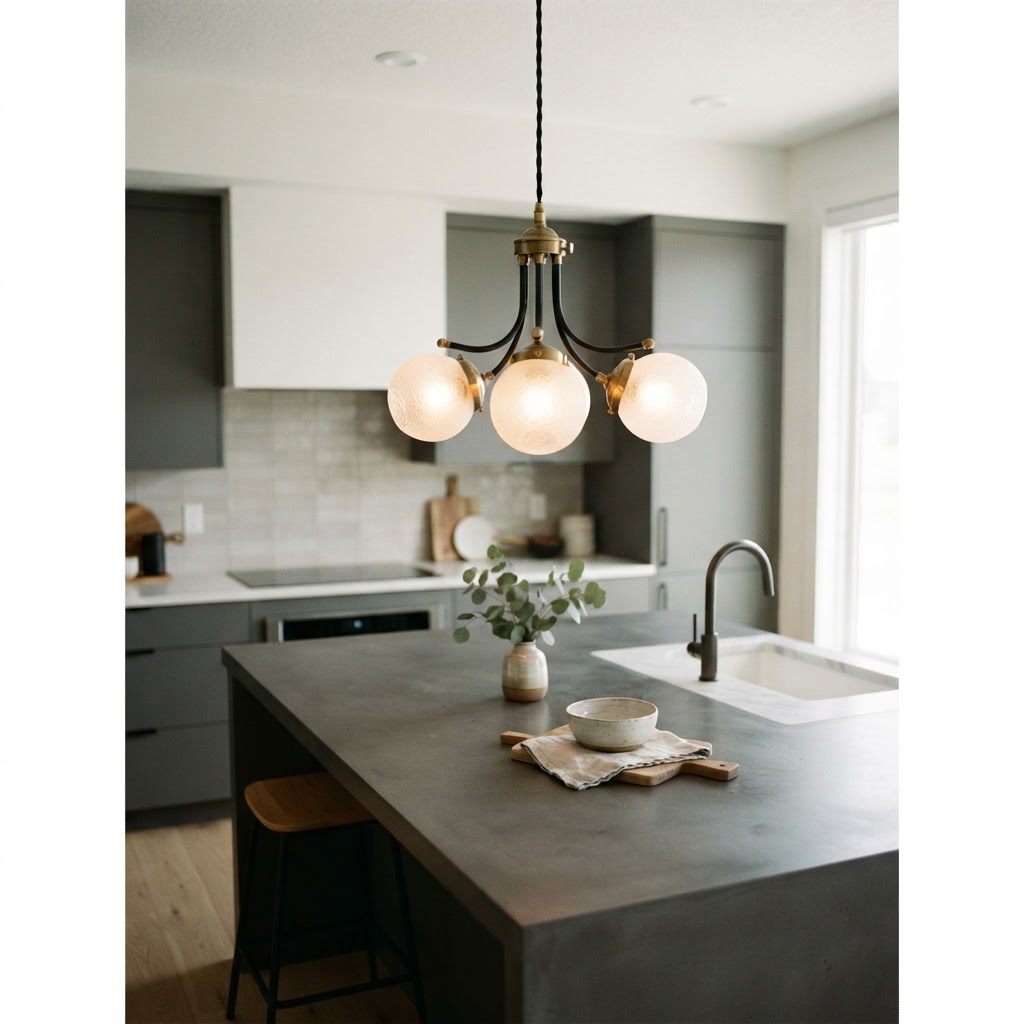
Here's the number that always gets people: a typical modular home can be assembled on-site in a matter of days. Days. While your modules are being built in the factory, your site prep and foundation work is happening simultaneously. These two tracks run in parallel, which can cut overall construction time by 30 to 50 percent compared to conventional building. For someone paying rent while waiting to move into their new home, that time saving translates directly into real money.
The efficiency doesn't stop at speed. Material waste in factory construction is dramatically lower than on a traditional job site. When you're building in a controlled environment, you can cut materials more accurately, reuse offcuts, and manage inventory in a way that just isn't possible when you're working in an open field. Some manufacturers report waste reductions of up to 90 percent compared to site-built homes. That's not a rounding error, that's a fundamental difference in how the process works.
And the cost predictability, honestly, might be the most underrated benefit of all. With traditional construction, cost overruns are basically expected. You budget for them. With modular, the price is largely fixed early in the process because the manufacturing environment allows for much tighter cost controls. You know what your modules cost, you know your site work costs, and there are far fewer surprises lurking around the corner. For anyone who's ever watched a renovation budget spiral out of control, this alone might be enough to make you a convert.
Sustainable Benefits of Prefab Living
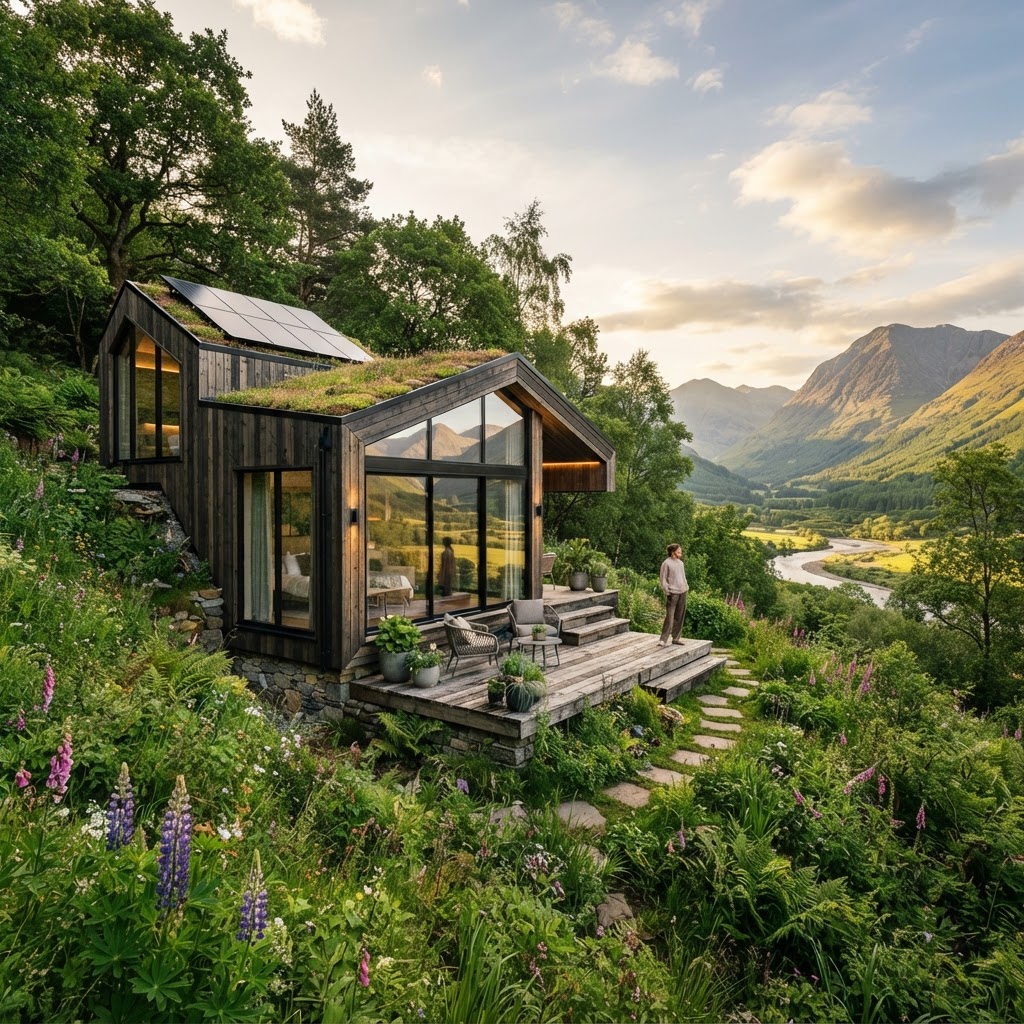
Look, sustainability in architecture isn't just a buzzword anymore. It's a genuine design imperative, and honestly, it's one where modular construction has some serious advantages that don't get talked about enough. We already touched on material waste, but let's go deeper because the environmental story here is actually pretty remarkable.
The reduced waste we mentioned isn't just good for the bottom line, it's good for the planet in a direct and meaningful way. Construction and demolition waste accounts for a huge portion of what ends up in landfills every year. When a factory can manage its materials with precision, order only what's needed, and reuse offcuts systematically, that waste stream shrinks considerably. Some modular manufacturers have also started incorporating reclaimed and recycled materials into their builds more easily than traditional builders can, because the factory setting makes it simpler to source and work with those materials consistently.
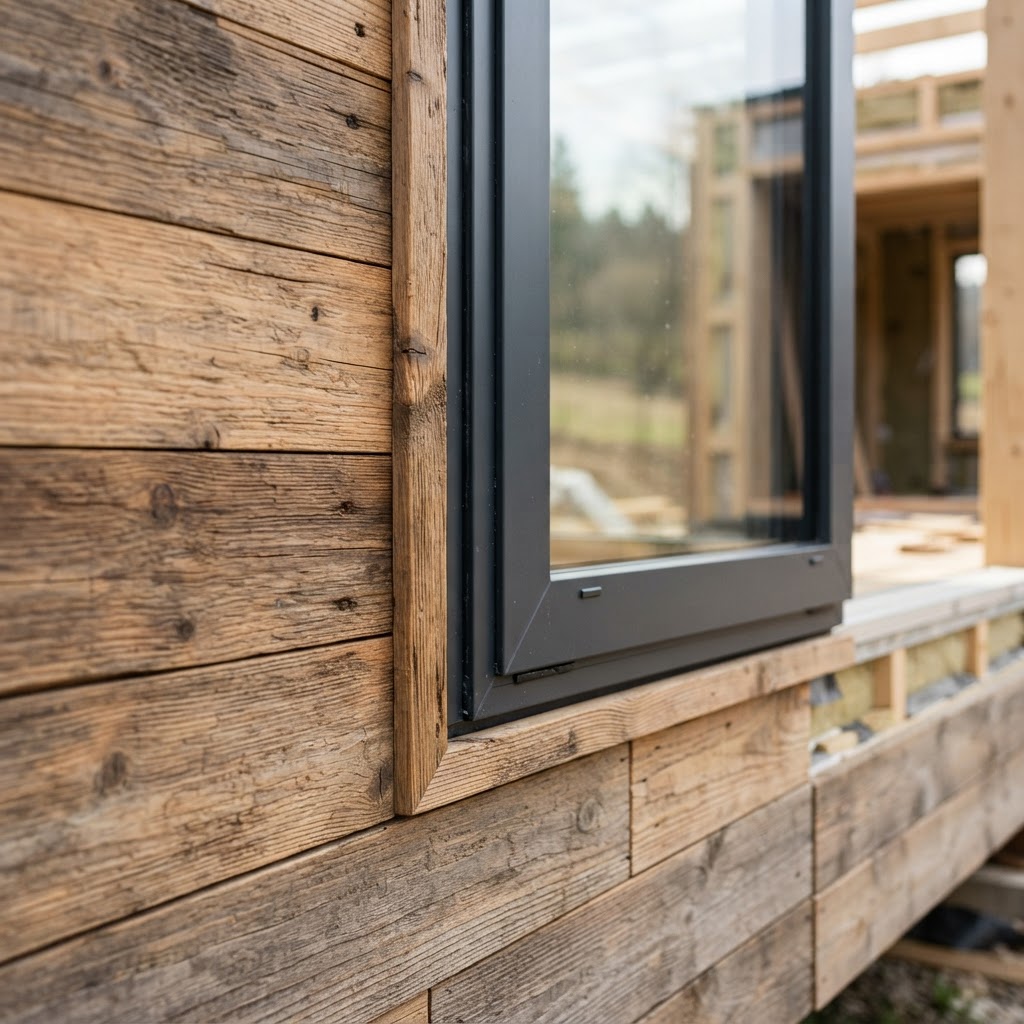
Energy performance is another area where prefab tends to punch above its weight. The tight tolerances of factory construction mean better insulation, fewer thermal bridges, and a more airtight building envelope. Many modular homes achieve energy efficiency ratings that would be difficult and expensive to hit with conventional construction. When you combine that with the ability to easily integrate solar panels, rainwater harvesting systems, and high-performance HVAC into the design from day one, you end up with homes that are genuinely low-impact to live in.
There's also the site disturbance angle to consider. Traditional construction means months of heavy machinery, material deliveries, worker traffic, and general disruption on and around a site. Modular construction compresses that on-site activity dramatically. The assembly process is quick, the crew is smaller, and the disruption to the surrounding environment, whether that's a suburban lot, a rural property, or a sensitive natural site, is significantly reduced. For anyone building on a beautiful piece of land and wanting to preserve it, this is a genuinely meaningful consideration.
"The future of sustainable building isn't just about the materials you use. It's about rethinking the entire process of how buildings come to be."
And let's not forget longevity. A well-designed modular home isn't a temporary solution. These are durable, permanent structures that, when properly maintained, will last just as long as any site-built home. Some modular systems are also designed to be disassembled and relocated if needed, which adds another layer of resource efficiency that traditional construction simply can't match.
Debunking Myths About Modular Design
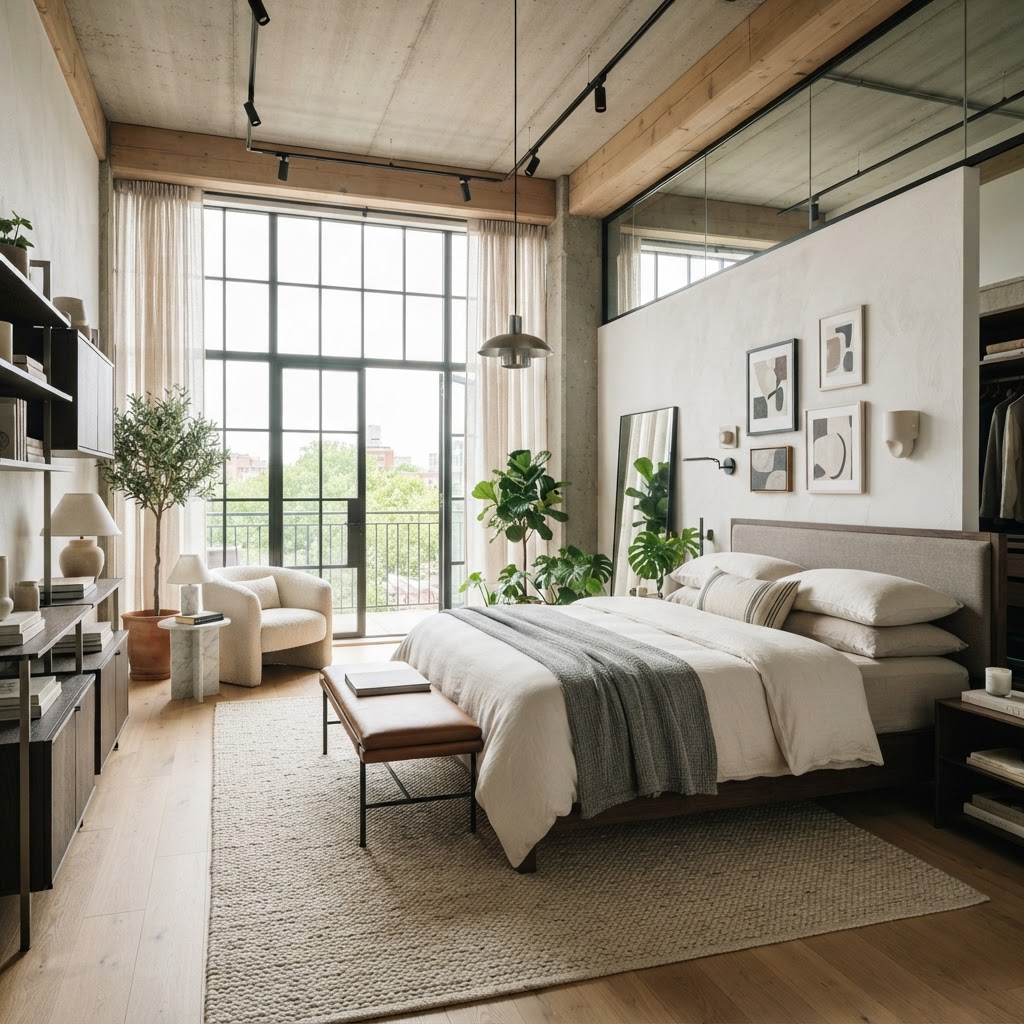
Okay, I need to address some things that I hear constantly and they drive me a little bit crazy. The myths around modular and prefab design are stubborn, and they're keeping a lot of people from exploring what is genuinely one of the most exciting developments in residential architecture right now. So let's just go through them, one by one.
Myth one: modular homes look cheap and boxy. This one refuses to die, and it's so outdated it's almost funny. Spend five minutes on the website of any serious modular architect and you will see homes that are breathtaking. We're talking cantilevered volumes, dramatic overhangs, beautiful material palettes combining timber, steel, and glass. The visual vocabulary of modern modular design is incredibly rich. The "boxy" critique was maybe fair in the 1970s. It has no place in the conversation today.
Myth two: modular homes have poor resale value. Studies have actually shown that modular homes appraise and sell comparably to site-built homes in the same market. Lenders treat them the same way, appraisers treat them the same way, and buyers, once they see the quality, respond the same way. The stigma is fading fast, and in markets where housing supply is tight and build times matter, modular can actually be an advantage.
Myth three: you have no design freedom with prefab. Trust me on this one: modern modular systems offer an enormous amount of customization. Yes, you're working within certain dimensional constraints related to transportation, but skilled architects work within constraints all the time. That's literally what architecture is. Floor plans, material choices, window configurations, rooflines, interior finishes, all of these can be customized extensively. Some companies will build to a fully bespoke architect's design. The constraint isn't creativity, it's just a different set of parameters to work within.
Myth four: modular homes aren't as structurally sound. Actually, the opposite is often true. Because modules need to survive being lifted, transported, and assembled, they're typically engineered to higher structural standards than a comparable site-built home. The framing is denser, the connections are tighter, and the whole thing has been stress-tested before it even arrives at your site. In regions prone to high winds or seismic activity, this extra structural integrity is genuinely valuable.
Is a Modular Home Right for You?
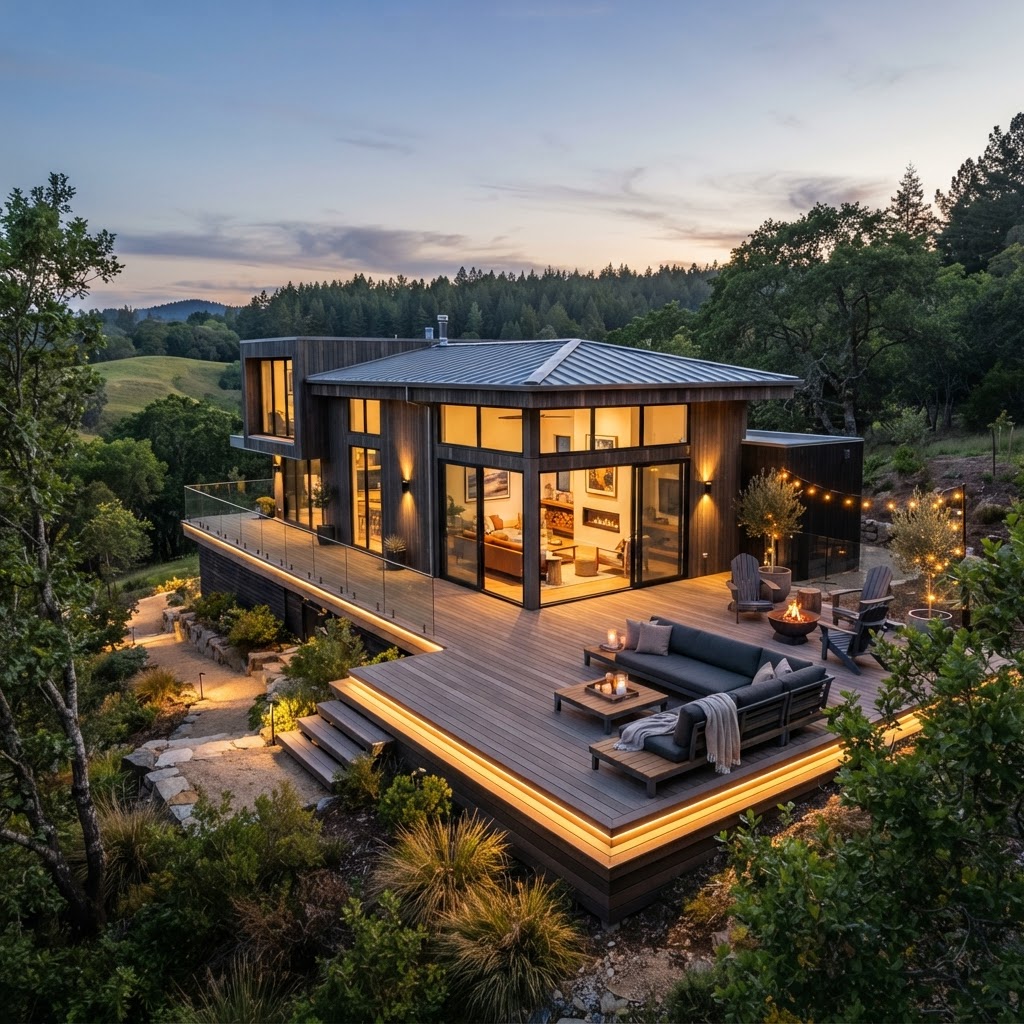
Here's the thing: modular isn't for everyone, and I'd rather be honest about that than oversell it. Like any building method, it comes with its own set of considerations, and whether it's the right choice depends a lot on your specific situation, your land, your budget, and your priorities. So let's talk through it practically.
If you value speed and cost predictability above almost everything else, modular is almost certainly worth serious consideration. If you're working with a tight timeline, maybe you need to be in the home by a specific date, or you're tired of the open-ended uncertainty of traditional construction, the compressed and more predictable timeline of prefab is a genuine lifestyle benefit, not just a financial one. Similarly, if you've been burned by budget overruns before, the tighter cost controls of factory construction might just restore your faith in the building process.
Site access is something to think carefully about. Modules need to be transported by truck and lifted into place with a crane. If your site is on a steep hillside with a narrow access road, or deep in a forest with limited clearance, logistics can get complicated and expensive. It's not necessarily a dealbreaker, but it's a real factor that needs to be assessed early. A good modular builder will help you evaluate your site honestly before you get too far down the road.
On the design side, if your vision involves something highly irregular or sculptural, something with complex geometries that don't break neatly into rectangular modules, you might find traditional or hybrid construction gives you more flexibility. But if you love the clean, contemporary aesthetic that modular naturally tends toward, and honestly a lot of people really do, then the design constraints might feel less like limitations and more like a built-in design language that just happens to suit your taste.
- Budget-conscious builders: Modular can offer serious value without sacrificing quality, especially when you factor in the reduced timeline and fewer surprise costs.
- Environmentally minded homeowners: The reduced waste and strong energy performance make prefab a genuinely greener choice in most scenarios.
- Remote or rural builders: In areas where skilled tradespeople are scarce, having most of the work done in a factory can be a huge advantage.
- People who love modern design: The clean lines and considered proportions of modular architecture are a natural fit for contemporary aesthetics.
- Anyone who hates construction delays: If the thought of a year-long build process makes you anxious, the condensed timeline of modular might genuinely change your life.
And honestly, even if modular isn't the right fit for your main home, it's worth knowing about for other projects. Guest houses, home offices, artist studios, short-term rental units on your property: these are all contexts where modular construction shines. The speed and relative affordability make it ideal for secondary structures where you want quality but don't want the full weight of a traditional build hanging over you.
Final Thoughts
I've been following the modular architecture world for a long time now, and I genuinely believe we're at an inflection point. The quality has caught up with the concept. The design ambition has caught up with the engineering. And as housing costs keep climbing and sustainability keeps moving up the priority list for more and more people, the case for prefab just keeps getting stronger.
This isn't a niche thing anymore. It's not just for people who want to live off-grid or build cheap. It's a legitimate, sophisticated approach to building beautiful, durable, efficient homes that happens to be faster, less wasteful, and often more affordable than the way we've been doing things for centuries. That's not a small thing. That's actually kind of a big deal.
If you're in the early stages of thinking about building, do yourself a favor and explore what modular can do before you default to conventional construction out of habit. Talk to a modular architect. Visit a factory if you can. And keep an open mind, because what you find might genuinely surprise you.
More in Sustainable
Stay Inspired
Subscribe for new essays on architecture, design, and the spaces that shape us.