The Eco Conscious Home: A Beginner Guide to Green Building Materials
Building a home that is good for the planet does not mean you have to sacrifice on style. Discover the best sustainable materials that look beautiful while reducing your environmental footprint.
Reclaimed Wood for Timeless Character
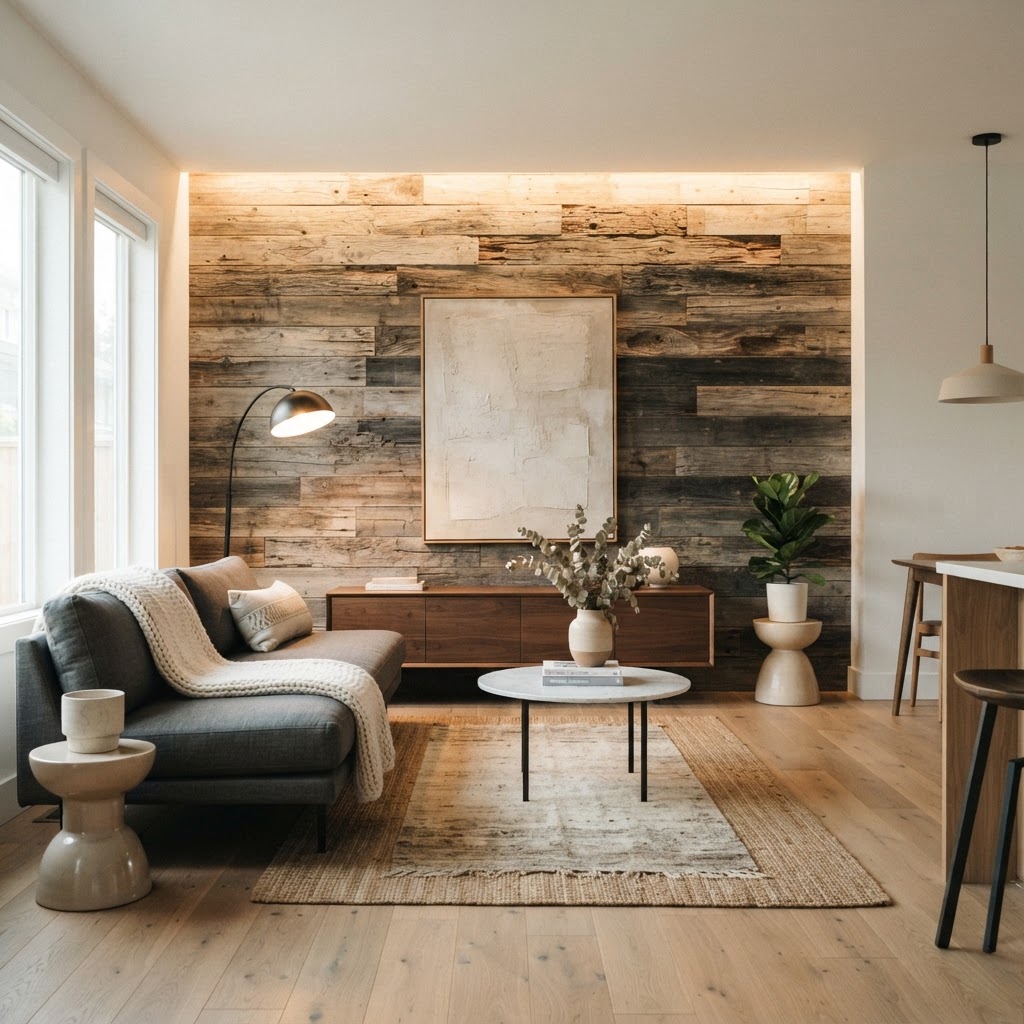
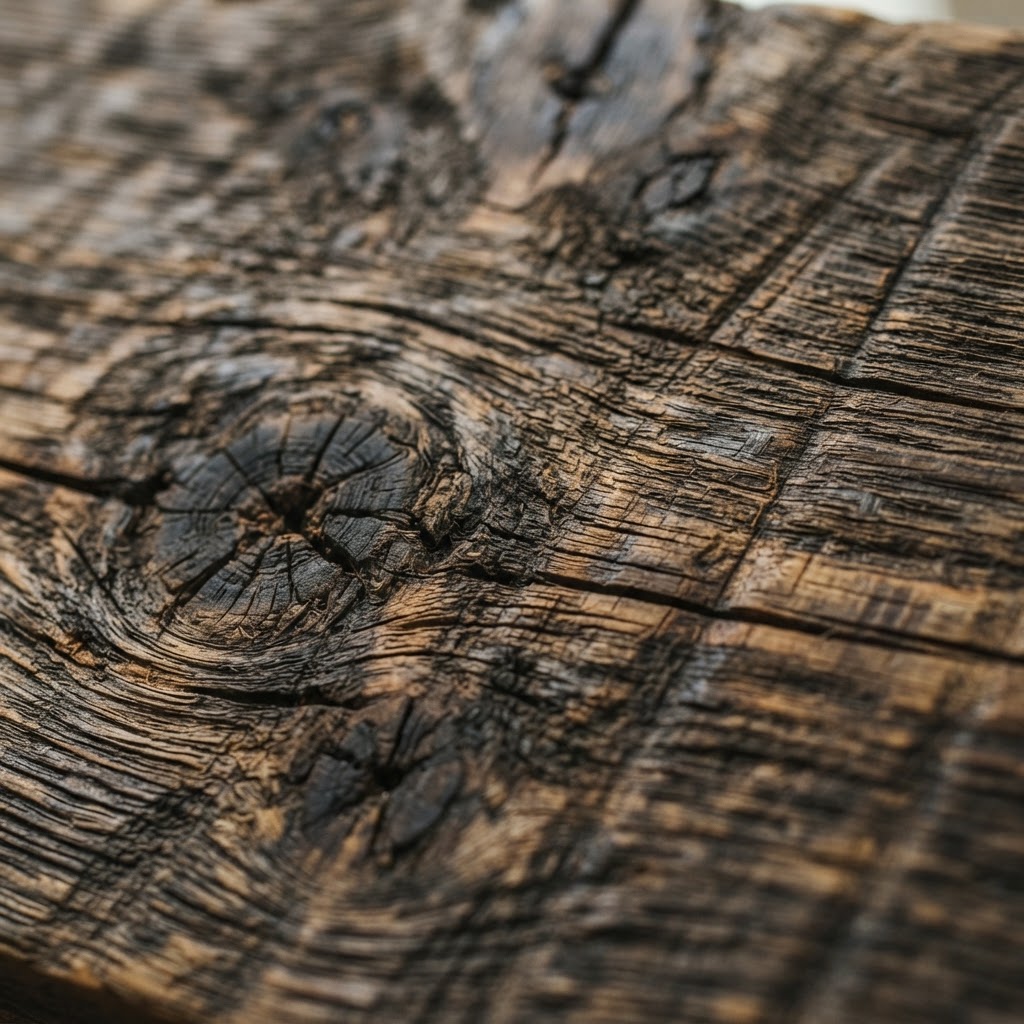
Honestly, if there's one green building material that I'd tell every single person to consider first, it's reclaimed wood. There's something about it that no new piece of lumber can replicate. We're talking about planks pulled from old barns, factories, warehouses, and even demolished homes, wood that has lived a full life and still has so much left to give. The grain is richer, the knots are more pronounced, and the color has this depth that comes only from decades of aging. You simply cannot fake that at a hardware store.
Here's the thing about reclaimed wood from an environmental standpoint: you're diverting material from landfills, reducing the demand for newly harvested timber, and skipping all the energy-intensive processing that comes with fresh lumber. Old-growth wood, which is what a lot of reclaimed material actually is, tends to be denser and more durable than what you'd find farmed today. So not only are you making a responsible choice, you're arguably getting a better product. It's one of those rare situations where doing the right thing also means getting something nicer. That doesn't happen all the time, so enjoy it.
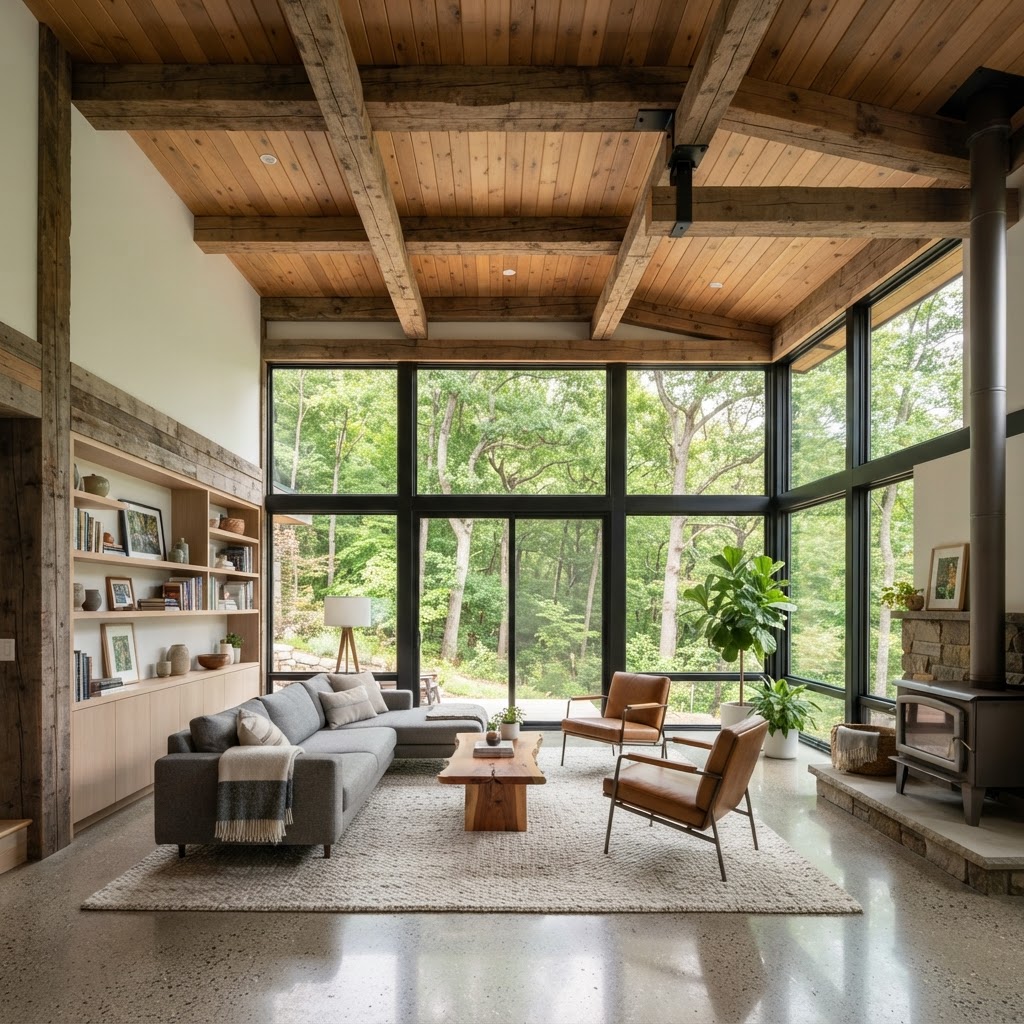
You can use reclaimed wood pretty much anywhere. Flooring is the most popular application, and for good reason. Walking into a room with reclaimed hardwood floors feels completely different from a room with new engineered flooring. Exposed ceiling beams are another favorite. Accent walls, kitchen islands, bathroom vanities, shelving, even furniture pieces built from reclaimed timber carry that same sense of weight and history. It plays beautifully with both rustic farmhouse aesthetics and sleek modern interiors, which makes it incredibly versatile.
A few practical things to know before you dive in: always source from a reputable supplier who can tell you where the wood came from. Have it inspected for pests and structural integrity before installation. Some reclaimed wood needs to be kiln-dried again if it's been exposed to moisture. And yes, it can cost more upfront than new wood, but the longevity and the character you get in return make it worth every penny. Trust me on this one.
The Beauty of Natural Cork Flooring
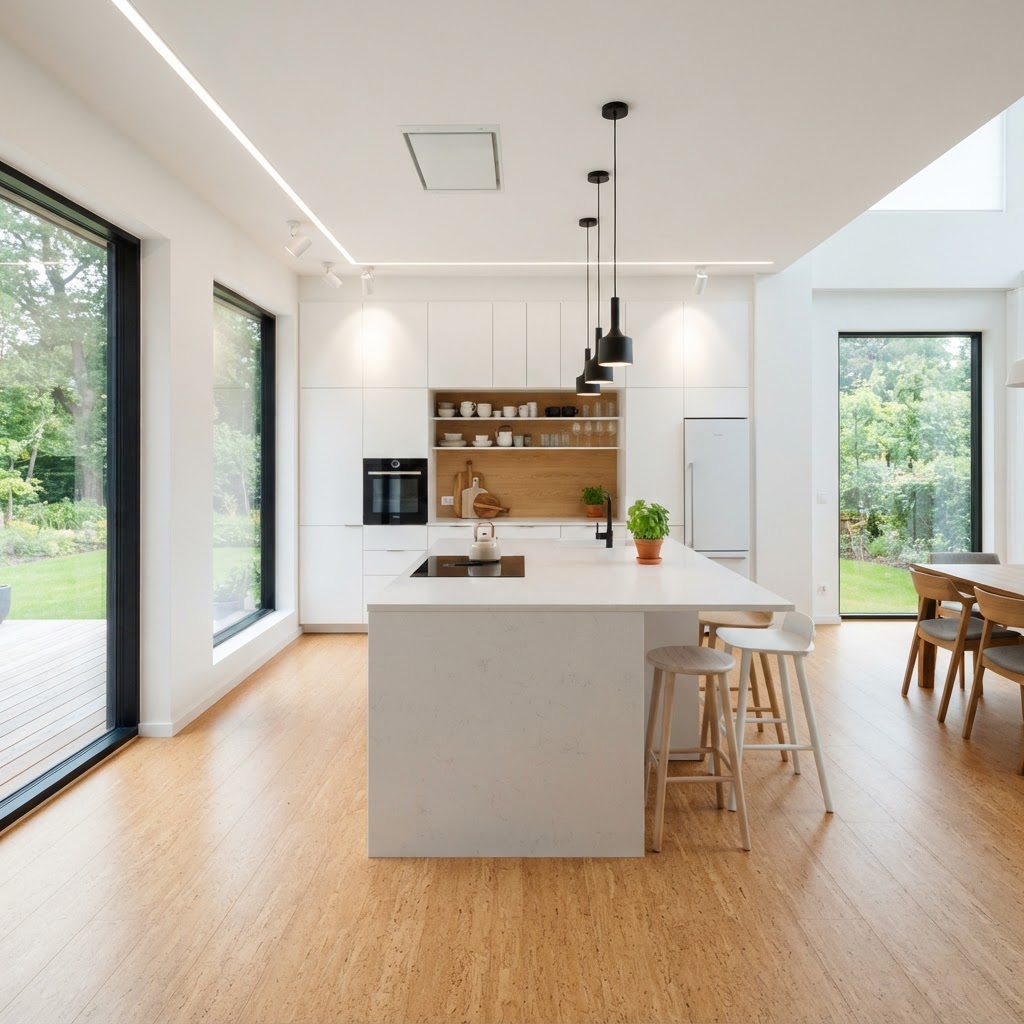
Cork flooring tends to get overlooked, and honestly, that drives me a little crazy. People hear "cork" and immediately picture a bulletin board, and I totally get why. But modern cork flooring is a whole different world. It's warm underfoot, naturally sound-absorbing, resistant to mold and mildew, and it comes in a surprisingly wide range of colors and textures. Real talk, it's one of the most underrated flooring choices you can make for an eco-conscious home.
Here's what makes cork so genuinely sustainable: cork is harvested from the bark of cork oak trees, and here's the key part, the tree is not cut down. The bark regenerates over time, meaning the same tree can be harvested again and again over its lifetime, which can span several hundred years. Portugal is the world's largest producer, and managed cork forests there actually support a remarkable amount of biodiversity. When you choose cork flooring, you're supporting a centuries-old practice that keeps these forests alive and thriving. That's not greenwashing, that's the actual story.
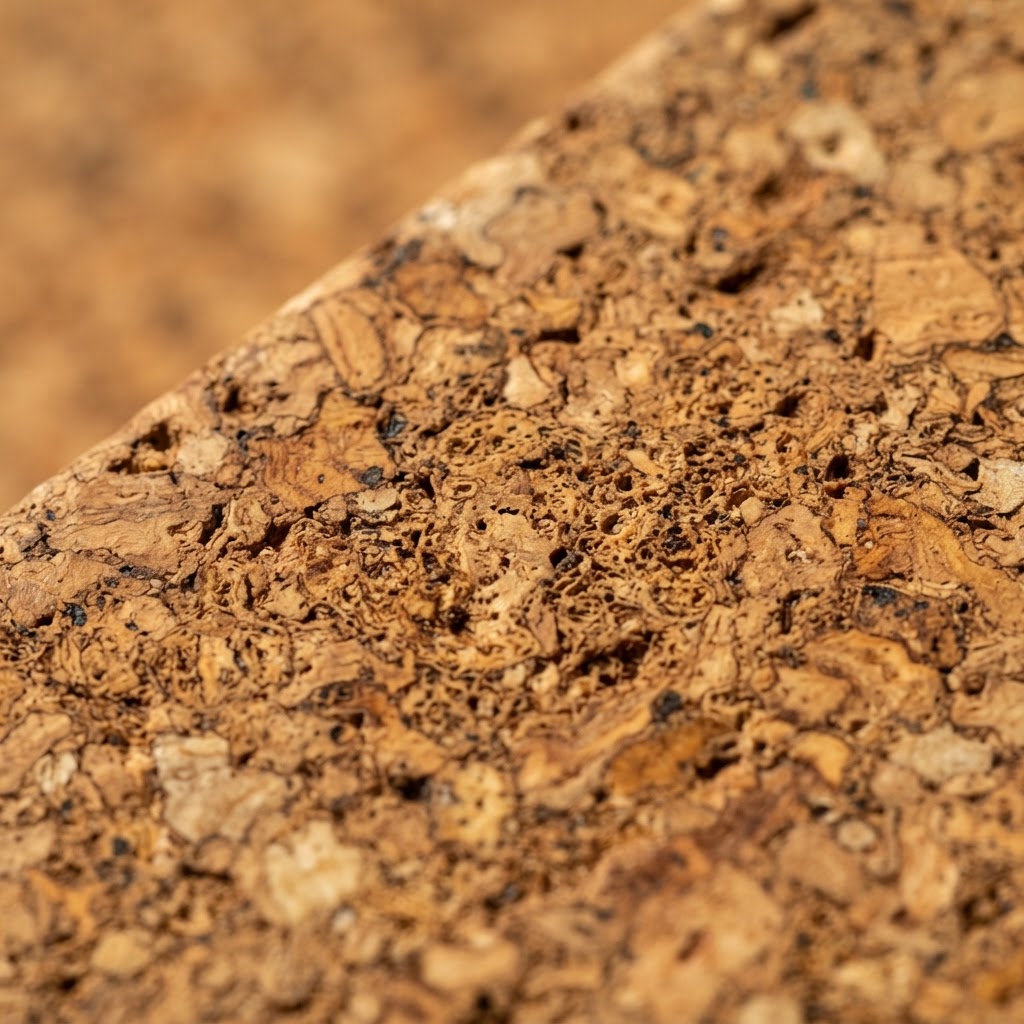
From a design perspective, cork has a lot going for it. It has a natural cushion that makes it comfortable to stand on for long periods, which is why it's a fantastic option for kitchens or home offices where you spend a lot of time on your feet. It also has natural thermal insulation properties, meaning it helps keep rooms warmer in winter. If you have kids or older family members living with you, the slight give in cork flooring can actually reduce injury from falls. These are real functional benefits, not just marketing fluff.
- Sound absorption: Cork naturally dampens noise, making it ideal for upper-floor rooms or apartments
- Hypoallergenic: Cork resists mold, mildew, and dust mites, making it a great choice for allergy sufferers
- Comfort: The natural cellular structure gives cork a slight cushion that hard floors simply cannot match
- Thermal insulation: Keeps rooms warmer and can contribute to lower heating costs over time
- Renewable at its core: Harvested without killing the tree, it's one of the few truly renewable flooring options available
Maintenance-wise, cork is pretty forgiving. Seal it properly on installation, use felt pads under furniture, and avoid excess moisture, and it will last for decades. If a section gets damaged, many cork floor systems allow you to replace individual tiles rather than ripping out the whole floor. That kind of repairability is something more people should be looking for in their material choices.
Hempcrete for Natural Insulation
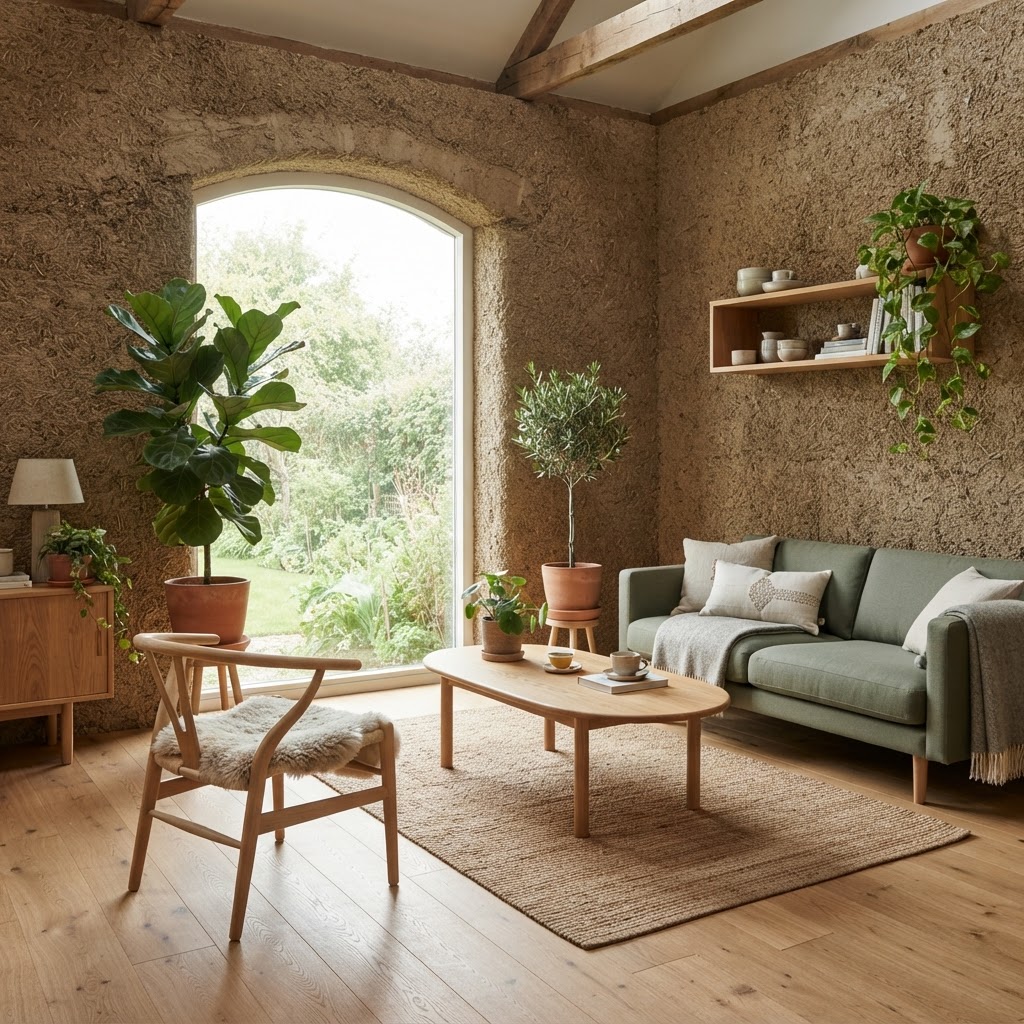
Okay, here's the one that usually makes people do a double take. Hempcrete. Yes, it's made from hemp. No, your house won't smell like anything unusual. Hempcrete is a building material made from the inner woody core of the hemp plant, called the hurd, mixed with a lime-based binder and water. The result is a lightweight, breathable, and incredibly effective insulating material that has been used in construction in Europe for decades. It's only in the last several years that it's really started gaining traction in North America, and honestly, it's long overdue.
What makes hempcrete genuinely impressive is how it handles moisture and temperature regulation. Unlike conventional insulation materials, hempcrete is vapor-permeable, meaning it breathes. It absorbs and releases moisture slowly, which helps regulate indoor humidity naturally and prevents the buildup of condensation that can lead to mold in conventional walls. This creates a genuinely healthier indoor environment, and that matters a lot more than most people realize when they're building or renovating.
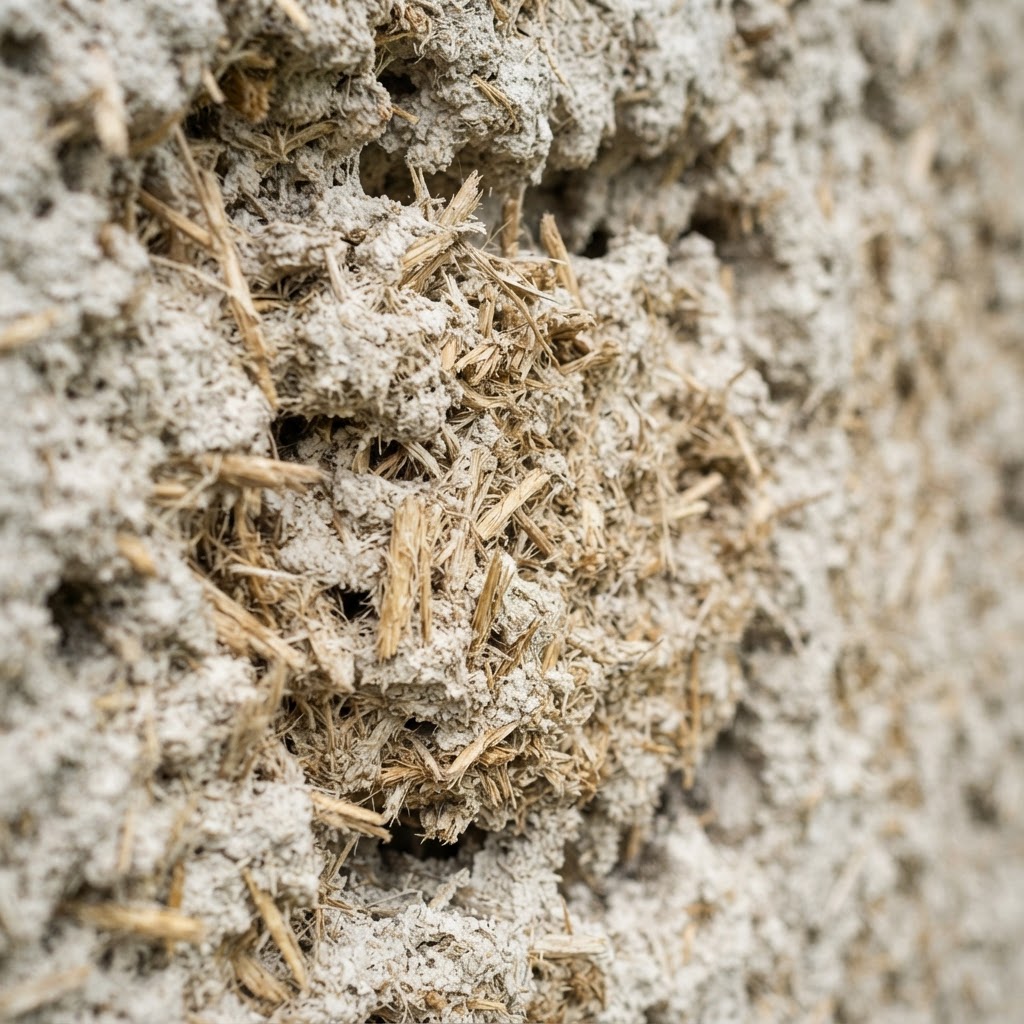
From a carbon perspective, hemp is a remarkable crop. It grows fast, requires very little water and no pesticides, and absorbs CO2 aggressively during its growth cycle. When the hurd is locked into hempcrete walls, that carbon stays sequestered in your building for the life of the structure. Some studies suggest that hempcrete can actually be carbon negative over its lifecycle, meaning it stores more carbon than was emitted to produce it. That's a pretty extraordinary claim, and while the full picture is complex, the direction is genuinely positive.
The practical limitations are worth knowing too. Hempcrete is not a structural material on its own, it requires a timber or steel frame for support. It's also not yet code-approved everywhere, so you'll need to check local regulations and work with a builder who has experience with it. Costs can be higher than conventional insulation, particularly due to labor. But for those building or doing a major renovation with a serious commitment to sustainability, hempcrete deserves a serious look.
Recycled Metal for Modern Accents
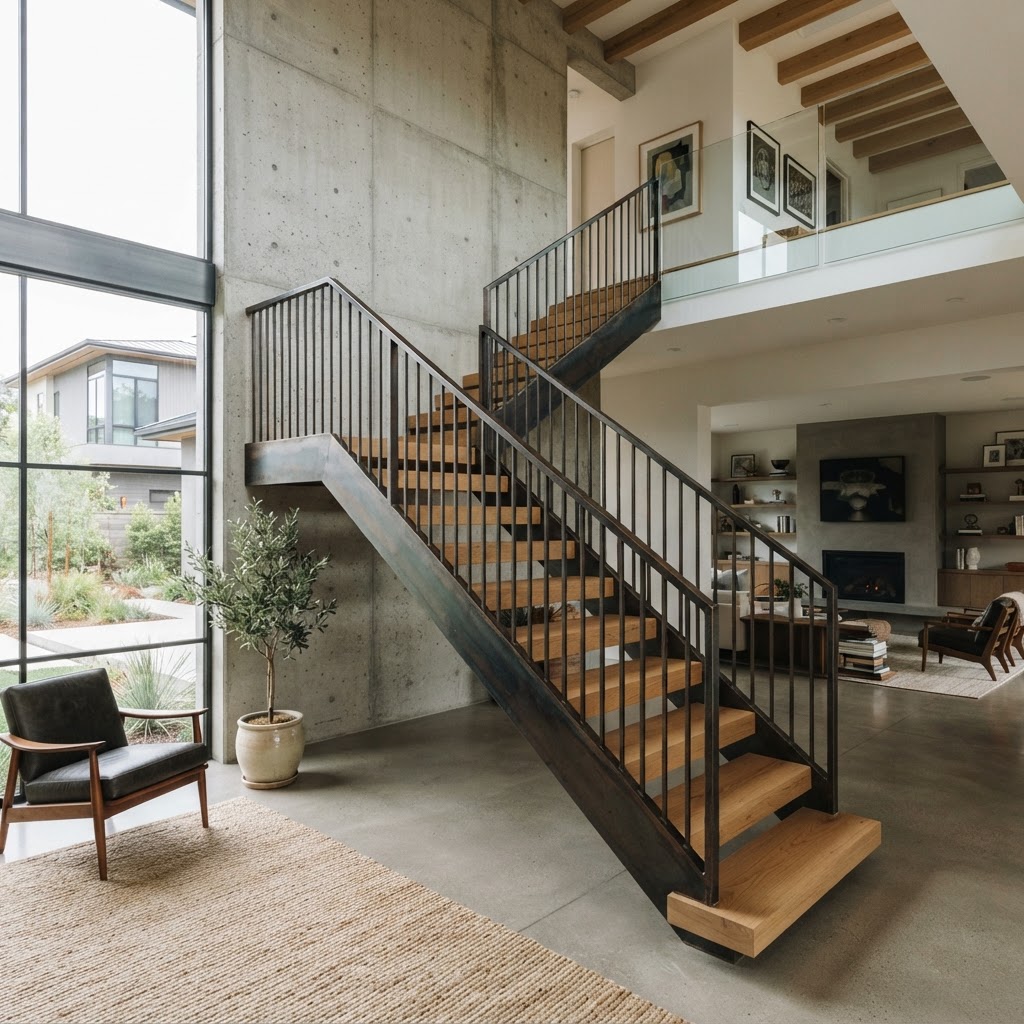
Look, metal doesn't always get framed as a "natural" or "eco" material, and I understand why. The initial production of steel or aluminum is energy-intensive. But here's the thing: recycled metal is a completely different conversation. Steel is one of the most recycled materials on earth, and using recycled steel or aluminum in your home significantly reduces the energy and resource demand compared to virgin production. We're talking about energy savings of up to 75 percent for recycled aluminum and around 60 percent for recycled steel. Those numbers are not small.
In interior design and architecture, recycled metal shows up in some really compelling ways. Structural elements like beams and columns sourced from salvaged steel give a raw, industrial character that works beautifully in loft-style or modern farmhouse spaces. Roofing made from recycled metal is highly durable, fire-resistant, and often made from a significant percentage of post-consumer content. Hardware, light fixtures, kitchen countertops, stair railings, and decorative panels are all categories where recycled metal can make a strong aesthetic and environmental statement simultaneously.
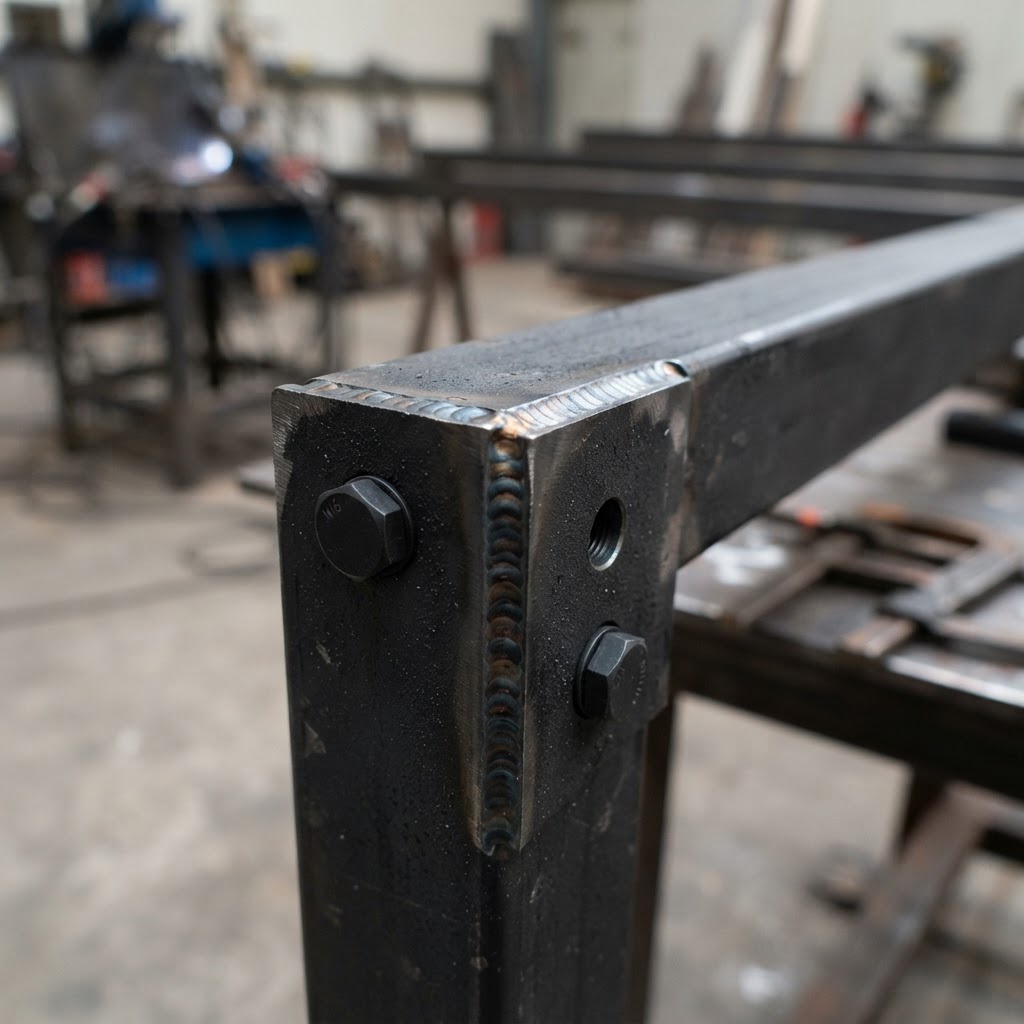
One thing I particularly love about using recycled metal is its longevity. A recycled steel roof, for example, can last 50 years or more with minimal maintenance. That kind of lifespan dramatically reduces the overall environmental impact over time because you're not replacing materials every decade or two. Durability is honestly one of the most underrated aspects of sustainable building, and metal gets this right in a big way.
"Choosing recycled metal isn't just an aesthetic decision. It's a commitment to materials that have already done their environmental heavy lifting once and are ready to go again."
When sourcing recycled metal for your project, look for suppliers who can provide documentation on the recycled content percentage. Certifications from organizations like the Sustainable Furnishings Council or third-party verified recycled content claims give you confidence that you're actually getting what you're paying for. And when you combine recycled metal accents with other natural materials like wood or cork, the contrast creates interiors that feel both grounded and forward-thinking.
Eco Friendly Bamboo Cabinetry
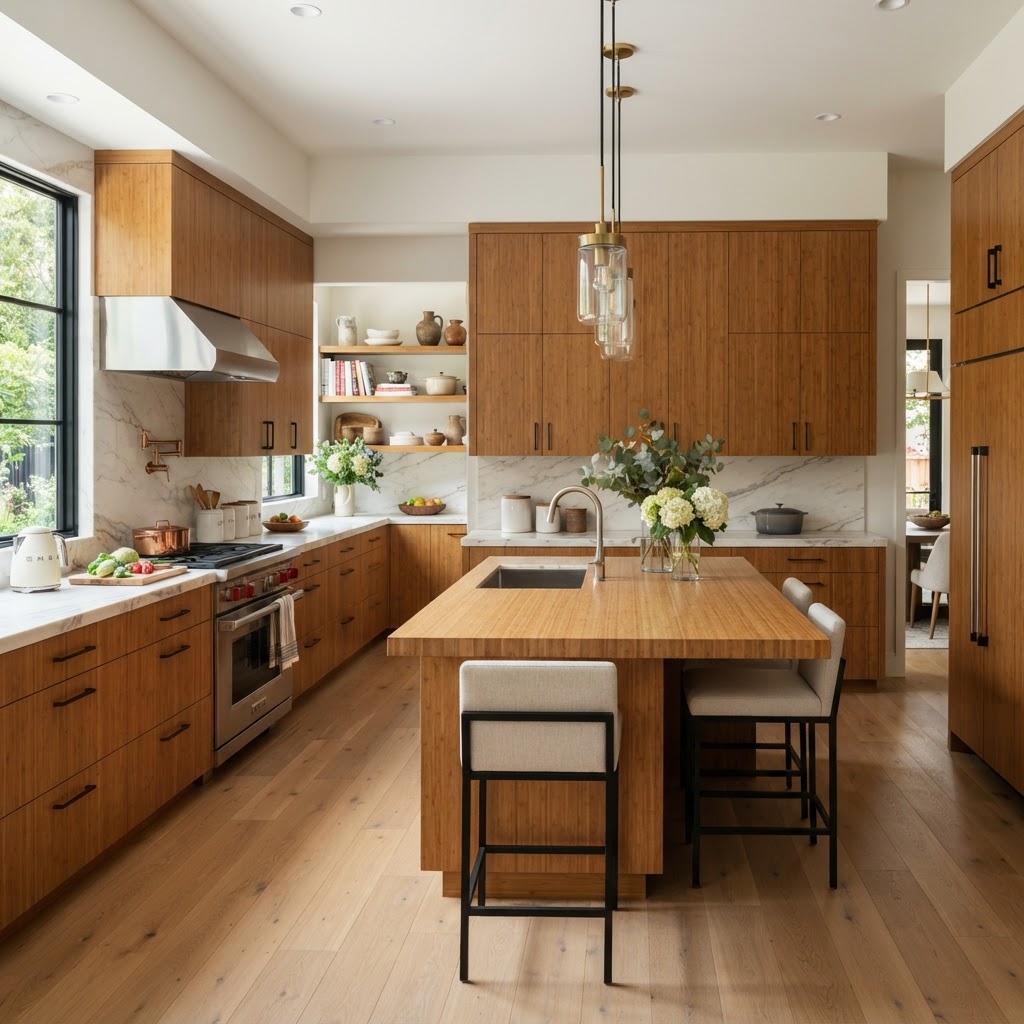
Bamboo has become something of a buzzword in sustainable design, and while some products slap the bamboo label on things that don't really deserve it, the material itself is genuinely impressive when it comes to cabinetry and millwork. Here's the quick version of why: bamboo is technically a grass, not a wood, and it grows at a speed that's almost hard to believe. Some species can grow several feet in a single day. Compared to a hardwood tree that takes 60 to 100 years to mature, bamboo can be harvested in three to five years. That regeneration rate changes the entire sustainability math.
Bamboo cabinetry is strong, and I mean genuinely strong. Strand-woven bamboo, which is the type most commonly used for cabinetry, is harder than most traditional hardwoods. It handles humidity well, resists warping better than many wood species, and takes finishes beautifully. In kitchens and bathrooms, where moisture is a constant concern, those properties really matter. And from a design standpoint, bamboo has a clean, slightly contemporary grain that works across a surprisingly wide range of interior styles, from Japandi-inspired spaces to casual coastal kitchens.
The key things to watch out for when buying bamboo cabinetry: the adhesives used to bind the bamboo strips together can sometimes contain formaldehyde, which is a significant indoor air quality concern. Always look for products that use low-VOC or formaldehyde-free adhesives, and ask your supplier directly about this. Certifications like CARB Phase 2 compliance or products certified by the Forest Stewardship Council are good indicators that the manufacturer is taking both environmental and health considerations seriously.
- Rapid renewability: Bamboo reaches harvestable maturity in three to five years versus decades for hardwoods
- Exceptional hardness: Strand-woven bamboo rivals or exceeds many traditional hardwoods in density and durability
- Moisture resistance: Handles humidity better than many wood alternatives, making it ideal for kitchens and bathrooms
- Versatile aesthetics: Works across contemporary, minimal, and organic design styles with equal ease
- Watch the adhesives: Always choose low-VOC, formaldehyde-free bonding agents for healthy indoor air quality
And honestly, bamboo cabinetry often costs less than solid hardwood alternatives while delivering comparable or superior performance. It's one of those material choices where the sustainable option is also the practical one. If you're doing a kitchen renovation and you want to make a green choice that doesn't compromise on quality or style, bamboo deserves to be at the top of your list alongside reclaimed wood and other natural options.
Final Thoughts
Getting started with green building materials doesn't have to be overwhelming. You don't need to rebuild your entire house from scratch or make every single choice perfectly sustainable. Start with one or two materials that genuinely excite you, whether that's the character of reclaimed wood, the softness of cork underfoot, or the clean lines of bamboo cabinetry, and build your knowledge from there.
The most important thing is to ask questions, read certifications carefully, and work with suppliers and builders who can speak intelligently about where their materials come from and how they were made. Sustainable building is as much about the process and the sourcing as it is about the material itself. And when you get it right, the result is a home that feels better to live in, performs better over time, and carries a story worth telling. That's a pretty good outcome no matter how you look at it.
More in Sustainable
Stay Inspired
Subscribe for new essays on architecture, design, and the spaces that shape us.