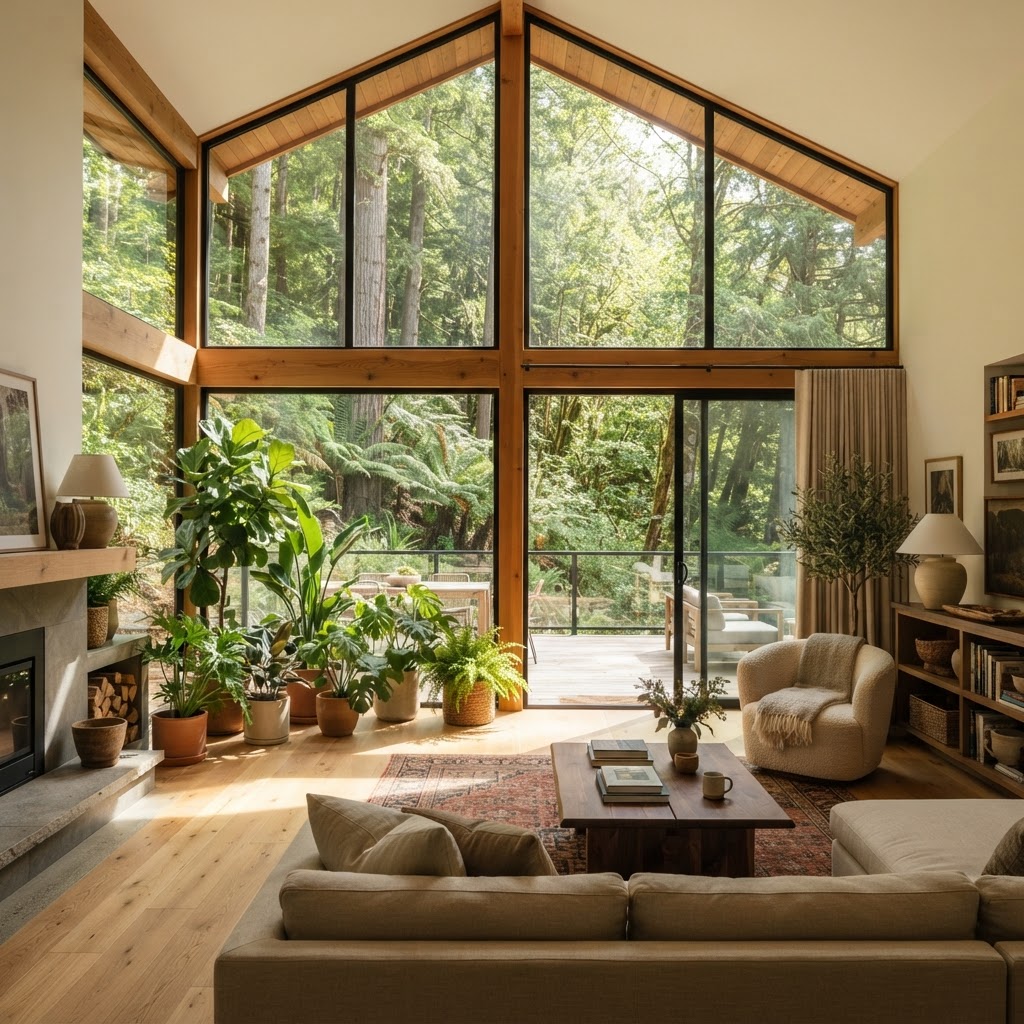
Bring the Outdoors In: The Ultimate Guide to Biophilic Interior Design
Transform your living space into a restorative sanctuary by integrating natural elements into your home decor. This guide covers everything you need to know to create a soothing and healthy environment using biophilic design principles.
Understanding the Biophilic Philosophy
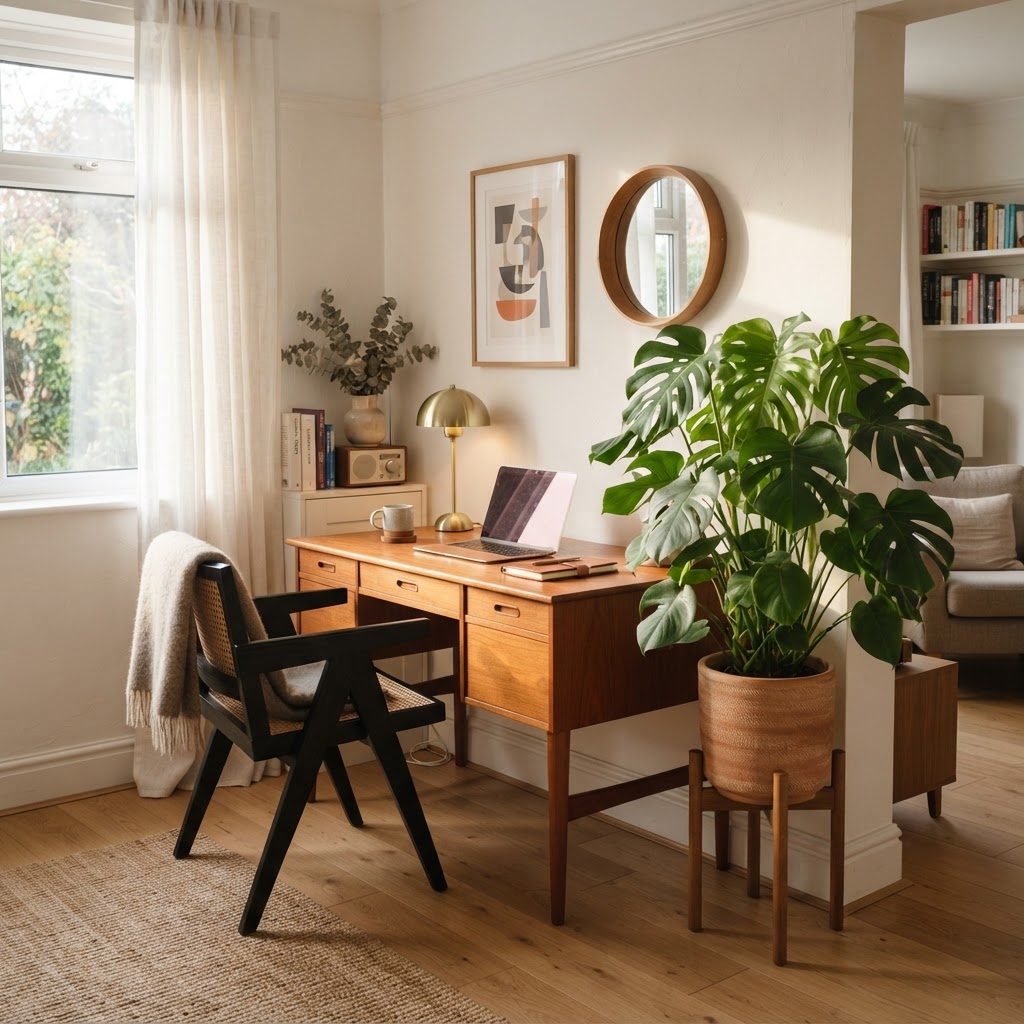
Okay, so before we dive into the practical stuff, let's talk about what biophilic design actually is, because honestly, a lot of people throw that word around without really understanding the philosophy behind it. Biophilia literally means "love of life and the living world." The term was popularized by biologist E.O. Wilson back in the 1980s, and the idea is simple but kind of profound: humans have an innate, biological need to connect with nature. We evolved outdoors. We spent hundreds of thousands of years surrounded by trees, water, sunlight, and living things. And then, suddenly, we started spending 90% of our time inside boxes.
Here's the thing, that disconnection has real consequences. Studies have shown that people who live and work in spaces with natural elements report lower stress levels, better sleep, improved mood, and even higher productivity. This isn't just feel-good fluff. It's backed by hard science. Hospitals that incorporate natural light and views of greenery see faster patient recovery times. Schools with biophilic elements show improved student focus. The evidence is genuinely compelling, and once you understand it, you can't really unsee it.
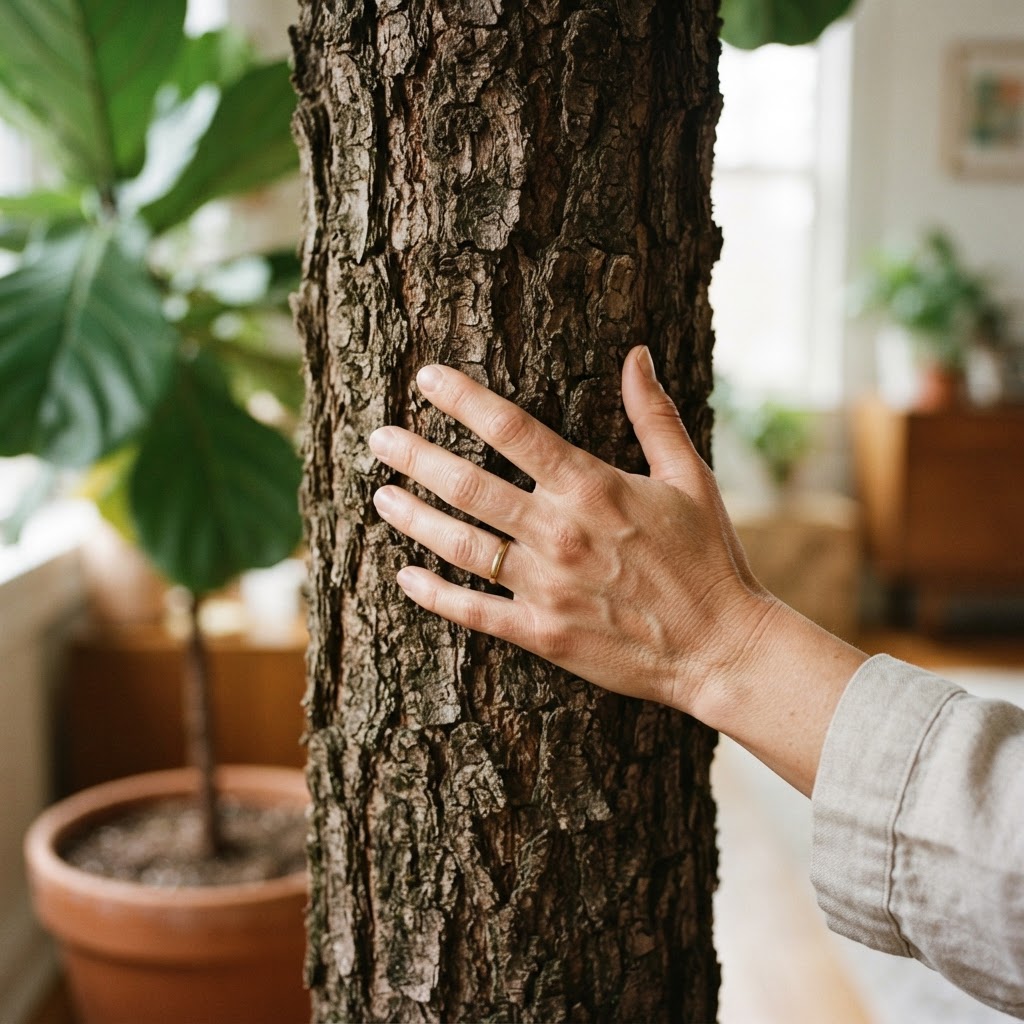
Biophilic design as a discipline breaks down into three broad categories. First, there's the direct experience of nature, so actual plants, water features, natural light, and fresh air. Second, there's the indirect experience of nature, think natural materials, nature-inspired patterns, organic shapes, and earthy colors. Third, there's what researchers call "the experience of space and place," which is about designing spaces that mimic the kinds of environments humans feel instinctively safe and comfortable in, like a cozy nook with a broad view, or a room with varied ceiling heights.
What I love about biophilic design is that it's not a rigid style. It's not about making your home look like a jungle or going full Pinterest-plant-mom. It's a framework for thinking about how your space makes you feel, and then using natural elements to make it feel better. You can apply biophilic principles to a sleek modern apartment or a cozy farmhouse. It's flexible, it's personal, and honestly, once you start thinking this way, it completely changes how you approach every design decision.
Maximizing Natural Light in Your Home
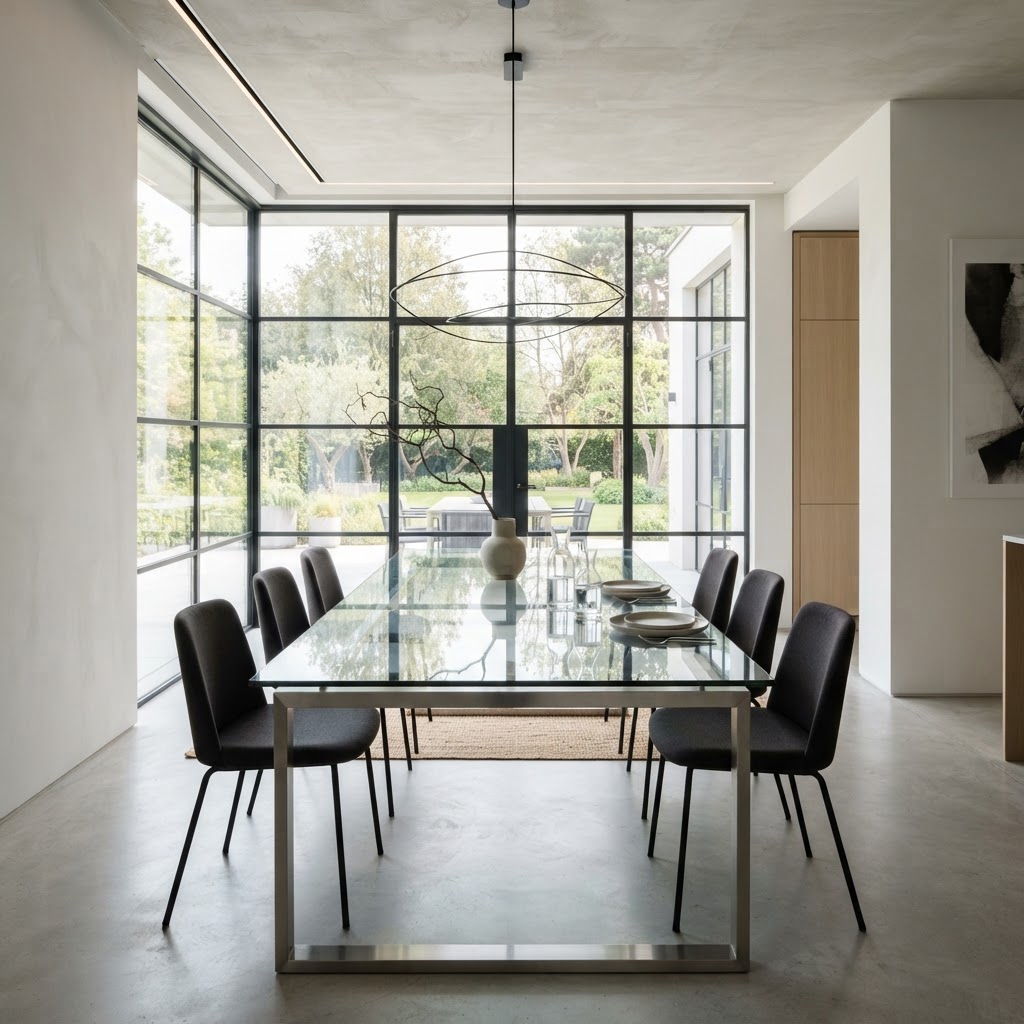
Real talk, if I had to pick just one element of biophilic design that makes the biggest difference, it would be natural light. No contest. Light is everything. It affects your circadian rhythm, your mood, your energy levels, and honestly, it makes every single material and color in your space look better. A room flooded with morning sun feels completely different from the same room lit by harsh overhead fluorescents. The difference is almost emotional.
So how do you actually maximize natural light, especially if you're working with a space that isn't perfectly oriented or has small windows? Start by thinking about what's blocking the light you already have. Heavy curtains pulled halfway across a window, furniture pushed up against the glass, dark walls that absorb rather than reflect light. These are all easy wins. Swap out heavy drapes for sheer linen panels that diffuse light beautifully while still giving you some privacy. Pull furniture away from windows. Paint walls in light, warm whites or soft creams.
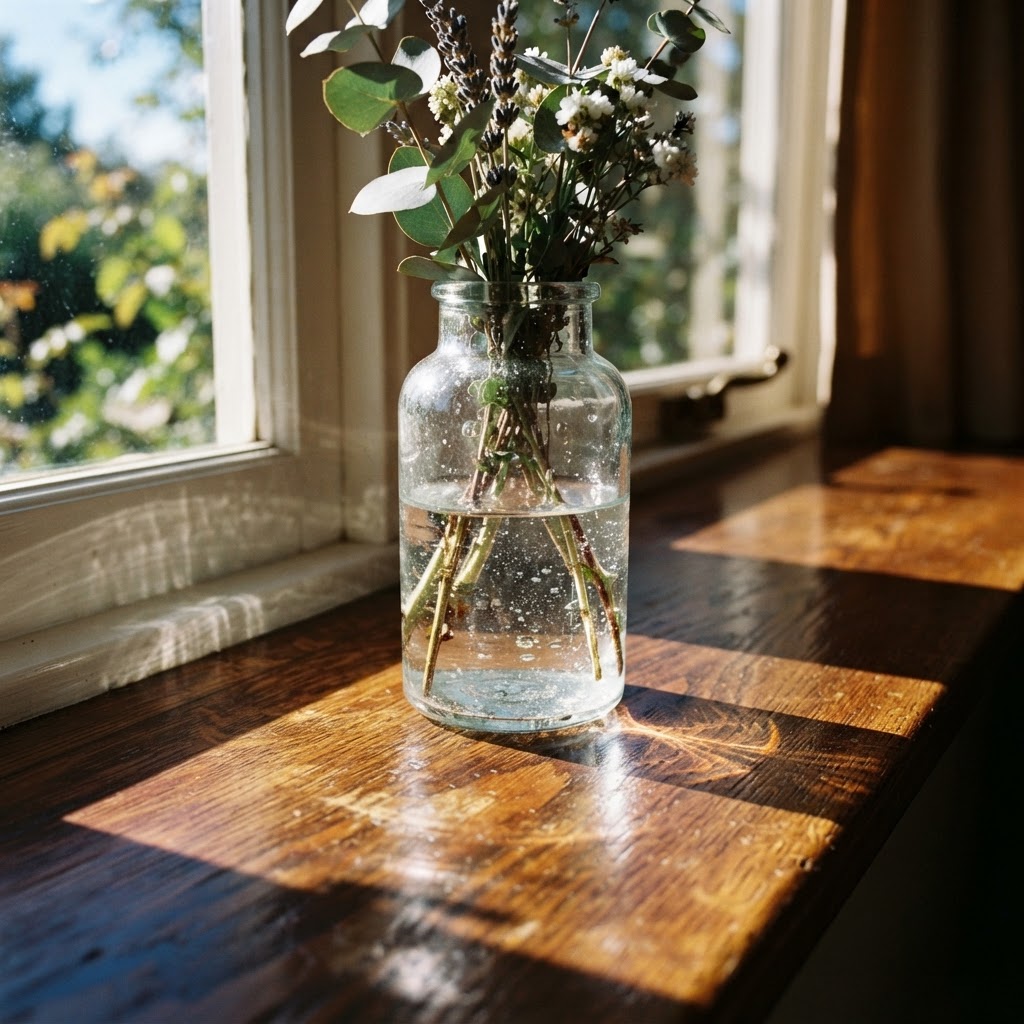
Mirrors are genuinely underrated here. A large mirror placed opposite a window doesn't just make a room feel bigger, it literally bounces light around the space and creates this gorgeous, diffused brightness. I've seen small apartments get completely transformed just by adding one well-placed oversized mirror. Reflective surfaces in general, polished metals, glossy tiles, even a glass coffee table, all help light travel further into your space.
If you have the budget and the structural possibility, skylights are one of the best investments you can make in a home. They bring in light from a completely different angle, and the quality of light that comes through a skylight is somehow softer and more enveloping than what comes through a wall window. Even a small skylight in a dark hallway or bathroom can be transformative. And for those rooms that simply can't get natural light, consider full-spectrum light bulbs and tunable LED systems that mimic the changing quality of daylight throughout the day. It's not the same as the real thing, but it's a lot better than nothing.
Choosing the Right Plants for Your Space
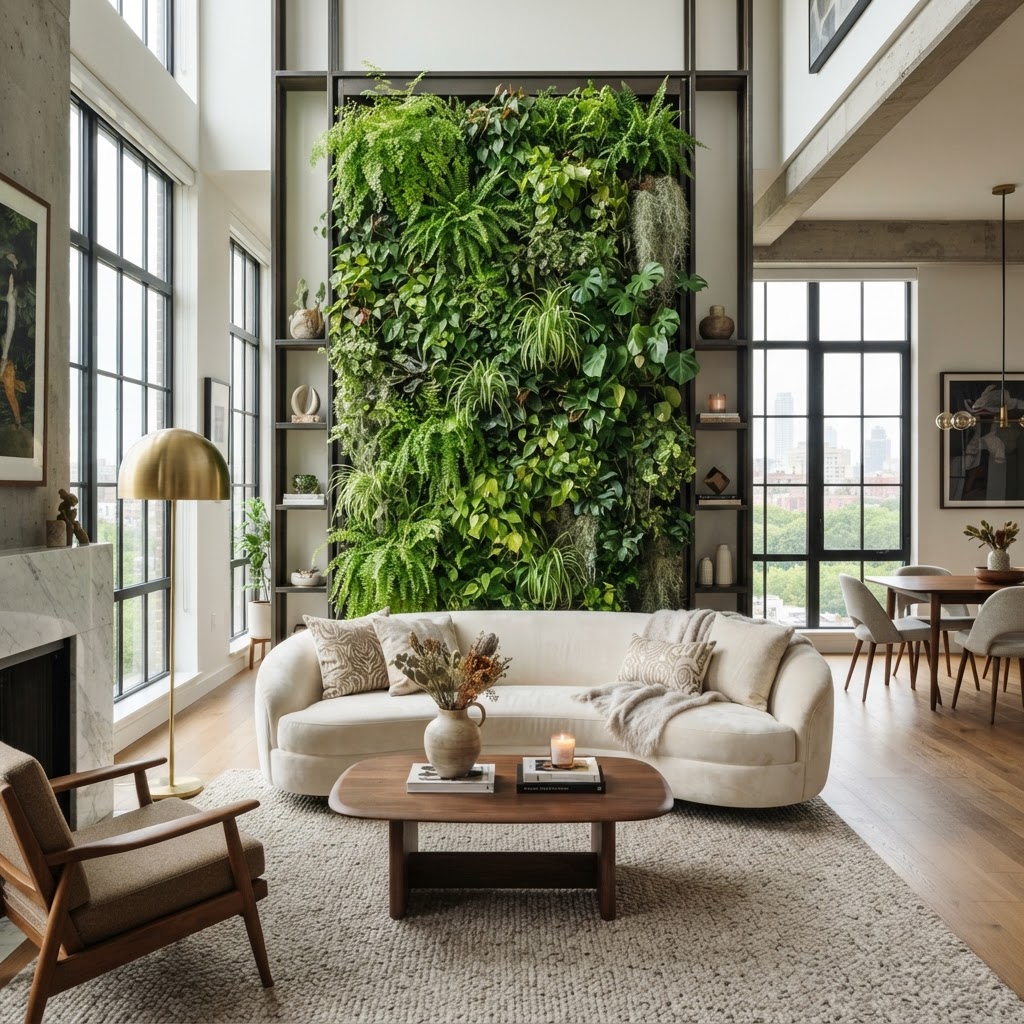
Plants are probably the most obvious and immediately satisfying biophilic design tool, but there's a real art to using them well. It's not about cramming as many plants as possible into a room and calling it a day. It's about choosing the right species for your specific conditions, placing them thoughtfully, and letting them contribute to the overall design rather than just sitting in a corner being neglected.
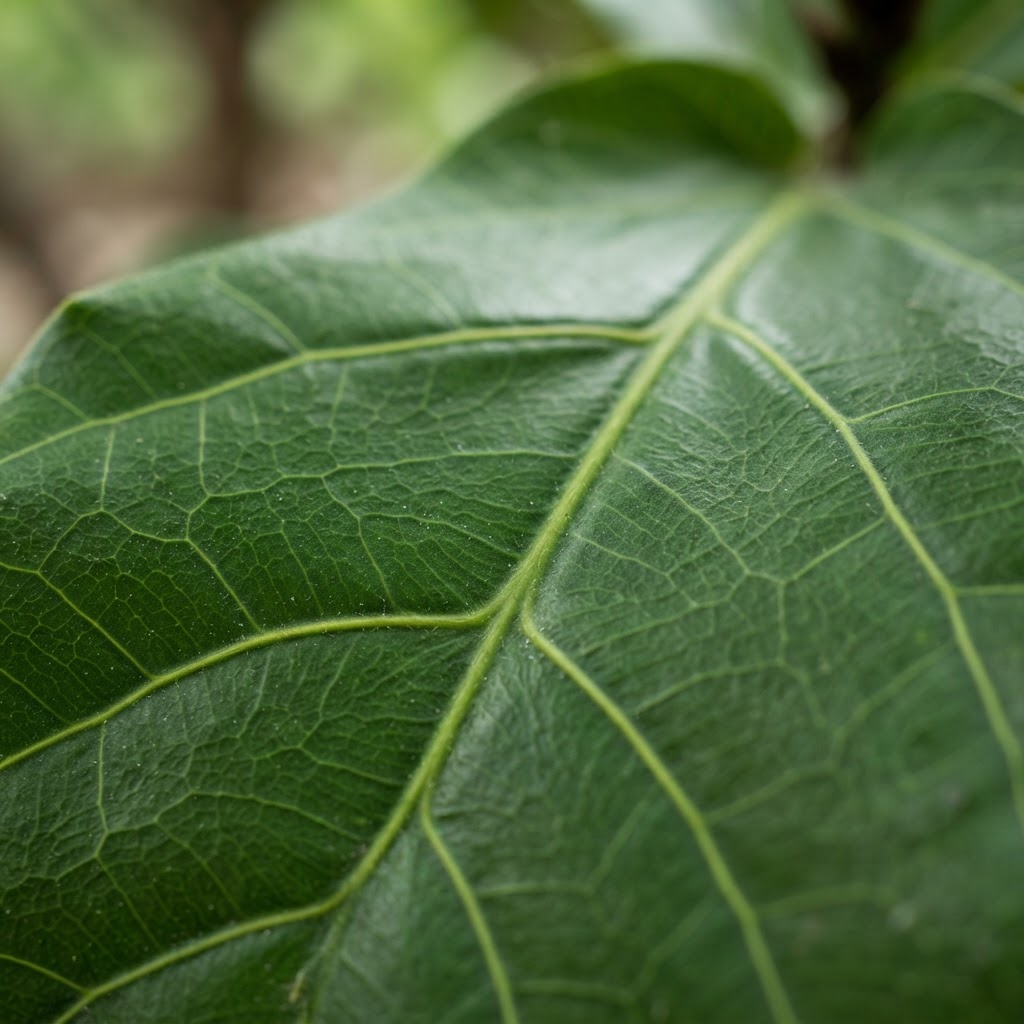
First, be honest about your light situation. This is where so many people go wrong. They buy a fiddle leaf fig because it looks incredible in design magazines, and then it sits in their north-facing apartment slowly dying while they feel guilty. Match your plant to your actual light levels, not your aspirational light levels. Low-light spaces are actually great for pothos, ZZ plants, snake plants, and certain ferns. These plants are genuinely beautiful and incredibly hardy. Bright, sunny spots open up a world of possibilities including olive trees, rubber plants, citrus, and all kinds of trailing vines.
Think about scale and placement seriously. One large plant makes a bigger visual impact than five small ones scattered randomly around a room. A single dramatic monstera in the corner of a living room creates an anchor point that draws the eye and adds a real sense of presence. That said, grouping smaller plants together at varying heights creates this lush, layered effect that feels genuinely immersive. Use plant stands, shelves, and hanging planters to get that verticality.
- For low light: Pothos, ZZ plant, snake plant, peace lily, cast iron plant
- For bright indirect light: Monstera, fiddle leaf fig, rubber plant, philodendron
- For direct sun: Succulents, cacti, olive trees, herbs, citrus
- For drama and scale: Bird of paradise, banana plant, large fiddle leaf, tall snake plant varieties
- For trailing and cascading: Pothos, string of pearls, heartleaf philodendron, ivy
And honestly, don't overlook the pots and planters themselves. They're part of the design. Terracotta has this warm, earthy quality that fits beautifully into biophilic spaces. Woven seagrass baskets add texture. Concrete planters feel modern but still grounded. The container is as much a design choice as the plant inside it.
Selecting Natural Materials and Textures
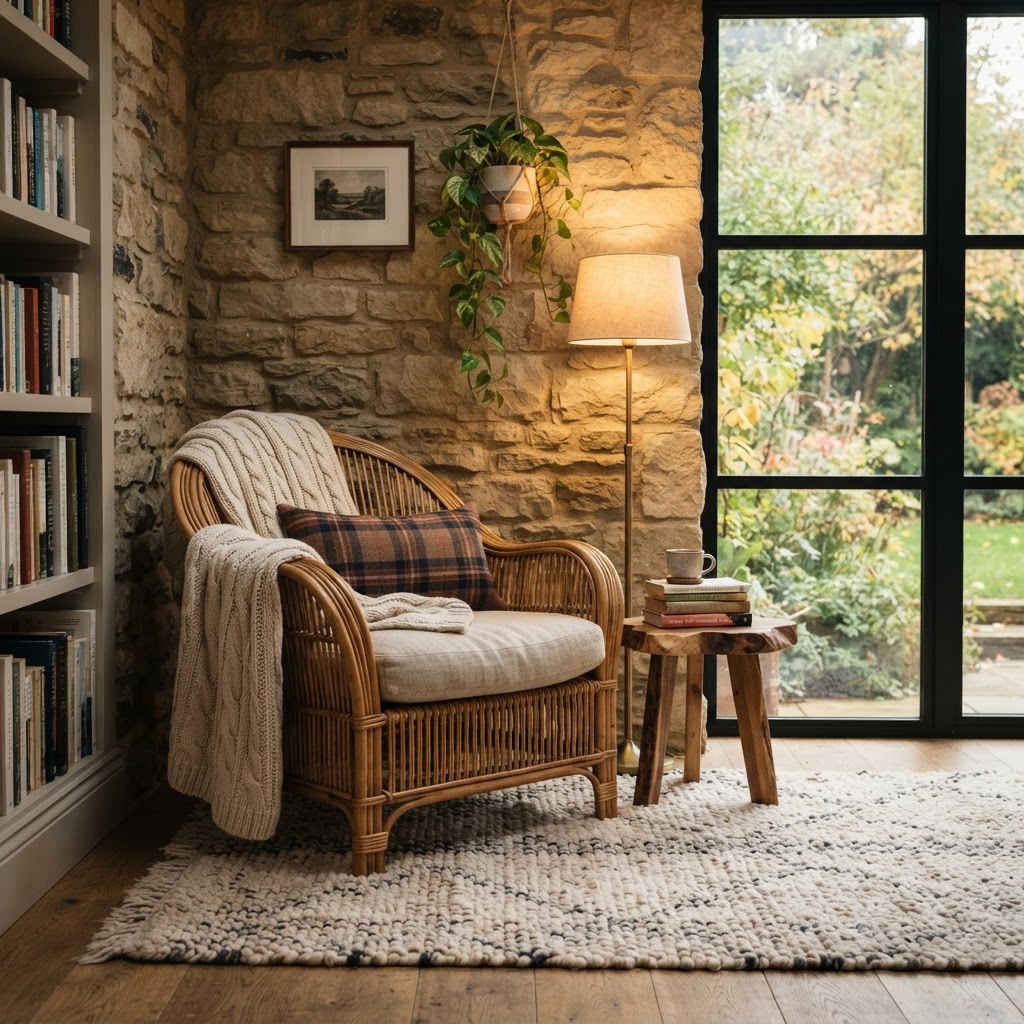
Look, this is where biophilic design gets really tactile and sensory. Natural materials connect us to nature not just visually but through touch, smell, and even sound. There's a reason we feel calmer in a room with wooden floors and a linen sofa than in a space full of plastic and synthetic fabrics. The materials around us communicate something to our nervous system, and natural ones say "safe, familiar, real."
Wood is probably the most versatile and impactful natural material you can bring into a space. And I don't mean the plasticky laminate stuff that just sort of gestures at wood. I mean real, honest timber with visible grain, knots, and variation. Use it for flooring, for furniture, for wall cladding, for shelving. Each piece of real wood is unique, and that variation, that imperfection, is exactly what makes it feel alive. Reclaimed wood adds even more character and has the bonus of being a sustainable choice.

Beyond wood, think about stone, cork, bamboo, rattan, jute, linen, wool, and clay. Each of these materials has a distinct texture and quality that synthetic alternatives simply cannot replicate. A stone countertop feels cool and solid and ancient. A wool rug feels warm and slightly rough underfoot. Rattan furniture has this wonderful lightness and natural geometry. Layering several of these materials together creates what designers call "sensory richness," that quality of a room that makes you want to touch everything and just be in it.
Water features are worth mentioning here too. Even a small tabletop fountain introduces the sound of moving water into a space, which is genuinely one of the most calming sounds in the natural world. If you have outdoor space, a garden water feature can be heard through open windows and immediately transforms the feeling of the interior. It's one of those details that's hard to describe but immediately felt.
Integrating Natural Color Palettes
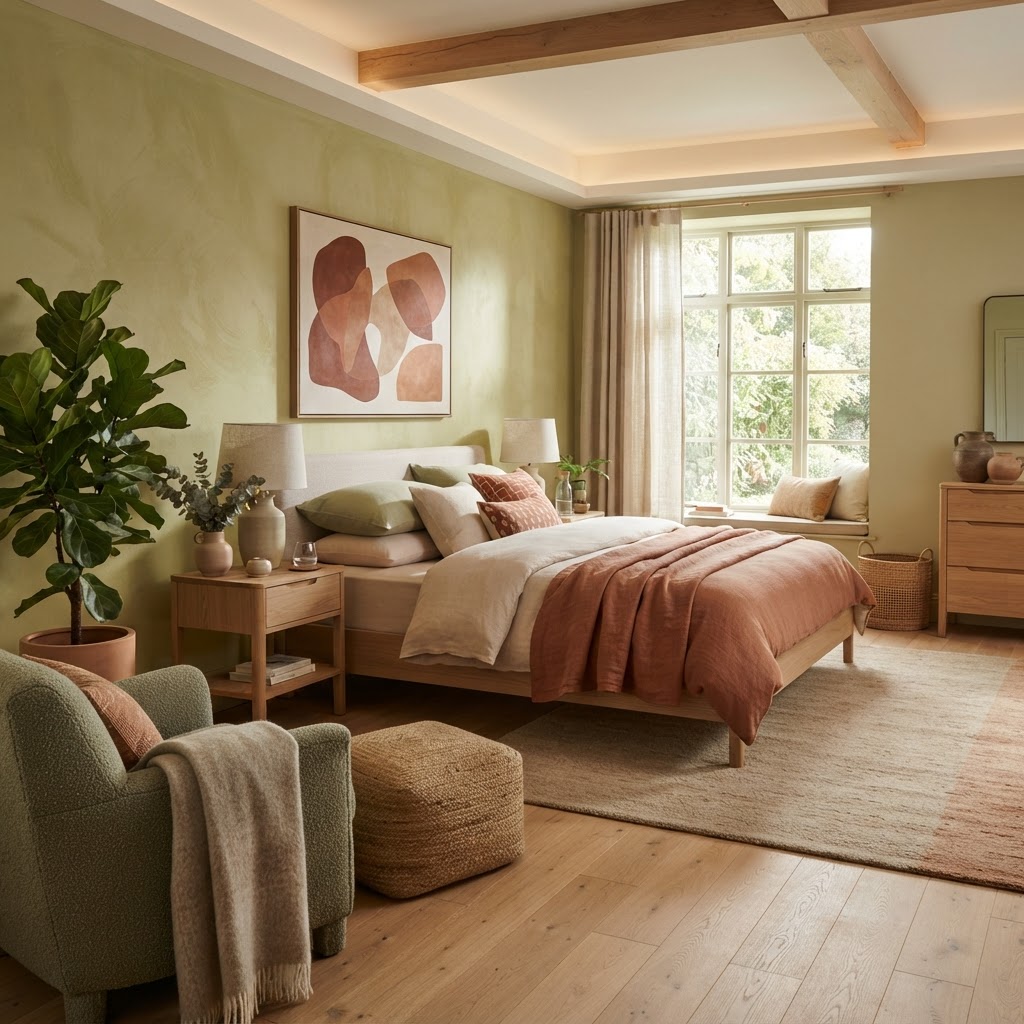
Color is one of the most immediate ways to shift how a space feels, and when it comes to biophilic design, the goal is to draw your palette directly from the natural world. Think about the colors you encounter in forests, on coastlines, in desert landscapes, in gardens. These are the colors that feel instinctively comfortable and grounding to us, and they translate beautifully into interior spaces.
The foundation of a biophilic color palette is usually a set of warm neutrals. Sandy beiges, soft whites, warm taupes, creamy off-whites. These are the colors of stone, sand, bone, and bare wood. They're calming without being cold, and they work as a backdrop that makes everything else in the room feel more natural and cohesive. From there, you layer in deeper greens, the color of foliage in all its variations, from the pale yellow-green of new leaves to the deep forest green of mature ferns. Green is genuinely one of the most restful colors for the human eye, and it belongs in biophilic spaces.
Earthy tones are your best friends here. Terracotta, rust, burnt sienna, warm ochre, deep clay. These colors connect to the soil, to fired ceramics, to autumn leaves and desert rock formations. They bring warmth and depth to a palette that might otherwise feel a bit cool or flat. Use them in accent walls, cushions, throws, ceramics, or artwork. They anchor a space and give it that lived-in, grounded quality that's so central to biophilic design.
Trust me on this, the key is avoiding anything that feels artificial or synthetic in its color temperature. Neon accents, stark cool grays, bright whites with a blue undertone. These don't belong in a biophilic palette. Instead, look for paints described as "warm," "earthy," or "muted." Some of my favorite paint ranges for biophilic interiors include colors that reference natural phenomena directly, names like "moss," "clay," "chalk," "driftwood," "lichen," or "forest." When in doubt, take your cue from a photograph of a landscape you love, and pull the colors directly from what you see there.
Final Thoughts
Biophilic design isn't a trend that's going to fade out when the next aesthetic takes over Instagram. It's a return to something fundamental about how humans relate to the world around them. And the beautiful thing is, you don't have to overhaul your entire home to start feeling the benefits. Add one large plant. Swap out your curtains for something lighter. Introduce a piece of reclaimed wood furniture. Paint an accent wall in a deep, earthy green. Each small change builds on the last, and before long you've created a space that feels genuinely alive.
The best biophilic interiors aren't the ones that look the most dramatic in photos. They're the ones where you walk in at the end of a long day and immediately feel your shoulders drop. That's what we're going for. A home that holds you. Start small, stay curious, and let nature lead the way.
More in Sustainable
Stay Inspired
Subscribe for new essays on architecture, design, and the spaces that shape us.