Greening Your Space: A Practical Guide to Eco-Friendly Building Materials
Looking to make your home more sustainable? This guide walks you through the best green building materials that not only look great but also contribute to a healthier planet. Discover how to make eco-conscious choices without sacrificing style in your interior design.
Understanding Green Building Materials
Let's be real for a second. The term "green building materials" gets thrown around so casually these days that it's lost a lot of its meaning. Walk into any big-box home improvement store and half the products have some kind of leaf logo or "eco-friendly" sticker slapped on them. But here's the thing: not all of those claims hold up under scrutiny. So before we dive into specific materials and applications, it's worth taking a minute to actually understand what makes something genuinely green.
At its core, a green building material is one that has a lower environmental impact across its entire lifecycle. We're talking about how it's sourced, how it's manufactured, how it performs in your home over time, and what happens to it when it's eventually replaced or demolished. That last part, by the way, is something a lot of people completely overlook. A material can be "natural" and still be a nightmare for the environment if it ends up in a landfill after twenty years and releases harmful compounds as it breaks down.
The key categories to look for include recycled content (materials made from post-industrial or post-consumer waste), rapidly renewable resources (things that regrow quickly, like bamboo or cork), locally sourced materials (which cut down on transportation emissions), and low-VOC or zero-VOC products (which protect indoor air quality). Certifications matter too. Look for third-party labels like FSC for wood products, Cradle to Cradle certification, or GREENGUARD Gold for interior products. These aren't perfect systems, but they give you a solid baseline to work from.
Honestly, once you start thinking this way, it changes how you approach every single design decision. It stops being about aesthetics first and becomes a more holistic conversation about what you're actually putting into a building and why. And that, to me, is where interior design gets really interesting.
Top Sustainable Materials for Your Interior
Okay, this is the section I get genuinely excited about. Because the options for sustainable interior materials have exploded in the last decade, and a lot of them are not just environmentally responsible, they're also gorgeous. Let me walk you through my personal favorites and why I keep recommending them to clients.
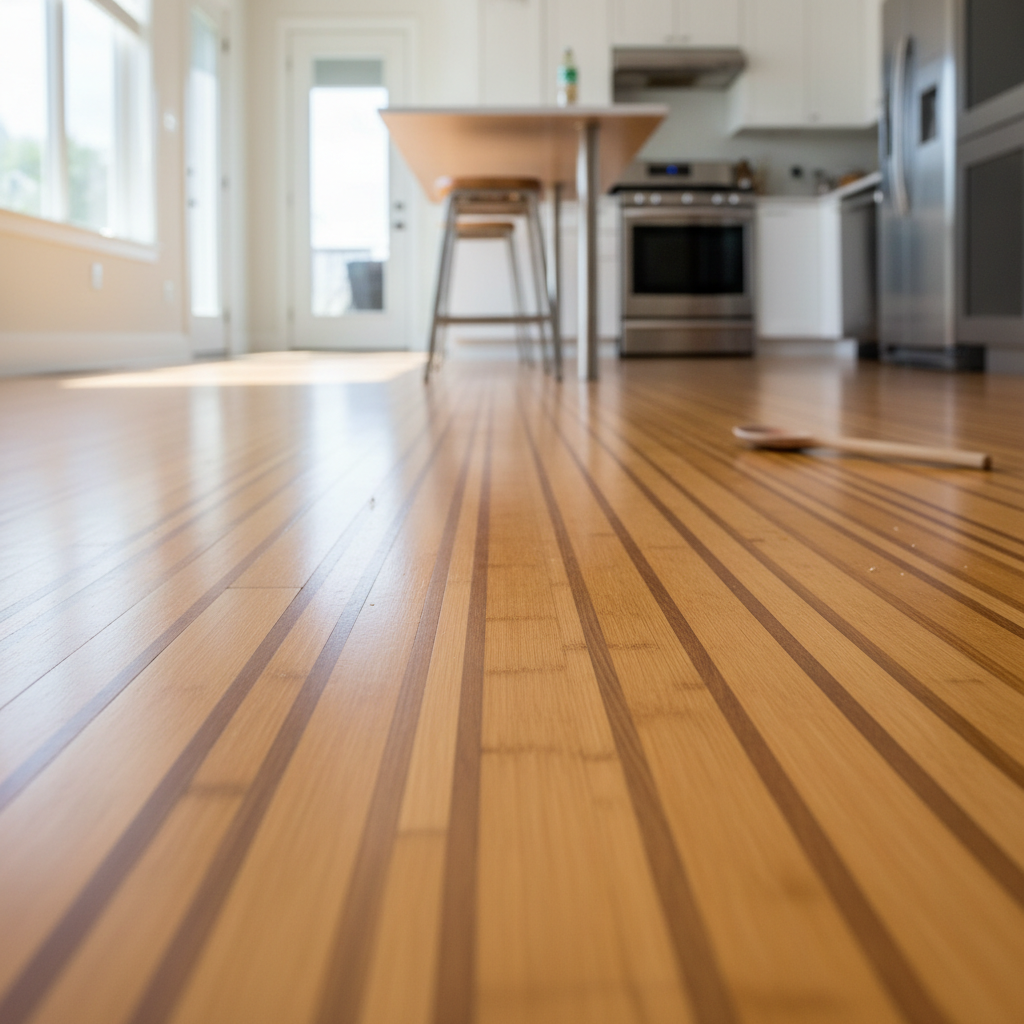
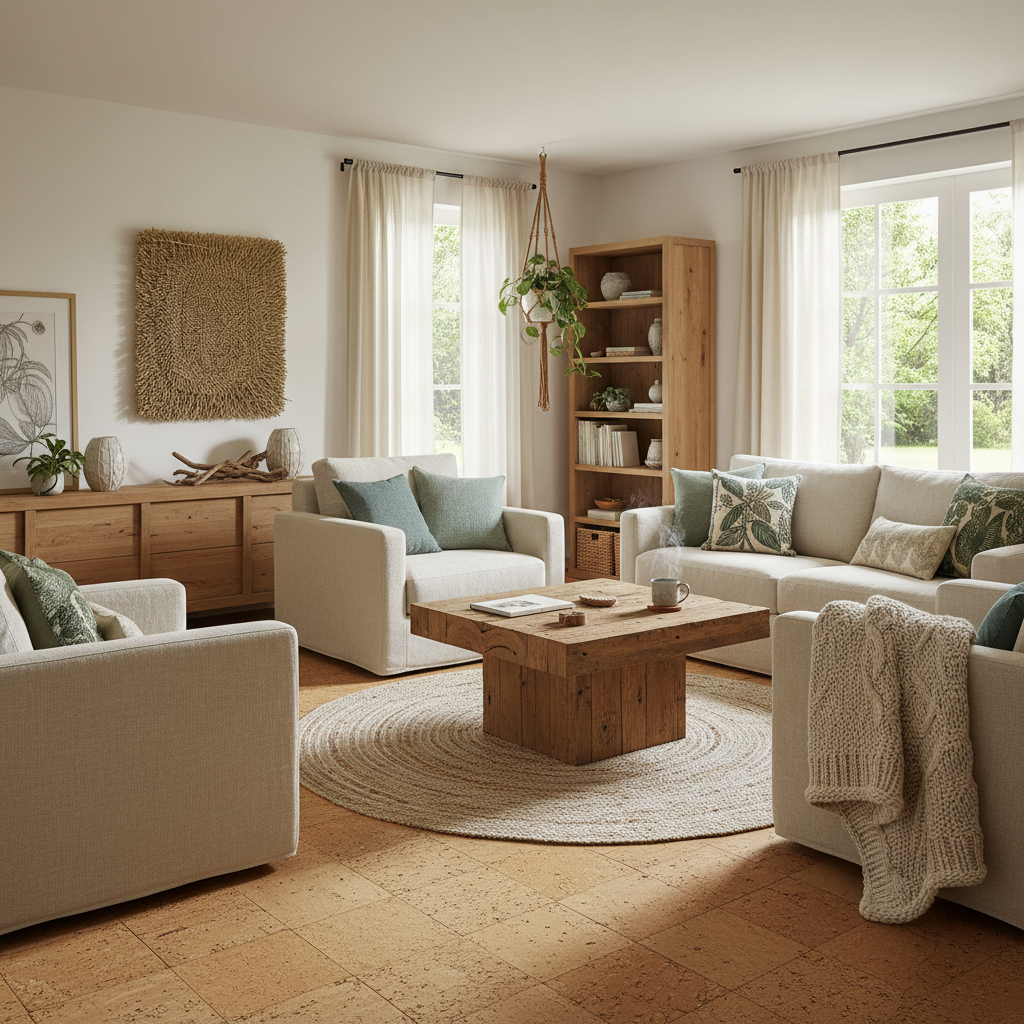
Bamboo flooring is probably the one most people have heard of, and for good reason. Bamboo is technically a grass, not a wood, and it can be harvested in as little as five years compared to the decades it takes to grow a mature hardwood tree. It's incredibly durable, takes stain beautifully, and gives a space that warm, slightly exotic feel that clients absolutely love. Just make sure you're buying from a reputable supplier, because some bamboo products use adhesives with high formaldehyde content. Always check the VOC ratings. Cork is another underrated gem. It's harvested by stripping the bark from cork oak trees without actually cutting them down, so the tree keeps living and regenerates the bark. Cork flooring and wall tiles have a soft, warm feel underfoot and genuinely impressive acoustic and thermal insulation properties.
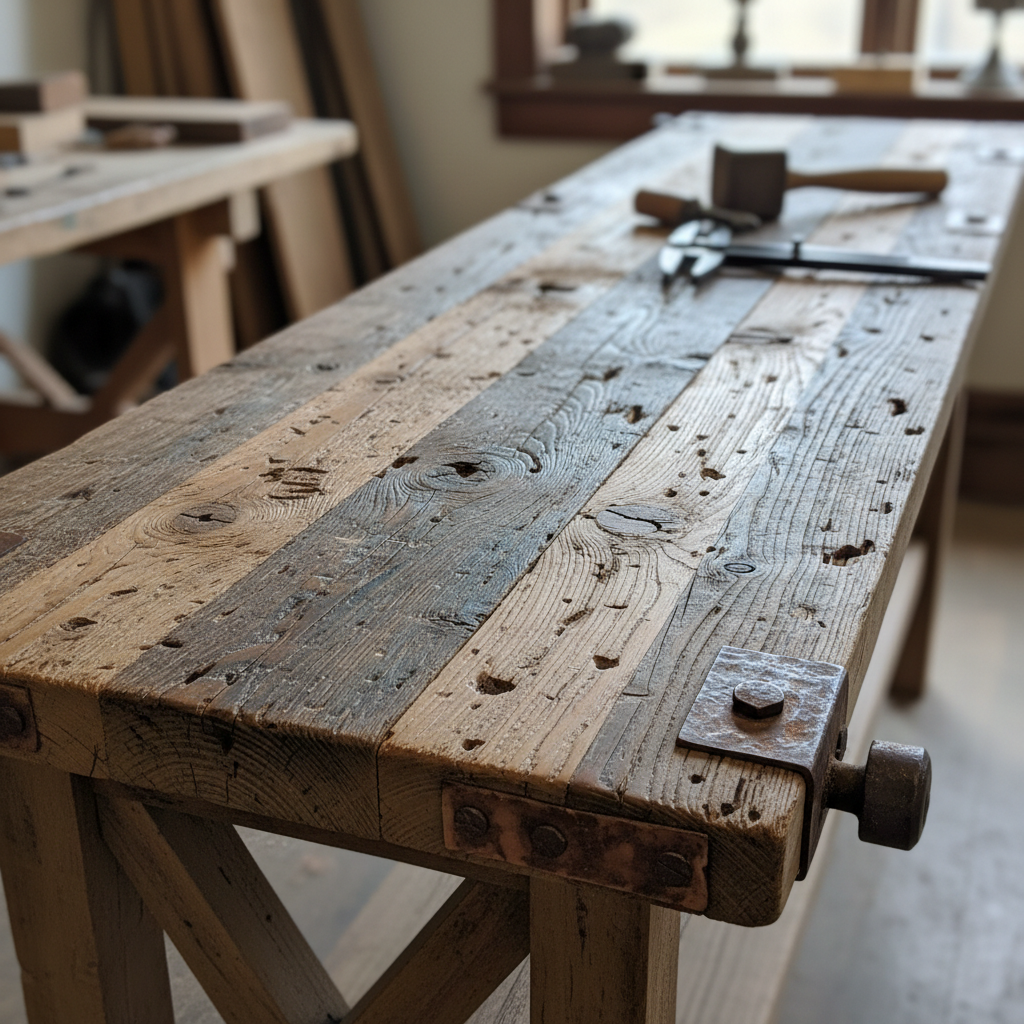
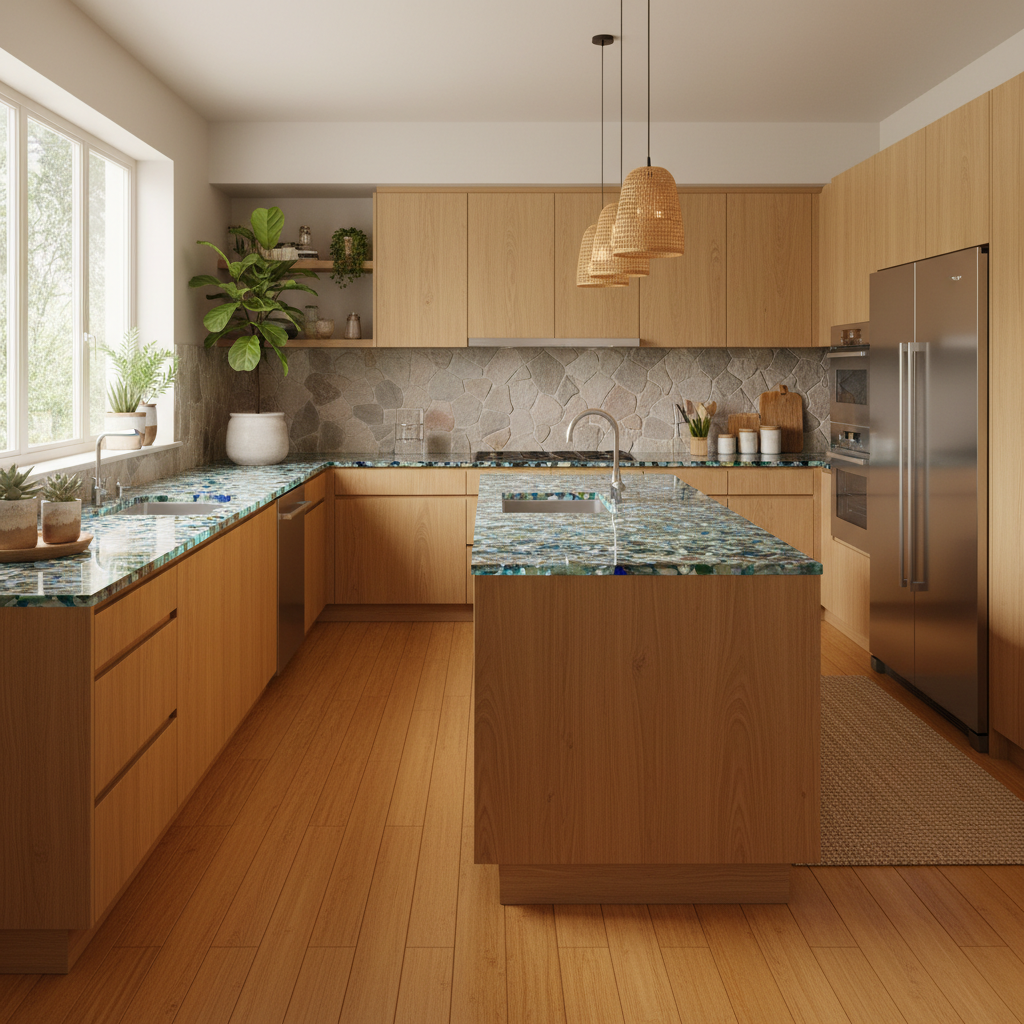
For countertops, recycled glass surfaces are having a serious moment right now. They're made from crushed post-consumer glass (think wine bottles, windows, even traffic lights) set in cement or resin binders. The result is this incredibly rich, jewel-like surface that's completely unique. No two slabs look the same. Reclaimed wood is another one I'll always advocate for. Using salvaged timber from old barns, factories, or demolished buildings means you're getting material with serious character and history, while keeping it out of the landfill. It's also often denser and more durable than new-growth wood.
- Bamboo: Fast-growing, durable, and versatile for flooring, cabinetry, and furniture
- Cork: Sustainably harvested, naturally antimicrobial, great for floors and walls
- Recycled glass: Stunning countertop option with zero new raw material extraction
- Reclaimed wood: Full of character, keeps material out of landfills, often structurally superior
- Low-VOC paints: A simple switch that makes an enormous difference to indoor air quality
And honestly, don't underestimate the impact of simply switching your paint. Low-VOC and zero-VOC paints have come so far in terms of performance and color range. There's no reason to still be using conventional paint indoors. It's one of the easiest, cheapest swaps you can make, and your lungs will thank you.
Exterior Green Options: What to Choose
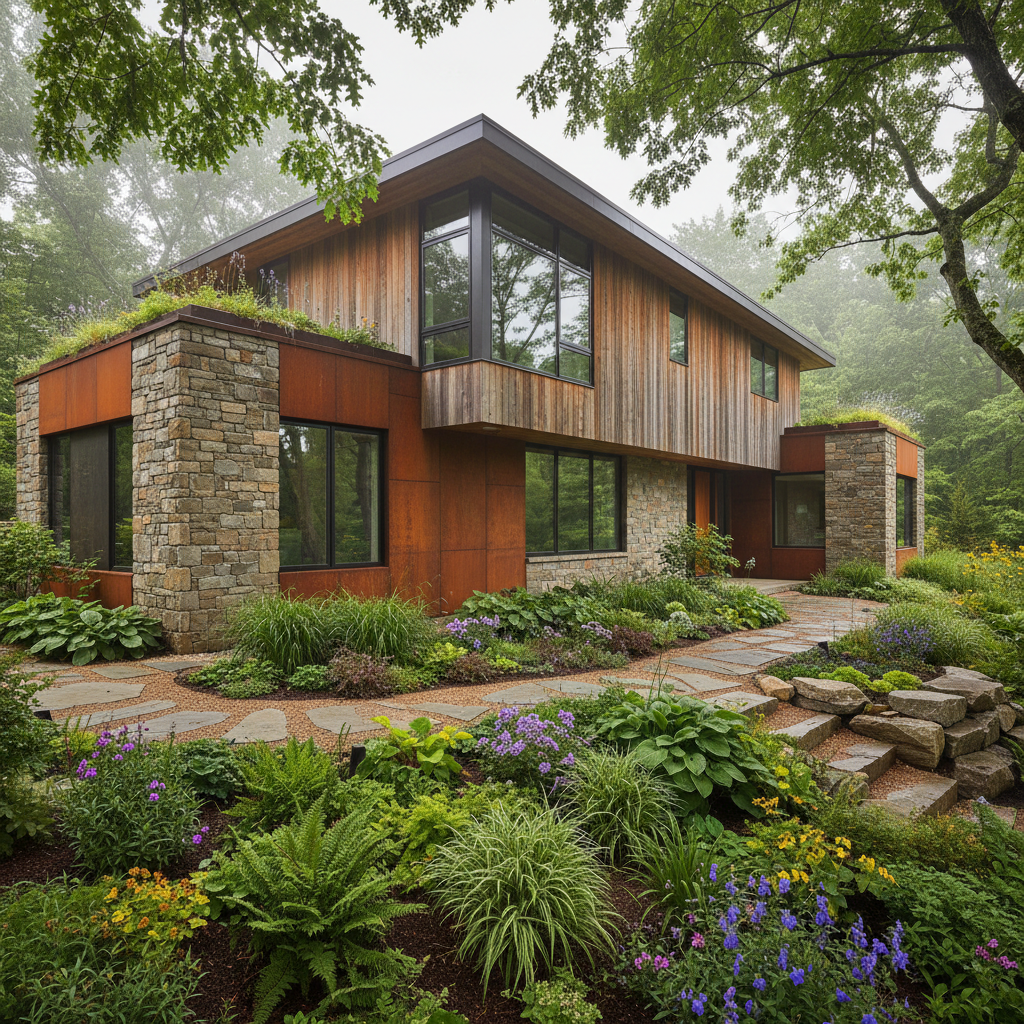
The exterior of a building takes a beating. Rain, UV exposure, temperature swings, wind, impact. So when we're talking about green exterior materials, durability isn't just a nice-to-have, it's actually a core part of sustainability. A material that lasts fifty years is almost always greener than one you have to replace every fifteen, even if the latter has slightly better initial eco-credentials.
Fiber cement siding is one I recommend constantly. It's made from a mix of Portland cement, sand, and cellulose fibers (often from recycled wood pulp), and it is tough. It's resistant to fire, insects, rot, and moisture. It can be made to look like wood, stucco, or masonry, and it doesn't require the same maintenance cycle as real wood cladding. Reclaimed brick is another fantastic choice for exterior walls. The embodied energy in reclaimed brick is essentially zero since all that energy was spent decades or centuries ago. Plus, old brick has a texture and warmth that new brick just can't replicate. Trust me on this, once you've seen a wall of properly cleaned reclaimed brick, you'll never want the new stuff again.
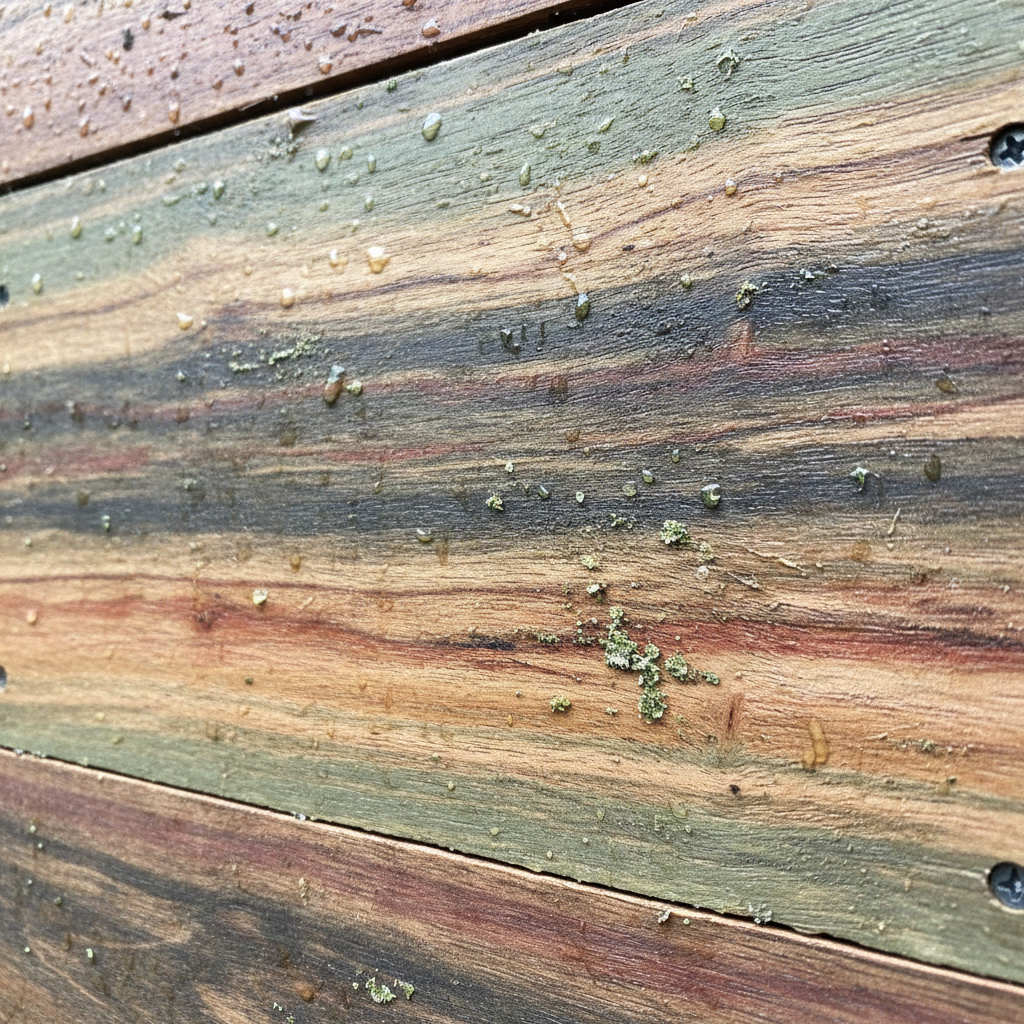
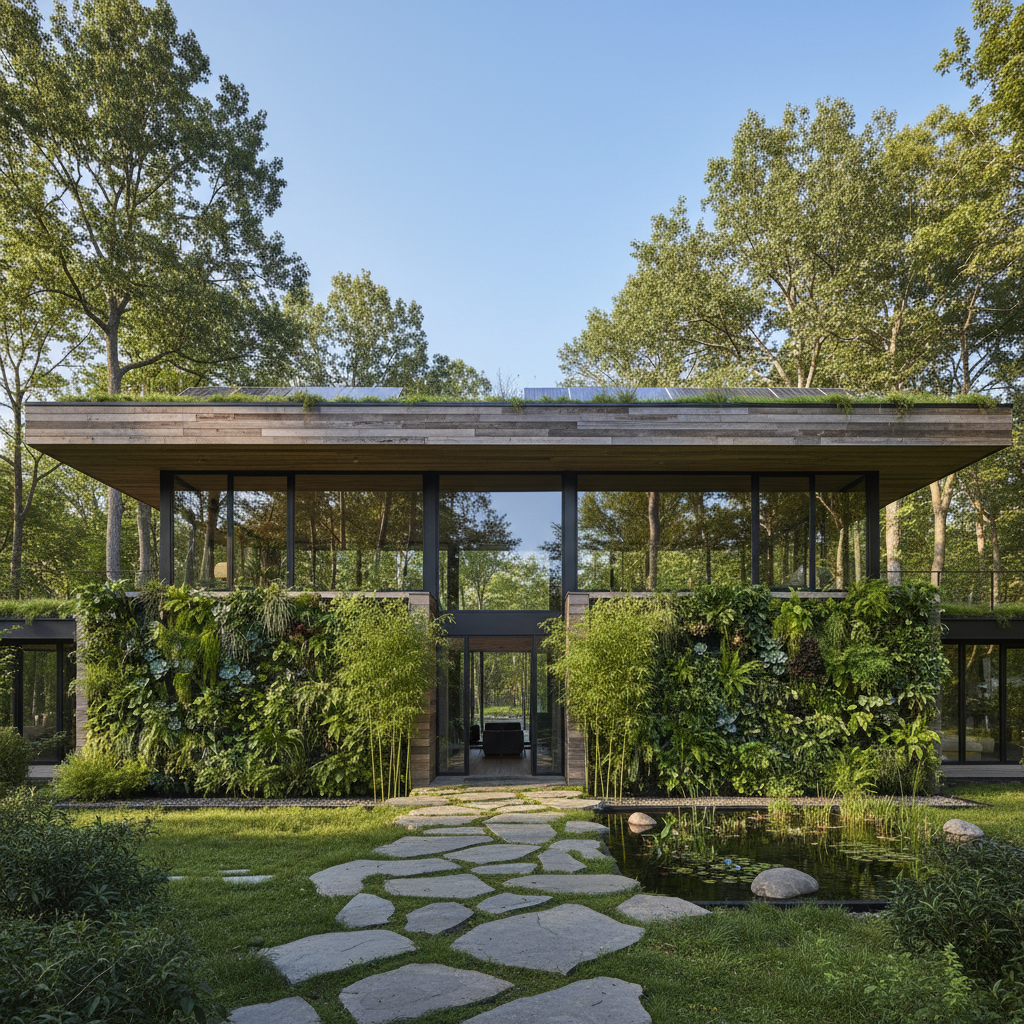
For roofing, metal roofing deserves way more attention than it gets in residential design. It's typically made with significant recycled content, it's fully recyclable at end of life, and it can last sixty to seventy years with minimal maintenance. Reflective metal roofing in particular can dramatically reduce cooling loads in warm climates. Green roofs, where you're literally growing vegetation on the roof surface, are another option worth exploring. They provide insulation, reduce stormwater runoff, lower urban heat island effect, and support local biodiversity. They do require more structural consideration and maintenance, but the benefits, especially in urban settings, are real and measurable.
Look, the exterior choices you make also affect your energy performance significantly. Pairing durable exterior cladding with proper insulation and air sealing is where you really start to see the compounding benefits of green building. These systems work together, and when they do, the results in terms of energy bills and thermal comfort are pretty remarkable.
How to Incorporate Green Materials in Renovations
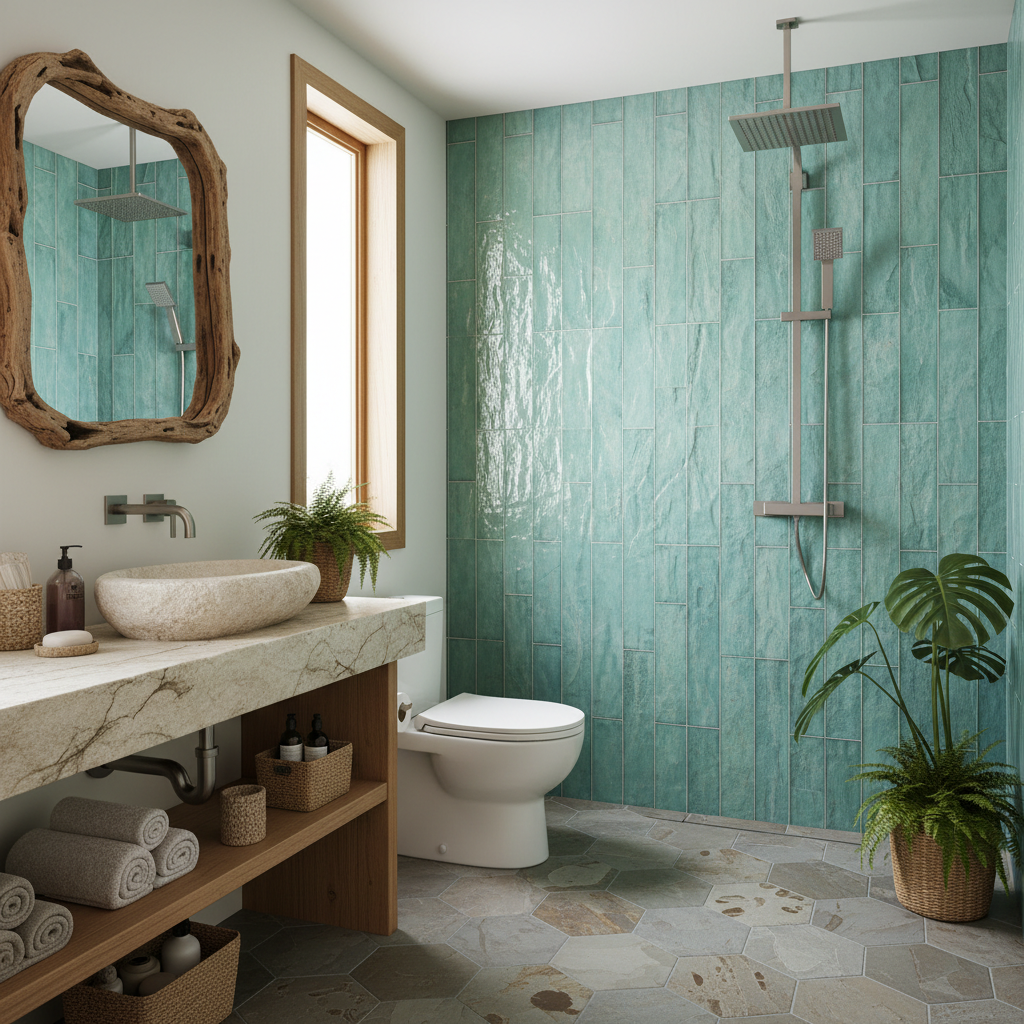
Here's where I get a little passionate, because I think renovations are actually the most exciting frontier for sustainable building. New construction is great, but the reality is that the vast majority of our building stock already exists. Learning how to green up existing buildings is, honestly, more impactful than any shiny new eco-home development. And it's more accessible to more people.
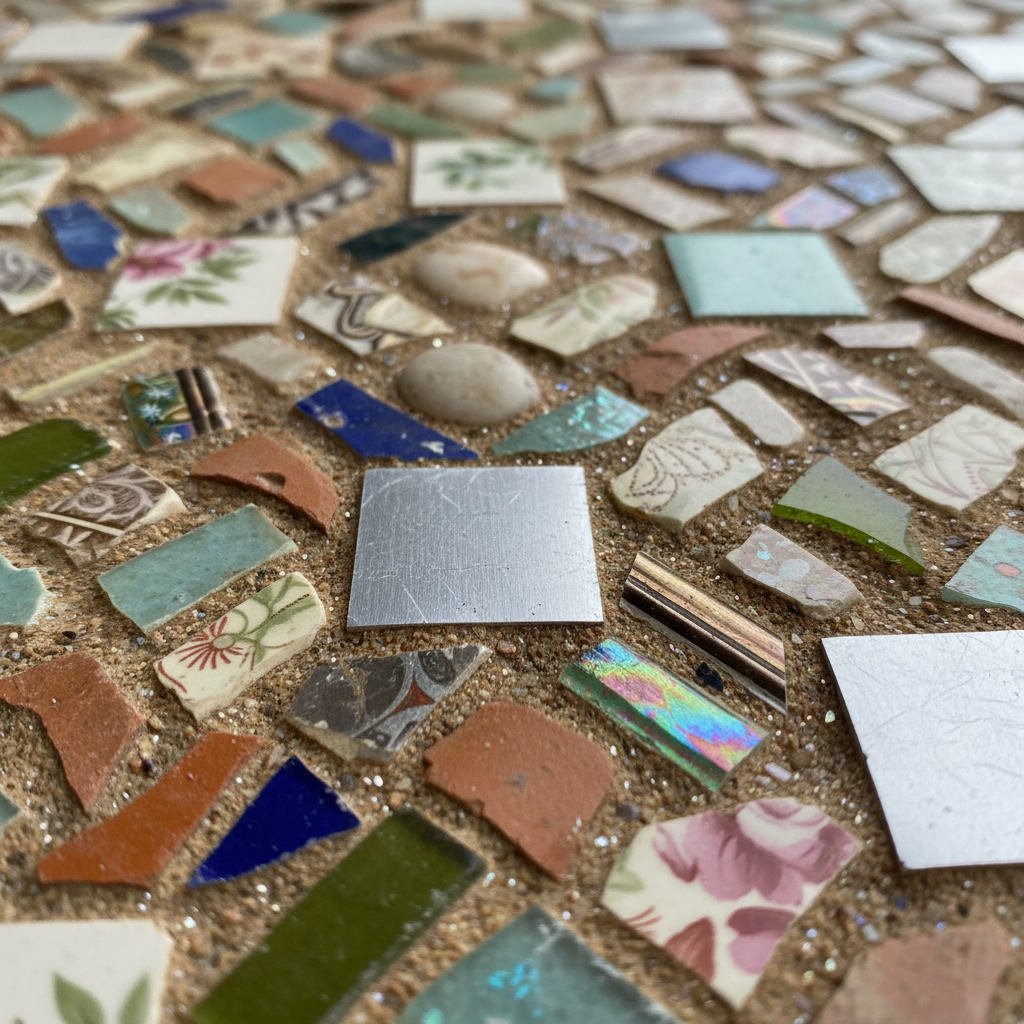
The first thing I always tell clients who are renovating is: don't rush the demolition. Before anything gets ripped out, walk through with your contractor and identify what can be salvaged. Old hardwood floors, solid wood doors, cast iron radiators, vintage tiles, even structural timber can often be reused or sold. What you can't keep on-site can sometimes be donated to architectural salvage organizations, which keeps it out of the waste stream entirely. This step costs almost nothing extra in time but can make a huge difference both environmentally and sometimes even financially.
When you're selecting new materials for a renovation, think in terms of priorities. Where are you going to get the most bang for your buck environmentally? Insulation is almost always the answer. Upgrading to a high-performance insulation product, whether that's recycled denim batts, spray polyurethane with a low global warming potential formula, or rigid mineral wool, pays dividends in energy savings for the entire remaining life of the building. After insulation, windows are usually next. Look for double or triple-glazed units with low-e coatings and thermally broken frames.
- Audit what exists before demolishing anything
- Prioritize insulation upgrades first, they have the longest payback period
- Source salvage materials locally before buying new
- Choose finishes with low VOC content, especially in enclosed spaces
- Work with contractors who have experience in sustainable building practices
Real talk: one of the biggest barriers I see is people thinking they have to do everything at once. You don't. A phased approach to greening a renovation, tackling the building envelope first, then systems, then finishes, is completely valid and often smarter from a budget perspective. The key is having a plan so that your early decisions don't undermine your later ones.
Future Trends in Green Building Materials
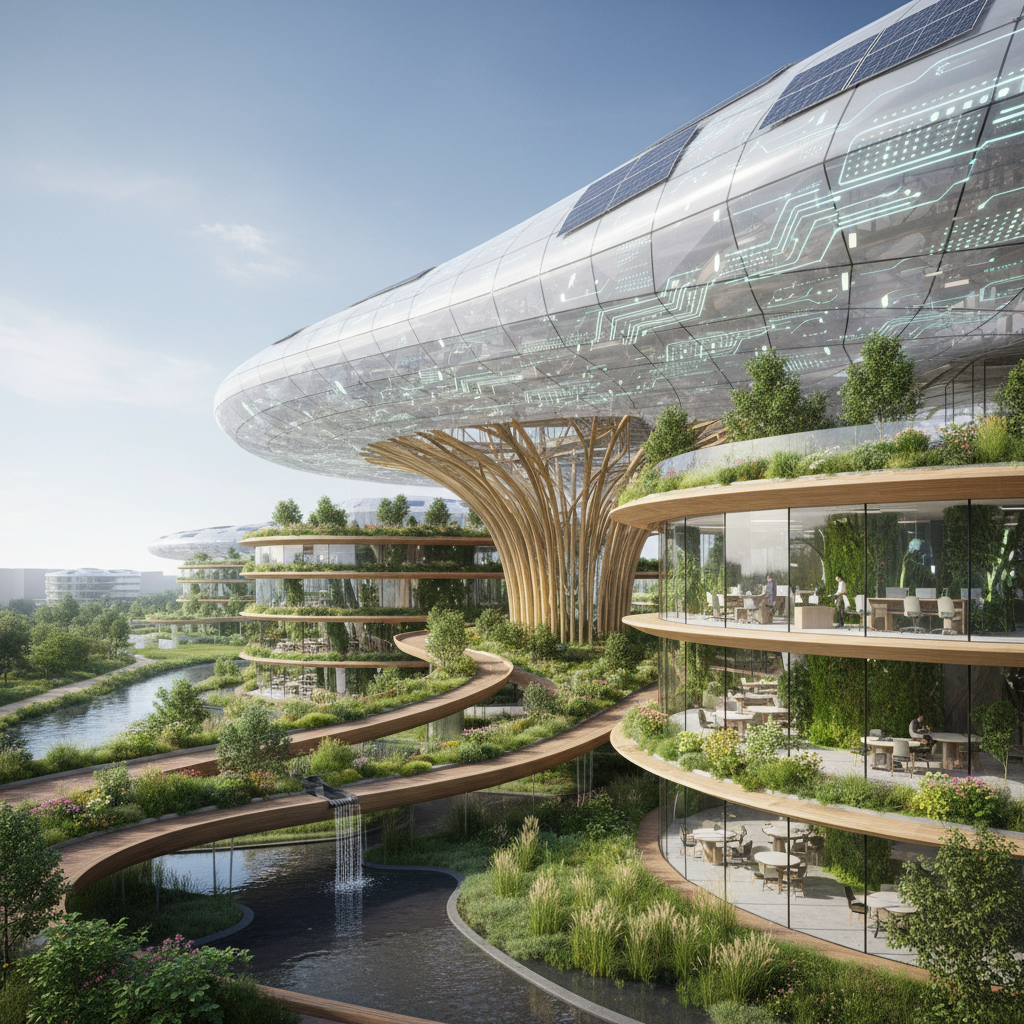
This is the part of the conversation where I have to restrain myself from going completely off the deep end with excitement, because the stuff coming down the pipeline in sustainable materials science is genuinely wild. We're not just talking about incremental improvements. We're talking about fundamental shifts in what buildings are made of and how they interact with the environment around them.
Mass timber is probably the most immediately relevant trend, and it's already here in a big way. Cross-laminated timber (CLT) and glulam structures are enabling architects to build multi-story buildings out of engineered wood products. Wood is a carbon sink, meaning it stores carbon throughout its life in the building, and mass timber construction generates far less construction waste than concrete or steel. Some of the most beautiful contemporary buildings I've seen in the past few years have been mass timber structures, and the aesthetic possibilities are extraordinary.
Mycelium-based materials are something that sounds like science fiction but is increasingly becoming reality. Mycelium is the root structure of fungi, and researchers have found ways to grow it around agricultural waste to create strong, lightweight, fully compostable insulation panels, packaging, and even structural blocks. Hempcrete, a mixture of hemp hurds (the woody core of the hemp plant) and lime, is another fascinating material gaining traction. It's carbon-negative over its lifecycle, has excellent thermal mass, is vapor-permeable, and naturally resists mold and pests. It's not a structural material on its own, but as an insulating infill it's pretty hard to beat.
"The built environment accounts for nearly 40% of global carbon emissions. The materials we choose to build with are not just a design decision, they are a climate decision."
Beyond individual materials, the concept of circular economy design is reshaping how architects and designers think about buildings altogether. The idea is that buildings should be designed from the start for eventual disassembly, so that every component can be recovered and reused at end of life. This is a pretty radical departure from how most buildings have been designed historically, but it's gaining serious momentum in both academic and professional circles. And honestly, it makes complete sense. Why would we bury perfectly good materials in the ground?
I also want to mention biophilic materials, which are materials that actively connect occupants to nature, whether through texture, pattern, scent, or the presence of living organisms. Living walls and moss panels fall into this category. Research consistently shows that biophilic design reduces stress, improves cognitive performance, and increases wellbeing. When sustainable materials also make people feel better and work better, the argument for using them basically writes itself.
Final Thoughts
Look, greening your space doesn't have to be an overwhelming, all-or-nothing commitment. It's a direction, not a destination. Every single material decision you make is an opportunity to do something a little better for the planet, for the people who will live or work in that space, and honestly, for the quality of the design itself. In my experience, the best sustainable interiors and buildings aren't the ones that wear their eco-credentials on their sleeve. They're the ones that are beautiful, durable, healthy, and thoughtfully made, and the sustainability is just baked into every single choice.
Start where you are. Ask better questions when you're shopping for materials. Push your contractors and suppliers for more information about what's actually in the products they're recommending. Demand certifications. And give yourself permission to take this one project, one room, one decision at a time. The knowledge compounds, and so does the impact. That's the thing about building sustainably: once you start thinking this way, it's pretty hard to stop.
More in Sustainable
Stay Inspired
Subscribe for new essays on architecture, design, and the spaces that shape us.