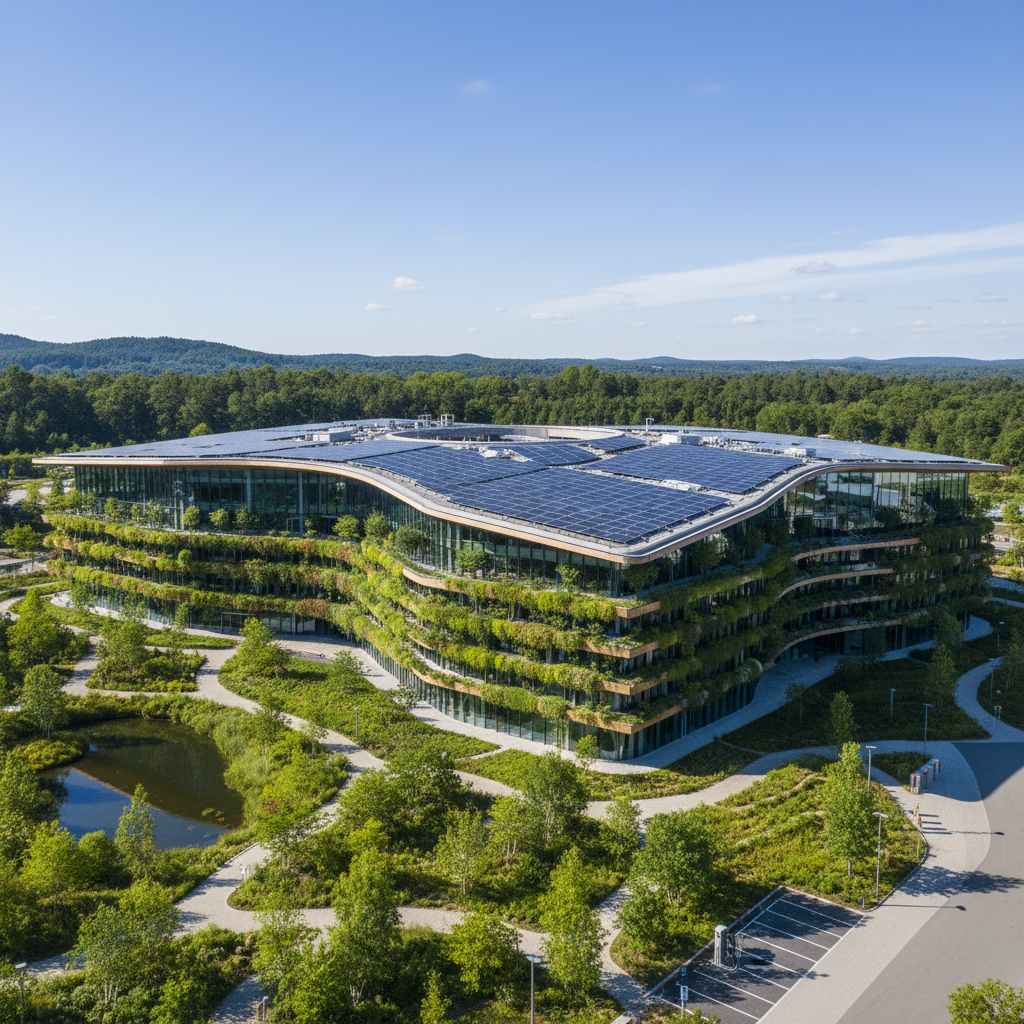
Unlocking the Secrets of Net-Zero Buildings: A Comprehensive Guide
Curious about how net-zero buildings work? This guide breaks down everything from design principles to practical tips for achieving energy efficiency and sustainability in your projects. Join us on this journey to discover how these structures are setting the standard for the future.
What is a Net-Zero Building?
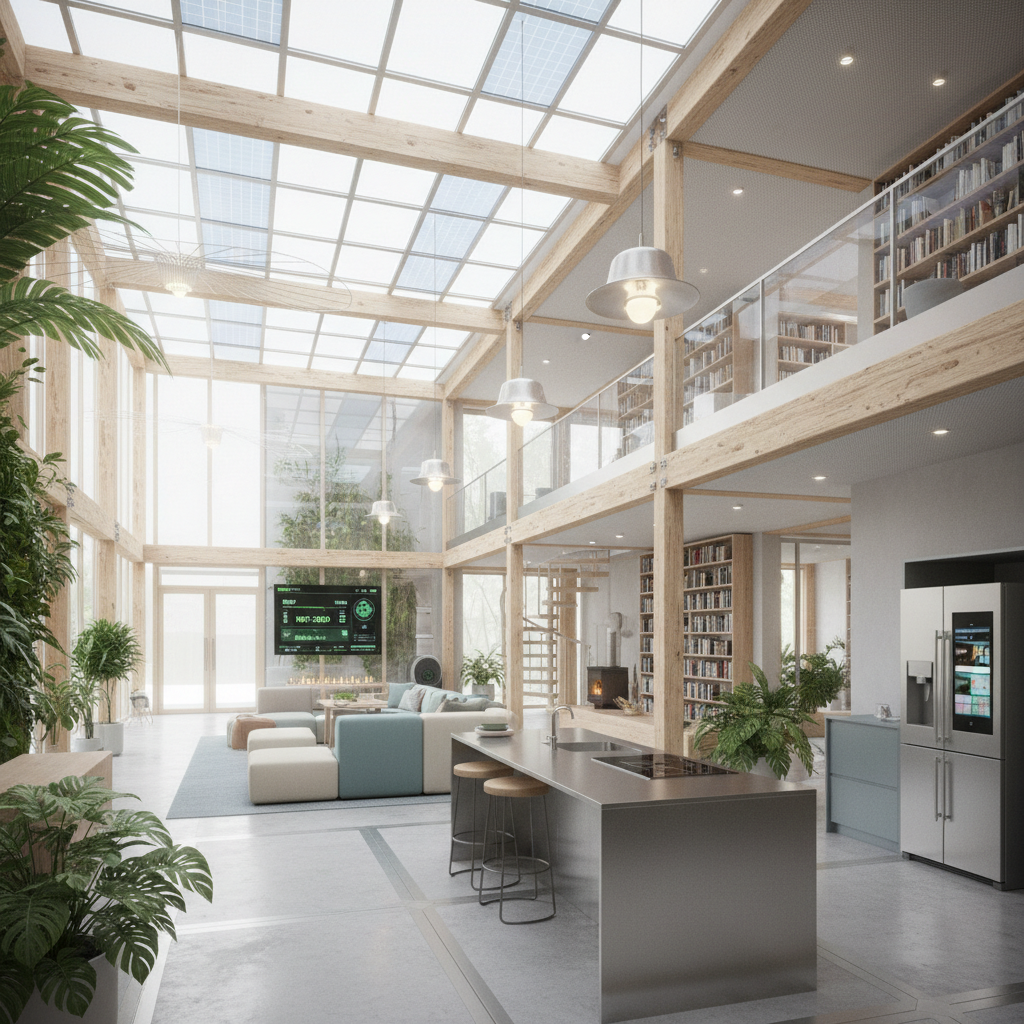
Okay, let's start at the very beginning, because honestly, the term "net-zero building" gets thrown around a lot these days and most people nod along without really knowing what it means. A net-zero building, at its core, is a structure that produces as much energy as it consumes over the course of a year. That's it. Simple concept, wildly complex execution.
The way it works is that the building first reduces its energy demand as much as possible through smart design and efficient systems, then generates its own clean energy, usually through solar panels or small wind turbines, to cover whatever's left. Any surplus energy gets fed back into the grid, and any deficit gets pulled from it. At the end of the year, those numbers balance out to zero. Hence the name.
Now, there's an important distinction to make here. Net-zero energy is the most common type, but you'll also hear about net-zero carbon buildings, which focus specifically on greenhouse gas emissions rather than raw energy use. Some buildings aim for both. There are also near-zero and zero-ready designations floating around in the architecture world, and yes, it can get a little confusing. For this guide, we're primarily talking about net-zero energy buildings, which are the most widely pursued and best understood category right now.
Here's the thing: this isn't some futuristic fantasy. Net-zero buildings exist all over the world, in cold climates, hot ones, urban centers, and rural communities. The technology is here. The design knowledge is here. What's been missing for a lot of people is a clear, honest breakdown of how it all fits together. That's exactly what we're going to do today.
Key Design Principles
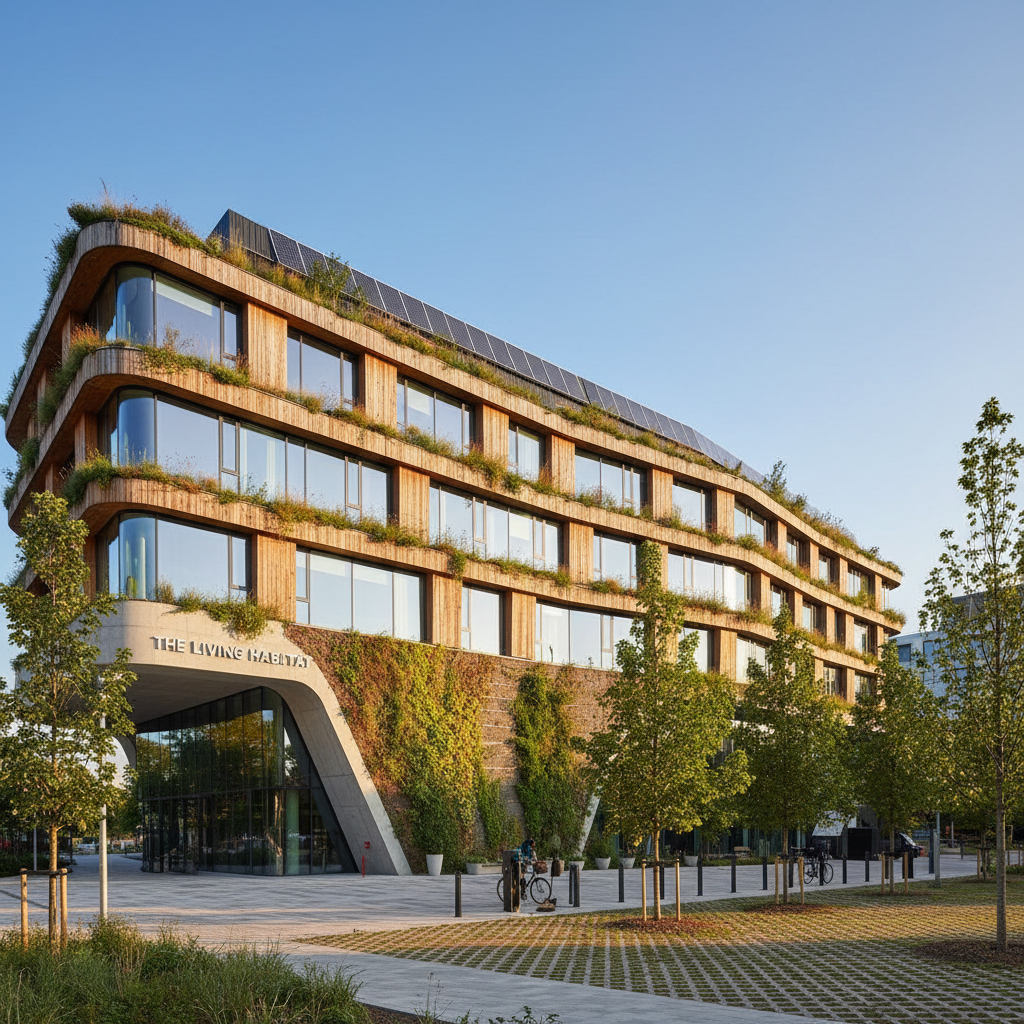
Look, you can slap solar panels on any building and call it a day, but that's not how net-zero design actually works. Real net-zero design starts long before the panels go up. It starts on the drawing board, with a set of principles that guide every single decision, from which direction the building faces to what kind of insulation goes in the walls.
The first and arguably most important principle is passive design. This means using the building's orientation, shape, and materials to naturally regulate temperature, daylight, and ventilation. A well-oriented building with proper window placement can dramatically cut heating and cooling loads without a single piece of active technology. It's architecture working with nature instead of fighting it. South-facing glazing in the northern hemisphere, for instance, captures low winter sun while roof overhangs block the high summer sun. Thoughtful, elegant, and effective.
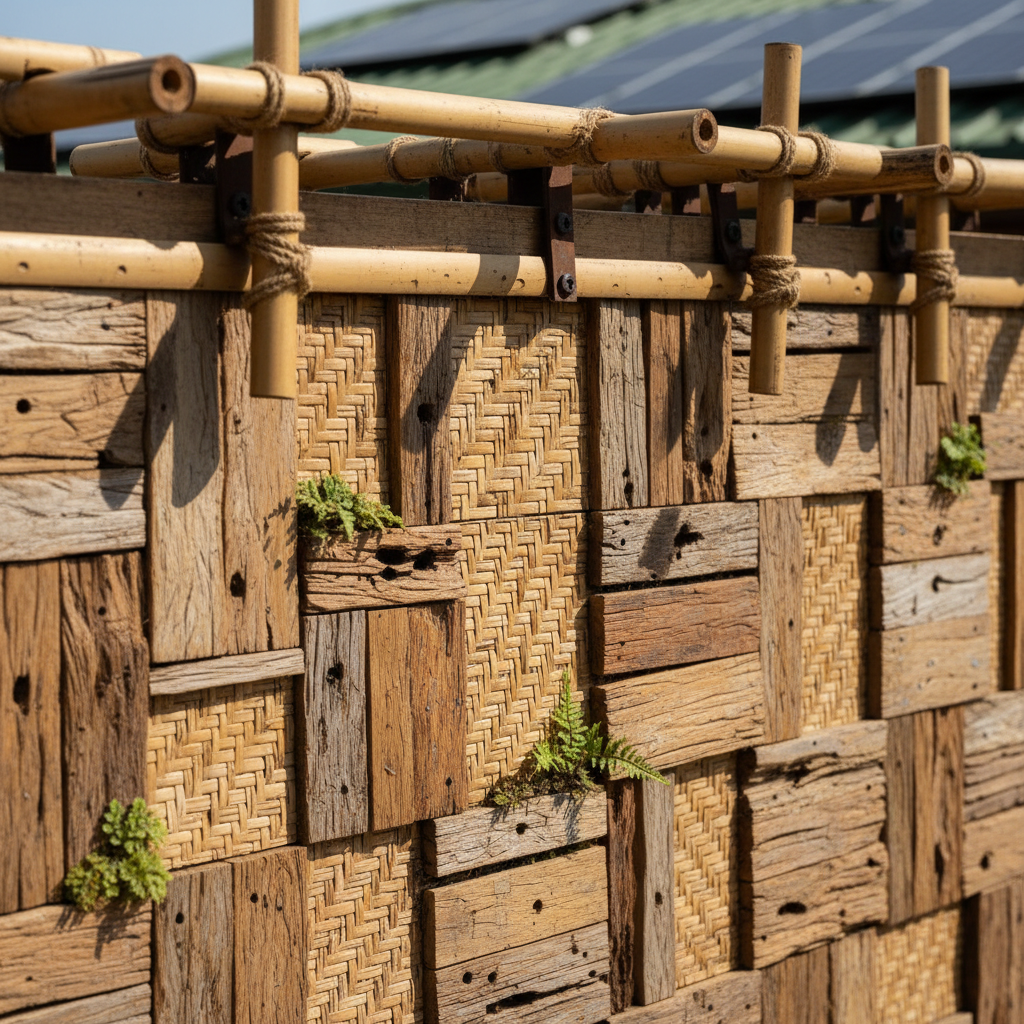
After passive design comes the building envelope, and trust me on this, it's where a lot of projects either shine or completely fall apart. The envelope is the skin of the building, walls, roof, foundation, windows, and doors. A high-performance envelope keeps conditioned air inside and outside weather where it belongs. This means exceptional insulation levels, triple-glazed windows in many climates, and meticulous air sealing. Thermal bridging, which is basically heat sneaking through conductive materials like metal studs or concrete, is a major enemy here and has to be addressed at the design stage.
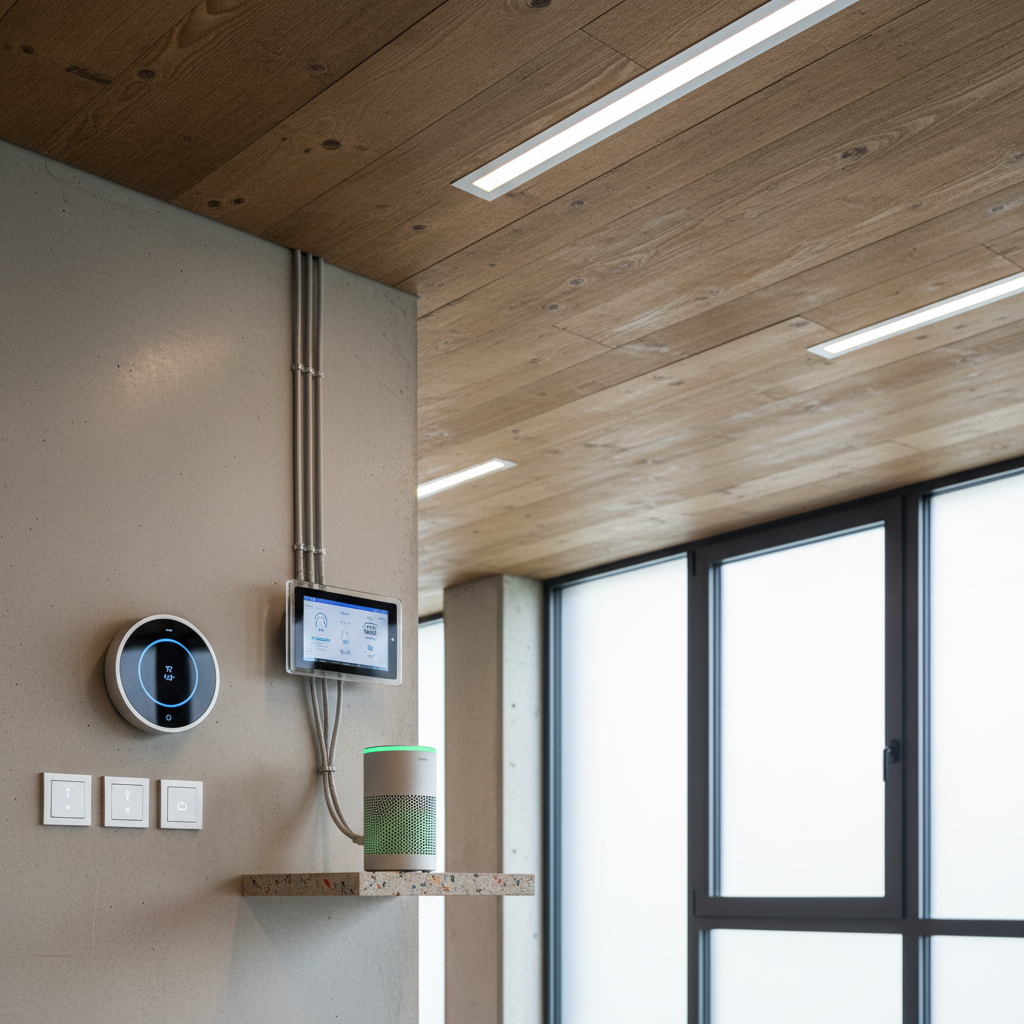
Then there's mechanical system efficiency. Heat pumps, energy recovery ventilators, smart thermostats, LED lighting, and Energy Star appliances all contribute to shrinking that energy demand number. Once you've done all of that, then you look at renewable energy generation to cover the remaining load. The hierarchy matters enormously. Reduce first, then generate. Architects who get this right produce buildings that are not only net-zero but genuinely comfortable and beautiful to live or work in.
Benefits of Going Net-Zero
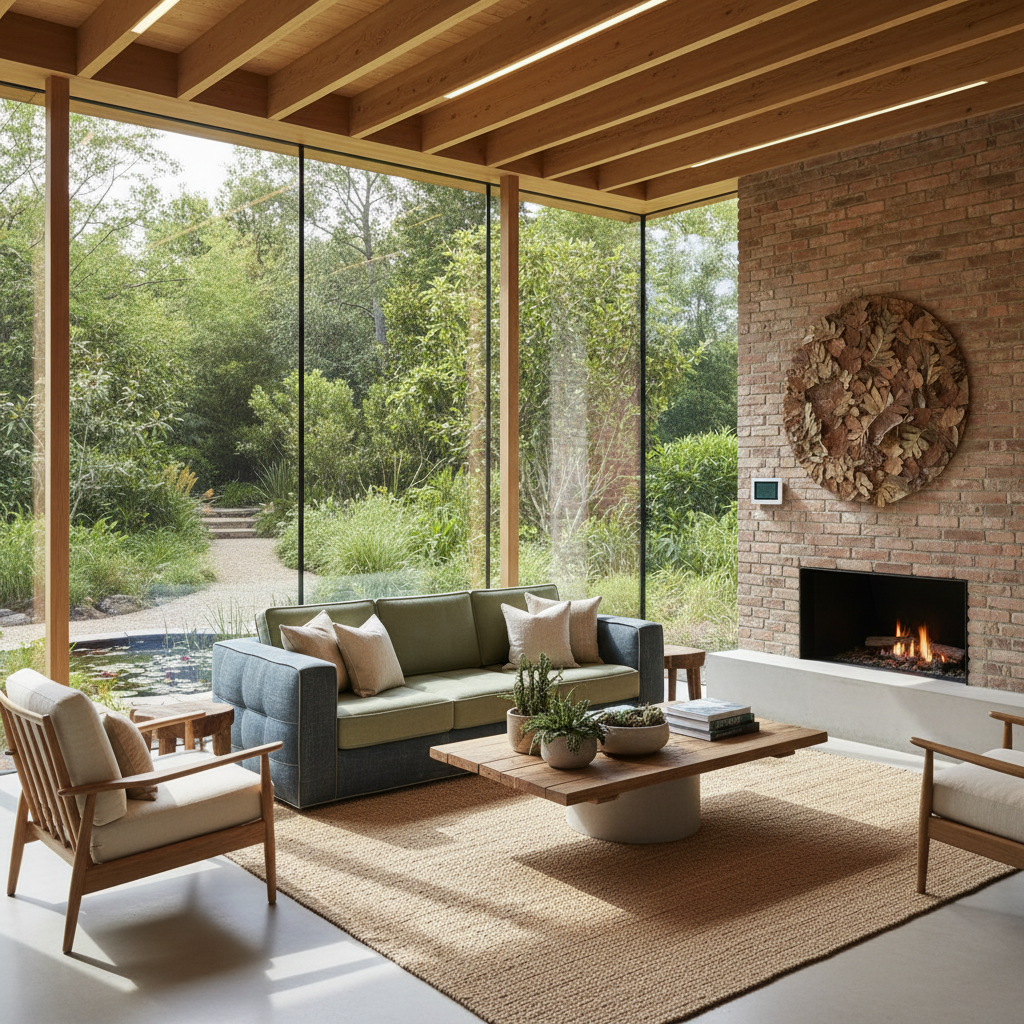
Honestly, when people hear "net-zero building" they immediately think it's all about saving the planet and while yes, that's a huge part of it, the benefits go so much deeper than environmental feel-good points. Let's talk real numbers and real lived experience for a second.
The most immediate benefit for most building owners and occupants is dramatically lower operating costs. Net-zero buildings are designed to be incredibly efficient, and that translates directly into energy bills that are a fraction of what you'd pay in a conventional building. Over the lifespan of a building, those savings stack up into a genuinely significant financial return. Some net-zero homeowners report energy bills close to zero or even receive small credits from their utility companies. That's not marketing fluff, that's real.

Then there's indoor comfort and air quality, and this one genuinely surprises people. Because net-zero buildings are so tightly sealed and use mechanical ventilation systems with heat recovery, the indoor air quality is often better than in leaky conventional buildings. Temperatures stay consistent, humidity is controlled, and you don't get drafts or cold spots near windows in winter. People who live and work in these buildings consistently report feeling better and being more productive. That's not a coincidence.
- Energy cost savings: Significantly lower monthly utility bills, sometimes approaching zero
- Increased property value: Green-certified net-zero buildings command higher resale prices
- Resilience: On-site energy generation provides protection against grid outages
- Environmental impact: Dramatic reduction in carbon emissions over the building's lifetime
- Comfort and wellbeing: Consistent temperatures, better air quality, and reduced noise infiltration
And look, there's the big picture environmental benefit too. Buildings account for roughly 40% of global energy consumption and a significant chunk of carbon emissions. Every net-zero building that goes up is a concrete, tangible step toward addressing climate change. When you think about it at scale, across millions of buildings, the impact is enormous. This isn't abstract environmentalism. It's practical, measurable change.
Steps to Achieve Net-Zero Status
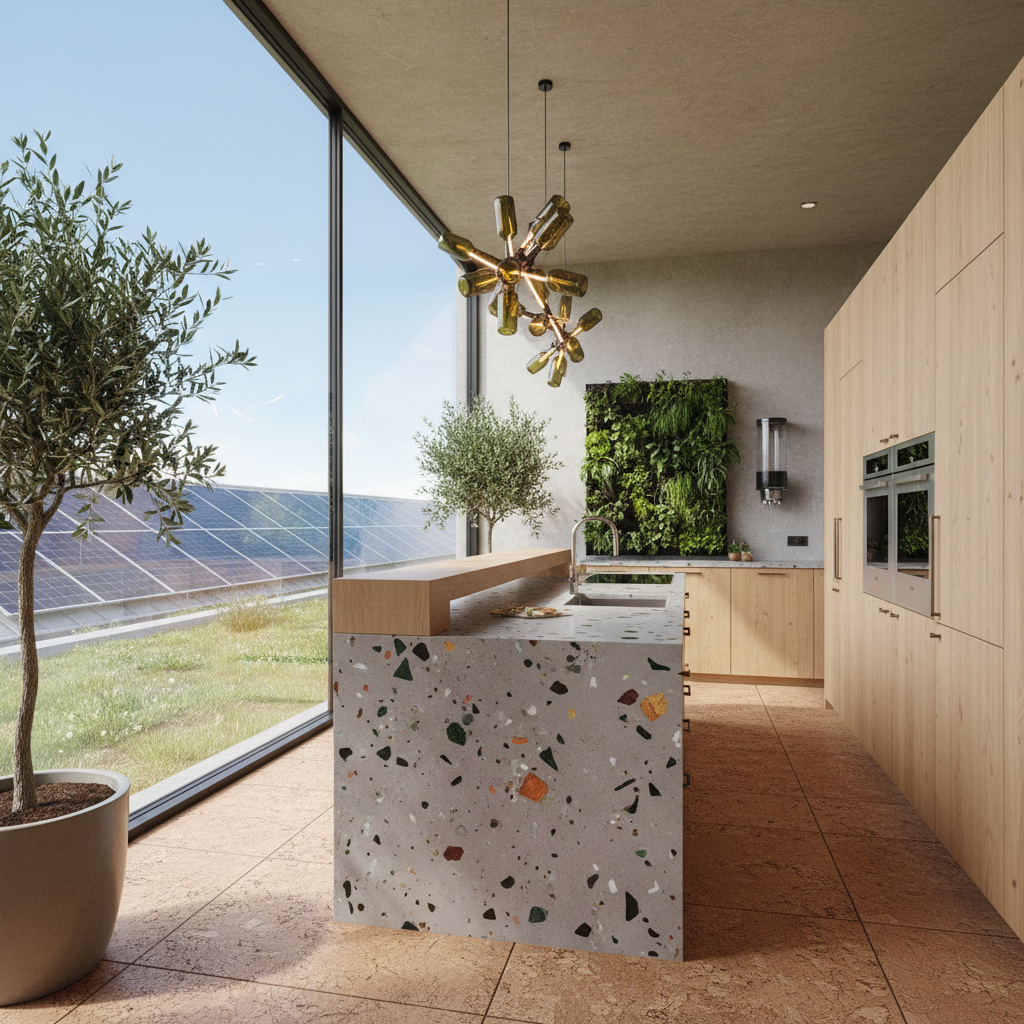
Real talk: getting to net-zero is a process, not a single decision. Whether you're building from scratch or retrofitting an existing structure, there's a sequence of steps that makes the whole thing achievable without losing your mind or your budget. Let me walk you through how it actually works in practice.
Step one is always an energy audit or modeling exercise. For new construction, this means running detailed energy simulations during the design phase to understand where the building will gain and lose energy. For retrofits, it means bringing in an energy auditor to assess the current building's performance. You need to know your starting point before you can plan your route. This step also helps identify the most cost-effective improvements to prioritize.
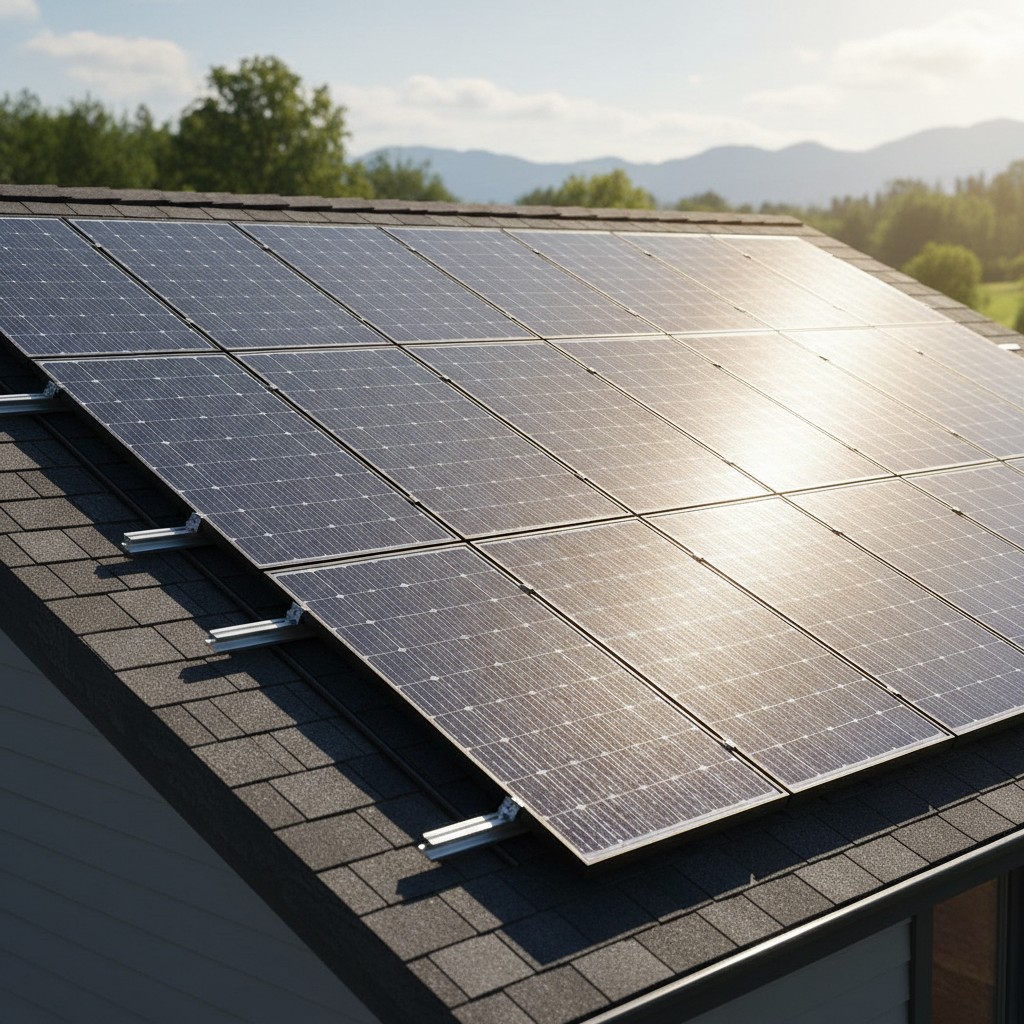
From there, the steps follow that reduce-then-generate logic we talked about earlier. Here's a practical sequence:
- Improve the building envelope: Add insulation, upgrade windows, and seal air leaks before doing anything else
- Upgrade mechanical systems: Switch to high-efficiency heat pumps, install an energy recovery ventilator, and replace old appliances
- Switch to all-electric: Eliminating gas appliances removes a major source of on-site carbon and simplifies the energy equation
- Install renewable energy: Solar PV is the most common choice, sized to meet the building's annual energy demand
- Monitor and verify: Use smart metering and energy management software to track performance and make adjustments
One thing that trips people up is the sequencing of investments. Honestly, I've seen people jump straight to solar without addressing a leaky building envelope, and then wonder why their energy bills are still high. The solar system has to work twice as hard to compensate for all that wasted energy. Fix the envelope first. Every time. The sequencing isn't just a best practice, it's the difference between a project that actually hits net-zero and one that doesn't.
For new construction, the best approach is to assemble an integrated design team early, meaning architects, mechanical engineers, energy consultants, and landscape architects working together from day one. Net-zero isn't a feature you bolt on at the end. It's a philosophy that shapes the whole design process from site selection to interior finishes.
Real-Life Examples of Net-Zero Buildings
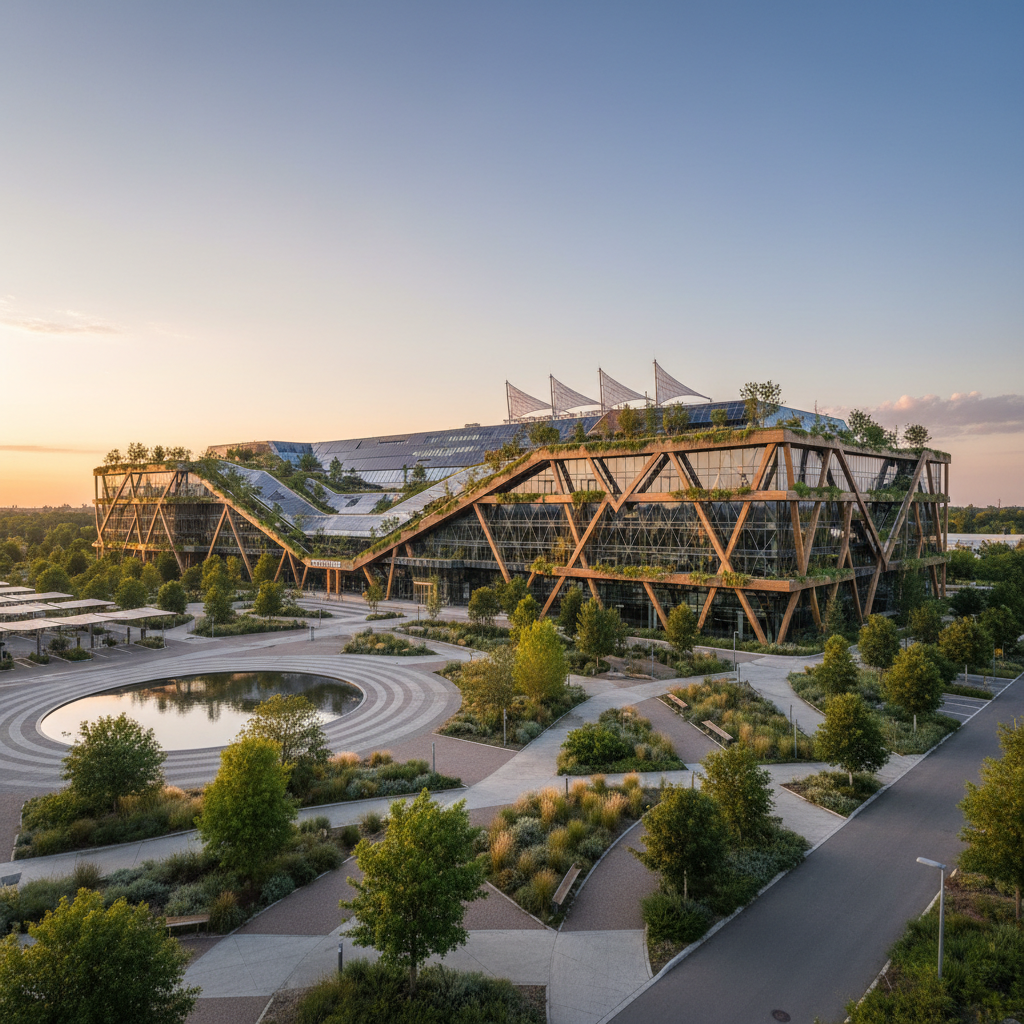
Nothing makes the concept click like seeing real buildings that have actually pulled it off. And honestly, the range of projects that have achieved net-zero status is pretty inspiring. We're not talking about weird experimental structures that look like spaceships. Some of these are schools, office buildings, and family homes that just happen to produce as much energy as they use.
Take the Bullitt Center in Seattle, often called the greenest commercial building in the world. It's a six-story office building that was designed to last 250 years. It generates all of its electricity on-site through rooftop solar, collects and treats its own rainwater, and composts its waste. It was designed to meet the Living Building Challenge, which is one of the most demanding green building standards out there. The Bullitt Center proved that net-zero is not just achievable for commercial buildings, it's replicable.
"The most sustainable building is the one that doesn't need energy from outside its boundaries. Everything else is a compromise worth making thoughtfully." - A guiding principle of integrated sustainable design
On the residential side, there are thousands of net-zero homes scattered across North America, Europe, and beyond. The LEED Platinum certified net-zero homes built in communities like the Harmony development in Alberta, Canada, show that suburban net-zero living is completely viable at scale. These aren't custom one-off projects for wealthy clients. They're production homes built with repeatable systems and sold at competitive price points.
Schools are another category where net-zero design has made huge strides. The West Village Community Partnership School in California is a net-zero school serving hundreds of students, with solar panels, daylighting strategies, and natural ventilation integrated throughout the design. The building became a teaching tool itself, with energy dashboards displayed in hallways so students can see their building's performance in real time. That's a pretty remarkable kind of education.
What all these examples share is intentional design from the ground up, strong collaboration between disciplines, and a willingness to prioritize long-term performance over short-term cost savings. They're also all proof that net-zero isn't a niche experiment anymore. It's a mainstream possibility that more and more architects, developers, and homeowners are choosing every year.
Final Thoughts
Here's where I land after thinking about this stuff for years: net-zero buildings represent one of the most meaningful intersections of good design and real-world impact that our industry has ever seen. It's not about sacrifice or austerity. The best net-zero buildings are beautiful, comfortable, and genuinely enjoyable to inhabit. The performance just comes along for the ride.
If you're an architect, start integrating energy modeling into your early design process. If you're a developer, look seriously at the long-term value proposition because the numbers are getting hard to ignore. And if you're a homeowner thinking about a new build or a major renovation, honestly, there's never been a better time to aim for net-zero. The technology is mature, the contractors who know how to build these buildings are increasingly available, and the incentives in many countries have never been stronger.
The buildings we design and build today will be standing for decades, possibly longer. Getting the energy equation right from the start isn't just smart design. It's a responsibility to the people who will live and work in those spaces and to the planet that has to absorb the consequences of our choices. Net-zero is one of the clearest, most achievable ways to meet that responsibility head-on.
More in Sustainable
Stay Inspired
Subscribe for new essays on architecture, design, and the spaces that shape us.