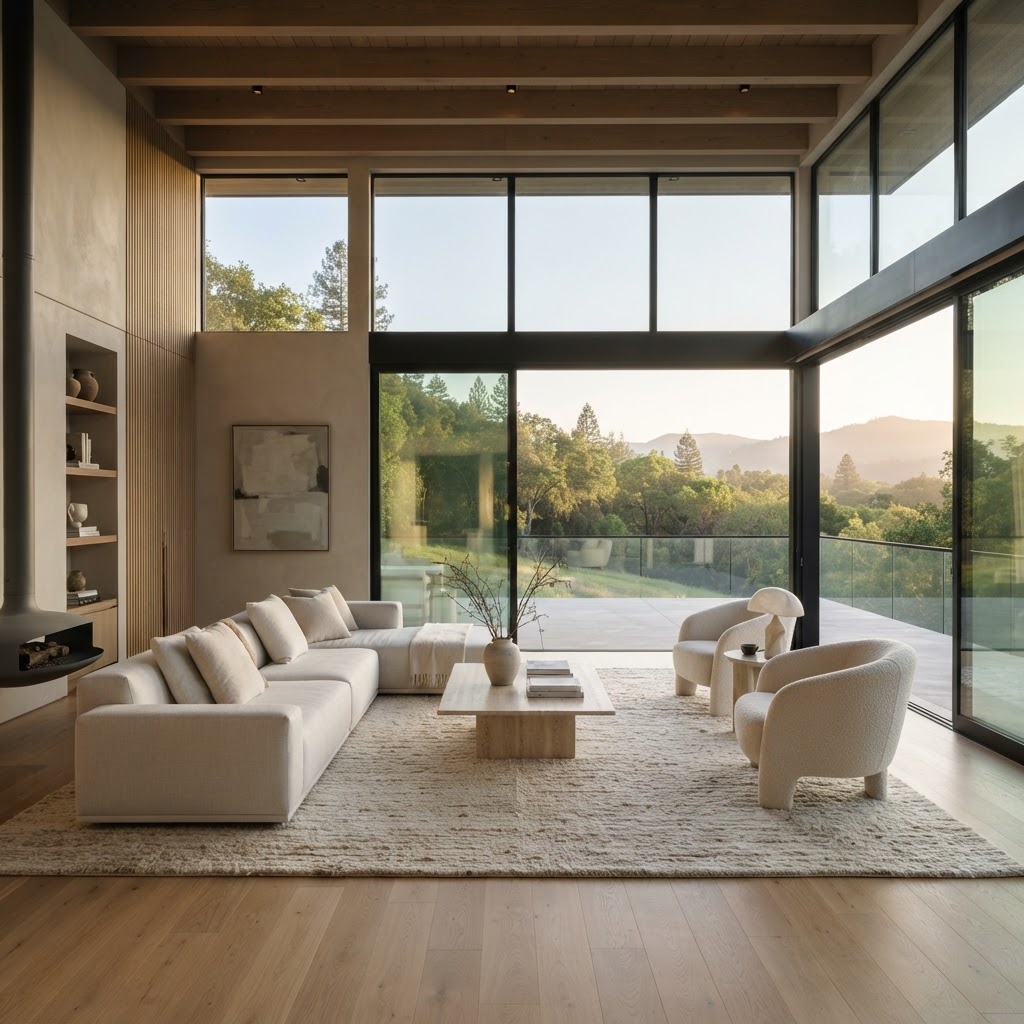
Mastering Natural Light: How to Brighten Your Home Like a Designer
Transform your living space by mastering the art of natural light. This guide covers everything from window treatments to mirror placement to ensure your home feels airy and inviting all day long.
Understanding Your Compass Orientation
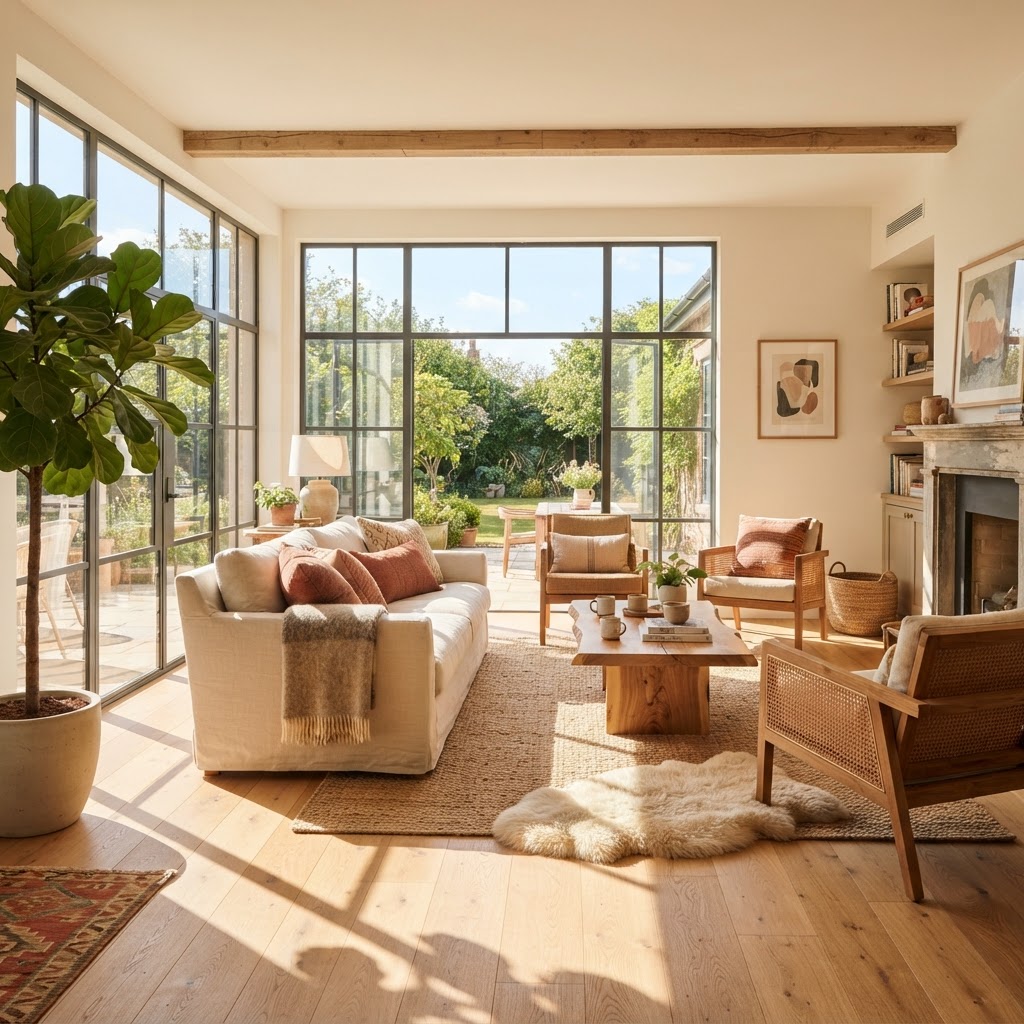
Okay, so this is the step most people completely skip, and honestly it drives me a little crazy. Before you buy a single curtain rod or paint swatch, you need to know which direction your windows face. I mean it. Pull out your phone, open the compass app, and go room by room. It takes five minutes and it will completely change how you approach lighting in your home.
Here's the thing about orientation: north-facing rooms get cool, consistent, indirect light all day. It's beautiful for art studios and reading nooks, but it can feel cold and flat if you don't compensate for it. South-facing rooms are the golden ticket, flooded with warm light for most of the day. East-facing rooms get that gorgeous, soft morning glow that's honestly perfect for bedrooms and breakfast nooks. West-facing rooms? They get moody, dramatic afternoon light that can be stunning or overwhelming depending on how you work with it.
Once you know what you're dealing with, you can stop fighting your space and start designing with it. A north-facing living room isn't a problem, it's just a puzzle with a specific solution. Warm paint tones, layered artificial lighting, and glossy surfaces can make that room feel just as inviting as any sun-drenched south-facer.
Real talk: I've walked into so many homes where the owners were convinced they just had a "dark house." Nine times out of ten, they had a perfectly decent amount of natural light coming in, they just hadn't figured out how to work with their orientation. They'd hung heavy drapes on west-facing windows, blocking the best afternoon sun. Or they'd painted their north-facing kitchen a deep grey and then wondered why it felt like a cave. Orientation is the foundation. Get this right and everything else falls into place so much more naturally.
Track the light in each room over a full day if you can. Take photos at 8am, noon, and 4pm. You'll be amazed at how dramatically the quality and angle of light shifts, and that knowledge is genuinely priceless when you start making design decisions.
The Power of Reflective Surfaces
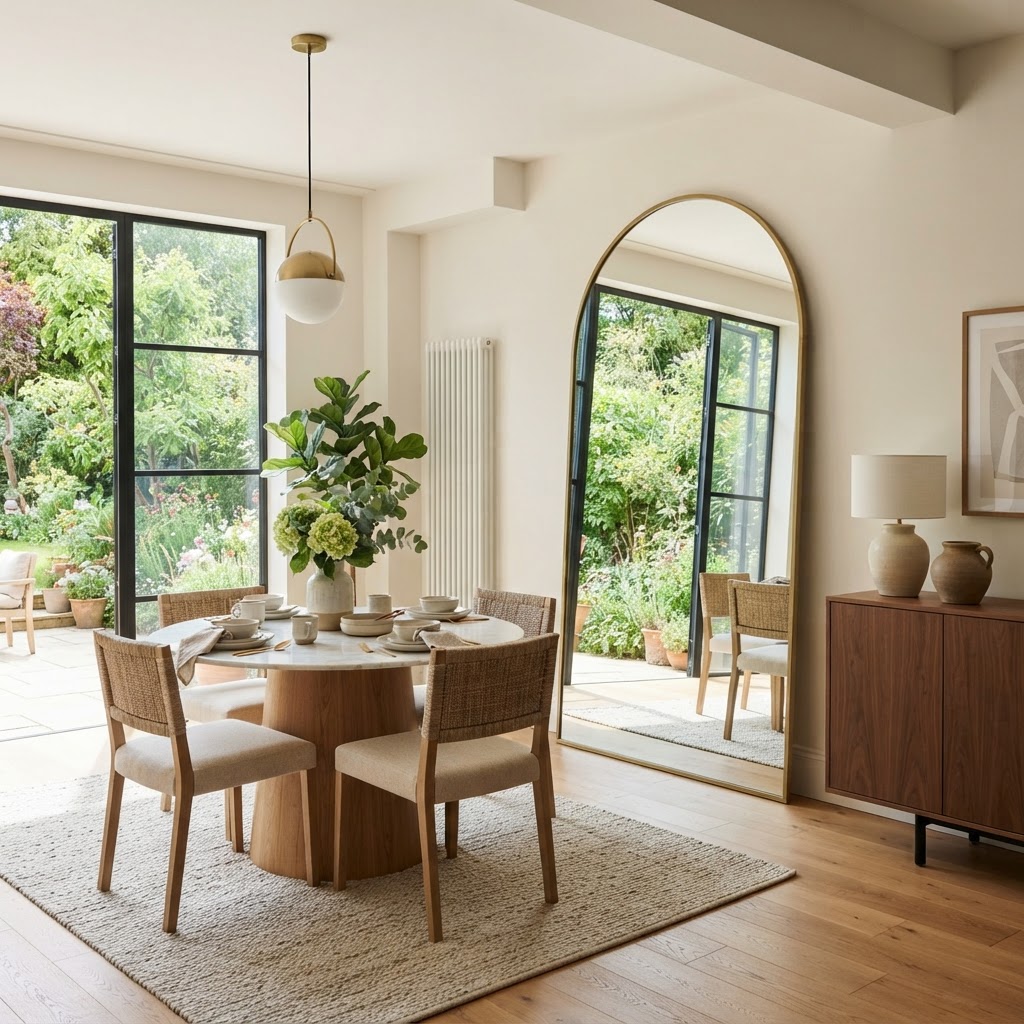
Look, if there's one trick that professional designers use more than almost anything else to brighten a space, it's this one. Reflective surfaces are basically free light. You're not adding more windows, you're just making the light you already have work twice as hard. And honestly, done well, it looks incredibly sophisticated rather than gimmicky.
Mirrors are the obvious starting point, but let's go deeper than just hanging one above the mantel. Positioning matters enormously. A mirror hung on a wall perpendicular to a window will catch incoming light and throw it across the room. A mirror hung opposite a window will create the illusion of another window entirely. Large floor mirrors leaned casually against a wall are having a real moment right now, and they work because they move light at a low angle that bounces around in a really organic way.
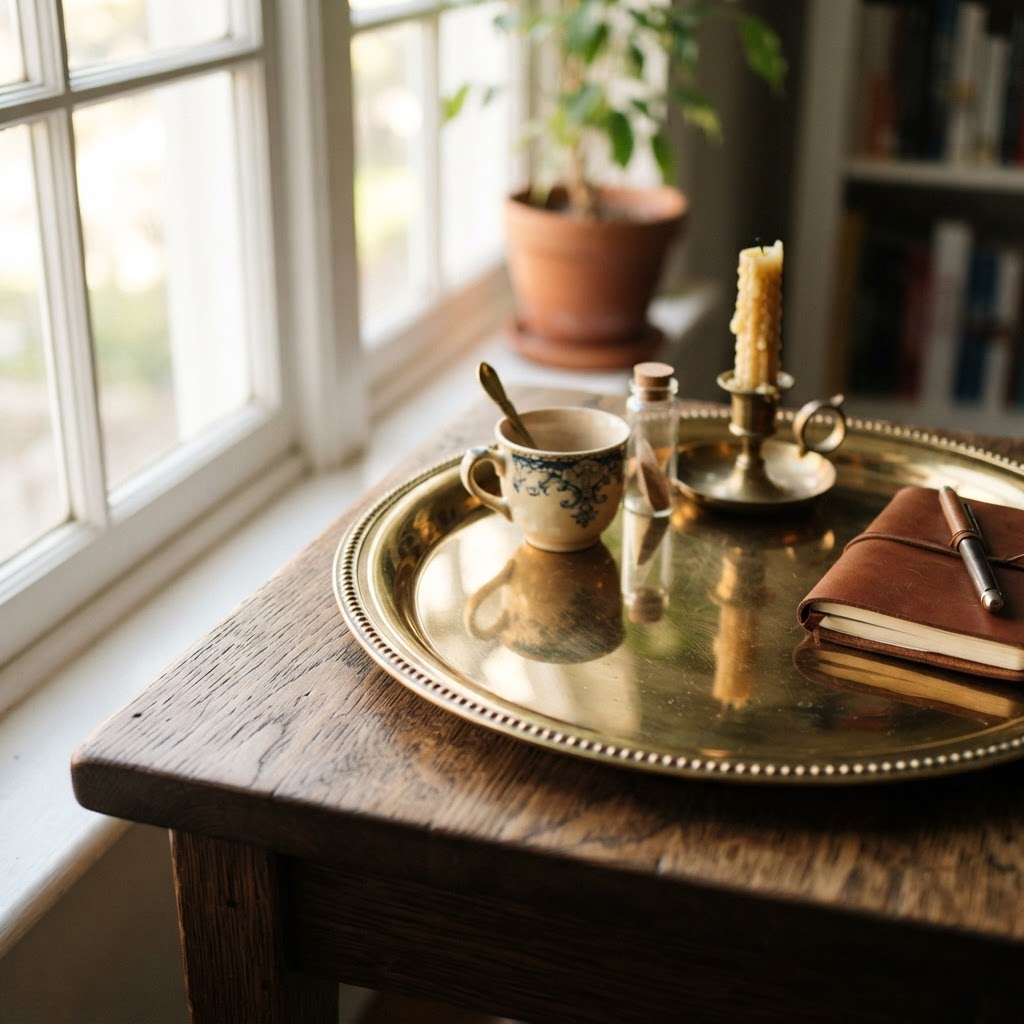
But mirrors are just the beginning. Think about the other surfaces in your room. Glossy paint finishes on walls and especially ceilings reflect significantly more light than matte finishes. A satin or eggshell finish in a hallway can make a dramatic difference. Lacquered furniture, glass coffee tables, metallic light fixtures, polished stone countertops, even a high-sheen hardwood floor, all of these are quietly bouncing light around your room all day long.
- Place mirrors perpendicular or opposite to windows for maximum light reflection
- Choose satin or eggshell paint finishes in darker rooms instead of flat matte
- Incorporate at least one glass or acrylic furniture piece in low-light living areas
- Use metallic accents in lamp bases, hardware, and decorative objects
- Consider polished or semi-polished floor finishes over heavily textured ones in dark rooms
One thing I always tell people: don't go overboard. A room full of nothing but shiny surfaces starts to feel clinical and cold. The goal is to layer reflective elements among matte and textured ones so the light feels lively and warm, not harsh and sterile. Balance is everything here.
Curating Window Treatments for Balance
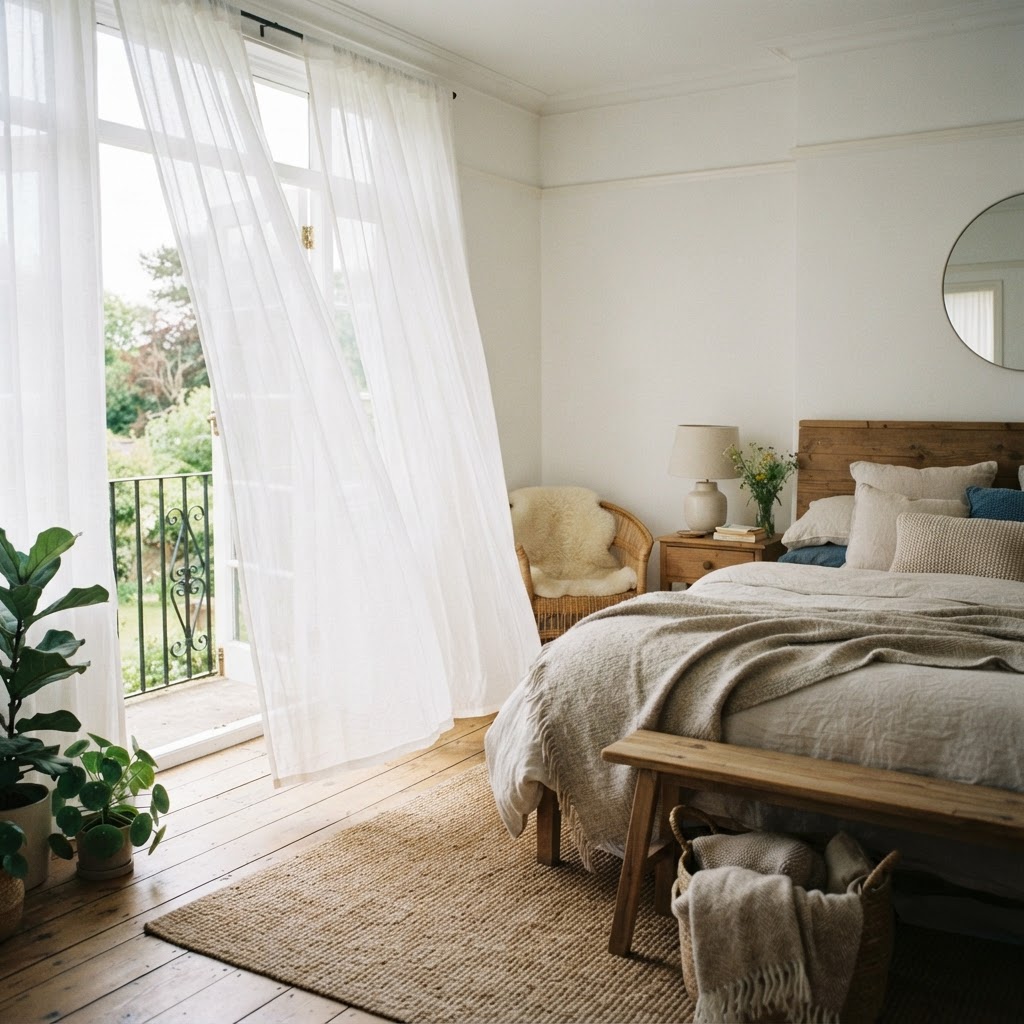
Window treatments are where so many people accidentally undo all their good lighting work. I see it constantly. Someone does everything right, great orientation awareness, reflective surfaces, smart colors, and then they hang thick, dark curtains that block half their window and hang too low to boot. It hurts to watch, honestly.
The first rule is to hang your curtain rods high and wide. Mount them as close to the ceiling as possible, and extend the rod at least 6 to 12 inches beyond the window frame on each side. When the curtains are open, they frame the window without covering any glass at all. This single change makes windows look dramatically larger and lets in significantly more light. It's one of those designer tricks that costs almost nothing and makes an enormous difference.
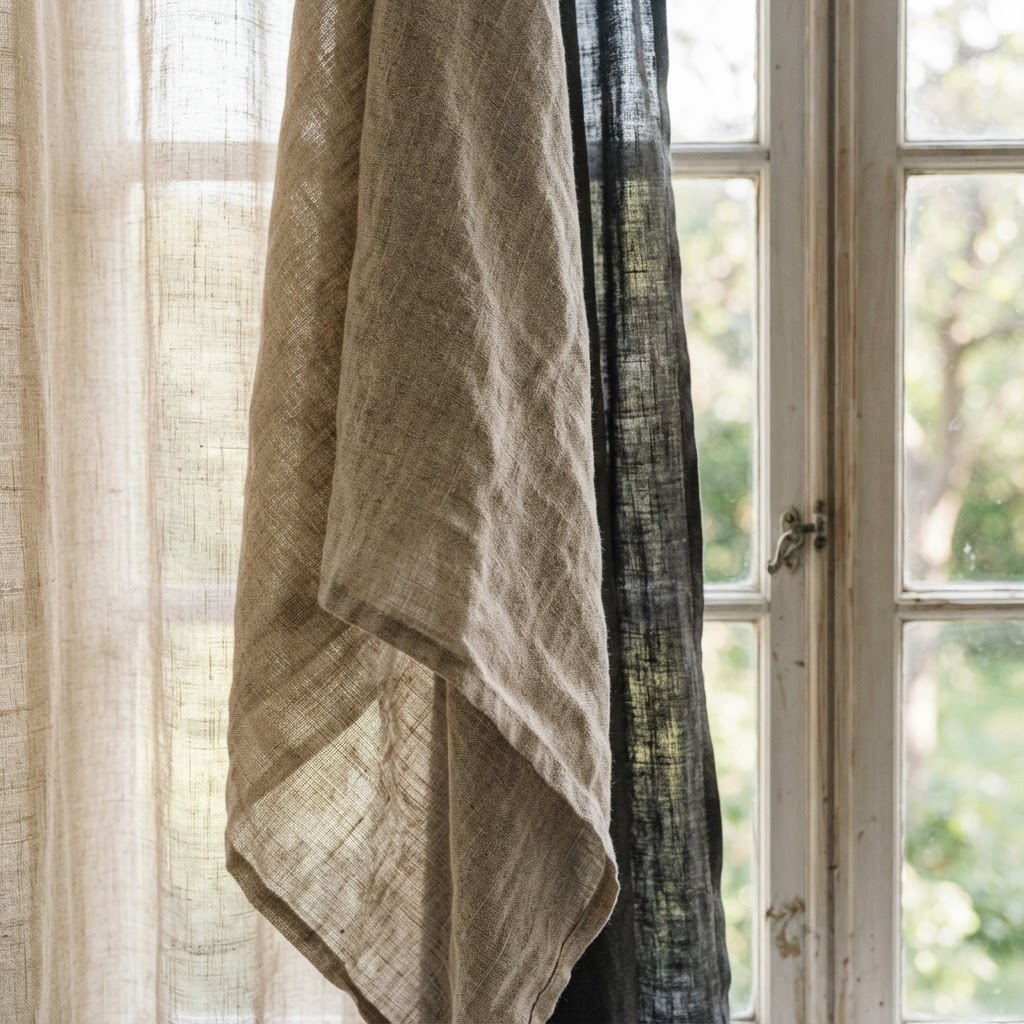
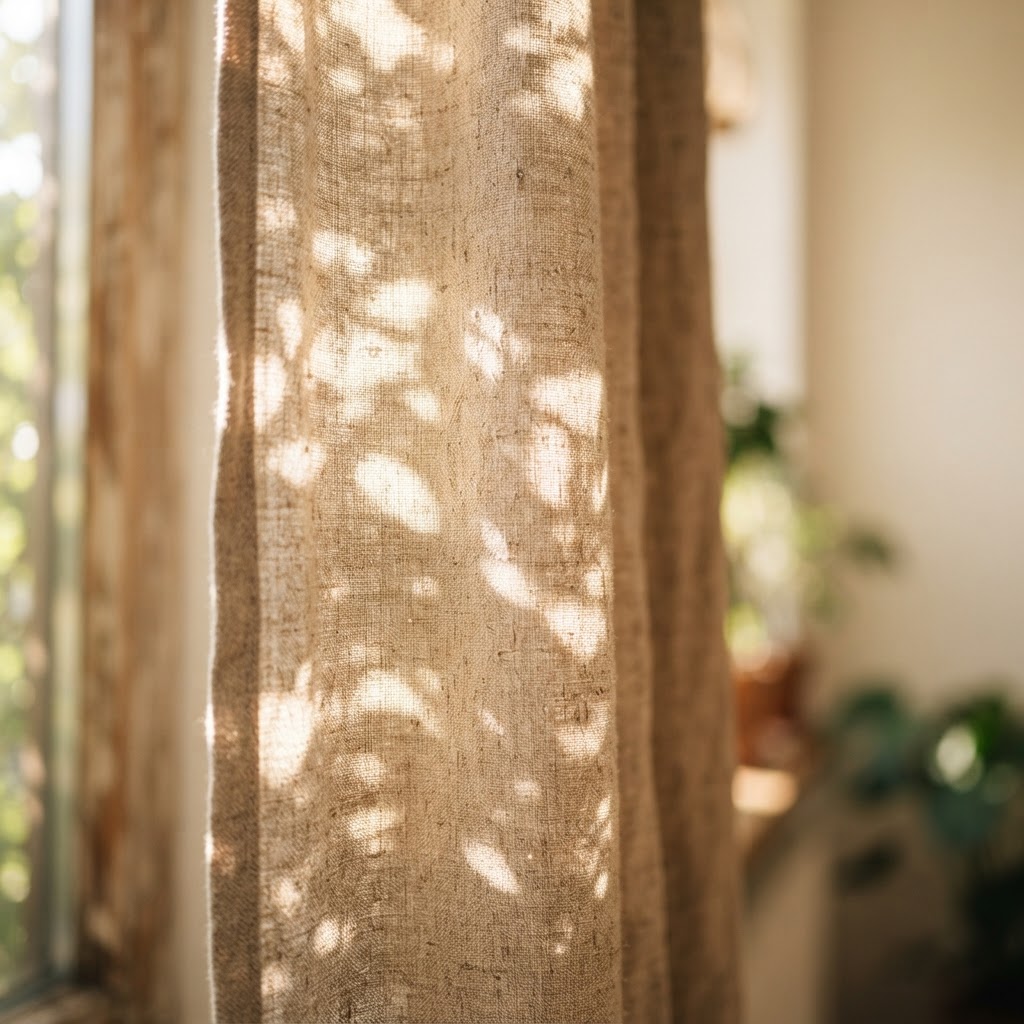
For fabric choices, sheer linen is having a well-deserved moment and for good reason. It softens harsh direct sunlight, gives you some privacy, and still lets a ton of diffused, flattering light pour through. In rooms where you need more control, consider layering: a sheer panel for daytime softness, with a heavier drape that you only draw in the evening or for a movie. This gives you total flexibility without sacrificing your daylight hours.
Roller blinds and Roman shades in light, natural fabrics are another excellent option, especially in kitchens and bathrooms where floor-length curtains aren't practical. Look for fabrics with a slightly open weave so light can filter through even when the shade is down. And honestly, in rooms with good privacy, consider whether you need window treatments at all. Sometimes the boldest and most effective move is simply bare windows.
Strategic Furniture Placement
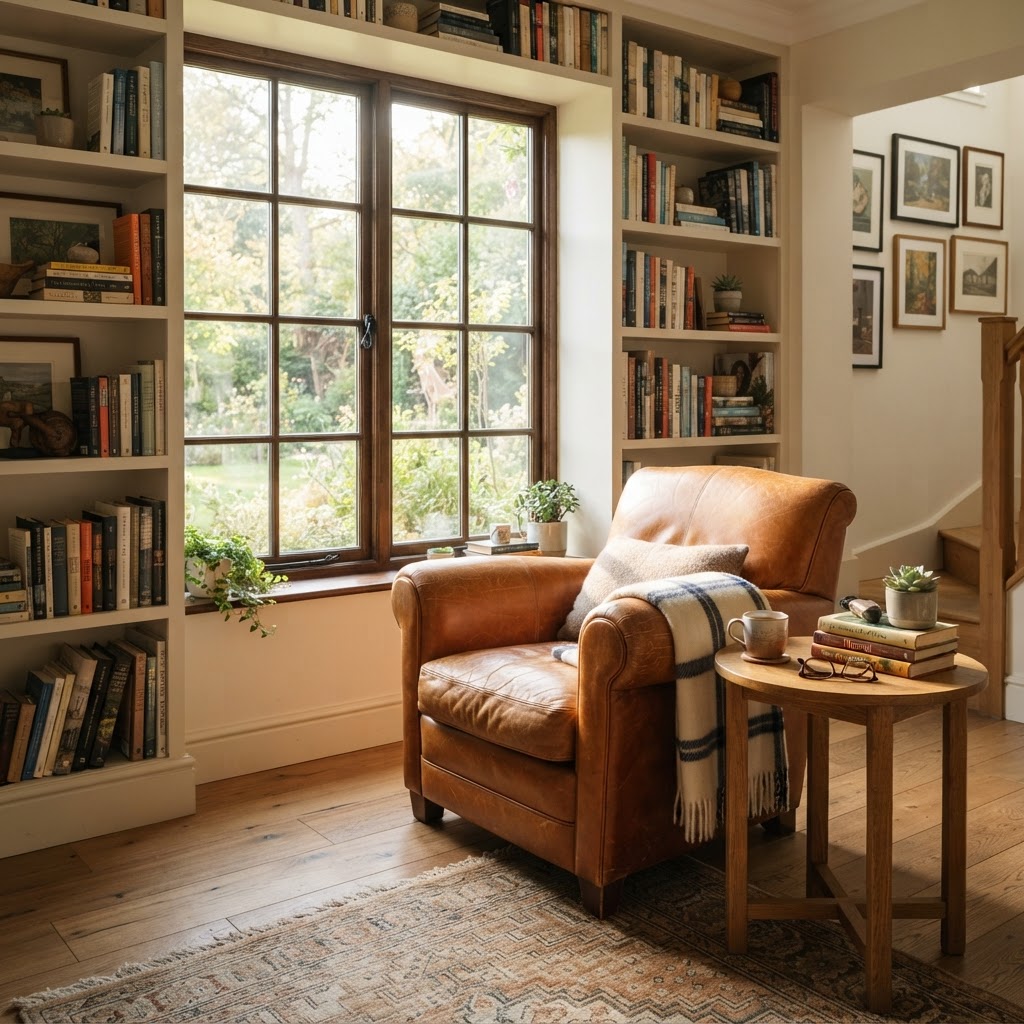
Here's the thing that nobody really talks about enough: your furniture is either helping light move through your space or it's blocking it. Tall, dark bookcases placed right next to windows. Big sectional sofas pushed up against the wall below a window. Heavy armoires that eat up wall space and cast shadows. These are all light killers, and rearranging them costs you exactly nothing.
The general principle is to keep your largest, tallest furniture pieces away from windows and light sources. Pull sofas and chairs slightly away from walls so light can circulate behind them. Choose low-profile furniture in open-plan spaces so sightlines stay clear and light can travel the length of the room. A low-slung sofa, a glass coffee table, open-leg furniture that lets light pass underneath, all of these choices keep a room feeling airy and bright.

Think about the path light takes when it enters your room through a window. Ideally, you want as few obstacles as possible in that path. In a living room, this might mean floating your sofa in the center of the room rather than pushing it against the back wall, which actually tends to look better anyway and is a move a lot of designers swear by. In a bedroom, it might mean choosing a bed frame without a footboard, or placing your dresser on an interior wall rather than blocking a window.
- Place tall furniture on interior walls, away from windows
- Choose low-profile sofas and chairs in rooms where light is limited
- Use glass, acrylic, or open-leg pieces near windows to avoid blocking light
- Float furniture toward the center of the room rather than pushing everything to the walls
- Avoid clustering large pieces in corners near natural light sources
Trust me on this: sometimes the most transformative thing you can do for a dark room involves no shopping at all. Just move stuff around on a Sunday afternoon and see what happens. I've watched rooms go from dim and heavy to genuinely bright just by shifting the sofa six feet forward.
Choosing the Right Color Palette
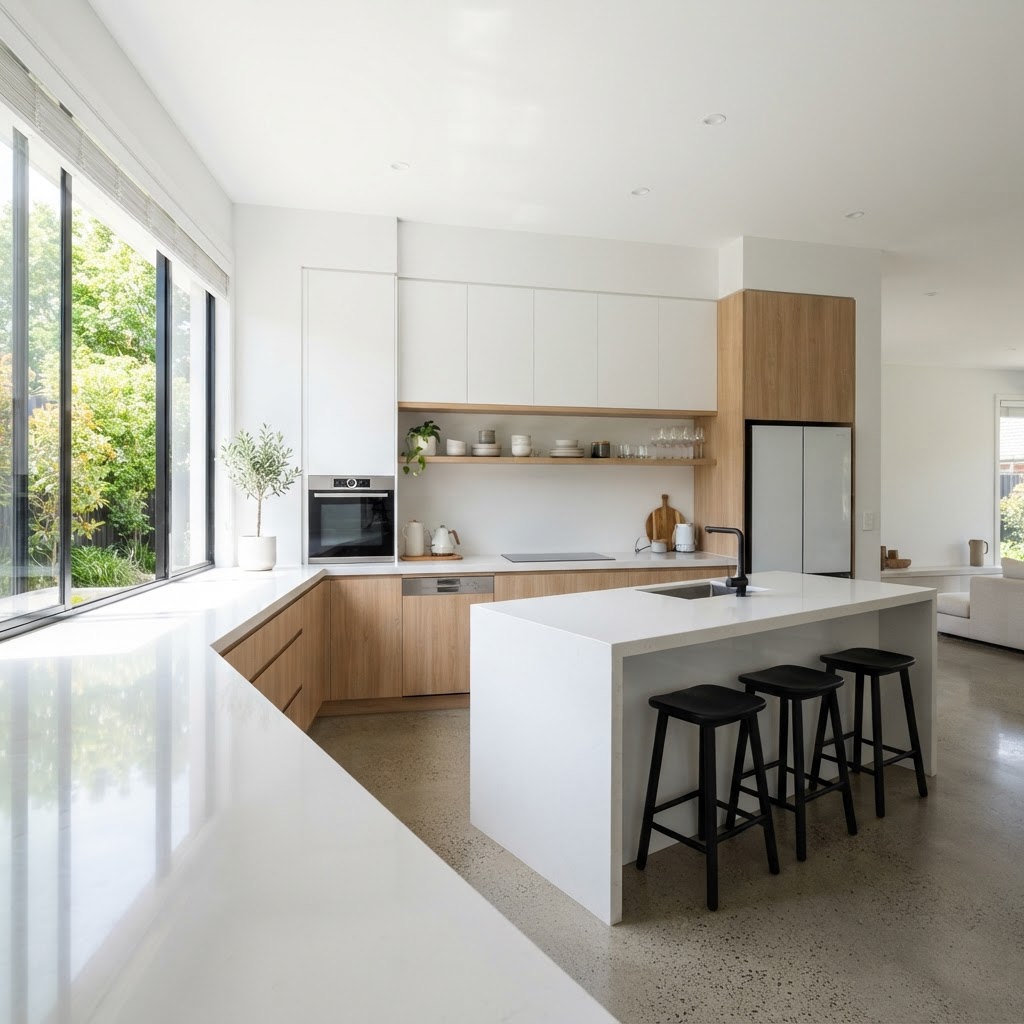
Color is where a lot of people think the story begins and ends, but honestly it's more of a supporting actor than the lead. That said, the right color palette can amplify everything else you've done, and the wrong one can undermine it completely. So let's get this right.
The ceiling is your most underrated surface. A bright white ceiling acts like a second sky, reflecting light downward and making the whole room feel taller and more luminous. Most ceilings are painted white by default, but there's a specific kind of white that works best, a clean, slightly warm white rather than a stark blue-white, which can look cold and institutional. Benjamin Moore's Chantilly Lace and Sherwin-Williams' Extra White are both brilliant ceiling choices for maximizing light reflection.
For walls, the advice to "just paint everything white" is a bit reductive. Yes, white walls reflect light, but they can also feel sterile and flat if you're not careful. Soft warm neutrals, think creamy whites, warm greiges, pale blush tones and soft sage greens, actually bounce light beautifully while adding personality and depth. In north-facing rooms especially, a warm undertone in your wall color can compensate for the cool quality of the light and make the space feel genuinely cozy rather than chilly.
Beyond paint, think about the color of your larger furniture pieces and textiles. A room full of dark navy sofas, charcoal rugs, and black furniture is going to absorb light no matter how many mirrors you hang. Lighter upholstery, natural linen, warm wood tones, pale rugs, these all contribute to a room that feels luminous. You can still use dark accents and moody tones, in fact you absolutely should for depth and drama, just be intentional about where and how much.
"The goal isn't a room that looks washed out or clinical. It's a room where light feels like it belongs there, like the whole space was designed to welcome it."
One last color tip that designers use all the time: paint your window frames and trim the same color as your walls, or even slightly lighter. Traditional white trim on colored walls creates a visual border that actually makes your windows look smaller. When trim and walls blend together, the window seems to expand into the wall, and more perceived window means more perceived light. It's a subtle shift but genuinely effective.
Final Thoughts
Natural light isn't something you either have or you don't. It's something you learn to work with, and honestly, once you start seeing your home through this lens, you can't unsee it. Orientation, reflection, window treatments, furniture placement, color, these five elements work together as a system. Nail all five and your home will feel genuinely transformed, brighter, warmer, and more alive.
The best part is that most of these changes cost very little. Repositioning your furniture is free. Rehung curtain rods are cheap. A new paint color is one of the most affordable renovations you can do. You don't need a full renovation or a bigger budget to get more light into your home. You just need to pay attention, be intentional, and stop fighting the space you already have.
Start with one room. Pick the one that bothers you most, the one that always feels a bit flat or heavy. Go through each of these five steps and apply what fits. I promise you'll be surprised at what's possible.
More in Sustainable
Stay Inspired
Subscribe for new essays on architecture, design, and the spaces that shape us.