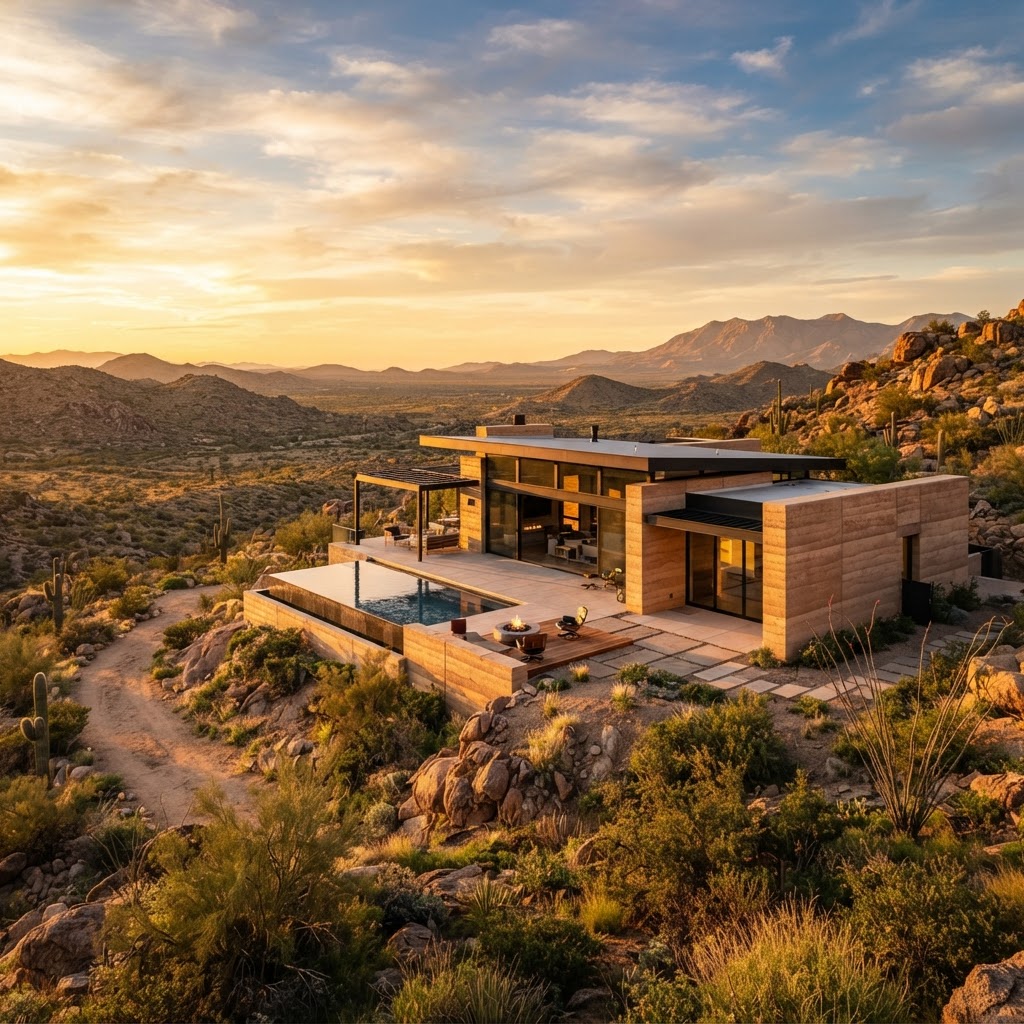
Why Rammed Earth Homes Are the Future of Sustainable Living
Discover why rammed earth is becoming the top choice for modern eco conscious homeowners. This guide explores the beauty and efficiency of building with natural materials.
What Exactly Is Rammed Earth Architecture
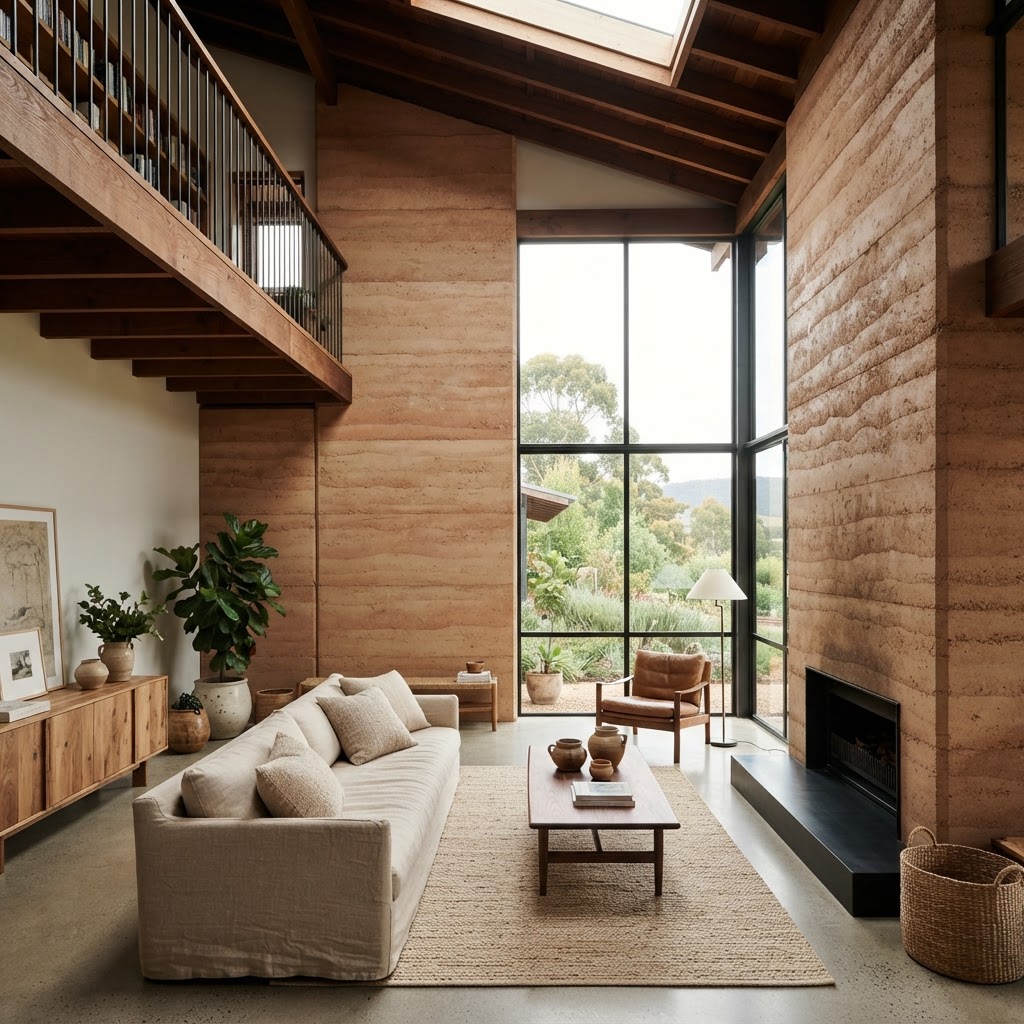
Okay, so before we dive into why rammed earth is having this massive moment in sustainable architecture, let's actually talk about what it is. Because honestly, a lot of people hear "rammed earth" and picture some kind of primitive mud hut situation, and that couldn't be further from the truth. Rammed earth is a technique that involves compacting layers of raw earth, typically a mix of gravel, sand, silt, and clay, into solid walls using formwork. The result is a dense, structural wall that looks absolutely stunning and performs incredibly well.
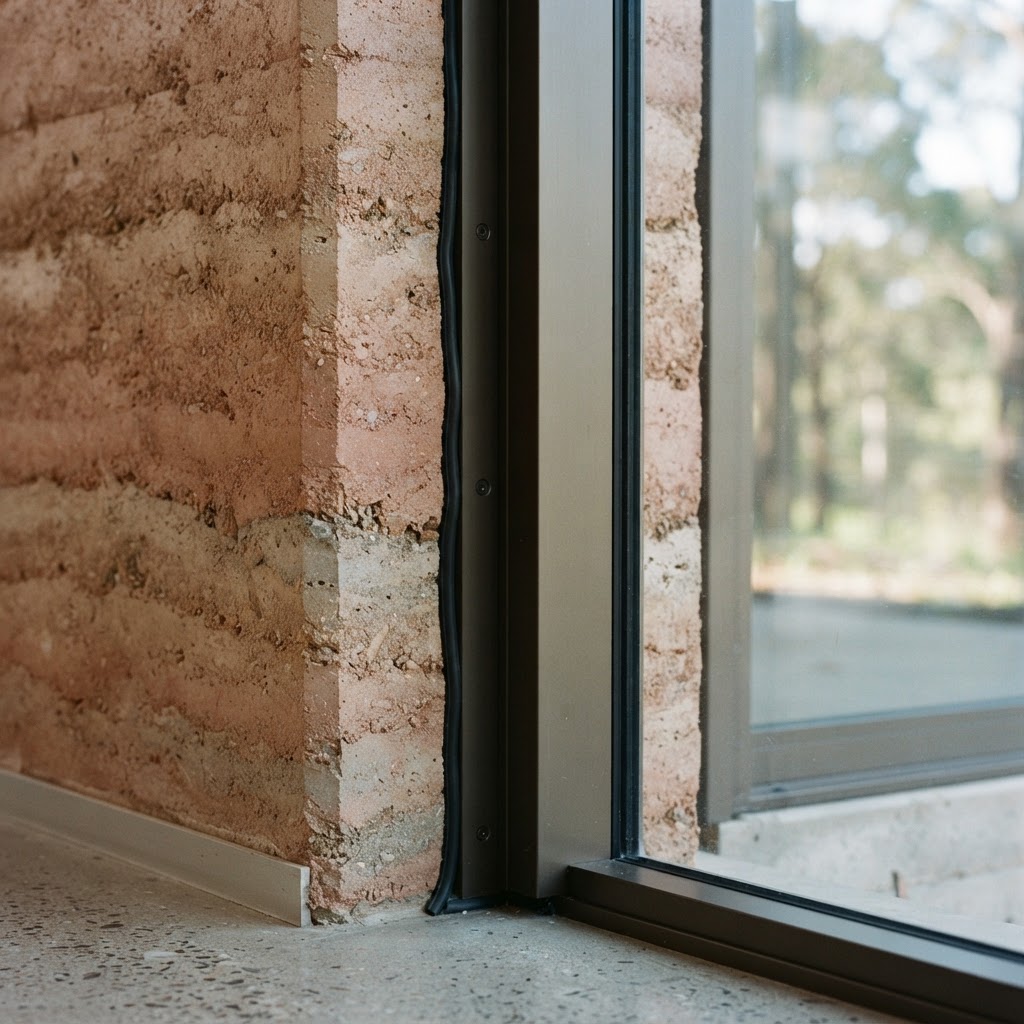
The process itself is pretty fascinating. Builders fill timber or steel formwork with damp earth mixture and then compact it in layers, usually around 100 to 150 millimeters at a time, using either manual tampers or pneumatic equipment. Once the formwork is removed, you're left with these beautifully stratified walls that show the natural sediment layers like a geological timeline frozen in place. It's genuinely one of the most visually compelling building methods out there.
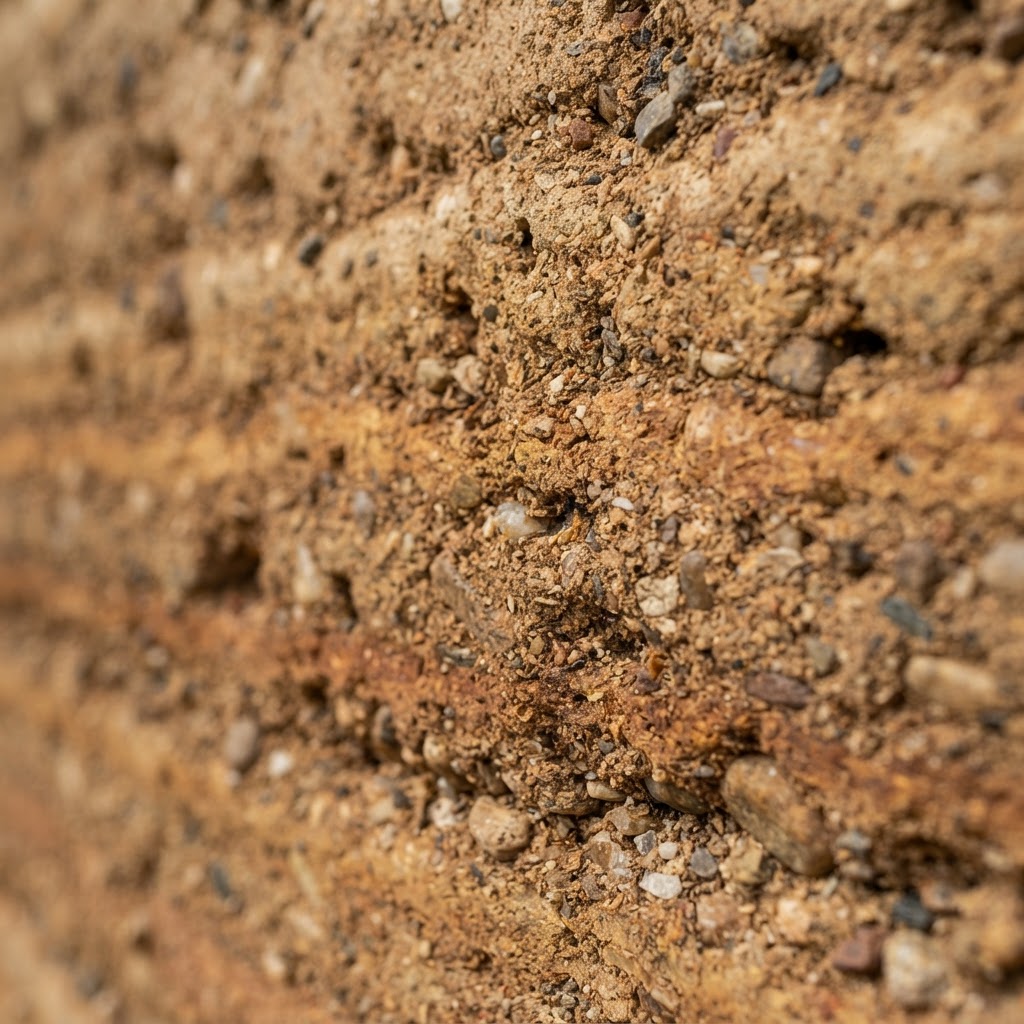
Here's the thing though: rammed earth isn't some new trend. Humans have been building this way for thousands of years. The Great Wall of China has entire sections built from rammed earth. Ancient fortifications across North Africa and the Middle East used this technique. What's new is that modern builders and architects are coming back to it with contemporary engineering knowledge, stabilizing the mix with small amounts of cement where needed, and integrating it into genuinely beautiful, high-end residential and commercial projects.
Modern rammed earth construction often incorporates stabilizers, usually around 5 to 10 percent Portland cement, to increase structural integrity and moisture resistance. This stabilized rammed earth, or SRE, is what you'll find in most contemporary builds, particularly in wetter climates. Unstabilized rammed earth is still used in drier regions and is arguably the more sustainable option from a carbon perspective. Either way, what you get is a wall system that is dense, structural, breathable, and genuinely gorgeous.
The Incredible Thermal Benefits of Earth Walls
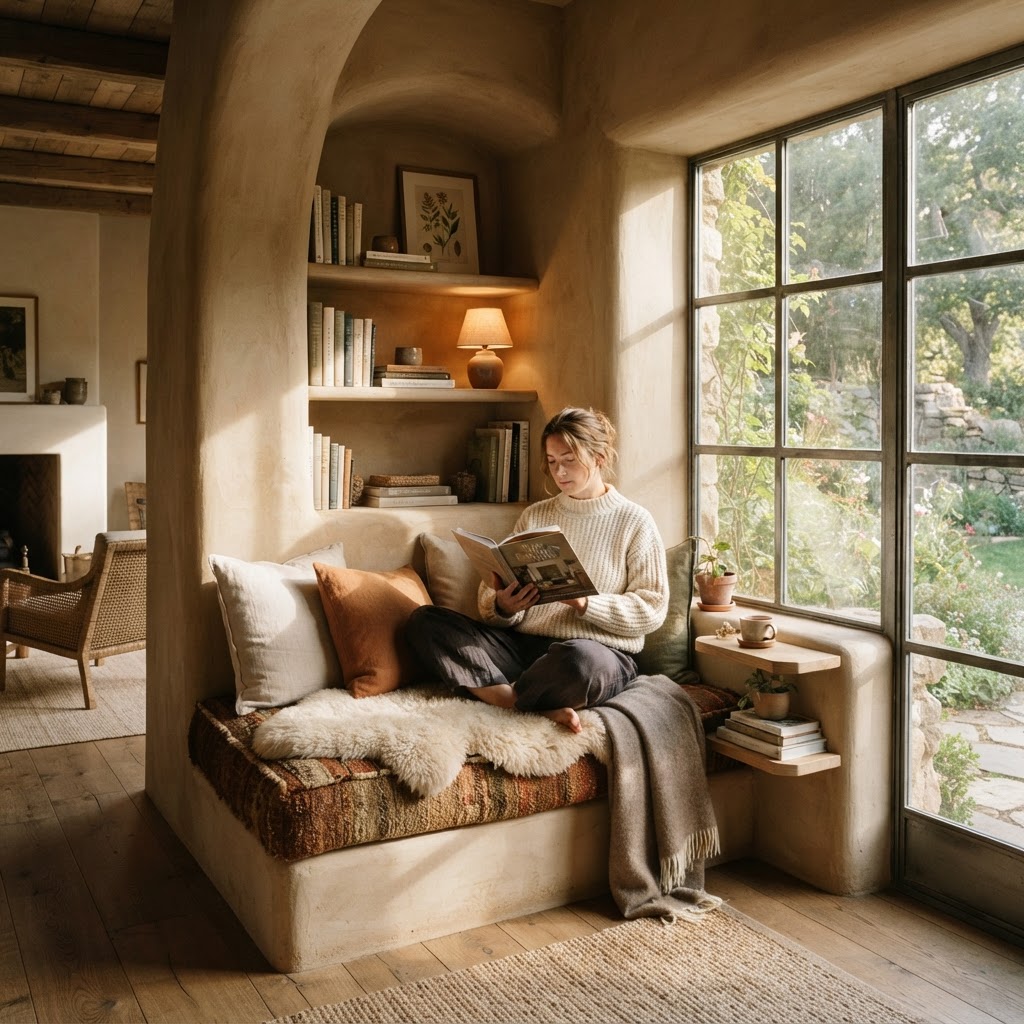
Real talk: this is the section where rammed earth really blows conventional construction out of the water. The thermal performance of a well-designed rammed earth home is something you genuinely have to experience to fully appreciate. We're not just talking about insulation here. We're talking about something called thermal mass, and it's a completely different concept that most people haven't really thought about when it comes to building their home.
Thermal mass refers to a material's ability to absorb, store, and slowly release heat. Rammed earth walls are incredibly dense, typically around 2000 kilograms per cubic meter, which means they can soak up enormous amounts of heat during the day and release it gradually overnight. In a hot climate, this means your home stays cool during the day because the walls are absorbing the heat rather than letting it straight through. Then at night when temperatures drop, those walls slowly release the stored warmth back into the space. It's a completely passive system. No energy required.
Now, I know what you're thinking. What about cold climates? And this is where good design really matters. Honestly, thermal mass alone is not the whole picture in colder regions. You need to pair rammed earth walls with proper insulation strategy, whether that's external insulation layers, insulated formwork, or a well-considered building envelope. When done right, a rammed earth home in a temperate or even cool climate can still dramatically reduce heating and cooling loads compared to a conventional timber-framed home.
Studies have shown that rammed earth homes can reduce energy consumption for heating and cooling by anywhere from 30 to 70 percent depending on the climate and design. That's a massive number. And when you factor in the embodied energy of the material itself, which is significantly lower than concrete or brick, the overall lifecycle carbon footprint of a rammed earth home starts to look really compelling. This isn't just feel-good sustainability. It's genuinely smart building science.
- Passive temperature regulation: Dense walls absorb daytime heat and release it slowly at night, reducing reliance on mechanical systems
- Humidity buffering: Unstabilized rammed earth can absorb and release moisture, helping to maintain comfortable indoor humidity levels naturally
- Noise reduction: That same density that provides thermal mass also makes for exceptional acoustic performance, damping external noise beautifully
- Low embodied energy: The material is essentially sourced from the ground, often right on site, minimizing transport and manufacturing emissions
Durability and Longevity in Modern Construction
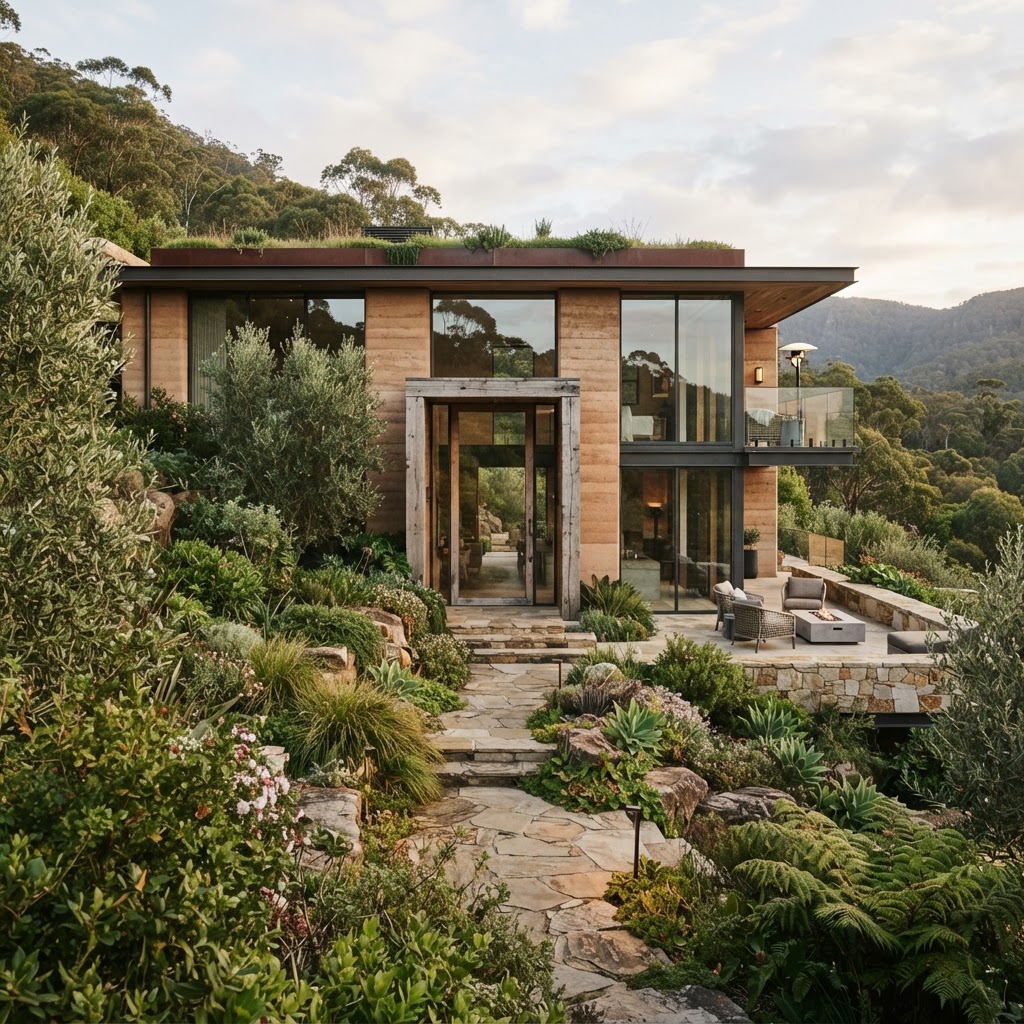
Look, one of the most common misconceptions about rammed earth is that it must be fragile. Mud, right? Surely it erodes, it cracks, it falls apart. Trust me on this: that's completely wrong. When properly built, rammed earth structures are extraordinarily durable. We're talking about a material that has outlasted countless generations of conventional construction. Those sections of the Great Wall I mentioned earlier? Still standing after more than two thousand years. That's not a typo.
In terms of compressive strength, stabilized rammed earth typically achieves between 1 and 3 megapascals, which is comparable to many forms of concrete blockwork. The density of the material means it resists cracking well, and when cracks do occur over time, they tend to be superficial rather than structural. Modern rammed earth construction also benefits from improved understanding of moisture management, and builders now know exactly how to detail foundations, overhangs, and drainage to protect walls from water ingress over the long term.
Here's something that genuinely surprised me when I first started researching this: rammed earth doesn't burn. It doesn't rot. It doesn't harbor pests. Termites, which are an absolute nightmare for timber construction in many parts of the world, have zero interest in a solid earth wall. Fire resistance is exceptional because there simply isn't anything combustible in the material. For homeowners in fire-prone regions, this is a genuinely significant practical advantage, not just a theoretical one.
And honestly, the maintenance picture is quite favorable too. A well-built rammed earth home requires very little ongoing upkeep compared to painted timber or rendered masonry. The natural surface of the walls can be left exposed, and any surface weathering actually adds character over time rather than looking like deterioration. We've become so accustomed to thinking of building maintenance as this constant cycle of repainting and resealing that a material which simply ages gracefully feels almost radical.
Designing Your Interior With Earthy Textures
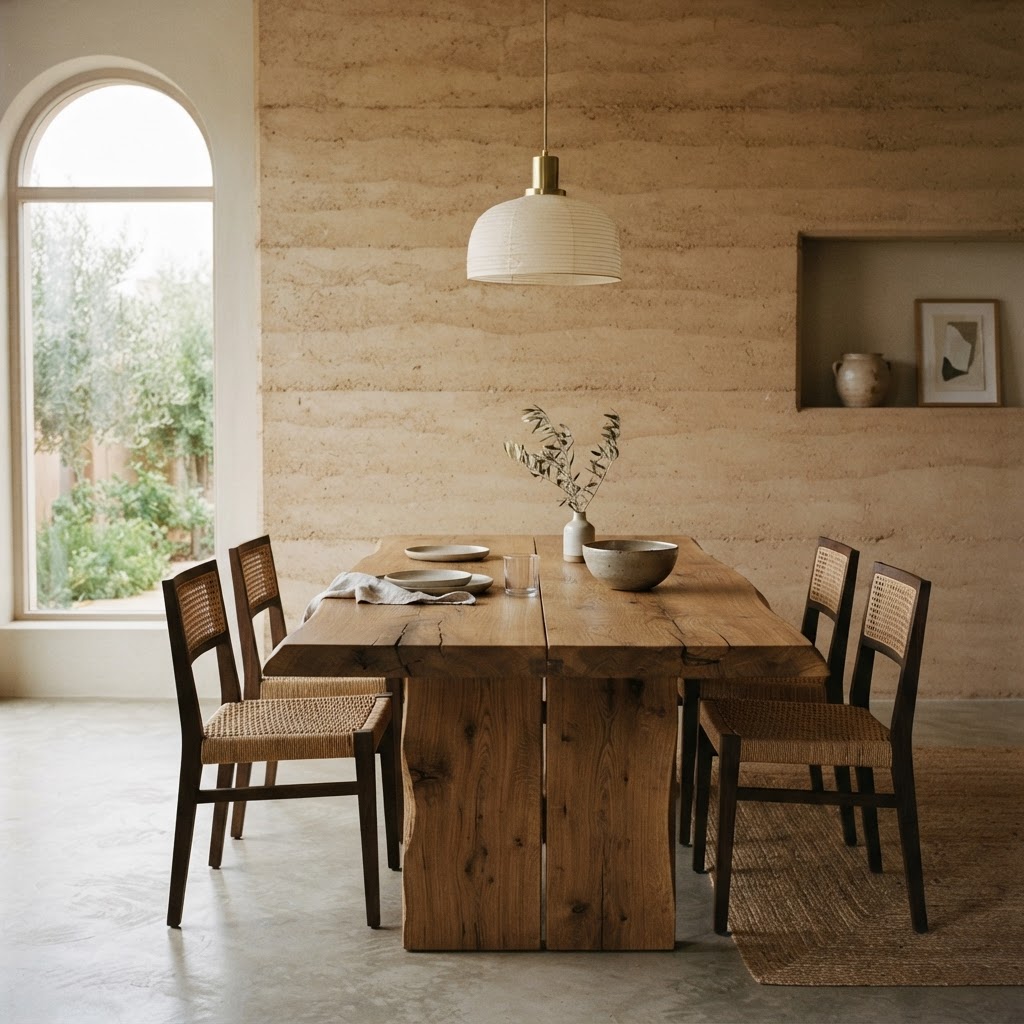
This is the part I personally get most excited about, because the interior design possibilities with rammed earth are genuinely unlike anything else in construction. When those formwork panels come off and you see the finished wall surface for the first time, it is breathtaking. The natural striations, the subtle color variations, the rough-smooth tactile quality of the surface. It's art. Functional, structural, load-bearing art that you live inside.
The color palette of rammed earth interiors tends toward warm ochres, terracottas, sandy taupes, and rich browns, though this varies significantly depending on the soil composition used. Clever builders and designers will sometimes source soils from different locations or add natural mineral pigments to create specific color effects or to emphasize the layering. You can achieve everything from a pale, almost Scandinavian warmth to a deep, dramatically rich desert palette. The range is surprisingly wide.
"Rammed earth walls don't just look beautiful, they tell a story. Every layer is a record of place and process, a material that is genuinely connected to the land it came from."
When it comes to complementing rammed earth walls with furniture and decor, the material is surprisingly versatile. It pairs beautifully with raw timber, polished concrete floors, linen textiles, and handmade ceramics. It also works surprisingly well with contemporary minimalist furniture and even some mid-century modern pieces. The key is to embrace the material rather than fighting it. Don't try to make a rammed earth home look like a conventional interior with one feature wall. Let the earth be the hero of the space, and keep everything else honest and grounded.
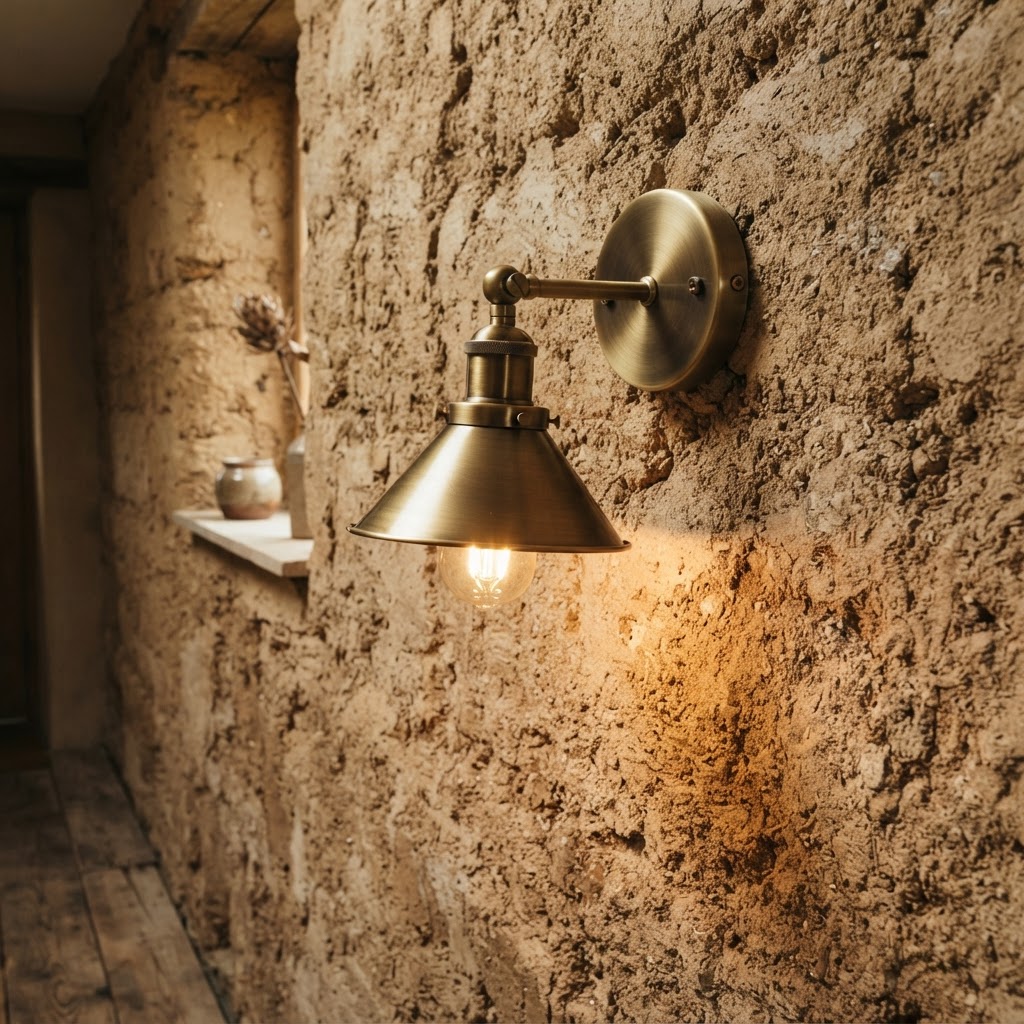
- Lighting matters enormously: Raking light across a rammed earth wall brings out the texture and depth in a way that overhead lighting completely flattens
- Pair with natural materials: Timber, stone, natural fiber rugs, and hand-thrown ceramics all feel at home against an earth wall
- Embrace the warmth: The color temperature of rammed earth naturally lends itself to warm-toned lighting, which creates an incredibly cozy atmosphere in the evenings
- Consider tactile contrast: Smooth polished concrete floors or honed stone benchtops create a beautiful dialogue with the rougher, organic texture of the walls
Is Rammed Earth Right for Your Next Build
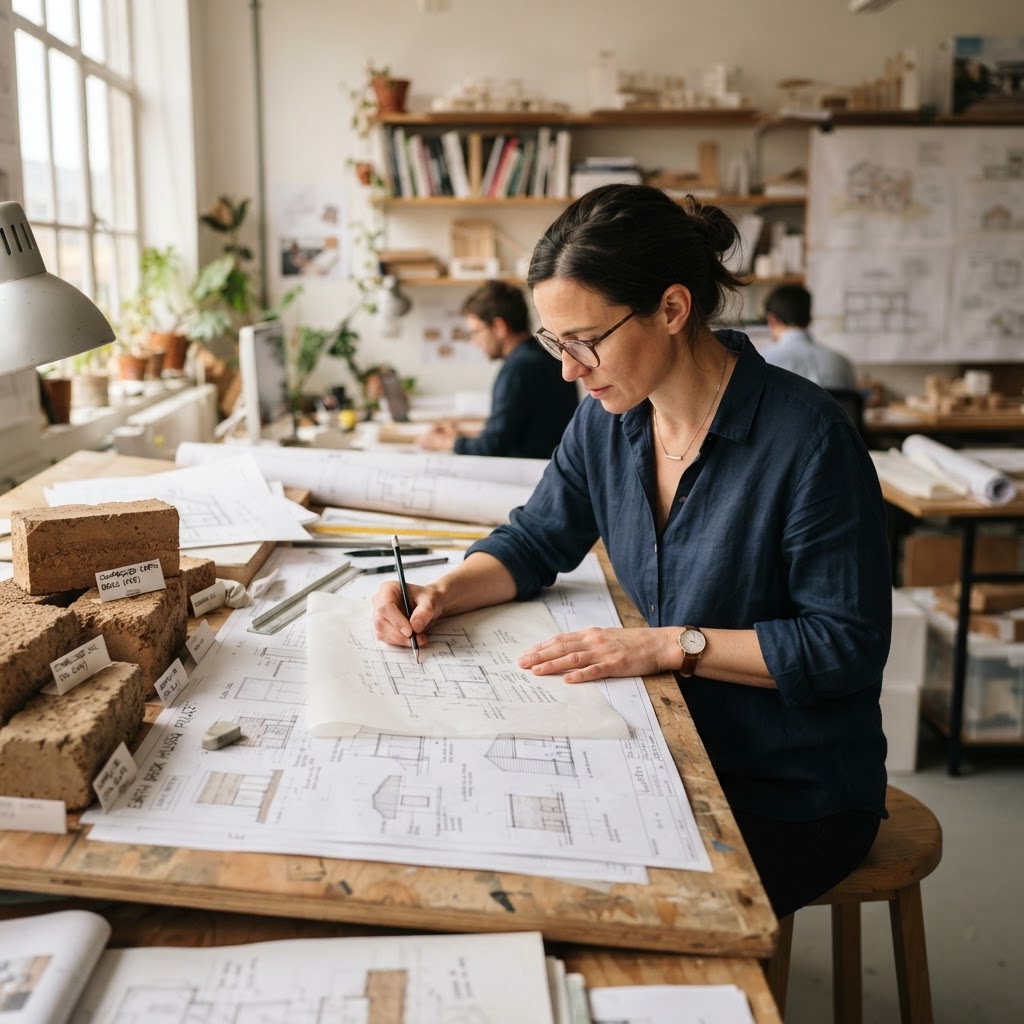
Alright, let's be real here. Rammed earth is not for everyone and not for every site, and it would be dishonest to pretend otherwise. There are real considerations to work through before you commit to this construction method, and understanding them upfront will save you a lot of frustration down the track. The good news is that for the right project, rammed earth is genuinely one of the most rewarding building choices you can make. You just need to go in with clear eyes.
Cost is probably the first thing most people want to know about, and I'll be straight with you: rammed earth typically costs more upfront than conventional timber framing. You're looking at a labor-intensive process that requires specialist builders, and those builders are not as common or as cheap as your average framing crew. Depending on your location and the complexity of the project, you might be paying a premium of 10 to 30 percent over conventional construction for the wall system itself. However, and this is important, those costs need to be weighed against reduced mechanical system requirements, lower ongoing energy costs, and the exceptional longevity of the build. Over a 50-year lifespan, the economics look much more favorable.
Site selection and soil availability are also key factors. Ideally, you want to be able to source soil material on or near the site to minimize transport costs and environmental impact. The soil composition matters too, with a blend of roughly 70 percent gravel and sand combined with 30 percent silt and clay being considered ideal. A good rammed earth contractor will test your site soil early in the process to determine its suitability and what, if any, amendments are needed.
- Find a specialist: Not all builders understand rammed earth. Look for contractors with a dedicated portfolio of completed rammed earth projects and ask to visit some of them
- Engage early: Rammed earth needs to be considered from the very beginning of the design process, not added as an afterthought. Your architect and builder need to be talking from day one
- Check your climate: While rammed earth works in many climates, very wet climates require more careful detailing and potentially more stabilization, which affects both cost and sustainability
- Understand the timeline: Rammed earth construction can take longer than conventional builds, particularly if you're sourcing and testing soil and working with a smaller specialist crew
- Think about planning approvals: In some regions, rammed earth may require additional structural engineering sign-off. Factor this into your timeline and budget
And honestly, if you're drawn to this material, if you've scrolled through images of rammed earth homes and felt something stir in you, trust that instinct. The people who build rammed earth homes almost universally describe the finished result as deeply satisfying in a way that a conventional home rarely achieves. There's a connection to the land, to natural material, to craft and process that you simply cannot replicate with a standard brick veneer or a clad timber frame. It feels like a home that belongs somewhere specific rather than one that could have been dropped anywhere.
Final Thoughts
Rammed earth is not a trend. It's not a passing architectural moment or a niche sustainability fad. It's a building tradition that has proven itself across thousands of years and dozens of cultures, and modern builders are finally starting to catch up to what that means for contemporary residential design. The combination of thermal performance, durability, low embodied energy, and sheer visual beauty makes it one of the most compelling building systems available right now.
If you're planning a new home or a significant renovation and you haven't considered rammed earth, I'd genuinely encourage you to look into it. Talk to a specialist builder. Visit a completed project. Run your hands along one of those extraordinary layered walls. And then tell me you're not at least a little bit converted. Because once you've experienced a rammed earth space, those flat, painted plasterboard walls suddenly feel very hollow by comparison. And once you understand the story behind the material, how it was sourced, compacted, and crafted into the structure around you, living in it takes on a whole different meaning.
Sustainable living isn't just about solar panels and rainwater tanks. Sometimes it starts with the very walls of the home itself, and it doesn't get much more honest than building with the earth under your feet.
More in Sustainable
Stay Inspired
Subscribe for new essays on architecture, design, and the spaces that shape us.