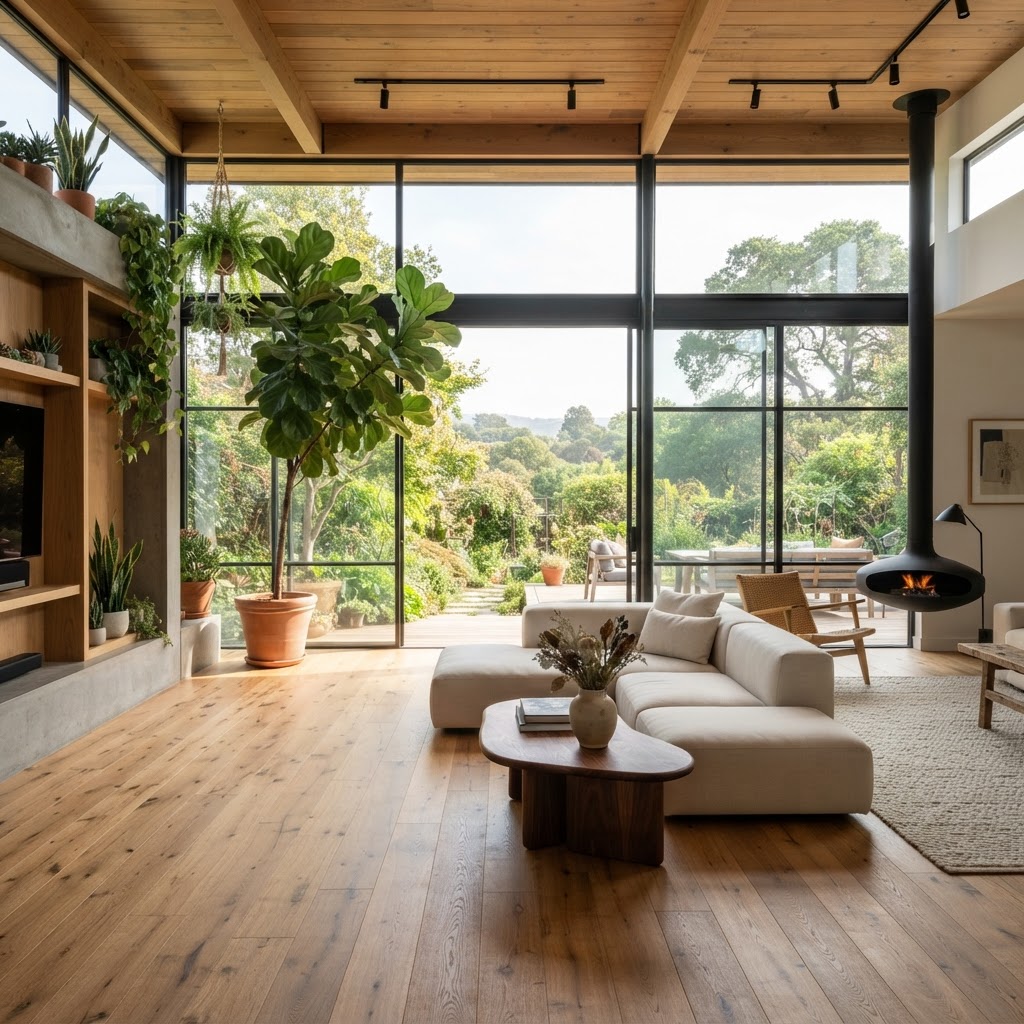
The Conscious Home: Your Essential Guide to Sustainable Interior Design
Creating an environmentally friendly home does not mean you have to sacrifice style or comfort. This guide walks you through the best eco friendly materials and energy saving layouts to help you build a beautiful space that respects the planet.
Choosing Earth Friendly Materials
Honestly, this is where most people get tripped up. They want to go green but they walk into a showroom and have no idea what they're actually looking at. Here's the thing: not all "natural" materials are created equal, and the word "eco-friendly" gets thrown around so loosely that it's basically lost all meaning at this point. So let's get specific.
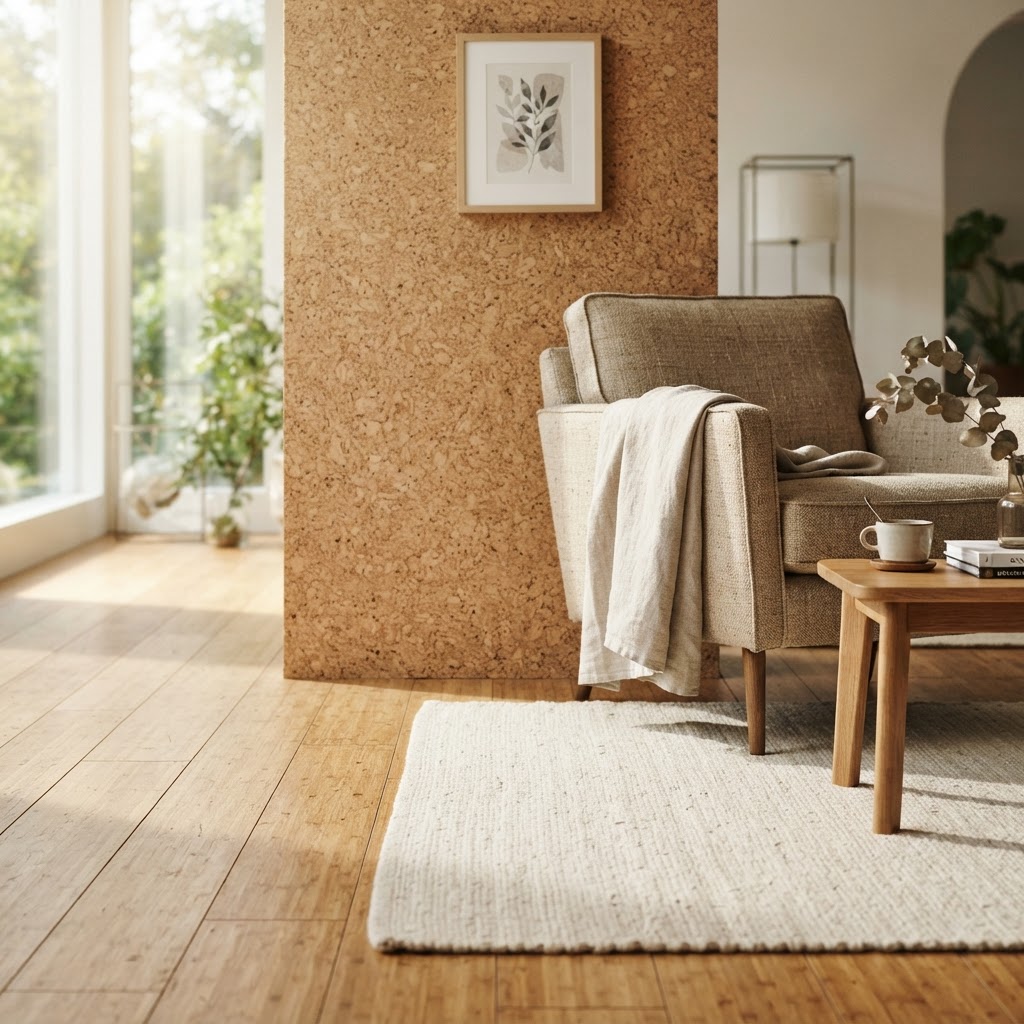
When you're choosing flooring, look at bamboo and cork first. Bamboo grows back in three to five years. Compare that to hardwood, which can take decades. Cork is harvested from the bark of cork oak trees without cutting them down, which means the tree keeps living and keeps absorbing carbon. Both are durable, beautiful, and honestly way more interesting than generic laminate anyway. For walls, consider clay-based paints and plasters. They're naturally breathable, they regulate humidity, and they don't off-gas the way conventional paints do. Your indoor air quality will thank you.
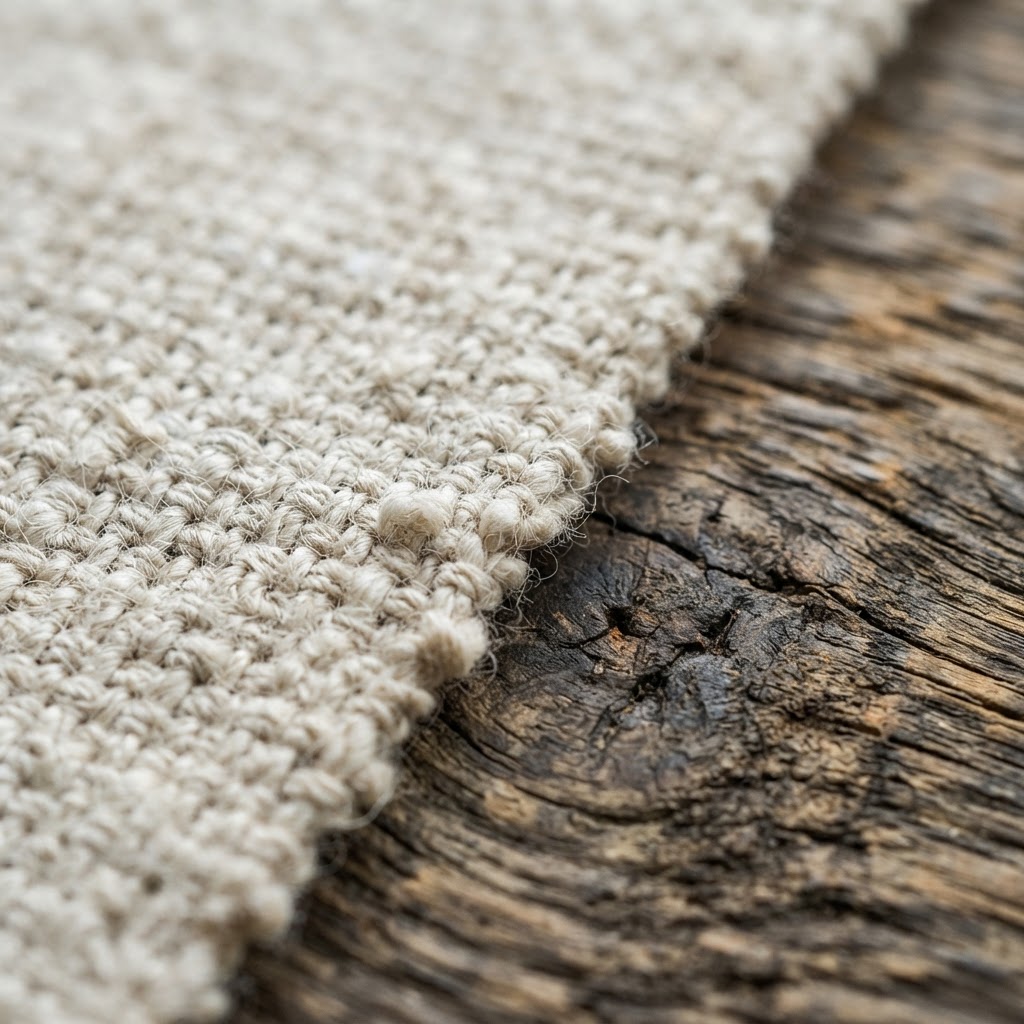
Reclaimed wood is another one I'm obsessed with. It's got history baked into it, literally. Old barn wood, salvaged timber from demolished buildings, reclaimed oak from old wine barrels. It tells a story and it keeps material out of the landfill. Win-win. For textiles, go for organic cotton, linen, or wool. Conventional cotton is one of the most pesticide-heavy crops on the planet, so switching to organic makes a real difference. Linen comes from flax, which needs almost no water or pesticides to grow. It wrinkles, sure, but that's part of its charm.
One thing people overlook is certifications. Look for FSC-certified wood, OEKO-TEX certified fabrics, and Cradle to Cradle certified products. These aren't just marketing badges. They mean something. They tell you that someone has actually verified the supply chain. And real talk, doing a little label-reading homework before you buy saves you from getting greenwashed by clever marketing.
Maximizing Natural Light and Passive Cooling
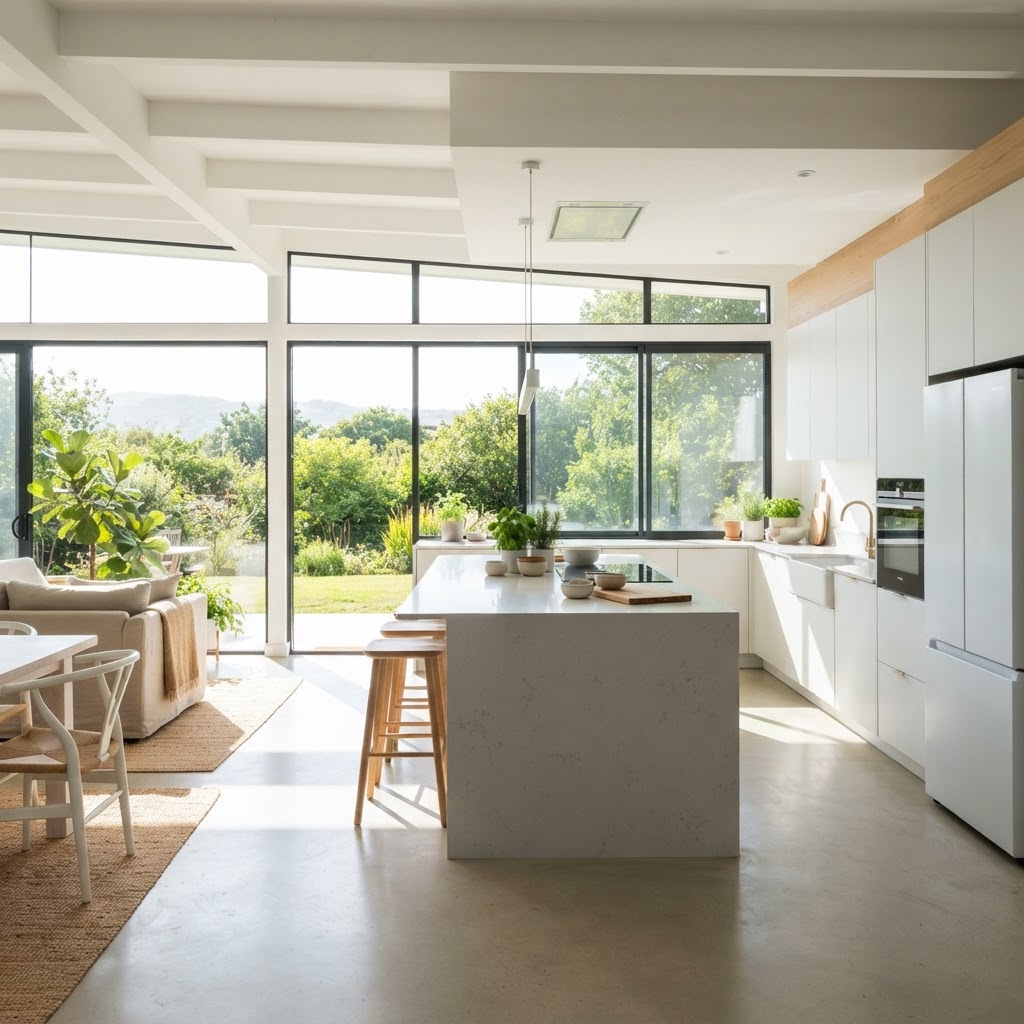
This might be my favorite topic in sustainable design because it sits right at the intersection of feeling good and doing good. A home filled with natural light just feels alive. And beyond the mood boost, it cuts your energy consumption in a way that no LED bulb can fully replicate. Getting natural light right is about strategy, not just having big windows.
Think about orientation first. In the northern hemisphere, south-facing windows get the most consistent daylight throughout the day. East-facing rooms get that gorgeous morning light. West-facing rooms get the harsh afternoon sun, which can actually work against you in summer. If you're renovating or building, this is something worth discussing seriously with your architect. If you're working with an existing layout, you can still do a lot. Use light-colored walls and ceilings to bounce light further into the room. Replace solid interior doors with glass-paneled ones. Add skylights if you can. Even a simple sun tube can flood a dark hallway with real daylight.
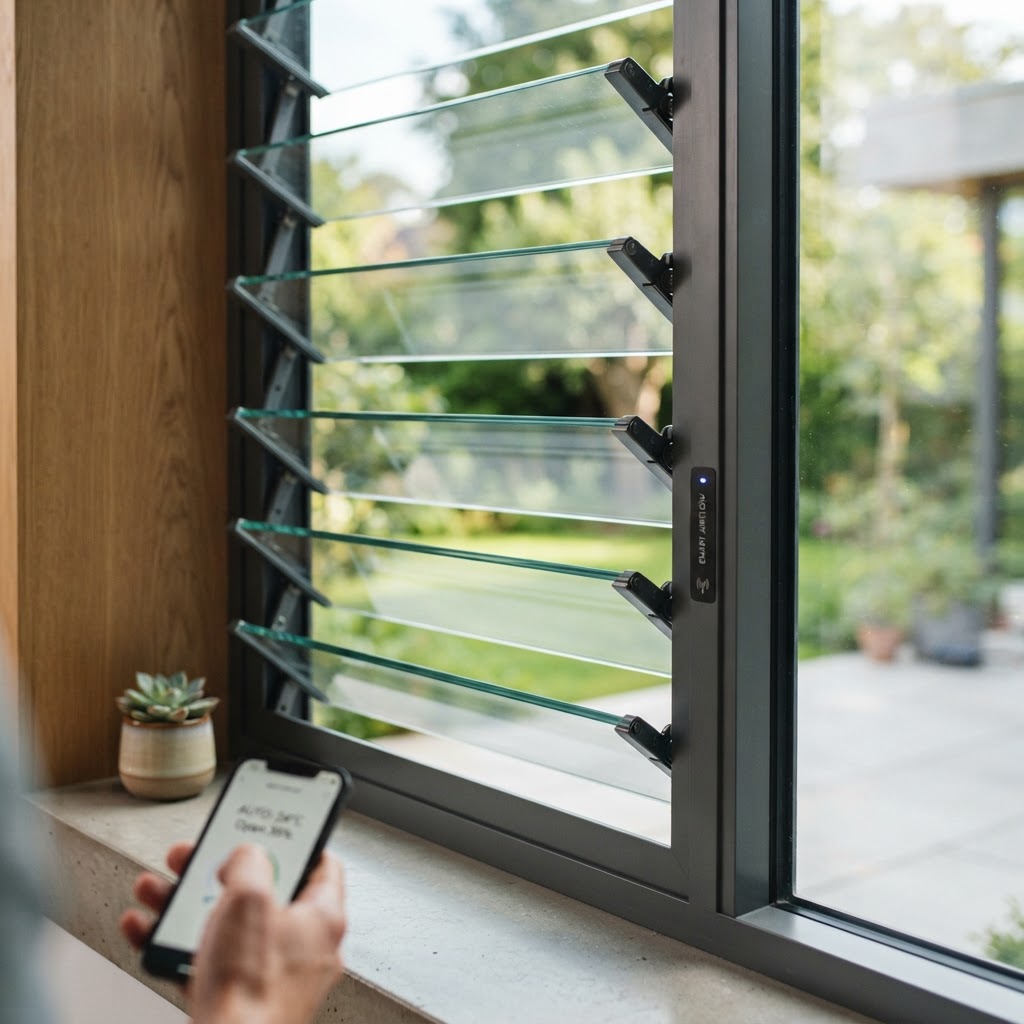
Passive cooling is the other half of this equation and it's wildly underrated. The idea is simple: design your space so that it stays cool naturally, without cranking the air conditioning. Cross-ventilation is the backbone of this. You want windows positioned on opposite sides of a room so air can actually flow through, not just in. Ceiling fans help circulate that air efficiently. External shading like overhangs, pergolas, and exterior shutters blocks summer sun before it even hits the glass, which is far more effective than curtains on the inside.
Thermal mass is another concept worth knowing. Materials like concrete, brick, and stone absorb heat during the day and release it slowly at night. In the right climate, a polished concrete floor isn't just a design choice. It's doing active work to regulate your home's temperature. Trust me on this, once you understand passive design principles, you start seeing buildings completely differently.
Investing in Timeless Furniture
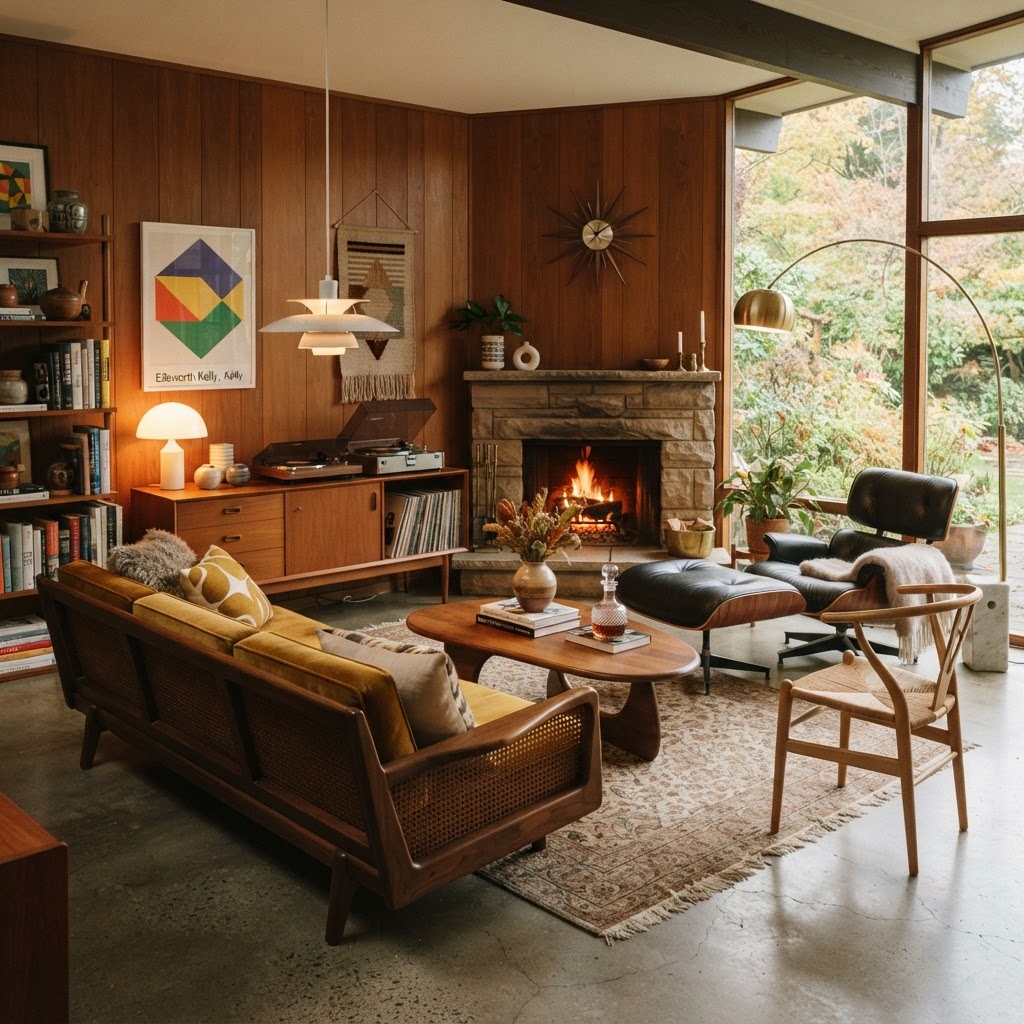
Here's the thing about fast furniture: it's the fast fashion of interior design, and it's just as wasteful. That flat-pack bookshelf that costs next to nothing will also last next to nothing. Within a few years it's warped, the joints are loose, and it ends up in a landfill. Multiply that by millions of households and you've got a serious problem. The most sustainable piece of furniture you can own is one you never have to replace.
Investing in timeless furniture doesn't mean spending a fortune all at once. It means being intentional. Buy less, but buy better. A solid oak dining table bought secondhand is more sustainable than a brand new one made from particleboard, even if the new one came from a company with a green logo on their website. Secondhand and vintage furniture is genuinely the most eco-conscious route because no new resources are extracted and no new emissions are generated in manufacturing.

When buying new, look for furniture made from solid wood with non-toxic finishes, upholstery using natural or recycled fabrics, and construction methods that can be repaired. Dovetail joinery. Replaceable cushion covers. Solid frames. These are signs of furniture built to last. Some designers now offer modular systems where individual components can be swapped out or upgraded over time, which is a genuinely smart approach.
And honestly, timeless design just looks better. Clean lines, quality materials, neutral palettes. It won't date itself in three years the way a trend-driven piece will. You won't be redecorating just because something went out of style. That restraint, that choosing well once and sticking with it, is deeply sustainable in the truest sense of the word.
The Power of Indoor Greenery
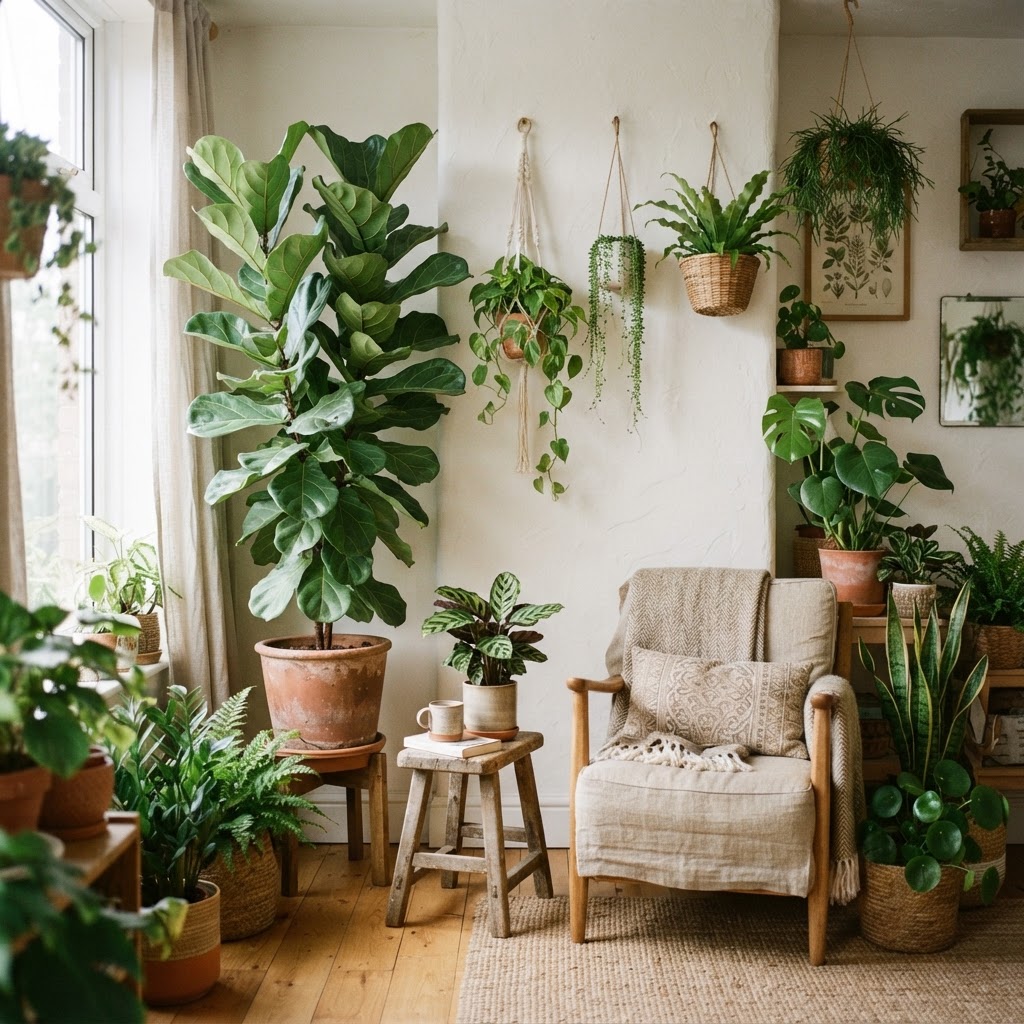
I will never stop talking about plants in interiors. Never. Beyond the obvious aesthetic payoff, indoor greenery does real functional work. It improves air quality, reduces stress levels (there's solid research on this), regulates humidity, and connects you to the natural world even when you're deep inside a city apartment. That connection matters more than people realize.
Now, the air purification thing gets overhyped sometimes. Yes, plants absorb certain volatile organic compounds. But you'd need a pretty dense jungle to make a measurable dent in a large room. The real value is more holistic. Plants respond to their environment. They remind you that living things need care. That dynamic, living quality changes how a room feels in a way that no object or artwork can fully replicate.
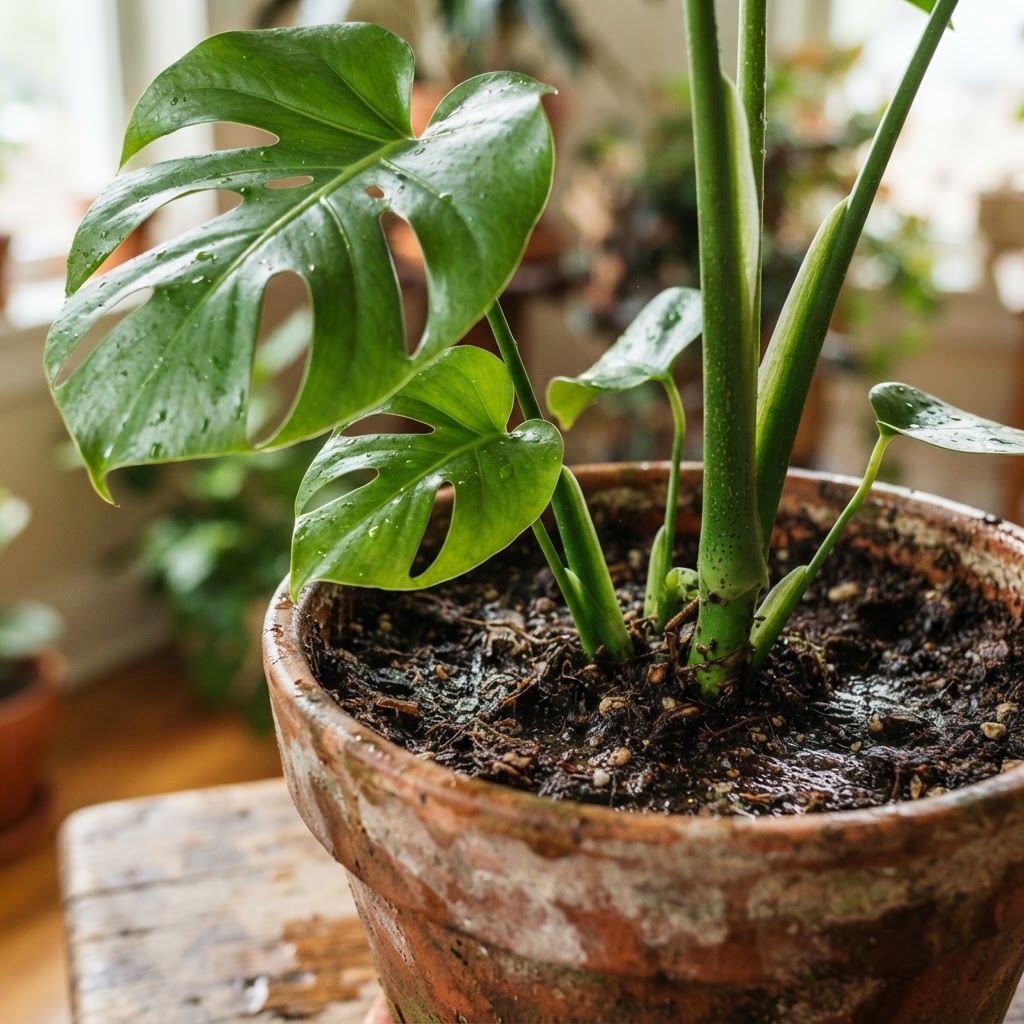
For sustainability specifically, consider where your plants come from. Local nurseries and plant swaps are far better than imported tropical specimens that were air-freighted across the world. Native plants and drought-tolerant varieties are smart choices because they're adapted to your climate and won't need excessive watering or special care. Propagating plants from cuttings, whether your own or shared by friends, is essentially free and produces zero packaging waste.
- Pothos and spider plants are nearly indestructible and propagate easily from cuttings.
- Snake plants tolerate low light and infrequent watering beautifully.
- Peace lilies thrive in shaded spots and signal when they need water by drooping slightly.
- Ferns and moss walls work brilliantly in bathrooms where humidity is naturally higher.
- Herbs on a kitchen windowsill are practical, sustainable, and they smell incredible.
Use pots made from natural materials like terracotta, recycled ceramic, or even concrete. Avoid plastic planters where possible, or at least choose ones you'll keep for years. And use peat-free compost. Peat extraction destroys carbon-rich bogs that took thousands of years to form. There are great alternatives made from coir, bark, and compost available everywhere now.
Energy Efficient Lighting and Appliances
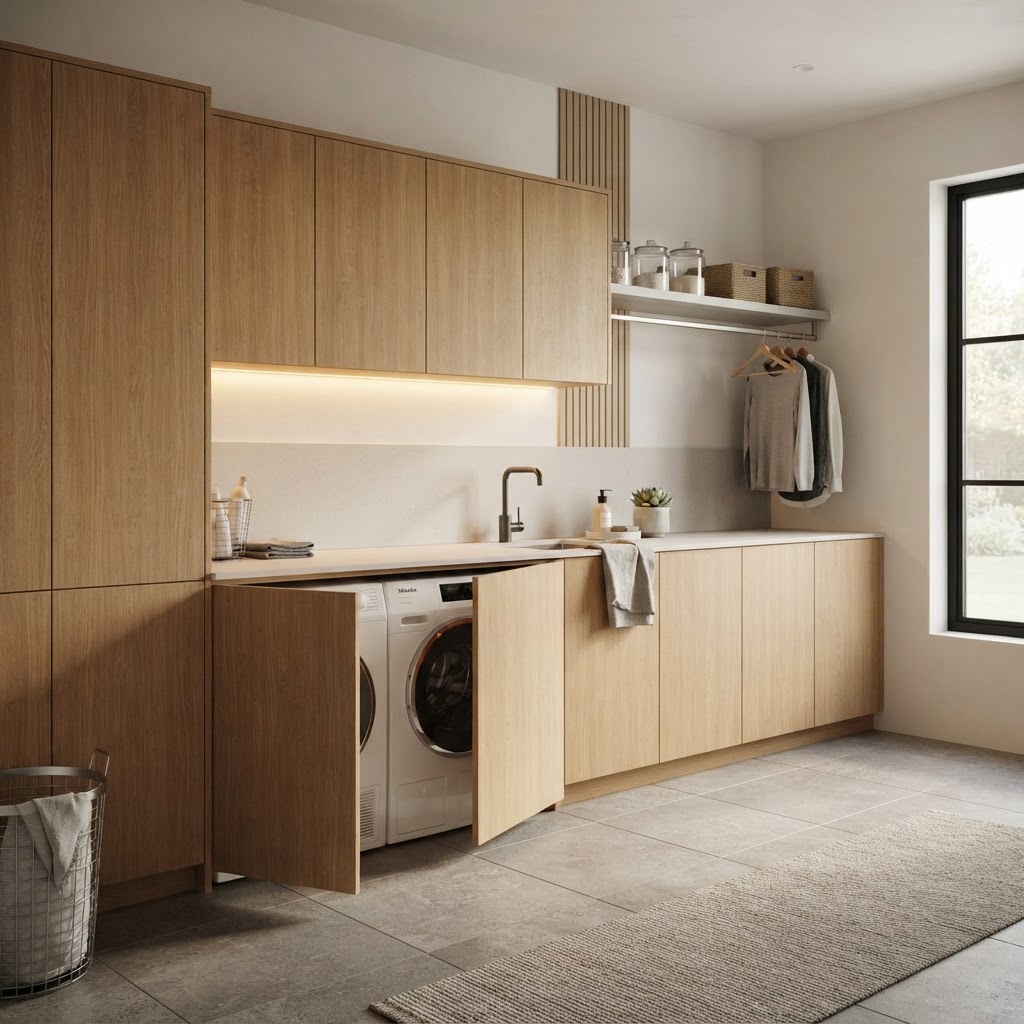
Look, I know lighting and appliances don't sound as glamorous as reclaimed wood or a statement fiddle leaf fig. But this stuff has a massive impact on your home's overall footprint and it's often the easiest place to make meaningful changes fast. Start with your light bulbs if you haven't already. LED bulbs use up to 80 percent less energy than incandescent ones and they last years longer. That's not a minor upgrade. That's a significant reduction in both energy use and waste over time.
But beyond the bulbs, think about your lighting design holistically. Layered lighting, combining ambient, task, and accent sources, means you're never lighting an entire room when you only need to illuminate a corner. Dimmers are your friend. They extend bulb life and let you dial in exactly the right mood and brightness for any situation. Smart lighting systems take this further, letting you automate schedules, adjust remotely, and avoid the classic "left every light on all day" situation.
Appliances are where serious energy savings live. When it's time to replace something, choose the highest energy rating you can afford. Look at the lifetime running costs, not just the purchase price. A slightly more expensive fridge with an A+++ rating will cost you far less to run over ten years than a cheaper model. Induction cooktops are more efficient than gas and they're faster too. Heat pump dryers use a fraction of the energy of conventional ones. These aren't sacrifices. They're upgrades that happen to be better for the planet.
- Switch every bulb in your home to LED if you haven't already.
- Install dimmer switches in living areas and bedrooms.
- Unplug appliances and chargers when not in use, standby power adds up more than you'd think.
- Check energy ratings before any appliance purchase and prioritize efficiency.
- Consider a smart thermostat to optimize your heating and cooling schedules automatically.
And honestly, one of the most overlooked aspects of sustainable home energy is just paying attention. Being conscious about what's running, what's on standby, what you actually need switched on. That awareness, that active engagement with your home, is the spirit behind everything in this guide.
Final Thoughts
Sustainable interior design isn't about perfection. It's not about ticking every green box or spending a fortune on certified organic everything. It's about making more conscious choices, one at a time, with the understanding that your home is connected to a much bigger system. The materials you choose, the light you let in, the furniture you buy once and keep forever, the plants you grow, the energy you use thoughtfully. All of it adds up.
Start where you are. Pick one section from this guide and focus on it first. Maybe that's switching to LED bulbs this week. Maybe it's buying that secondhand sofa you've been eyeing instead of a new one. Maybe it's finally getting a few plants for that empty corner. Small moves, made consistently, build into something genuinely meaningful over time. Your home can be beautiful and responsible. The two have never been mutually exclusive, and the best interiors I've ever seen prove that every single time.
More in Sustainable
Stay Inspired
Subscribe for new essays on architecture, design, and the spaces that shape us.