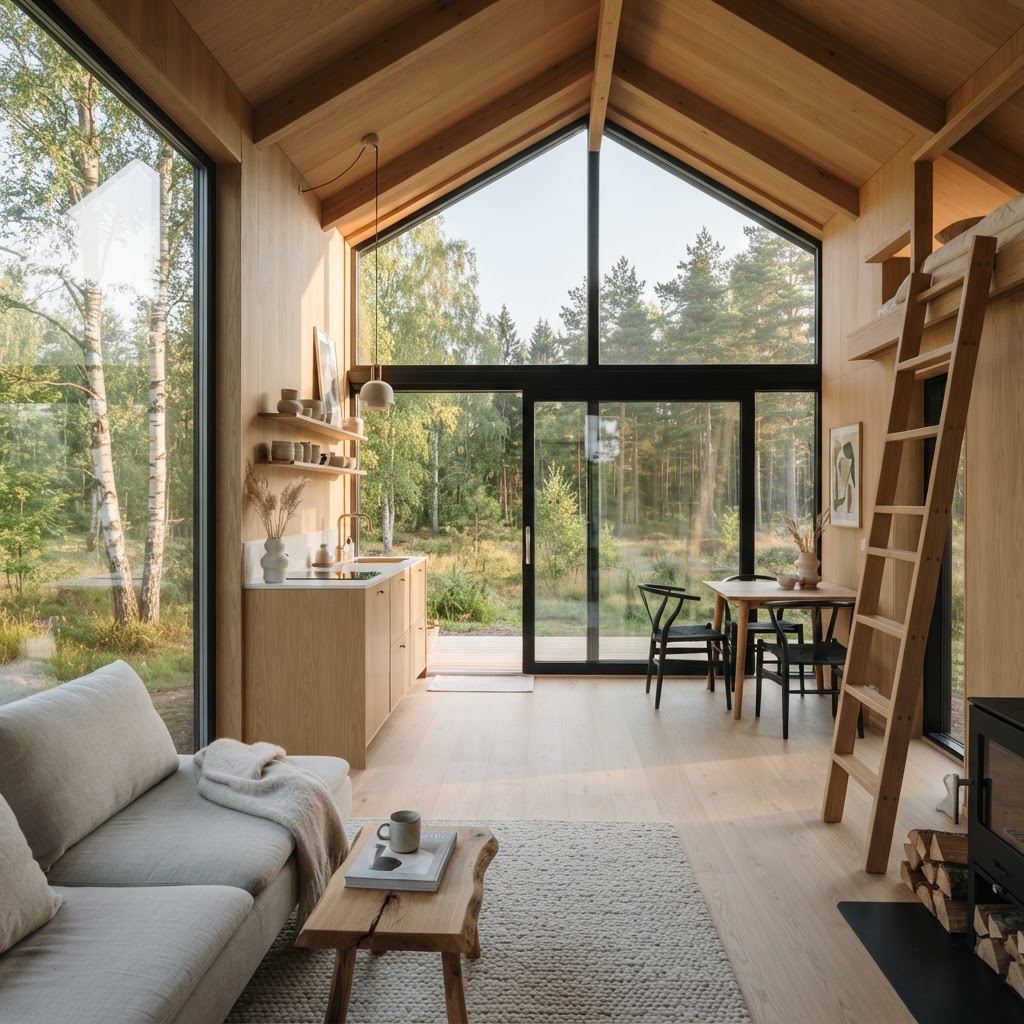
Tiny Home Living: How to Maximize Style in a Minimalist Space
Designing a tiny home requires a clever balance of function and aesthetics. This guide explores smart layouts and storage solutions that make small spaces feel open and inviting.
Embracing Multi-Functional Furniture
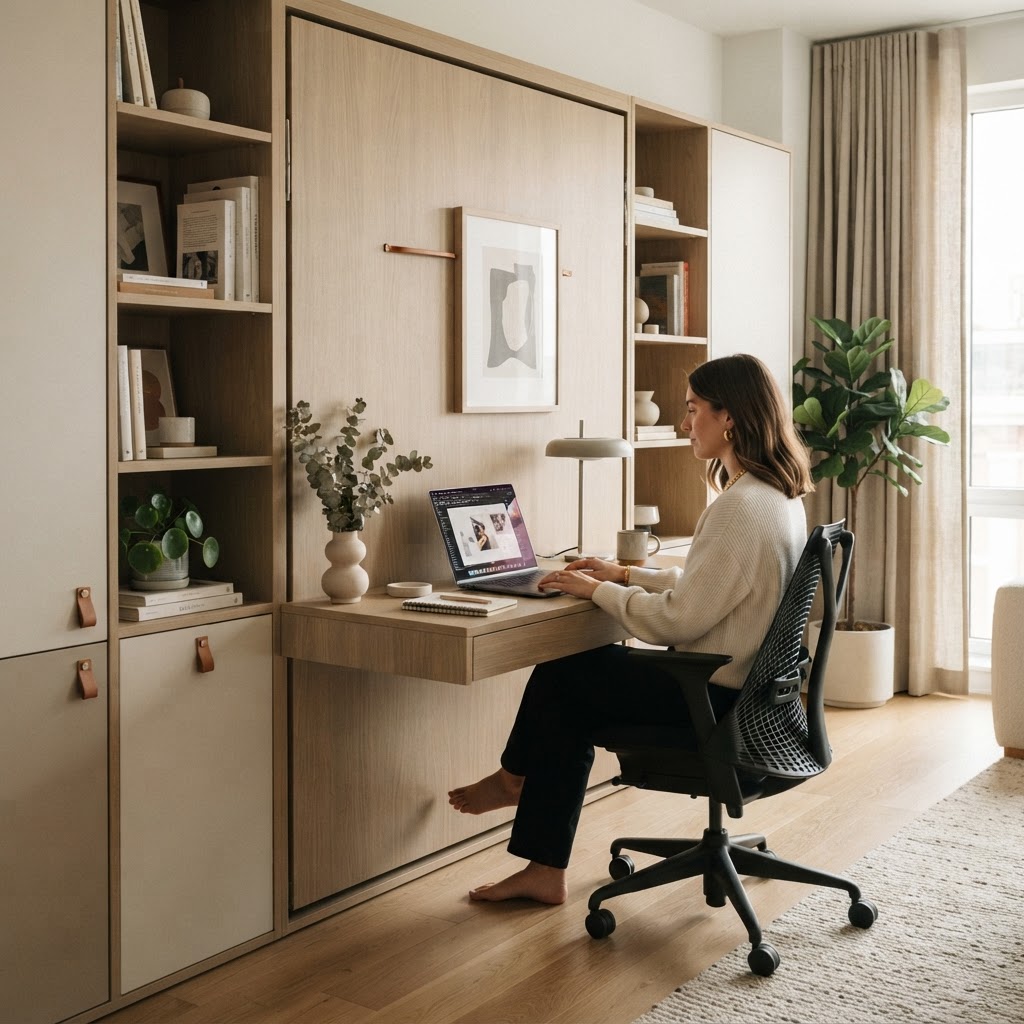
Honestly, this is where tiny home living either wins or loses. The furniture you choose in a small space does so much more heavy lifting than in a regular-sized home, and if you get it wrong, the whole place feels cramped and chaotic. But get it right? Your tiny home can feel like the most intentional, thoughtful space you've ever walked into.
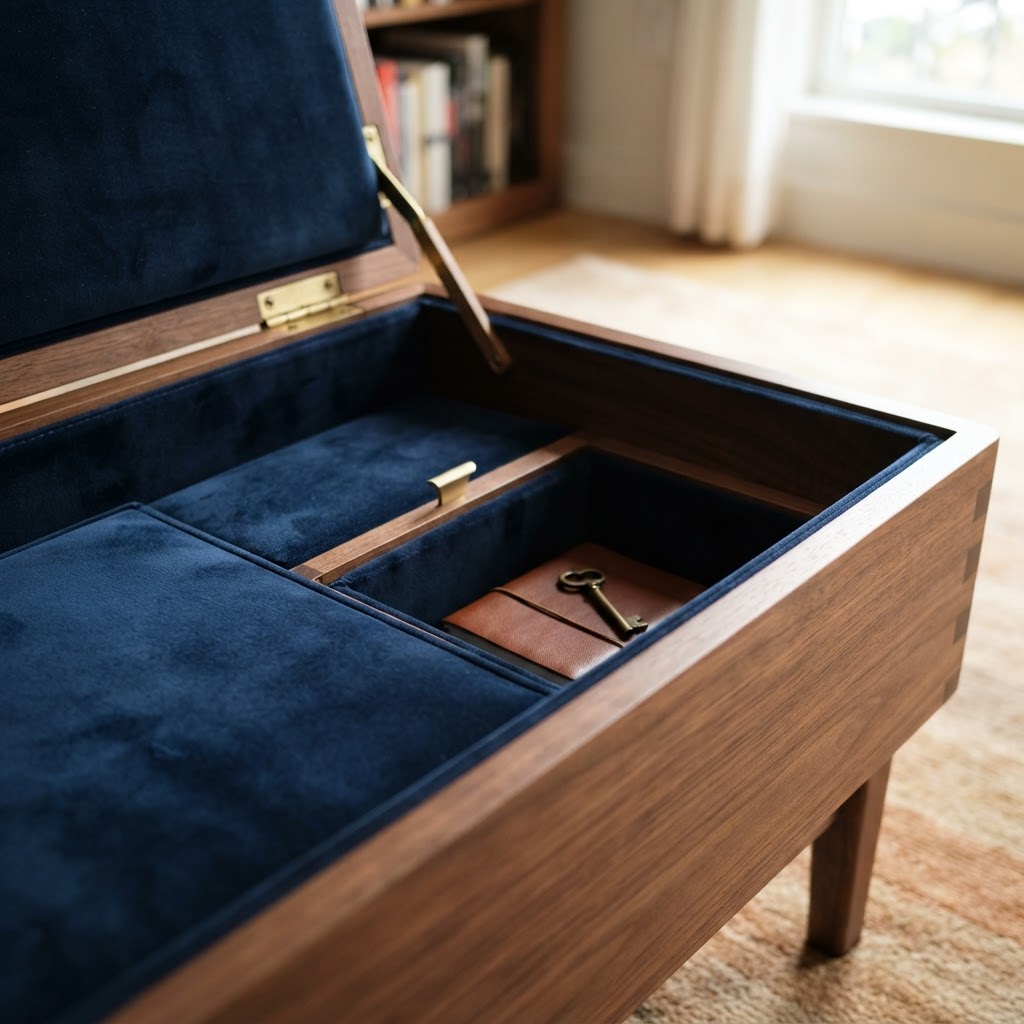
Multi-functional furniture isn't just about buying a sofa bed and calling it a day. It's a whole design philosophy. Think about a dining table that folds flat against the wall when you're not using it, or an ottoman that opens up to reveal blanket storage inside. These aren't compromises. They're actually really clever design decisions that force you to be intentional about every single piece you bring into your space.
Here's the thing about murphy beds specifically: they have come a long, long way from the clunky wall-beds you might remember from old cartoons. Modern murphy bed systems integrate seamlessly with shelving units, desks, and even sofas. When the bed is up, you have a full living room. When it's down, you have a proper sleeping space. That's not a sacrifice, that's smart living.
- Nesting tables are a brilliant alternative to a large coffee table. They tuck away and come out when you need extra surface space for guests.
- Storage benches at the foot of a bed or near an entryway do double duty as seating and hidden storage.
- Lift-top coffee tables can become a dining surface or a work desk in a pinch, especially in studio layouts.
- Modular shelving with built-in desk components means your home office doesn't need its own room.
Real talk: investing more money in fewer, higher-quality multi-functional pieces is almost always better than filling a space with cheap furniture that only does one thing. You'll live better, the space will look better, and you won't be constantly frustrated by stuff getting in the way.
The Illusion of Space with Vertical Design
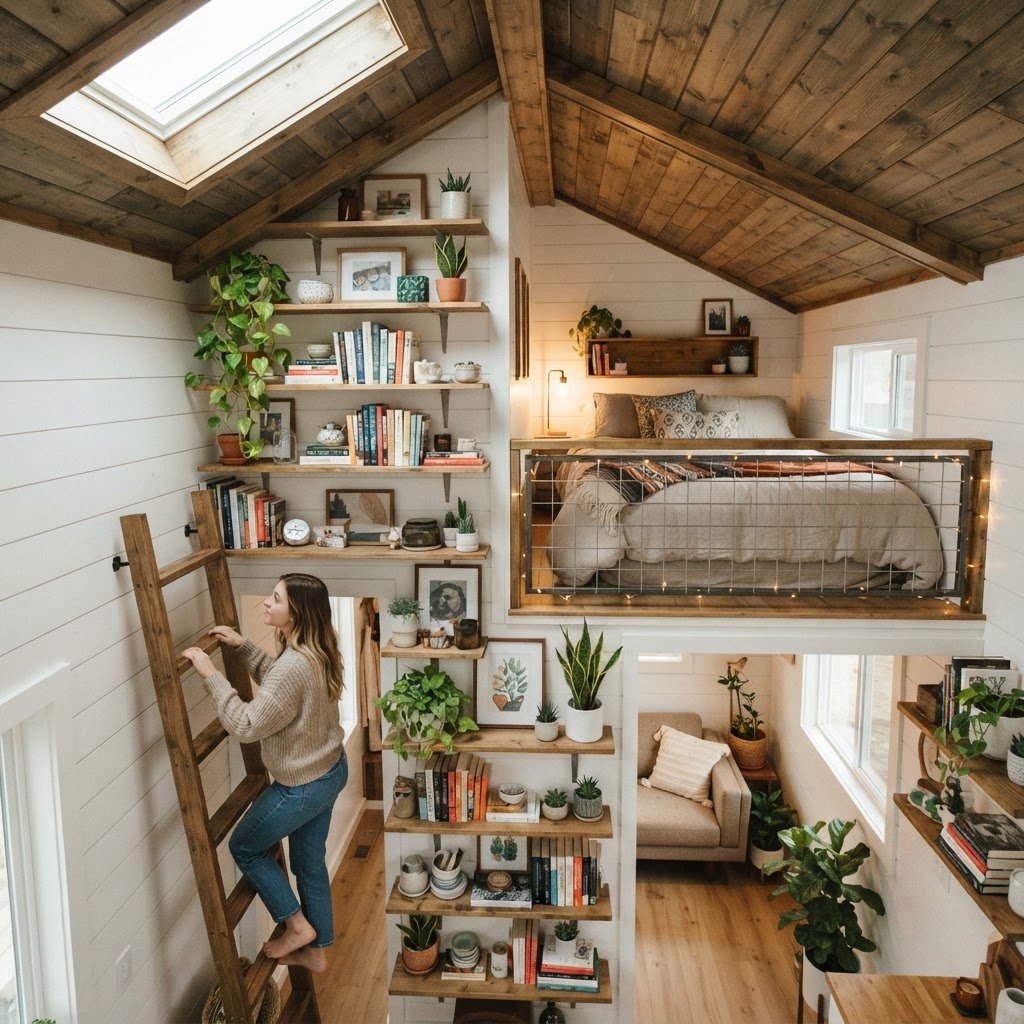
Look, most people think about floor space when they think about a small home. They're measuring square footage and worrying about whether their couch fits. But the truly experienced tiny home designers will tell you: the real untapped real estate is vertical. Your walls and your ceiling height are some of your most powerful design tools, and most people completely ignore them.
When you draw the eye upward, the brain interprets a space as larger than it actually is. It's a simple psychological trick, but it works every single time. Floor-to-ceiling bookshelves, tall curtains hung right up near the ceiling rather than just above the window frame, vertical shiplap or paneling on a feature wall. All of these things make a room feel bigger without adding a single square foot.
Here's a practical tip I love: hang your curtain rods as close to the ceiling as possible, even if the window itself is much lower. Let the curtains pool slightly at the floor. This simple trick alone can make an eight-foot ceiling feel like it's pushing ten or eleven feet. It costs you almost nothing and the visual impact is genuinely dramatic.
Vertical design also applies to how you think about storage and display. Instead of a wide, low dresser, consider a tall, narrow wardrobe. Instead of spreading books across a long, low shelf, stack them high. Train your eye to go up, and your space will naturally feel more expansive. And honestly, there's something really elegant about a well-curated wall of shelving that reaches the ceiling. It feels intentional and considered rather than cramped.
- Mount your TV on the wall rather than placing it on a media console to free up floor space and keep lines clean.
- Use floating wall shelves in the kitchen instead of upper cabinets for an airy, open feel.
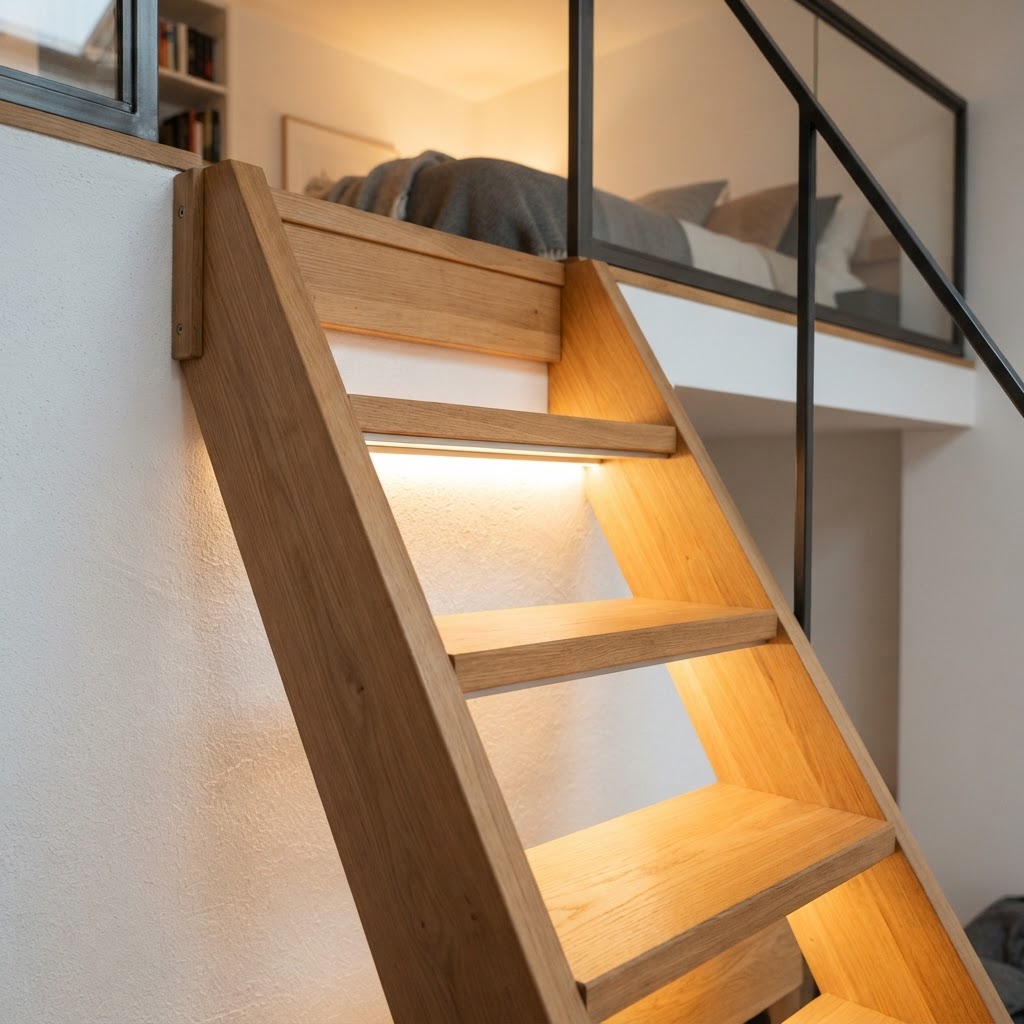
- Consider a loft sleeping area if your ceiling height allows. This frees up enormous floor space below.
Bringing the Outdoors In
There is something almost magic about what plants do to a tiny home. I'm not being dramatic. A small space without any greenery can feel sterile and suffocating, but add a few well-placed plants and suddenly the whole place breathes differently. The eye has somewhere interesting to land, the textures get richer, and there's this sense of life and movement that no piece of furniture can replicate.
Beyond just plants, bringing the outdoors in is really about natural materials and textures. Raw wood, stone, linen, jute, rattan. These materials have warmth and variation that manufactured materials often don't. In a small space, that texture becomes incredibly important because it adds visual interest without adding visual clutter. A jute rug, a rattan pendant light, a timber bedside table. These things work together to make a space feel grounded and calm.
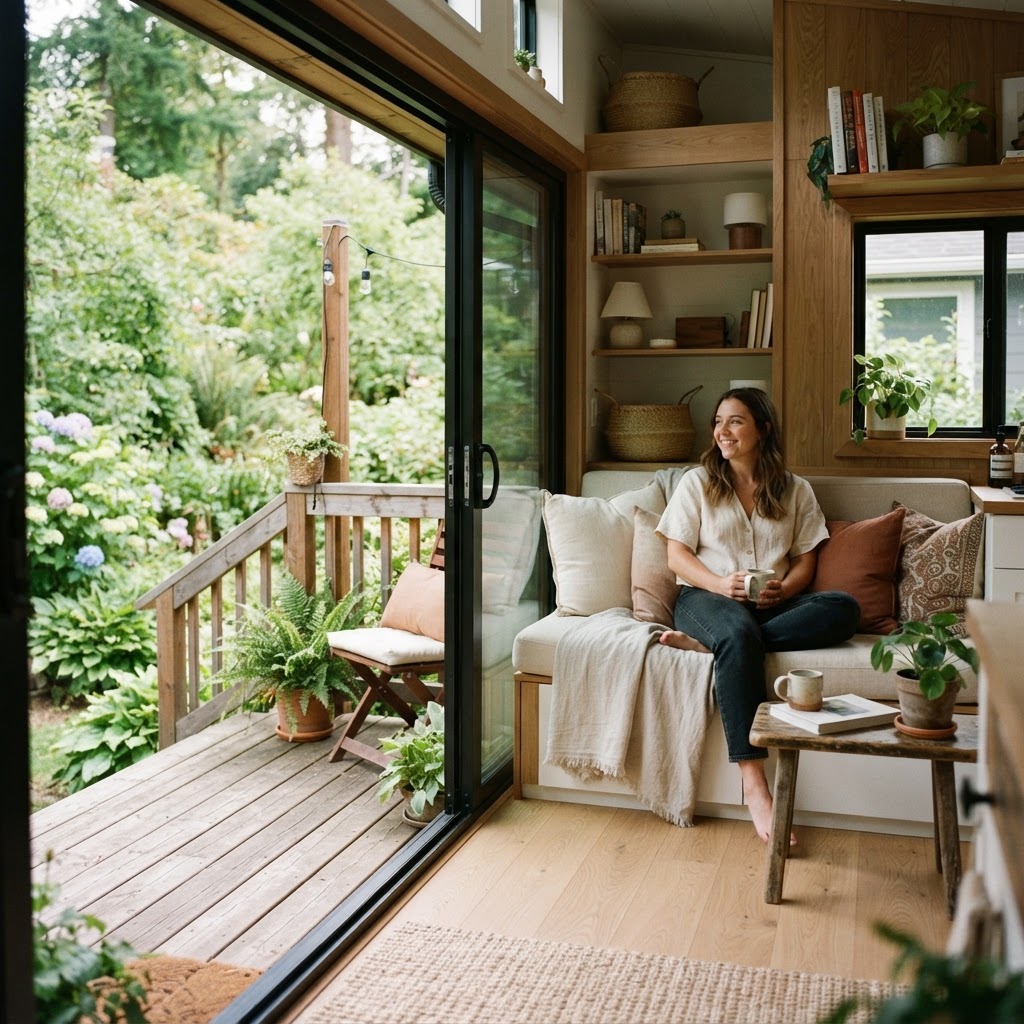
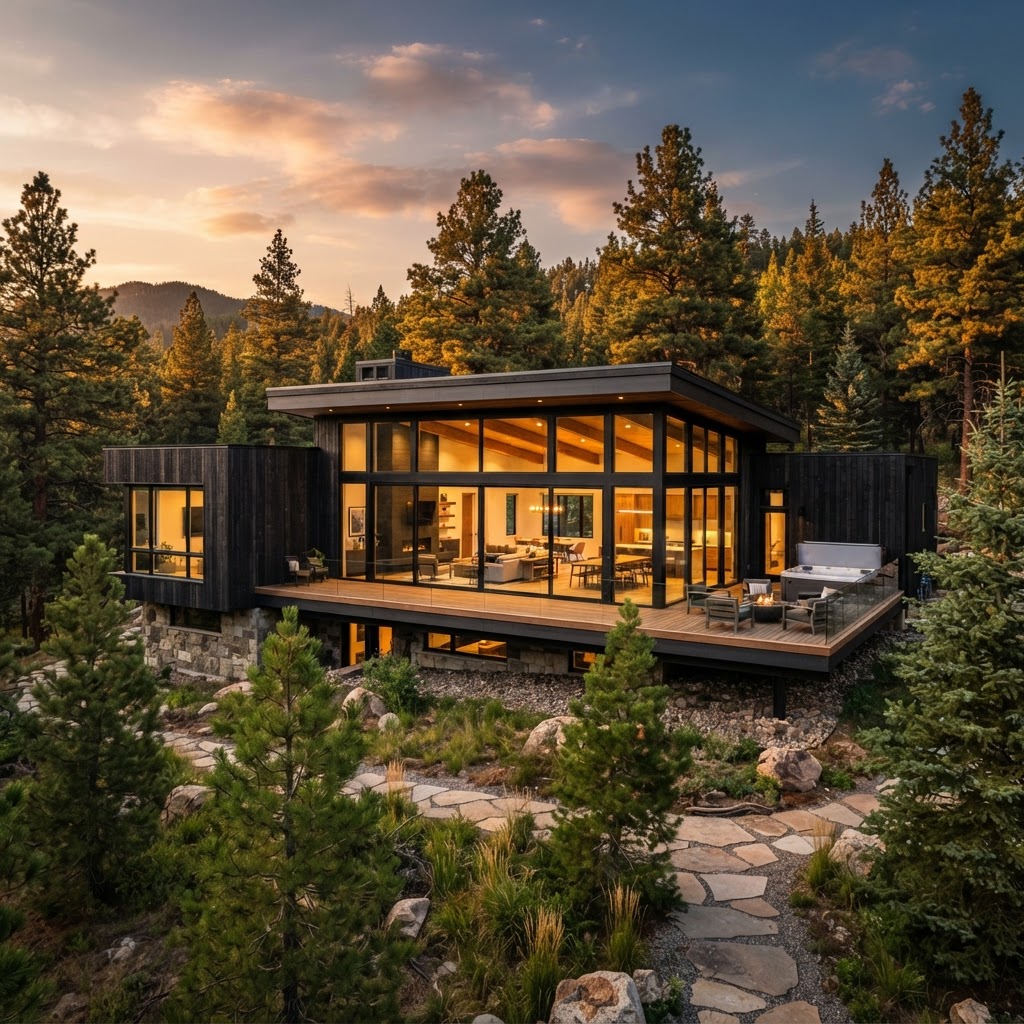
And honestly, if you have any kind of outdoor connection, whether that's a small deck, a patio, or even just a decent-sized window with a view, lean into it hard. Use large windows or glass doors to blur the line between inside and outside. Place your seating to take advantage of the view. Let natural light do the heavy lifting. A tiny home that feels connected to the outside world feels infinitely less claustrophobic than one that's closed off from it.
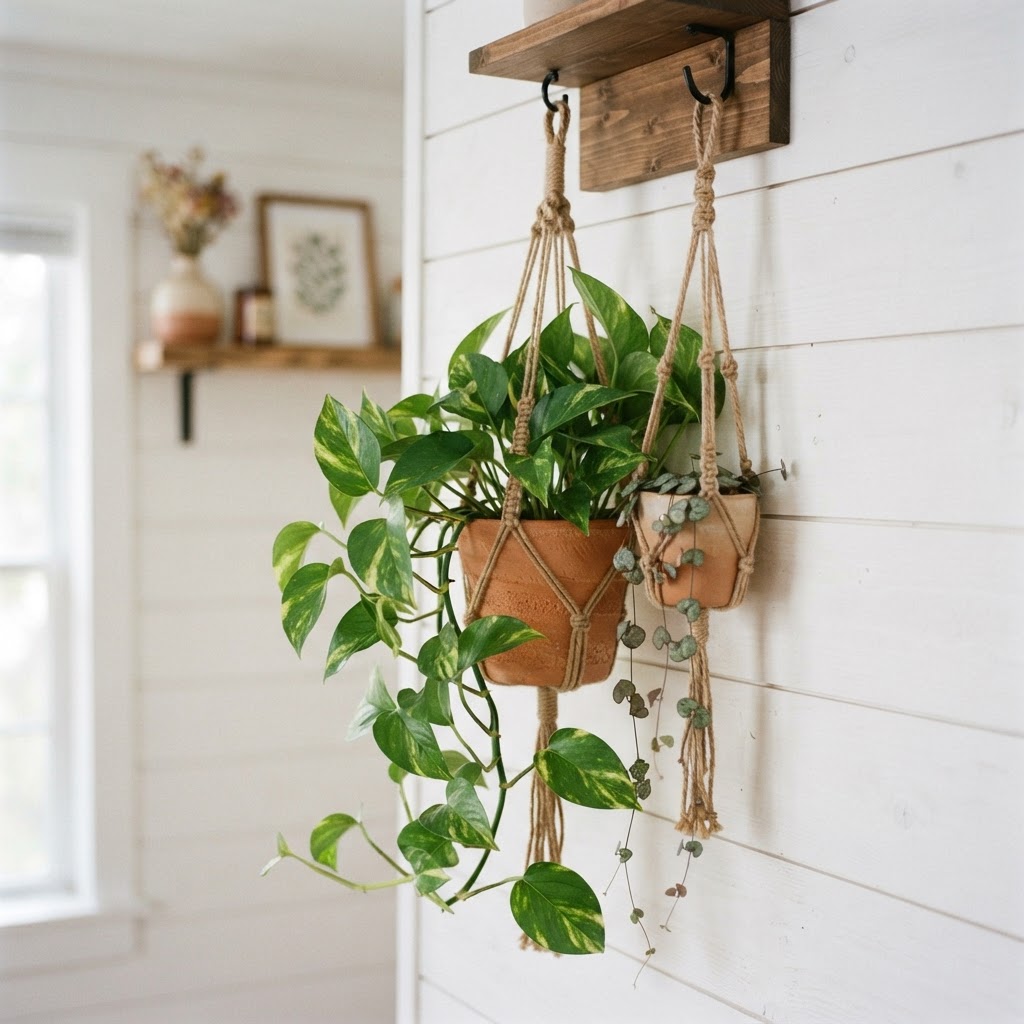
For plants specifically, trailing varieties like pothos or string of pearls work brilliantly in small spaces because they add greenery without taking up precious surface or floor space. Hang them from the ceiling or let them trail from a high shelf. It adds that vertical interest we talked about earlier while also softening hard edges and making the space feel lived-in and loved.
Smart Storage for Clutter-Free Living
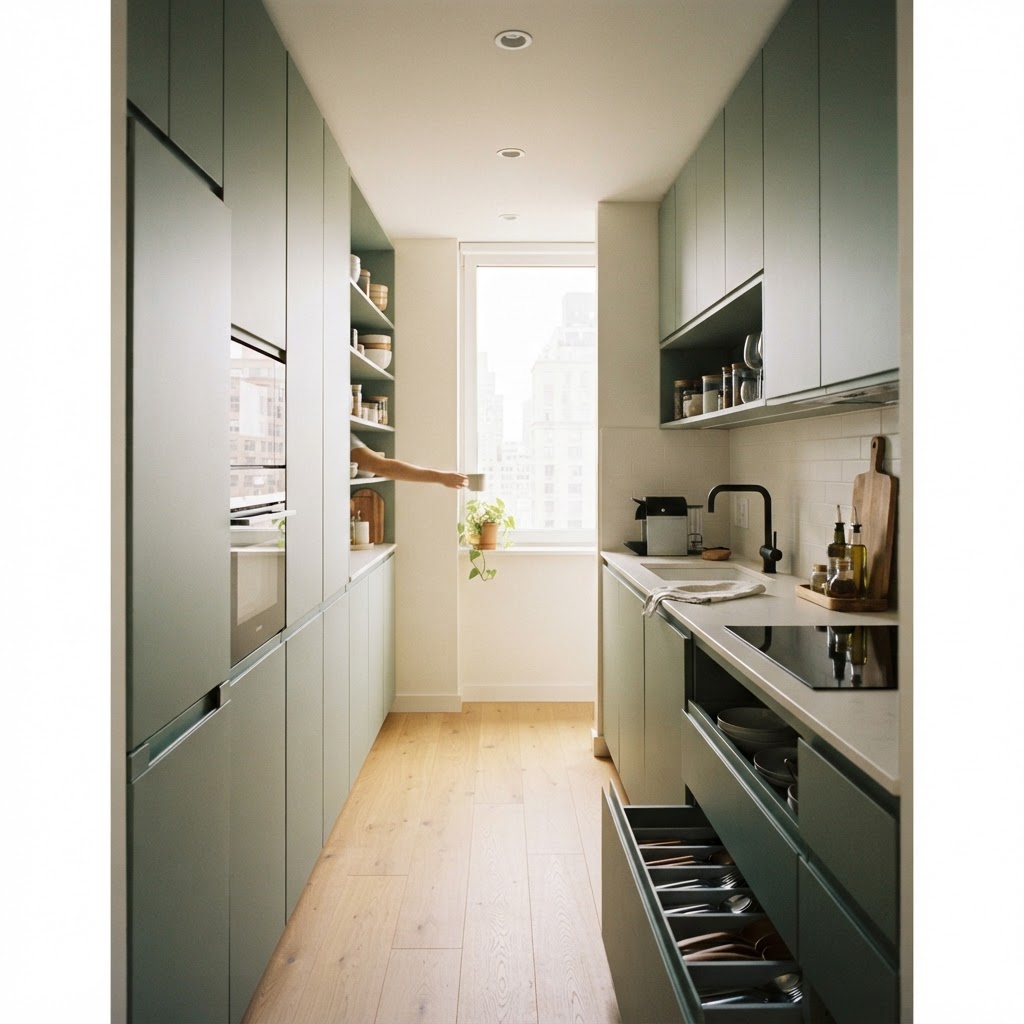
Here's the thing about clutter in a small space: it hits different. In a large home, a messy counter or an overflowing closet is annoying. In a tiny home, clutter is genuinely suffocating. It makes the whole space feel chaotic and stressful, and it visually shrinks an already small area. So smart storage isn't just a nice-to-have in a tiny home. It's absolutely fundamental to the whole thing working.
The best tiny home storage is almost invisible. Built-ins are your best friend here. Under-stair drawers, built-in window seats with lift-up storage, recessed shelving in walls. These solutions tuck storage away so neatly that guests often don't even realize it's there. You get all the storage benefit without any of the visual noise that comes from freestanding furniture and visible clutter.
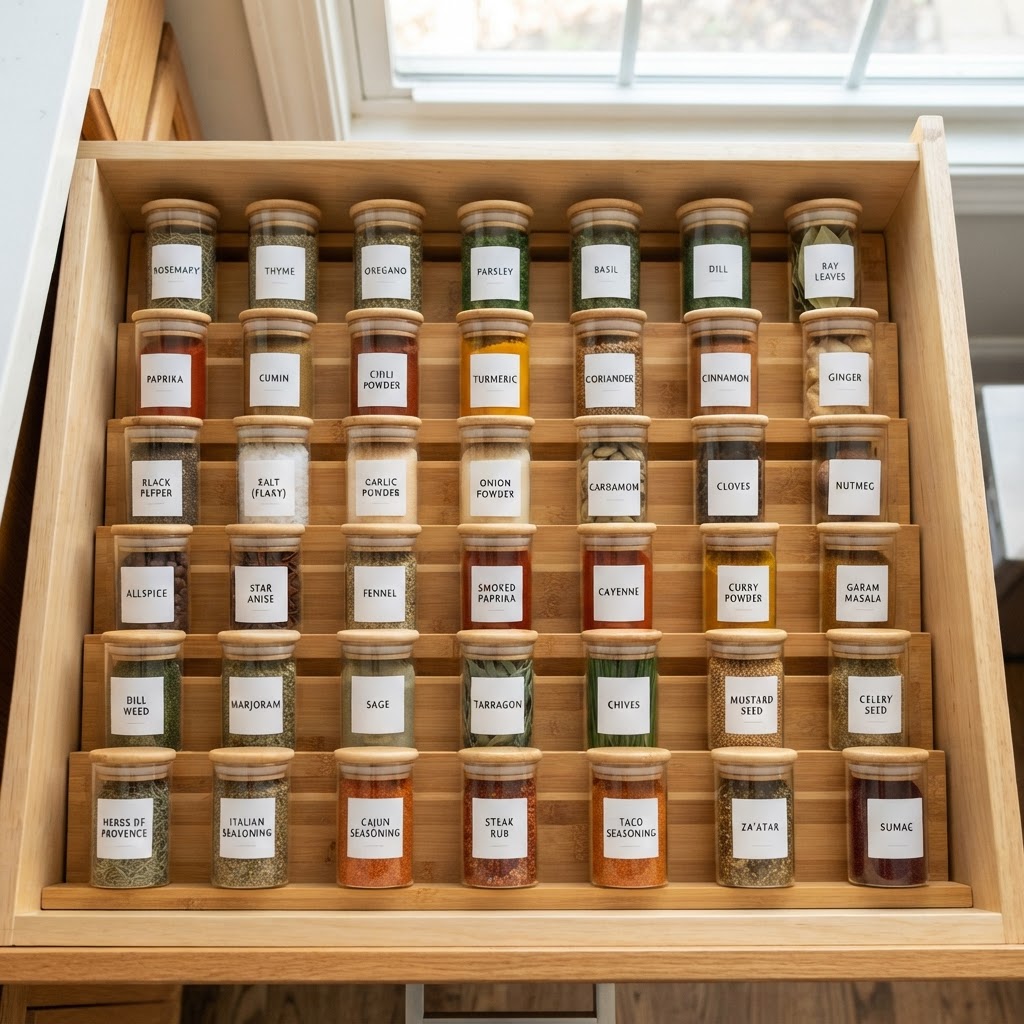
Trust me on this one: it's worth auditing every single item you own before you move into or redesign a tiny home. The ruthless edit is part of the lifestyle. If something doesn't serve a real purpose or bring you genuine joy, it doesn't belong in a small space. This isn't about deprivation, it's about curation. And there's a real freedom in owning less stuff that you genuinely love versus more stuff that's just taking up space.
- Bed risers can elevate a bed frame to create under-bed storage for seasonal items, luggage, or extra linens.
- Magnetic knife strips and wall-mounted spice racks keep kitchen counters clear without sacrificing accessibility.
- Door organizers on the inside of cabinet doors add storage in places you'd never think to use.
- Transparent storage containers help you see what you have without opening everything, reducing the urge to buy duplicates.
- Hooks and pegboards are endlessly versatile and keep frequently used items accessible without crowding drawers.
One more thing: think about your storage zones. Everything should have a home, and that home should make logical sense. Things you use daily live at the front, things you use seasonally live at the back or high up. This system sounds obvious but most people skip it, and then they wonder why their small space always feels disorganized.
Selecting a Cohesive Color Palette
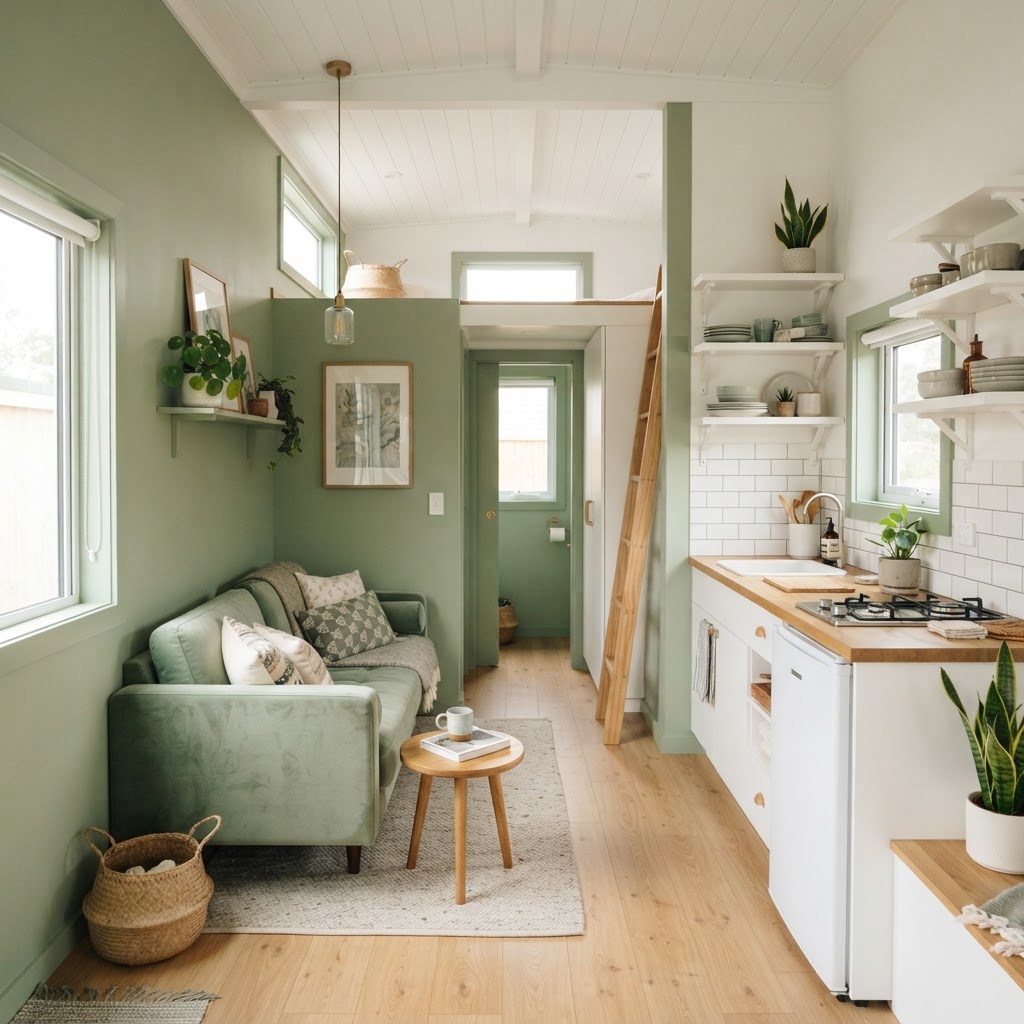
Color is one of the most powerful and most misunderstood tools in a tiny home designer's toolkit. The conventional advice is always to go light and airy, whites and creams and soft greys, and honestly that advice is solid for good reason. Light colors reflect light, they make walls feel further away, and they create that sense of openness that small spaces desperately need. But that doesn't mean your tiny home has to feel cold or bland.
The key word here is cohesive. In a small space, your eye travels across the entire room in seconds. If your color palette is all over the place, the space feels chaotic and visually busy. But when you stick to a tight palette of two or three complementary tones and carry them through consistently, something really beautiful happens. The space feels intentional, calm, and surprisingly sophisticated.
Here's a practical approach that works really well: choose a dominant neutral for your walls and larger furniture pieces, a secondary tone for textiles and accents, and one slightly bolder or richer color for small statement pieces like a throw pillow, a vase, or a piece of art. This 60-30-10 kind of ratio gives you visual interest without ever tipping into chaos. And because the space is small, even a single bold accent has a lot of impact.
Don't be afraid of darker colors entirely, by the way. A deep, moody wall color used strategically, like on a single feature wall or inside a built-in bookcase, can actually add depth and drama that makes a small space feel more interesting and purposeful. It's counterintuitive but it really works. The trick is to commit to it fully rather than being timid. A half-hearted attempt at a dark wall just looks like a mistake, but a confident, well-executed one looks genuinely stunning.
- Stick to the same undertone across all your neutrals. Warm whites with warm creams, cool greys with cool whites. Mixing undertones makes a palette feel disjointed.
- Use the same flooring throughout the space where possible. Visual continuity on the floor makes the square footage feel larger and more unified.
- Repeat your accent color at least three times across the room so it feels intentional rather than random.
Final Thoughts
Living small doesn't mean living without style, and I hope this guide proves that pretty convincingly. The best tiny homes I've ever seen aren't impressive because of their square footage. They're impressive because every single decision was made with intention. The furniture works hard, the storage is invisible, the colors are cohesive, and the whole space feels like it was designed by someone who genuinely thought about how they wanted to live.
Whether you're moving into a tiny home by choice or by circumstance, the principles here apply. Think vertically, think multi-functionally, edit ruthlessly, and bring in warmth through natural materials and plants. And above all, trust your instincts. A space that feels like you will always feel better than a space that just follows the rules.
Small spaces force a kind of creativity and intentionality that bigger homes rarely demand. And honestly? Once you get a taste of that, it's hard to go back.
More in Sustainable
Stay Inspired
Subscribe for new essays on architecture, design, and the spaces that shape us.