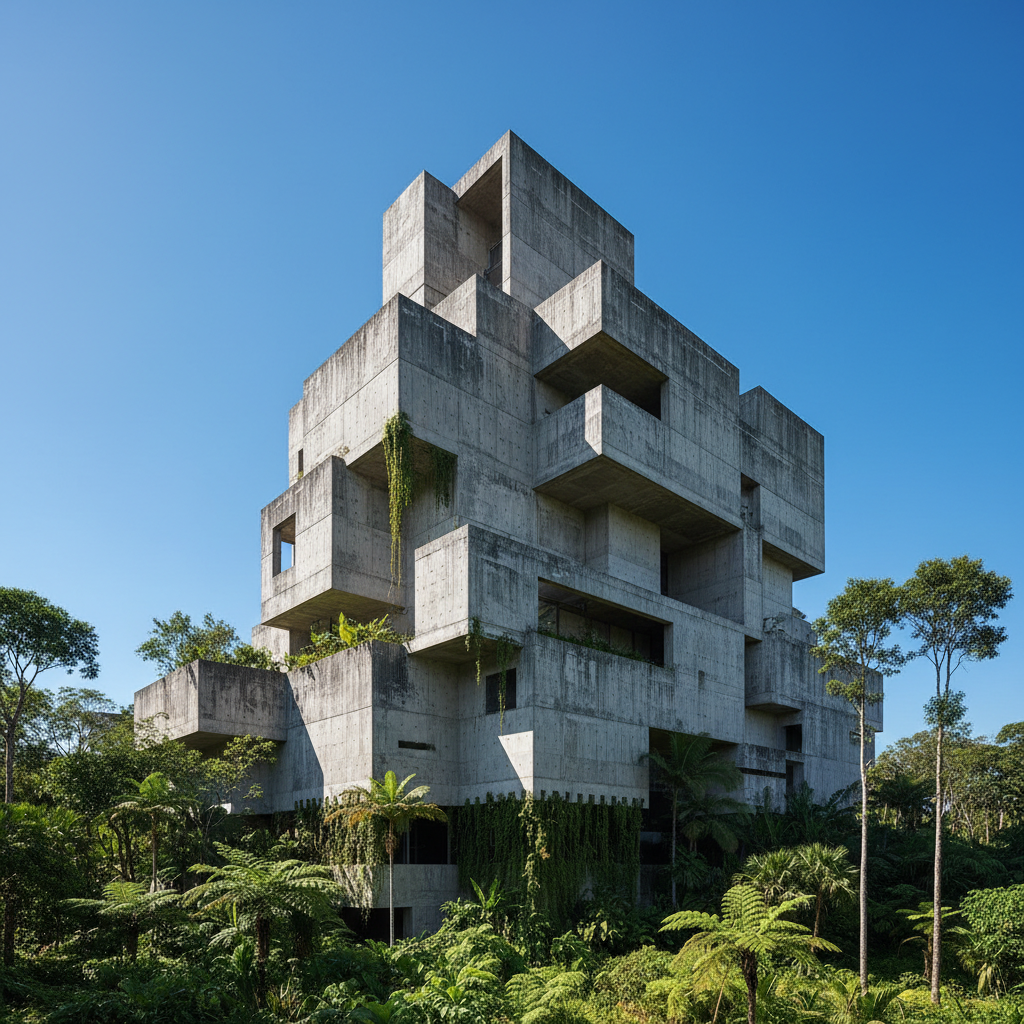
What Brutalist Architecture Gets Right That Modern Buildings Often Miss
Brutalist architecture has a unique charm that modern buildings sometimes overlook. From its raw materials to its bold forms, let's explore the qualities that make brutalism stand out in today's architectural landscape.
The Strength of Materiality
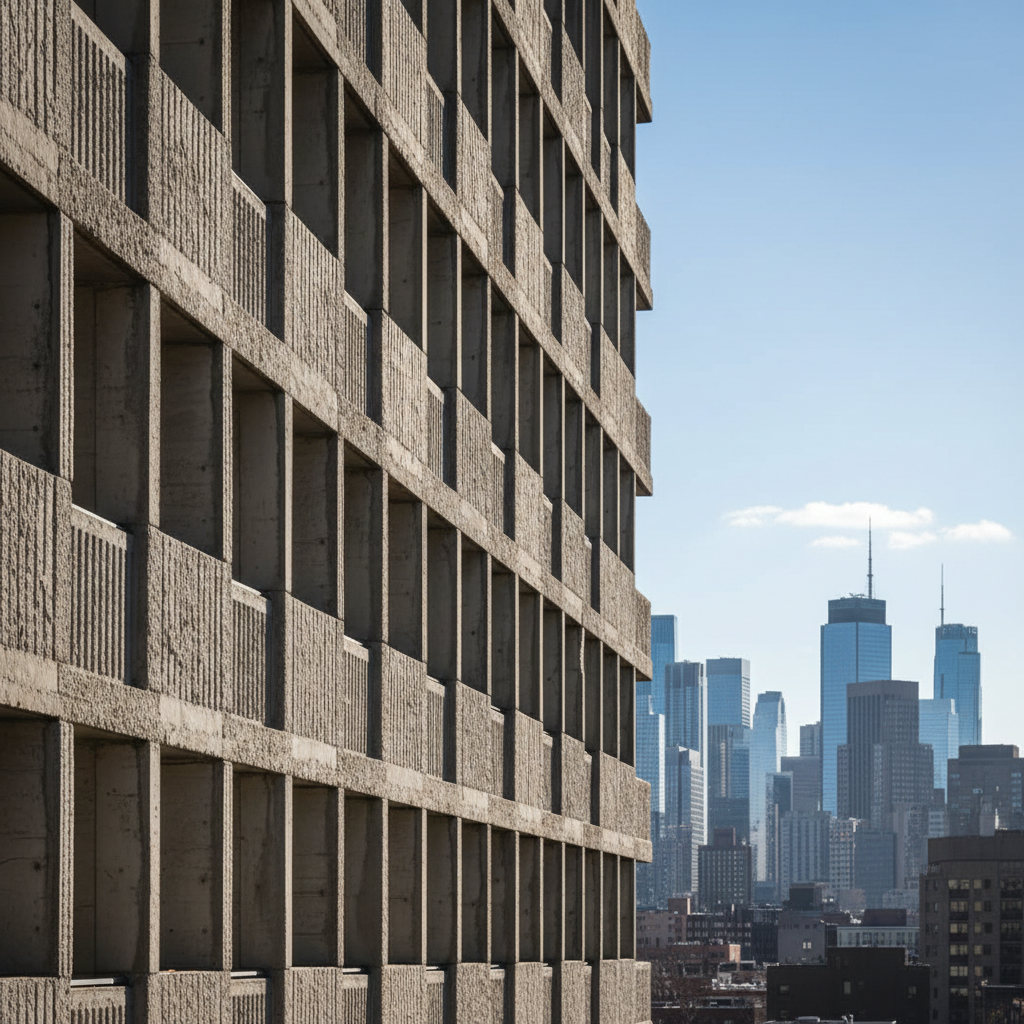
Honestly, the first thing most people do when they encounter a Brutalist building is wrinkle their nose. Grey concrete, exposed aggregate, surfaces that look like they were never meant to be pretty. And look, I get it. On the surface, it can feel cold and uninviting. But here's the thing: that raw, unapologetic materiality is actually one of the most powerful statements a building can make, and it's something modern construction has almost completely abandoned.
Brutalism gets its name from the French béton brut, meaning raw concrete. Le Corbusier used the term, and it stuck. But what it really represents is a philosophy of honesty. The building shows you exactly what it's made of. No cladding, no decorative veneers, no facades designed to make you think the structure is something it isn't. What you see is what you get, and there's a kind of integrity in that which I find genuinely moving.
Compare that to a lot of what gets built today. Glass curtain walls that reflect the sky and look stunning in renderings but turn offices into greenhouses. Composite panels that mimic wood or stone but fool nobody up close. Smooth, homogenous surfaces that age terribly and tell you absolutely nothing about how the building was constructed. There's a superficiality to a lot of contemporary architecture that Brutalism simply refuses to participate in.
Concrete also ages in a way that feels earned. It develops patina, it weathers, it takes on the character of its environment. Yes, sometimes that means staining and moss growth, and yes, that can look rough. But a building that shows its age honestly is telling a story, and that story matters. Modern glass and metal buildings don't age, they just look tired. There's a big difference.
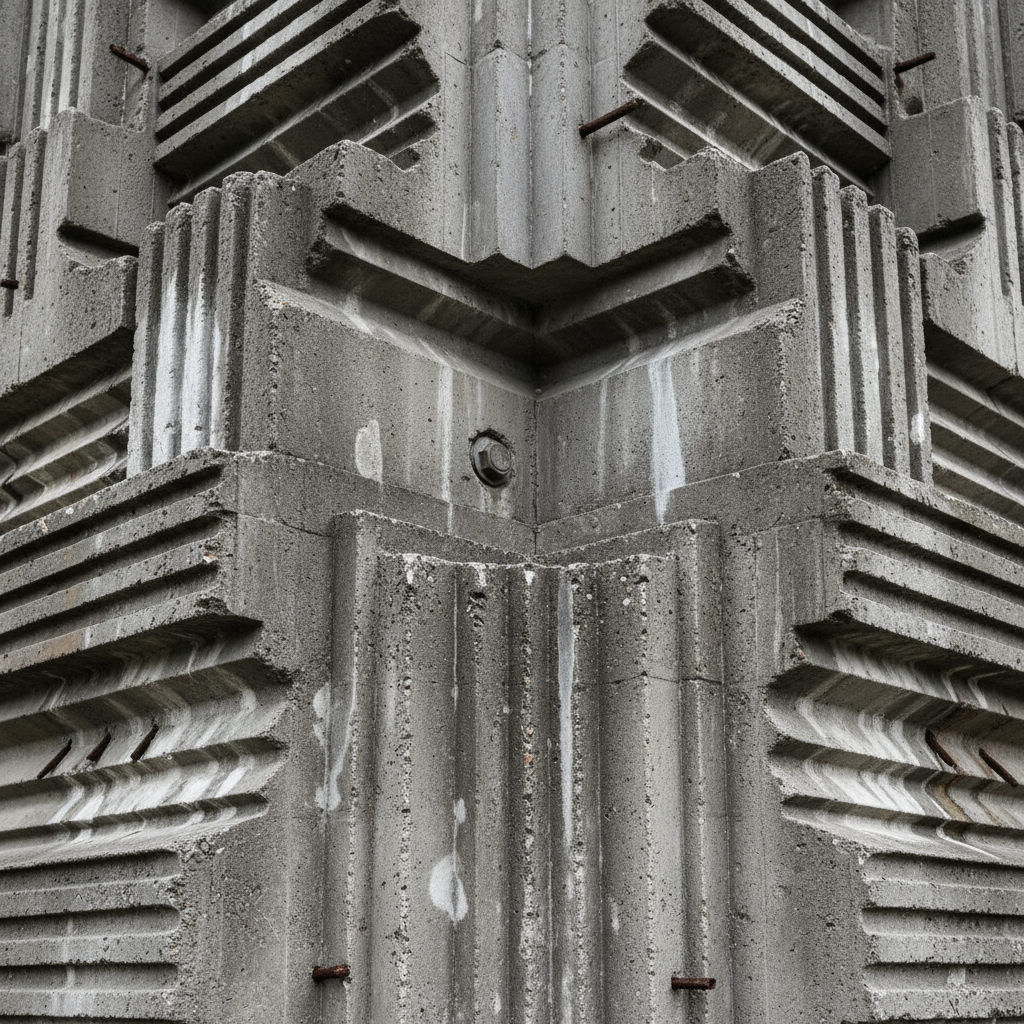
Real talk: when you run your hand along a properly formed concrete wall and feel the texture of the formwork imprinted into the surface, you're touching history. You're feeling the process of construction itself. That tactile connection to making and craft is something most of us have completely lost in our built environment, and I think we're worse off for it.
Bold Forms and Geometry
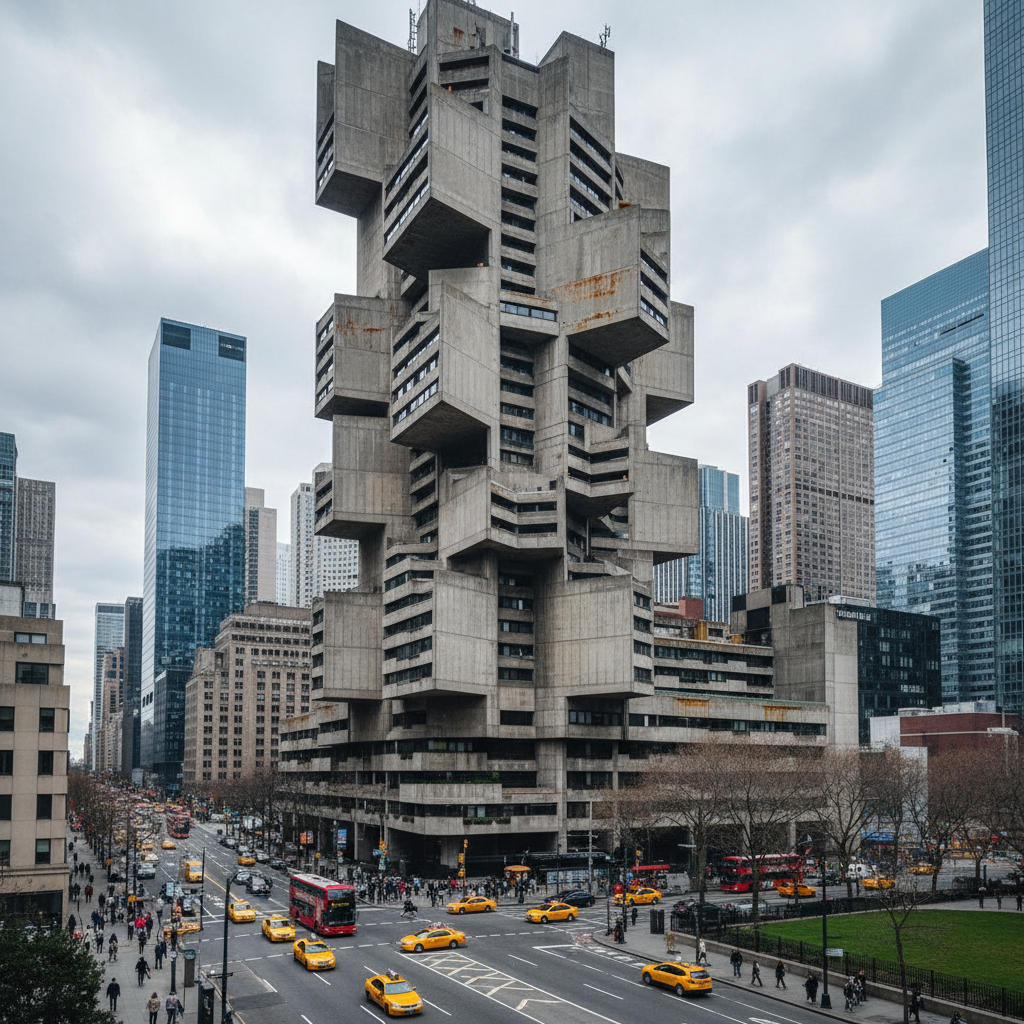
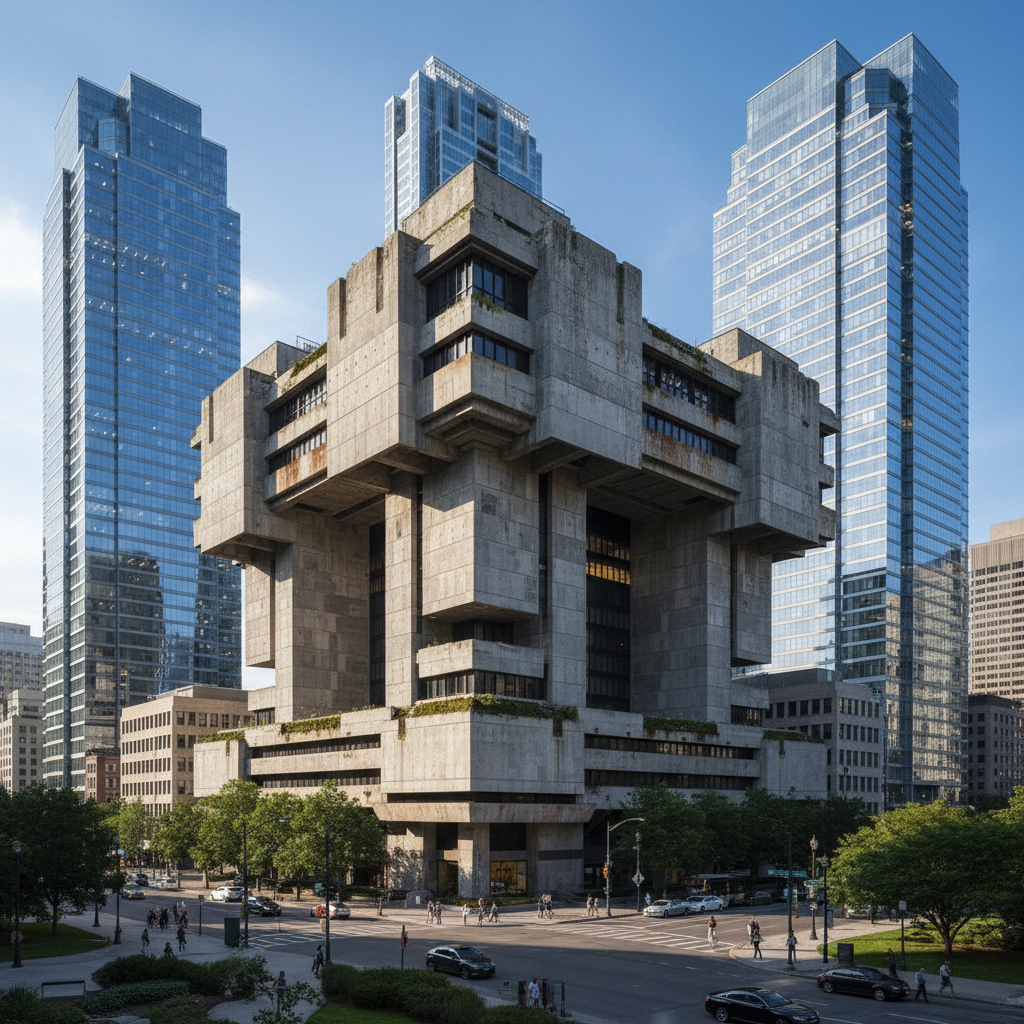
Here's something I think gets overlooked in all the criticism of Brutalism: these buildings are genuinely, spectacularly brave. The geometric boldness on display in Brutalist architecture is almost unparalleled in the history of modern building. Massive cantilevered forms hanging impossibly over plazas. Towers that step and shift as they rise. Bridges that double as buildings, buildings that look like they were designed by someone who had absolutely zero interest in playing it safe. It's thrilling.
There's a confidence in Brutalist geometry that feels almost confrontational. The Barbican in London, for example, is relentlessly complex. It defies easy understanding at first glance. You have to spend time with it, walk through it, get lost in it, and slowly the logic reveals itself. That sense of discovery, of a building that rewards engagement and patience, is something that an awful lot of contemporary architecture simply doesn't offer.
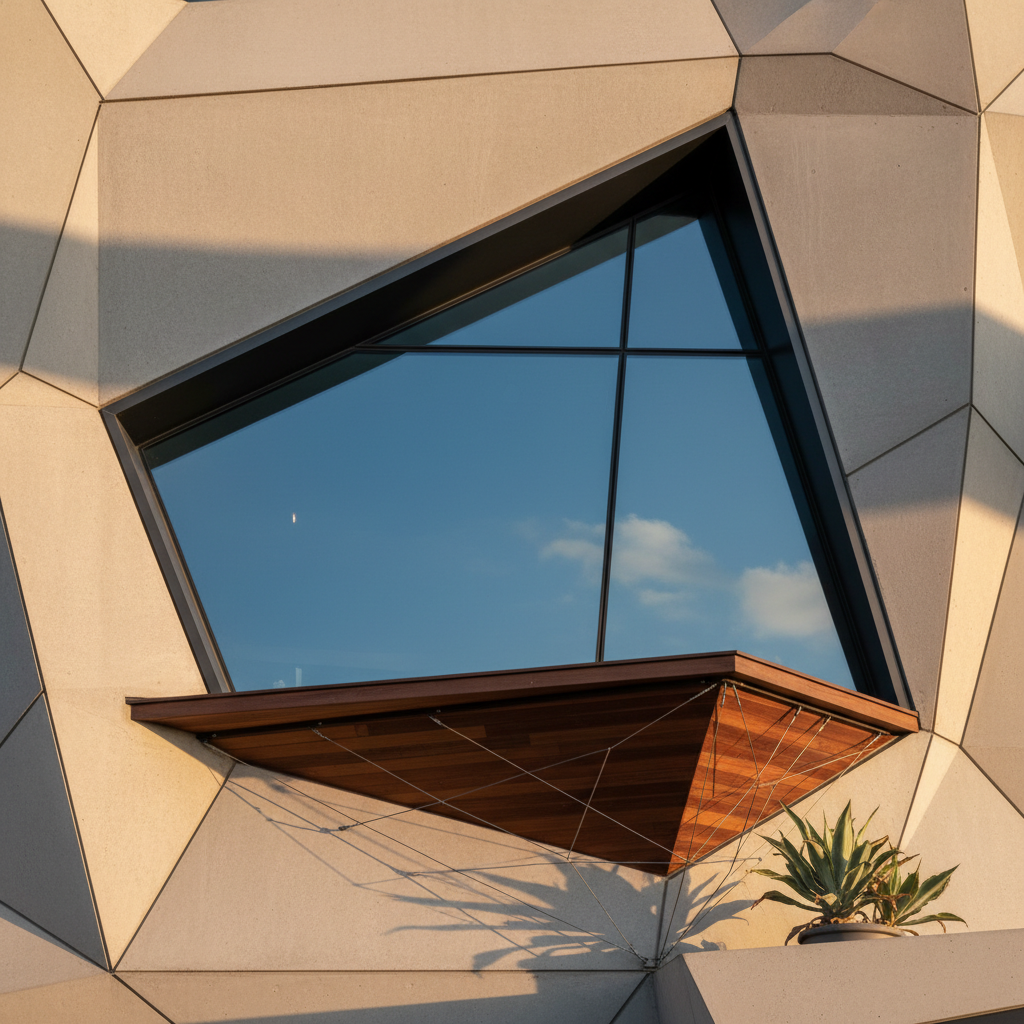
Modern buildings, and I'm generalizing here but stay with me, tend to prioritize the rendering over the reality. A building that looks good in a promotional image, from one specific angle, in ideal lighting conditions. What gets lost is how a building performs as a three-dimensional object in the real world, how it reads from multiple angles, how it casts shadows, how it feels to walk around and through it. Brutalism was deeply invested in all of that. The geometry was designed to be experienced physically, not photographed.
The shadows alone are worth talking about. Deep reveals, overhanging slabs, recessed windows. On a sunny day, a well-designed Brutalist building is constantly changing as the light moves across it. It's almost sculptural. And that's not an accident. The architects were thinking about light and shadow as compositional elements, the same way a sculptor thinks about them. That level of three-dimensional thinking feels rare in a lot of contemporary work, where flat facades dominate and the play of light is treated as secondary to the spec sheet.
Trust me on this one: spend an afternoon walking around a genuinely great Brutalist building and pay attention to the geometry. You'll start seeing decisions that are deeply considered, angles that create drama, proportions that feel almost classical in their confidence. It's not accidental heaviness. It's intentional power.
Emotional Connection with Space
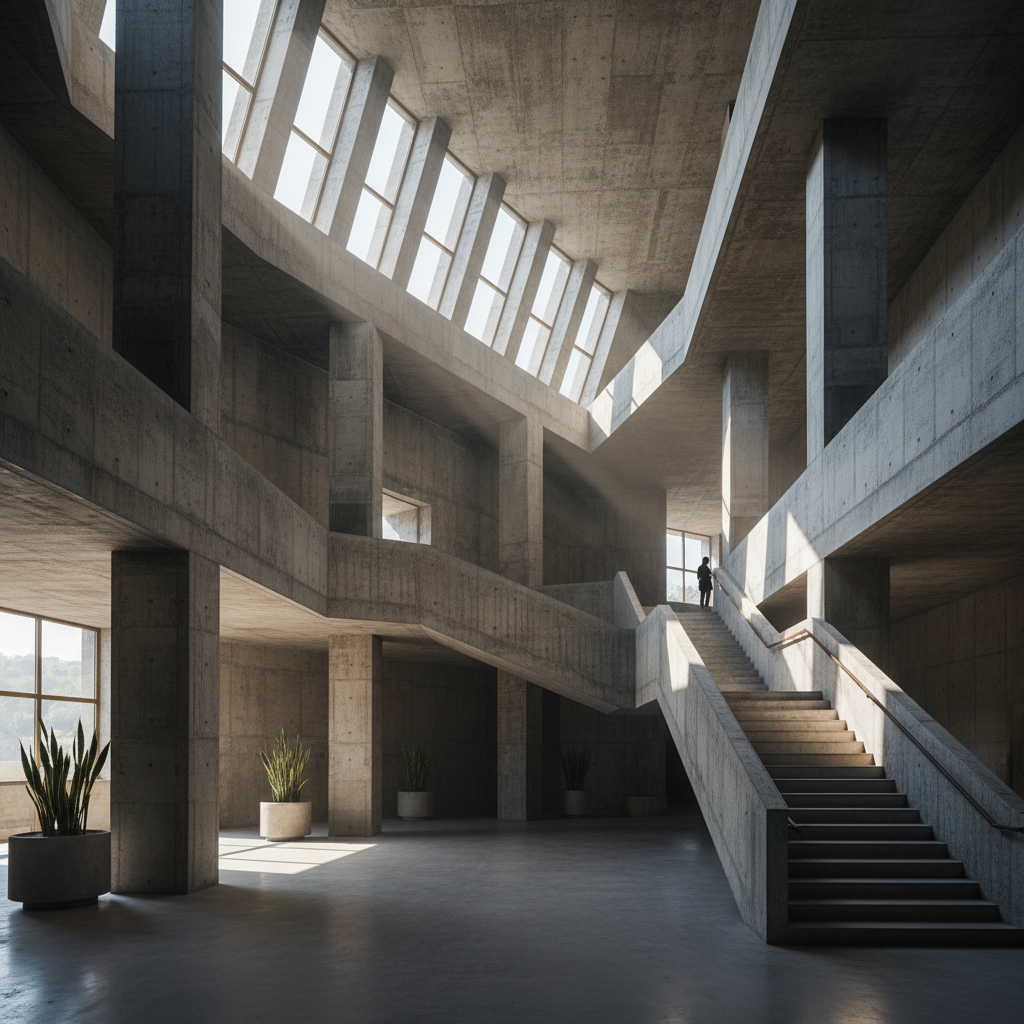
This might be the one that surprises people the most. Brutalist buildings, cold and austere as they appear from the outside, often contain interior spaces that are genuinely moving. And I mean that literally. Walking into the atrium of a well-designed Brutalist civic building, or standing beneath the soaring concrete vaults of a Brutalist church, produces a physical, emotional response that modern interiors rarely generate. There's a reason people make pilgrimages to these buildings.
Part of what creates that emotional intensity is scale. Brutalism wasn't shy about making spaces enormous. Not enormous in a wasteful way, but enormous in a way that communicates something about the importance of the activity that happens there. A civic building should make you feel like civic life matters. A university library should make you feel like knowledge is worth pursuing. The architecture was trying to say something, and it used scale as one of its primary tools.
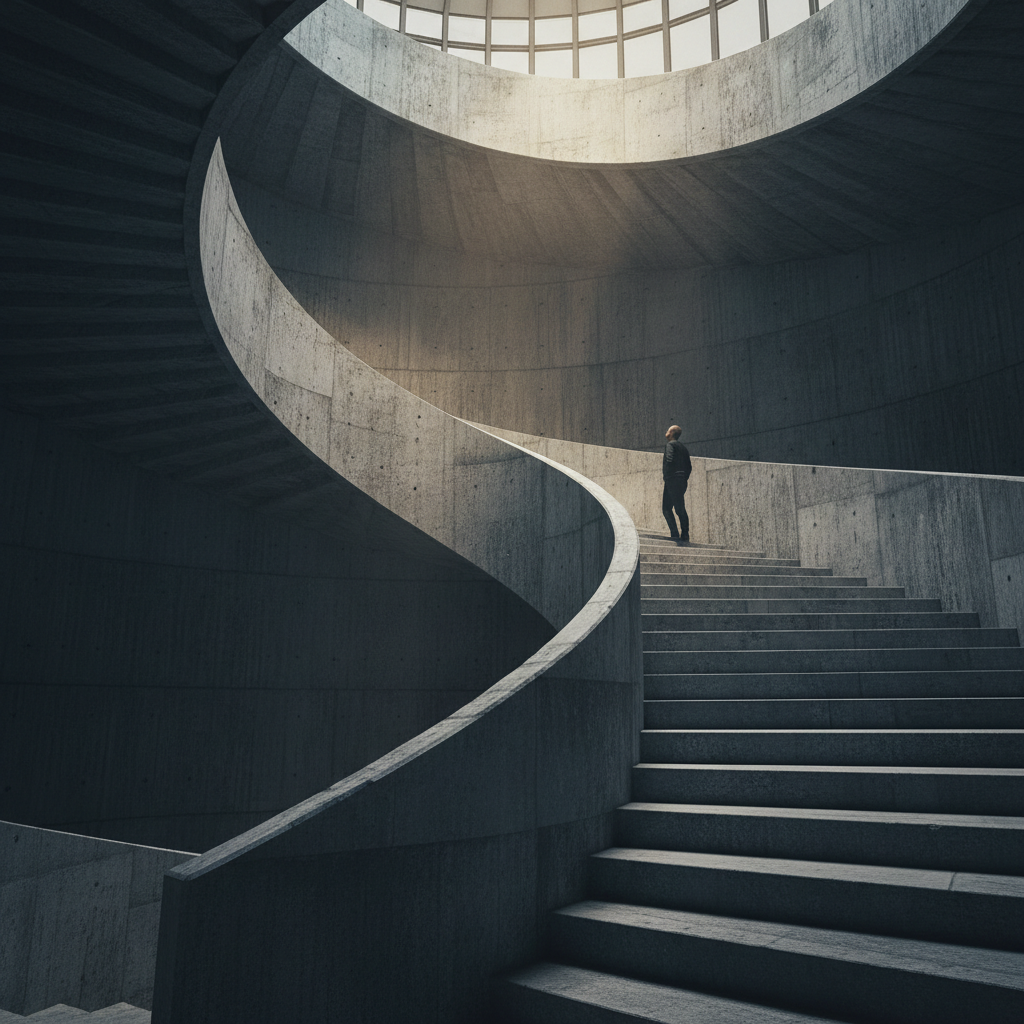
Light plays a huge role here too. Brutalist architects were genuinely obsessed with how natural light entered and moved through a space. Narrow slot windows that send a single blade of light across a concrete wall. Skylights positioned to illuminate a specific surface at a specific time of day. The interplay between heavy mass and carefully controlled light creates a drama that you simply cannot replicate with glass walls and drop ceilings. It's architecture that understands contrast, and contrast is what creates feeling.
And honestly, there's something to be said for the psychological effect of being in a space that doesn't try to disappear. Modern minimalism, at its most extreme, produces buildings that feel almost apologetic, spaces that seem to say "I'm not really here, pretend I'm not here." Brutalism does the opposite. It says "I am here, this is real, this matters." That presence, that physicality, can be grounding in a way that transparent, light-filled contemporary spaces sometimes aren't.
I've spoken to people who grew up in Brutalist housing estates and, despite all the legitimate criticisms about those developments, many of them describe a strong sense of place and belonging tied to the architecture itself. The spaces were memorable. They had character. You knew where you were. That's not nothing. In fact, in an era of increasingly interchangeable built environments, it might be everything.
Community and Functionality
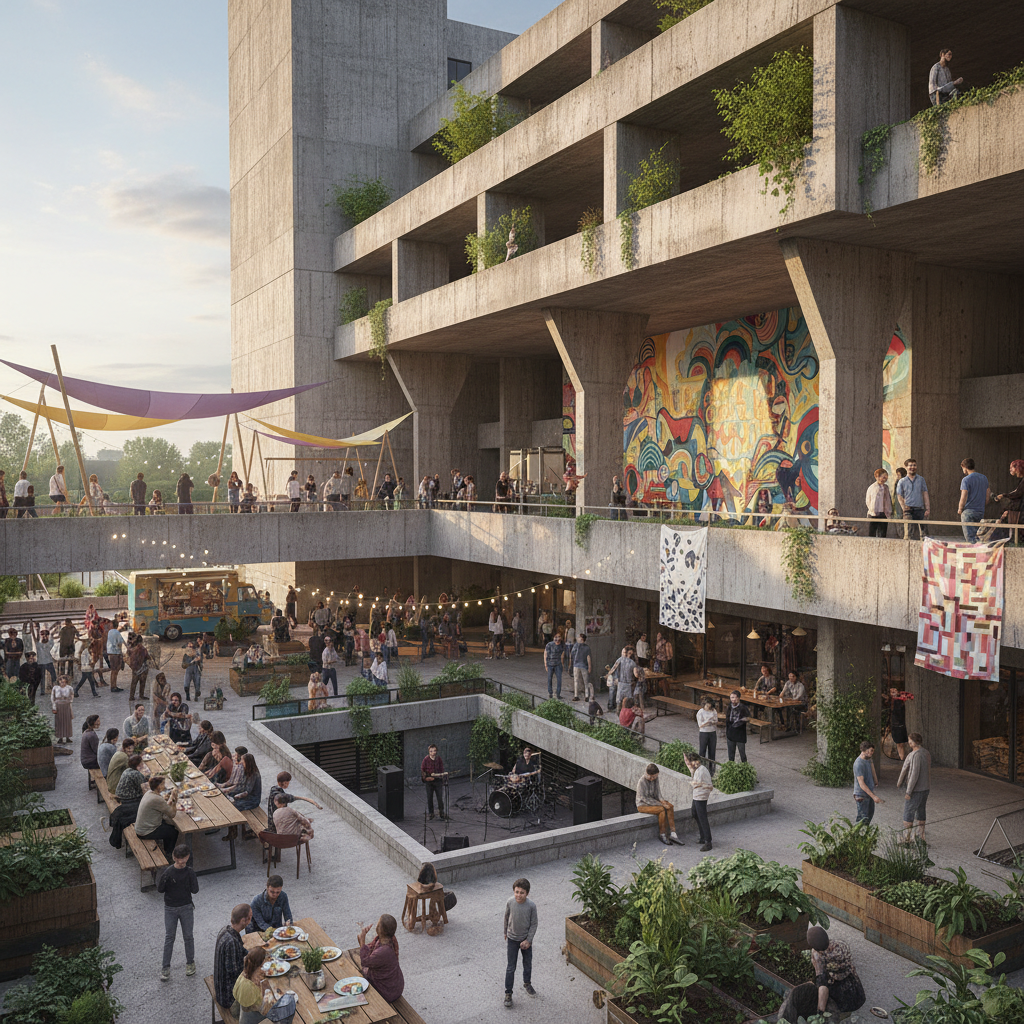
Look, Brutalism has a complicated social history, and I'm not going to pretend otherwise. Some of the housing projects built under its banner failed their residents badly, and those failures had real human costs. But the underlying ambition, and this is important, was genuinely progressive. Brutalist architects often believed deeply in the idea that architecture could create community. That the built environment could actively support social connection and collective life. That ambition is worth recovering, even if some of the specific implementations fell short.
Think about the elevated walkways of the Barbican, or the "streets in the sky" concept that informed so many Brutalist housing projects. The idea was to recreate the social dynamics of a traditional street, the chance encounters, the sense of shared ownership of a space, but lifted off the ground and integrated into a larger architectural composition. It didn't always work. But the intention was to design for community rather than against it, and that instinct feels urgently relevant right now.
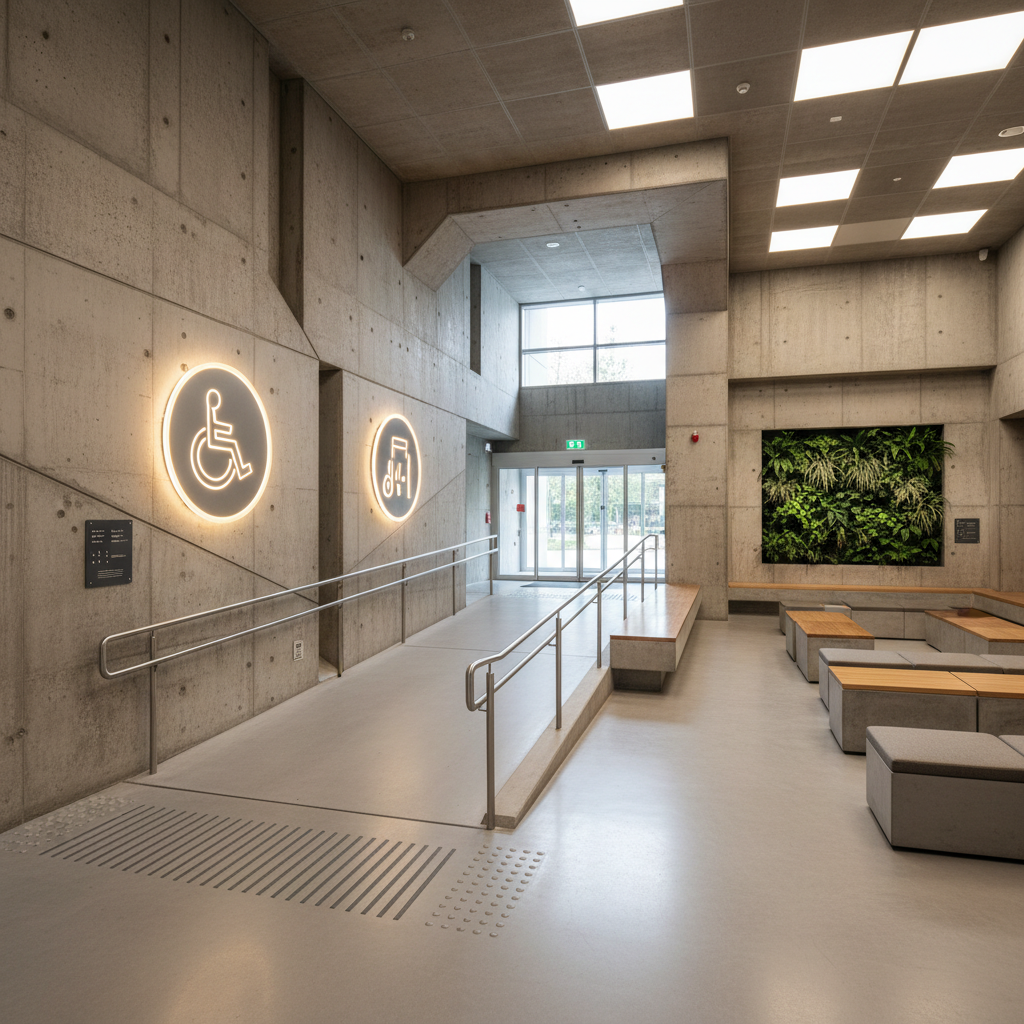
Functionality was also taken seriously in a way that modern developments sometimes aren't. Brutalist buildings were designed for use, for the specific activities and people that would inhabit them. University buildings with corridors wide enough to actually have conversations in. Civic centers with public spaces generous enough to hold a crowd. Housing with proper storage, proper circulation, proper consideration of how people actually live. Function wasn't an afterthought, it was a driver of form.
Contrast that with a lot of contemporary architecture, particularly residential, where the priority seems to be maximizing saleable floor area within a nice-looking envelope. The resulting spaces are often technically functional but feel mean, cramped, poorly considered. Corridors you can barely pass someone in. Storage that's been designed away in favor of open-plan living that photographs well. The residents are an afterthought to the investor and the marketing team.
And honestly, the Brutalist commitment to public space deserves special mention. These buildings often included generous plazas, arcades, and covered public areas that were genuinely civic in character. They weren't trying to privatize every square meter. They were trying to create places where the public could gather, rest, and simply be. We've moved so far from that model that it's almost hard to imagine now.
Timeless Design Principles
Here's the thing about Brutalism that its critics never quite account for: it keeps coming back. Every decade or so, a new generation of architects, artists, photographers, and designers rediscovers it and falls hard. There are Brutalism appreciation societies, Instagram accounts with millions of followers, coffee table books that sell out. You don't get that kind of persistent cultural resonance from something that was just ugly or wrong. Something is clearly working.
Part of what makes Brutalism feel timeless is that its principles are actually quite classical. Proportion, mass, the relationship between solid and void, the use of light to articulate form. These are the same concerns that drove the architects of ancient Rome, of Renaissance Florence, of Georgian London. Brutalism applied them with different materials and a different aesthetic, but the underlying grammar is ancient and deeply human. That's why it endures even when its surface qualities fall out of fashion.
There's also a sustainability argument worth making here. A properly constructed concrete building can last for centuries with minimal maintenance. Compare that to the curtain wall systems and proprietary cladding materials used in a lot of contemporary construction, which often have lifespans of thirty to fifty years before they need replacing. Brutalism was building for permanence, and permanence is one of the most sustainable design decisions you can make. We build too much disposable architecture, and the planet is paying for it.
The design principles embedded in great Brutalist work, clarity of structure, honesty of material, primacy of human experience, integration of function and form, are not period-specific. They're universal. The best Brutalist buildings embody them as fully as any building in history. That's not nostalgia talking. That's a genuine design lesson that contemporary practice would do well to absorb, even if it doesn't want to use raw concrete to do it.
And real talk, the renewed interest in Brutalism among younger architects and designers isn't just aesthetic. It's a reaction to something that feels missing. An architecture that had convictions. That was willing to be unpopular in service of its principles. That believed buildings should mean something and fight for something. In an era of corporate blandness and safe, committee-approved design, that feels not just refreshing but necessary.
Final Thoughts
I'm not here to tell you that every Brutalist building is a masterpiece, or that the movement didn't produce its share of failures, because it absolutely did. But dismissing it wholesale, as a lot of mainstream taste has done for decades, means throwing away some genuinely profound lessons about what architecture can be and do. The honesty of material, the courage of form, the emotional depth of space, the commitment to community, and the clarity of principle that define Brutalism at its best are things our built environment desperately needs more of, not less.
Next time you walk past one of these buildings, try not to write it off in the first three seconds. Slow down. Walk around it. Look at how the light falls on it at different times of day. Think about what it was trying to say and why. You might not fall in love with it, and that's fine. But I'd bet good money you'll come away with a bit more respect for it. And maybe, just maybe, a bit more frustration with the beige, forgettable glass boxes going up around it.
More in Residential
Stay Inspired
Subscribe for new essays on architecture, design, and the spaces that shape us.