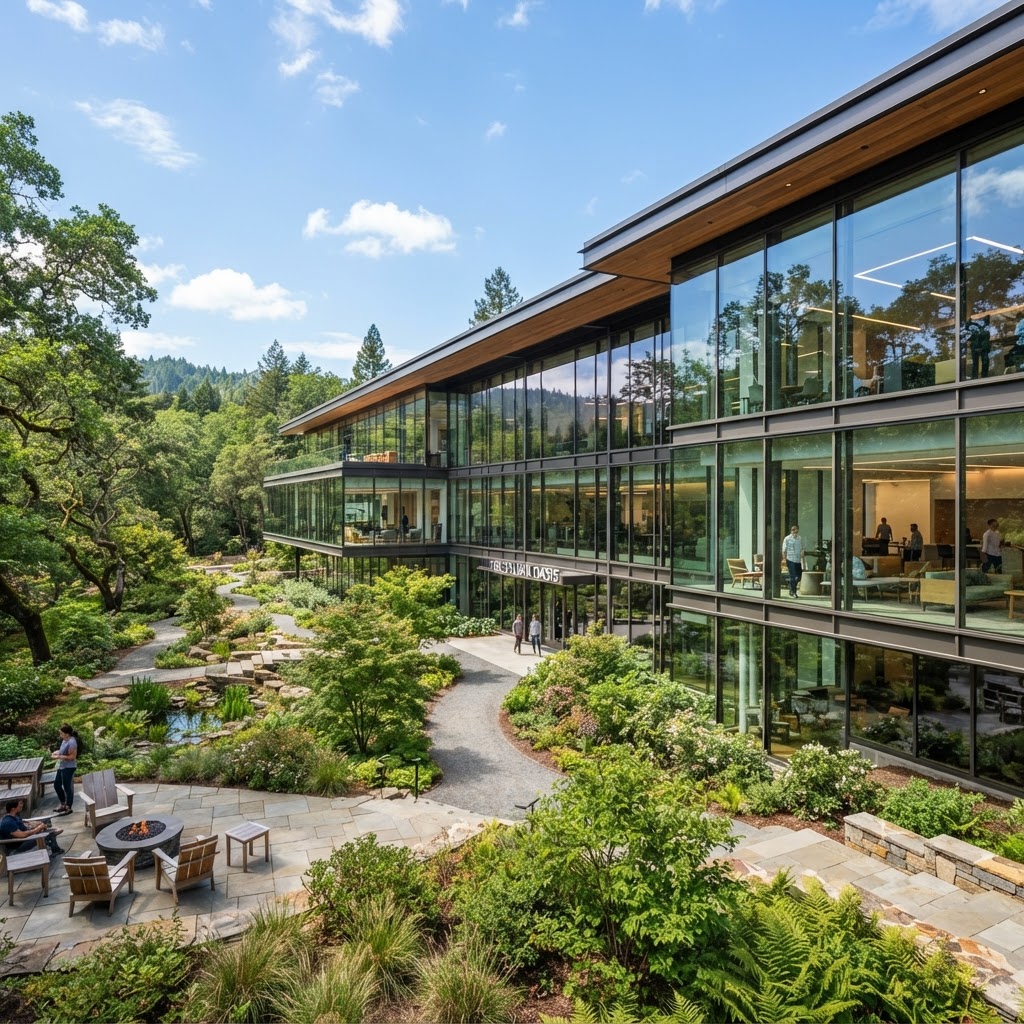
Illuminating Spaces: How Natural Light Transforms Architecture
Light is a powerful design element that can dramatically transform spaces. In this post, we'll explore how natural light influences architecture, enhancing aesthetics and functionality. Discover inspiring examples of architecture that shines in the light!
The Magic of Natural Light in Design
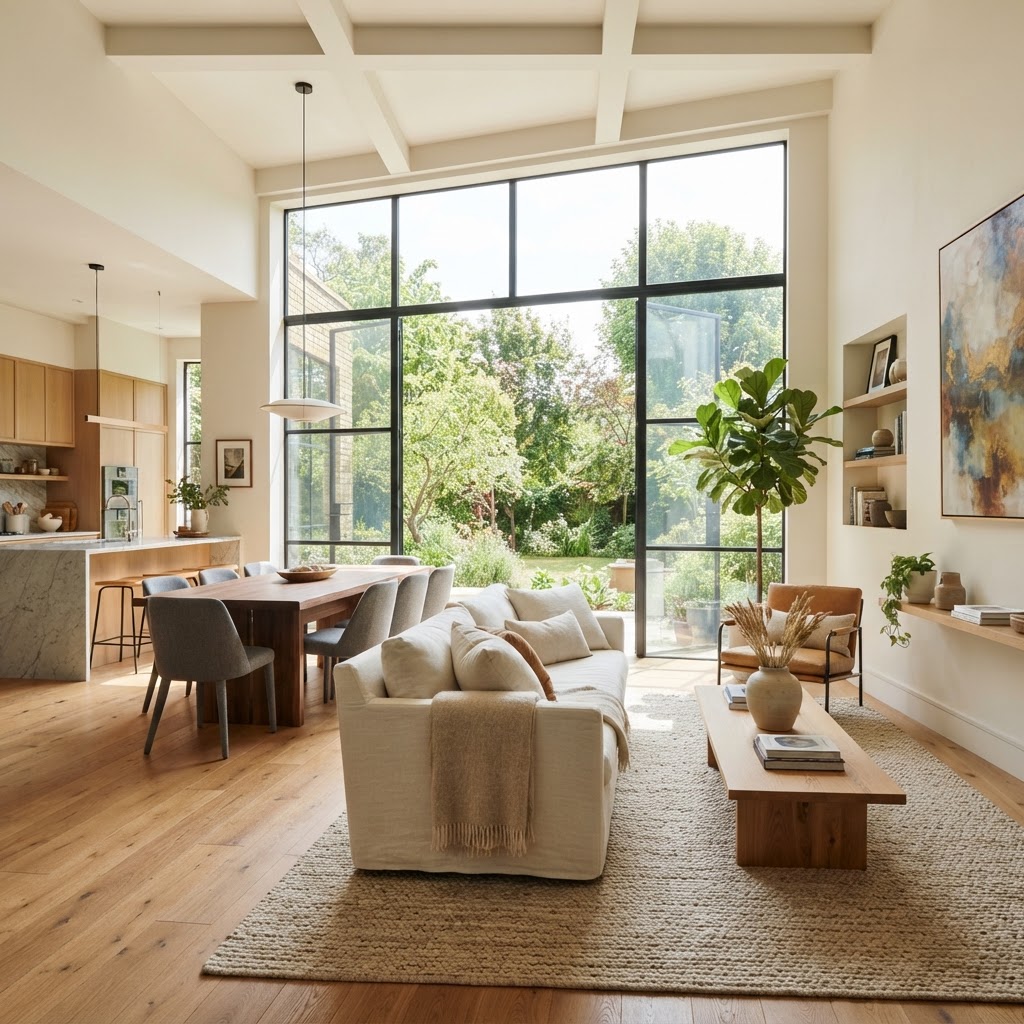
Honestly, I've walked into hundreds of spaces over my career and nothing, absolutely nothing, hits the same way as a room that's been designed with natural light at its core. You feel it immediately. There's a warmth, an aliveness to the space that no amount of artificial lighting can fully replicate. It's one of those things that separates a good building from a genuinely great one.
Natural light has been a central concern of architects since the very beginning. Think about the Pantheon in Rome with that incredible oculus, or the soaring stained glass windows of Gothic cathedrals. These weren't accidents. These were deliberate, deeply considered decisions made by people who understood that light is not just functional, it's emotional. It shapes how we feel in a space, how long we want to stay, and how much we connect with the architecture around us.
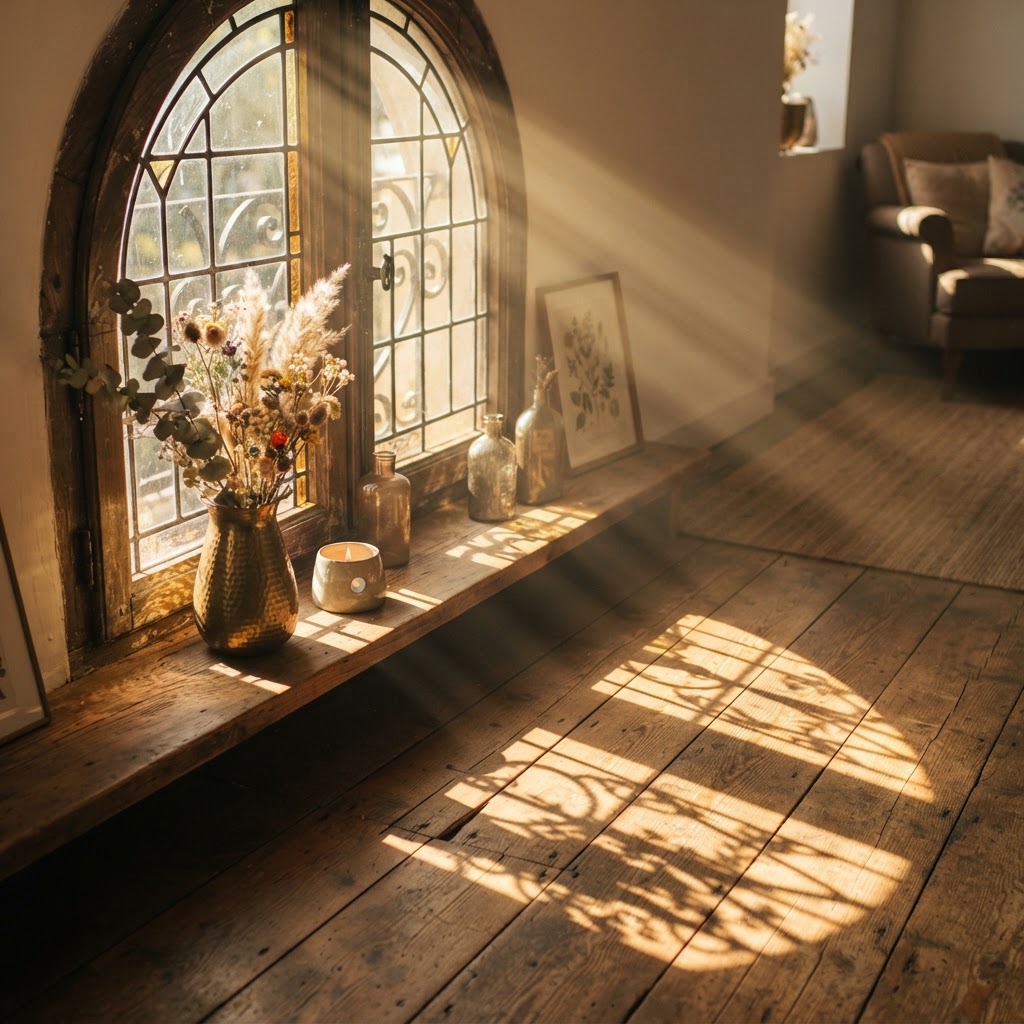
Here's the thing about natural light: it's never static. It shifts through the day, changes with the seasons, and responds to the weather in ways that make a space feel almost alive. A room that looks one way at 8 in the morning can feel completely different by late afternoon. That dynamism is something you simply can't buy off a shelf. It's built into the very orientation and geometry of the building itself.
When architects talk about "capturing" light, they're really talking about choreographing a relationship between a building and the sun. It requires understanding solar angles, local climate, surrounding context, and the human activities that will happen inside. It's genuinely one of the most complex and rewarding parts of the discipline, and when it's done well, most people don't even consciously notice it. They just feel good. That's the magic.
Architectural Considerations for Daylight
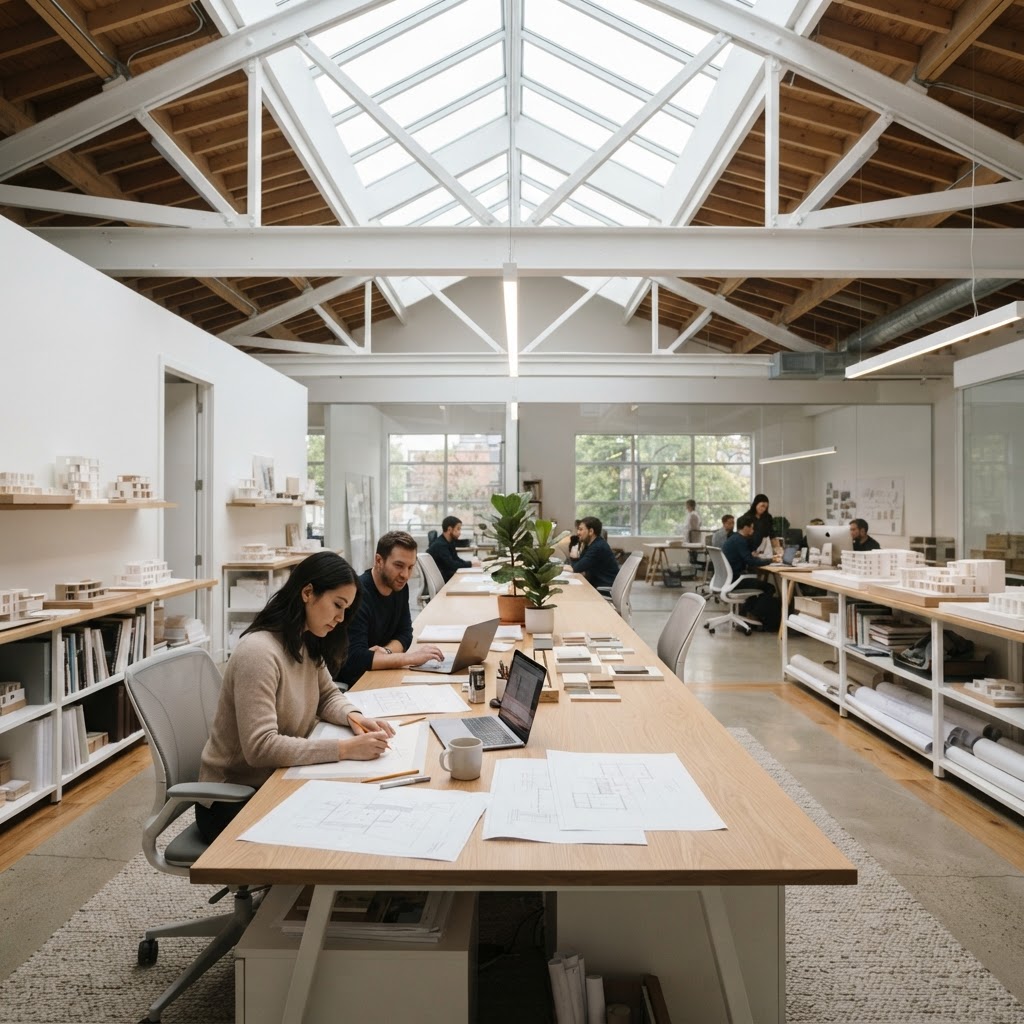
Look, designing for daylight isn't just about slapping some big windows on a south-facing wall and calling it a day. It's a whole discipline with layers of technical and aesthetic consideration baked in. Orientation is your starting point. In the northern hemisphere, south-facing glazing captures the most consistent sunlight throughout the year, while north-facing windows provide that even, diffused light that artists and painters have always loved. East and west exposures bring drama but also challenge, those raking morning and evening rays can be stunning or absolutely blinding depending on how you handle them.
Building form plays a massive role too. Narrow floor plates allow more perimeter access to natural light. Atria and light wells can pull daylight deep into otherwise dark building cores. Roof forms, whether they're flat, pitched, or curved, dramatically influence how and where light enters. And then there's the relationship between interior layout and the glazing strategy. You need to think about what activities are happening where, and match the quality of light to those needs.
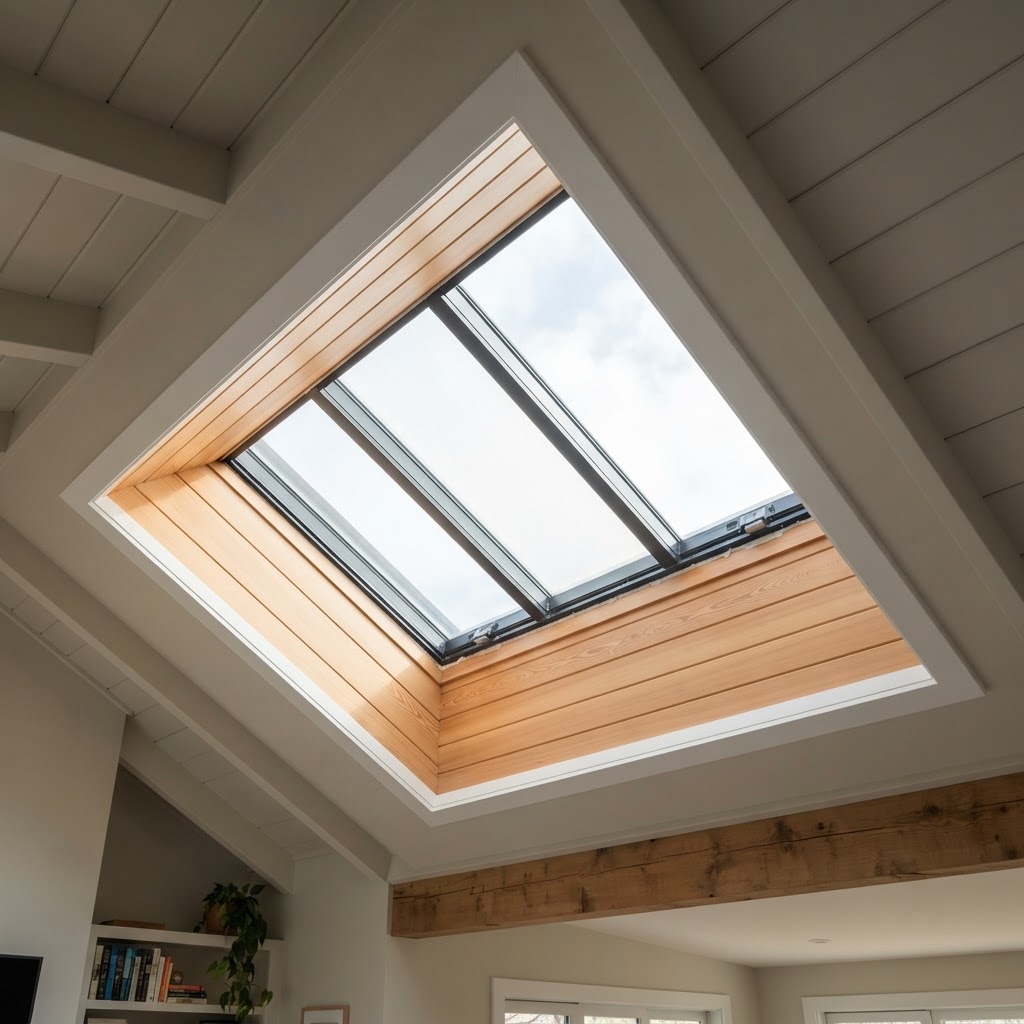
Some key architectural tools for managing natural light include:
- Clerestory windows: Positioned high on walls, these bring light deep into a plan without sacrificing wall space below, and they reduce glare by bouncing light off ceilings.
- Light shelves: Horizontal surfaces positioned at the window head that reflect sunlight upward onto the ceiling, pushing daylight further into the room interior.
- Overhangs and brise soleil: These control solar gain by shading glazing during summer when the sun is high, while still allowing lower winter sun to penetrate.
- Skylights and roof lights: Enormously effective at introducing daylight into the heart of a building, though they need careful design to avoid overheating.
- Interior reflective surfaces: Light-colored walls and ceilings bounce daylight around, amplifying the effect of whatever glazing exists.
Real talk, the architects who handle daylight best are the ones who think about it from the very first sketch. It's not something you retrofit. Once the form and orientation are locked in, your options narrow considerably. This is why some of the most beautifully lit buildings in the world feel so effortless. That ease is the product of disciplined thinking right from the start.
Transformative Effects of Light on Mood
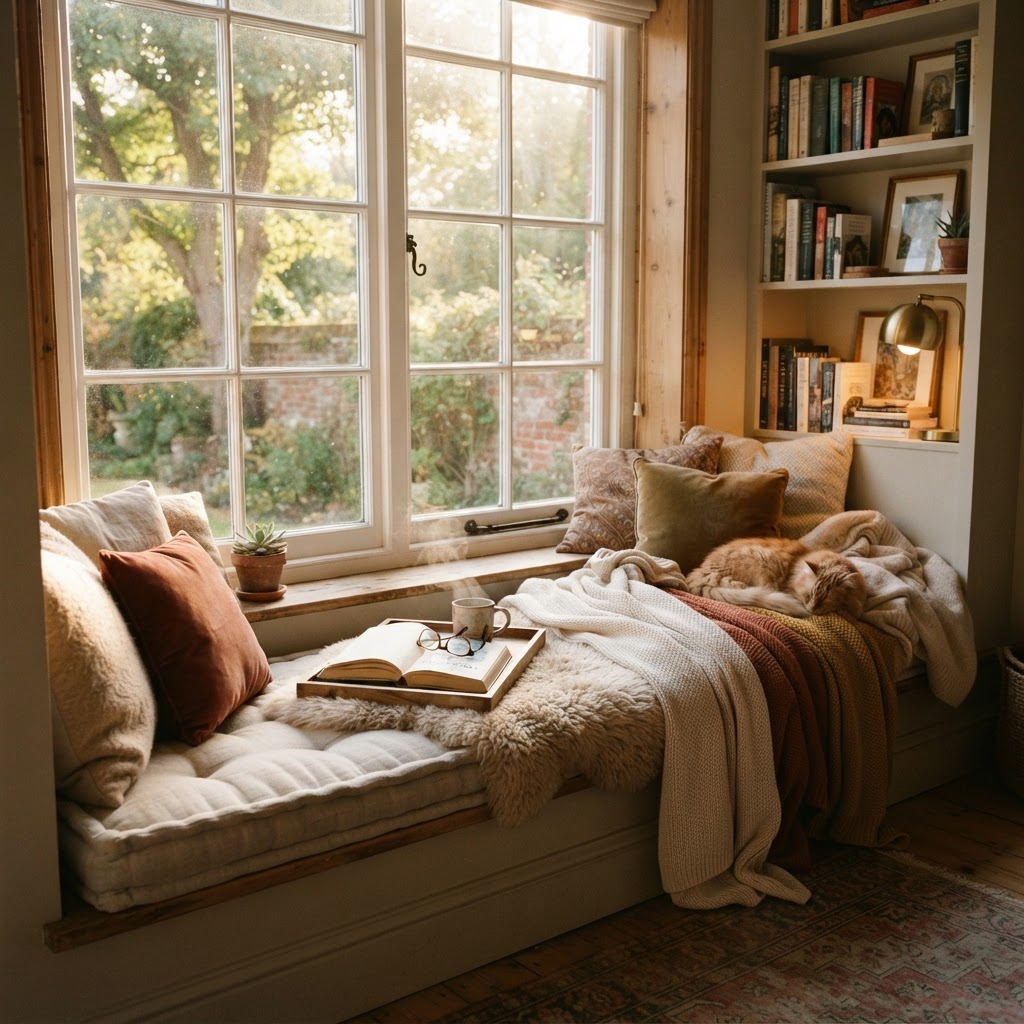
There's actual science behind why you feel better in a sunlit room, and it goes way beyond just aesthetics. Natural light regulates our circadian rhythms, those internal biological clocks that govern our sleep cycles, hormonal production, and overall sense of wellbeing. Exposure to daylight, particularly in the morning, suppresses melatonin and boosts serotonin. Put simply, sunlight makes you more alert, more positive, and more productive. This isn't woo-woo wellness talk, it's physiology.
Studies of office environments consistently show that workers with access to natural light sleep better, report higher satisfaction with their work environment, and take fewer sick days. In healthcare settings, patients in rooms with windows recover faster. In schools, students in daylit classrooms perform better. These findings have reshaped how architects and clients think about glazing budgets. Daylight isn't a luxury. In many cases, it's a legitimate health and performance investment.

And honestly, beyond the science, there's an emotional quality to natural light that's almost impossible to fully articulate. The low golden light of a winter afternoon through a west window. The sharp white clarity of a summer morning flooding a kitchen. The soft grey luminosity of an overcast day that makes a reading nook feel cozy rather than dim. Each of these light conditions creates a distinct mood, a different emotional register. Good architecture works with all of them rather than fighting them.
Architects like Tadao Ando have built entire careers on understanding this emotional dimension of light. His Church of the Light in Osaka is a masterclass in using a single cross-shaped aperture to transform an otherwise stark concrete interior into a profoundly moving spiritual experience. The light does the heavy lifting. The architecture simply gets out of the way and lets it happen. That restraint, that confidence in the power of natural light, is something worth aspiring to.
Innovative Materials that Enhance Light
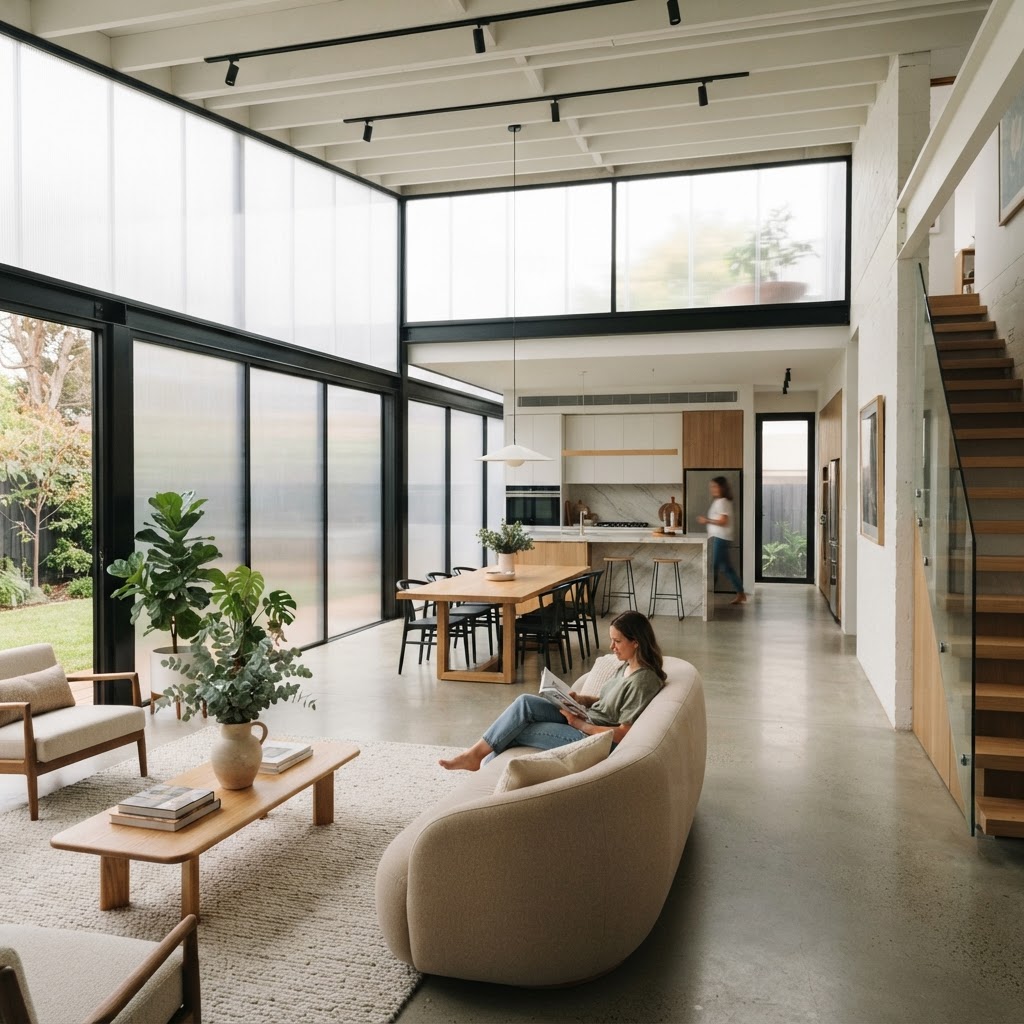
The materials palette available to architects working with natural light has expanded enormously over the past few decades, and it's genuinely exciting stuff. We're way beyond standard float glass now. Modern glazing technology means you can tune a window's performance with incredible precision, controlling heat gain, glare, and even the color temperature of the transmitted light while still maintaining visual transparency. Electrochromic glass, sometimes called smart glass, can switch from clear to tinted with the flip of a switch, giving occupants dynamic control over their light environment.
Translucent materials have become a particularly interesting area of innovation. Polycarbonate panels, ETFE cushions, and translucent concrete all allow light to pass through without full transparency, creating soft, diffused luminosity that feels completely different from direct glazing. You get the glow without the glare. The Allianz Arena in Munich uses ETFE cladding to stunning effect, and at a smaller scale, translucent panels in partition walls or ceilings can transform interior spaces without any exterior glazing at all.
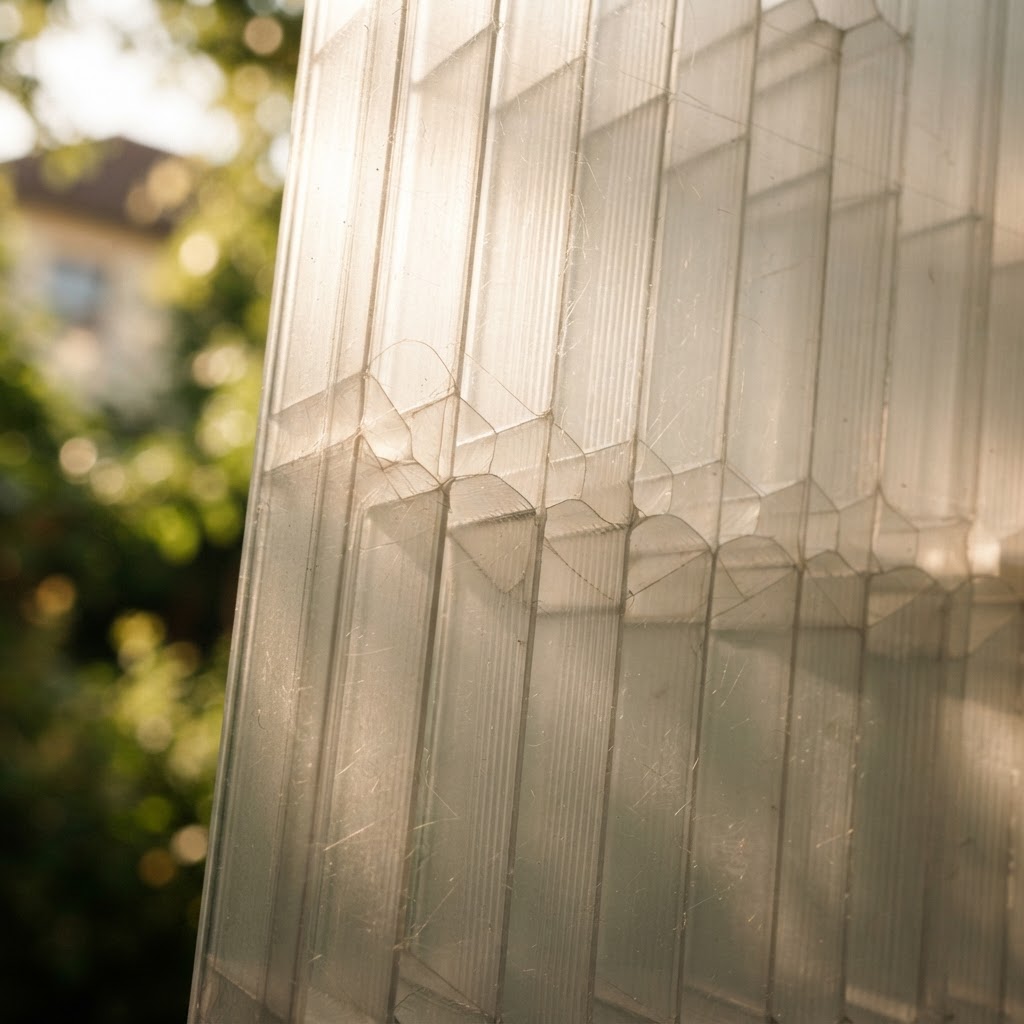
Some of the most compelling materials in the contemporary toolkit include:
- Low-iron glass: Standard glass has a greenish tint due to its iron content. Low-iron glass is dramatically clearer, allowing a more accurate, neutral transmission of daylight.
- Fritted glass: Glass with a ceramic dot or line pattern printed on it that reduces solar gain and glare while maintaining a degree of transparency and visual interest.
- Aerogel panels: Extraordinarily thin and lightweight translucent panels with remarkable insulating properties, ideal for applications where you want light without heat loss.
- Fiber optic daylighting systems: Systems that capture sunlight at the roof and pipe it via fiber optic cables to interior spaces with no external connection, genuinely futuristic stuff.
- Photoluminescent and light-reactive surfaces: Materials that absorb daylight and release it slowly, extending the effect of natural light into evening hours.
Trust me on this, the material choices you make directly shape the quality of light in a space, not just the quantity. A room flooded with harsh, unfiltered direct sun can be as uncomfortable as a room with no windows at all. The best lighting environments are achieved by layering different materials and strategies, balancing transmission with diffusion, reflection with absorption, to create a light quality that feels just right for the intended use.
Case Studies: Buildings that Master Natural Light
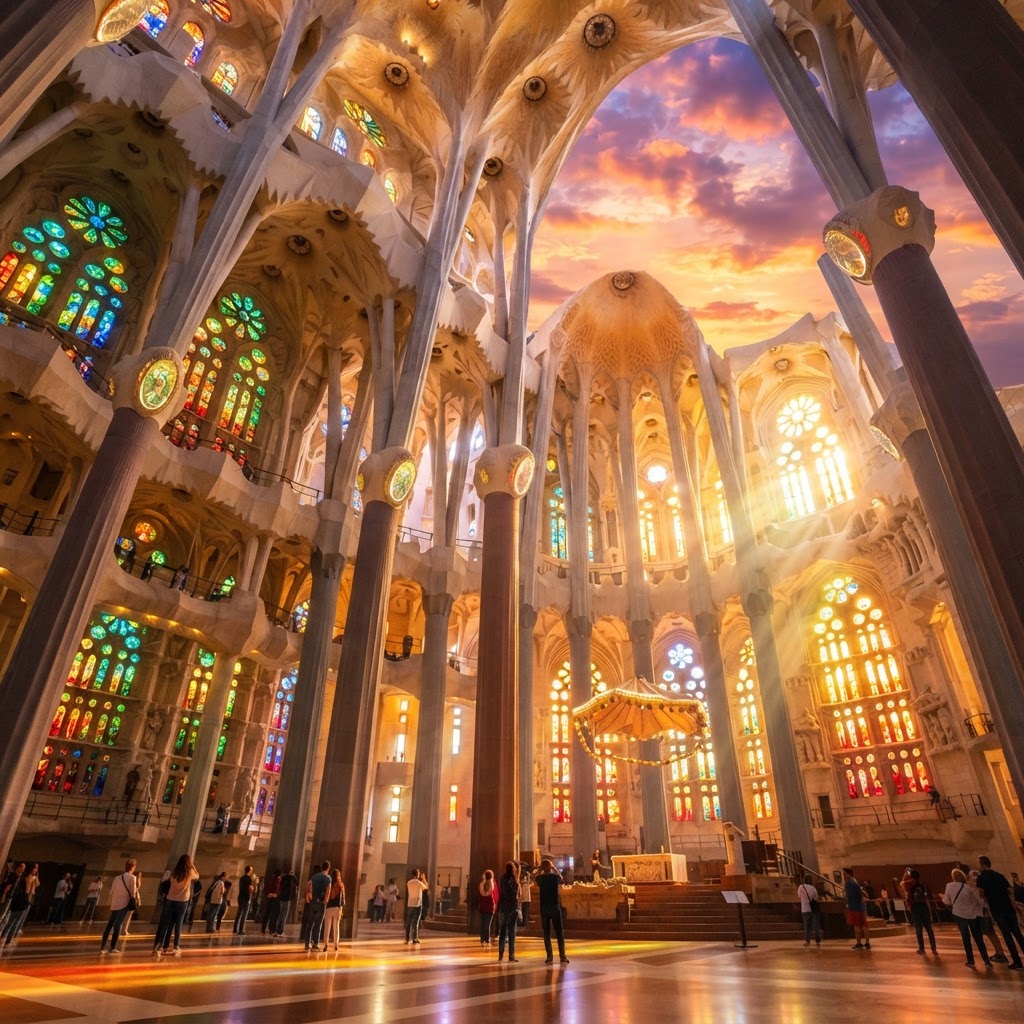
Looking at real buildings is honestly the best way to understand what's possible when architects truly commit to daylighting as a design priority. Let me walk through a few that have genuinely blown me away and shaped how I think about this stuff.
The Kimbell Art Museum in Fort Worth, designed by Louis Kahn and completed in 1972, is probably the gold standard for museum daylighting. Kahn developed a cycloid vault roof form with a narrow slot running along its apex, fitted with a reflective aluminum fixture that bounces diffused daylight up onto the curved concrete ceiling and then back down into the galleries. The result is a soft, even, almost luminous quality of light that beautifully renders artworks without glare or UV damage. It feels natural and effortless, but it was the product of years of study and physical modelling. Spending an afternoon in those galleries is a genuinely moving experience.
The Teshima Art Museum in Japan, designed by Ryue Nishizawa, takes a completely different approach. The building is a single free-form concrete shell with just two openings in the roof, no glass at all. Wind, rain, and insects can enter. The light that comes through those apertures shifts constantly with the sky conditions outside, making the interior feel utterly connected to the natural world. It's radical, but it works on a level that's almost philosophical. The building argues that natural light and nature itself are the architecture.
And then there's Renzo Piano's Menil Collection in Houston, where the architect developed custom "leaves," curved ferro-cement elements suspended above a sawtooth roof system, to filter the intense Texas sunlight into a soft, controllable daylight inside the galleries. The system responds to the specific climate and sun angle of Houston, which is exactly the kind of site-specific intelligence that elevates a building from clever to exceptional.
What these buildings share, across wildly different scales, programs, and contexts, is that the architects understood light not as an afterthought but as the primary architectural material. Everything else, the structure, the plan, the finishes, was organized around delivering a specific light experience. That's the mindset shift that makes all the difference.
Final Thoughts
Natural light is the most democratic and the most complex material in an architect's toolkit. It costs nothing and yet demands everything in terms of skill, knowledge, and commitment to use well. The buildings that get it right feel genuinely alive in a way that's hard to put into words but immediately apparent the moment you walk through the door.
Whether you're an architect, a designer, a client, or just someone who loves spaces, paying attention to how daylight works in the buildings you inhabit will change the way you see the world. You'll start noticing the angle of a window, the bounce of light off a ceiling, the quality of shadow at different times of day. And once you start seeing it, you can't stop. Honestly, I wouldn't want to.
The best spaces are those that make you feel, without quite knowing why, that you're exactly where you should be. More often than not, that feeling has a lot to do with the light.
More in Residential
Stay Inspired
Subscribe for new essays on architecture, design, and the spaces that shape us.