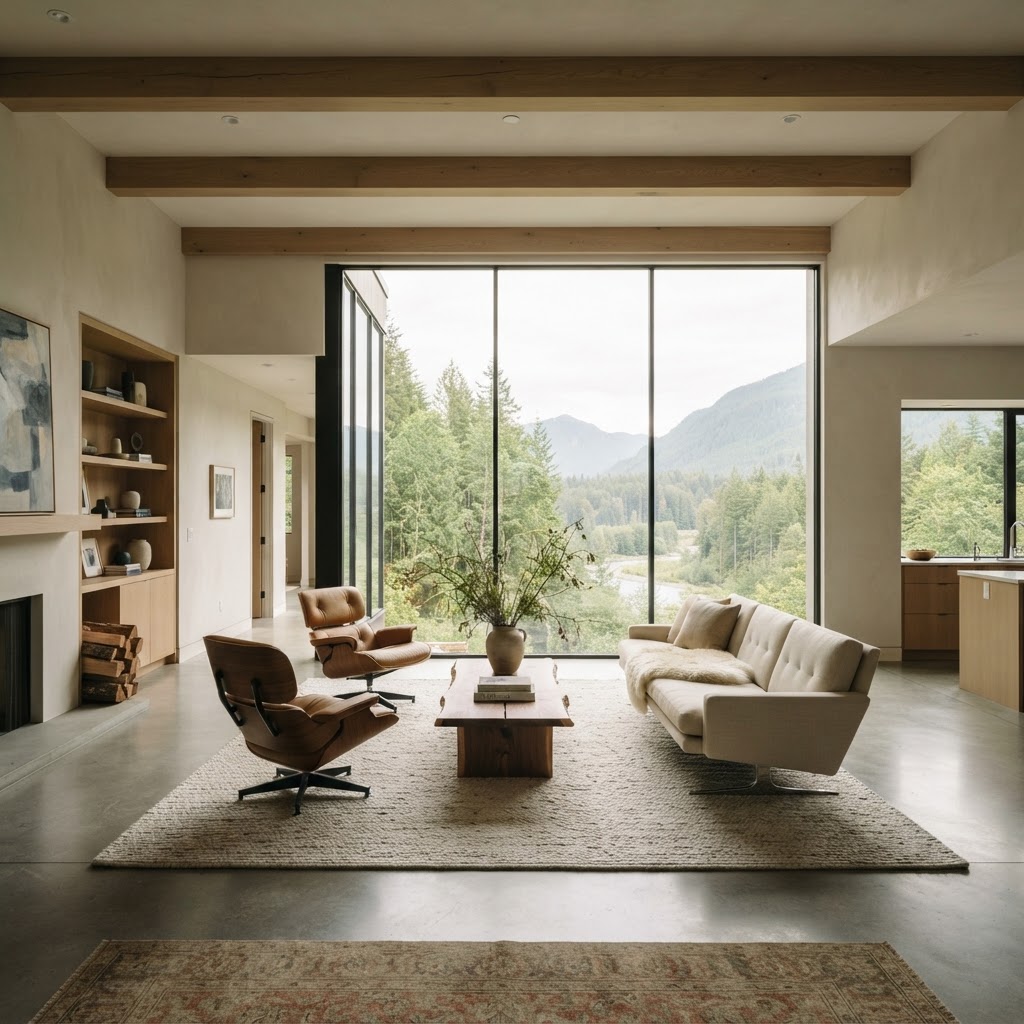
The 'One Big Window' Rule: Why Designing Around a Single View is the Ultimate Flex
Forget the wall-to-wall glass. Designing a room around one massive, statement window creates a focal point that feels intentional and dramatic. Here is why the single window trend is the architectural flex your home needs.
Less is More: The Power of a Single Focal Point
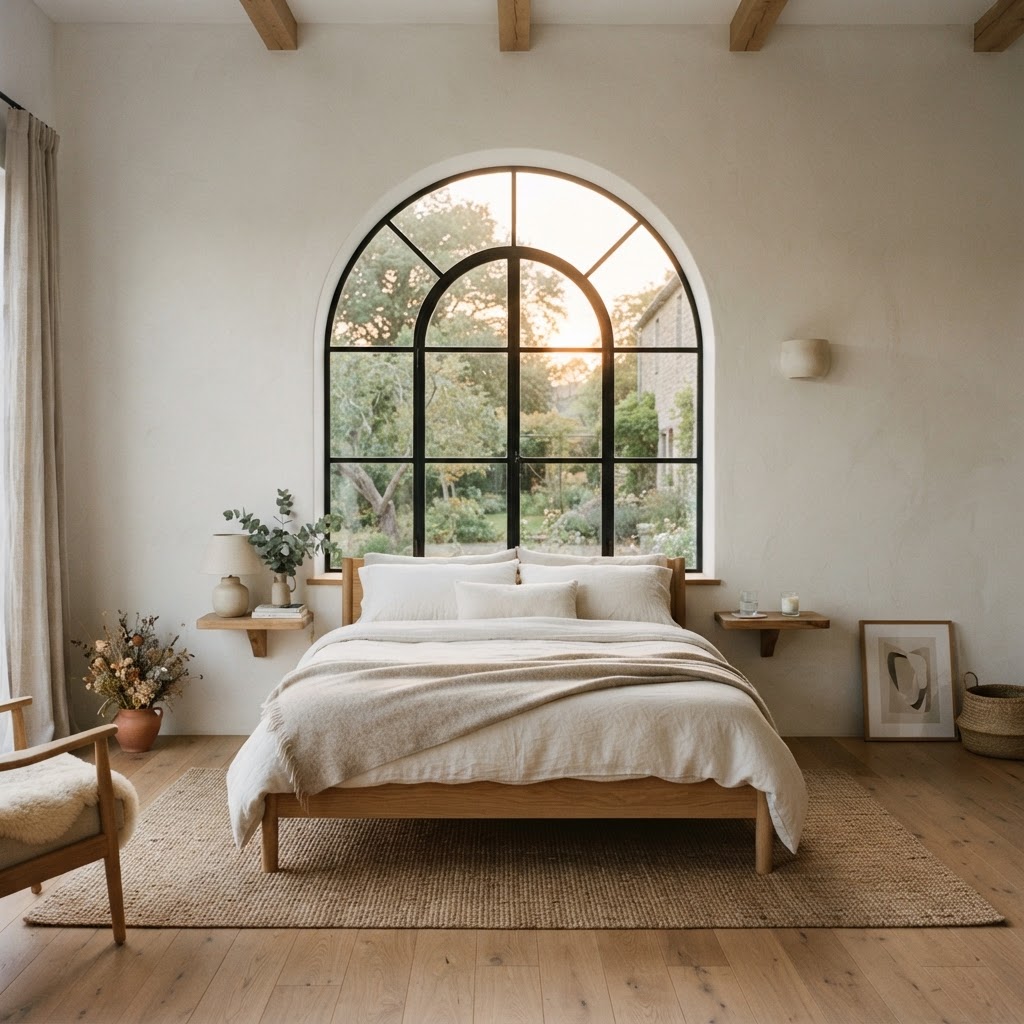
Honestly, one of the most counterintuitive things I've learned after years of obsessing over architecture and interiors is this: more openings don't always mean more beauty. Sometimes the bravest, most stunning design move you can make is to commit to just one. One big, glorious window. And let everything else in the room answer to it.
The idea of the single focal point isn't new. Architects have been playing with it for centuries, from Japanese shoji screens that frame a single garden view to the iconic picture windows of mid-century modern homes in Palm Springs. But it feels more relevant than ever right now, in an era where we're all slowly waking up to the fact that restraint is actually a flex. Anybody can punch holes in every wall. It takes real vision to decide that one wall, one opening, one perfectly considered view is enough.
Here's the thing about focal points: the human brain craves them. When you walk into a room and there are competing views pulling your eye in three different directions, your nervous system has to work harder. You don't consciously notice it, but you feel it. A room with a single strong focal point feels calming, resolved, intentional. It feels like someone thought really hard about where you'd stand and what you'd see. And that kind of deliberate design is worth a lot more than four mediocre windows.
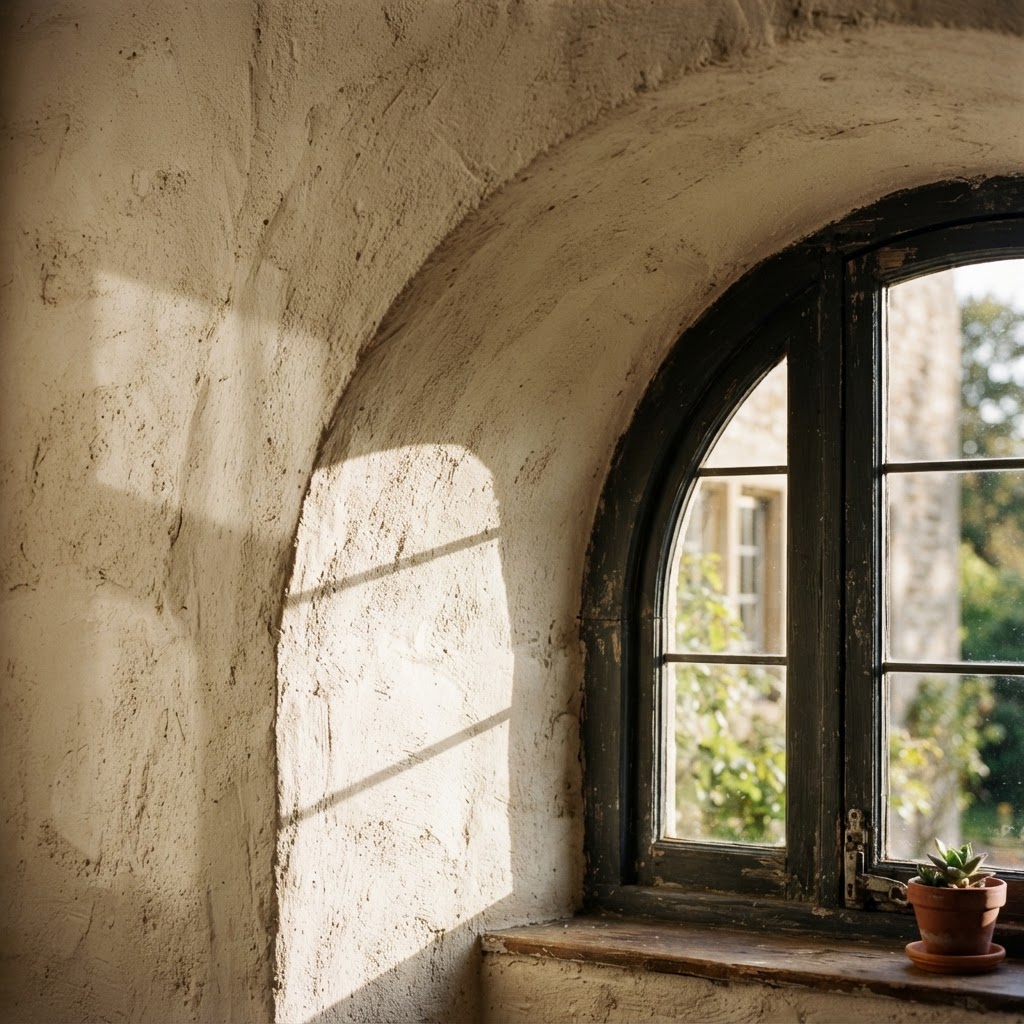
Real talk, some of the most photogenic, most talked-about rooms in architectural history are built around this exact principle. Think of a stone cottage with one deep-set window framing a foggy hillside. Or a minimal loft apartment where a single floor-to-ceiling panel of glass looks out over a city skyline. The room isn't competing with the view. It's serving it. Everything in the space, the furniture, the materials, the lighting, exists to make that one window the undeniable star.
Anchoring the Room: How to Layout Furniture When You Only Have One View
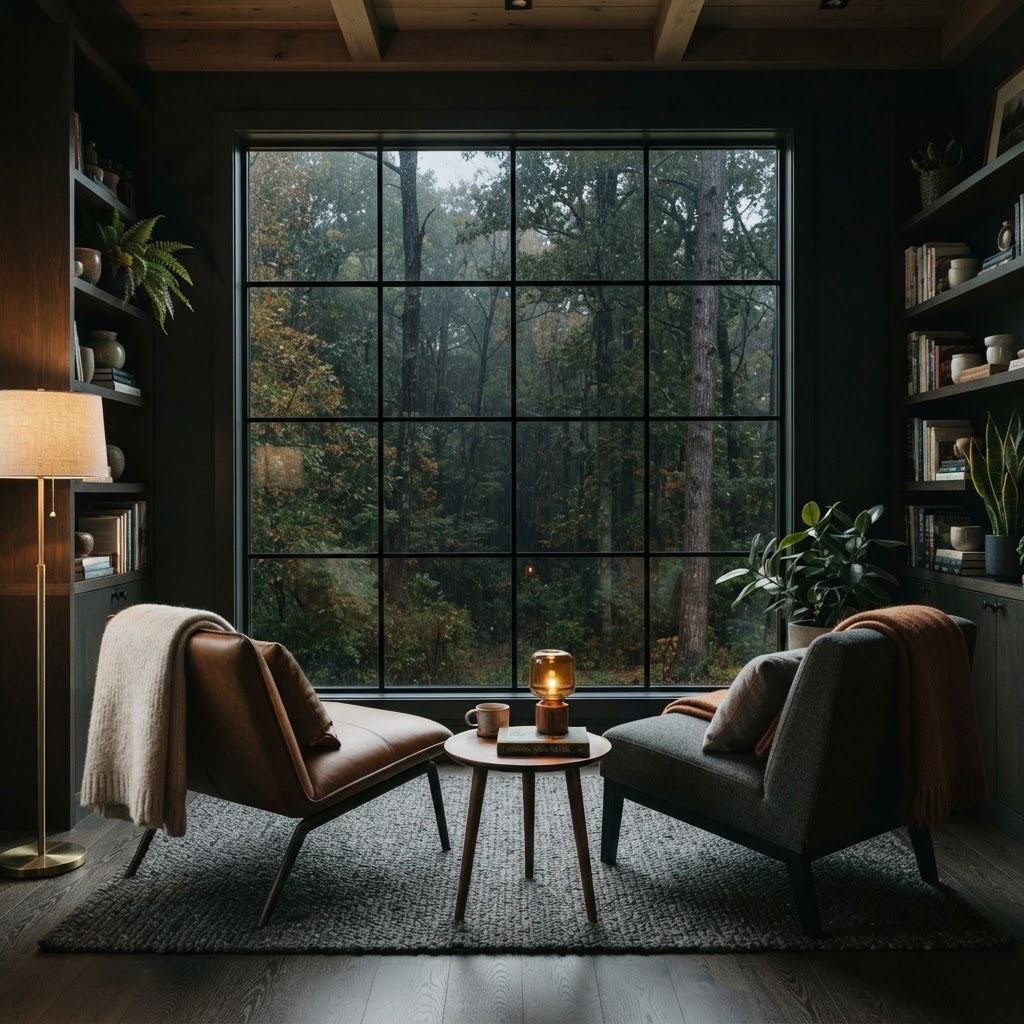
Once you've committed to the one big window concept, furniture layout actually gets easier. I know that sounds strange, but trust me on this. When you have multiple windows, you're constantly fighting competing light sources and sightlines. When you have one, you have a clear anchor point. Everything else in the room gets to pivot around that one truth.
The classic approach is to orient your primary seating toward the view. In a living room, that usually means the sofa faces the window, or is angled toward it at roughly 45 degrees. In a bedroom, the bed might sit on the opposite wall so you wake up looking directly at that framed slice of sky or garden. In a dining room, honestly, there's nothing better than a long table positioned so that the person at the head of the table is looking straight out at whatever the window is showing. It creates an almost cinematic feeling at mealtimes.
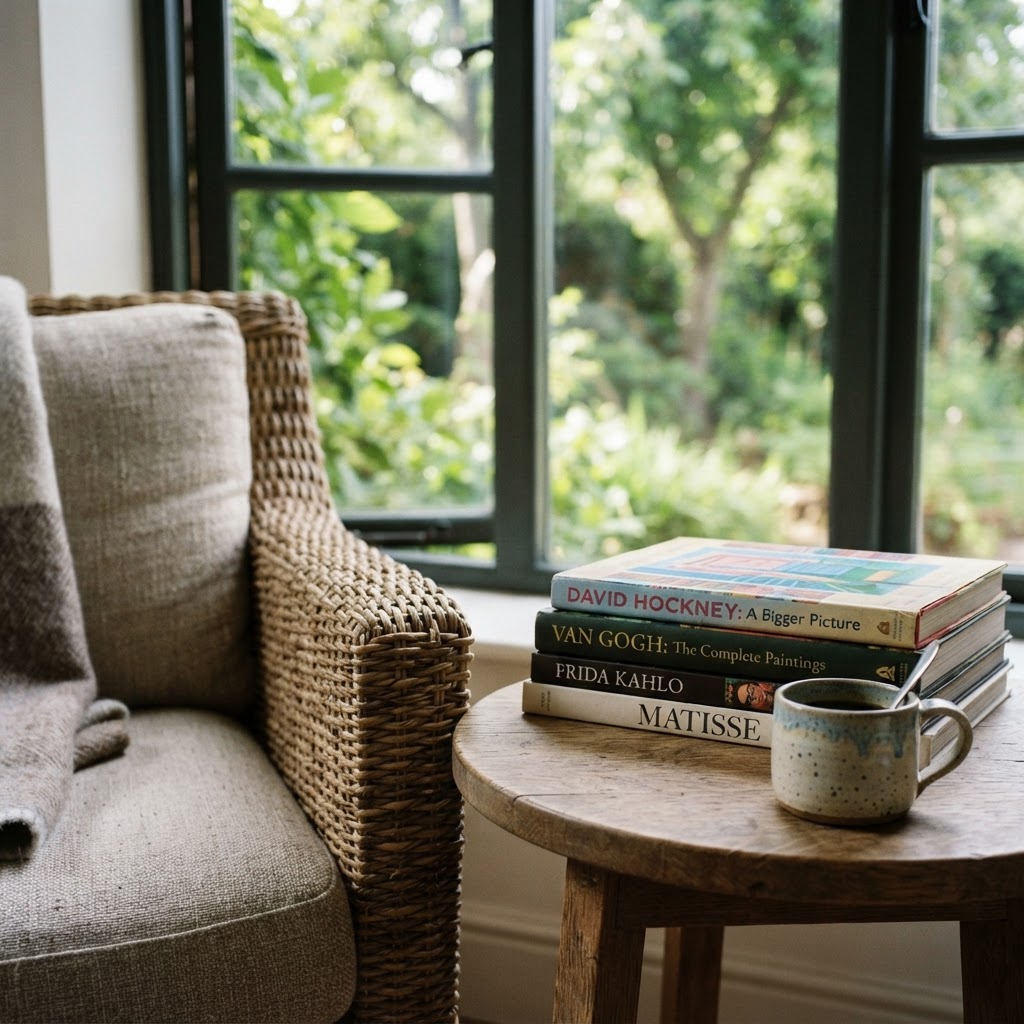
Look, there are a few rules of thumb I'd stand by when laying out furniture around a single view. Keep the path to the window clear if possible. You want to be able to walk toward it, maybe stand in front of it with a coffee in the morning, without navigating around an armchair. Also, avoid placing tall, bulky furniture pieces on the flanking walls, because that visual weight will compete with the window and dilute its impact. The walls on either side of your big window should feel relatively quiet and restrained.
- Keep sightlines open: Avoid placing tall furniture between the entry point of the room and the window. The view should greet you the moment you walk in.
- Use low-profile seating: Sofas and chairs with lower backs let the window breathe visually, especially when you're seated and looking across the room.
- Create a secondary seating zone: A single chair or reading nook positioned right beside the window gives someone the option to be inside the view, not just looking at it.
- Avoid symmetry for its own sake: Just because there's one window doesn't mean the room has to be rigidly symmetrical around it. Asymmetric layouts can feel more organic and interesting.
And honestly, don't underestimate the power of negative space here. A large rug anchoring your seating group, with open floor between the furniture cluster and the window, actually amplifies the drama. It gives the view room to land.
Playing with Shadows: The Lighting Benefits of a Single Opening
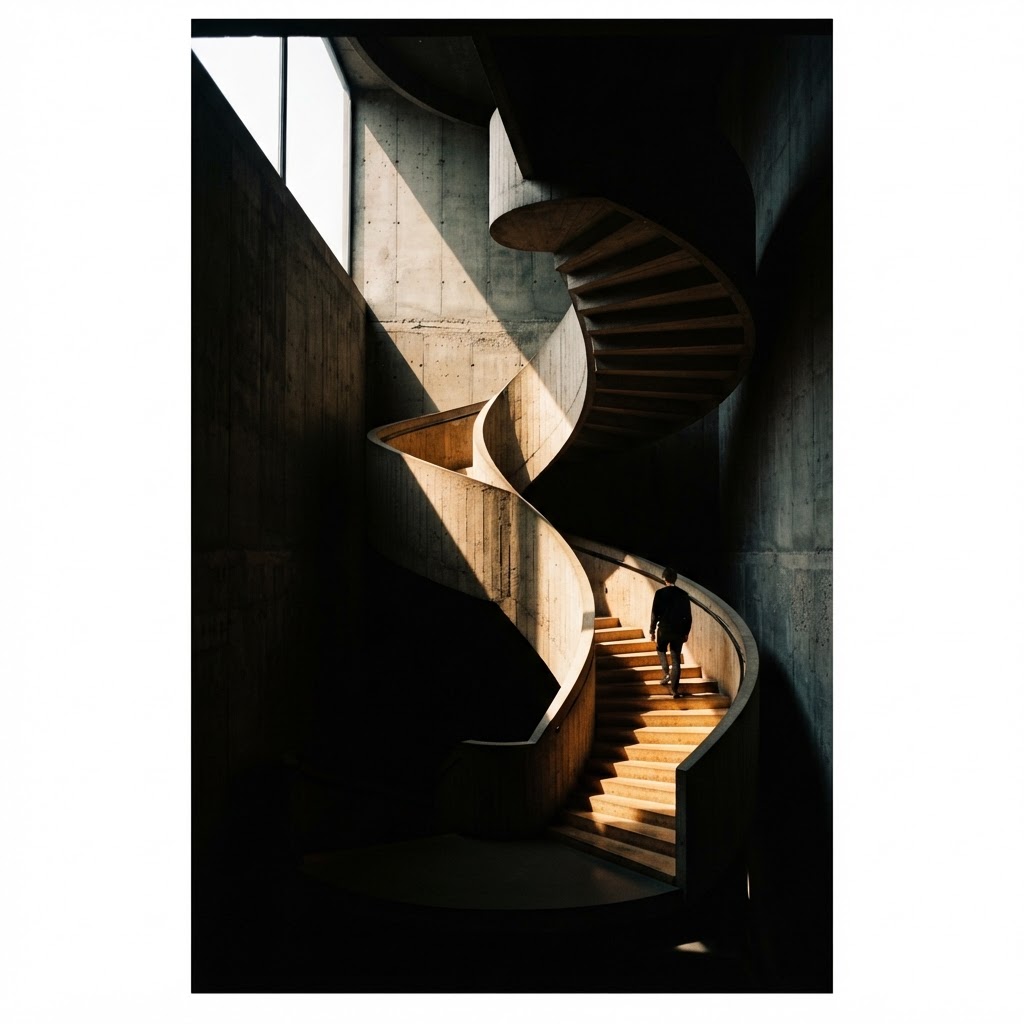
Here's where things get genuinely exciting from an architectural standpoint. When natural light enters a space through a single large opening, something magical happens with shadows that you just can't replicate any other way. The light has direction. It has a story. It moves across the room throughout the day in a slow, deliberate arc, and the shadows it casts are deep and defined and absolutely beautiful.
Think about the difference between a room lit by four evenly spaced windows versus a room with one massive south-facing window. In the first scenario, the light comes from everywhere and essentially cancels itself out. Shadows are flat and weak. The room feels uniformly bright but somehow lifeless. In the second scenario, the light is dramatic. It pools on the floor in a defined shape. It casts long shadows from furniture legs in the afternoon. It rakes across textured walls and makes them look like sculpture.

Architects talk about this a lot, the idea that light is a building material. And when you control it through a single aperture, you get to use it with real precision. Louis Kahn built entire buildings around this principle. Tadao Ando made it the emotional core of his Church of the Light. These aren't just pretty rooms, they're spaces where the quality of light makes you feel something. And a lot of that power comes from restriction, from deciding that light should enter from here, and only here.
From a purely practical standpoint, a single large window is also much easier to treat well. One set of curtains or blinds, thoughtfully chosen, can give you real control over the atmosphere at different times of day. Sheer linen for mornings, blackout lining pulled across for afternoon naps. The simplicity is underrated. You're not managing five different window treatments in five different orientations. You're curating one experience.
Curating Nature: Framing the Outside World Like a Painting
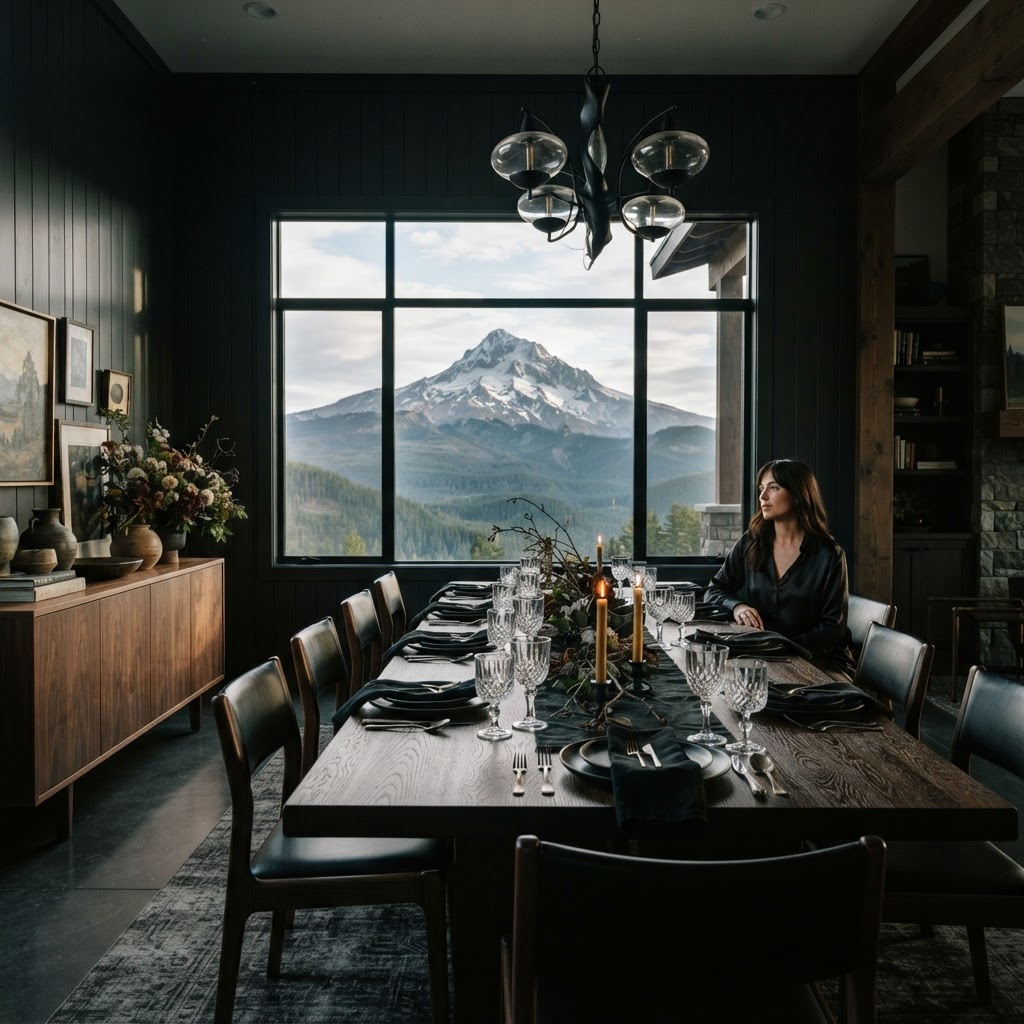
This is the part I could talk about for hours. When you have one big window, you're not just letting in light and air. You're making a deliberate curatorial choice about what the people inside this room are going to look at every single day. That's a design decision as significant as choosing the art for your walls. Actually, it's more significant, because this view changes with the seasons, with the weather, with the time of day. It's a living painting.
The best architects think about this from the very first sketches of a project. Where is the sun in the morning? What's growing in the garden that might be worth framing? Is there a hillside, a roofline, a particular tree that could become the focal point? The placement and proportion of a single large window should be driven entirely by what it's going to frame. The inside of the room is the gallery. The window is the painting.
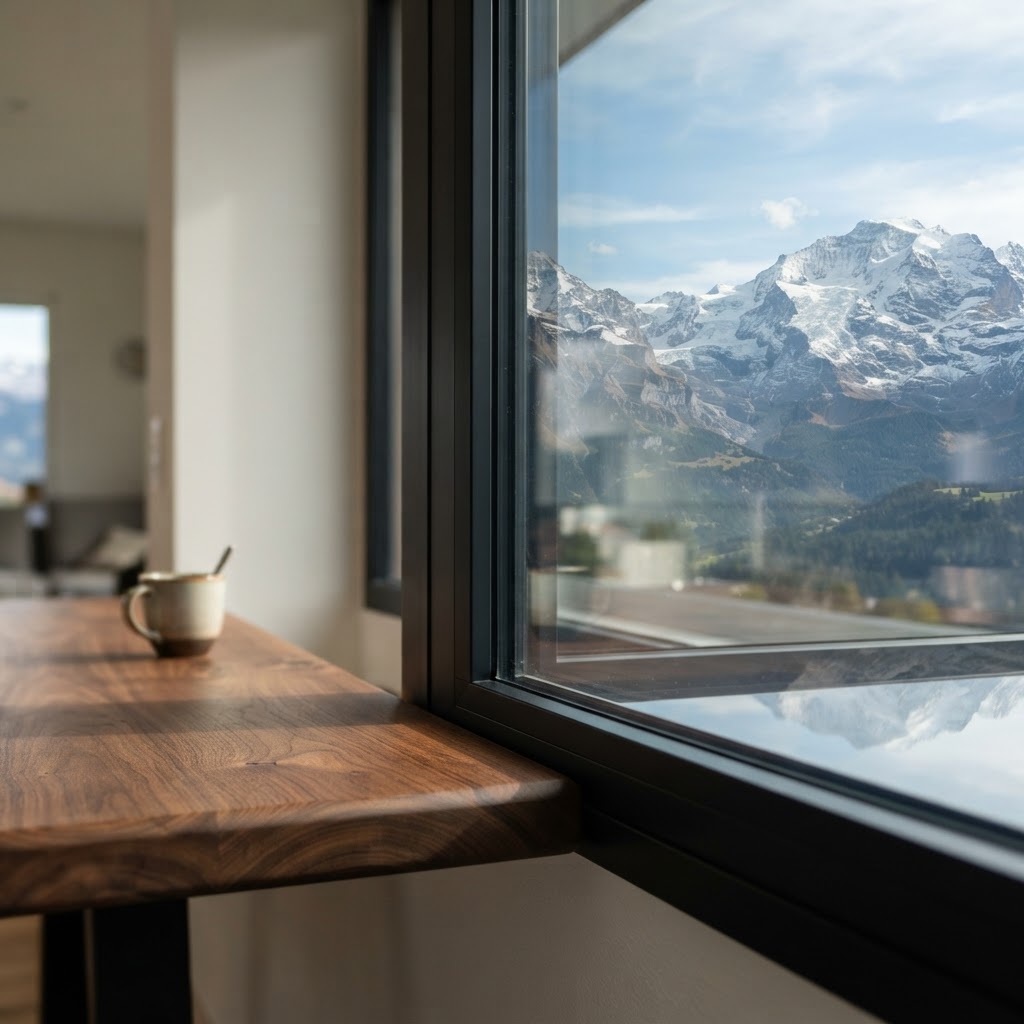
This approach also connects deeply to the Japanese concept of shakkei, or borrowed scenery. The idea is that the landscape outside your window isn't separate from your interior. It's incorporated into the design. A cherry tree in full bloom in March becomes part of your living room. A snowfall in January transforms the mood of your kitchen. You're not just looking at nature. You're living with it, and the window is the threshold between the two worlds.
For anyone renovating or building from scratch, my honest advice is this: before you finalize window placement, spend time in the space at different hours. Watch where the light comes from. Notice what's outside and at what height. A window positioned to catch the crown of a mature oak tree is infinitely more interesting than one that frames a fence. Take the time to find the good view, even if it's a small or humble one, and then frame it with everything you've got.
Cozy and Efficient: The Overlooked Practical Perks
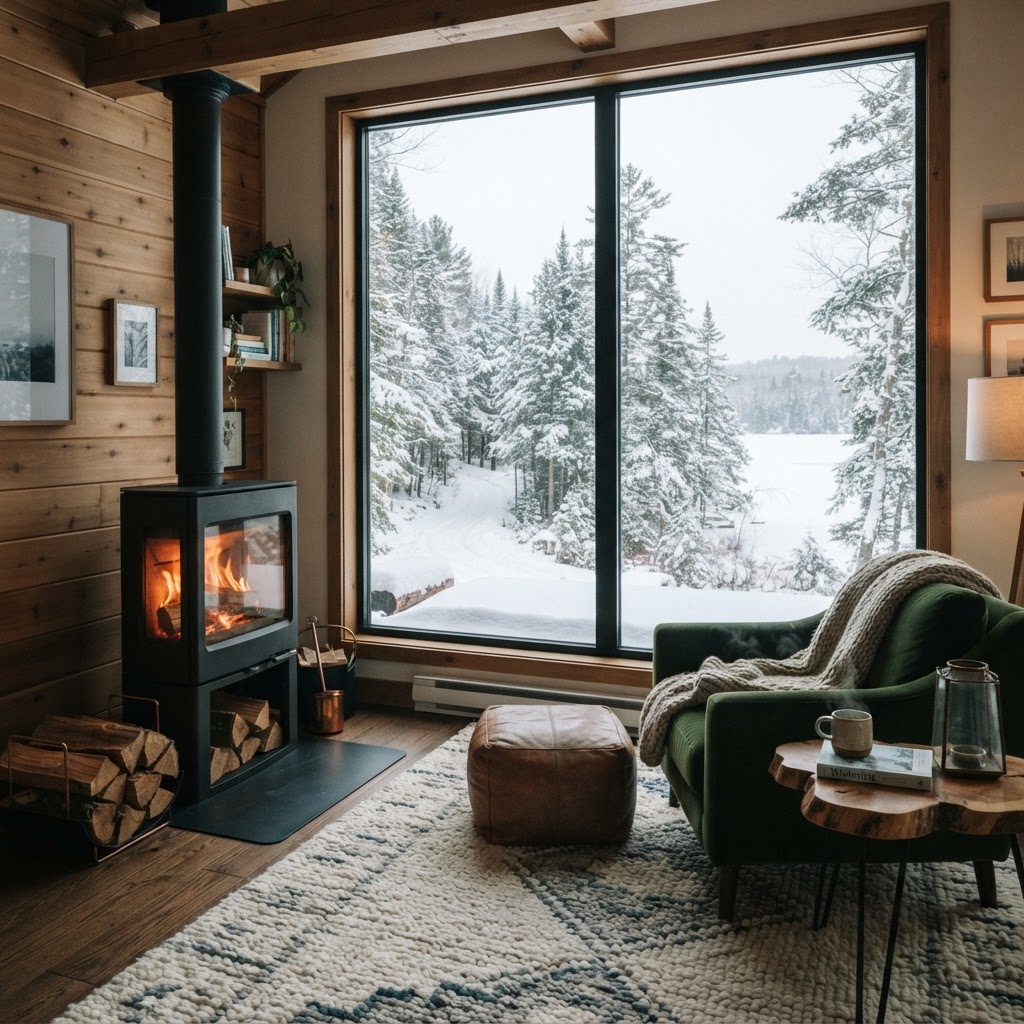
Okay, we've talked a lot about aesthetics and atmosphere, and I think that's warranted because this is genuinely a beautiful design principle. But look, let's also be real about the practical side of things, because the one big window rule has some seriously underrated functional benefits that often get overlooked in favor of all the poetic stuff.
First, insulation. Every window is a potential weak point in your building envelope. More windows mean more opportunity for heat loss in winter and heat gain in summer. A single large, high-quality window, especially a triple-glazed unit with a good thermal break, is actually a much more thermally efficient solution than four smaller windows of equivalent total area. You're concentrating your investment in one place and getting better performance. It also means fewer frames, fewer seals, and fewer potential points of failure over time.
Second, and this one really doesn't get enough credit: acoustic performance. Multiple windows, especially on different walls, mean sound can penetrate the room from several directions. A single window on one wall gives you much more solid, sound-absorbing mass on the other three sides. For anyone living near a road, a railway, or in a busy urban area, this is a genuinely significant quality-of-life consideration. The room just feels quieter, more contained, more yours.
- Thermal efficiency: One high-quality unit outperforms multiple standard windows in terms of insulation and reducing drafts.
- Lower maintenance: Fewer windows means fewer frames to paint, fewer seals to replace, fewer mechanisms to service over the years.
- Better acoustic containment: Three solid walls absorb sound far more effectively than walls peppered with glazing.
- Cleaner wall space: More solid wall means more flexibility for furniture placement, art hanging, and built-in storage on the other three sides.
- Psychological coziness: Rooms with one window and three solid walls feel genuinely enclosed and safe in a way that matters deeply to our sense of comfort and rest.
And honestly, there's a psychological dimension to this too. Research in environmental psychology has consistently shown that people feel more relaxed and secure in spaces where at least part of their visual field is enclosed and protected. A room with windows on every side can actually feel slightly anxious-making, like you're exposed from too many angles. One window, well-placed, gives you the best of both worlds. You have your view, your connection to the outside world, and you also have the comfort of being held by the room on three sides. It's cozy in the truest, deepest sense of that word.
Final Thoughts
The one big window rule is really a philosophy more than a rule. It's about resisting the urge to do more just because you can, and instead asking yourself what you actually want people to feel when they're in this space. When you commit to a single view, you're committing to intention. You're saying that this room has a point of view, literally and figuratively, and everything in it is in service of that.
Honestly, in a design world that often rewards maximalism and the wow factor of glass-walled everything, there's something quietly radical about a room that says: look here, only here, and look carefully. The architects and designers who really understand light, and materiality, and the way humans inhabit space, have known this for a long time. Now the rest of us are catching up.
So if you're planning a renovation, building from scratch, or even just reconsidering how your current space feels, I'd encourage you to think seriously about the single focal point. Find your best view. Frame it beautifully. And let everything else follow from there. Trust me on this one. It's worth it.
More in Residential
Stay Inspired
Subscribe for new essays on architecture, design, and the spaces that shape us.