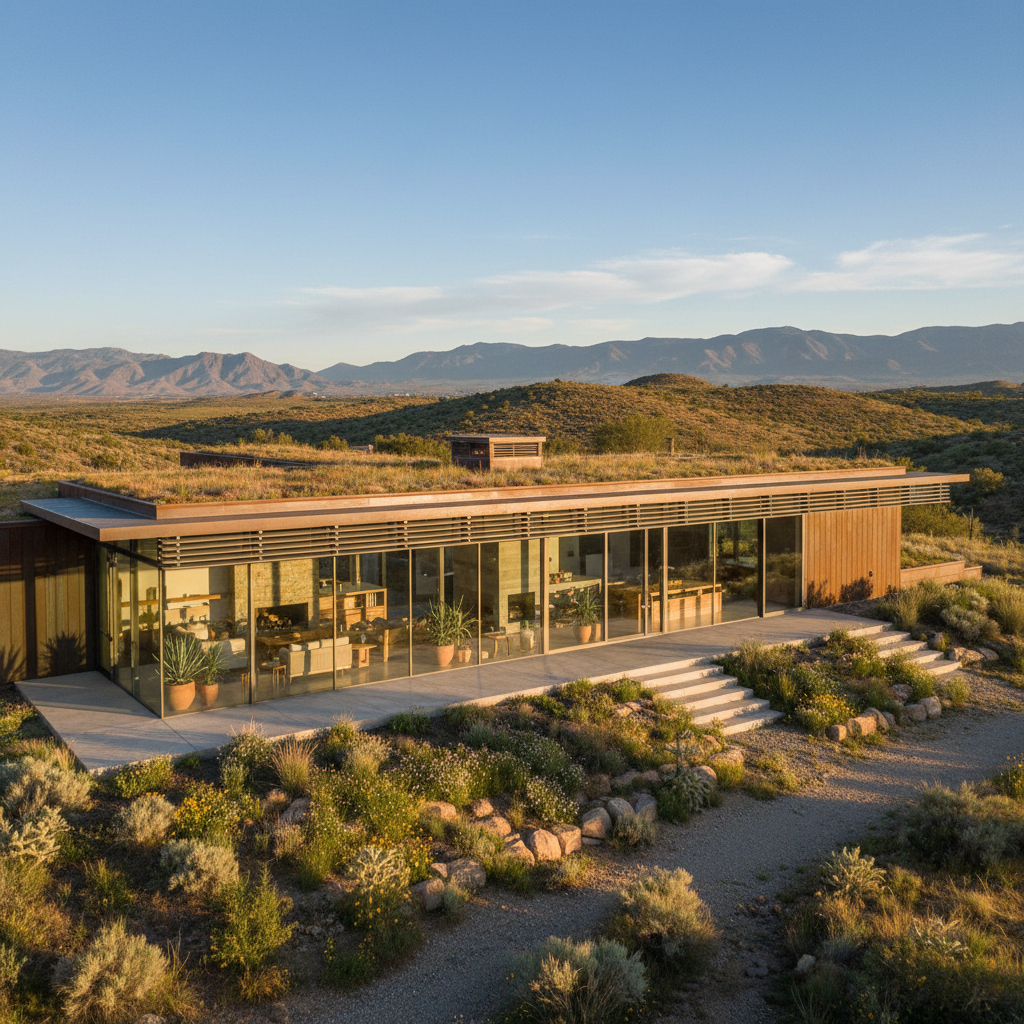
Why Passive Solar Design Should Be the Gold Standard for Modern Architecture
In an era where sustainability is key, passive solar design is more than just a trend, it's a necessity. This approach incorporates natural elements to create energy-efficient spaces that are as beautiful as they are functional. Discover why this design philosophy should be at the forefront of architectural practices.
Understanding Passive Solar Design
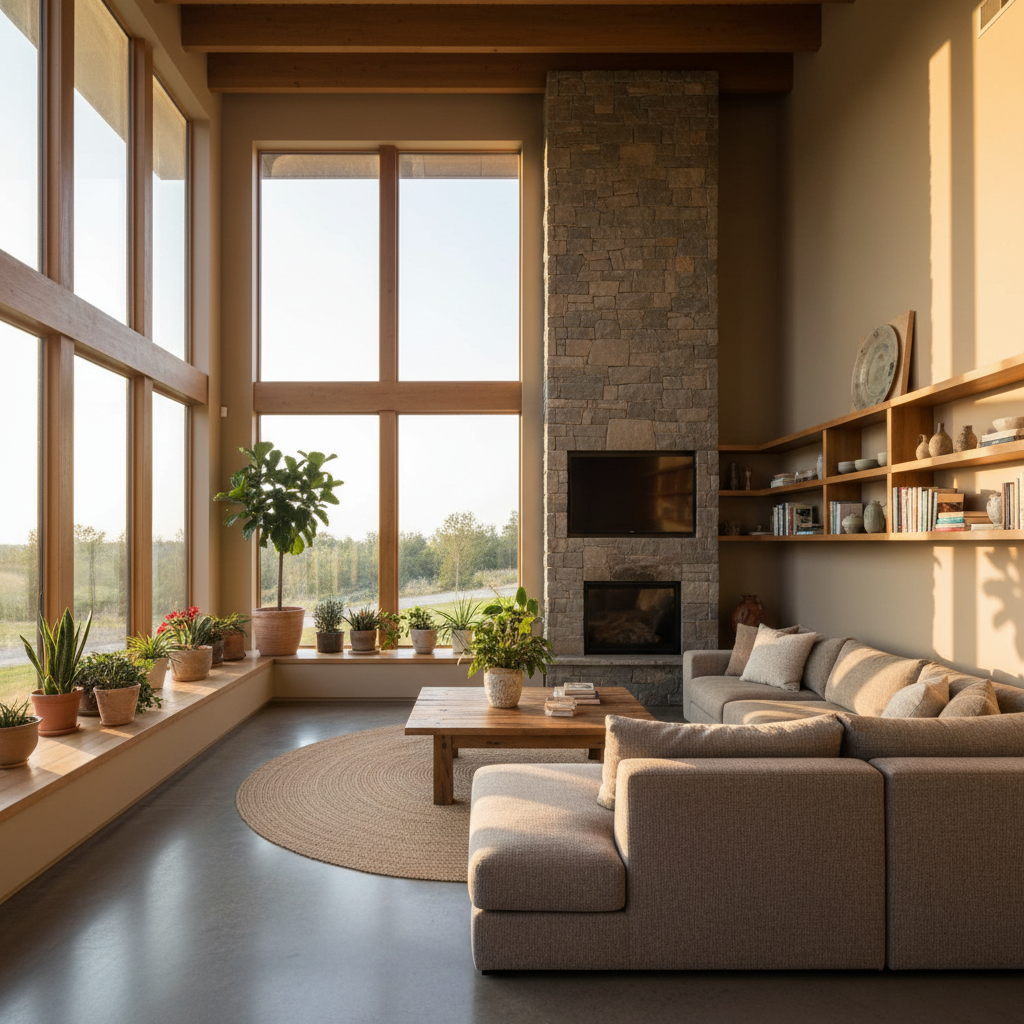
Okay, let's start with the basics, because honestly, a lot of people throw the term "passive solar design" around without really understanding what it means. It's not just about slapping some solar panels on a roof. Not even close. Passive solar design is a whole philosophy, a way of thinking about how a building interacts with the sun, the wind, and the landscape around it, using the natural environment as the primary energy source instead of mechanical systems.
At its core, passive solar design is about orientation, mass, and glazing. Where does the building face? How much thermal mass does it have to absorb and store heat? Where are the windows placed and how large are they? These are the questions that good architects have been asking for centuries, and honestly, it blows my mind that we ever stopped prioritizing them. Ancient Greek cities were planned around solar access. Anatolian cave dwellings used thick stone walls to regulate temperature. This is not new science. We just forgot it for a few decades when cheap fossil fuels made it feel unnecessary.
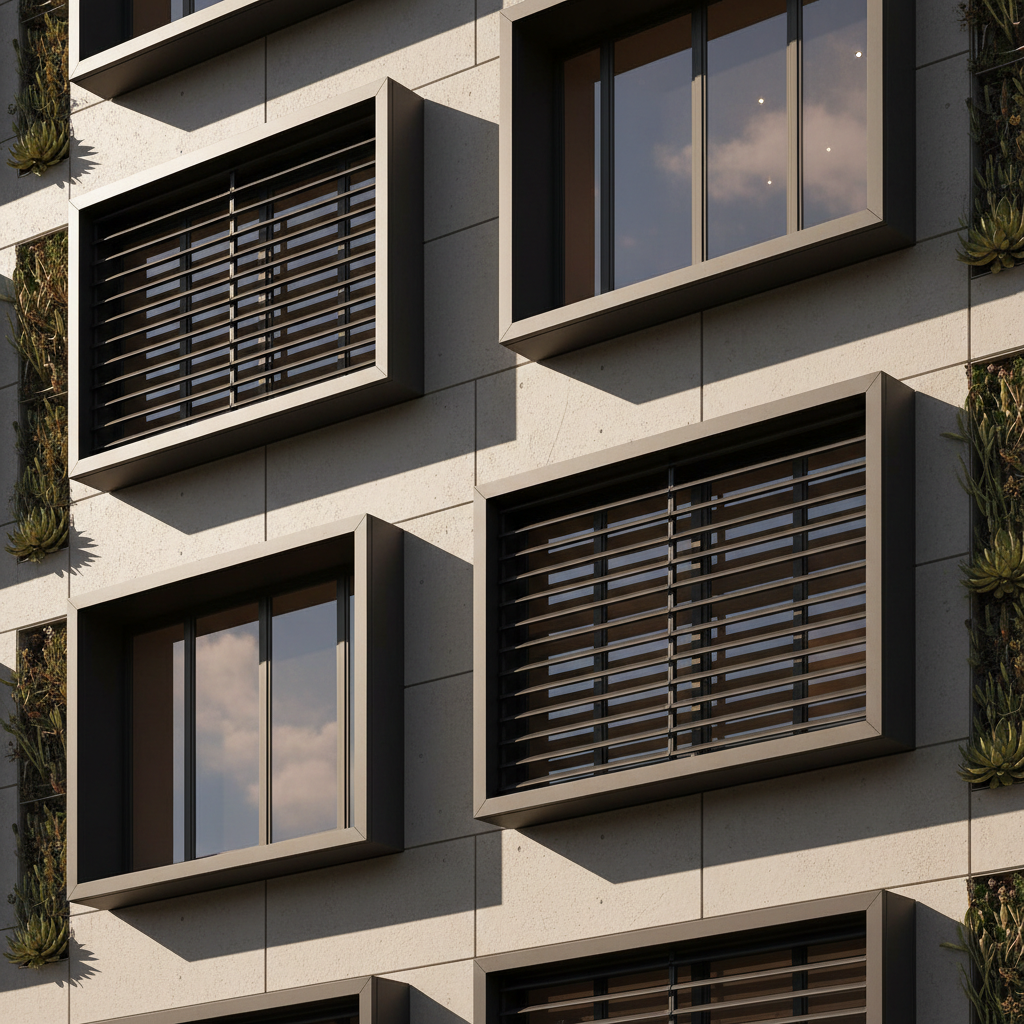
Here's the thing: passive solar design works by capturing solar energy through south-facing windows in the northern hemisphere (north-facing in the southern hemisphere), storing that heat in dense materials like concrete, brick, or stone, and then releasing it slowly as temperatures drop at night. Add well-placed overhangs that block the high summer sun but let in the lower winter sun, and you've got a building that practically heats and cools itself. No boiler required, no AC unit humming through the wall.
The five main elements designers work with are direct gain, indirect gain, isolated gain, natural ventilation, and shading. Each one plays a role depending on the climate and the building's purpose. A designer who truly understands these principles can create a home that stays comfortable year-round with minimal mechanical assistance, and that's the goal. That's the gold standard I'm arguing for throughout this whole article.
Benefits for Homeowners
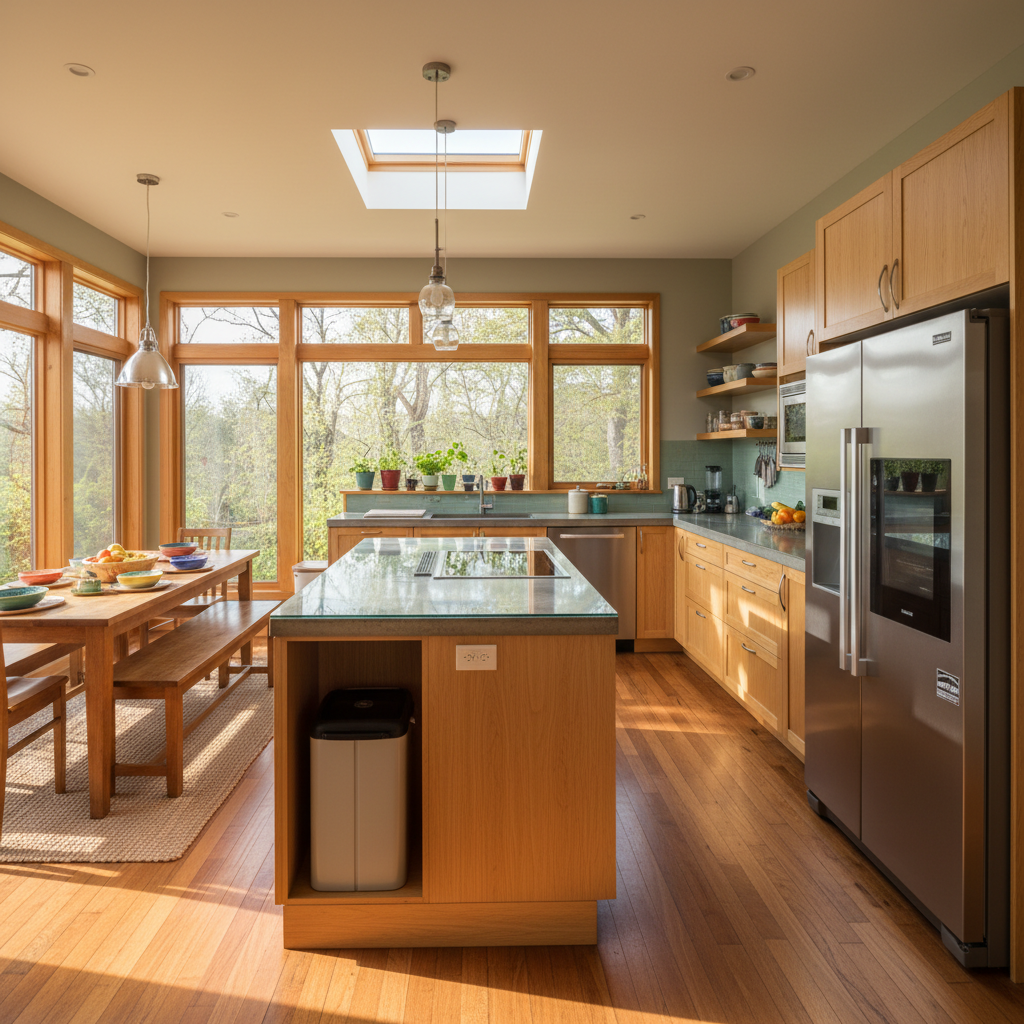
Let's talk money. Because look, people care about the environment, but they also care about their mortgage and their utility bills. And here's where passive solar design really starts to shine, no pun intended. A well-designed passive solar home can reduce heating and cooling costs by anywhere from 50 to 80 percent compared to a conventionally built home. That's not a marketing claim. That's documented, peer-reviewed data from organizations like the Department of Energy and independent research institutions across Europe and North America.
Think about what that means over a 30-year mortgage. If you're currently spending $2,400 a year on heating and cooling, a passive solar home could cut that to $500 or less. Over three decades, you're potentially saving $50,000 or more, and that's before accounting for rising energy prices, which, trust me on this, are not going down anytime soon. The upfront cost of designing and building with passive solar principles is often minimal compared to that long-term return, especially when the design is integrated from the very beginning rather than bolted on afterward.
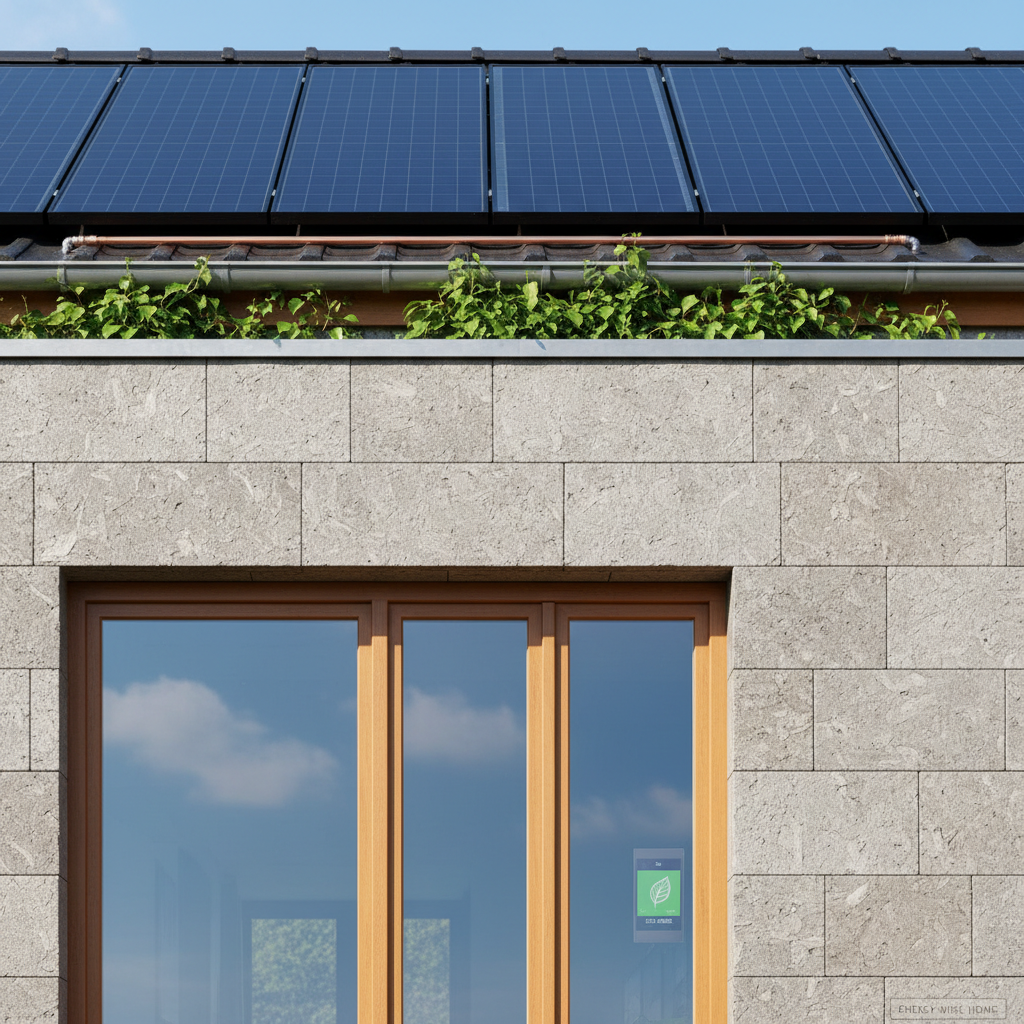
But the benefits go way beyond the financial. Passive solar homes are genuinely more comfortable to live in. There's a quality to the light in a well-oriented home with thoughtfully placed glazing that feels completely different from a dark, north-facing box with fluorescent overheads. Natural daylight has measurable psychological benefits. It improves mood, supports better sleep cycles, and even increases productivity. Homeowners who live in passive solar homes consistently report higher satisfaction with their living environment.
And then there's the resilience factor. A passive solar home is, by design, less dependent on the grid and on mechanical systems. When the power goes out in winter, a conventionally built home can get dangerously cold within hours. A passive solar home with good thermal mass will hold its temperature for days. That's not a small thing when you're thinking about climate extremes, which are becoming more frequent and more severe everywhere.
- Energy savings: Dramatically reduced heating and cooling costs over the lifetime of the building
- Comfort: More stable indoor temperatures and superior natural lighting
- Resilience: Less dependency on mechanical systems and the electrical grid
- Health: Better air quality and psychological benefits from natural daylight
- Property value: Green-certified and energy-efficient homes consistently command higher resale prices
The Environmental Impact
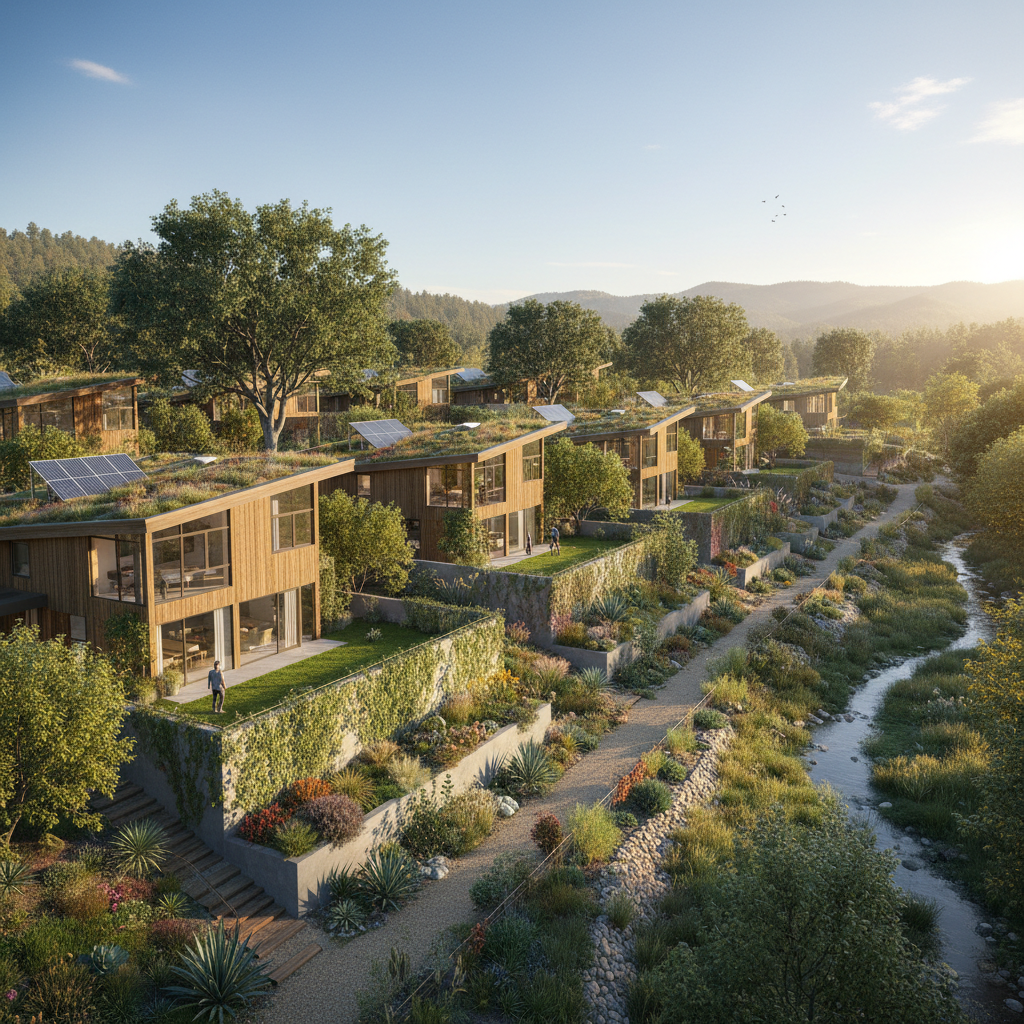
Real talk: the built environment is one of the biggest contributors to climate change on the planet. Buildings account for nearly 40 percent of global energy consumption and around 33 percent of greenhouse gas emissions when you factor in construction, operation, and demolition. That number is staggering. It means that the way we design and build our homes and offices is one of the most powerful levers we have when it comes to addressing the climate crisis.
Passive solar design directly attacks the operational energy side of that equation. A building that doesn't need a gas furnace running eight months a year is a building that isn't pumping carbon dioxide into the atmosphere. When you scale that across millions of homes and commercial buildings, the impact becomes extraordinary. The International Energy Agency has consistently pointed to building efficiency improvements as one of the highest-impact, most cost-effective paths to meeting global climate targets. And passive solar design is one of the most fundamental tools in that toolkit.
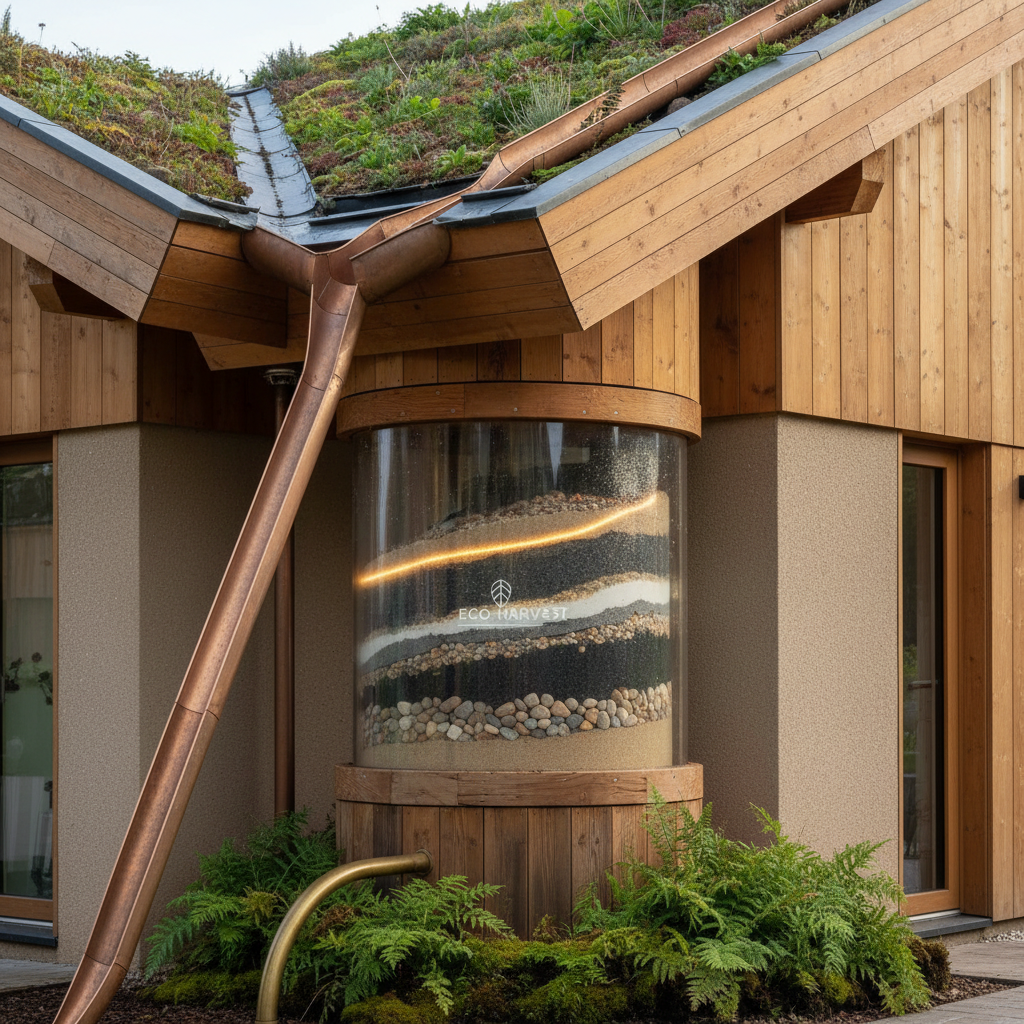
What I find particularly compelling about passive solar as an environmental strategy is that it doesn't rely on technology that needs to be manufactured, replaced, or eventually disposed of. Solar panels are great, don't get me wrong, but they have embedded energy costs, manufacturing impacts, and a finite lifespan. A south-facing window with a properly calculated overhang will still be doing its job in 200 years. The elegance of passive design is that its environmental benefits are baked into the architecture itself, not dependent on any external system or supply chain.
There's also the water side of the equation. Well-designed passive solar buildings often incorporate features like green roofs, rainwater harvesting, and natural ventilation, which reduce the building's overall environmental footprint even further. It's a systems-thinking approach to architecture, and honestly, it's the only kind of thinking that makes sense when you look at the scale of what we're facing environmentally.
Designing for Different Climates
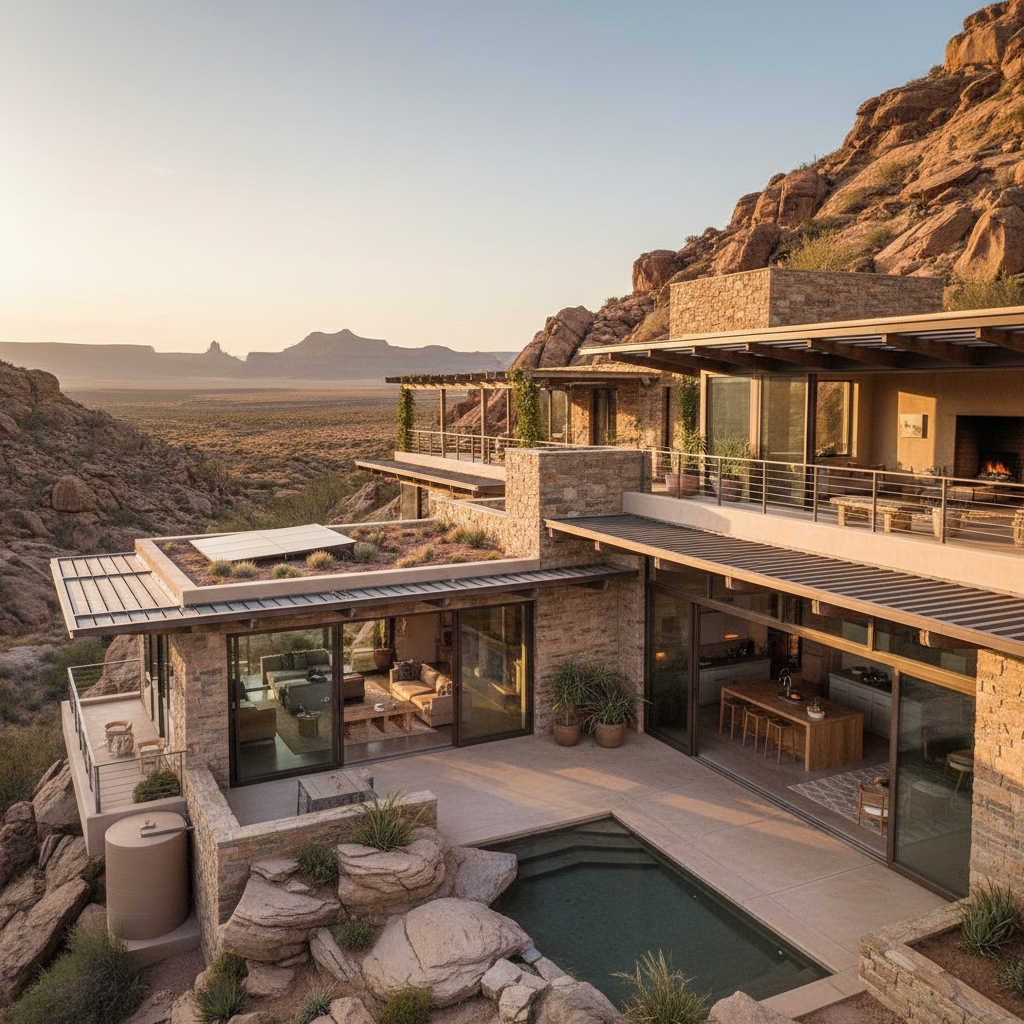
One of the most common pushbacks I hear against passive solar design is that it only works in sunny climates. And honestly, I get why people think that, but it's just not accurate. Passive solar principles are adaptable to every climate on earth. The strategies look different depending on where you are, but the underlying logic, using the natural environment to regulate indoor conditions, applies universally.
In cold climates like Scandinavia or Canada, the priority is maximizing solar gain in winter while minimizing heat loss. This means larger south-facing glazing areas, very high insulation values in walls and roofs, triple-glazed windows, and careful attention to airtightness. The Passivhaus standard, which originated in Germany, is essentially a rigorous codification of passive solar principles for cold climates, and buildings certified to that standard routinely use 80 to 90 percent less heating energy than conventional buildings. That's a remarkable outcome in places with long, cold winters.
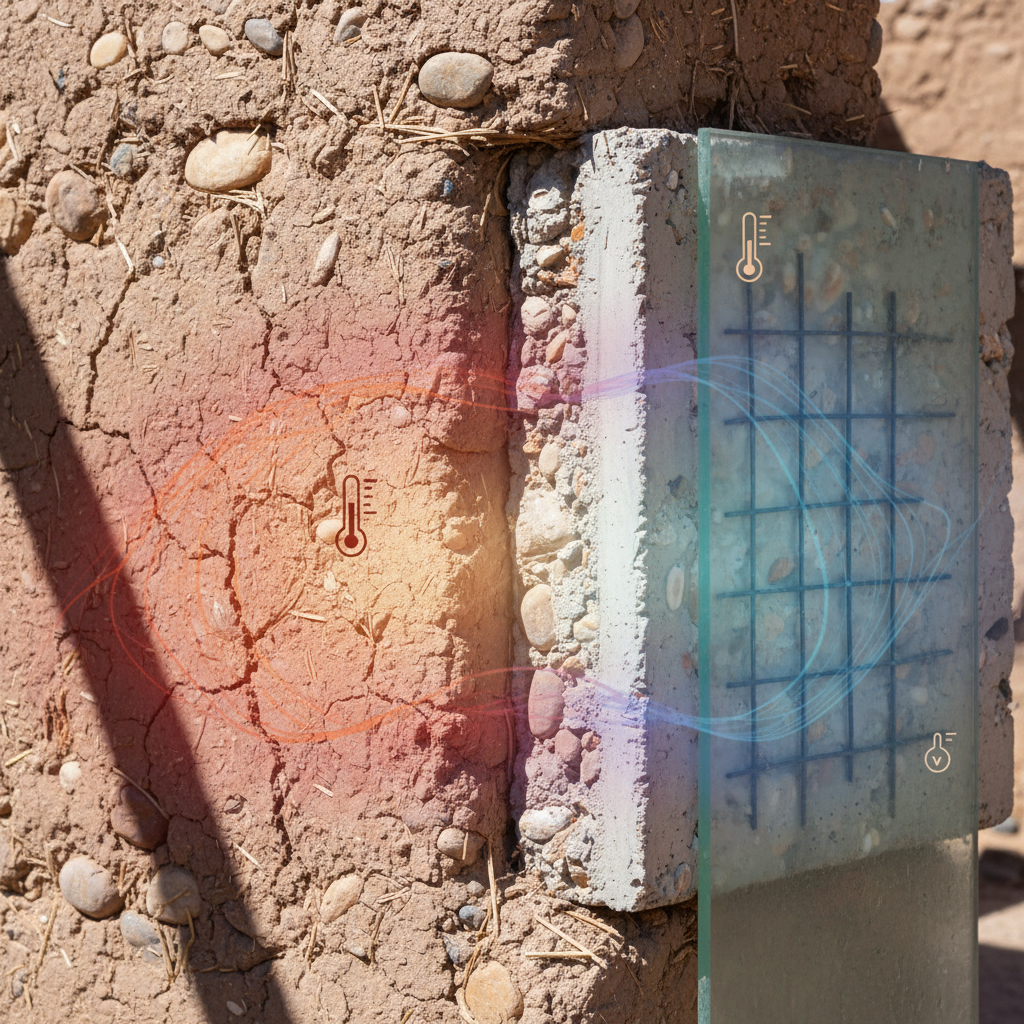
In hot, humid climates, the challenge flips. The goal becomes keeping solar heat out while maximizing natural ventilation. Deep overhangs, shaded courtyards, cross-ventilation through carefully positioned openings, and light-colored or reflective roof surfaces all play a role. Traditional architecture in hot climates, from the courtyard houses of North Africa to the breezeways of Southeast Asia, was already doing this brilliantly. Modern passive solar design for tropical climates is partly about rediscovering those vernacular solutions and translating them into contemporary building forms.
In mixed or temperate climates, designers get to work with the full toolkit, balancing solar gain against cooling loads, using thermal mass strategically, and designing for both heating and cooling seasons. It's actually more complex in some ways, but also more rewarding because there's a wider range of strategies available. The key in any climate is that passive solar design has to be site-specific. There's no one-size-fits-all solution, which is why skilled architects who understand these principles are worth their weight in gold.
The Future of Architecture
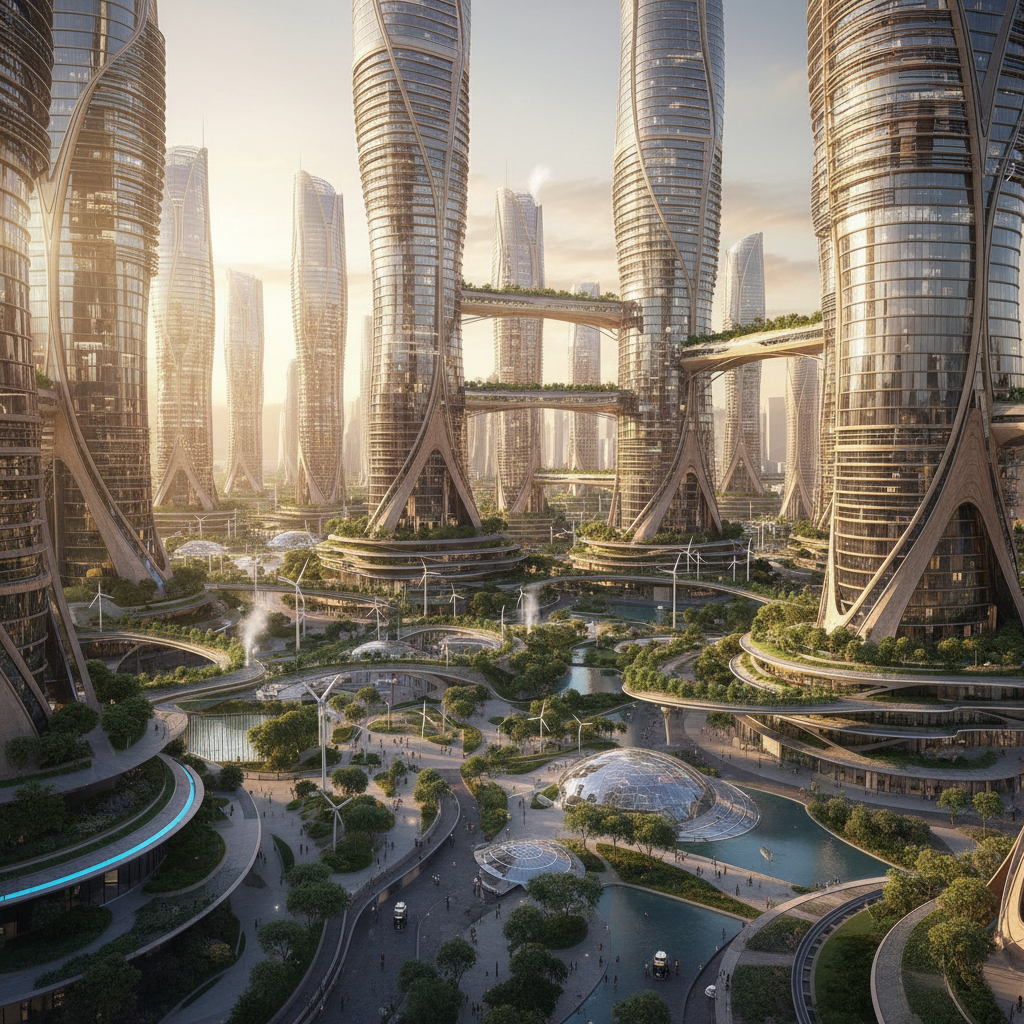
Here's where I get genuinely excited, because the future of architecture is shaping up to be deeply aligned with passive solar thinking. We're seeing a convergence of forces that are pushing the profession in exactly this direction. Stricter building codes in the EU, UK, and increasingly in North America are mandating higher energy performance standards. Material science is giving designers better tools than ever, from aerogel insulation to electrochromic glazing that adjusts its tint in response to sunlight. And computational design tools are making it easier than ever to model solar angles, thermal performance, and airflow with precision that would have been unimaginable 20 years ago.
But what really gives me hope is a cultural shift that's happening in architecture schools and among younger practitioners. There's a growing rejection of the glass box office tower mentality, that mid-century idea that technology could overcome any environmental constraint if you just threw enough energy at it. Young architects today are far more likely to approach a design brief by first asking: what does this site tell us? How does the sun move across it? What are the prevailing winds? Those are passive solar questions, even if they don't always use that specific terminology.
The integration of passive solar principles with active systems is also producing some remarkable results. Buildings that combine a strong passive foundation with photovoltaic panels, heat pumps, and smart energy management systems can actually generate more energy than they consume over the course of a year. These are called net-zero or net-positive energy buildings, and they represent the direction that progressive building codes around the world are heading. The passive foundation is what makes achieving that net-zero goal affordable and technically achievable.
"The greenest building is the one that doesn't need energy to stay comfortable in the first place. Passive solar design is how we get there."
Look, I'm not naive enough to think that passive solar design is a magic bullet that solves every architectural challenge. Density, program, budget, and urban context all create real constraints. A 40-story residential tower in a dense city can't orient every unit south. But even in those constrained conditions, passive solar thinking can inform decisions about shading, glazing ratios, thermal mass, and cross-ventilation. It's a way of thinking as much as it is a set of techniques, and that mindset can improve almost any building project regardless of scale or typology.
Final Thoughts
Passive solar design isn't a trend or a niche specialty. It's the foundational logic that good architecture has always been built on, and it's the logic that the industry needs to fully recommit to right now, at scale, urgently. The benefits for homeowners are real and substantial. The environmental impact is enormous. The adaptability across climates is proven. And the trajectory of the profession is moving squarely in this direction.
If you're building a new home, renovating an existing one, or commissioning any kind of building project, push for passive solar principles from day one. Ask your architect where the sun rises and sets on your site. Ask about thermal mass and overhangs and window orientation. Ask those questions early, because passive solar design is most powerful and most cost-effective when it's integrated from the very beginning, not added on as an afterthought.
Honestly, the buildings of the next century have to work with nature, not against it. Passive solar design is how we get started on that. And the sooner the entire profession adopts it as the baseline rather than the exception, the better off all of us will be.
More in Residential
Stay Inspired
Subscribe for new essays on architecture, design, and the spaces that shape us.