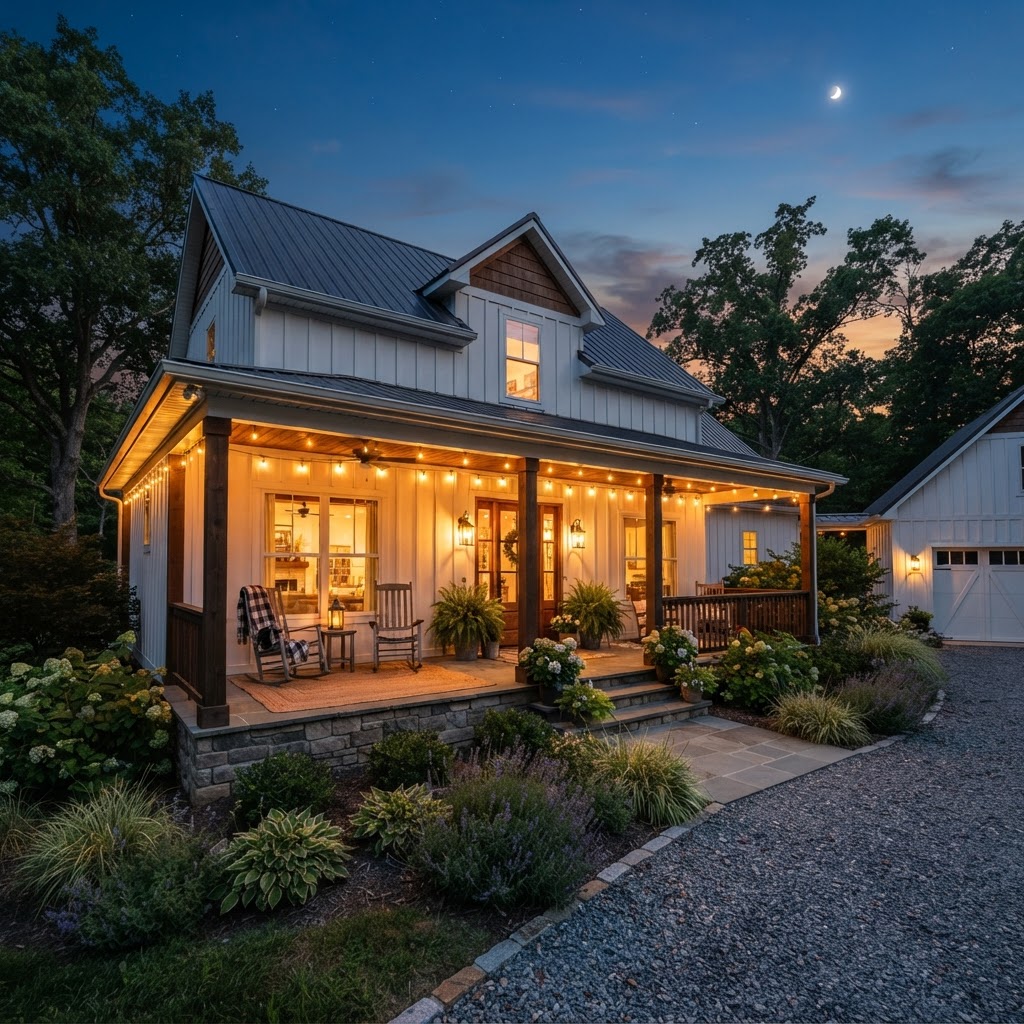
Why The Front Porch Is Making A Massive Comeback In Modern Home Design
Architects and homeowners are falling in love with front porches all over again. Discover why this classic feature is becoming the most sought after element in new residential construction today.
The Social Power Of The Porch
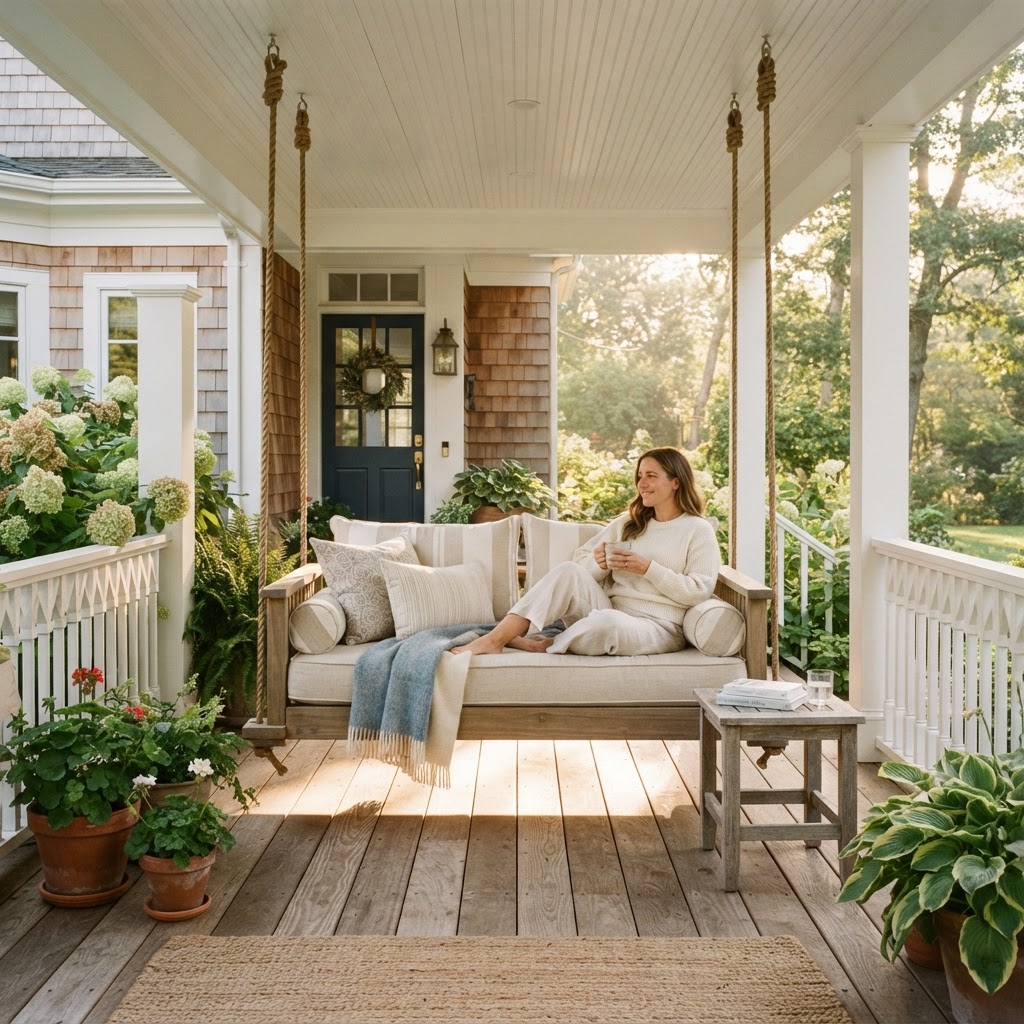
Honestly, I think we all felt it during the pandemic. That weird, aching need to just see another human being outside your immediate household. People dragged chairs to their driveways. They sat on their stoops. They waved at neighbors they had lived next to for years but never actually talked to. And somewhere in all of that, a lot of us realized something kind of profound: our homes were not designed for that kind of casual, easy connection. The front porch used to solve exactly that problem, and we had spent decades building houses without them.
Here's the thing about the front porch that architects and urban planners have known forever but homeowners are only now really internalizing. It is a transitional space. Not quite public, not quite private. It lets you engage with the world on your own terms. You can wave someone over or you can just nod and keep reading your book. That level of control over social interaction is genuinely rare in how we design homes today, and people are starting to understand what they have been missing.
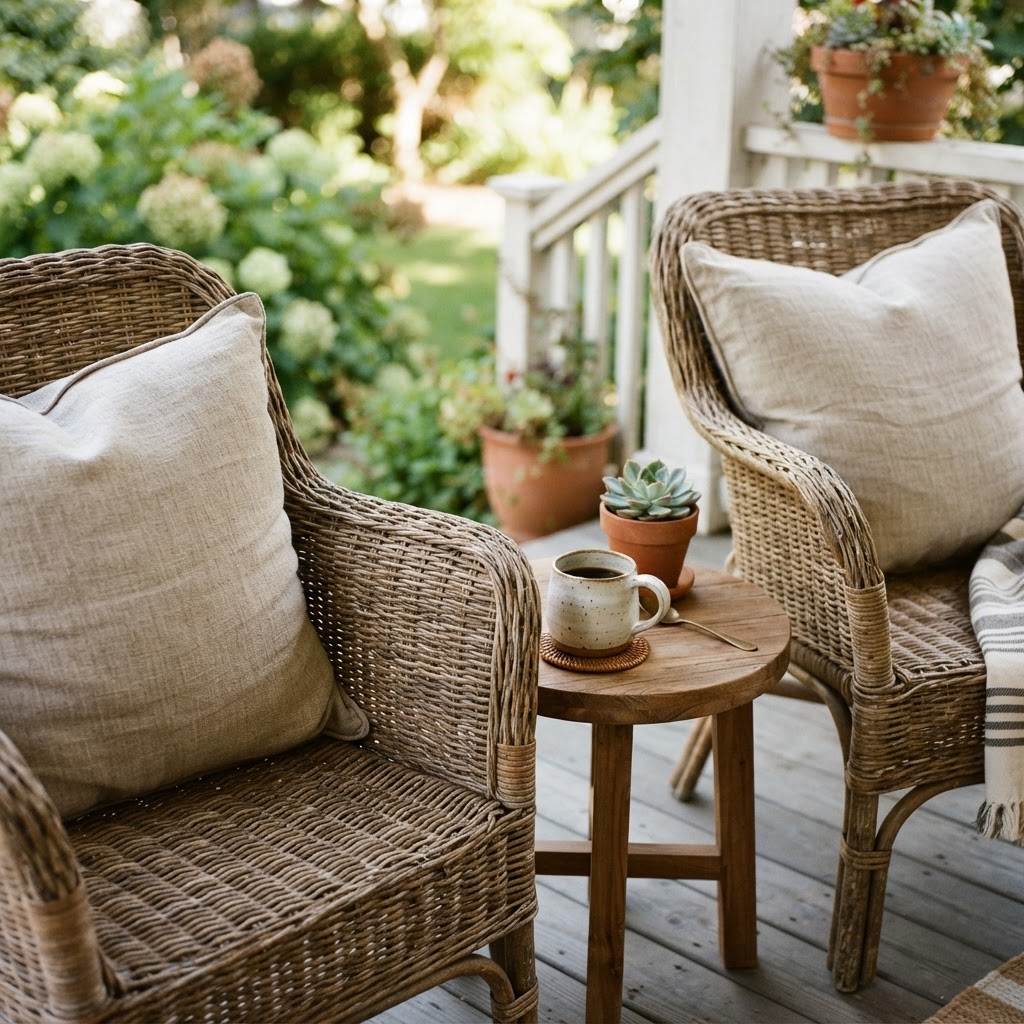
Sociologist Ray Oldenburg wrote about what he called "third places," the spaces between home and work where community actually happens. Coffee shops, barbershops, parks. The front porch is kind of the original third place, and it sits right on your own property. New Urbanist architects like Andres Duany have been championing porch-forward design for decades for exactly this reason. When you put the porch at the front of the house and the garage at the back, you fundamentally change how a neighborhood feels and functions. Suddenly people are visible. Suddenly there are conversations happening. It sounds almost too simple, but the architecture of a street really does shape how connected people feel to each other.
Real talk, there is a loneliness epidemic happening in a lot of Western countries right now, and while no one is saying a porch is the cure, it is genuinely one of those small design decisions that can make a big difference over time. When you have a comfortable place to sit at the front of your home, you use it. And when you use it, things happen. Neighbors stop to chat. Kids play in the yard while adults keep an easy eye on them. The street feels alive. That is not nothing. That is actually kind of everything.
Blurring The Line Between Indoors And Outdoors
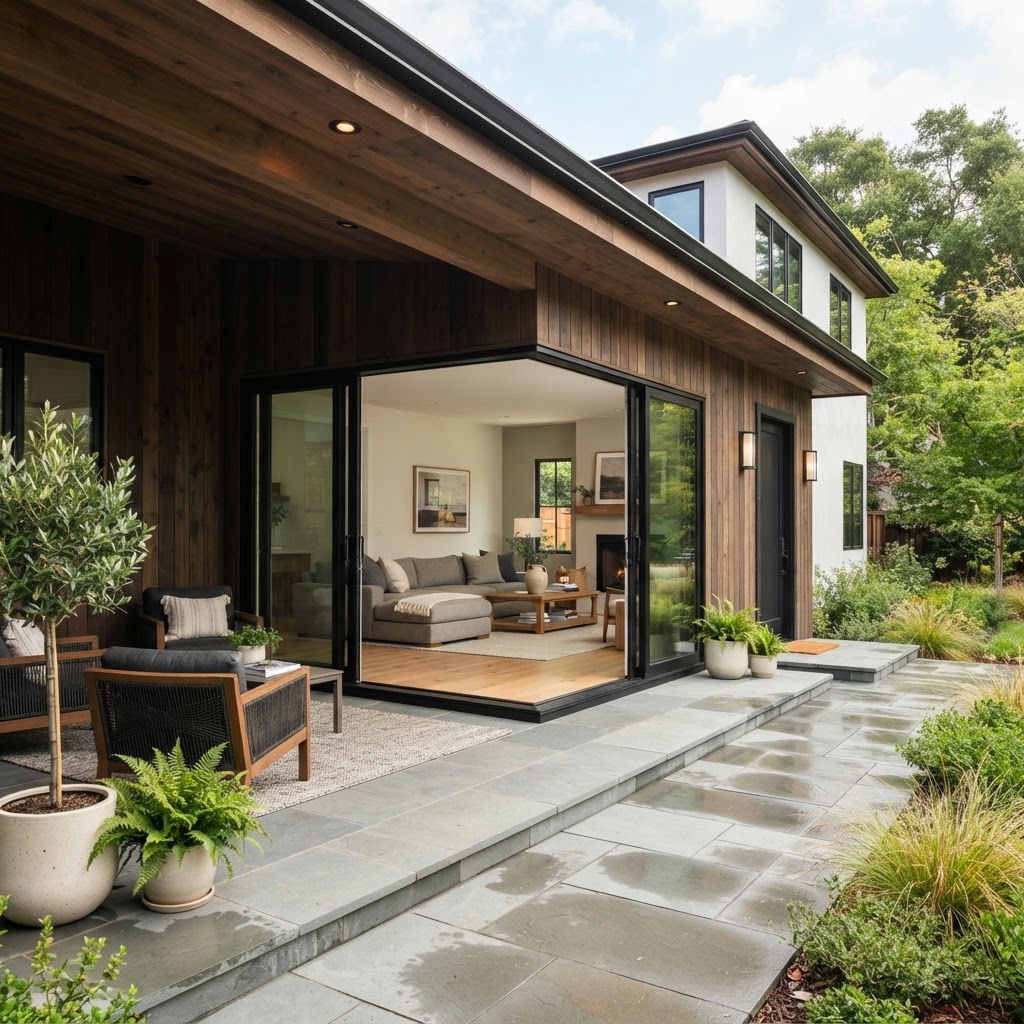
One of the biggest trends in residential architecture over the last fifteen years or so has been this push toward indoor-outdoor living. Folding glass walls, open-plan kitchens that spill onto patios, covered outdoor dining areas that feel like proper rooms. Most of that energy has gone toward the back of the house, which makes sense for privacy. But designers are now starting to bring that same thinking to the front, and the results are genuinely stunning.
The modern front porch is not your grandmother's covered stoop with a couple of rocking chairs, although honestly there is nothing wrong with that either. Today's versions are more considered. They are deeper, sometimes running the entire width of the house. They incorporate proper outdoor furniture, ceiling fans, pendant lighting, even outdoor rugs and side tables. The goal is to make the porch feel like a real room, one that just happens to have no fourth wall. When you nail that, you essentially add livable square footage to your home without technically enclosing it, which has both lifestyle and financial implications.
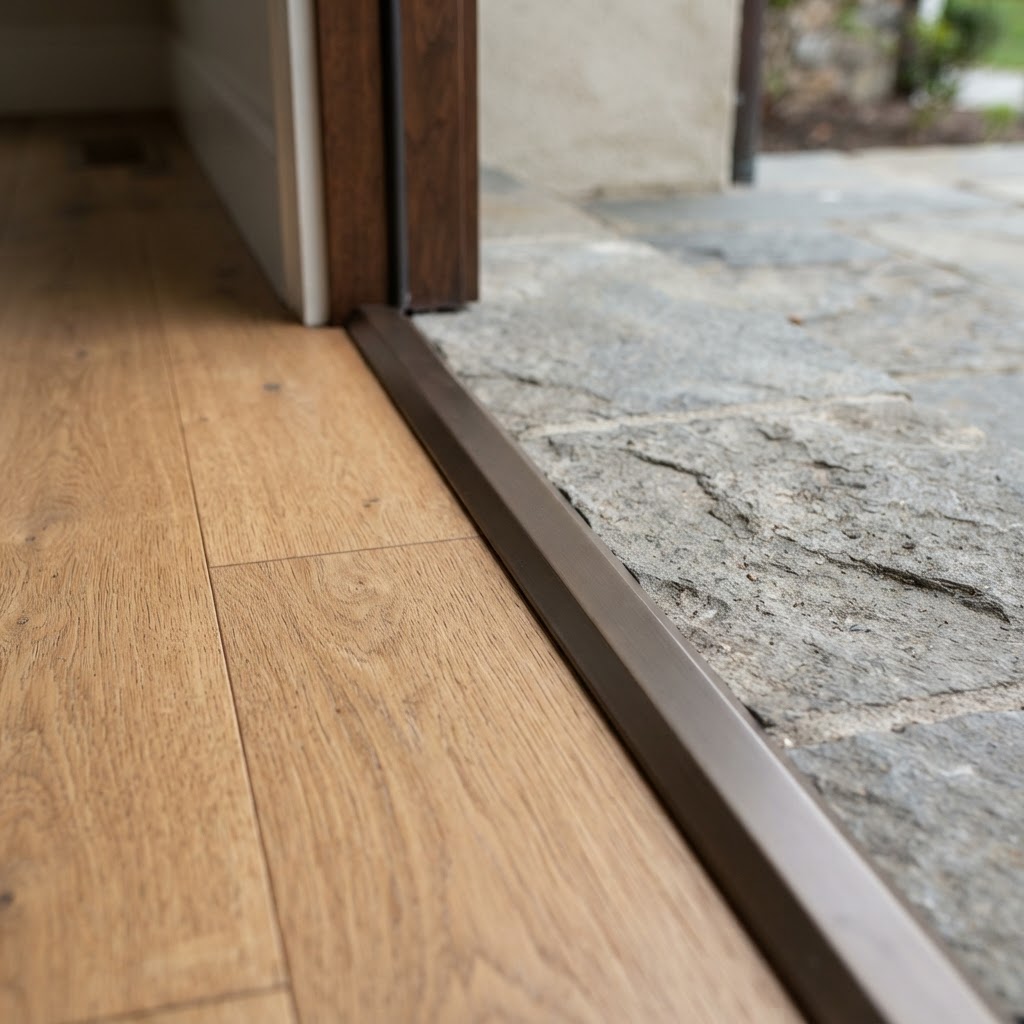
The material conversation here is really important and honestly underrated. The best indoor-outdoor porch transitions happen when the flooring inside and outside share a visual relationship. Stained concrete that flows from the entryway onto the porch deck. Wide-plank wood tones that echo each other on both sides of the threshold. Even the ceiling treatment matters. A beadboard porch ceiling painted in that classic haint blue is a nod to Southern tradition, but it also visually connects the porch to the sky and the interior in a way that feels intentional rather than slapped on.
Look, the homes that do this best are the ones where the architect thought about the porch from the very beginning rather than treating it as an afterthought. When the front door opens directly onto a generous covered porch, and the porch ceiling height relates to the interior ceiling height, and the whole composition is considered as one continuous experience, it just feels right. You cannot always put your finger on why, but you feel it immediately when you approach the house and again when you step inside.
There is also a biophilic design angle here that is worth mentioning. Research consistently shows that access to natural light, fresh air, and views of vegetation has measurable positive effects on mental health and productivity. A front porch that is genuinely usable gives you a daily dose of all three without requiring you to go anywhere. You sit, you breathe real air, you watch the light change. Simple stuff, profound impact.
Curating The Ultimate Curb Appeal
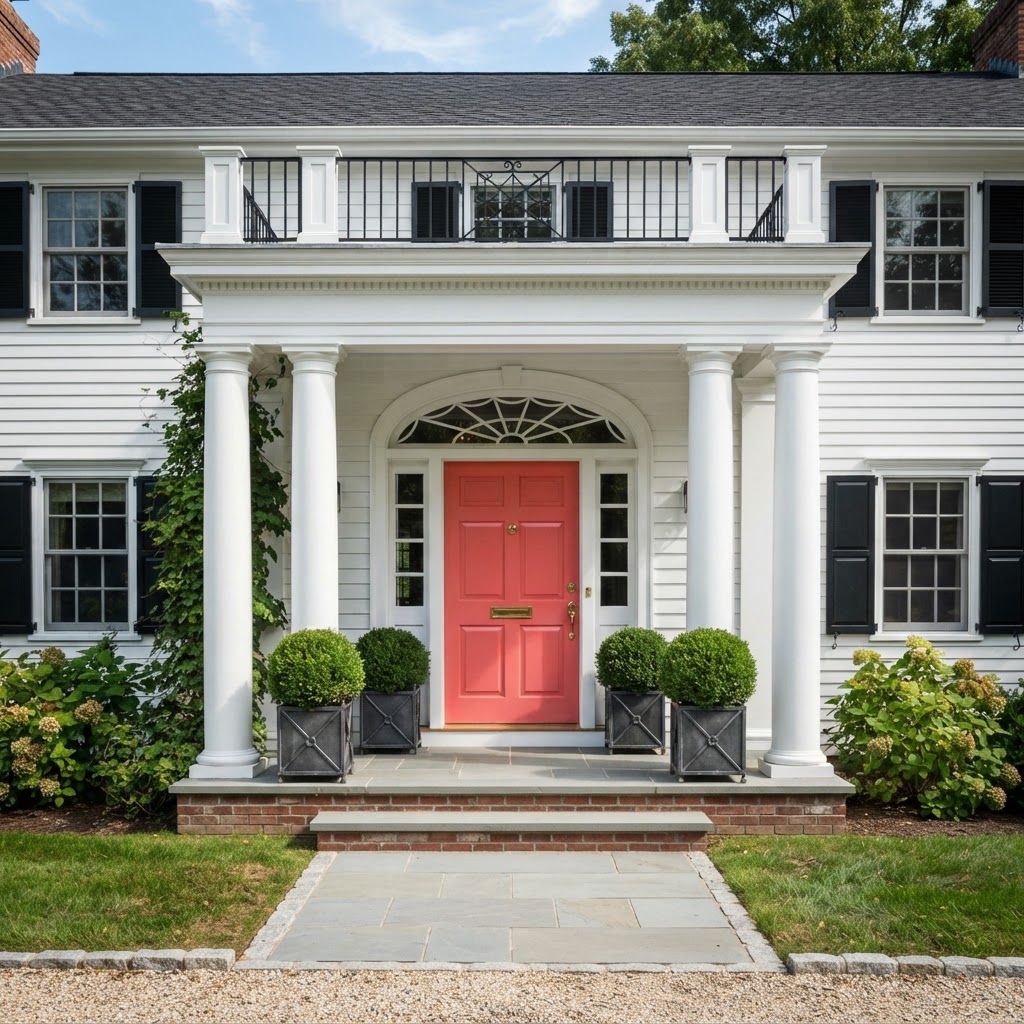
From a pure aesthetics standpoint, a front porch does more for curb appeal than almost any other single architectural element. It adds depth and shadow to a facade that might otherwise read as flat. It creates a covered entry that signals welcome. It gives the eye somewhere to land and linger. And when it is done well, it can transform a pretty ordinary house into something that feels genuinely special.
The proportions are everything. Trust me on this. A porch that is too shallow looks timid and is basically unusable, which is the worst of both worlds. You want at least eight feet of depth, and ten or twelve is better if the house can support it architecturally. The column sizing and spacing matter enormously too. Spindly columns on a substantial house look wrong. Chunky craftsman-style columns on a delicate Victorian look wrong in the other direction. Getting the scale right is where a good architect earns their fee.
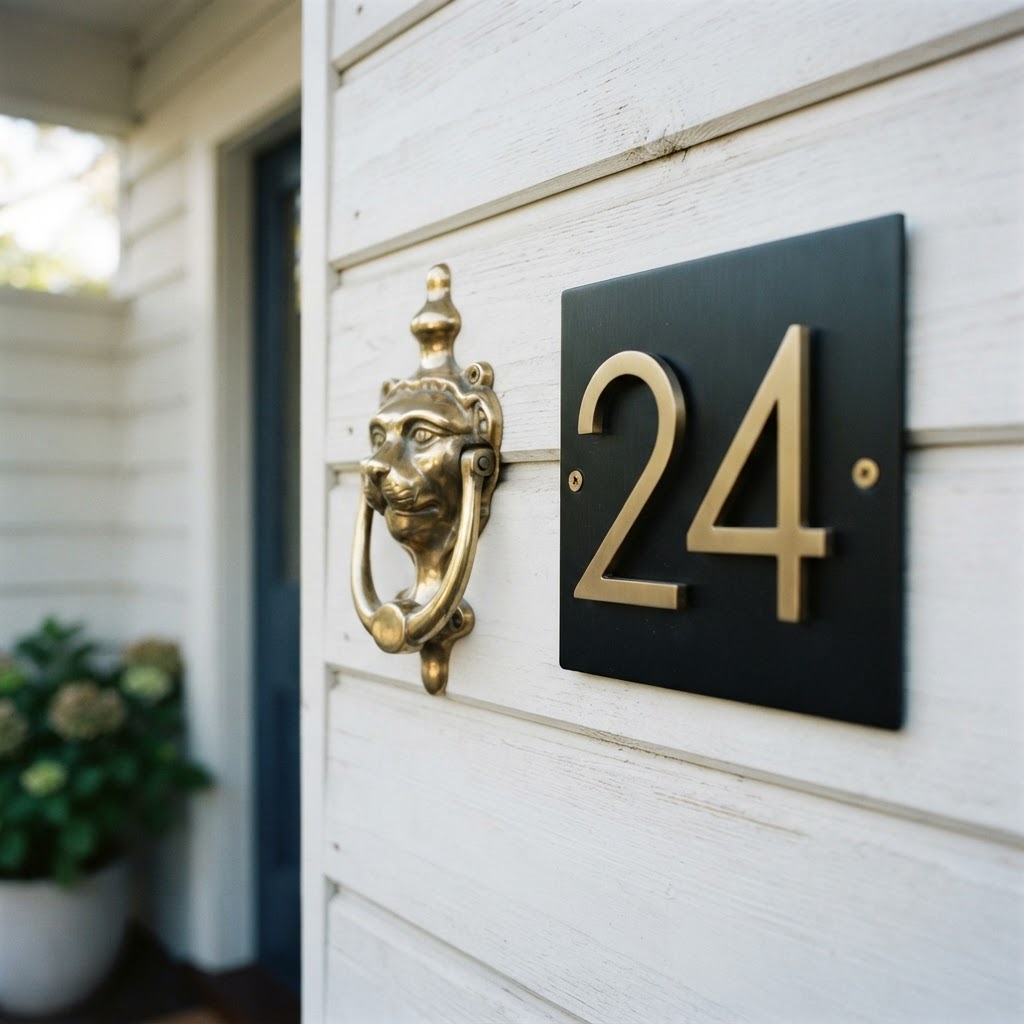
Color is another place where porches give you a huge opportunity to express the personality of the house. The ceiling color, the trim color, the floor color and the body color all interact in ways that can be incredibly sophisticated or kind of a mess depending on how you handle it. A lot of designers recommend treating the porch ceiling as a fifth elevation of the house, giving it as much thought as the four walls. That haint blue ceiling I mentioned earlier is popular for good reason. It photographs beautifully, it reads as sky from below, and it has a genuinely elegant quality that works across a surprising range of architectural styles.
And then there is the landscaping connection. A great porch does not exist in isolation. The path leading up to it, the planting beds on either side, the way the steps are proportioned and detailed, all of that contributes to the overall first impression. When you get the architecture and the landscape working together, the effect is layered and rich in a way that a flat facade with a two-foot stoop simply cannot achieve. Real estate agents will tell you this translates directly to perceived value, but honestly even if you never sell the house, it is just a much more satisfying thing to come home to every day.
Designed For Year Round Comfort
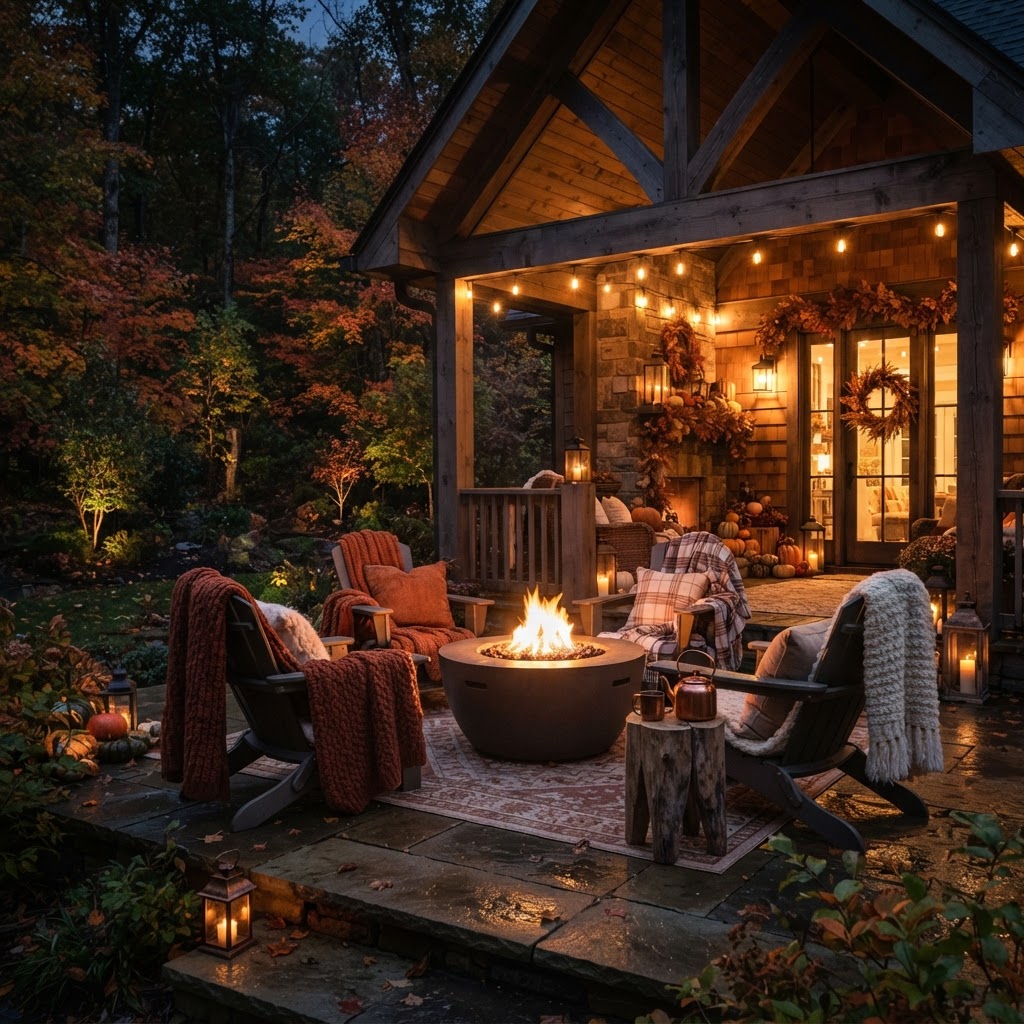
One of the objections I hear most often when people talk about adding a front porch is something like, "Sure, but I live in Minnesota" or "it rains nine months of the year here." And look, I get it. A porch that is only usable for six weeks in the fall is a tough sell. But here is the thing: modern porch design has gotten genuinely sophisticated about solving the climate problem, and the solutions available now make year-round comfort achievable in most regions.
Infrared heating panels have been a game changer. Unlike traditional patio heaters that warm the air around them, which then blows away the second there is any breeze, infrared heaters warm objects and people directly, the same way sunlight does. Mounted flush to the porch ceiling, they are barely visible and wildly effective. You can sit on a porch in December in a light jacket with one of these running overhead and be genuinely comfortable. Pair that with a ceiling fan running in reverse to push warm air down in winter, and you have a surprisingly functional outdoor room even in cold climates.
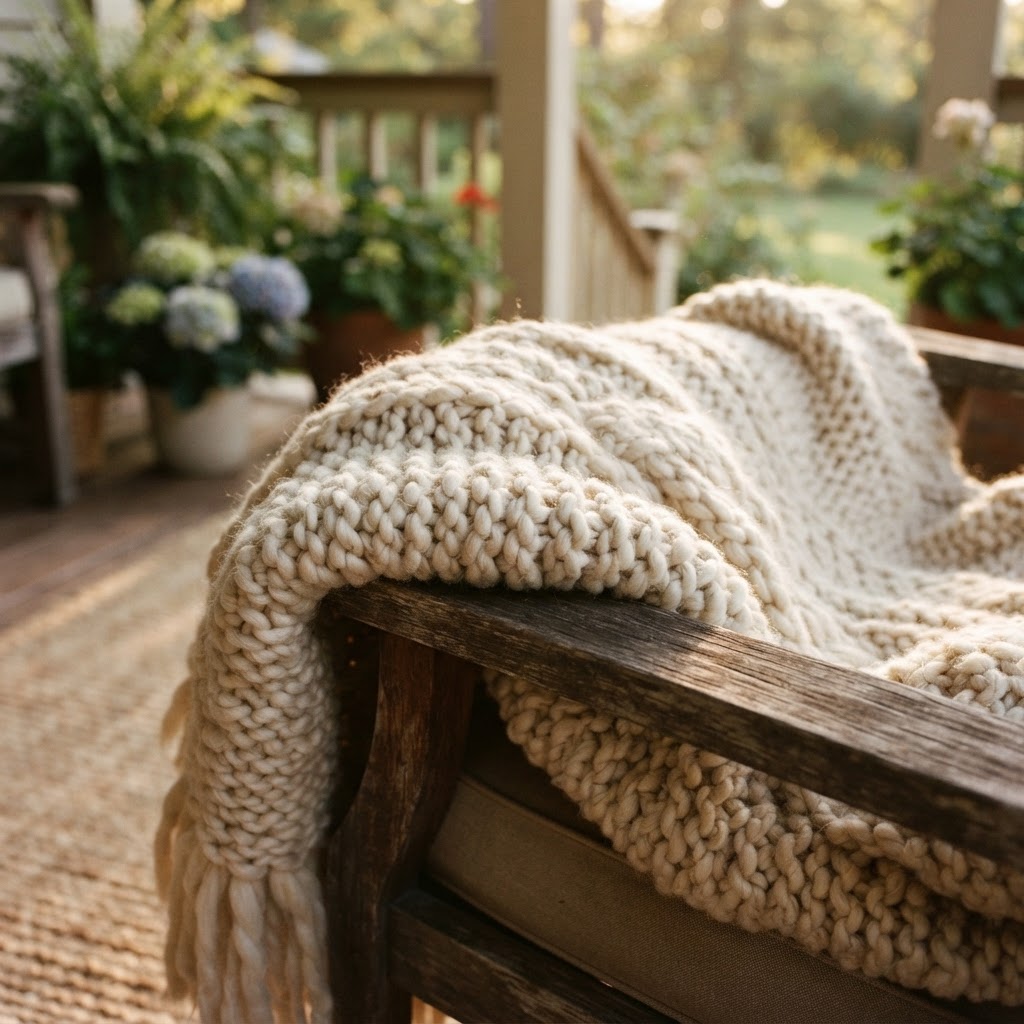
On the hot and humid end of the spectrum, screening is the answer and it has come a long way aesthetically. Retractable screen systems now allow porches to convert from fully open to fully screened in seconds, keeping bugs out without sacrificing the feeling of openness. Some systems use nearly invisible mesh that barely registers visually when deployed. Solar shades on the sunny exposures can dramatically reduce heat gain without blocking the view. And a well-designed deep overhang does a lot of passive work in keeping the summer sun off the porch floor and walls.
The materials you choose also play a huge role in how comfortable the space feels across seasons. Composite decking materials do not warp or splinter through freeze-thaw cycles the way natural wood can. Powder-coated aluminum furniture does not rust in humid climates. Outdoor-rated fabrics now come in textures and patterns that look genuinely indoor-quality, which means you do not have to sacrifice style for durability. The product landscape for outdoor living has honestly never been better, and it is making the case for investing in a proper porch much easier to make.
And here is a thought that I find genuinely compelling from an environmental standpoint. A well-designed front porch that shades the home's south or west-facing windows can meaningfully reduce cooling loads in summer. The roof overhang blocks high-angle summer sun while letting lower-angle winter sun in. This is passive solar design 101, and the porch is one of the most elegant ways to implement it on a residential scale. You are not just adding a nice place to sit. You are potentially making the whole house more energy efficient.
Final Thoughts
The front porch is not some nostalgic relic we are dragging back out of sentiment. It is a genuinely smart piece of architecture that solves real problems, connecting us to our neighbors, extending our living space, improving curb appeal, and making our homes more comfortable and efficient across seasons. The fact that we largely abandoned it for a few decades of car-centric, garage-dominated suburban development says more about the priorities of that era than it does about the porch itself.
We are clearly in a different moment now. People want community. They want to be outside more. They want their homes to feel like considered, intentional spaces rather than boxes to park in at the end of the day. The front porch delivers on all of that, and the architects and designers who are championing its return are onto something real. If you are building a home or renovating one, do yourself a favor and take the porch seriously from the very beginning. You will not regret it.
More in Residential
Stay Inspired
Subscribe for new essays on architecture, design, and the spaces that shape us.