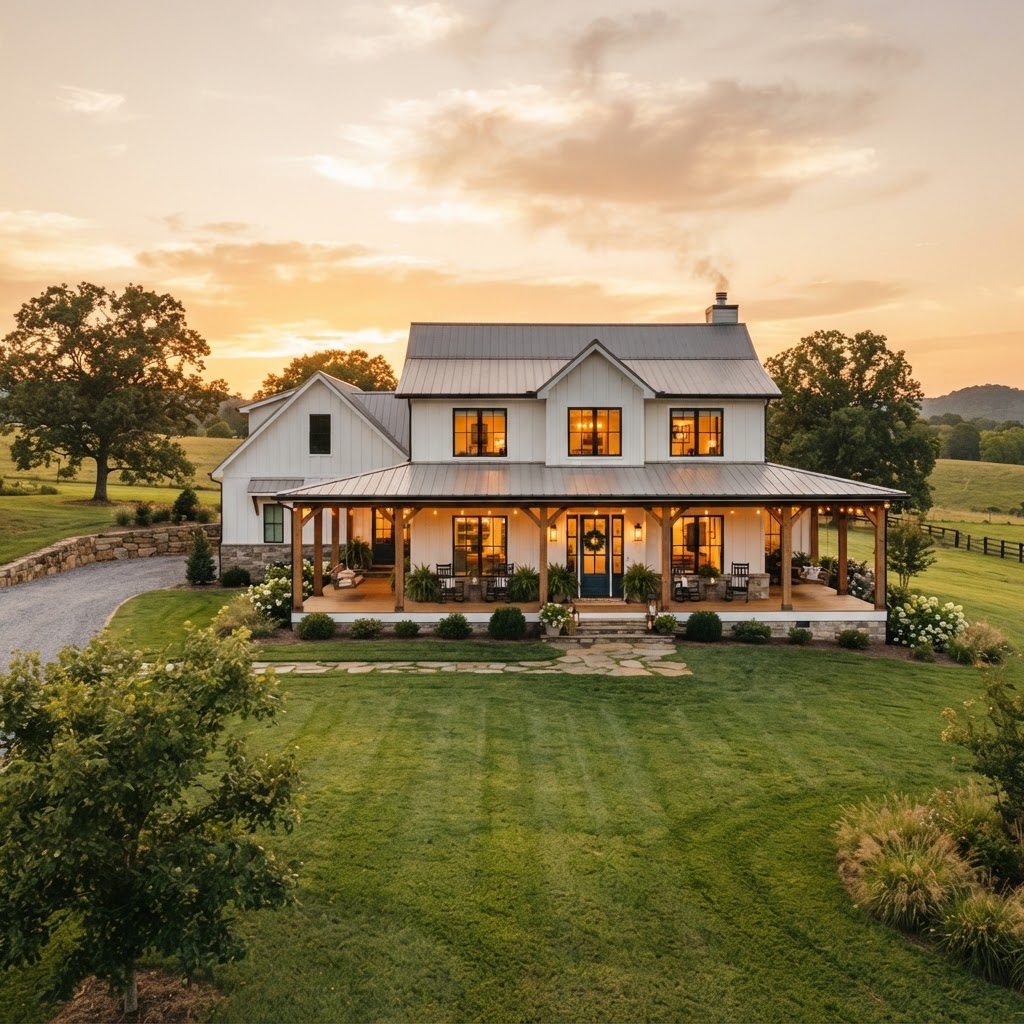
The Comeback of the Front Porch: Why Modern Homes are Returning to Their Roots
Front porches are finally making a stylish return to modern architecture. Discover how this classic feature is fostering community and connection in contemporary neighborhood design.
The Social Shift: Why We Crave Porch Living Again
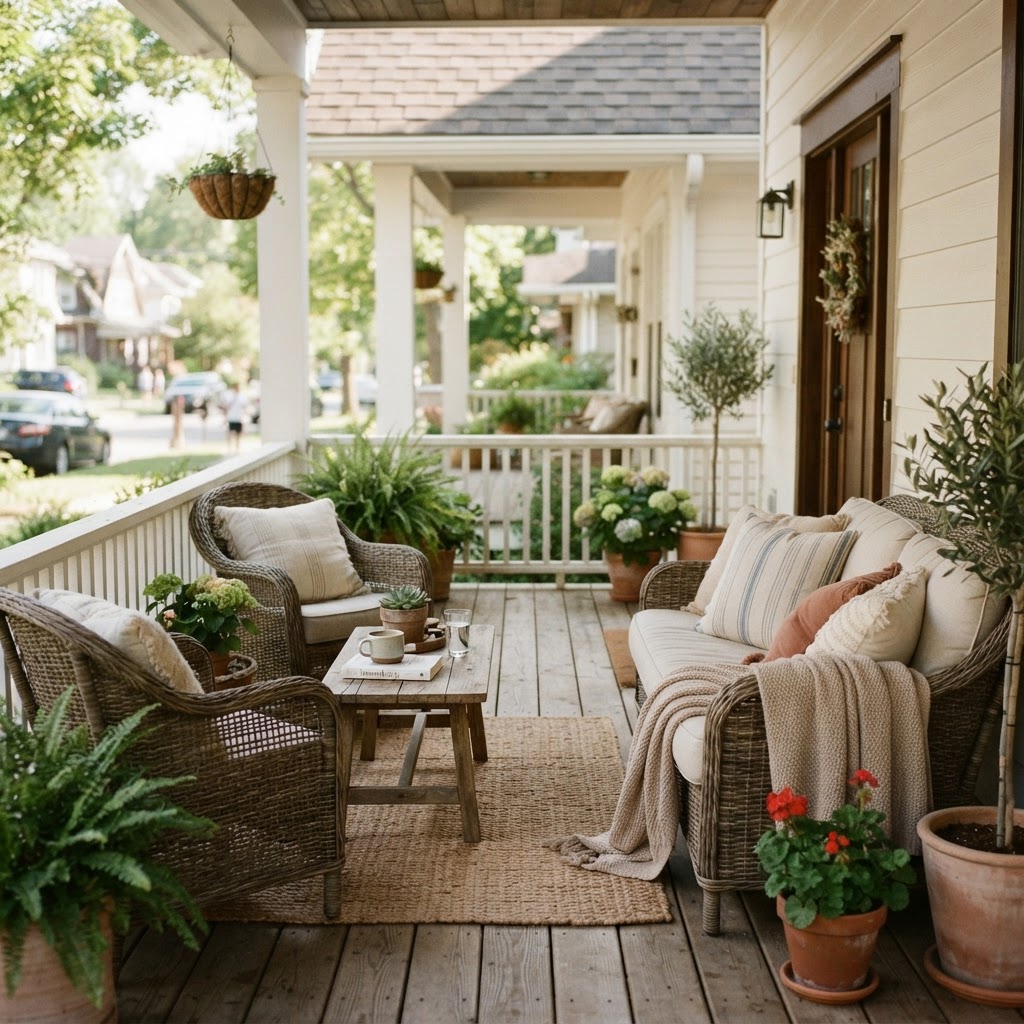
Honestly, the disappearance of the front porch from American homes over the last half century was one of the quietest architectural tragedies we never really noticed until it was gone. We traded those wide, welcoming verandas for attached garages and backyard privacy fences, and somewhere along the way we stopped knowing our neighbors' names. Now, people are waking up to what that cost us socially, and architects and homeowners alike are pushing back.
Here's the thing about porches: they were never just about aesthetics. They were the original "third place," that space between your private home life and the full public world outside. You could sit on your porch and be both in and out at the same time. You could wave to someone walking by, invite a neighbor to sit for a minute, or just exist in your neighborhood without fully committing to a social interaction. That low-pressure, in-between energy is something we've been starving for, especially after years of increasingly isolated, screen-heavy living.
The pandemic made a lot of people realize how desperately they missed that kind of casual, spontaneous community connection. Suddenly everyone was sitting on their stoops and front steps because that was one of the few ways you could be near other humans without violating any rules. And what happened? People started actually talking to their neighbors again. Real talk, a lot of folks met their neighbors properly for the first time in years during those months. That experience planted a seed.

Now new urbanist planners and residential architects are responding to this hunger for connection by bringing porches back, not as a nostalgic gesture, but as a deliberate social design strategy. Communities built with front porches, shorter setbacks, and sidewalk-facing seating consistently report higher levels of social cohesion. There's actual research behind this, not just warm fuzzy feelings. Studies from places like the University of Virginia have found measurable differences in neighbor interaction rates between porch-equipped homes and those without them.
And it goes deeper than sociology. There's something psychological about having a defined transition space between your inner world and the outer one. The porch gives you permission to be present in your neighborhood without being fully "on." It's a decompression zone. You can process your day in the open air, watch the light change, hear kids playing down the street. That kind of grounded, sensory experience is increasingly rare, and honestly, we need it more than we probably know.
Architectural Harmony: Modern Materials Meet Tradition
Look, one of the biggest reasons porches fell out of fashion wasn't just cultural, it was practical. Traditional wood porches require serious maintenance. They rot, they warp, they need repainting every few years, and in humid climates they can become a genuine headache. When mid-century modernism swept through residential design with its emphasis on clean lines and low maintenance, the porch felt like a liability. But here's where modern architecture has quietly gotten very good: materials science has completely changed the game.
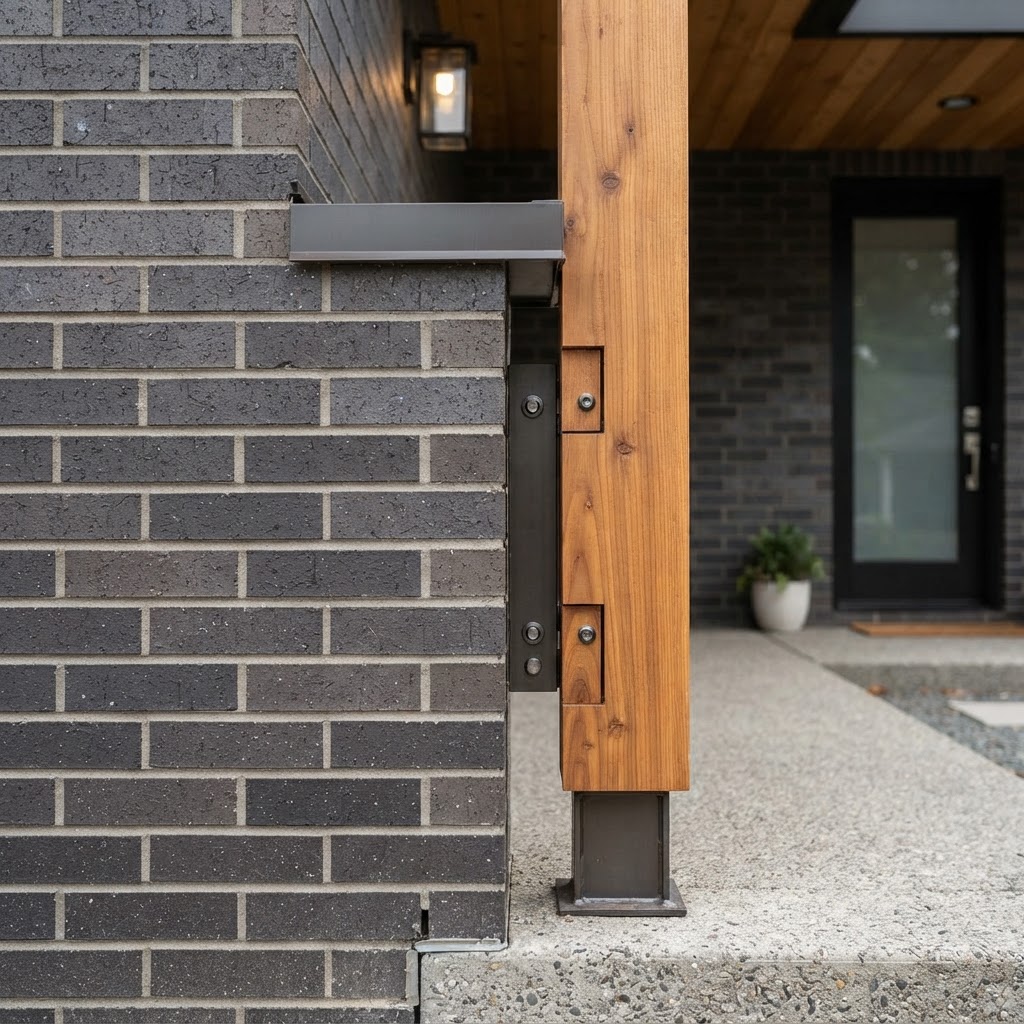
Today's composite decking materials, like Trex or Fiberon, can replicate the warm look of wood grain without any of the maintenance nightmares. Powder-coated aluminum columns can stand in for traditional painted wood posts while offering decades of durability. Fiber cement siding around porch areas resists moisture and insects in ways that old-growth lumber never could. And the aesthetic gap between these modern materials and their traditional counterparts has narrowed dramatically over the past decade. A well-specified composite porch today is genuinely hard to distinguish from a beautifully maintained wooden one at a conversational distance.
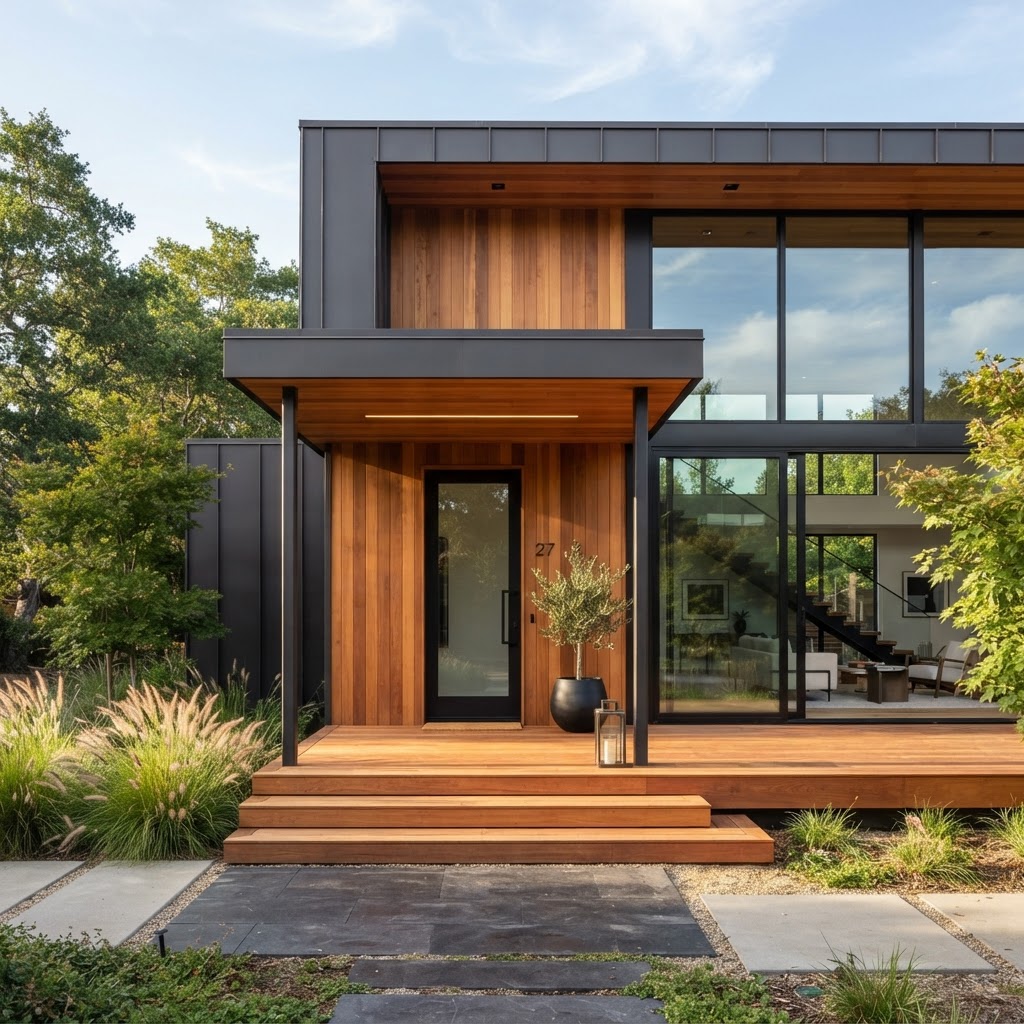
What's even more interesting is how contemporary architects are using the porch form to bridge stylistic gaps between older neighborhood fabric and new construction. In historic districts where new builds need to respond to existing context, a well-proportioned front porch is one of the most effective tools available. It signals respect for the neighborhood's character without demanding a slavish historical reproduction. You can have a thoroughly modern home, with flat rooflines and large glazed openings, and still anchor it to its street with a porch that reads as genuinely neighborly.
The structural language matters here too. Proportion is everything with a porch. A porch that's too shallow, say less than six feet deep, becomes basically useless for actual sitting. One that's too tall relative to the home's facade feels imposing and weird. The sweet spot for most residential scales is a porch between eight and twelve feet deep, with columns sized proportionally to the overall facade width. Architects who get this right create something that feels both fresh and deeply familiar, which is honestly one of the hardest balancing acts in residential design.
There's also a growing conversation about integrating sustainable design strategies into porch architecture. Deep overhangs, which are a defining feature of traditional porch design anyway, can dramatically reduce solar heat gain through front-facing windows. A well-oriented porch on a south or west-facing facade can function almost like a passive cooling device in warm climates, cutting down on air conditioning loads in a meaningful way. So the porch isn't just socially responsible design, it can be environmentally responsible too.
Designing the Perfect Porch Entryway
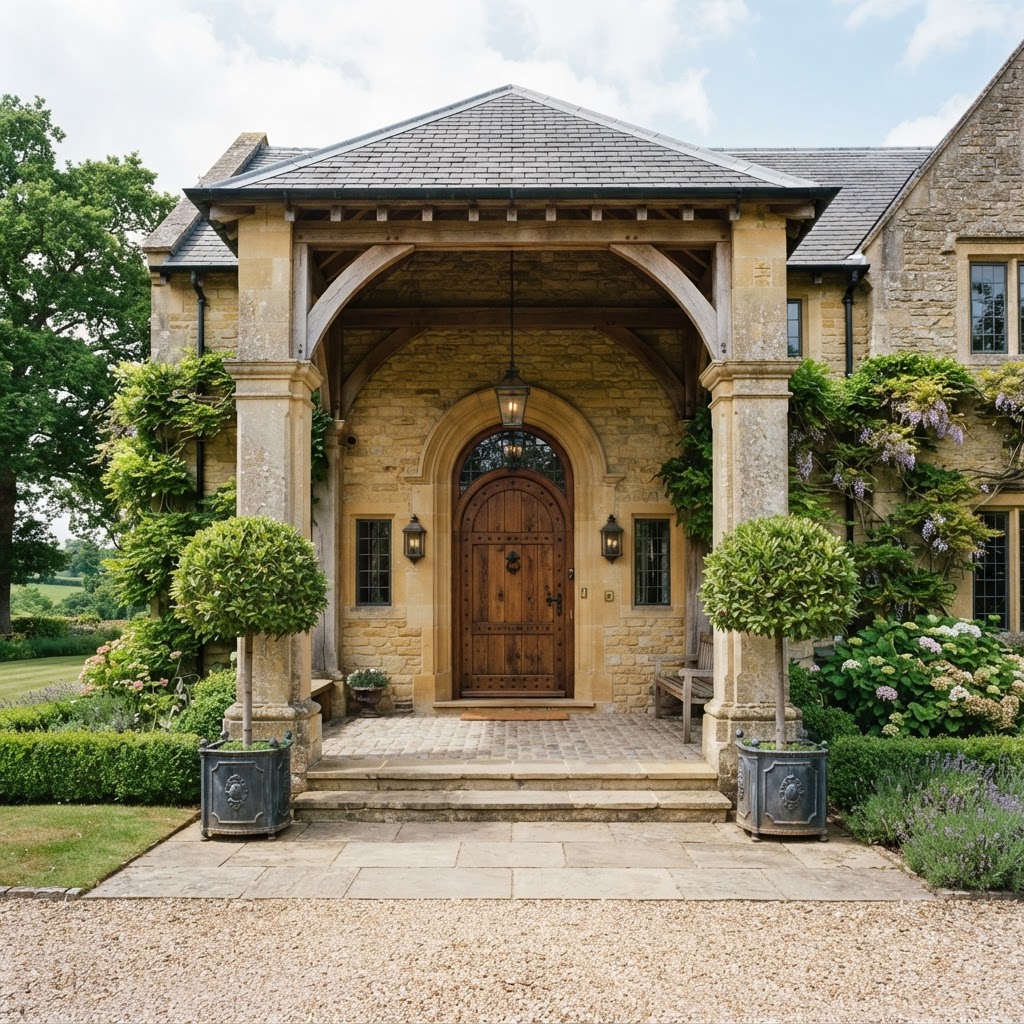
The entryway portion of your porch, the bit immediately surrounding your front door, deserves a level of design attention that most people completely underestimate. Trust me on this: the entry sequence of a home is one of the most psychologically loaded design moments in the whole building. It's where first impressions happen, where guests shift from public to private headspace, and where you yourself transition from the outside world back to your sanctuary. Getting it right is worth every ounce of effort.
Start with the door itself. A front door that's visible and celebrated from the street, rather than buried under an overhang or tucked awkwardly to one side, signals a confident, welcoming home. The door should be in proportion to the porch opening. An undersized door in a large porch opening looks apologetic. A well-scaled door, ideally with sidelights or a transom if proportions allow, creates a sense of arrival that feels genuinely special. Color is your friend here too. A bold front door color is one of the easiest, highest-impact design moves you can make, and the porch frame around it only amplifies the effect.
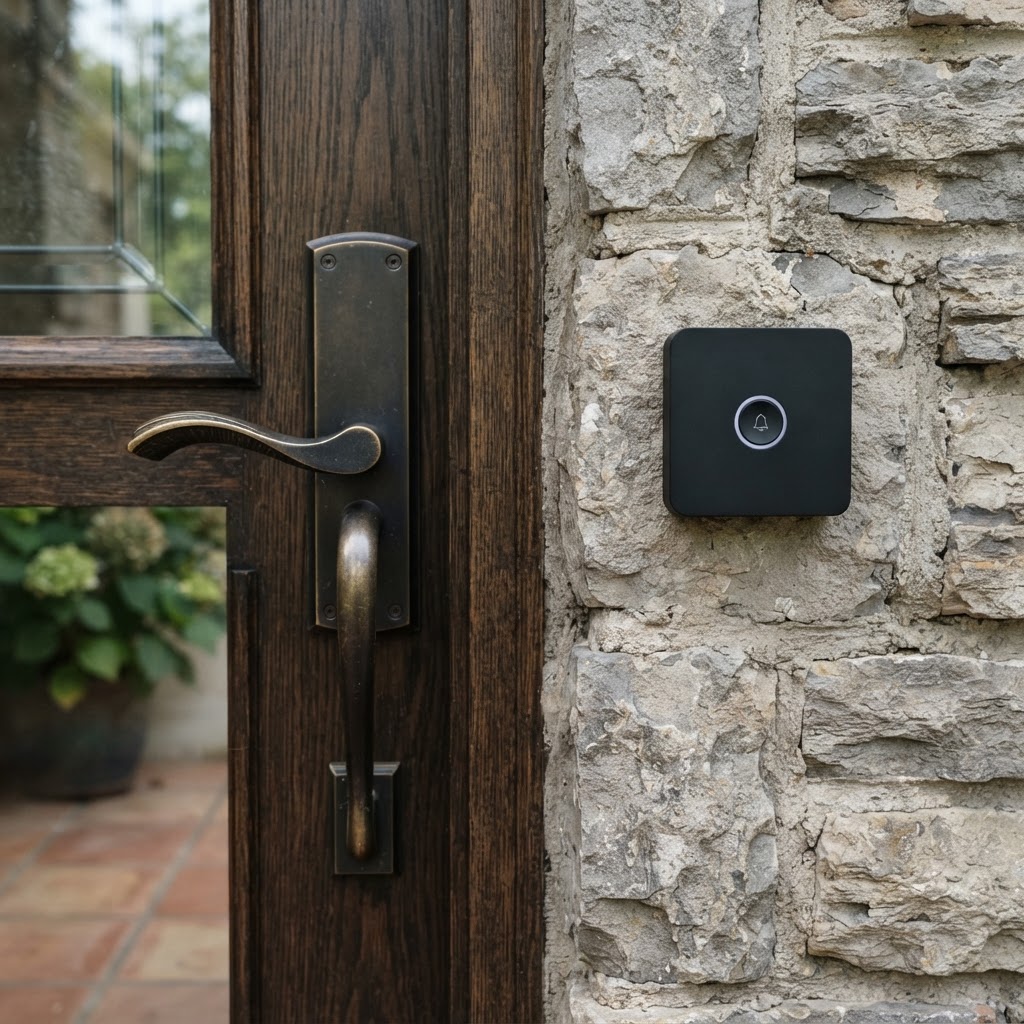
Lighting is the next layer and it's criminally overlooked. Most porch lighting is a single overhead fixture that produces flat, institutional-feeling illumination. The better approach layers multiple sources: a primary overhead lantern for ambient light, wall-mounted sconces flanking the door for warmth and symmetry, and potentially some low-level path lighting leading up to the steps. This layered approach makes your porch look incredible at night and, practically speaking, makes navigating the space much safer for guests arriving after dark.
Then there's the floor plane. The porch floor is essentially your first interior floor, and it deserves the same consideration. Painted wood in a classic porch grey or soft sage reads as timeless. Natural stone or large-format porcelain tile can push the entry into more contemporary territory. Whatever you choose, make sure the transition from the porch floor to the interior flooring is handled thoughtfully, either with a clear material break at the threshold or a deliberate continuation that blurs the inside-outside boundary. Plants, a decent doormat, and a bench or pair of chairs near the entry round out the picture. The goal is to make the porch entryway feel like it's already part of the home, not just a landing pad before the real stuff begins.
From Curb Appeal to Functional Living Space
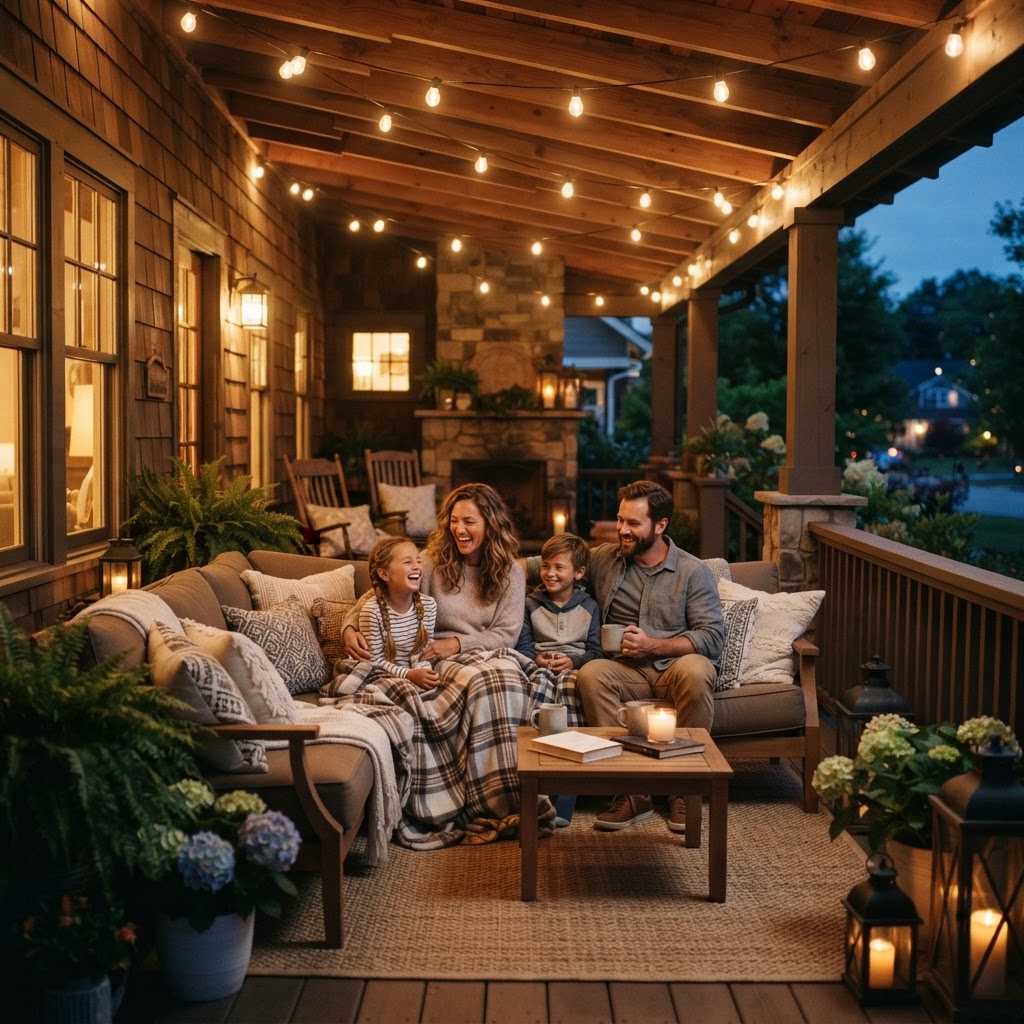
Here's where a lot of people get it wrong: they design a porch for how it looks from the street and then basically ignore how it actually works as a space. A porch that's just eye candy with nowhere comfortable to sit is like a kitchen with beautiful cabinets and no counter space. It looks great in photos and drives you crazy in real life. The best porches are genuinely livable, and that requires thinking about them the same way you'd think about any interior room.
Furniture selection is where the transformation from decorative feature to functional space really happens. You want pieces that are scaled for the depth of the porch, comfortable enough that people actually want to linger, and durable enough to handle weather exposure without constant fussing. All-weather wicker with high-density cushions, teak or eucalyptus wood furniture treated with the right sealers, powder-coated steel frames with UV-resistant fabric. These are the materials that hold up. A rocking chair or two is practically obligatory in certain regional contexts, but swinging benches, deep sectionals, and even dining sets all have their place depending on porch size and household priorities.
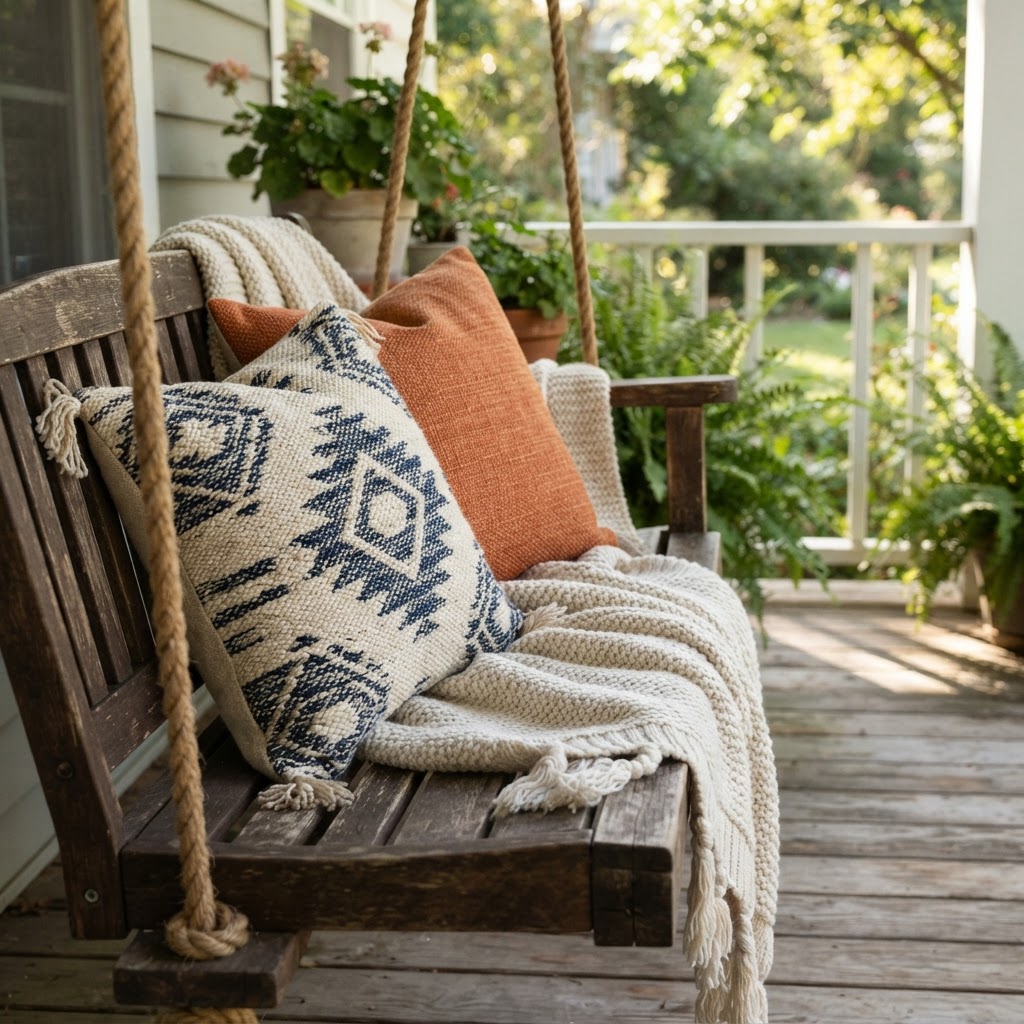
Privacy is a real consideration when your living space is facing the street. Honest porch design doesn't pretend this tension doesn't exist. Lattice screens, strategically placed tall planters, climbing vines on trellises, sheer outdoor curtains on tension rods, all of these tools can create a sense of enclosure and intimacy without fully closing off the porch from the street. The goal is selective permeability: you want to be able to see and be part of the neighborhood while still feeling like you have your own space. It's a balance, and getting it right usually takes some experimentation.
Functional porches also need infrastructure that most people don't think about until it's too late. Electrical outlets for fans, string lights, or phone charging. A ceiling fan, which is genuinely one of the best investments you can make for porch comfort in anything other than a cold climate. Good drainage so rainwater doesn't pool. And if you're in a region with serious bug pressure, consider ceiling-mounted screens or a screening system that can be deployed seasonally. These aren't glamorous details, but they're what separates a porch you actually use from one you just look at.
Small Spaces and Big Porch Energy
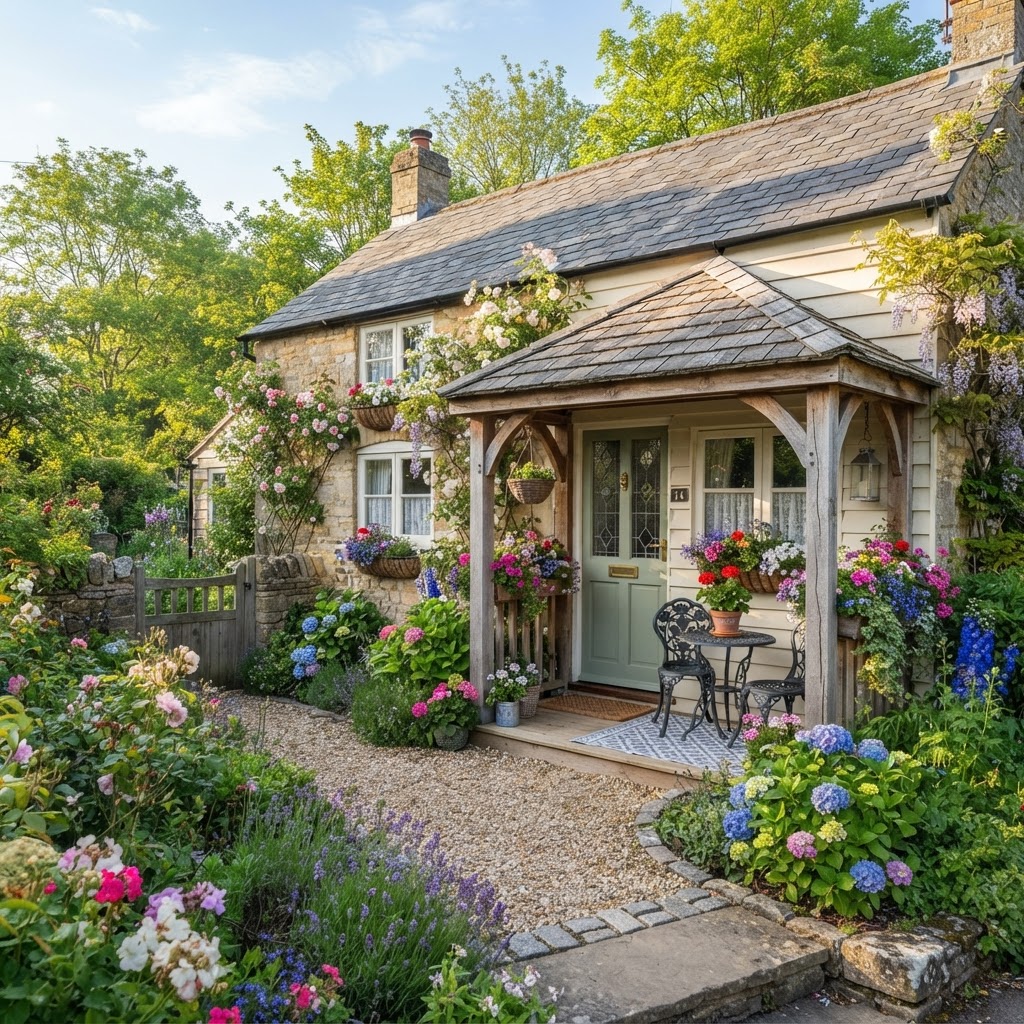
Real talk: not everyone has the space for a sprawling wraparound porch, and that's completely fine. Some of the most charming and well-designed front porches I've ever seen are genuinely tiny, barely more than an extended stoop with a roof over it. The secret is working with what you have and being very intentional about every single element rather than trying to cram in too much.
In a small porch situation, scale is your most important tool. Oversized furniture in a small porch makes the whole thing feel cluttered and cramped. Instead, look for bistro-scaled chairs, folding stools that can tuck away when not in use, or a narrow bench against the wall. A single well-chosen hanging plant can do more for the atmosphere than a dozen mismatched pots crowding the floor. Restraint is the design principle that separates a small porch that feels cozy from one that feels chaotic.
Vertical space becomes incredibly valuable when horizontal space is limited. A trellis mounted to the porch wall with a climbing plant trained up it adds greenery and visual interest without stealing any floor area. Wall-mounted hooks for a swing chair, brackets for window boxes, a simple string of lights overhead, these vertical moves add enormous character for minimal footprint cost. The walls and ceiling of your porch are design surfaces, not just structural necessities, and in a small porch they matter even more than they do in a larger one.
Color and material choices also punch above their weight in compact porch spaces. A brightly painted porch ceiling, traditionally done in "haint blue" in Southern American vernacular architecture, adds depth and visual intrigue that makes the space feel larger. A patterned floor tile in a small area creates a rug-like effect that defines the space as a room rather than just a transitional zone. And again, one bold front door color can do more for the overall impression of a modest porch than any amount of furniture or decoration. Sometimes the smartest design move is knowing where to put your energy.
- Choose furniture scaled to your actual porch depth, not the depth you wish you had.
- Use vertical surfaces aggressively: trellises, wall hooks, hanging plants, and mounted lighting all free up floor space.
- Limit your plant count but choose statement specimens rather than lots of small forgettable ones.
- Paint your porch ceiling a color, even a soft one, to add perceived depth and visual warmth.
- Let your front door do the heavy lifting when there's not much room for anything else.
The point is that porch energy isn't about square footage. It's about intention. A tiny porch that's been thoughtfully designed, where every element has been chosen with care and nothing is there by accident, can feel more welcoming and more alive than a massive porch that's been thrown together without a clear vision. Size gives you options. Design gives you character. And honestly, character wins every time.
Final Thoughts
The front porch is back, and I genuinely think it's back for the right reasons. It's not nostalgia for its own sake. It's a recognition that the way we designed homes for the last fifty years optimized for privacy and convenience at the expense of connection and community, and that the cost of that trade-off turned out to be higher than anyone anticipated.
Whether you're building new, renovating an existing home, or just trying to make the most of a modest covered stoop, the principles are the same: design for actual use, think carefully about how the space connects you to your neighborhood, get the proportions right, and don't underestimate the power of small details done well. A good front porch doesn't have to be grand. It just has to be genuinely there, ready for whatever spontaneous conversation or quiet morning coffee the day decides to bring. And right now, honestly, that feels like exactly what we need.
More in Residential
Stay Inspired
Subscribe for new essays on architecture, design, and the spaces that shape us.