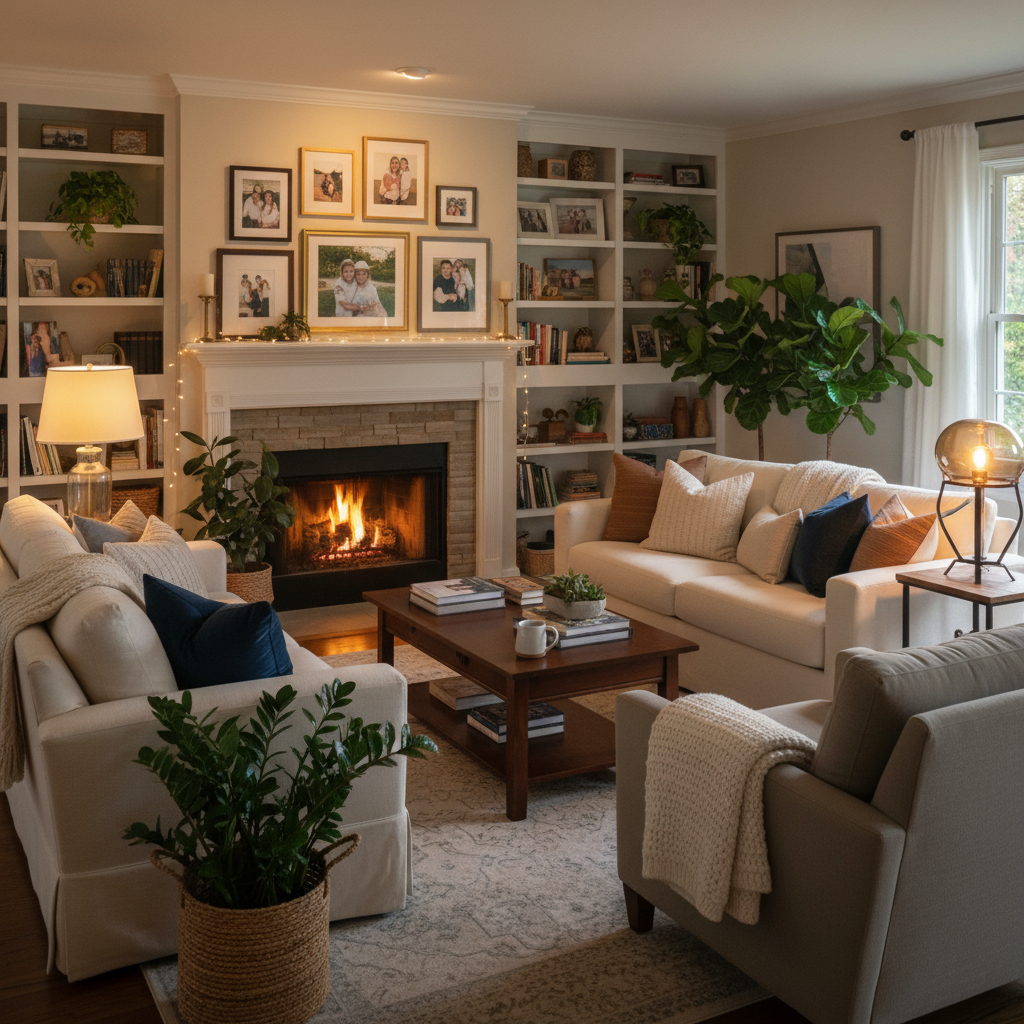
Transforming Spaces: What Truly Makes a House Feel Like a Home
Have you ever walked into a house and instantly felt at home? It's not just about the structure; it's about the details that connect us to the space. In this post, we explore the elements that create warmth and personality in your living spaces.
Personal Touches: The Heart of Home
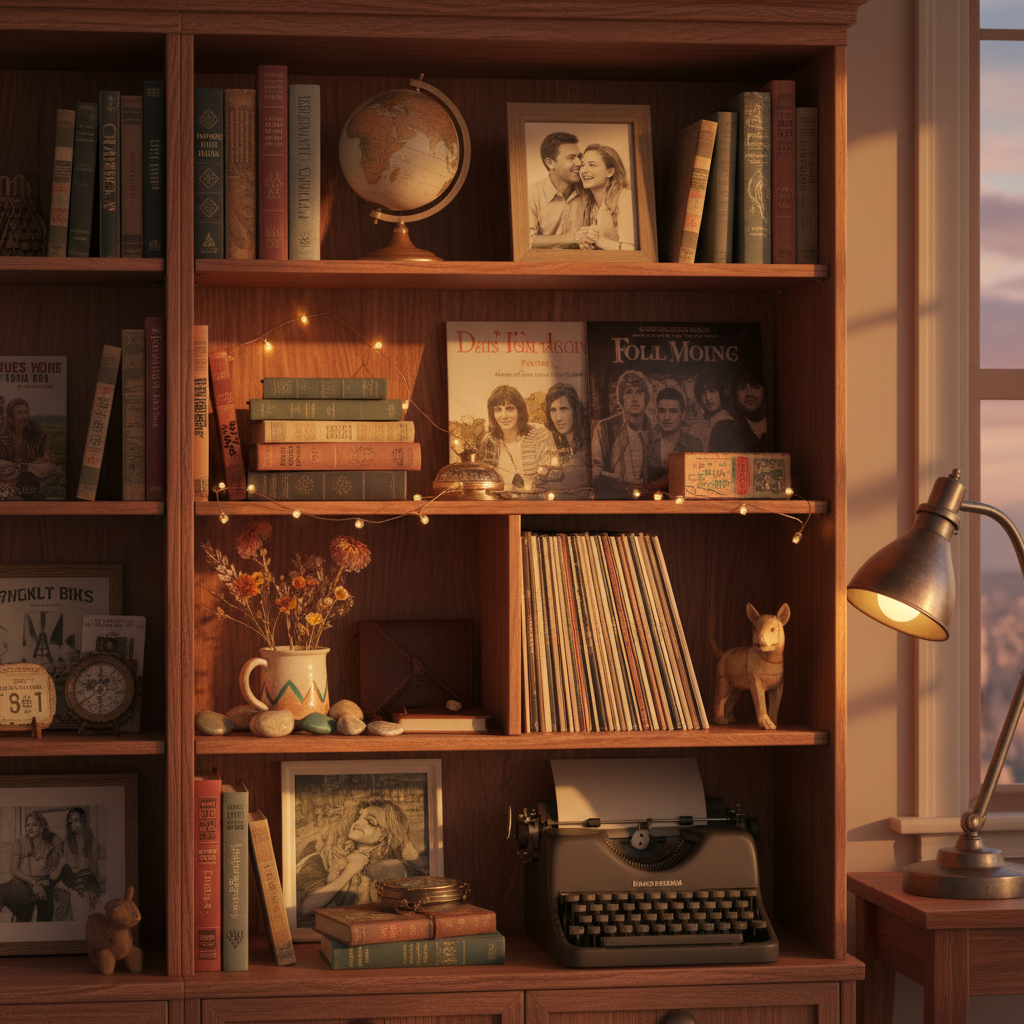
Honestly, this is where so many people get it wrong. They spend a fortune on perfectly curated furniture, follow every trend on Pinterest, and then walk into their finished space and feel absolutely nothing. The room looks great in photos, sure, but it doesn't feel like theirs. And that gap, that hollow feeling between beautiful and belonging, is almost always because personal touches got sacrificed on the altar of aesthetic perfection.
Here's the thing about personal touches: they don't have to be loud or obvious. They don't mean cramming every surface with family photos or displaying every souvenir from every trip you've ever taken. It's more subtle than that. It's the worn leather journal sitting on the coffee table. It's the slightly imperfect pottery bowl you made at a weekend class that you actually love more than anything from a store. It's the vintage lamp you found at an estate sale that doesn't quite match anything but somehow makes the whole room feel real.
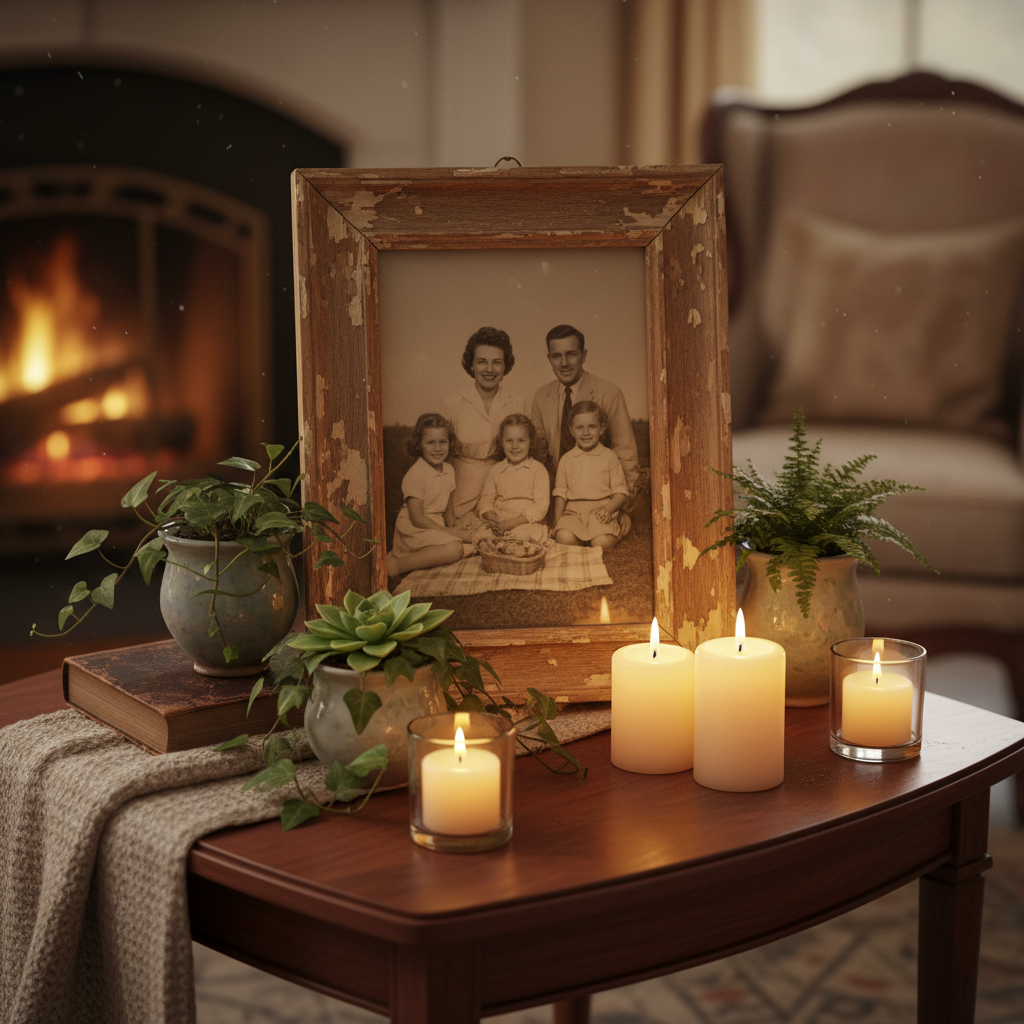
Real talk: the best homes I've ever stepped into have always had this quality of layering. The owners didn't decorate all at once. Things accumulated over years. A print bought at a local gallery, a throw blanket inherited from a grandmother, a bookshelf that's genuinely been read. There's a lived-in quality that no stylist can fake and no amount of budget can manufacture instantly.
So if you're starting fresh in a new space, my honest advice is this: don't rush it. Leave some walls bare for a while. Let the room tell you what it needs. Buy things that mean something to you rather than things that are just on-trend. Over time, those choices stack up into something genuinely irreplaceable, a space that is unmistakably, completely yours.
The Power of Color: Building Emotional Connections
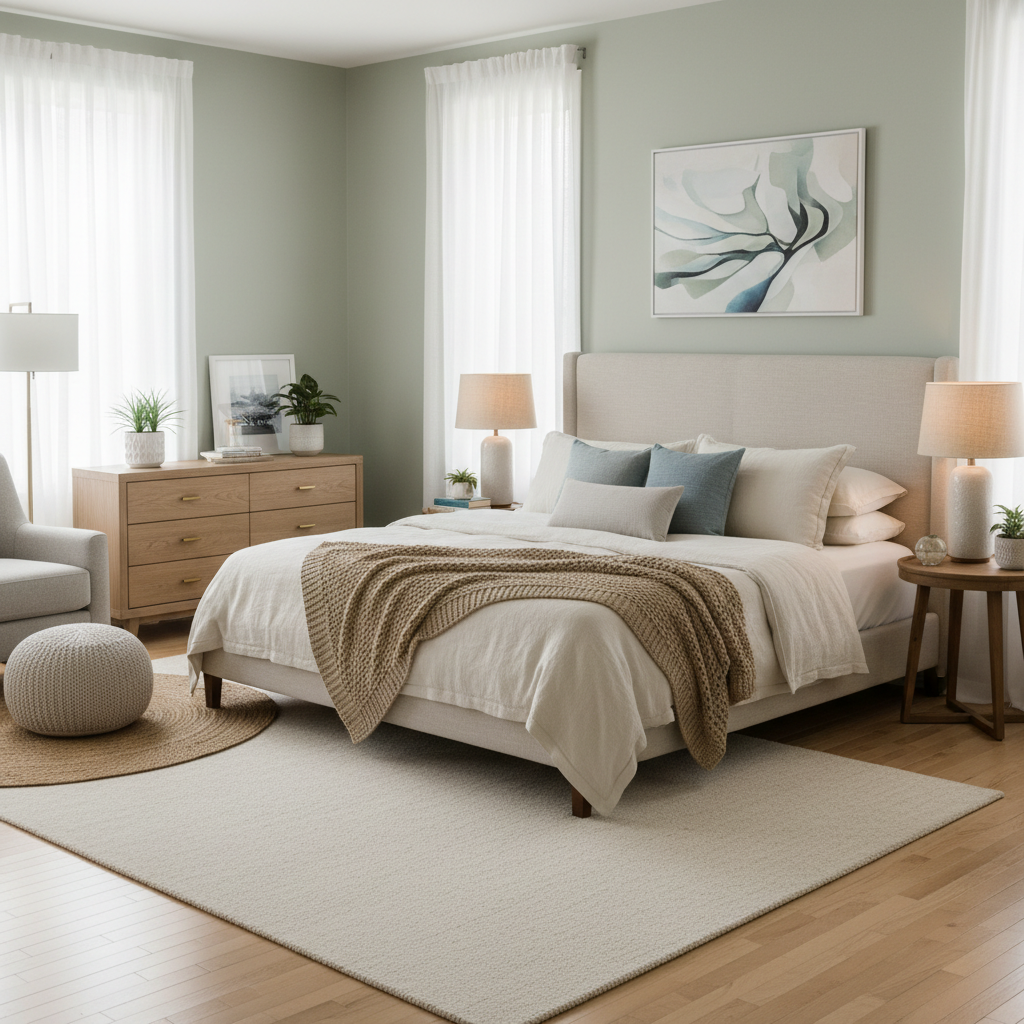
Look, color is one of those things where people either overthink it completely or don't think about it nearly enough. I've seen both ends of the spectrum. Someone spends three months agonizing over the perfect shade of greige, and someone else just grabs whatever was on sale and wonders why their living room always feels slightly off. The truth is somewhere in between, and once you understand how color actually works on your nervous system, everything starts to make more sense.
Color affects mood in ways that are both deeply personal and surprisingly universal. Warm tones, think terracotta, amber, deep rust, have this grounding, enveloping quality. They make you want to slow down, pour a glass of wine, sink into a couch. Cool blues and greens do something entirely different. They introduce calm and clarity, which is why they work so beautifully in bedrooms and home offices. The mistake most people make is applying these rules too rigidly without accounting for the specific light in their specific room at specific times of day.

And honestly, don't sleep on the power of contrast. An all-white room can feel serene or sterile depending on what else is happening in it. One deeply saturated accent wall in a room full of neutrals can be the thing that pulls everything together and gives the space a sense of intention. Color doesn't have to dominate a room to transform it. Sometimes a single well-chosen shade on a built-in bookcase or a kitchen island does more emotional work than repainting four walls.
My personal take? Start with how you want to feel in the room. Not what looks good in magazine photos, not what your neighbor did, but what emotional state you're actually trying to create. Are you chasing warmth and intimacy? Airy lightness? Something dramatic and a little moody? Let that answer guide your palette, and trust your gut more than any color theory chart.
Functional Comfort: Balancing Design and Practicality
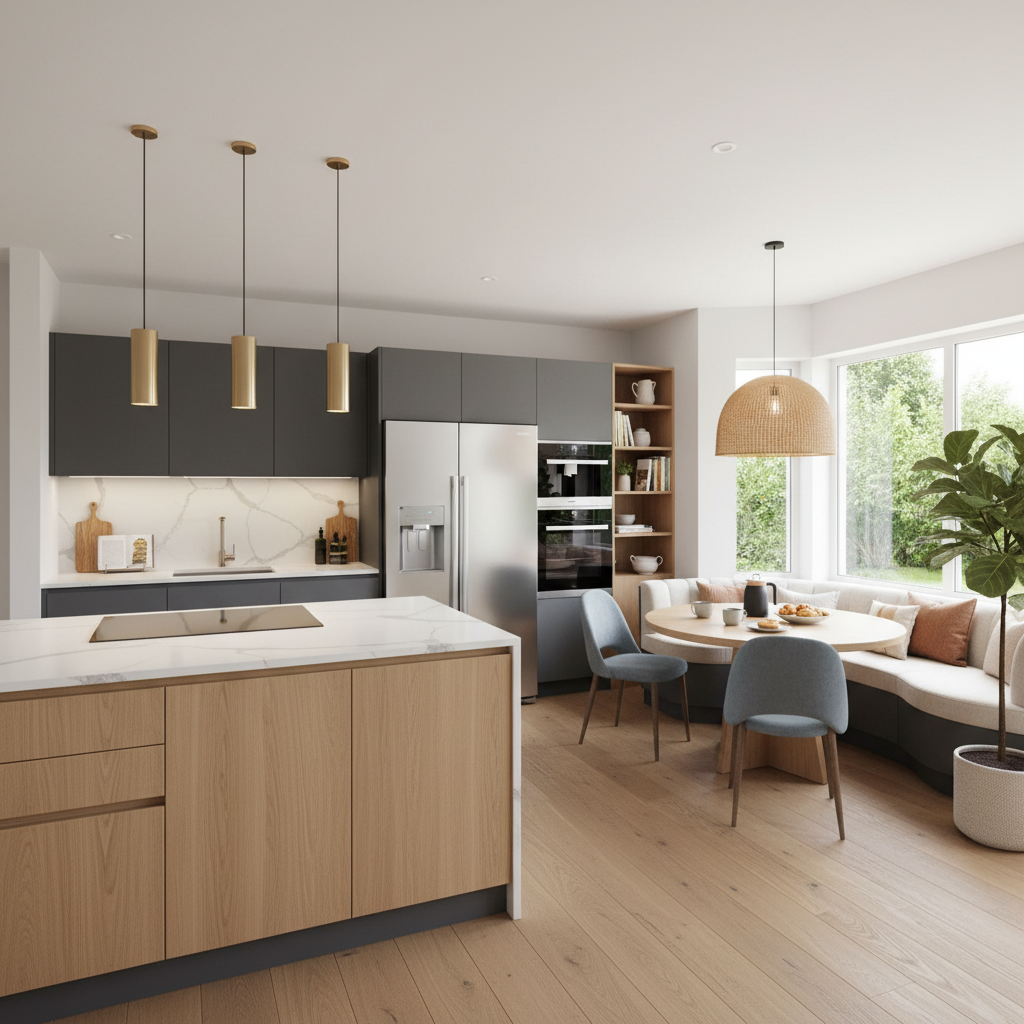
Here's the thing that nobody tells you when you're deep in the rabbit hole of interior design inspiration: the most gorgeous room in the world is completely useless if you can't actually live in it. And I'm not being dramatic. I've seen beautiful spaces that were basically unusable because someone prioritized how a room photographed over how a room functioned. Sofas too precious to sit on. Coffee tables at the wrong height. Kitchens laid out so inefficiently that cooking felt like an obstacle course.
Functional comfort is about understanding that design and practicality aren't opposites. They're partners, and the best spaces achieve both simultaneously. Think about traffic flow: can you move naturally through a room without feeling like you're navigating around obstacles? Think about storage: is there a place for the things you actually use every day, or do you spend half your life just tidying up? Great architecture solves problems you didn't even know you had. It anticipates how you move, how you gather, how you rest.
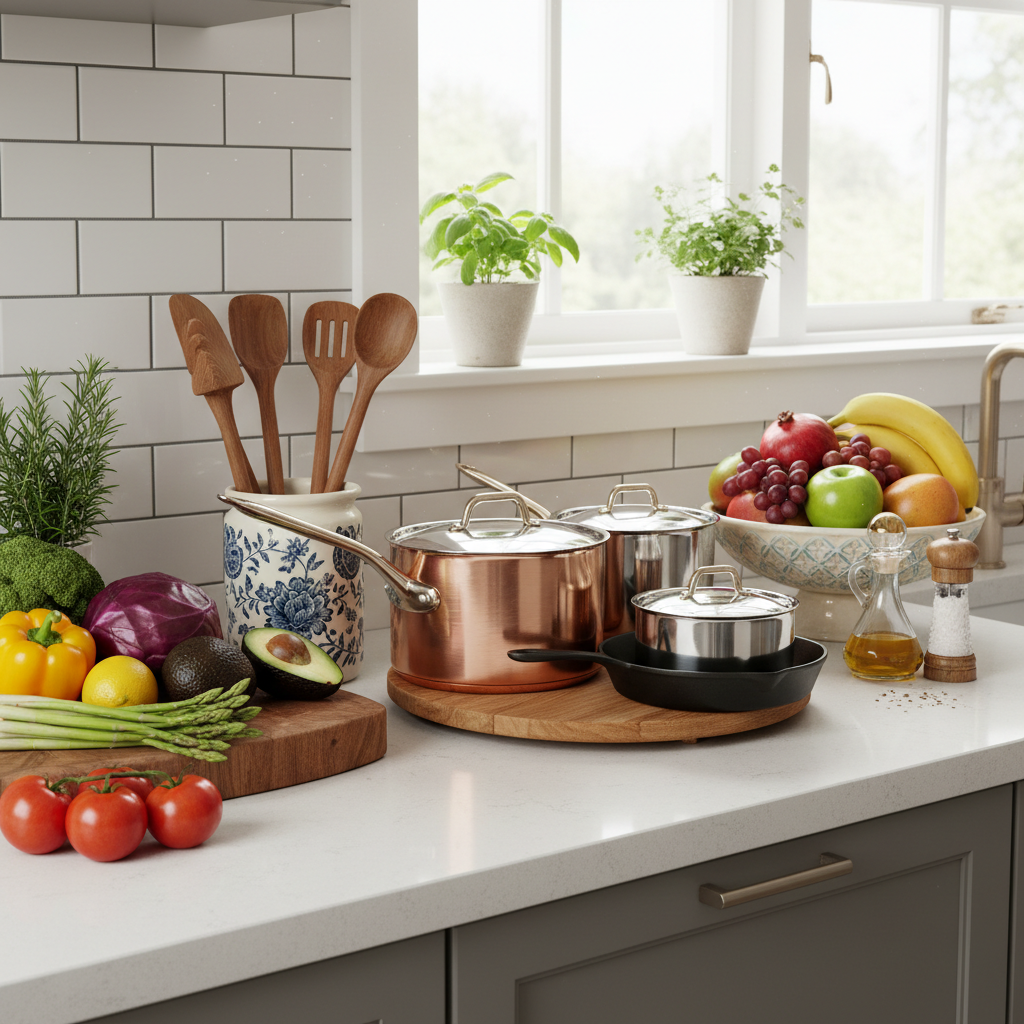
Trust me on this one: invest in the things you touch every day. A great mattress. A sofa you actually want to sink into. Kitchen countertops at the right height. Good lighting that you can actually adjust depending on the time of day and what you're doing. These aren't glamorous investments in the way a statement chandelier is, but they are the decisions that determine whether your home feels like a sanctuary or just a place you sleep.
- Scale matters more than style: Furniture that's proportionally wrong for a room will always feel off, no matter how expensive it is.
- Lighting is not an afterthought: Layered lighting with dimmers transforms both the function and the mood of any space.
- Storage should be invisible: The best storage solutions disappear into the design so the room feels calm and uncluttered.
- Textiles do heavy lifting: Rugs, cushions, and curtains add softness and acoustic comfort that hard surfaces simply can't provide.
The homes that people genuinely love living in aren't always the most architecturally impressive. They're the ones where every decision was made with the actual human being in mind. Where sitting down feels good. Where mornings flow easily. Where you return at the end of a long day and immediately exhale.
Nature's Embrace: Bringing the Outdoors In
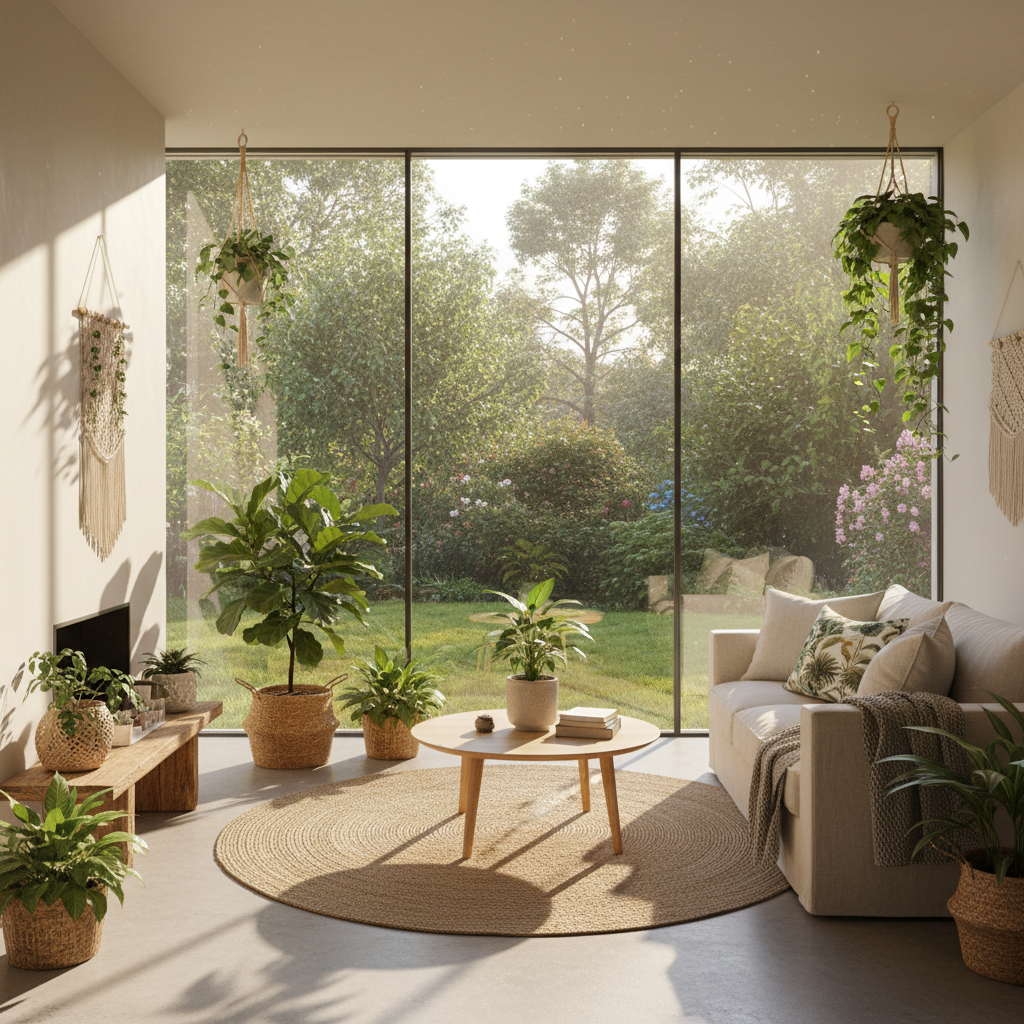
There is a reason why walking into a room with natural light, plants, and wood tones feels so immediately different from walking into a space made entirely of synthetic materials under fluorescent lighting. It's not just aesthetics. It's biology. Humans have spent the vast majority of our evolutionary history outdoors, and our nervous systems are still deeply wired to respond to natural cues. Light, texture, living things, the sound of water, the smell of wood. These elements do something to us at a level that goes way deeper than taste or preference.
Biophilic design, which is the fancy architectural term for incorporating nature into built spaces, has moved way beyond just putting a plant in the corner. Today it encompasses everything from the choice of materials to the orientation of windows to the acoustic qualities of a space. Natural materials like stone, timber, linen, and clay introduce a sensory richness that synthetic alternatives simply cannot replicate. They age beautifully. They have texture and variation. They remind you, even subconsciously, that you're part of something larger than the built environment around you.
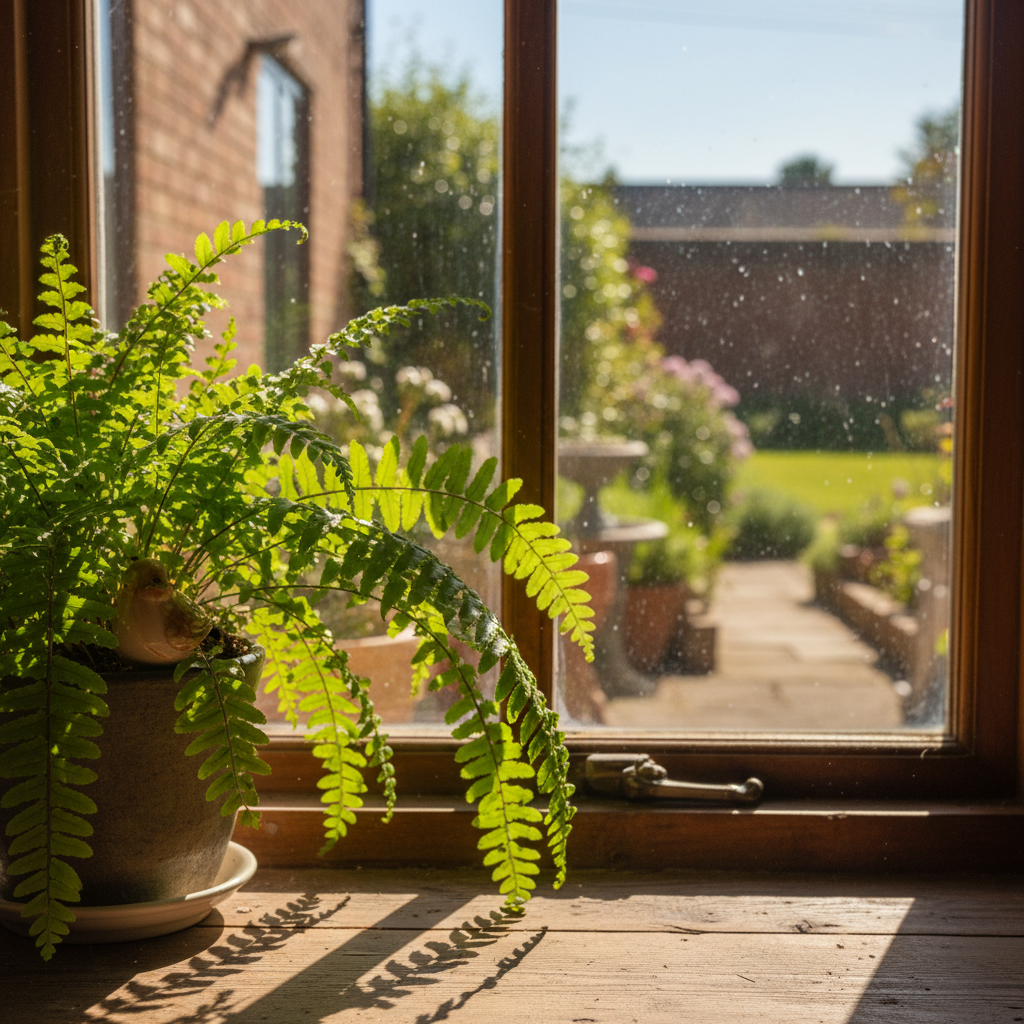
And honestly, you don't need a massive renovation budget to get here. Start with light. If you can, remove heavy window treatments that are blocking natural light. Think about how the sun moves through your home over the course of a day and arrange your spaces to take advantage of it. Add plants, real ones, and more of them than you think you need. Layer in natural textures through textiles, wooden objects, stone bowls, woven baskets. These small decisions compound into something that feels genuinely alive.
"The more nature we bring inside, the more we remember what it feels like to truly rest. A home that breathes is a home that heals."
Plants deserve their own paragraph because they're still wildly underused in residential design. Not just as decorative accents but as genuine structural elements of a room. A large fiddle leaf fig in a corner can anchor a space the way a piece of furniture does. A collection of trailing plants along a shelf creates a kind of living frieze that no wallpaper can match. And beyond the visual, plants improve air quality, reduce stress, and introduce a kind of quiet life force into a space that makes everything feel a little more hopeful.
Creating Spaces for Connection: Gathering Areas
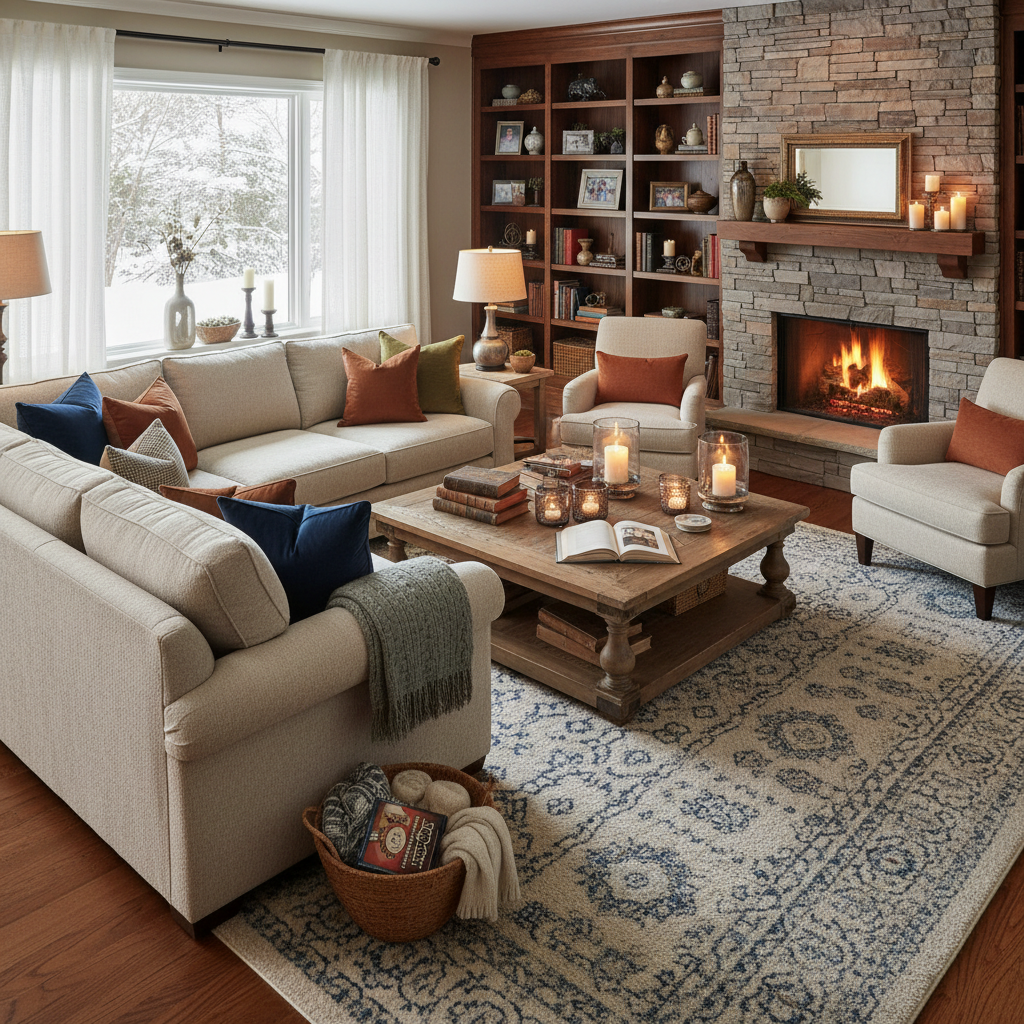
Here's something I find genuinely fascinating: the most technically perfect rooms are often the least used ones. You know the ones. The formal living rooms nobody sits in. The dining rooms reserved for special occasions that happen twice a year. Meanwhile, everyone's crammed around the kitchen island or piled onto one specific couch because that's where things feel right. That's where the magic happens. And understanding why is the key to designing spaces that genuinely support human connection.
Gathering spaces work when they invite people to linger. That means comfortable seating arranged for conversation, not for staring at a screen. It means good acoustics, so you're not straining to hear each other. It means a surface at the right height for setting down a drink. It means warmth, both literal and atmospheric. The best gathering spaces feel slightly cocoon-like. There's a reason that corner booth at your favorite restaurant always feels so good. It's the combination of enclosure, comfort, and the sense that you're held by the space rather than exposed by it.
Think carefully about seating arrangement in your living or family room. Chairs and sofas facing each other create conversation. Rows facing a television create passive consumption. Both have their place, but if connection is what you're after, you need to be intentional about orientation. A circular or curved seating arrangement, even partially, does something remarkable to the way people interact in a room. It signals that everyone here is equal, that everyone is part of the conversation.
- Lower the lighting: Warm, dimmed light in gathering spaces signals that it's time to relax and connect, not perform or hustle.
- Think about the table: A shared table, whether for dining or games or just spreading out together, is one of the most powerful tools for connection in any home.
- Reduce visual clutter: Calm, uncluttered spaces allow people to focus on each other rather than the room around them.
- Make it smell good: Scent is the most emotionally potent sense. A candle, fresh flowers, or something baking in the oven sets a mood instantly.
And look, the best gathering spaces evolve with the people who use them. They get a little worn. The cushions get squashed in the right places. The armrest that everyone reaches for develops a slight shine. These are not flaws. These are the marks of a space that has actually done its job, that has held people and conversations and laughter and the occasional difficult talk. That kind of use is the highest compliment a room can receive.
Final Thoughts
What genuinely transforms a house into a home isn't any single design decision. It's not the right paint color, or the perfect sofa, or the trendiest kitchen tile. It's the accumulation of choices made with real human beings in mind. Choices that prioritize how a space feels over how it photographs, that honor personal history over generic taste, that make room for both beauty and the mess of actual living.
The homes that stay with you, the ones you remember visiting years later, the ones that made you feel something the moment you walked through the door, they all have this in common: they feel inhabited. They feel chosen. They feel like someone thought carefully about what it means to be human and then built a space around that answer.
So wherever you are in your own process, whether you're starting from scratch or slowly evolving a space you've lived in for years, keep coming back to that question. Not "does this look good?" but "does this feel right?" Because honestly, that distinction is everything.
More in Residential
Stay Inspired
Subscribe for new essays on architecture, design, and the spaces that shape us.