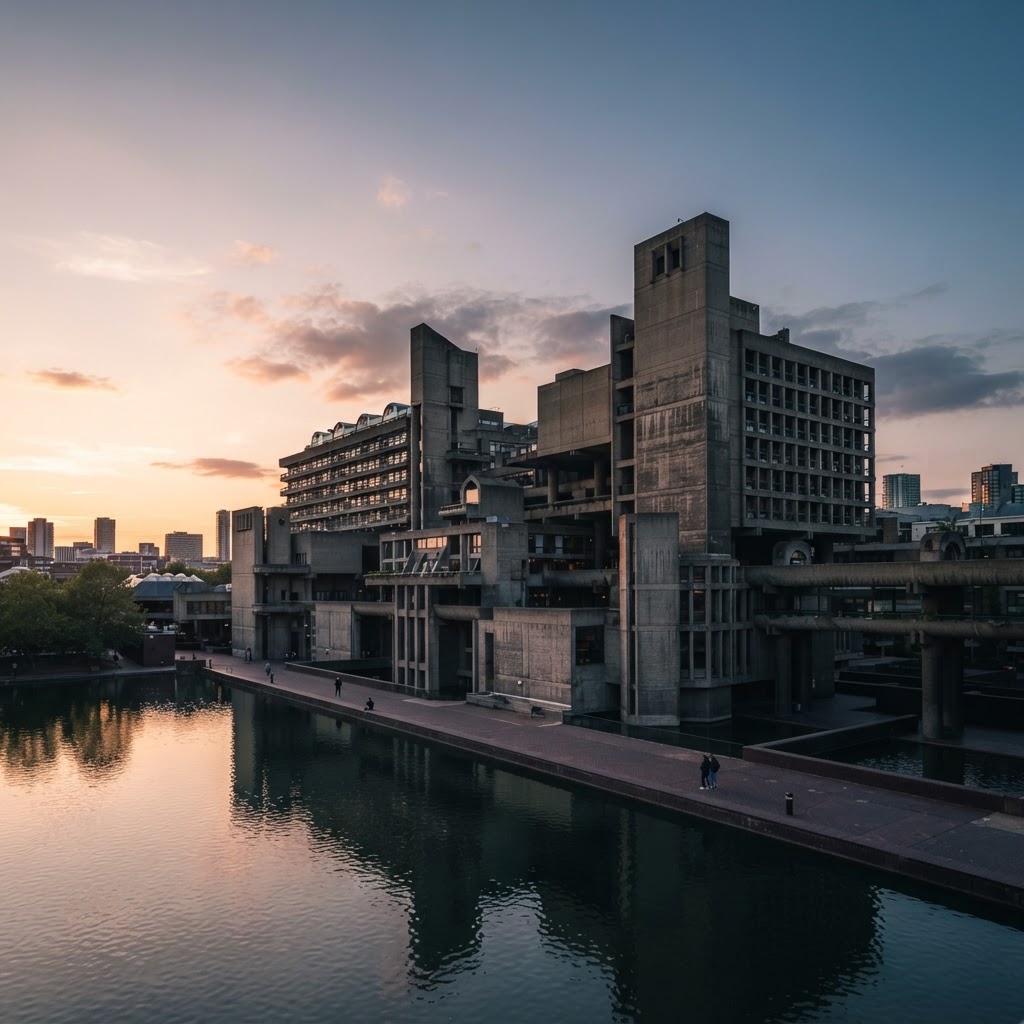
Why Brutalist Architecture Is Having A Major Comeback
Modern architecture often prioritizes glass and efficiency at the expense of character. We are exploring the raw beauty of brutalism and why these bold concrete structures feel more human than the modern glass towers of today.
The Honest Beauty Of Raw Materials
Look, I'll be honest with you. When I first started covering architecture, brutalism was the style everyone loved to hate. People called it cold, oppressive, even ugly. And now? It's everywhere again. Design Instagram is obsessed with it. Young architects are citing Le Corbusier and Paul Rudolph in the same breath as their biggest influences. Something has clearly shifted, and I think it's worth digging into why.
Part of it comes down to materials, and specifically how brutalism treats them. The word "brutalism" actually comes from the French béton brut, meaning raw concrete. It was never really about being brutal in the aggressive sense. It was about honesty. About letting a building show exactly what it's made of without apology. In a world drowning in veneer finishes, faux textures, and materials pretending to be other materials, that kind of directness feels genuinely refreshing.
Concrete, stone, steel, exposed brick. These aren't materials that are trying to fool you into thinking you're somewhere fancy. They're just themselves. And there's something deeply satisfying about that when you're surrounded by so much design that feels performative and hollow. Brutalism says, here's what this building is made of, here's how it was built, and we're not going to cover any of that up for you.
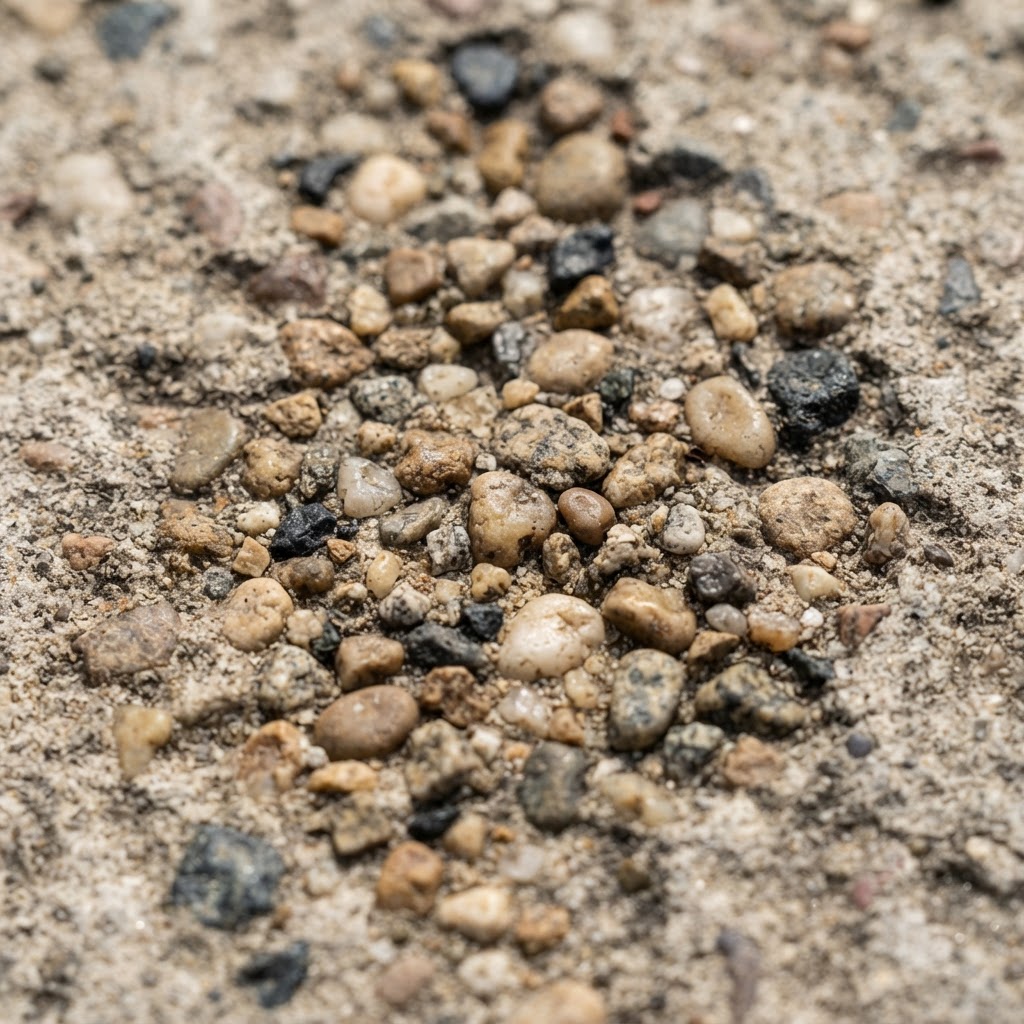
What's really interesting is how raw concrete actually ages. It doesn't deteriorate in a way that feels sad or neglected. It develops character. Water stains create organic patterns. Moss creeps into the joints. The formwork marks left by wooden boards during pouring become a kind of accidental artwork. Real talk, a fifty year old brutalist building often looks more interesting than it did on opening day, and that's not something you can say about a lot of contemporary construction.
This materiality is a big reason younger designers and homeowners are drawn back to brutalist principles. After years of the all-white, everything-smooth, nothing-has-texture aesthetic dominating interiors and facades, people are craving something with actual substance. Something that feels like it has weight and memory. Brutalism, for all its supposed coldness, delivers exactly that.
Sculptural Forms Over Cookie Cutter Design
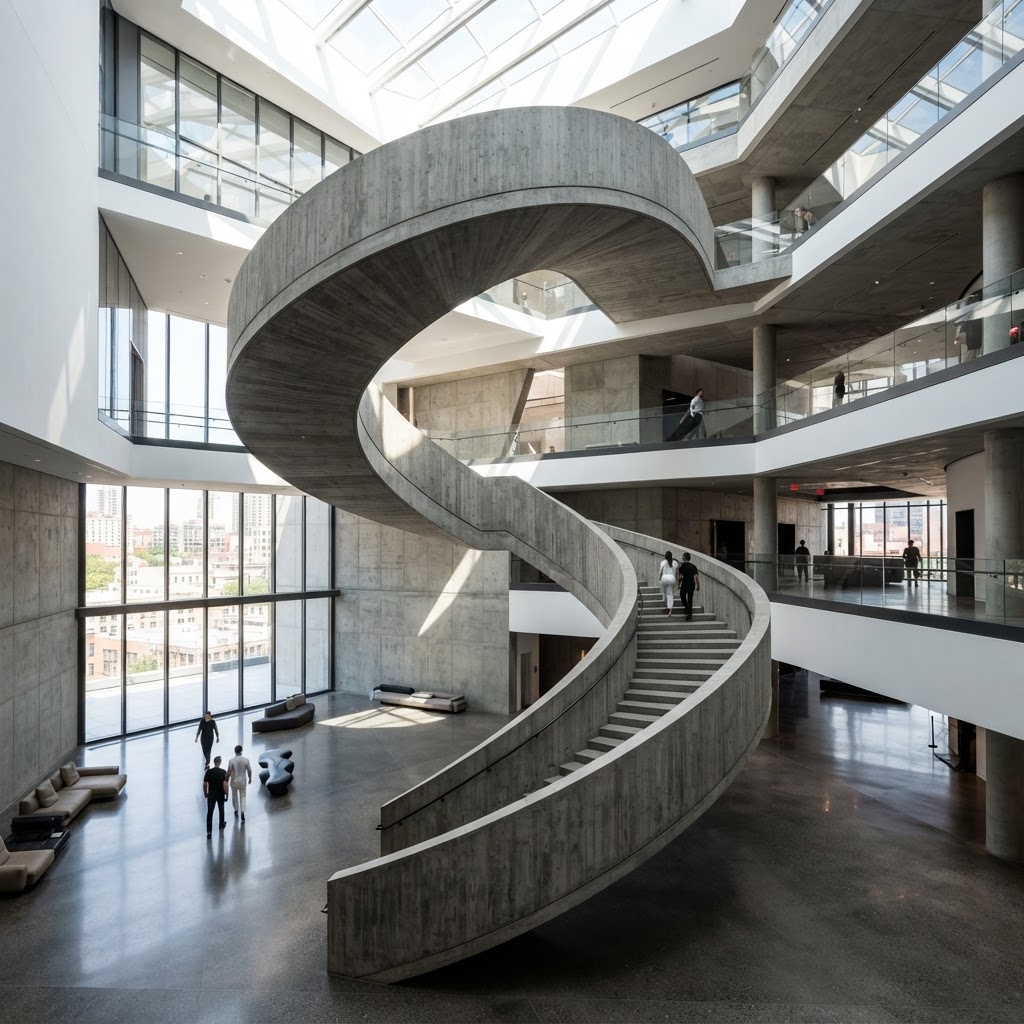
Here's the thing about most contemporary architecture, especially in the residential and commercial sectors. It's safe. Incredibly, boringly safe. Glass boxes with the same proportions, the same setbacks, the same curtain wall details repeated across every city in the world. You could drop most new office buildings into any urban context and they'd look exactly the same. That kind of design is fine, technically. But it doesn't make you feel anything.
Brutalism was never interested in being safe. The architects working in this tradition, people like Marcel Breuer, Denys Lasdun, and Tadao Ando on the more refined end, thought of their buildings as enormous sculptures. Forms cantilevered dramatically over plazas. Towers stepped and shifted as they rose. Corridors connected volumes in ways that made circulation feel like an adventure rather than just getting from point A to point B. These buildings had ambition written into every angle.
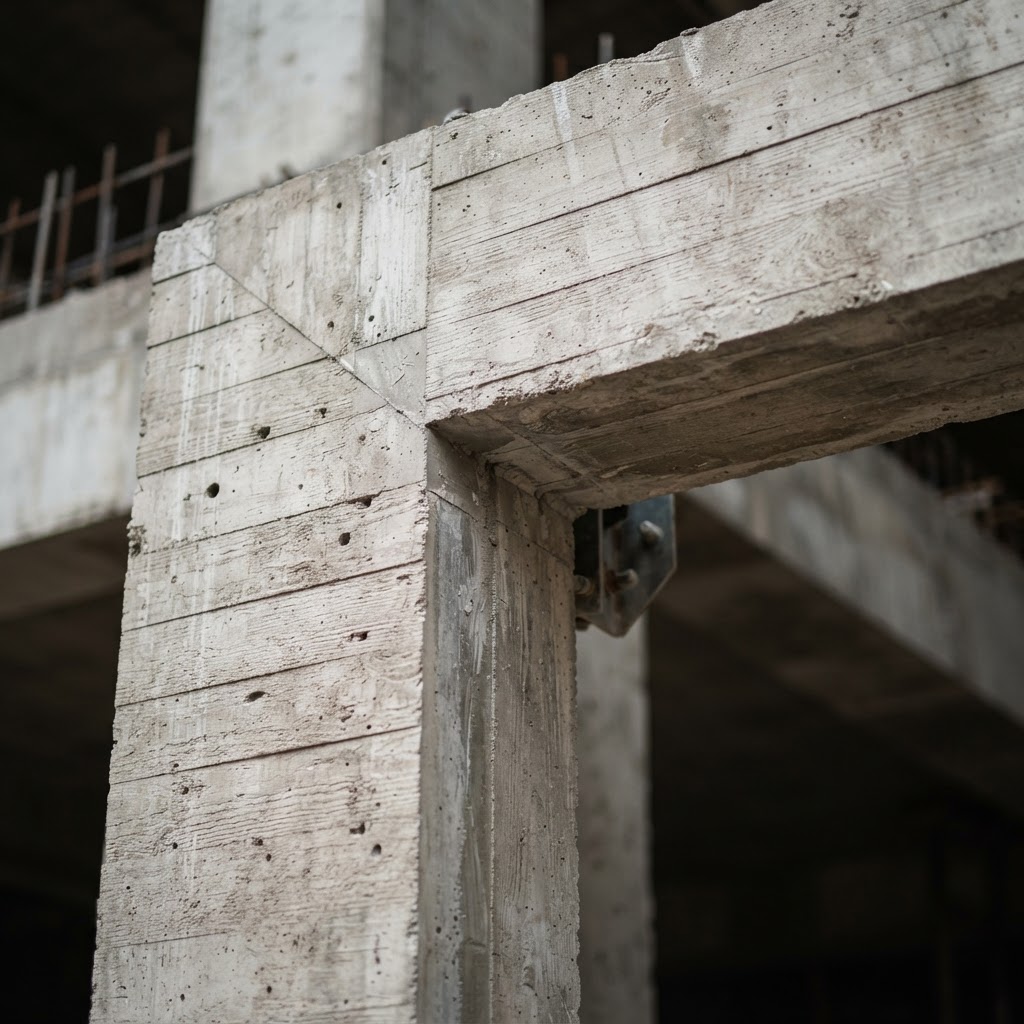
And honestly, that sculptural boldness translates incredibly well into the current design conversation. We're in a moment where people are pushing back against the algorithm-optimized, market-tested blandness that dominates so much of what gets built. Clients are asking for buildings with personality. With presence. With forms that actually mean something rather than just maximizing leasable square footage.
Brutalism's vocabulary, the heavy overhangs, the angular masses, the way volumes collide and separate, gives contemporary architects a rich toolkit to draw from without falling into nostalgic pastiche. You're not copying the past, you're borrowing its confidence. There's a difference, and the best current work in this vein understands that distinction clearly.
- Dramatic cantilevers that create covered outdoor spaces while making the building feel like it's in motion
- Stacked and offset volumes that break the tyranny of the simple rectangular box
- Textured surface articulation that creates visual depth and shadow patterns across the facade
- Exposed structural logic that turns engineering into aesthetic expression
- Monolithic massing that gives buildings a sense of permanence and civic seriousness
The sculptural approach also makes brutalist buildings genuinely photogenic in a way that has nothing to do with staging or styling. The geometry is so strong that a smartphone snapshot on a grey day can still look like a serious architectural photograph. That matters in a visual culture as saturated as ours, and it's part of why these buildings keep dominating design feeds.
Designing For Permanence And Soul
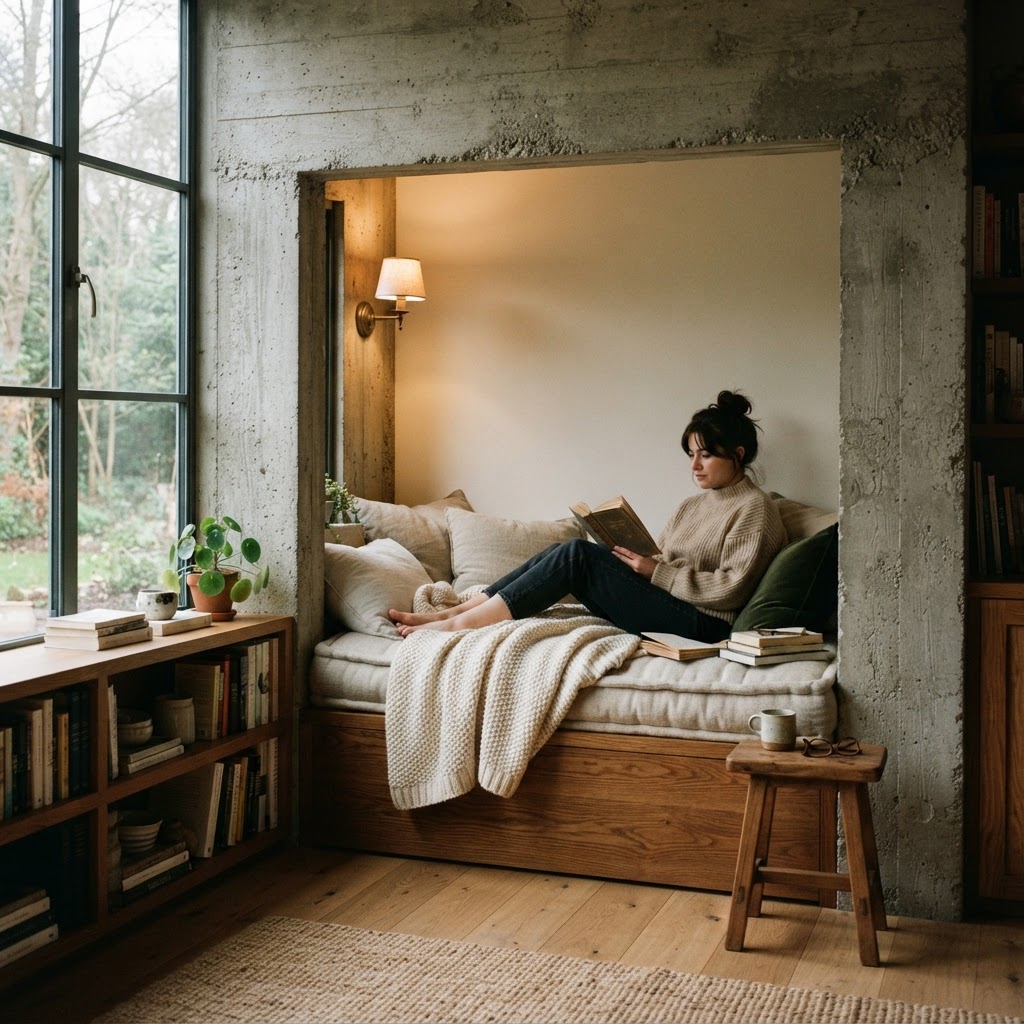
We live in a disposable culture. Fast fashion, fast furniture, fast architecture. Buildings get thrown up with the expectation that they'll be demolished in thirty years when the lease ends and the land becomes more valuable for something else. And you can feel that temporariness in the construction. Thin facades. Lightweight systems. Details that look fine in a rendering but feel cheap when you actually touch them. It's architecture designed to photograph well for a brochure and not much else.
Brutalism was built with the opposite philosophy. These structures were designed to last centuries. The concrete is massive, often over a foot thick. The structural systems are robust far beyond what current code requires. The buildings feel, and I mean this literally, solid. You stand inside a brutalist building and you feel the weight of it around you. That physical sensation of enclosure and permanence is something that's really hard to find in contemporary construction, and people are genuinely hungry for it.
"Brutalism was never about making people uncomfortable. It was about making buildings that took their civic responsibility seriously, that didn't pretend to be something they weren't, and that were built to outlast the people who commissioned them."
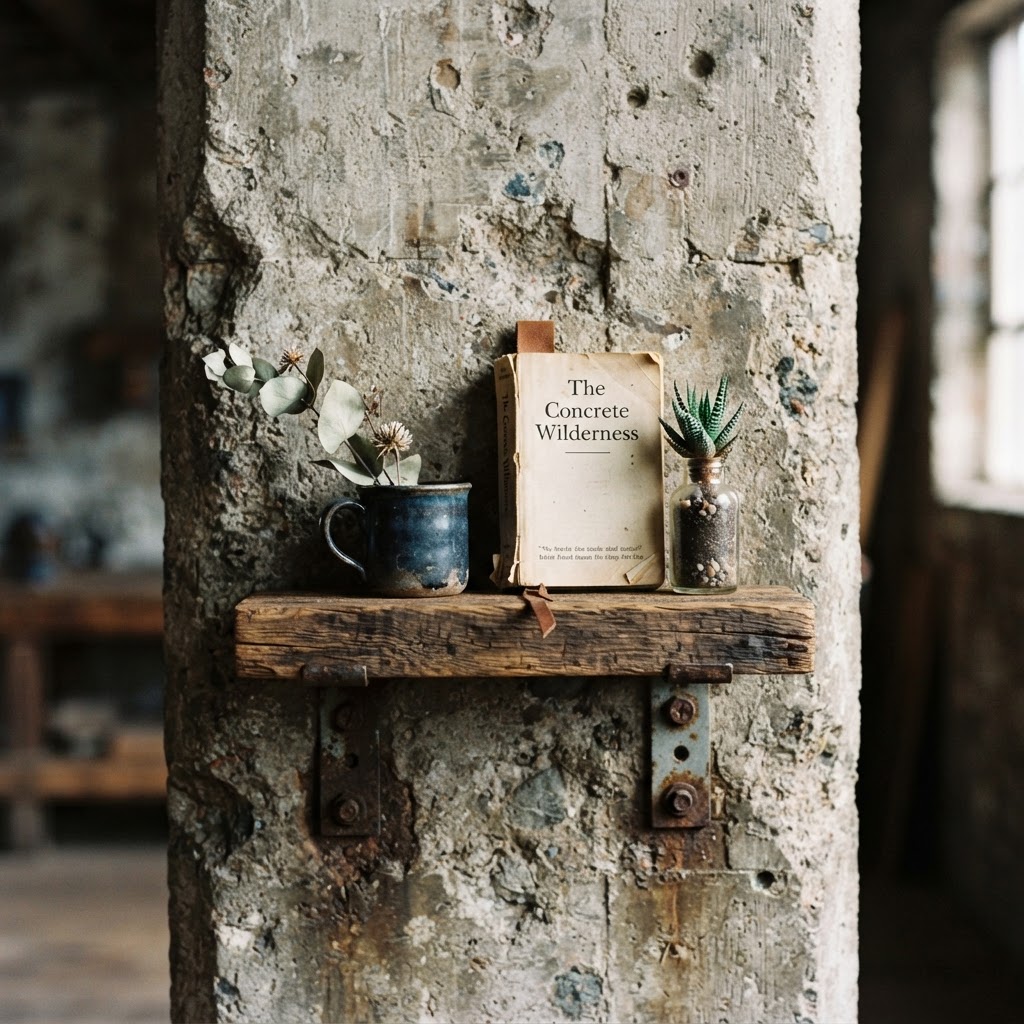
There's also a spiritual quality to brutalist spaces that gets overlooked in the usual critical conversation. Walk into the Boston City Hall, or the Barbican in London, or one of Tadao Ando's concrete churches, and something shifts in your experience. The spaces are contemplative. The materials absorb sound in a specific way. The scale forces you to slow down. You can't rush through a brutalist building the way you rush through a glass-and-steel office tower. The architecture won't let you.
That quality of soulfulness is exactly what contemporary designers are trying to reintroduce. Not just visual interest, but actual experiential depth. The kind of architecture that changes how you feel when you're inside it. The kind that you remember years later not because it was pretty but because it made you feel something real. Brutalism, for all its reputation for austerity, delivers on that more reliably than almost any other twentieth century style.
Light And Shadow As Building Materials
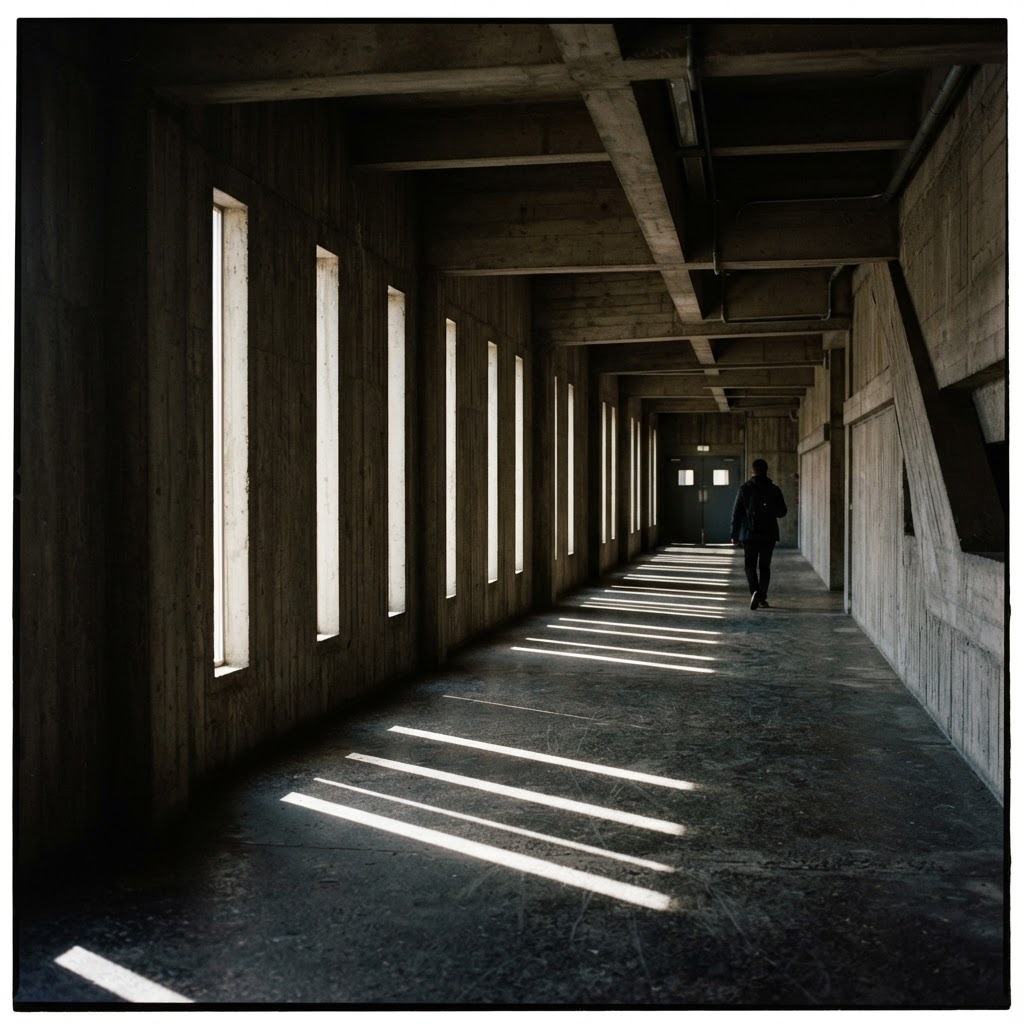
This is the part of brutalism that I think gets the least attention and honestly deserves the most. The way these buildings handle light is extraordinary. Because the forms are so three-dimensional, so deeply sculptured with recesses and projections and dramatic overhangs, the play of light across a brutalist facade changes constantly throughout the day. A building that looks one way at eight in the morning looks completely different at noon, and transforms again at golden hour into something almost otherworldly.
Le Corbusier famously described architecture as "the masterly, correct and magnificent play of masses brought together in light." Brutalist architects took that idea and ran with it. The deep window reveals create pools of shadow that make glass look luminous by contrast. The textured concrete surfaces catch raking light and turn into a kind of topographic map of ridges and valleys. Brise-soleil elements cast geometric shadow patterns that shift and move like a slow clock across interior floors.
Trust me on this, once you start noticing how brutalist buildings use shadow as an actual design element, you can't unsee it. The shadow is not incidental. It's part of the composition. Architects like Paul Rudolph were thinking about what a building would look like at two in the afternoon on a winter's day when they designed the surface articulation. That level of attention to atmospheric conditions is rare in architecture at any scale.
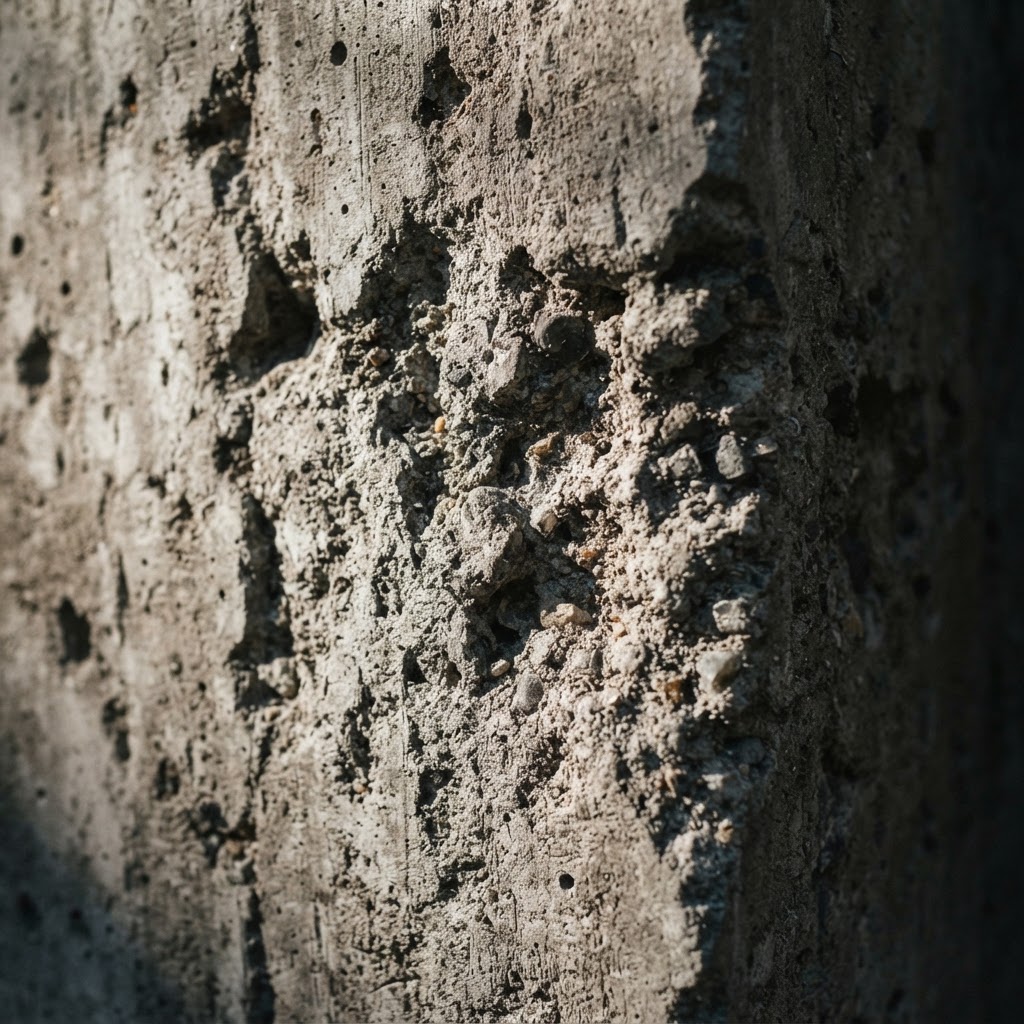
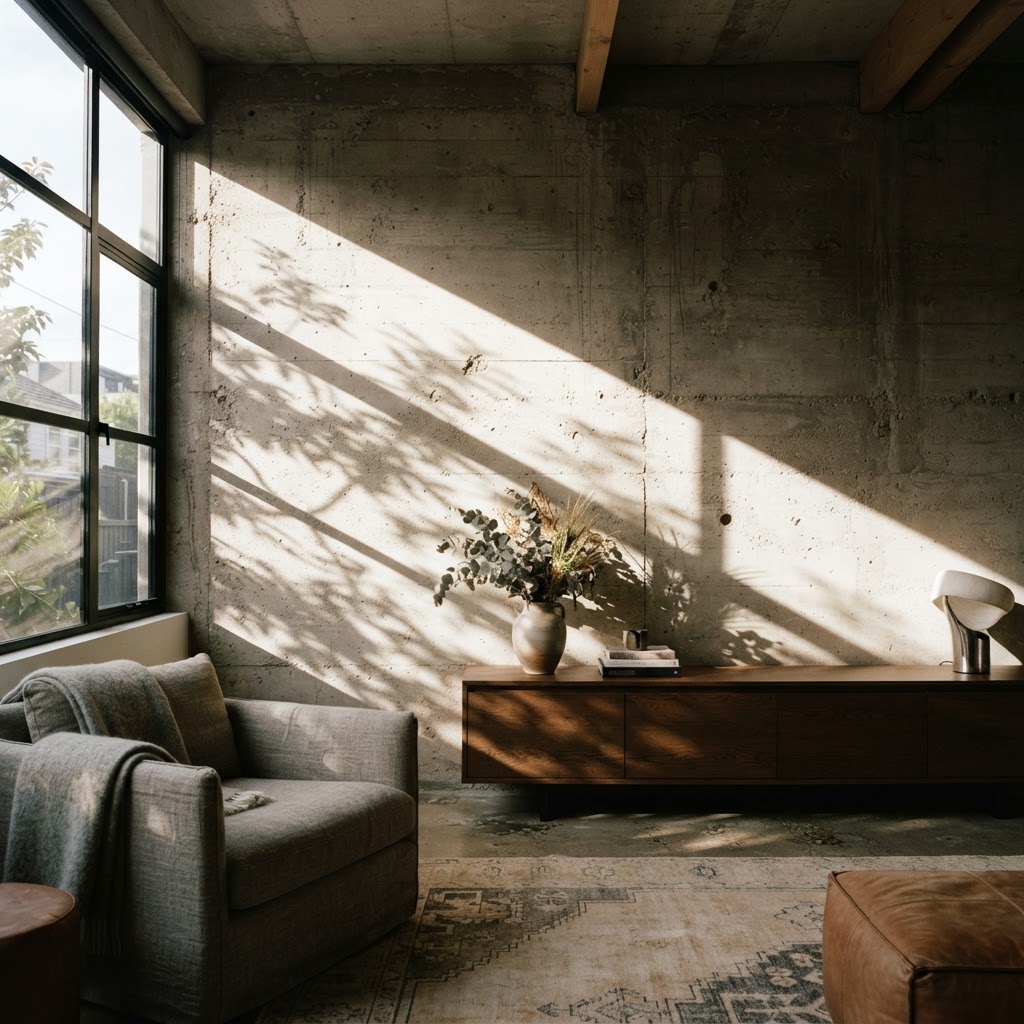
In interiors, this gets even more interesting. Brutalist spaces often feature narrow skylights, slit windows, and carefully positioned apertures that turn sunlight into something almost theatrical. A single shaft of light cutting across a rough concrete wall at ten in the morning can be more visually arresting than an entire room full of designer furniture and carefully curated objects. The architecture is doing the heavy lifting, and the light is its partner.
Contemporary designers working in this tradition are using this principle in residential spaces with incredible results. Narrow clerestory windows that flood a concrete ceiling with indirect light. Courtyards positioned to pull afternoon sun deep into a plan. Exterior walls articulated with horizontal fins that throw changing shadow patterns into living rooms throughout the day. These are techniques borrowed directly from the brutalist playbook, and they create spaces that feel alive and dynamic without any decoration at all.
- Deep window reveals that frame views and create strong shadow lines on the facade
- Textured surface finishes that catch raking light and create micro-shadow patterns
- Strategic skylights positioned to pull light into the center of deep floor plates
- Brise-soleil elements that filter direct sun while maintaining visual connection to the exterior
The light quality in a well-designed brutalist space is honestly unlike anything else in architecture. It's dramatic without being theatrical. Considered without feeling contrived. And because the surfaces are so simple, the light becomes the decoration. That's a principle that applies whether you're designing a civic monument or a weekend house, and it's one of the core reasons brutalism keeps finding new audiences with each generation of designers.
Final Thoughts
Look, brutalism was never going to stay out of fashion forever. The style got a bad reputation for reasons that had more to do with poor maintenance, bad urban policy, and a few genuinely misguided projects than with the core ideas of the movement. And now that we've had a few decades of distance, people are starting to separate the good from the bad and recognize what made the best brutalist work genuinely extraordinary.
The comeback makes complete sense when you think about what this moment in design actually needs. We need materials that are honest. We need forms that are bold. We need buildings that are designed to last, that have actual weight and presence, that use light and shadow intentionally rather than as afterthoughts. We need architecture that makes people feel something. Brutalism, done well, does all of that at once.
And honestly, whether you love it or still find it a little intimidating, you have to admit there's something powerful about a movement that keeps coming back. That's not nostalgia. That's a style with real ideas at its core, ideas that keep turning out to be relevant no matter when you revisit them. That's the definition of enduring architecture, and that might be the most brutalist thing of all.
More in Residential
Stay Inspired
Subscribe for new essays on architecture, design, and the spaces that shape us.