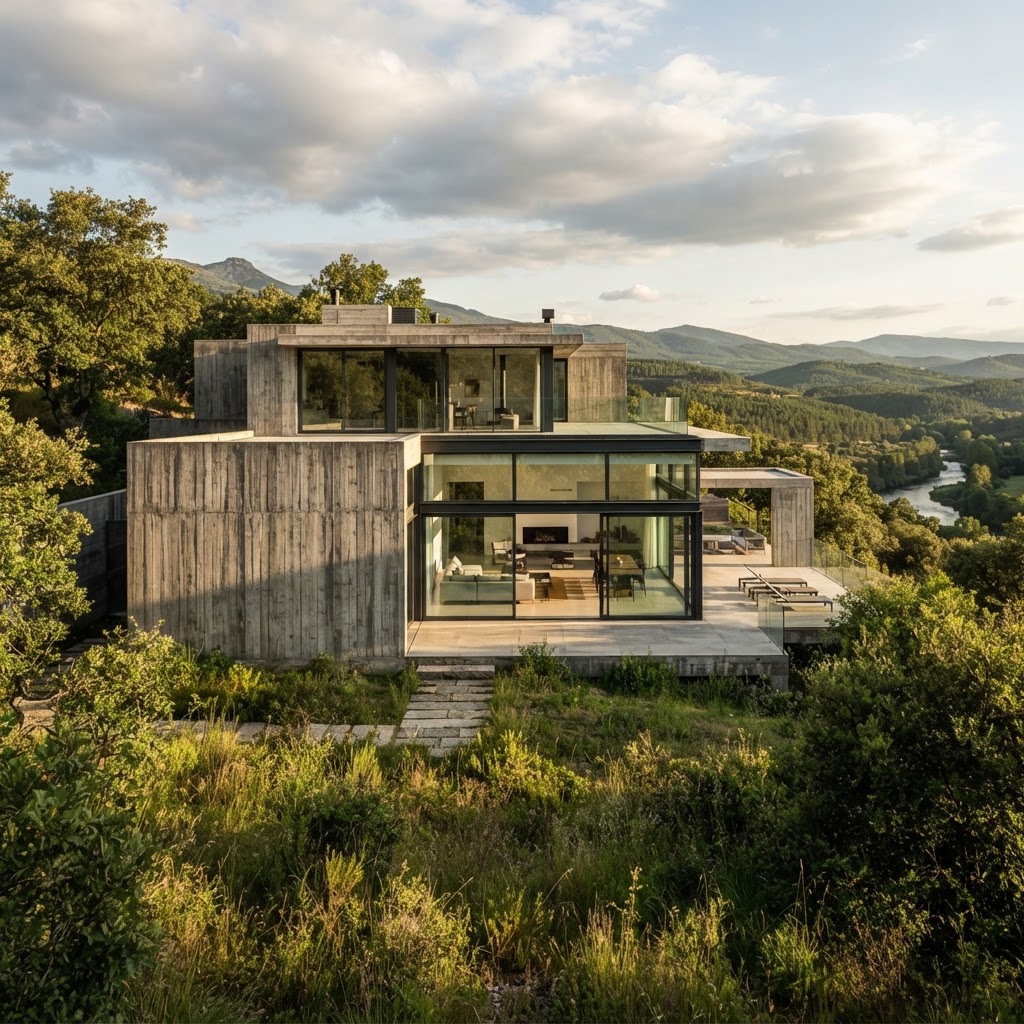
Why Concrete Is Still the Most Honest Material in Modern Design
Concrete often gets a bad reputation for being cold or industrial but it remains one of the most truthful materials in architecture. We explore why designers continue to fall in love with its raw texture and structural integrity.
The Beauty of Imperfection
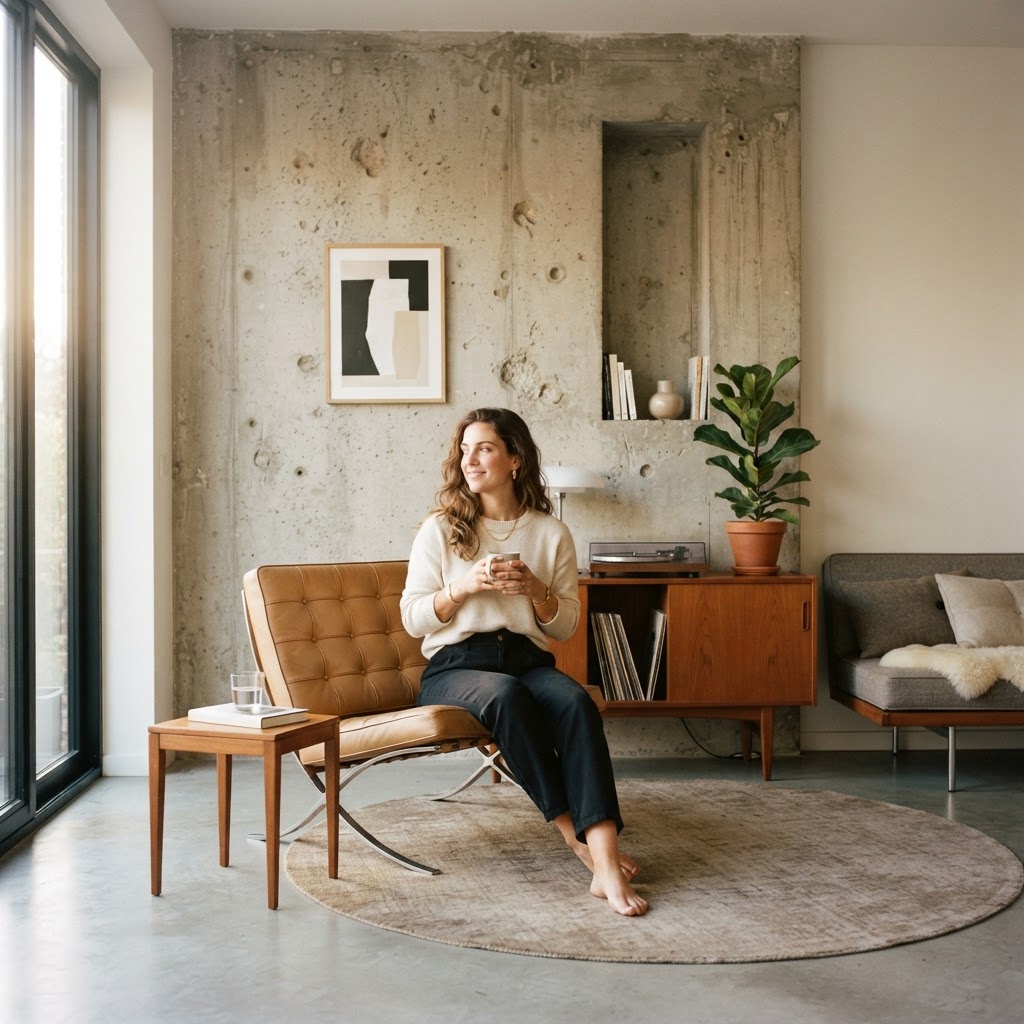
Honestly, I've had this argument at dinner tables more times than I can count. Someone inevitably says concrete looks "cold" or "unfinished," and I have to take a deep breath before I launch into what my friends lovingly call my concrete speech. Because here's the thing: that imperfection, that slightly rough surface, those subtle variations in tone and texture, that's not a flaw. That is the entire point.
When concrete is poured, it captures everything. The grain of the formwork, tiny air bubbles, mineral variations in the aggregate. Every single wall or floor tells you exactly how it was made. There's no hiding, no veneer, no cover-up job. And in a world absolutely saturated with materials that are trying desperately to look like something they're not, that level of honesty is genuinely radical. Laminate pretending to be oak. Vinyl pretending to be stone. Foam pretending to be leather. Concrete just sits there being completely, stubbornly itself.
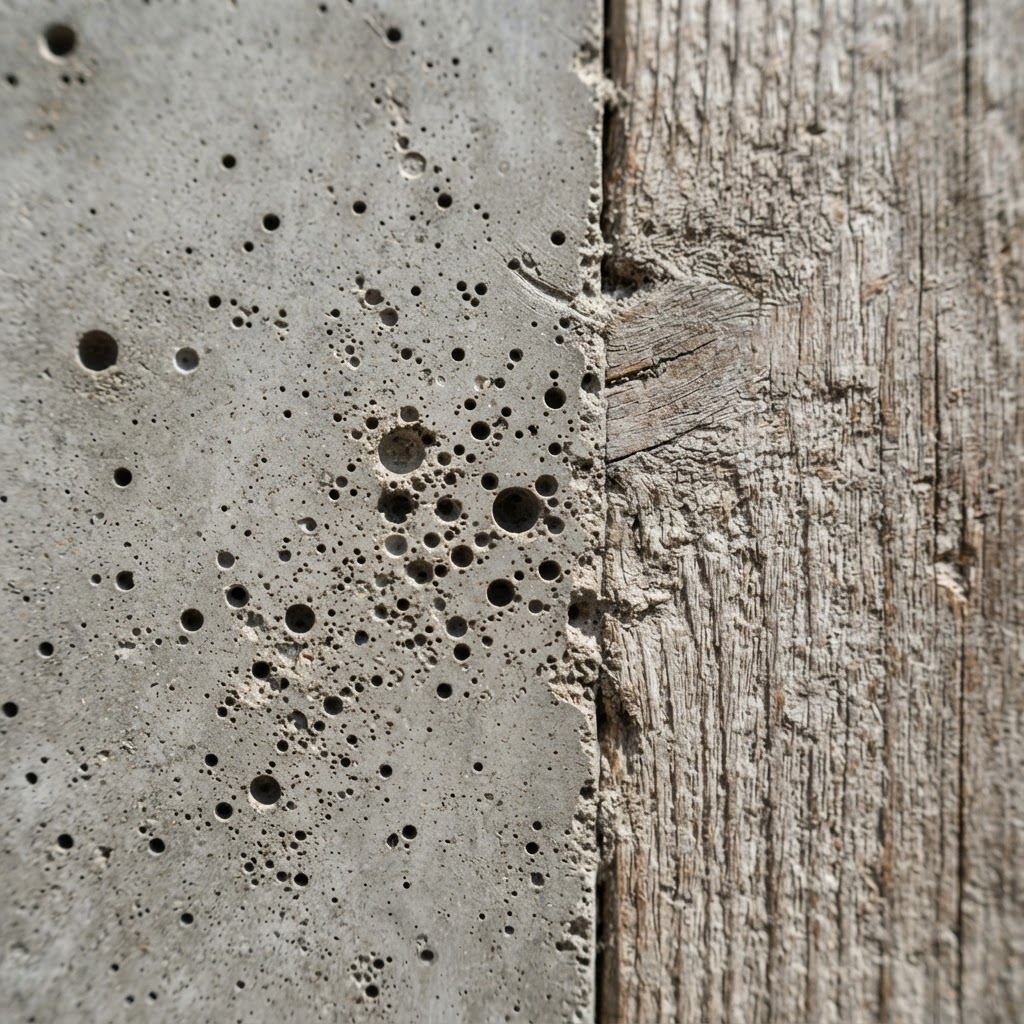
The Japanese have a concept called wabi-sabi, which is basically the art of finding beauty in impermanence and imperfection. Concrete lives this philosophy without even trying. As it ages, it develops patina. It picks up marks. It shifts slightly in color depending on light and humidity. A concrete wall in morning light is a completely different experience than that same wall at dusk, and that's not a design problem to be solved. That's a feature you can't buy from a tile catalog.
I think what really gets me is that we've collectively spent decades chasing perfection in interiors, smooth surfaces, seamless finishes, everything matching, everything controlled, and a lot of us have ended up in spaces that feel somehow sterile and forgettable. Concrete pushes back against that instinct. It invites you to look closer. It rewards attention. And honestly, any material that makes you slow down and actually look at a wall is doing something pretty remarkable.
Strength Meets Sculptural Form
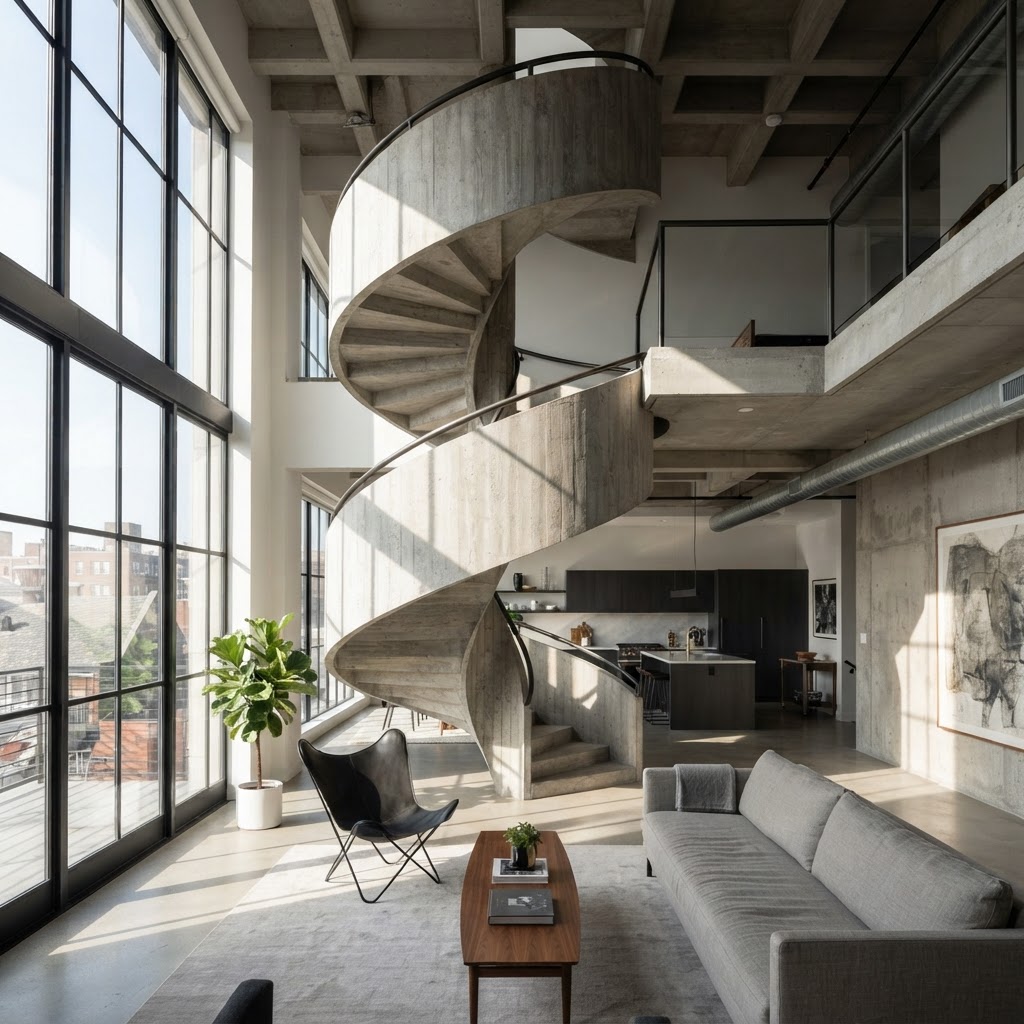
Look, most building materials force you to make a choice. You can have something strong, or you can have something beautiful. Structural steel is incredible but it needs cladding before most people find it livable. Timber is warm and gorgeous but it has real limits when you start talking about spans and loads. Concrete, though, refuses to pick a lane. It's both at once, and the greatest architects of the last century figured that out and ran with it in ways that still make my jaw drop.
Think about what Tadao Ando does with a curved concrete wall. Or what Le Corbusier achieved with the chapel at Ronchamp, those thick, sculpted walls that look almost hand-modeled, like a building made from intuition rather than a blueprint. Concrete can be thin and sharp, or massive and monolithic. It can flow into curves that timber simply cannot hold. It can cantilever over edges in ways that feel genuinely gravity-defying. The structural properties and the aesthetic possibilities are completely inseparable, which is a rare and beautiful thing in architecture.
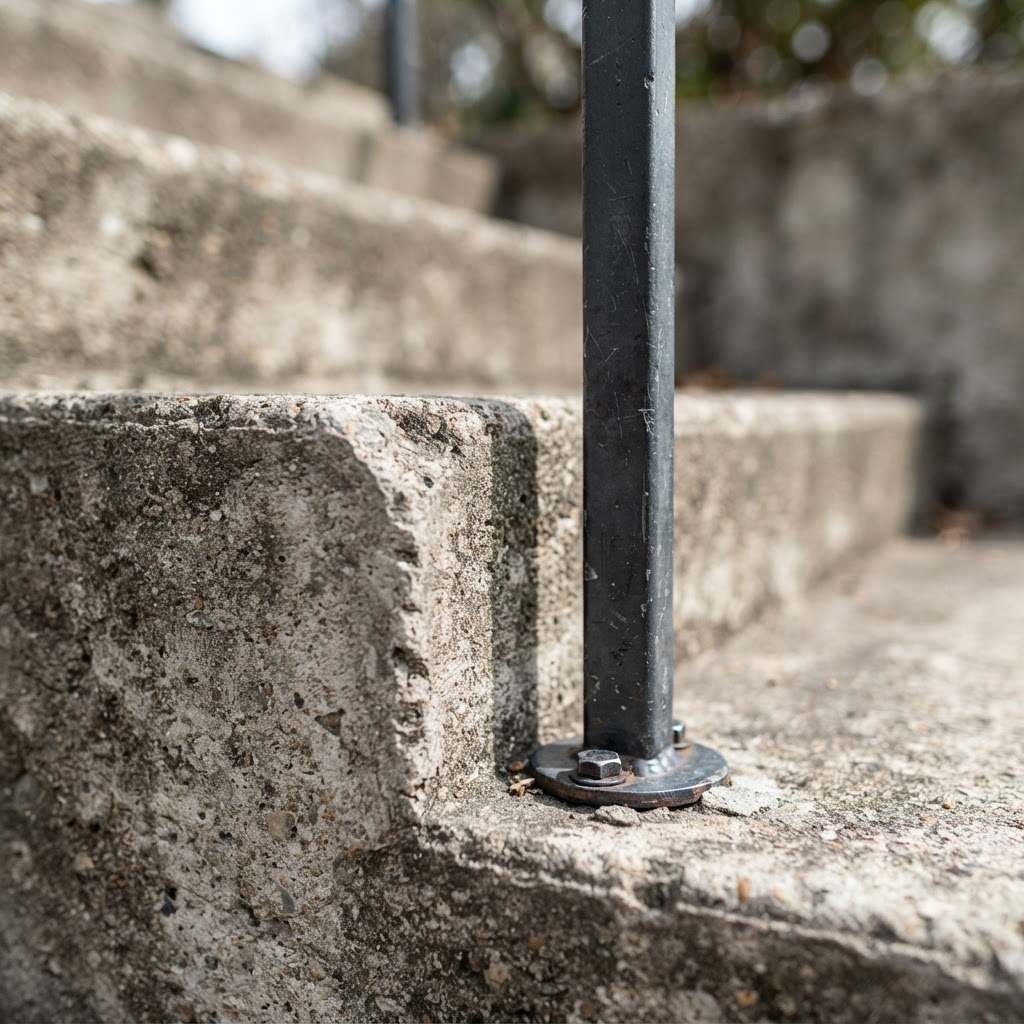
Real talk, one of the things I find most exciting about concrete in contemporary design is how architects are pushing the formwork itself as a design tool. The mold that shapes the concrete becomes a creative decision, not just a practical one. Ribbed surfaces, board-formed textures, geometric patterns pressed directly into the pour. The structure and the decoration arrive at the same moment, fully integrated. There's no applied finish sitting on top of a structural layer. It's one thing doing two jobs simultaneously.
- Board-formed concrete captures the grain and joint lines of timber planks, creating warmth in an unlikely material
- Polished concrete can achieve a glass-like smoothness that reflects light beautifully across large floor planes
- Bush-hammered finishes reveal the aggregate beneath, producing a coarser, more tactile surface with incredible depth
- Pigmented concrete introduces color while retaining all the tonal variation that makes the material interesting
- Exposed aggregate brings pebbles and crushed stone to the surface, making each pour a kind of geological record
The sculptural possibilities are genuinely limitless, and I think that's what keeps concrete relevant decade after decade. It doesn't go out of style because it was never really a style choice in the first place. It's a material that architects and designers keep rediscovering on their own terms, finding new things to ask of it. That kind of longevity is incredibly rare in a field that can feel obsessed with the new.
A Sustainable Foundation
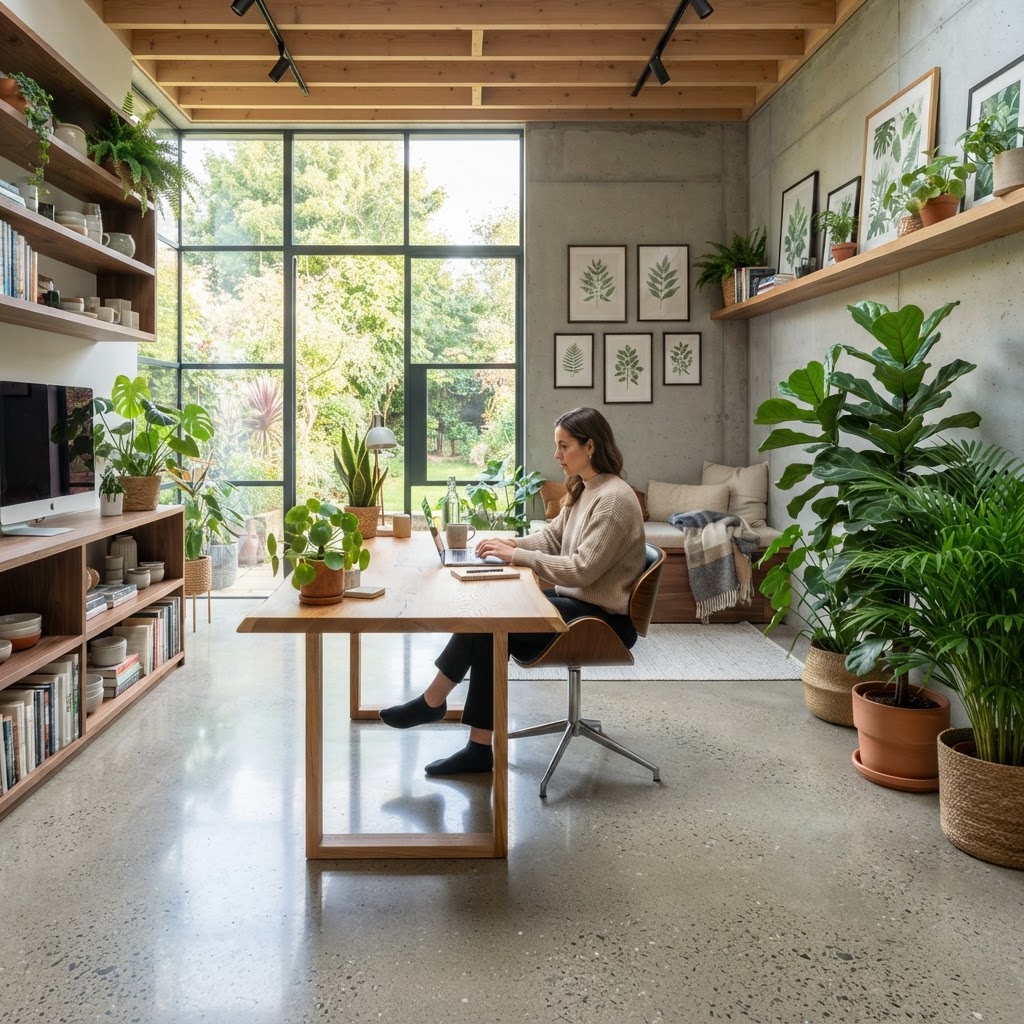
Okay, I know what you're thinking. Concrete and sustainability don't exactly sound like a natural pairing. The cement industry does have a significant carbon footprint, and that's a real conversation worth having. But here's the thing that often gets left out of that conversation: when you think about the full lifecycle of a building, concrete starts to look a lot more defensible than its critics suggest, and the technology around it is changing faster than most people realize.
Thermal mass is the big one for me. Dense concrete walls and floors absorb heat during the day and release it slowly at night, which in the right climate can dramatically reduce a building's heating and cooling load. Passive design strategies built around concrete thermal mass have been used for centuries in one form or another, and modern architects are getting increasingly sophisticated about how to deploy this property. A well-designed concrete home in a temperate climate can genuinely slash energy consumption without any active mechanical system doing the heavy lifting.
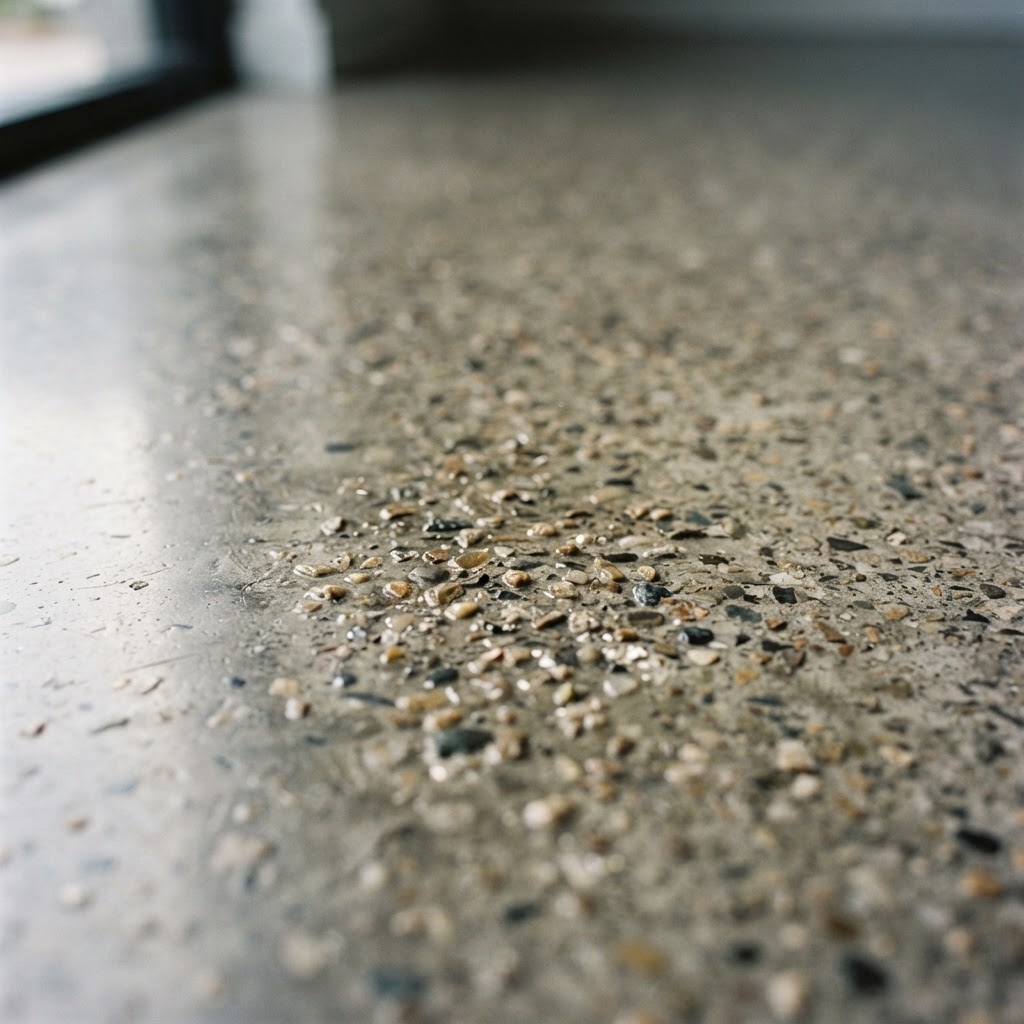
And then there's durability. This one doesn't get nearly enough credit. A concrete structure, properly designed and detailed, can last for centuries. We know this because some of them already have, the Pantheon in Rome has been standing for nearly two thousand years. Compare that to a lightweight timber-framed building clad in materials with a twenty-year lifespan, and suddenly the embodied carbon calculation starts shifting. Building something once that lasts a very long time is, in its own way, one of the most sustainable decisions you can make.
The industry is also moving quickly on supplementary cementitious materials, things like fly ash, slag, and silica fume that can replace a significant portion of Portland cement in a mix without compromising performance. Some forward-thinking manufacturers are experimenting with carbon-capture concrete that actually sequesters CO2 during the curing process. Trust me on this, in ten years the sustainability conversation around concrete is going to look very different than it does today, and the material's inherent longevity and thermal properties are going to be central to that story.
Why We Crave Rawness
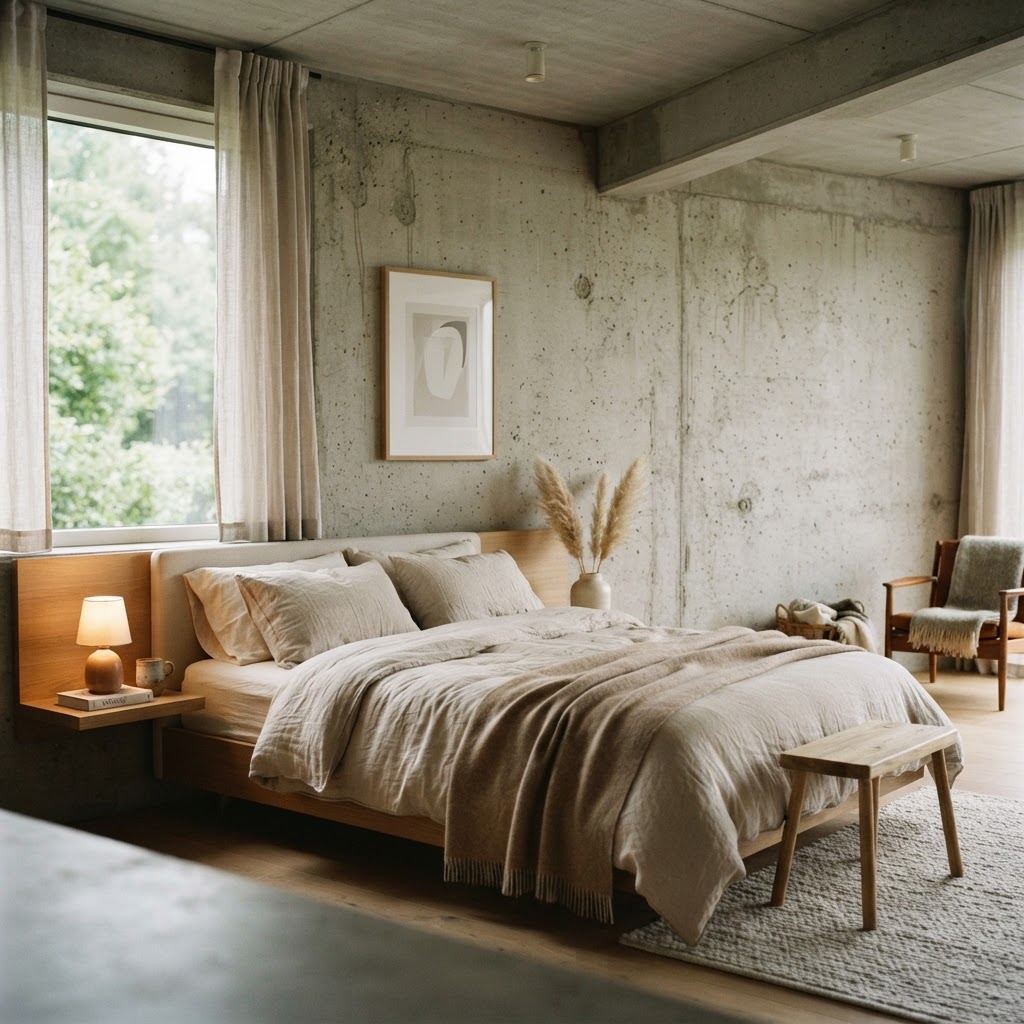
There's something happening culturally right now that I find genuinely fascinating. After years of maximalist color trends and then the great white minimalism wave and then maximalism swinging back around, a quieter but more persistent thread has been running through all of it. People want to feel grounded. They want spaces that feel real. And I think that's at least partly why concrete keeps showing up in homes and restaurants and studios and galleries, because it delivers a kind of sensory honesty that smoother, shinier materials simply cannot fake.
We spend so much of our lives in mediated, filtered, curated experiences now. Screens everywhere, images optimized within an inch of their lives, social media making everything look like a render. And honestly, I think our nervous systems are a little exhausted by all of it. Walking into a space with exposed concrete walls and floors, where you can see the aggregate, feel the texture, notice the slight variations, is a genuinely grounding experience. It's matter. It's weight. It's here.
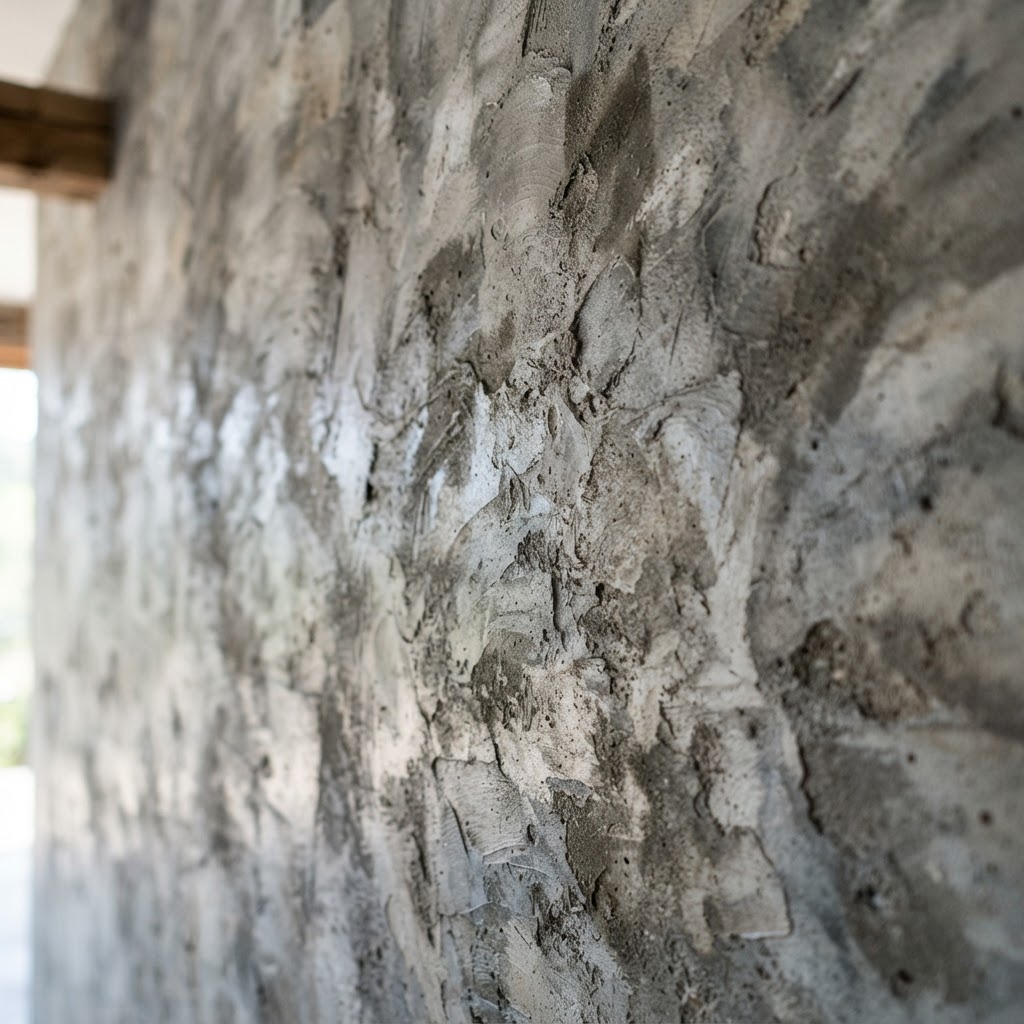
Designers who understand this are using concrete not as a style statement but as an emotional tool. The heaviness of a concrete ceiling creates a sense of enclosure that can feel genuinely protective, like shelter in the most primal sense of the word. A polished concrete floor grounds a room in a way that floating timber floors don't, and the thermal feel of it underfoot, slightly cool, very solid, connects you to the building in a physical way that's hard to articulate but easy to feel. It asks something of you. It asks you to be present.
"Concrete is the material of our time precisely because it refuses to pretend. In an age of simulation, a wall that shows exactly how it was made is a radical act."
I also think there's something to be said about how concrete ages in a way that accumulates meaning rather than just degrading. A scuff on a glossy white wall looks like damage. A worn patch on a concrete floor looks like history. The material develops a relationship with the people who use it, and over time that relationship becomes visible. That's not something you can manufacture or shortcut. It just happens, slowly, honestly, the way the best things usually do.
Final Thoughts
Look, I'm not here to tell you every space should be wrapped in raw concrete. That would be exhausting and also wrong. But I do think concrete deserves more credit than it often gets, not as a cold brutalist statement but as a material with genuine depth, honesty, and emotional range. It's structural and sculptural at once. It ages beautifully. It grounds us. And in a design landscape full of materials chasing trends, concrete just keeps being exactly what it is.
That consistency is rare. And honestly, in design, rare things that stand the test of time are usually worth paying attention to. Whether you're building from scratch, renovating, or just reconsidering that polished concrete floor you've been on the fence about, I'd encourage you to spend some time with the material. Really look at it. Run your hand across a well-formed wall. Sit in a room where it surrounds you. I'd be willing to bet it feels a lot less cold than you expected, and a lot more like home.
More in Residential
Stay Inspired
Subscribe for new essays on architecture, design, and the spaces that shape us.