Why Everything New Looks the Same: The Truth About Modern Architecture
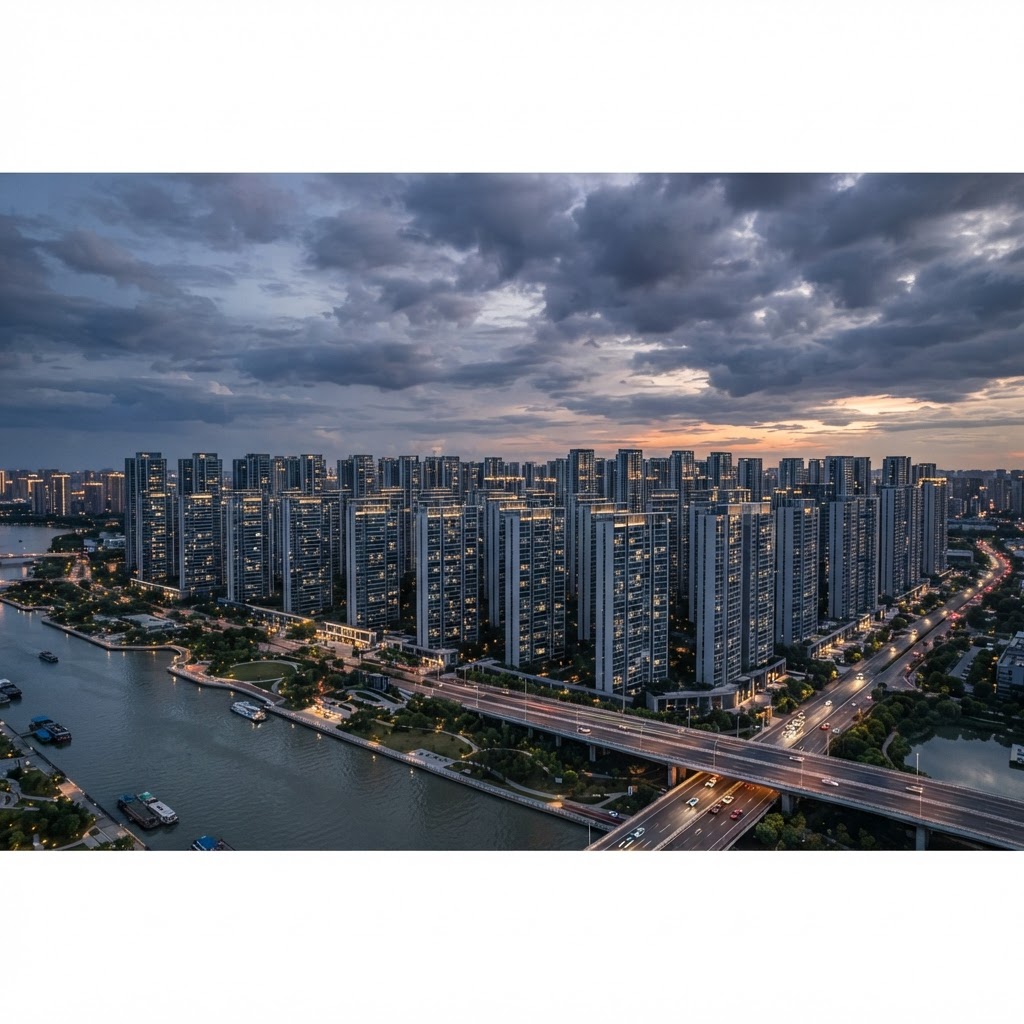
Modern city skylines are increasingly filled with buildings that lack character and quality. We take a look at why developers prioritize speed and cost over beauty and what it means for our living spaces.
The Rise of Value Engineering
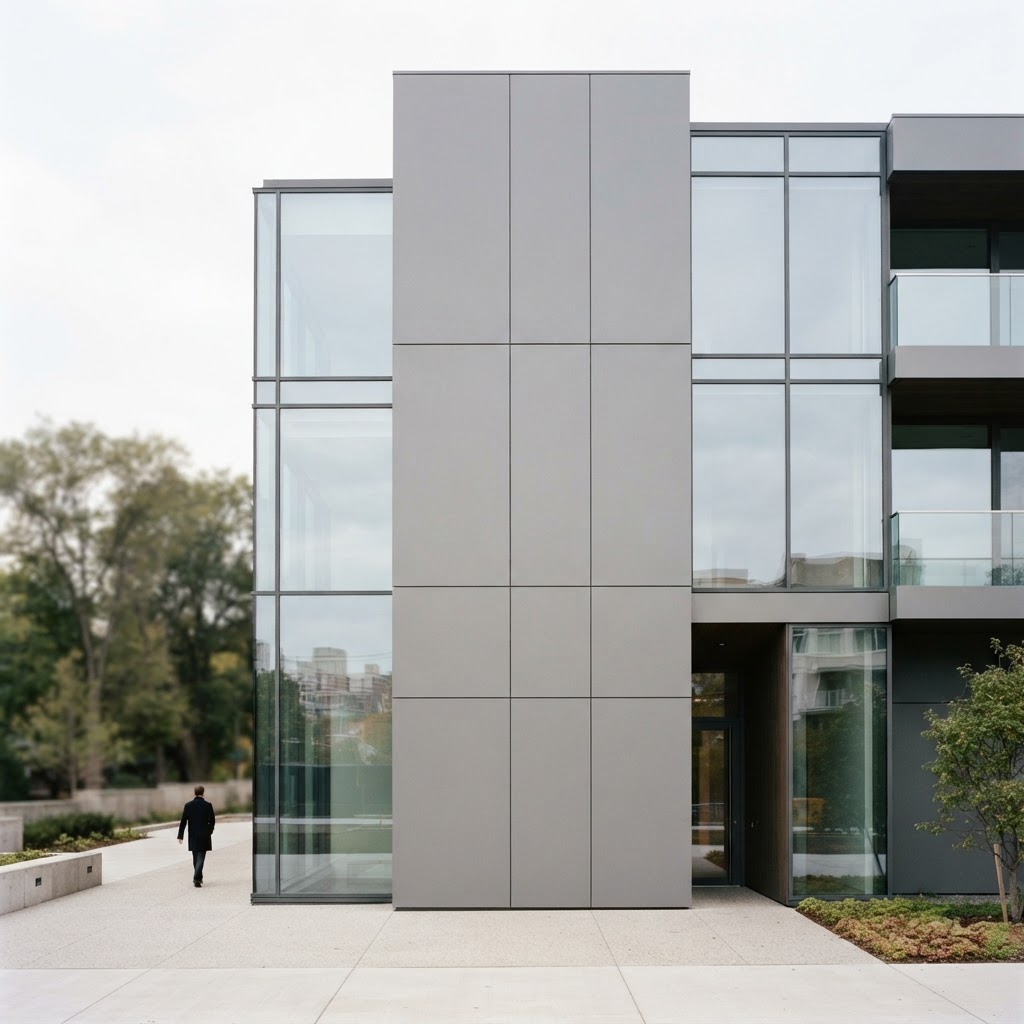
Here's the thing about modern architecture that nobody really wants to say out loud: a huge chunk of it is just... cost-cutting dressed up in fancy language. "Value engineering" sounds like something positive, right? Like you're getting smart about your budget. But in practice, it's often the process by which every interesting, beautiful, or ambitious detail gets stripped out of a building one line item at a time until you're left with something that barely qualifies as architecture at all.
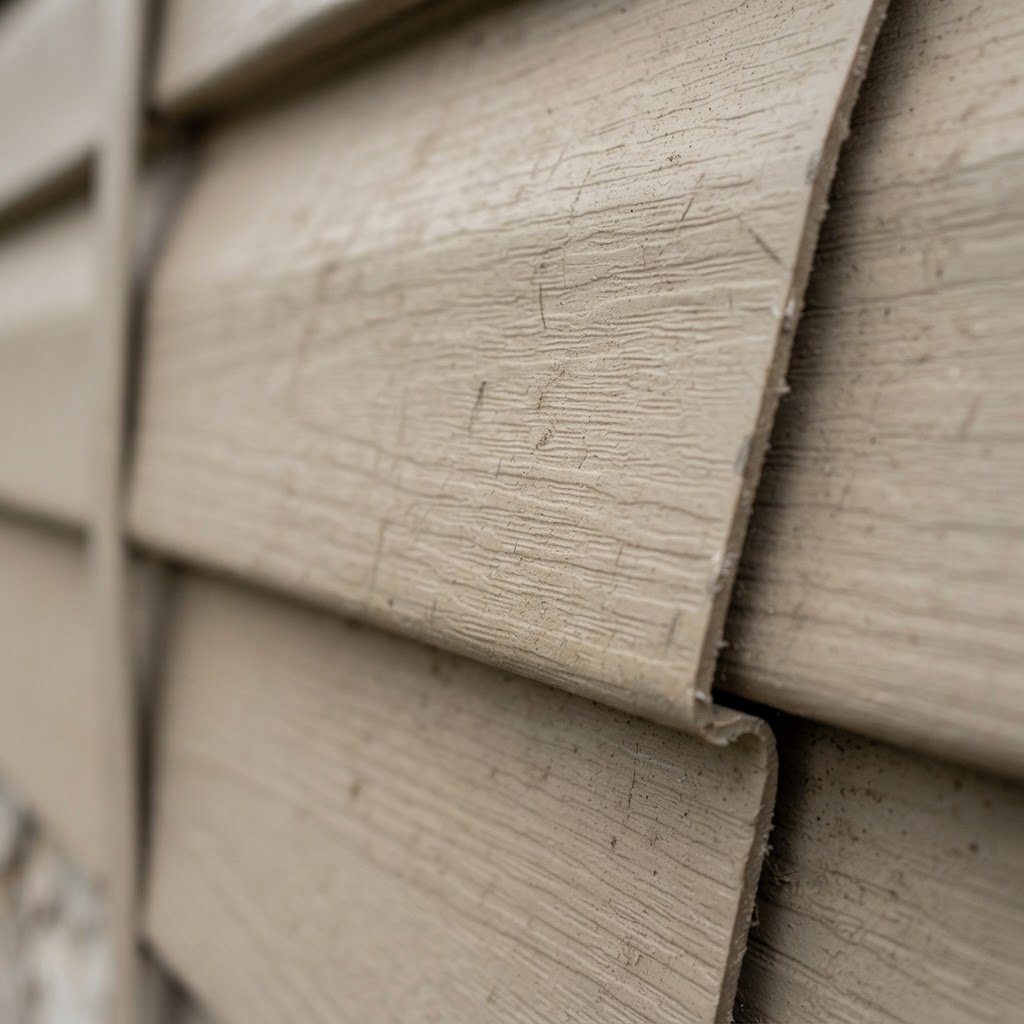
I've talked to architects who genuinely grieve this process. They'll spend months designing something with real character, real craft, real thought about how people will experience the space. Then the developers get involved, the budget gets "optimized," and suddenly the hand-laid brickwork becomes vinyl cladding, the considered window proportions become uniform punch-outs, and the whole vision collapses into something generic. It happens constantly, and most people don't even realize it's happening.
The incentive structure here is basically broken. Developers are rewarded for delivering buildings on time and under budget. They're not rewarded for creating something that people will still love in fifty years. That's a completely different metric, and it's one that almost never shows up in a boardroom conversation. And honestly, until the incentives change, the buildings won't either.
Value engineering isn't always evil. Sometimes it's genuinely necessary. But there's a massive difference between making smart trade-offs and just gutting everything that makes a building human. Right now, we're firmly in the second camp far more often than the first, and you can see it in literally every new development going up in any city you care to name.
Why Everything Looks Like a Cardboard Box
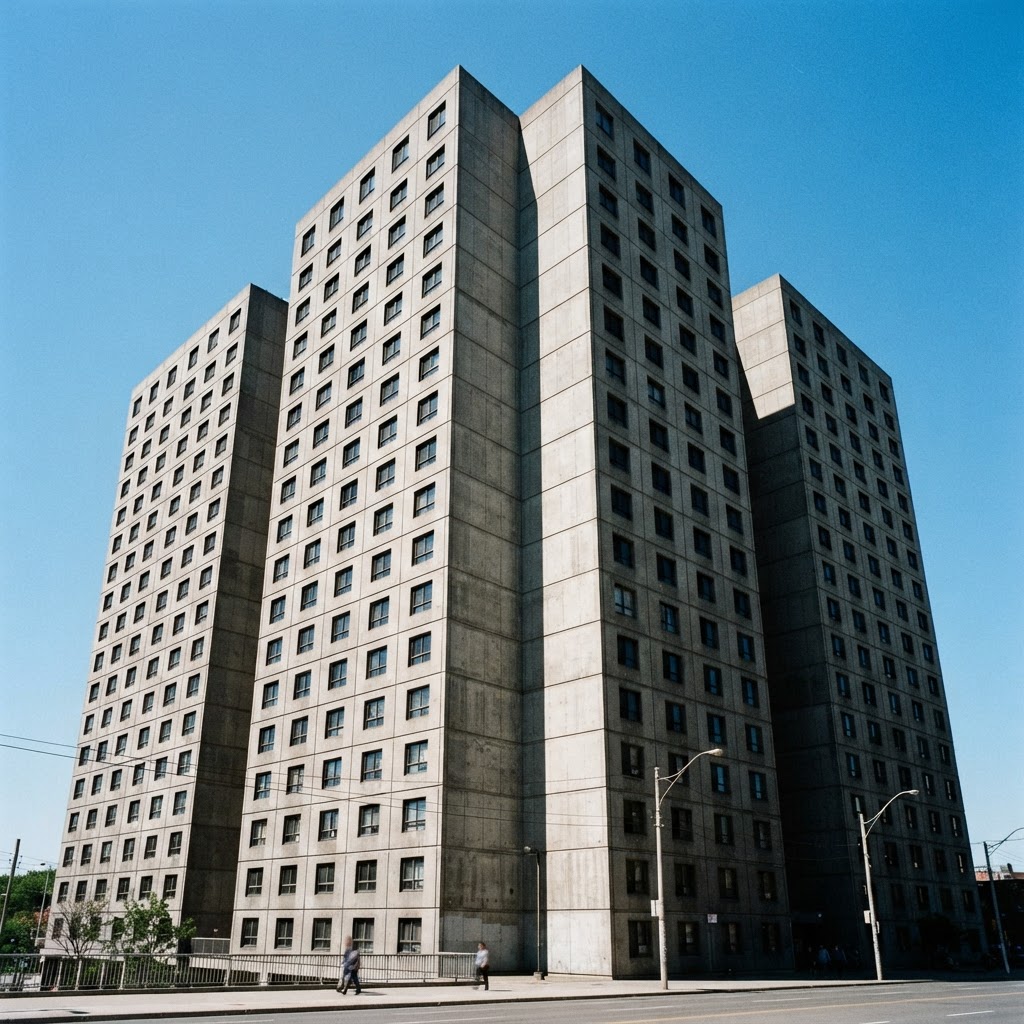
Okay, real talk. If you've walked through any new residential or commercial development in the last decade, you've probably felt that weird sense of sameness that's hard to put your finger on. Everything is rectangular. Everything is flat. The colors are either a muted gray, a warm beige, or occasionally a brave charcoal. There might be some thin metal railings and a few strategically placed panels in a slightly different material to break up the monotony, but not really. It's all boxes. Big boxes, small boxes, boxes stacked on boxes.
This isn't purely an accident of taste. It's the natural result of several forces colliding at once. Modern construction methods favor rectilinear forms because they're cheaper and faster to build. Flat roofs are easier to waterproof with modern membranes. Large uniform cladding systems can be pre-fabricated off-site and attached quickly. Every single one of these decisions makes total sense from a pure logistics standpoint. The problem is that when every building in every city makes all these same logical decisions simultaneously, you end up with streetscapes that feel utterly devoid of life.
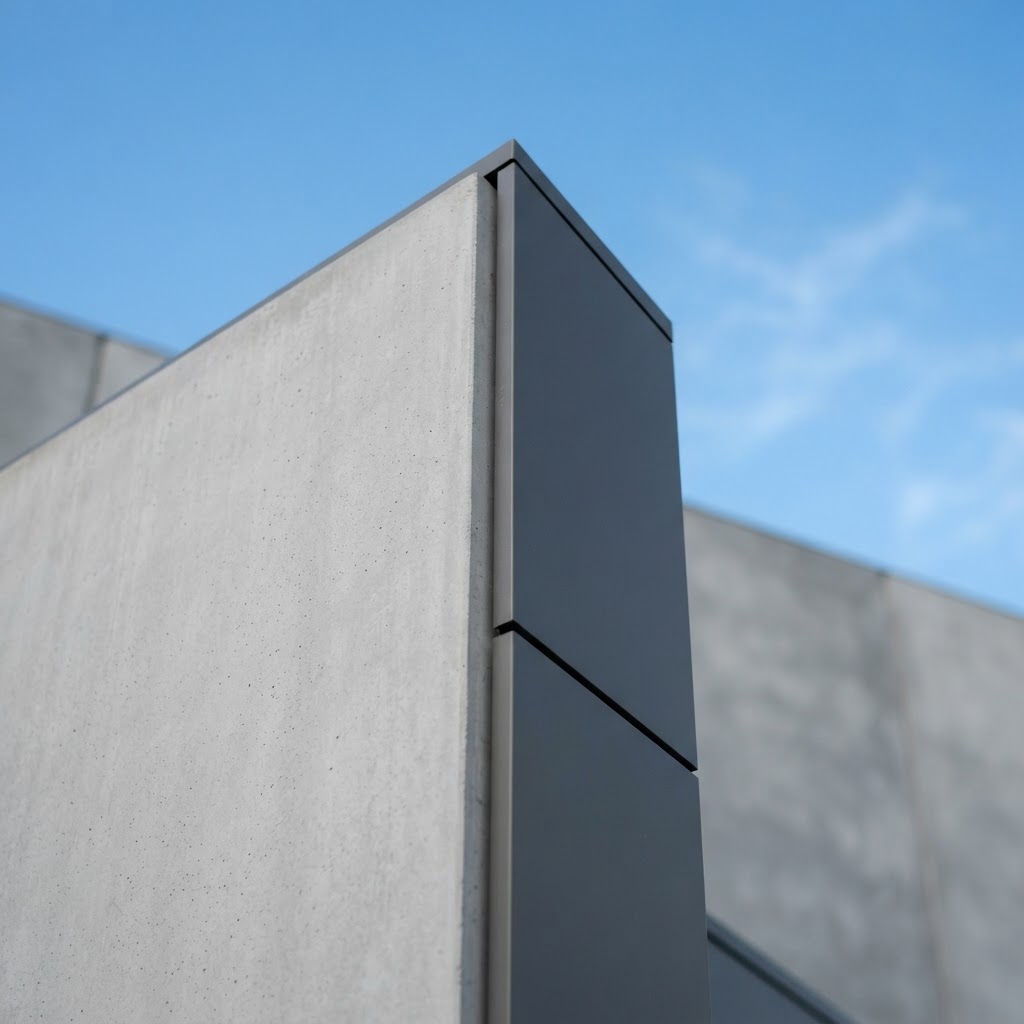
There's also this weird cultural thing happening where "clean" and "minimal" have become synonymous with sophisticated and expensive. So developers lean into the box aesthetic because it reads as modern and premium, even when the actual execution is cheap. It's a kind of aesthetic con, honestly. Slap some large-format tiles on a plain concrete structure, add some matte black hardware, and suddenly you can charge luxury prices for something that took almost no architectural thought whatsoever.
Compare this to older city neighborhoods, the ones people consistently rate as the most beautiful and livable places on earth. Think about Paris, or Prague, or the older parts of any major American city. Those places are rich with variation. Cornices, setbacks, arched windows, varied rooflines, different materials side by side. None of it was accidental. It came from building traditions that valued visual complexity and human scale. We've largely abandoned those traditions, and the streets show it.
The good news is that some architects are pushing back. There's a growing movement toward what people are calling "contextual architecture," buildings that actually respond to where they are and what surrounds them. It's gaining momentum, slowly. But we've got a lot of cardboard boxes to reckon with first.
The Death of Natural Materials
I want to talk about materials for a second because I think this is where we've really lost the plot. Walk through a building from the early twentieth century and pay attention to what things are made of. Stone, brick, timber, plaster, bronze, wrought iron. These materials age beautifully. They develop patina. They feel different under your hand depending on the time of day and the quality of the light. They connect you, in some small but real way, to the physical world.
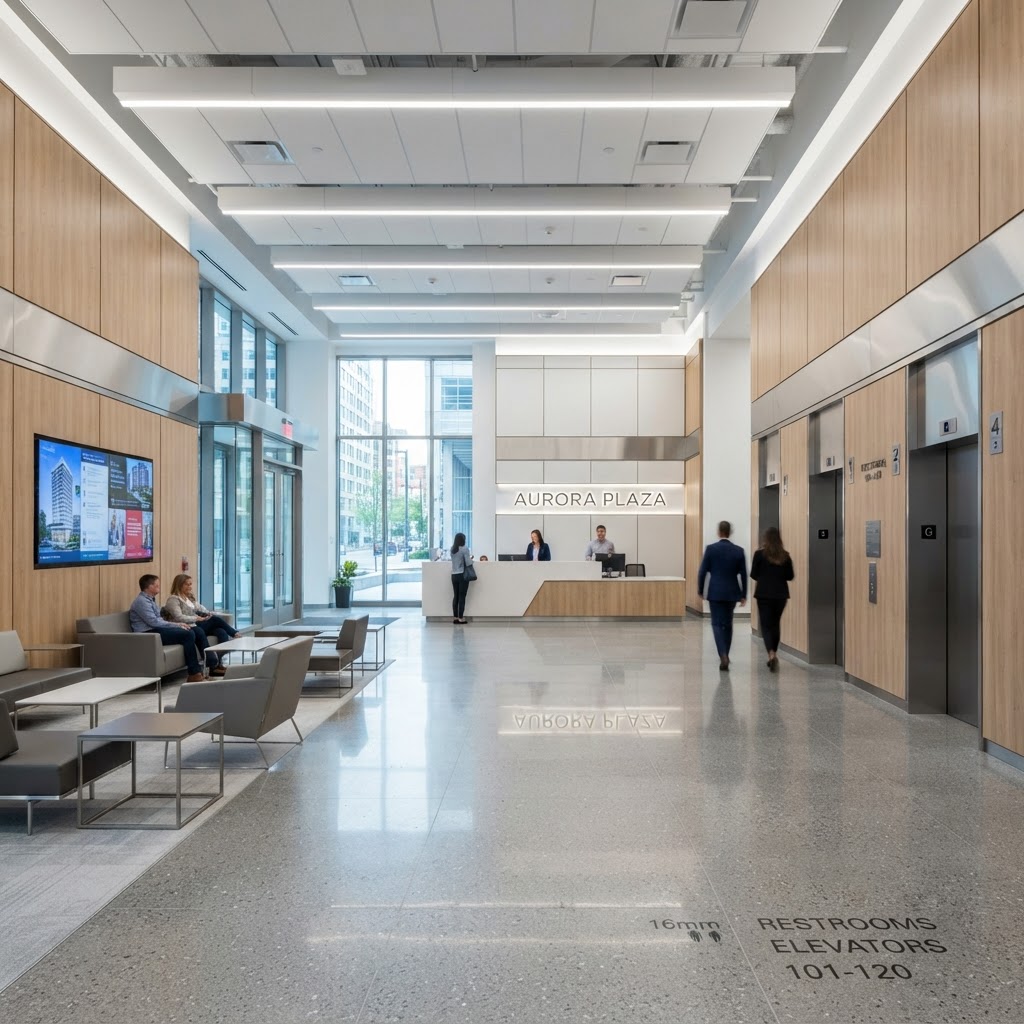
Now walk through a new build. You've got fiber cement panels that are trying to look like wood but don't. You've got aluminum composite cladding in a shade that's trying to look like stone but doesn't. You've got luxury vinyl tile that's trying to look like timber flooring but really, truly doesn't. Everything is an imitation of something richer, executed in a material that will look tired in about fifteen years and will likely end up in a landfill in thirty.
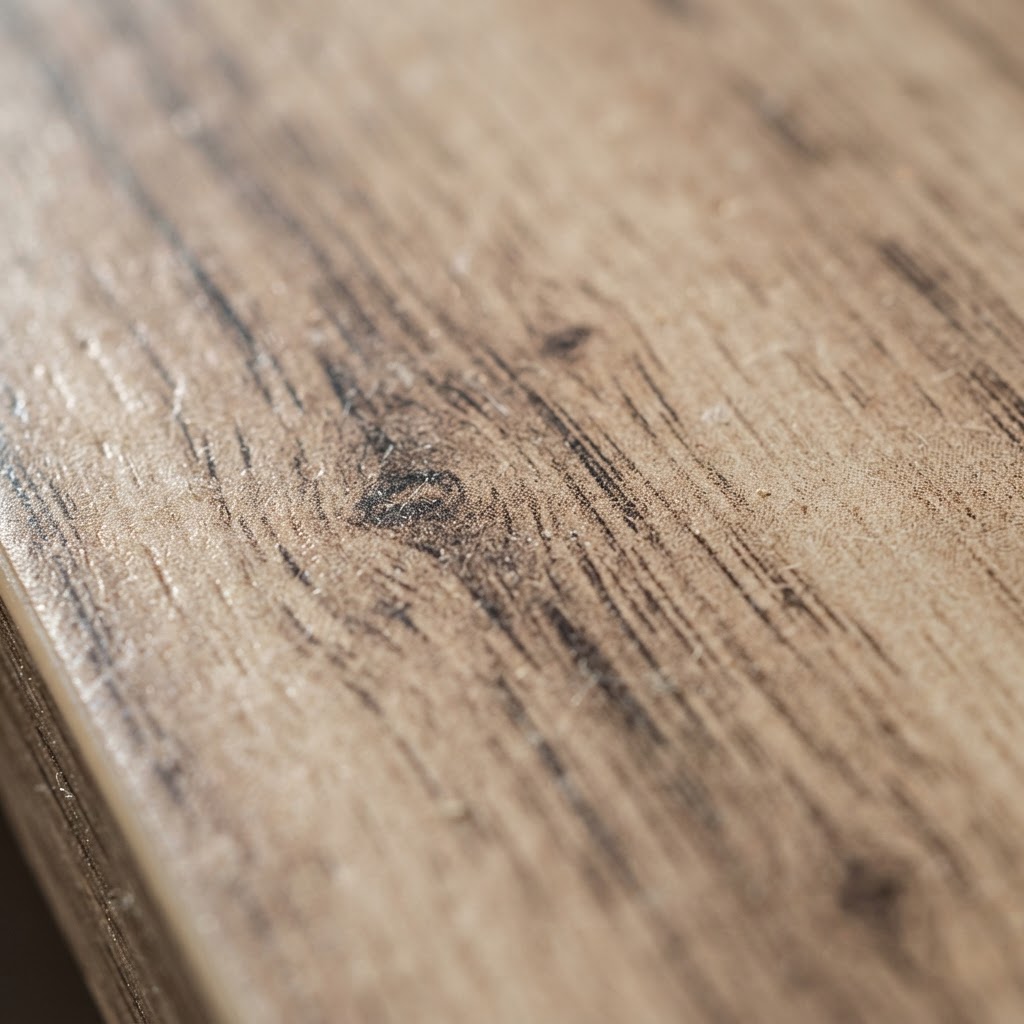
The economic argument for synthetic materials is real and I'm not going to pretend otherwise. Genuine stone is expensive. Old-growth timber is expensive and often ethically complicated. Skilled tradespeople who know how to work with traditional materials are increasingly rare, and therefore expensive. So developers reach for the cheaper alternatives and the result is buildings that look vaguely like what they're trying to be, but never quite convince you.
What gets lost is something I'd call material honesty. The best buildings have always been ones where you can look at them and understand what they're made of, where the material and the form tell the same story. That's not some abstract design principle, it's something people respond to viscerally even if they can't articulate why. It's why people feel calm and grounded in old stone churches and faintly uneasy in modern office lobbies clad in fake marble. The body knows.
Reclaimed materials, mass timber, exposed concrete done well, and even humble painted brick are all having a quiet renaissance right now. Architects who are serious about the craft are rediscovering what materials can do when you let them be themselves. That's genuinely exciting. But it's fighting against decades of synthetic shortcuts, and the fight isn't over yet.
Fast Construction Over Longevity
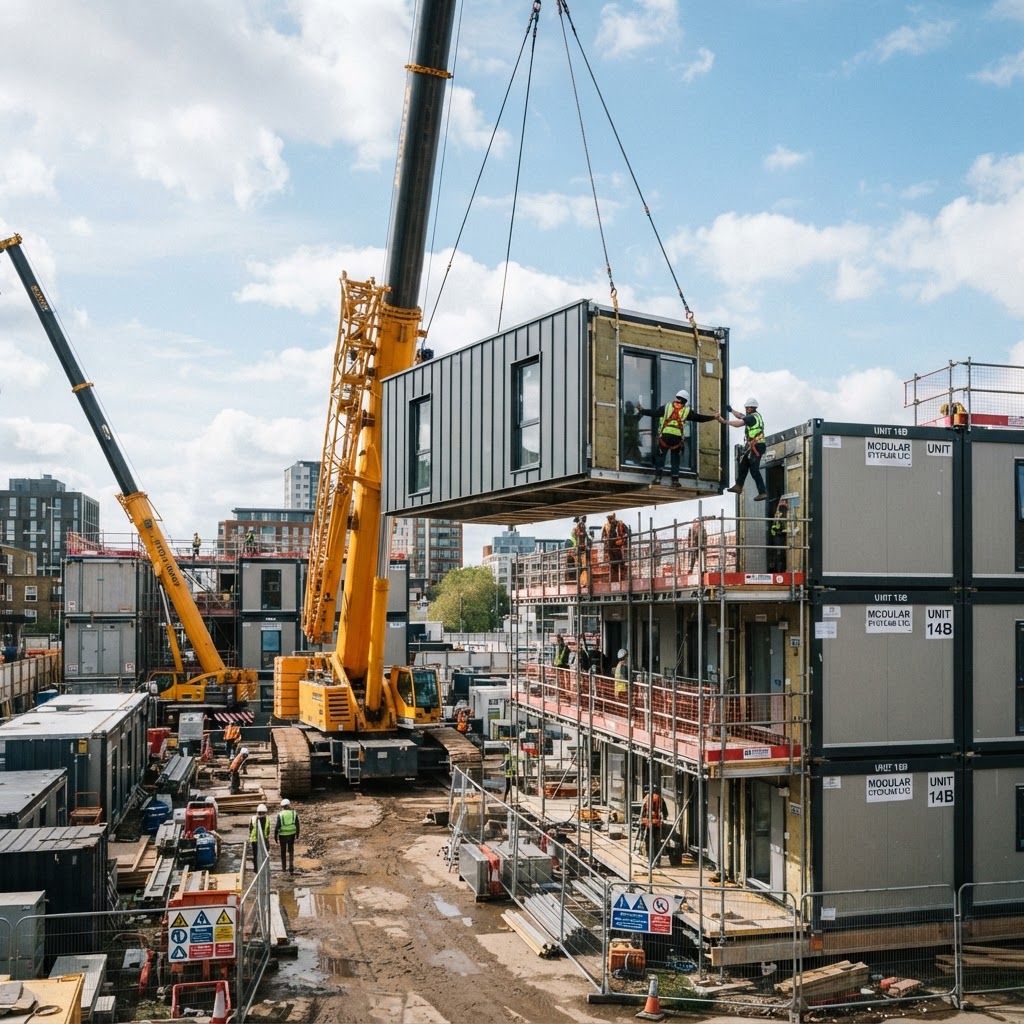
Here's something that genuinely depresses me when I think about it too hard. Many of the buildings going up right now are not designed to last. Not in the way that a Victorian terrace or a mid-century civic building was designed to last. They're designed to perform adequately for maybe twenty to thirty years, at which point they'll require significant renovation or, more likely, demolition. We are building temporary structures and pretending they're permanent ones.
This is partly a financial calculation. Developers often don't hold onto their buildings long-term. They build, they sell or lease, they move on. The long-term performance of the structure becomes someone else's problem. So there's very little incentive to spend more money upfront for superior materials and construction quality when the return on that investment will only be realized decades down the line by somebody else entirely.
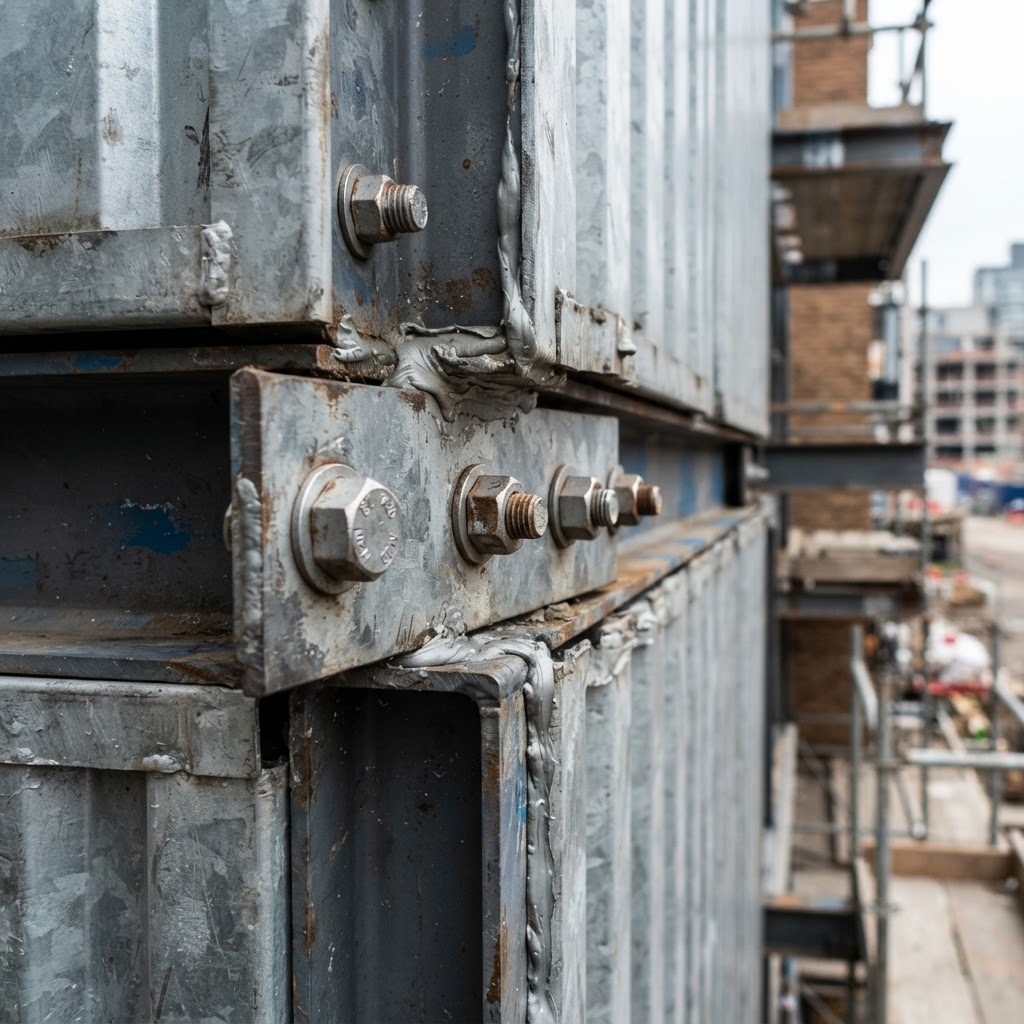
Trust me on this, it's not just an aesthetic problem. It's an environmental catastrophe waiting to happen. The construction and demolition industry is already one of the largest contributors to global waste streams. When we build things that are designed to be torn down and replaced every generation, we're locking in that waste forever. Compare that to the cathedrals of Europe, some of which have been standing for eight hundred years with ongoing maintenance but no fundamental rebuild. That's what building for longevity actually looks like.
There are some genuinely encouraging counter-examples. The passive house movement has produced buildings with incredibly low operating costs and construction quality that's built to last. Mass timber construction, when done properly, creates structures with extraordinary lifespans and beautiful aging characteristics. And there's a growing conversation in the architecture world about what they're calling "design for disassembly," creating buildings whose components can be carefully separated and reused rather than demolished into rubble.
"We shape our buildings, and afterwards our buildings shape us." Churchill said it about parliament, but honestly, it applies to every street, every neighborhood, every city we build and then inhabit for generations.
The shift needs to happen at the regulatory level too. Some cities are starting to require minimum design lifespans for new construction. That's a start. But until the financial incentives align with long-term thinking, fast and cheap will keep winning the argument in developer boardrooms.
Can We Bring Beauty Back to the City
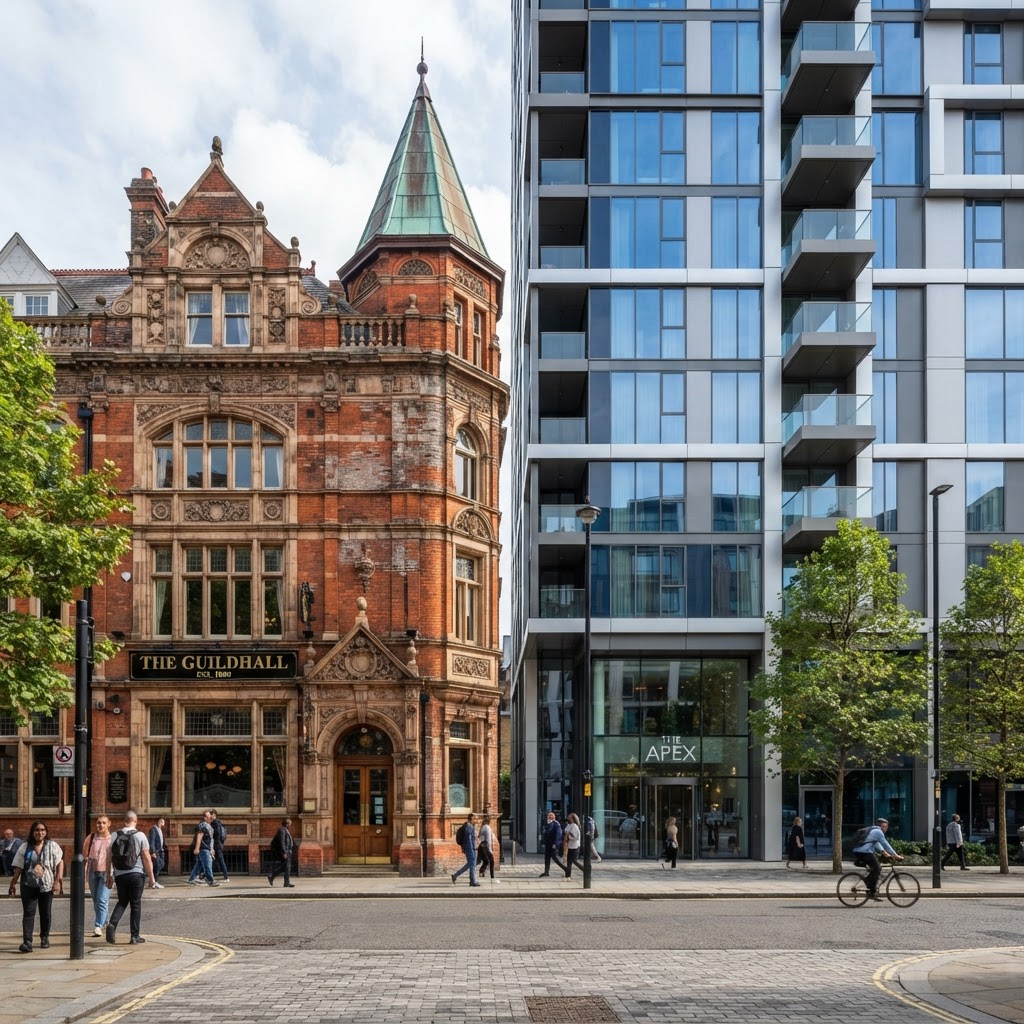
Look, I don't want to end this on a completely despairing note, because honestly there are real reasons to be hopeful. Architecture is not a fixed thing. It responds to culture, to economics, to public pressure, and to the ideas that happen to be in the air at any given moment. And right now, I think the ideas in the air are starting to change in interesting ways.
There's a growing backlash against the generic. You can see it in the popularity of traditional neighborhood design movements, in the success of walkable, mixed-use developments that prioritize human scale, in the fact that "new urbanist" principles that were considered fringe a generation ago are now being taken seriously by mainstream planners. People are tired of living in environments that feel like they were designed by a spreadsheet, and they're starting to say so loudly.
Some cities are actually getting this right. Copenhagen, Amsterdam, and parts of Tokyo have maintained a commitment to street-level beauty and material richness that makes them genuinely wonderful places to walk through. It's not magic. It's planning frameworks that require active frontages, setback rules that create rhythm, and material standards that prevent the worst synthetic shortcuts. These are policy choices, not accidents.
There's also a new generation of architects who are deeply influenced by vernacular building traditions, by the idea that buildings should belong to their place rather than looking like they could be anywhere on earth. Firms like Selgas Cano, or the work being done in the biophilic design space, or the growing community of architects working in natural building materials, all of this points toward a genuine counter-movement. It's not mainstream yet, but it's real.
- Stronger design review processes that give communities a genuine say in what gets built near them
- Long-term stewardship requirements that keep developers financially accountable for how their buildings perform over decades
- Public investment in beautiful civic architecture that sets a standard and reminds people what's possible
- Architecture education that reconnects with craft, materials, and the long tradition of building for human comfort and beauty
- Planning policies that reward contextual design and penalize the worst generic developments
None of this is going to happen overnight. But the conversation is shifting, and honestly, that matters. Architecture is a long game. The buildings we advocate for today are the ones our kids will grow up in. That's worth fighting for.
Final Thoughts
I've been thinking about all of this for a long time, and here's where I keep landing: the ugliness of a lot of modern architecture isn't inevitable. It's a choice. It's the accumulated result of hundreds of individual decisions made by developers, planners, architects, and policymakers who were optimizing for the wrong things. Speed over longevity. Cost over craft. Efficiency over beauty. Those choices can be unmade.
The cities and buildings that people genuinely love, the ones that show up on every "most beautiful places" list, the ones that people travel across the world to experience, they weren't accidents. They were the result of cultures that took building seriously as a form of collective expression. That's what we need to recover. Not some nostalgic copy of the past, but a genuine commitment to making places that are worthy of the people who will live in them.
We deserve better than cardboard boxes dressed up in vinyl cladding. And the good news is, more and more people are starting to agree.
More in Residential
Stay Inspired
Subscribe for new essays on architecture, design, and the spaces that shape us.