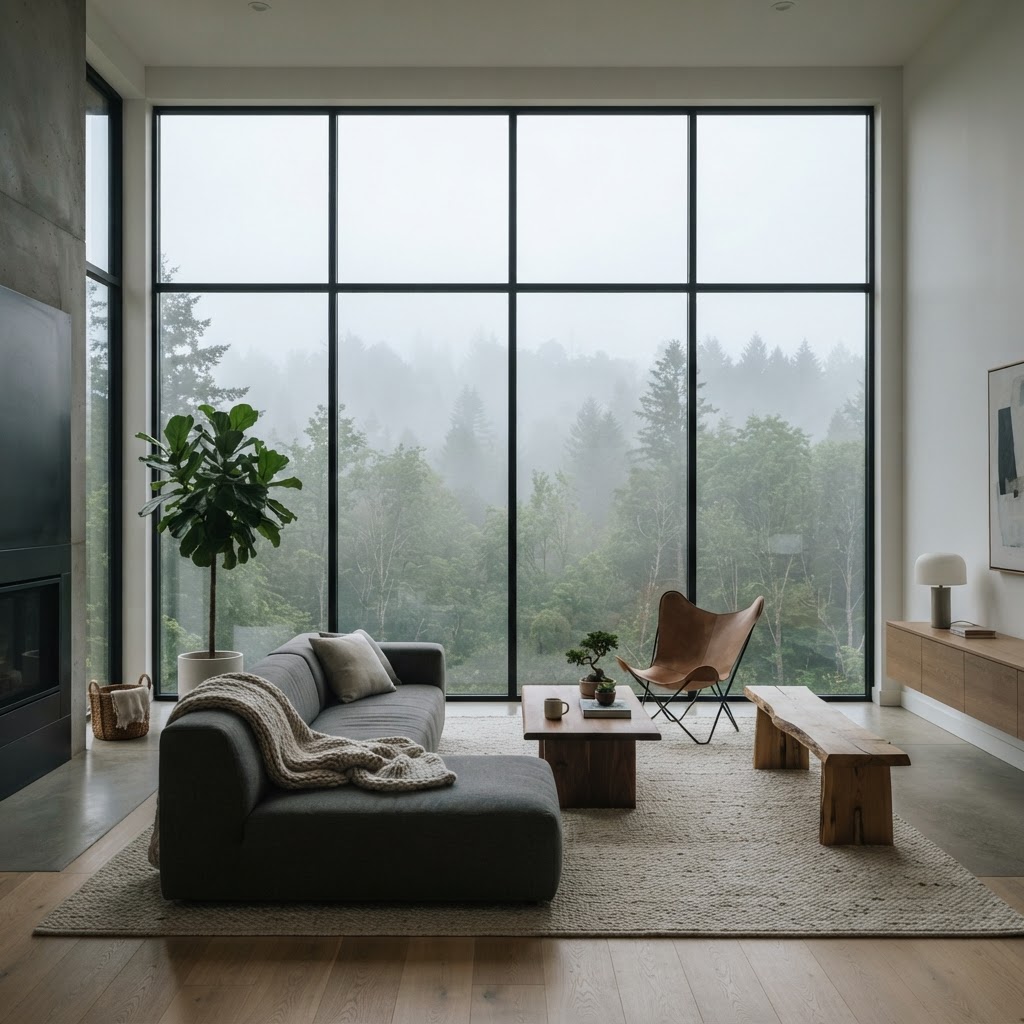
Why One Giant Window Is Better Than Five Small Ones
Architects are increasingly moving away from grids of windows in favor of one massive singular glass installation. We explore why a lone expansive window creates a more serene and intentional connection to the outdoors.
The Power of the Singular View
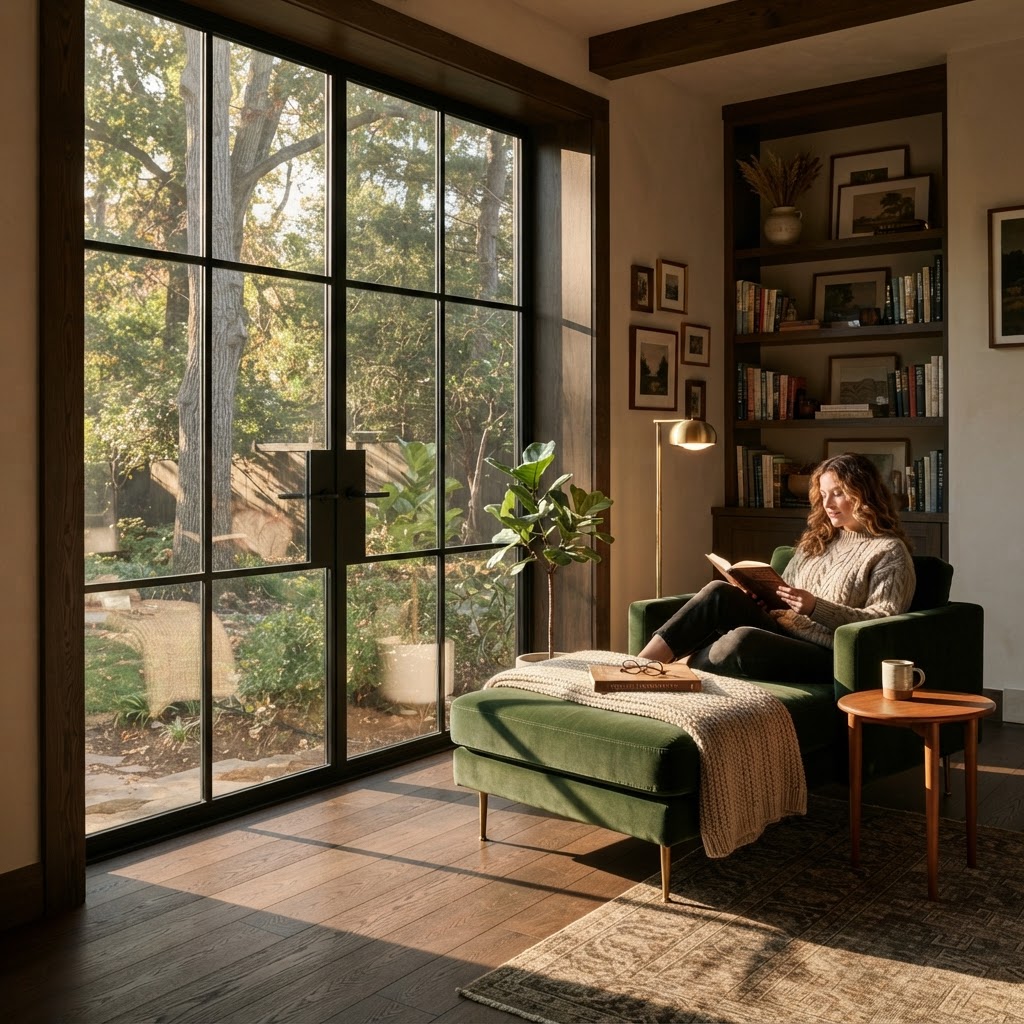
Here's the thing about windows that most people don't think about until they're already living in a space that feels off: it's not about quantity. It's never been about quantity. Five small windows punched into a wall might technically let in the same square footage of glass as one large one, but the experience? Completely different. One feels like a view. The other feels like you're looking through a colander.
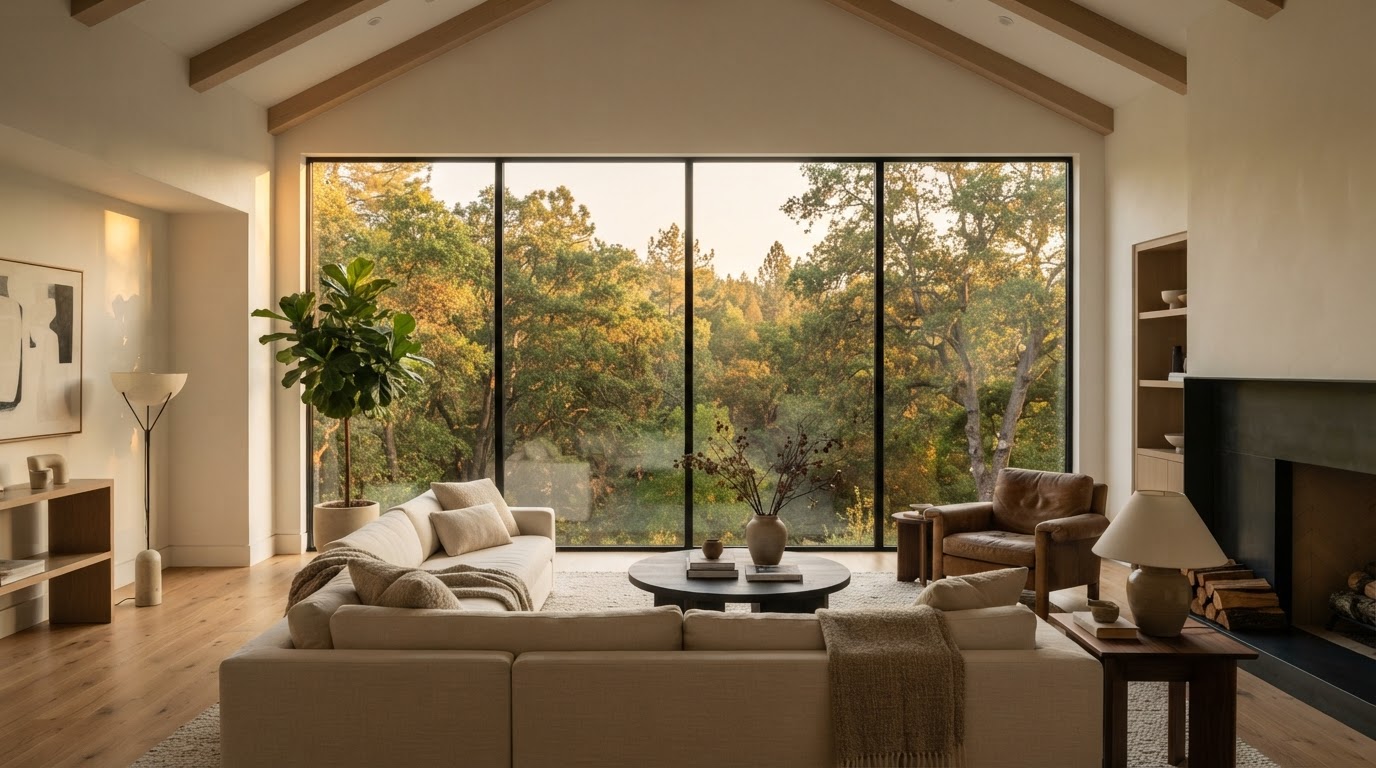
I've walked through hundreds of homes over the years, and the ones that genuinely stop you in your tracks, the ones where you stand in the doorway and just exhale, almost always have that one bold, generous window that commands the room. It's not accidental. Architects who really understand space know that a singular, well-placed window has this almost gravitational pull. It organizes the room around itself. It gives the eye somewhere to land and rest.
Think about how we experience panoramic views at overlooks or on hilltops. Nobody cuts that view up into little rectangles. The whole point is the sweep of it, the continuity, the sense that the world just opens up in front of you. Bringing that principle indoors is genuinely one of the most powerful moves in residential architecture. And honestly, it costs less in hardware, less in frames, less in trim work, less in maintenance. It just takes a little courage to commit to it.
The psychology here is real. A single large window creates a focal point that anchors your furniture arrangement, your sightlines, and your whole sense of orientation within a room. When you fragment that same wall space into multiple smaller openings, you fragment the experience too. The room loses its anchor. Furniture placement becomes awkward. And somehow, even with the same total glass area, the room feels dimmer and more enclosed. That paradox trips people up all the time.
Maximizing Natural Light Patterns
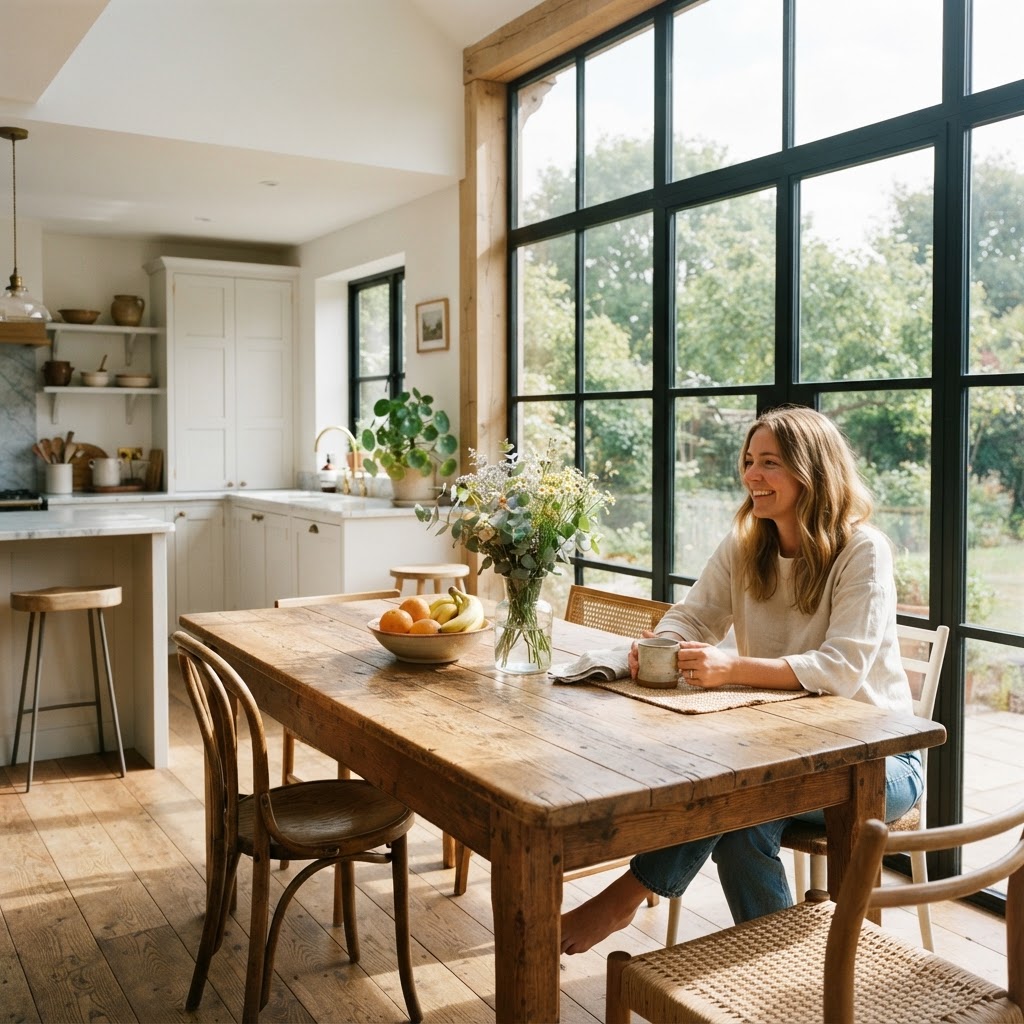
Okay, real talk about light. Natural light doesn't just illuminate a room, it moves through it. And the way it moves depends enormously on the shape and scale of the opening it enters through. A large, uninterrupted window allows light to wash across a room in a wide, sweeping pattern. It creates soft gradients on walls. It shifts beautifully throughout the day, from cool morning blue to warm afternoon amber. You notice the seasons through it. It's genuinely alive.
Five small windows? The light comes in as five separate beams. You get five bright spots and a bunch of shadow between them. The wall reads as choppy and interrupted. The light never gets a chance to spread and fill the way it wants to. And if those windows have frames and mullions, which they will, then you're also getting pattern thrown across your floors and walls all day long. Some people love that effect in very specific contexts, but as a baseline, it creates visual noise that makes a room harder to relax in.

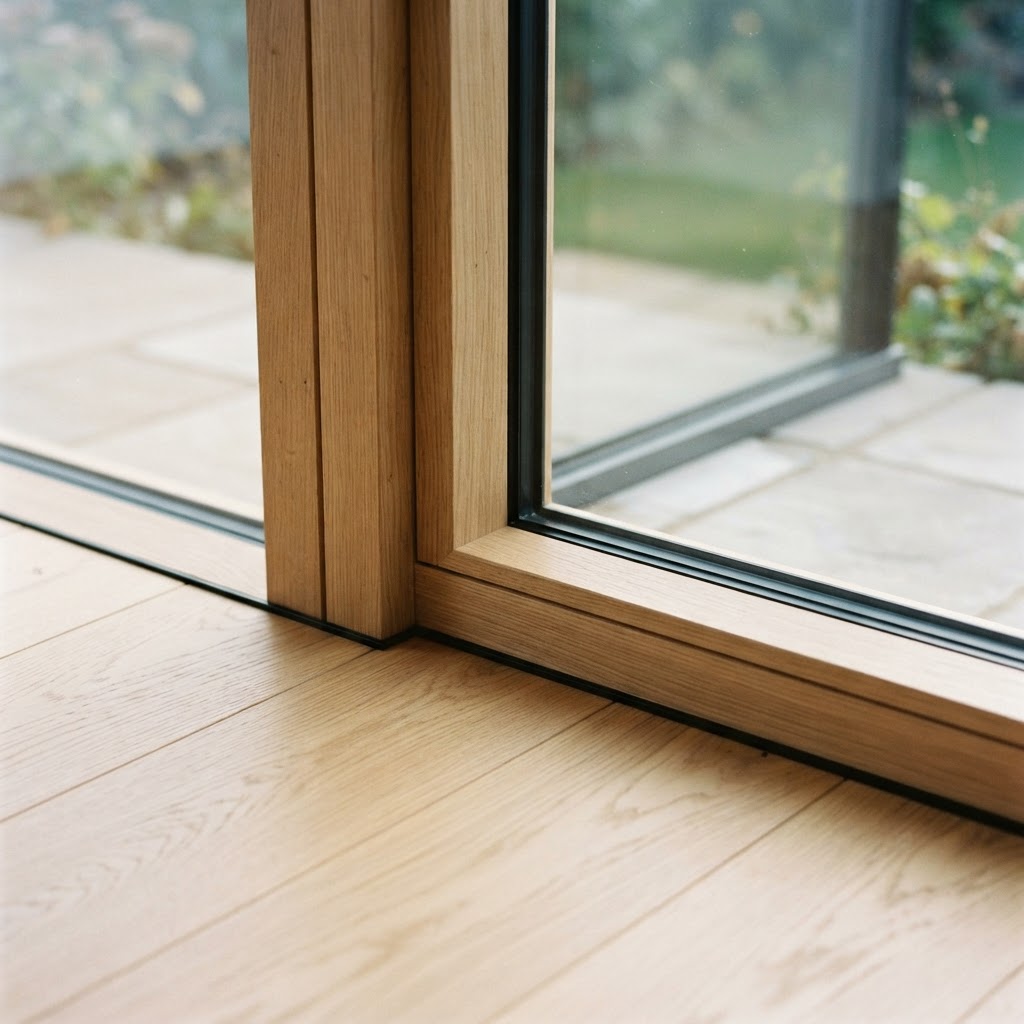
There's also a thermal comfort dimension that doesn't get talked about enough. One large, well-specified window, think double or triple glazing with a good solar heat gain coefficient, can actually be more thermally efficient than multiple smaller ones. Why? Because each frame and seal is a potential weak point. More windows mean more frames, more joints, more opportunities for heat loss in winter and heat gain in summer. One large, well-sealed unit reduces those vulnerabilities significantly.
And honestly, from a daylighting design standpoint, there's something to be said for the quality of light over its quantity. A big window facing north gives you this beautiful, consistent, glare-free light that painters and photographers basically worship. A cluster of small south-facing windows might technically deliver more lumens but with so much contrast and harshness that you end up closing the blinds half the day anyway. Quality matters. Direction matters. Scale matters.
- Unobstructed light spread: One large opening lets light travel further into the room without interruption
- Fewer thermal weak points: Less framing means fewer places where energy efficiency breaks down
- Better glare control: A single window is easier to manage with one good blind or curtain panel
- More dramatic shadow play: The light-to-shadow transition across a room is far more elegant from a singular source
Decluttering Your Wall Composition
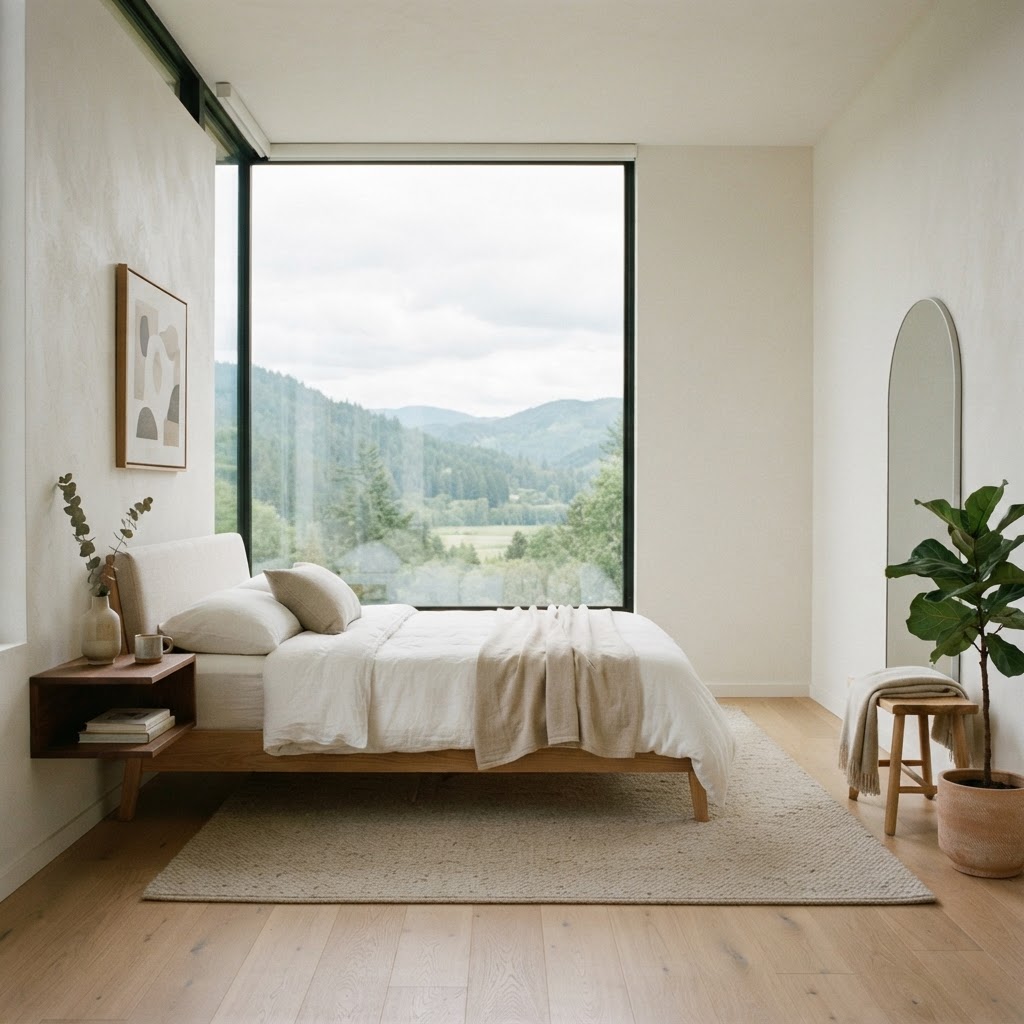
Look, walls are like faces. When there's too much going on, nothing reads clearly. Multiple small windows create visual clutter on a facade, both from the outside looking in and from the inside looking out. You've got frames, sills, reveals, trim, hardware. Multiply that by five and suddenly your wall is doing way too much. It looks busy, indecisive, like someone couldn't commit to a design direction and just kept adding holes until it felt like enough.
One large window is a decision. It's a commitment. And in architecture, commitment is almost always more beautiful than hedging. When you walk up to a house with one generous window centered on a facade, or one dramatic floor-to-ceiling panel anchoring a side wall, it reads as intentional. Confident. There's a clarity to it that multiple smaller openings just cannot replicate no matter how symmetrically you arrange them.
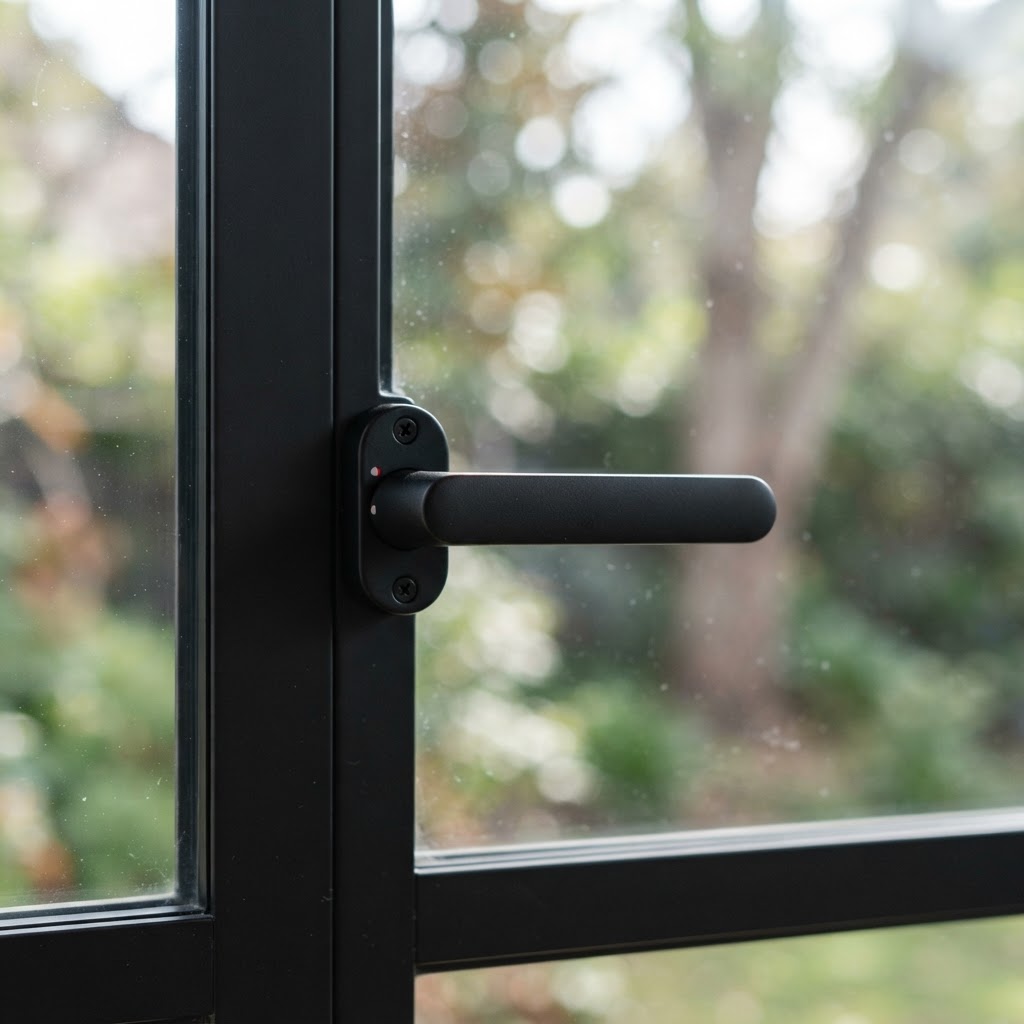
From an interior design perspective, this decluttering has massive practical benefits too. Fewer windows means fewer window treatments to coordinate. You're not wrestling with five separate blind mechanisms or five sets of curtain rods and rings. One large window takes one great curtain panel, or one quality roller shade, and it looks absolutely spectacular. The simplicity is the luxury. Trust me on this, the most expensive-looking rooms are often the ones with the fewest moving parts.
There's also something to be said about wall real estate on the interior. Five windows eat up a lot of usable wall space between them. You can't hang art between windows that are only a foot apart. You can't place furniture against a wall that's constantly interrupted by frames and sills. One large window concentrates the opening, freeing up the remaining walls for artwork, shelving, furniture, and all the things that make a room feel lived in and personal. The room becomes more functional, not less, even as it becomes more dramatic.
Framing Nature Like a Painting
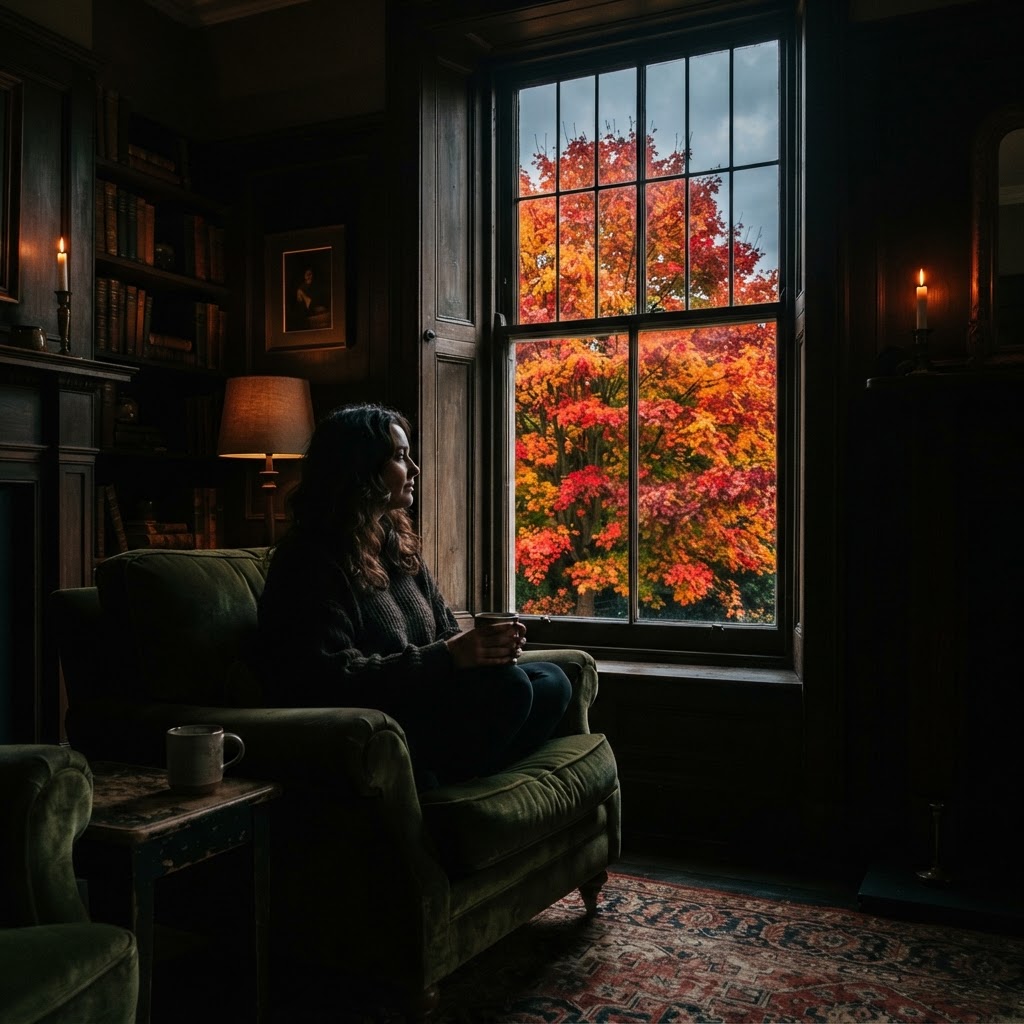
This is honestly my favorite reason of all of them. A large window doesn't just let you see the outside. It frames it. And that distinction is enormous. When you get the proportions right, a big window turns whatever is outside, a garden, a treeline, a mountain range, a city skyline, into something that operates almost like a painting on your wall. Except it moves. It changes with the light, with the seasons, with the weather. It's the most dynamic piece of art you'll ever own, and it comes free with the house.
"The window is not just an opening. It is a frame. And like any frame, its job is to make what's inside it more significant, more beautiful, more worth looking at."
Japanese architecture has understood this forever. The concept of shakkei, or borrowed scenery, is all about using the landscape beyond the building as an intentional part of the composition. You frame a distant tree or a mountain peak through a carefully sized and positioned opening, and suddenly that element belongs to your interior. It becomes part of your room without being in your room. A single large window is the Western vernacular's closest equivalent to that principle, and when it's done well, it's absolutely breathtaking.
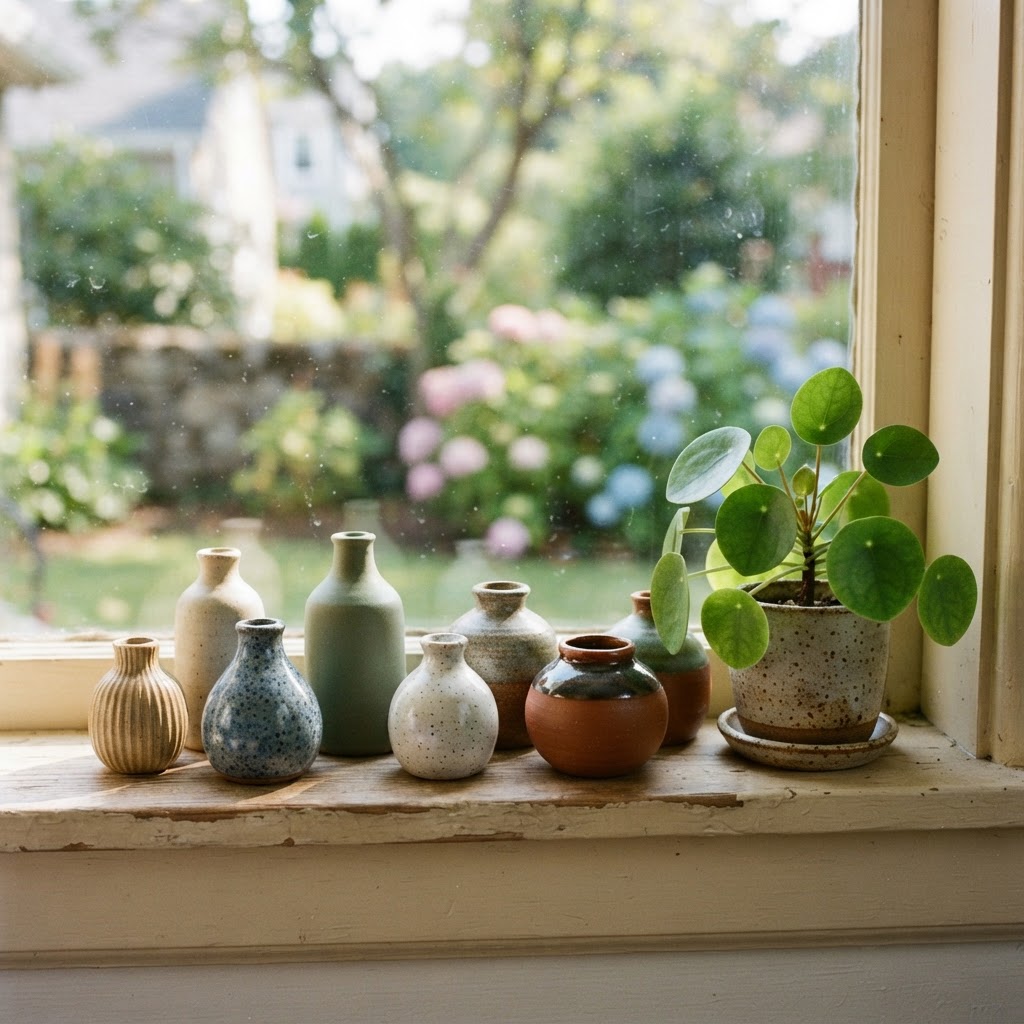
The key to making this work is thinking about the window not from the inside out, but from the outside in. What are you actually framing? If the view outside is extraordinary, a large window is an obvious choice. But even if the view is modest, a well-proportioned large window can elevate it. Frame a single birch tree and it becomes sculptural. Frame a neighbor's roofline against the sky and it becomes abstract geometry. The window gives ordinary things significance. Five small windows just show you five small glimpses of the same ordinary thing, which lands very differently in the brain.
Proportion matters here more than almost anywhere else. A window that's too tall and narrow feels like a slit. Too wide and squat feels like a slot. The sweet spot tends toward something that approximates a landscape painting ratio, wider than tall, often in a rough 16:9 or 3:2 proportion. When you nail it, the view almost clicks into place. You'll know it when you see it.
Balancing Privacy and Transparency
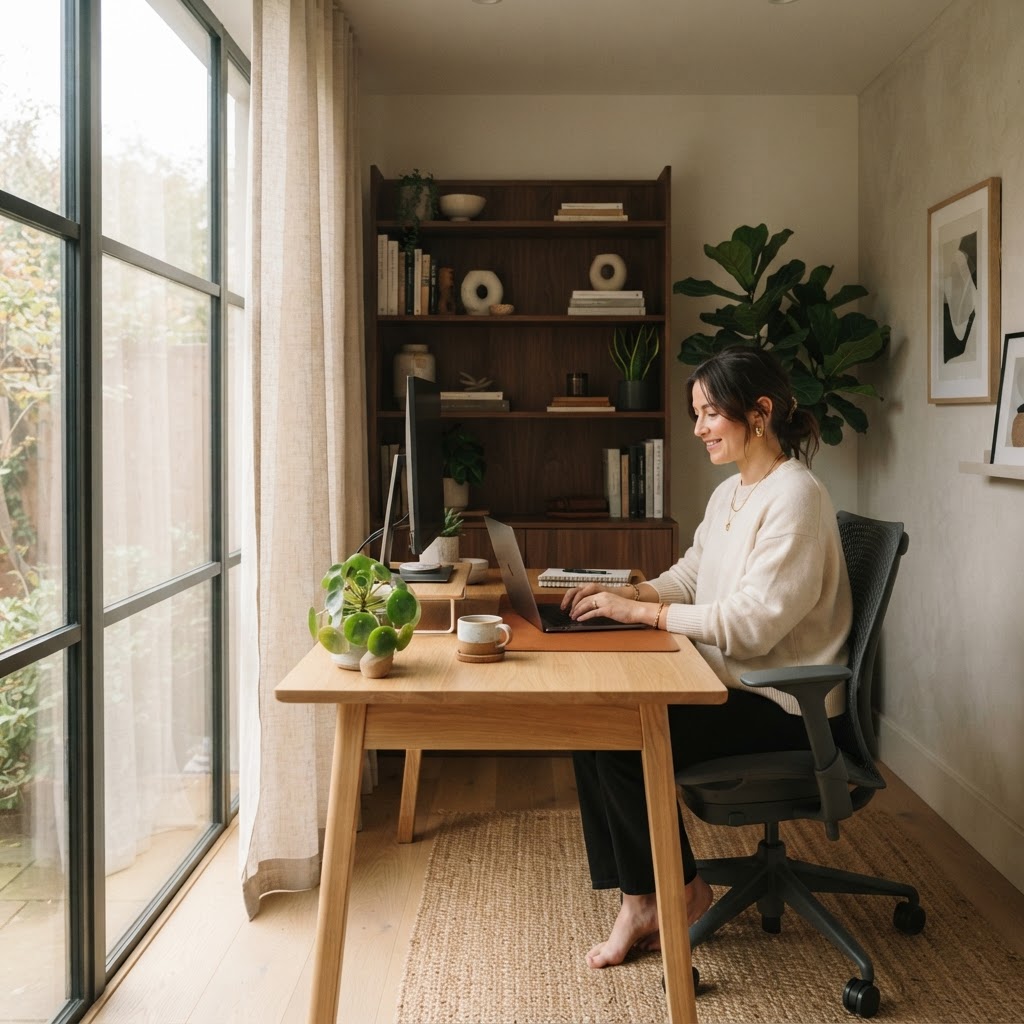
I know what you're thinking at this point. "Sure, one big window sounds great, but what about privacy?" And that's a completely fair concern. Honestly, it's the number one pushback I hear from people when this conversation comes up. But here's the thing: privacy is a placement problem, not a size problem. Five small windows placed badly are just as exposed as one large one placed badly. And one large window placed thoughtfully can actually give you more control over your privacy than a bunch of small ones scattered across a wall.
The trick is thinking about sightlines. A large window positioned high on a wall, say a clerestory style opening, pours light into a room while making it essentially impossible for anyone outside to see in at a comfortable angle. A window placed to face a private garden or courtyard can be as large as you want. Floor-to-ceiling glass on a side wall that faces a fence or a hedge gives you all the drama with none of the exposure. Location, orientation, and what's outside the window matter far more than the size of the opening itself.
- Clerestory placement: High windows deliver light and views of sky without ground-level sightline issues
- Orientation toward private outdoor space: A garden, courtyard, or fenced yard enables maximum glazing with zero exposure
- Smart glazing options: Frosted, tinted, or switchable glass lets you tune transparency without sacrificing scale
- Landscape as privacy screen: Strategic planting outside a large window can filter views beautifully
- One great curtain: A single large window is dramatically easier to control with one bold curtain or shade than five separate ones
And when privacy screening is genuinely needed, having one large window is actually a massive advantage. You control one thing. One curtain, one shade, one panel of frosted film. It's elegant and simple. With five small windows you're managing five separate interventions, which almost never looks good and almost always creates headaches over time. Simplicity scales. Complexity compounds.
Final Thoughts
Look, at the end of the day, the case for one giant window over five small ones comes down to a single idea: intention. Multiple small windows are often the result of indecision or conventional thinking, just put windows where windows go, don't rock the boat, be safe. One large window is a choice. It says something about how you want to live in a space, how you want light to move through it, how you want to relate to the world outside.
The best architecture I've ever been in, the spaces that genuinely change how you feel just by standing inside them, almost always has this quality of bold simplicity. One great material. One strong form. One generous window. It takes confidence to edit down to the singular, essential thing. But when you get there, the result is almost always more beautiful, more functional, and more emotionally resonant than anything a cautious, fragmented approach could produce.
So if you're building, renovating, or just dreaming about your next space: be brave with the glass. Go big, go singular, and let the outside in on your own terms.
More in Residential
Stay Inspired
Subscribe for new essays on architecture, design, and the spaces that shape us.