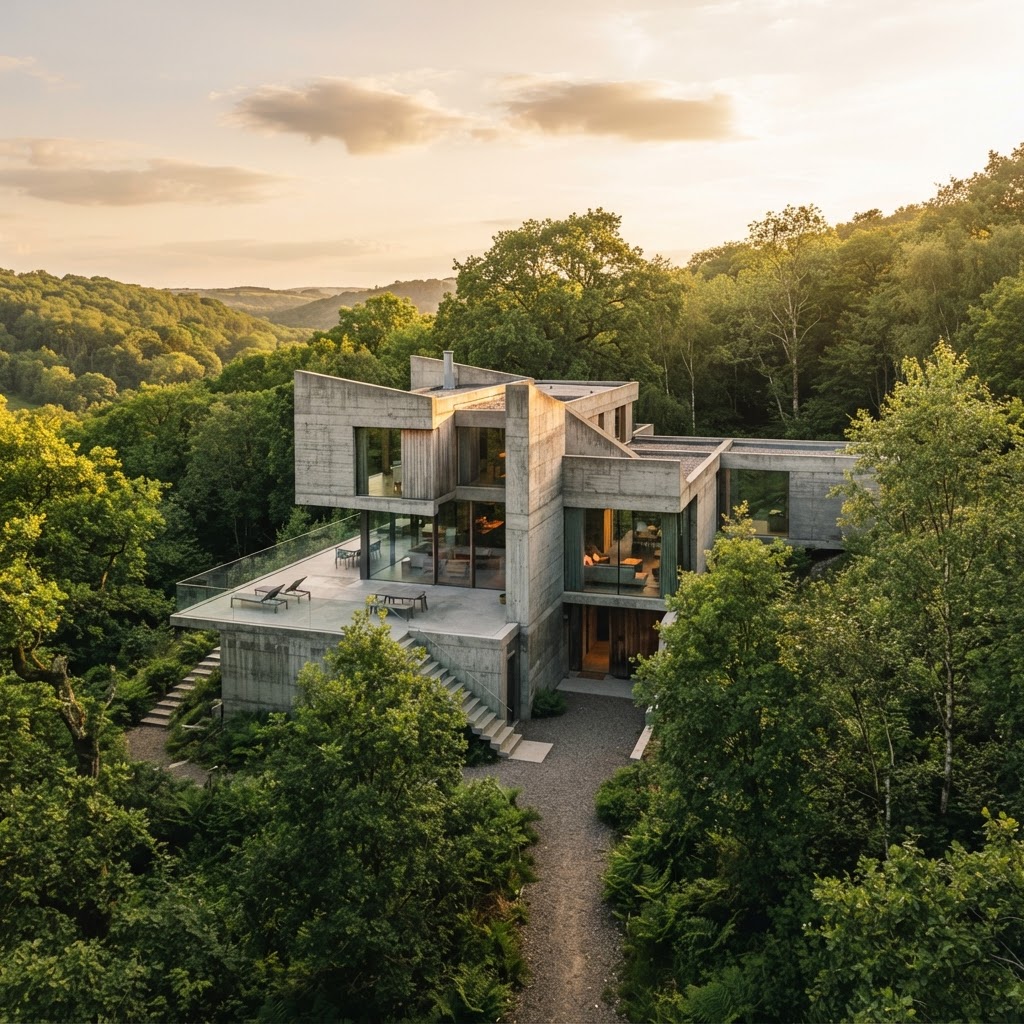
Why Raw Concrete Is Still the Boldest Choice in Modern Architecture
Concrete often gets a bad reputation for being cold or industrial but it remains the most honest material for contemporary design. Discover why architects and designers continue to turn to this timeless medium to create structures that feel authentic and permanent.
The Beauty of Unadorned Surfaces
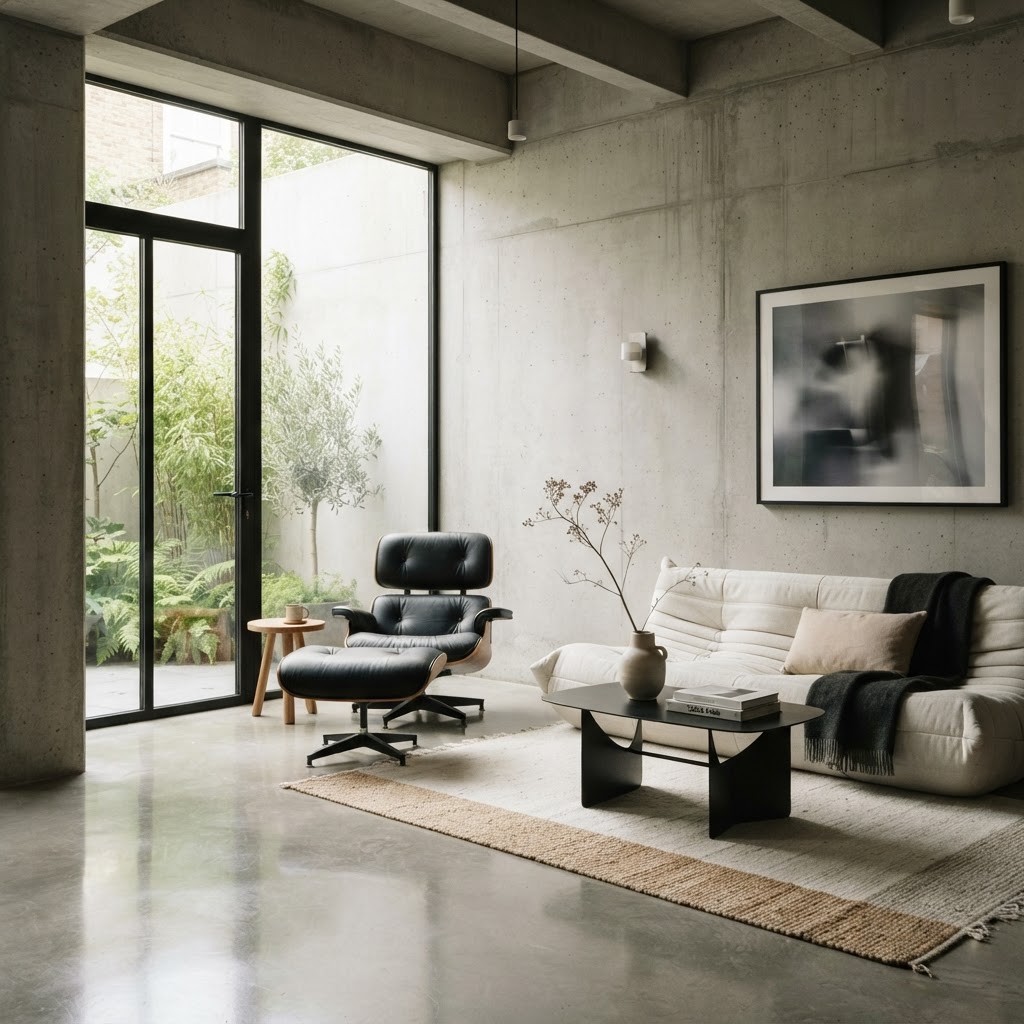
There's something almost confrontational about a raw concrete wall. It doesn't apologize. It doesn't try to be something else. It just sits there, grey and proud, and honestly, that's exactly what makes it so compelling. In a world where every surface seems to be competing for your attention with patterns, textures, and trendy finishes, concrete just refuses to play that game.
I've been following architecture and design for a long time now, and I keep coming back to this material. Every few years someone declares concrete "over," and then some architect drops a building or an interior that completely blows that idea out of the water. Concrete isn't a trend. It's more like a philosophy. When you strip everything back to its most essential form, you get something that looks like this: raw, unpolished, and breathtaking.
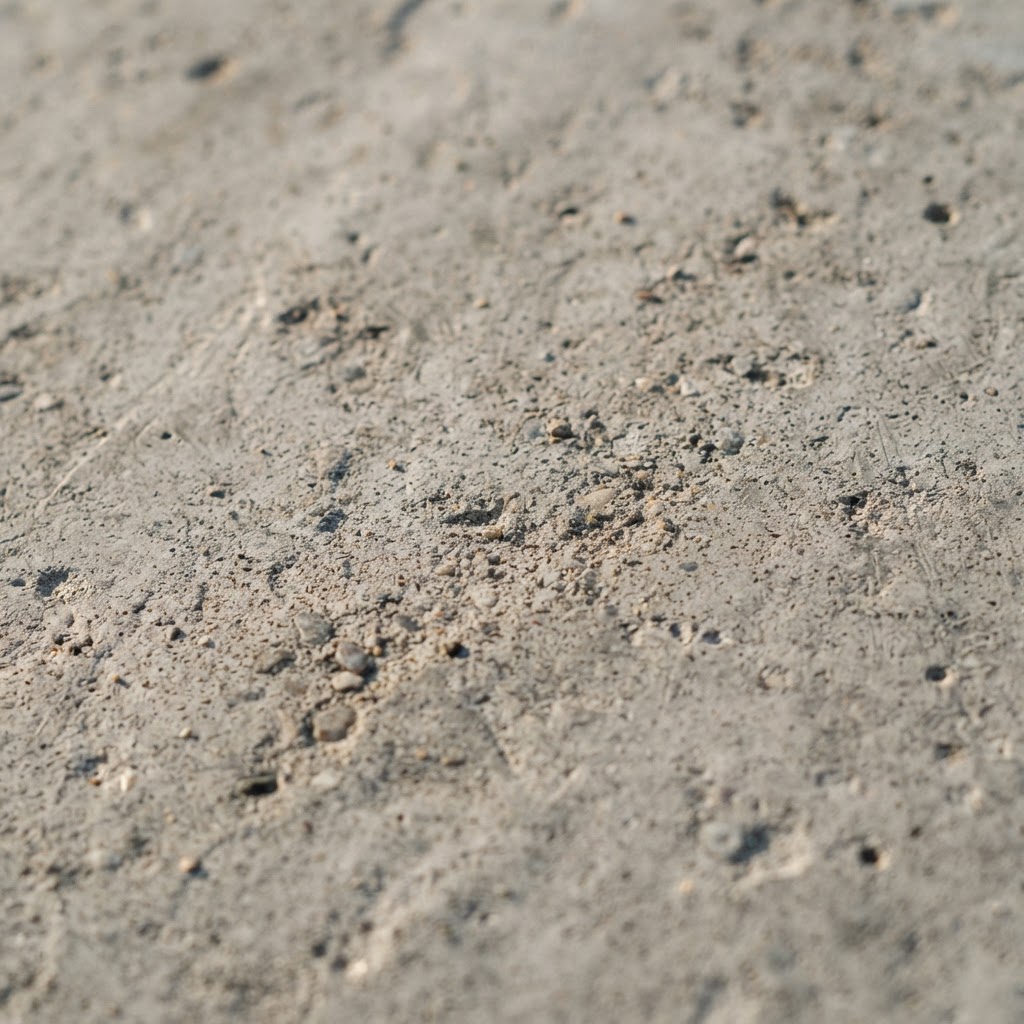
Here's the thing about unadorned surfaces: they demand a different kind of attention. When you walk into a room with painted drywall and crown molding and wallpaper, your eye bounces around all of that decoration. But when you walk into a concrete space, your eye settles. You start noticing the light. You notice how shadows fall across the surface. You notice the tiny imperfections left behind by the formwork, those little lines and voids that tell you this was made by human hands.
That's not a flaw. That's the whole point. The texture of raw concrete is a record of how it was built, and there's something deeply honest about that. Architects like Le Corbusier understood this intuitively, and the Japanese concept of wabi-sabi, finding beauty in imperfection, maps onto béton brut in a really powerful way. The surface isn't trying to hide anything. It's telling you exactly what it is.
Look, not everyone loves it. I know people who find concrete cold, sterile, even depressing. And that's a fair reaction, especially if you've only seen it done badly. Bad concrete interiors exist. But good ones? They feel like being inside something that has genuine, unapologetic character. And honestly, that's rarer than it should be in modern design.
Strength Meets Sculptural Form
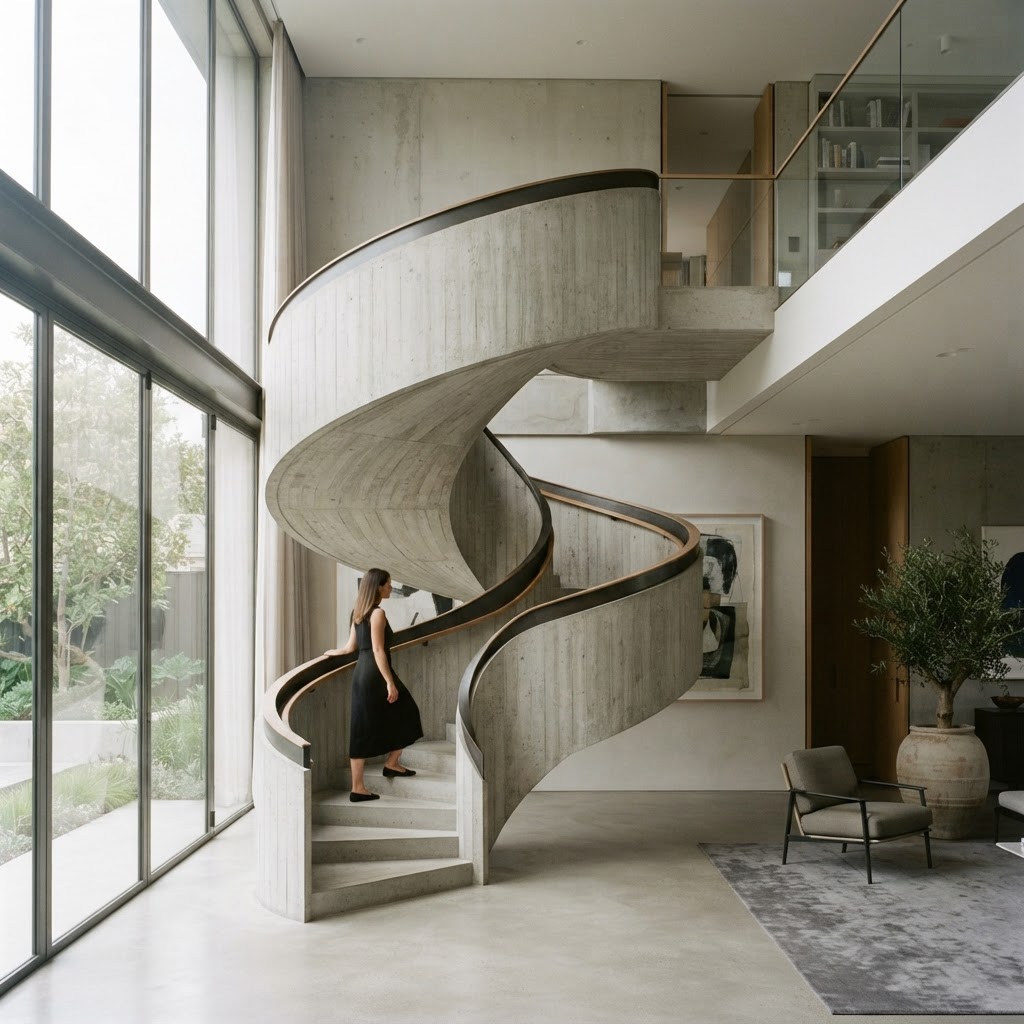
One of the most underrated things about concrete as a building material is its relationship with form. Because it starts as a liquid, concrete can be poured into literally any shape you can build a mold for. That's an insane amount of creative freedom. Wood has grain, steel has limitations at certain scales, brick is modular by nature. Concrete? Concrete will be whatever you tell it to be.
This is where architecture really gets exciting. Think about the great Brutalist buildings of the mid-twentieth century, structures like Paul Rudolph's Art and Architecture Building at Yale, or Oscar Niemeyer's work in Brasília. These buildings don't look like anything else. They have this massive, monolithic presence that you feel physically. They're not just shelters, they're sculptures at an architectural scale. And none of that would have been possible without concrete's unique ability to hold complex forms.
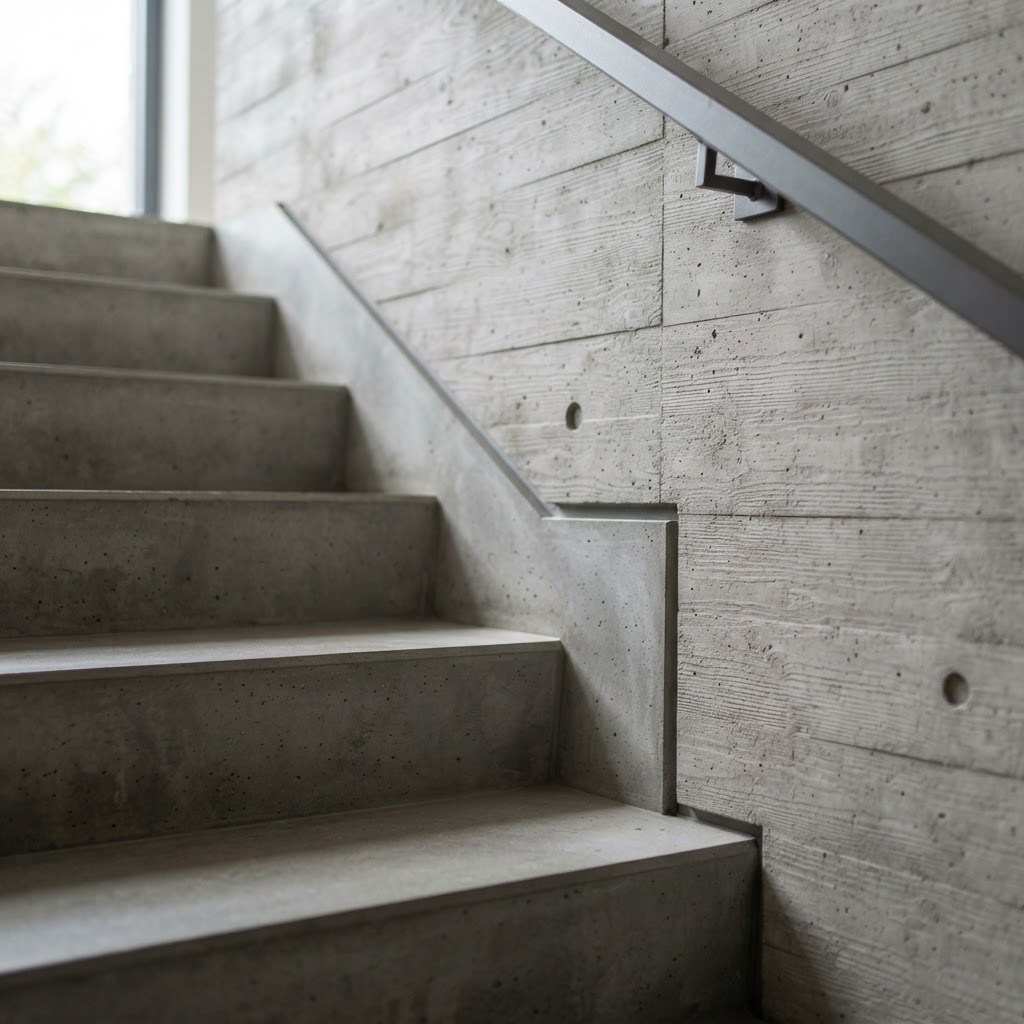
Real talk: the sculptural potential of concrete is still being discovered. Contemporary architects like Tadao Ando have pushed this further than almost anyone, creating spaces that feel almost meditative because of how precisely the concrete is detailed and how deliberately it interacts with light. Ando's Church of the Light in Osaka is just a concrete box with a cross-shaped cut in the wall, and it is one of the most moving spaces on earth. That's the power of the material when it's handled with real intention.
What I find genuinely fascinating is how concrete can appear both heavy and light at the same time, depending on how it's used. A thick load-bearing wall communicates permanence and mass. But a thin cantilevered concrete slab extending over a void? That feels almost defiant. Like the building is showing off. And honestly, good architecture should make you feel something, whether that's awe, calm, curiosity, or even a little unease. Concrete can do all of those things.
The structural honesty of it matters too. When you see a concrete column or beam, you know it's doing something real. It's not decorative, it's load-bearing. There's no veneer, no cladding pretending to be something else. The strength is right there on the surface, visible and legible. For architects who believe that a building should express how it works, concrete is the most direct language available.
Softening the Industrial Edge
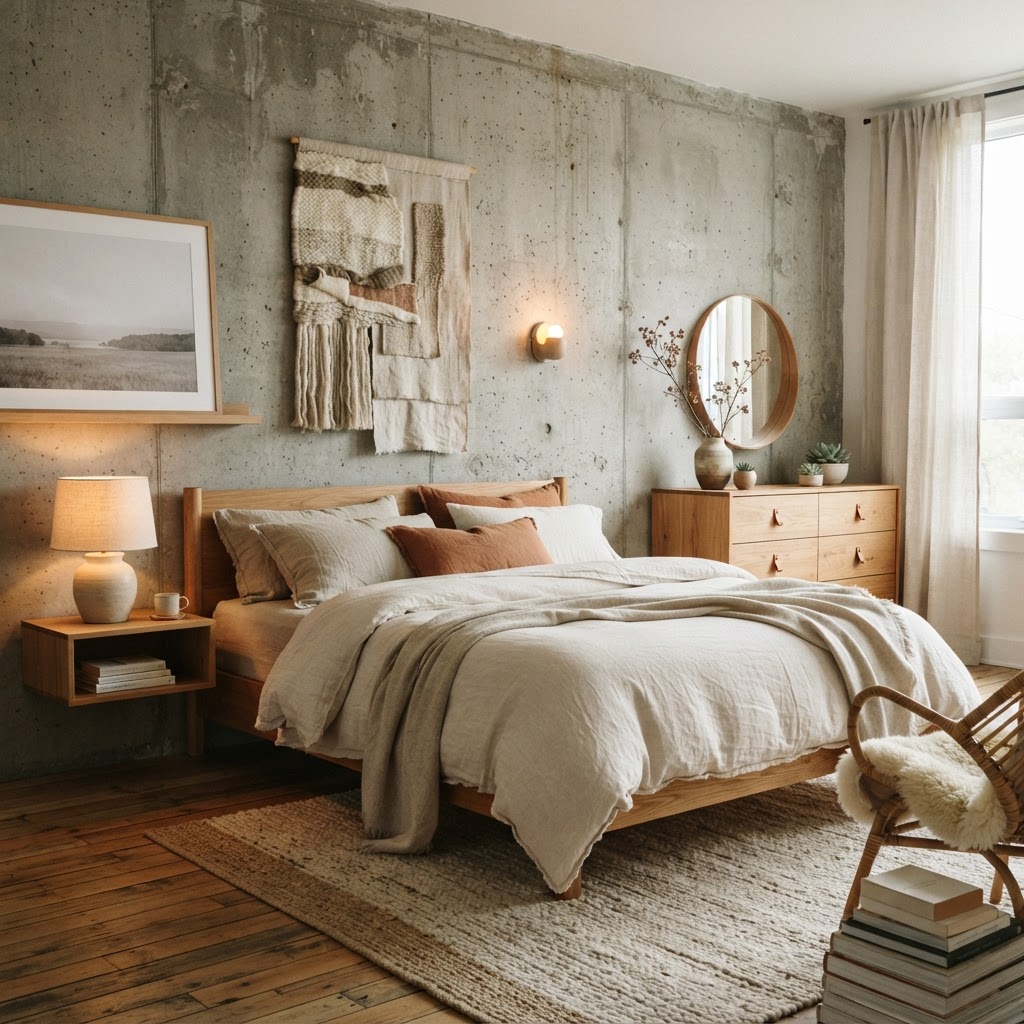
Okay, I'll be honest with you. The number one complaint I hear about concrete interiors is that they feel cold. And look, I get it. If you walk into a space that's all concrete, all grey, no warmth anywhere, it can feel a bit like you've taken a wrong turn into a parking structure. The material absolutely has the potential to go wrong in that direction. But here's the thing: that's a design problem, not a concrete problem.
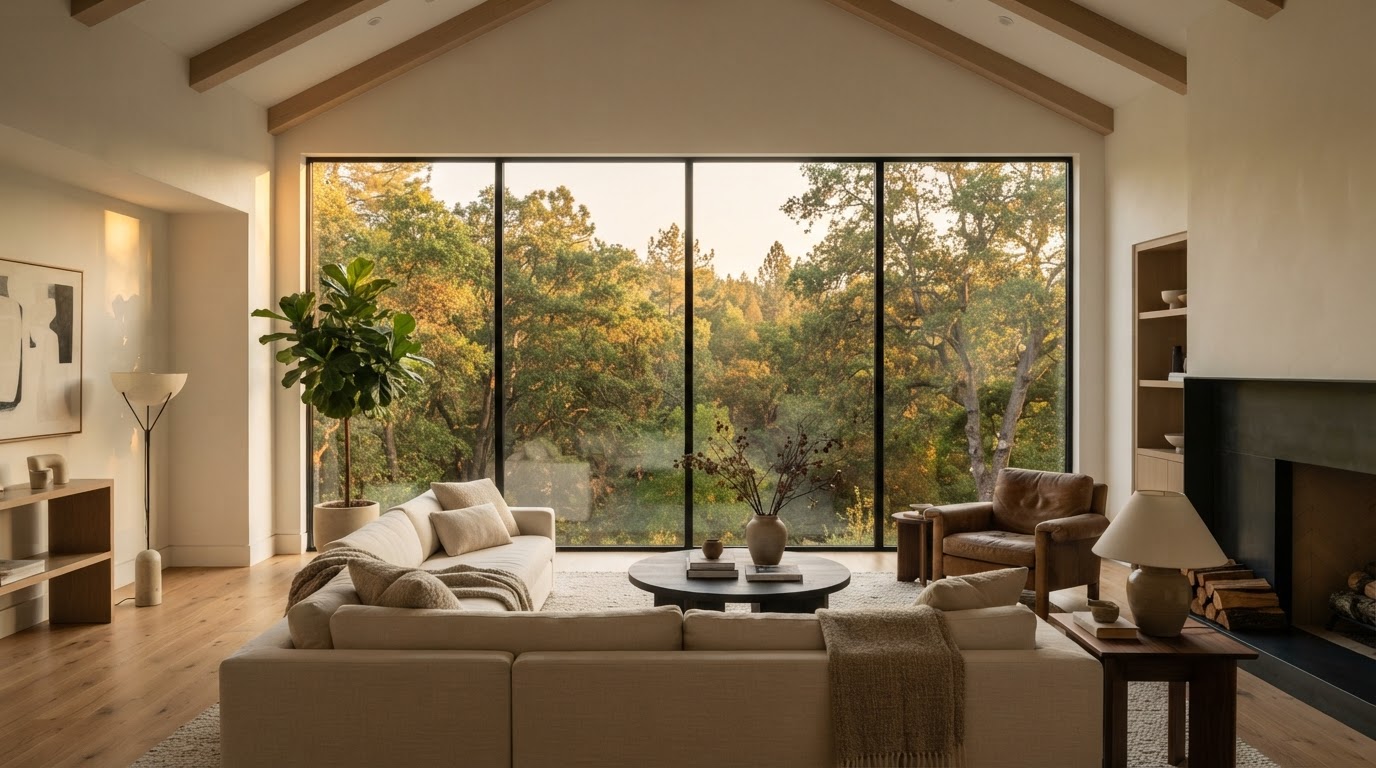
The best concrete spaces I've ever been in weren't all concrete. They were spaces where concrete was the backdrop, the anchor, the thing that gave the room its weight and character, while everything else did the work of making it feel livable. Think about a rough concrete wall paired with a deep wool sofa in burnt orange, or wide-plank oak floors warming up a polished concrete ceiling overhead. The contrast is everything. The concrete becomes a foil for softness rather than a replacement for it.
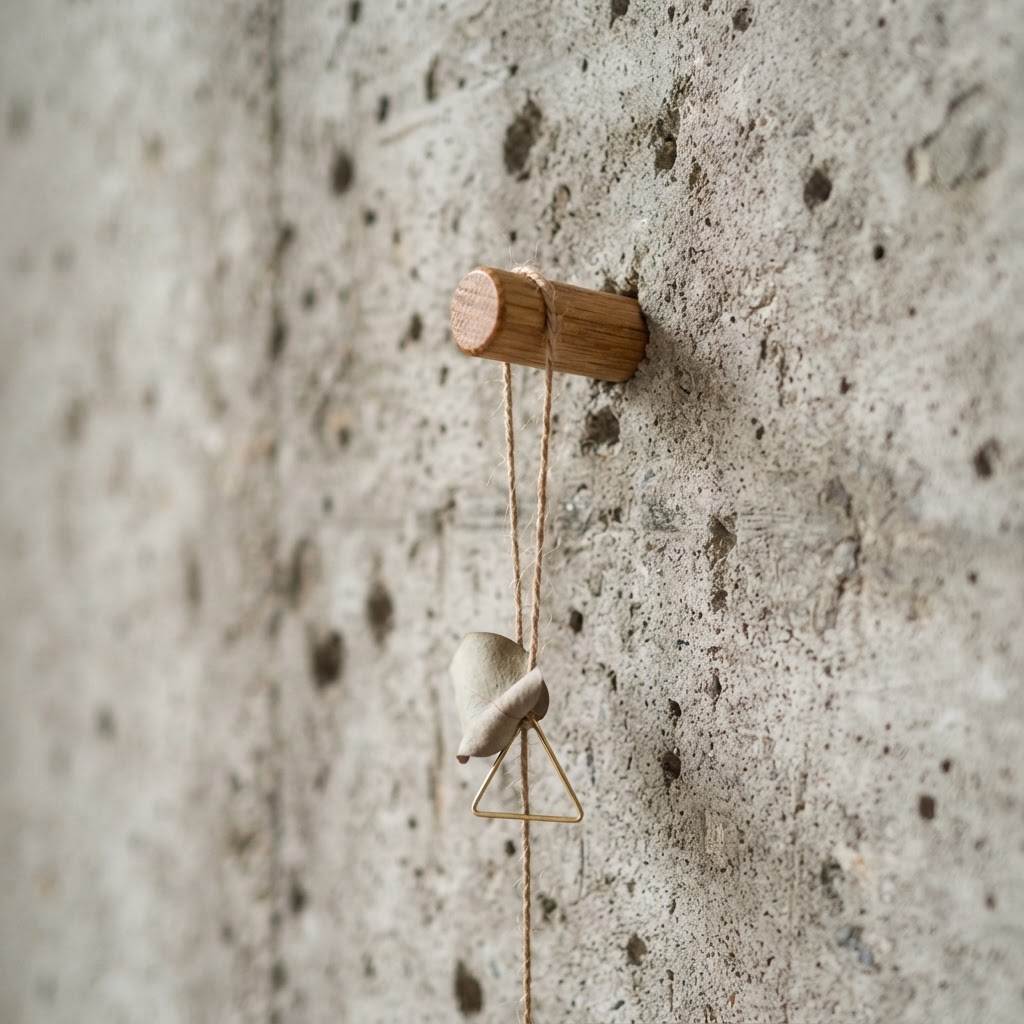
Plants are a designer's best friend in these spaces, and I'll die on that hill. Green against grey is one of the most satisfying combinations in interior design. The organic, irregular forms of plants push back against the rigidity of concrete in a way that feels completely natural, and suddenly the whole space breathes. Add some pendant lights with warm filament bulbs, a few pieces of ceramic on a shelf, and a good linen throw, and your "cold industrial space" is now a deeply cozy, layered home that happens to have the most interesting walls in the neighborhood.
Lighting deserves a whole conversation on its own when it comes to concrete. The way light rakes across a textured concrete surface at different times of day is genuinely dynamic. In the morning when the sun is low and sharp, you'll see every grain and void in the surface. At dusk with warm ambient light bouncing around, the same wall looks completely different, almost soft. This is one of those things you really have to experience to believe. Trust me on this. Concrete is a chameleon, and light is its accomplice.
- Use warm wood tones to counterbalance the cool grey of exposed concrete floors or walls
- Layer textiles generously, rugs, cushions, throws, anything that introduces softness and texture
- Bring in plants of different sizes to add organic movement and color
- Choose warm-toned lighting to shift the mood of the space after dark
- Mix in natural materials like leather, linen, rattan, or stone to create dialogue with the concrete
Why Concrete Is the Ultimate Honest Material
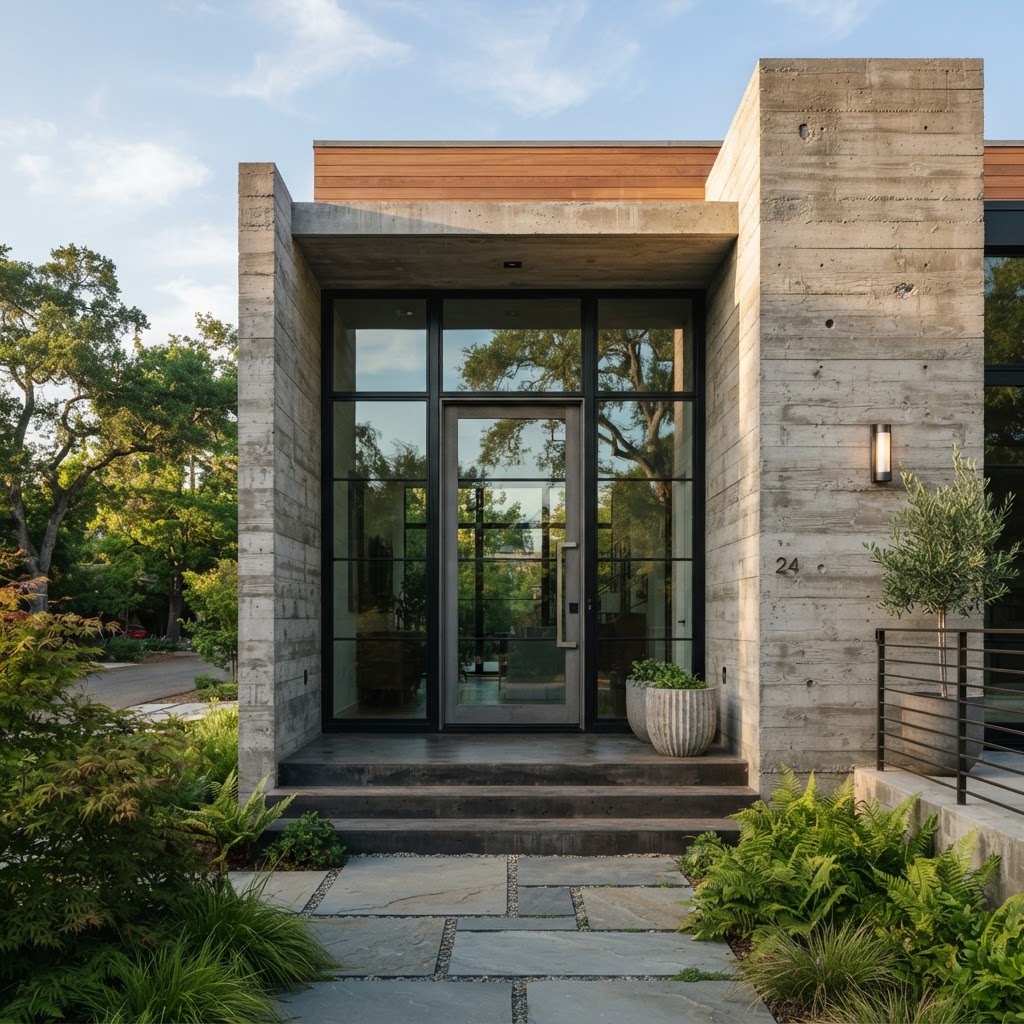
There's a word that gets thrown around a lot in architecture circles: authenticity. And honestly, it gets a bit overused to the point where it starts to lose meaning. But when it comes to concrete, I think the word actually fits. Concrete is, in a very literal sense, an authentic material. What you see is what you get. There's no coating, no laminate, no printed pattern pretending to be something else. It is exactly what it is, and it ages exactly as you'd expect it to.
This matters more than it might seem at first. We live in an era of materials that are designed to simulate other materials. Vinyl that looks like wood. Porcelain that looks like marble. Laminate that looks like concrete, which is kind of ironic. There's nothing inherently wrong with those materials, they have their uses. But there's something refreshing about a material that doesn't bother pretending. Concrete doesn't want to be marble. It's concrete, and it's proud of that.
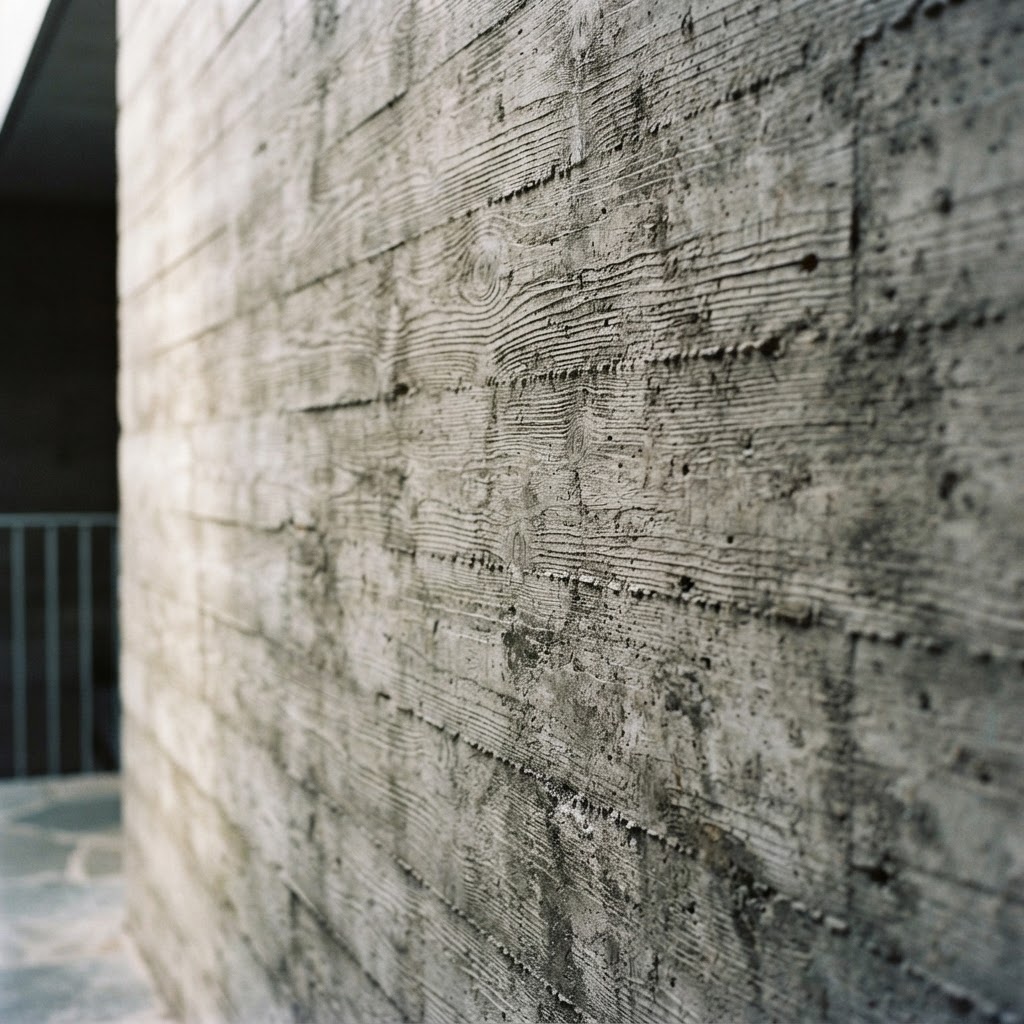
There's also the matter of how concrete ages. This is a topic I feel strongly about. A lot of modern materials age badly. They chip, peel, fade, or simply look dated. Concrete, on the other hand, develops character over time. It picks up patina. It weathers. The surface changes, deepens, becomes more interesting. A fifty-year-old concrete building doesn't look like a building that's falling apart, it looks like a building that has lived. That distinction matters enormously when you're thinking about architecture as something that should outlast the people who designed it.
The environmental conversation around concrete is complicated and worth acknowledging. Cement production is a significant source of carbon emissions, and that's not something the industry can ignore. But the longevity of concrete construction is also part of the environmental equation. A concrete building that stands for a hundred years and requires minimal maintenance has a very different footprint than a building clad in materials that need to be replaced every fifteen. The design community is actively working on lower-carbon concrete alternatives, and that work is genuinely exciting. The material's future is as interesting as its past.
"Architecture should speak of its time and place, but yearn for timelessness." This idea, often attributed to Frank Gehry, lands differently when you're standing in a raw concrete space. Because concrete, more than almost any other material, manages to do exactly that.
What I keep coming back to is this: concrete asks something of the people who live or work inside it. It asks you to be present. It doesn't distract you with decoration or visual noise. It gives you a surface that rewards attention, that changes with the light, that records the passage of time, and that never pretends to be something it isn't. In a design world full of surfaces trying desperately to get your attention, that kind of quiet confidence is genuinely radical.
Final Thoughts
Raw concrete has been called cold, oppressive, and outdated, and its defenders have called it noble, honest, and timeless. I've spent a lot of time thinking about both sides of that argument, and where I land is this: it's one of the few materials in architecture where the debate itself tells you something important. We don't argue this passionately about drywall or vinyl siding. Concrete provokes a reaction because it means something. It's making a statement just by being itself.
The boldest design choices are almost always the ones that resist decoration, resist trend, and resist the urge to please everyone. Concrete does all three of those things, effortlessly and permanently. Whether you're drawn to the sculptural drama of Brutalism, the serene minimalism of Tadao Ando, or simply the idea of a living room wall that tells the truth about what it's made of, raw concrete offers something that very few materials can match.
Look, you don't have to love it. But you should probably respect it. And if you ever get the chance to spend time in a space where concrete has been used with real intelligence and care, take it. I think you'll come away understanding why architects keep reaching for this material, generation after generation, even when everyone says the moment has passed. Because it never really passes. It just waits.
More in Residential
Stay Inspired
Subscribe for new essays on architecture, design, and the spaces that shape us.